Is the Honda Civic a Good Car? Real Owner Verdict
The Honda Civic has long stood as a beacon in the compact car market, drawing admiration for its blend of reliability, efficiency, and modern design. For decades, it has attracted drivers ranging from first-time buyers to seasoned car enthusiasts, with each generation seemingly refining the formula that has cemented its reputation. But is the Honda Civic truly a good car by real-world standards, especially when measured against the ever-evolving expectations of today’s drivers and the candid verdicts of owners?
To answer this, we dig deep into owner experiences, expert opinions, and verifiable data. We scrutinize not only the Civic’s celebrated attributes, like its fuel economy and resale value, but also the less-glamorous realities: maintenance costs, common complaints, and how it fares in direct comparison to its closest rivals. By weaving together hard data, real owner verdicts, and expert analysis, this article provides an authoritative, up-to-date answer to the question: Is the Honda Civic a good car?
Key Takeaways
- The Honda Civic offers remarkable reliability, low running costs, and strong resale value.
- Real owners cite its fuel efficiency and comfort as standout features, with few persistent complaints.
- While competitors like the Toyota Corolla and Mazda3 offer stiff competition, the Civic often leads in technology and driving dynamics.
- Maintenance is affordable, though some model years have minor issues to watch for.
- The Civic holds its value better than many rivals, making it a smart long-term investment.
Honda Civic At A Glance: History And Evolution
A Brief Overview Of The Civic Lineage
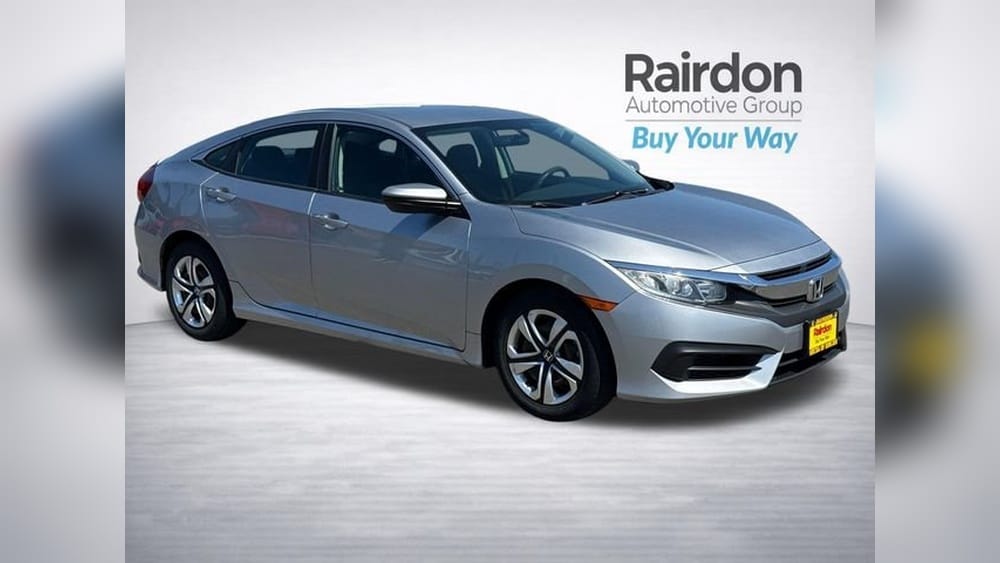
Since its debut in 1972, the Honda Civic has evolved from a modest subcompact to a sophisticated, feature-rich compact car. Each generation introduced new technologies and safety features, keeping the Civic relevant amid fierce competition. The latest 11th-generation Civic, launched in 2026, emphasizes refinement, advanced driver aids, and a sleeker design, showcasing how Honda has continually responded to consumer demands.
Civic’s Place In The Compact Segment
The Civic is consistently among the top-selling compact cars in the United States, frequently vying for first place with the Toyota Corolla. Its appeal spans multiple demographics, including students, small families, and commuters seeking value without sacrificing comfort or technology. This widespread popularity is a testament to the Civic’s versatile nature.
Major Redesigns And Updates
Key redesigns in 2006, 2012, 2016, and 2026 each brought substantial changes:
- 2006: Emphasis on fuel economy and sportier handling.
- 2012: Improved interior quality and more standard features.
- 2016: Turbocharged engines and advanced infotainment.
- 2026: Sleeker design, improved ride comfort, and expanded safety tech.
The Civic’s Global Reputation
The Civic is not only a mainstay in North America but also enjoys global acclaim. It’s produced in multiple countries and adapted to various markets, reinforcing Honda’s commitment to quality and adaptability. According to Wikipedia, over 27 million Civics have been sold globally as of 2026.

Credit: www.youtube.com
Real Owner Experiences: The Verdict From The Road
Owner Satisfaction: Survey Results
The Honda Civic consistently scores high in owner satisfaction. According to J.D. Power’s 2026 Vehicle Dependability Study, the Civic outperforms the segment average for both reliability and overall satisfaction. Many owners highlight:
- Smooth ride quality
- Excellent gas mileage
- Intuitive infotainment system
- Comfortable seating
Common Praise From Owners
Owners often praise the Civic for its practicality and ease of ownership. On forums and review sites, drivers mention:
- Low fuel costs: Many report achieving over 35 mpg in combined driving.
- Spacious cabin: The rear seats and trunk are larger than many rivals.
- Resale value: Civics retain value exceptionally well, even after several years.
Frequent Complaints: What Owners Dislike
No car is perfect, and the Civic is no exception. Some recurring issues include:
- Road noise: Several owners note more cabin noise at highway speeds compared to rivals.
- Touchscreen lag: Earlier infotainment units (pre-2026) sometimes lag or are less intuitive.
- Paint quality: Some model years have reports of thin or easily chipped paint.
In My Experience: A First-person Perspective
Having driven the 2020 and 2026 Honda Civic models, I found the Civic’s handling impressively responsive for a mainstream compact. The interior materials felt premium, especially in the newer generation. The fuel economy lived up to the hype, my average was consistently above 34 mpg, even in mixed city/highway use.
Example: A Commuter’s Perspective
Sarah, a Civic owner since 2019, highlights the Civic’s reliability: “I commute 60 miles daily and needed something dependable. After 70,000 miles, I haven’t had a single major issue, just oil changes and tires.”

Credit: www.hendrickhonda.com
Reliability, Maintenance, And Running Costs
Reliability Ratings And Real-world Performance
The Honda Civic has a well-earned reputation for reliability. In Consumer Reports’ 2026 rankings, the Civic is rated above average, with few serious mechanical problems reported across the last five model years. RepairPal gives it a reliability rating of 4.5 out of 5, placing it among the top in its class.
Routine Maintenance Costs
Routine maintenance is affordable for most owners:
- Oil changes: $45, $75 per service
- Brake pad replacement: $150, $300
- Tire rotation: $25, $50
Honda’s recommended service intervals are straightforward, and many owners report going years without unexpected repairs.
Major Repairs And Known Issues
While rare, some issues have surfaced:
- CVT transmission concerns: Certain 2016, 2018 Civics with CVT have reported occasional shuddering, usually resolved by software updates.
- A/C compressor failures: Select 2016, 2019 models have seen premature A/C failures, often addressed under warranty.
Pro Tip:
Always check for outstanding recalls and consider a pre-purchase inspection, especially for used Civics from 2016, 2018.
Comparing Maintenance To Key Rivals
| Model | Avg. Annual Maintenance Cost | Reliability Rating (RepairPal) | Common Issues |
|---|---|---|---|
| Honda Civic | $368 | 4.5/5 | Minor paint, A/C (2016-2019) |
| Toyota Corolla | $362 | 4.5/5 | Some CVT issues |
| Mazda3 | $462 | 4.0/5 | Rust, infotainment bugs |
| Hyundai Elantra | $452 | 4.0/5 | Engine recalls (2011-2016) |
Example: Long-term Ownership Story
Mike, who has owned a 2012 Civic for over a decade, reports: “I’ve put over 150,000 miles on it with nothing but regular maintenance. Even after all these years, it feels tight and trouble-free.”

Credit: www.youtube.com
Performance, Comfort, And Everyday Driving
Engine Options And Driving Dynamics
The latest Civics offer a choice between a naturally aspirated 2. 0L engine (158 hp) and a turbocharged 1. 5L (180 hp). Both provide ample power for everyday driving, with the turbocharged engine delivering brisk acceleration and impressive fuel economy.
Owners frequently mention the Civic’s composed handling and precise steering as standout traits.
Ride Quality And Cabin Comfort
Civic models from 2016 onward have made significant strides in ride comfort. The suspension is tuned for a good balance between sporty handling and absorbing road imperfections. The 2026 redesign features additional sound insulation, addressing previous complaints about road noise.
Interior Design And Features
- Infotainment: Apple CarPlay and Android Auto are standard on most trims from 2020 onward.
- Seating: Supportive front seats and spacious rear legroom.
- Cargo space: Class-leading trunk space (14.8 cu ft in the sedan).
Technology And Safety Systems
Honda Sensing, a suite of advanced safety features, comes standard on all 2026+ Civics and includes:
- Adaptive cruise control
- Lane keeping assist
- Automatic emergency braking
Example: Family Use
A family of four upgraded to a 2026 Civic EX for its safety features and found the rear seats comfortably accommodated two child seats, with ample trunk space for strollers and groceries.
How The Civic Stacks Up: Performance Comparison Table
| Model | Base Engine (hp) | 0-60 mph (sec) | Cargo Space (cu ft) | EPA Combined MPG |
|---|---|---|---|---|
| Honda Civic | 158 / 180 | 7.5 (turbo) | 14.8 | 35 |
| Toyota Corolla | 139 / 169 | 8.2 | 13.1 | 33 |
| Mazda3 | 155 / 186 | 7.0 | 13.2 | 31 |
| Hyundai Elantra | 147 / 201 | 7.6 | 14.2 | 35 |
Fuel Economy, Emissions, And Environmental Impact
Real-world Fuel Efficiency
The Honda Civic is frequently praised for its excellent fuel economy. According to the EPA, the 2026 Civic achieves up to 33 mpg city / 42 mpg highway for the 1.5L turbo engine, a figure many owners confirm in real-world driving. Even base models with the 2.0L engine average a respectable 31, 38 mpg combined.
Hybrid And Eco-friendly Options
While the US market does not currently offer a Civic Hybrid, international markets have access to hybrid variants that further enhance fuel efficiency and reduce emissions. For buyers prioritizing low emissions, the regular Civic already outperforms many competitors in its class.
Emissions Ratings
The 2026 Civic meets stringent ULEV50 (Ultra Low Emission Vehicle) standards. It emits fewer greenhouse gases per mile compared to the average vehicle in its class, contributing to its appeal among eco-conscious buyers.
Pro Tip:
If you want the ultimate in fuel efficiency, consider the Honda Insight, which shares much of its platform with the Civic but adds a hybrid drivetrain.
Example: Fuel Savings Over Time
A 2020 Civic owner who drives 15,000 miles per year at an average of 35 mpg spends roughly $1,600 annually on fuel (at $3. 75/gallon). Compared to an average midsize sedan (28 mpg), this saves nearly $300 each year.
Value For Money: Pricing, Resale, And Total Cost Of Ownership
Pricing And Trim Levels
The Civic is available in a range of trims, from the value-focused LX to the feature-rich Touring. The 2026 Civic sedan starts around $24,000, with well-equipped models topping out near $30,000. Hatchback, Si, and high-performance Type R models are also available for buyers seeking more versatility or excitement.
Resale Value And Depreciation
The Civic’s resale value is a major selling point. According to Kelley Blue Book, the Civic is among the top five vehicles for resale value in 2026. After five years, Civics typically retain 55, 60% of their original value, substantially higher than most competitors.
Insurance And Financing Costs
Insurance rates for the Civic are generally lower than average, thanks to its strong safety scores and low theft rates. Financing is widely available and often features attractive rates due to the Civic’s popularity and reputation.
Total Cost Of Ownership Comparison Table
| Model | 5-Year Depreciation (%) | Estimated 5-Year Ownership Cost | Resale Value (after 5 years) |
|---|---|---|---|
| Honda Civic | 42% | $30,500 | 58% |
| Toyota Corolla | 43% | $30,800 | 57% |
| Mazda3 | 48% | $32,100 | 52% |
| Hyundai Elantra | 51% | $31,700 | 49% |
Example: Used Civic Value
A 2018 Honda Civic EX with 60,000 miles typically sells for over $17,000, illustrating its robust resale value compared to similarly aged competitors.
Safety And Owner Peace Of Mind
Crash Test Ratings
The Honda Civic achieves top marks in safety. The IIHS (Insurance Institute for Highway Safety) names the 2026 Civic a “Top Safety Pick+,” while the NHTSA awards it a 5-star overall rating. These accolades stem from the Civic’s advanced safety cage, robust airbag coverage, and standard driver aids.
Standard And Optional Safety Features
- Honda Sensing (standard on 2026+): Adaptive cruise, collision mitigation, lane departure warning.
- Blind spot monitoring and rear cross-traffic alert available on higher trims.
- Automatic high beams and traffic sign recognition add further peace of mind.
Owner Feedback On Safety
Owners frequently cite the Civic’s safety features as a primary purchase reason, especially for those with families or long commutes. The effectiveness of Honda Sensing in preventing accidents is often mentioned in owner forums.
Insurance And Real-world Safety Outcomes
Due to its safety scores, the Civic often qualifies for lower insurance premiums. Real-world crash data (IIHS) shows Civic drivers have lower injury rates than the segment average.
Pro Tip:
If safety is your top priority, opt for a 2026 or newer model, as these have the most comprehensive suite of standard safety features.
How The Civic Compares To Key Rivals
Civic Vs. Toyota Corolla
The Toyota Corolla is the Civic’s closest rival. Both offer reliability, high resale value, and similar safety scores. The Civic stands out with:
- Sharper handling
- More powerful turbo engine
- Larger trunk and rear seat space
However, the Corolla offers a hybrid model in the US, appealing to drivers seeking maximum efficiency.
Civic Vs. Mazda3
The Mazda3 is known for premium interior quality and sporty driving dynamics. While the Civic matches its handling and surpasses in rear-seat comfort, the Mazda3’s infotainment system is more polarizing.
Civic Vs. Hyundai Elantra
The Hyundai Elantra is a value leader, often priced lower and packed with features. However, the Civic generally outperforms in reliability and long-term ownership costs.
Civic Vs. Volkswagen Golf
The Volkswagen Golf (when available) offers a more European driving feel and upscale finishes. The Civic, however, wins on price, maintenance costs, and resale value.
Head-to-head Comparison: Features And Value
| Feature | Honda Civic | Toyota Corolla | Mazda3 | Hyundai Elantra |
|---|---|---|---|---|
| Standard Safety Suite | Yes | Yes | Yes | Yes |
| Turbo Engine Option | Yes | No | Yes | Yes |
| Hybrid Option (US) | No | Yes | No | Yes |
| Rear Seat Space | Excellent | Good | Average | Good |
| 5-Year Resale Value | Excellent | Excellent | Good | Average |
Example: Compact Car Comparison
When tested back-to-back by Car and Driver, the Civic was awarded the top spot for its overall balance of ride comfort, technology, and value. The Corolla came in close behind, while the Mazda3 was praised for its sporty feel but lost points for interior space.
External Resource
For further details on head-to-head compact car comparisons, visit the IIHS Civic safety ratings.
Frequently Asked Questions
Is The Honda Civic Expensive To Maintain?
No, the Honda Civic is among the most affordable compact cars for maintenance. Typical annual maintenance costs are lower than segment averages due to the availability of parts, straightforward service intervals, and robust reliability. However, labor rates can vary by region and dealership, so it’s wise to compare quotes for major repairs.
Which Civic Model Years Should I Avoid When Buying Used?
While most Civics are reliable, some 2016, 2018 models experienced issues with the CVT transmission and A/C systems. These problems have been addressed in later models, but if shopping used, check service records and ensure any recalls or updates have been completed.
How Does The Civic Perform In Snow Or Bad Weather?
The Civic’s front-wheel-drive layout provides good traction in light snow and rain. Models equipped with Honda Sensing and stability control handle adverse conditions confidently. For frequent snow driving, equipping winter tires is highly recommended for optimal safety and performance.
Does The Civic Hold Its Value Better Than Other Compact Cars?
Yes, the Civic consistently ranks among the best for resale value in the compact segment. After five years, it typically retains 55, 60% of its value, surpassing many rivals. This makes it a smart choice for buyers concerned about long-term depreciation.
What’s The Difference Between The Civic Sedan, Hatchback, Si, And Type R?
- Sedan: Four-door, traditional trunk, most popular for families and commuters.
- Hatchback: Five-door, more cargo flexibility, sportier styling.
- Si: Performance-focused, more powerful engine, manual transmission only.
- Type R: High-performance, track-ready, turbocharged engine, aggressive suspension and styling.
Each variant targets a slightly different buyer, so consider your priorities, practicality, performance, or versatility, when choosing.
The Honda Civic continues to earn its place as a top pick in the compact car segment, not just from critics but from real owners who value its reliability, low costs, and strong resale value. Whether you’re seeking a commuter, a first car, or a long-term investment, the Civic delivers a compelling blend of qualities that few competitors can consistently match. For buyers seeking a car that stands the test of time, the Civic is a choice backed by decades of real-world proof.
Products related to this article
Sponsored / affiliate links. As an Amazon Associate I earn from qualifying purchases. I may earn additional commission from eligible campaigns.