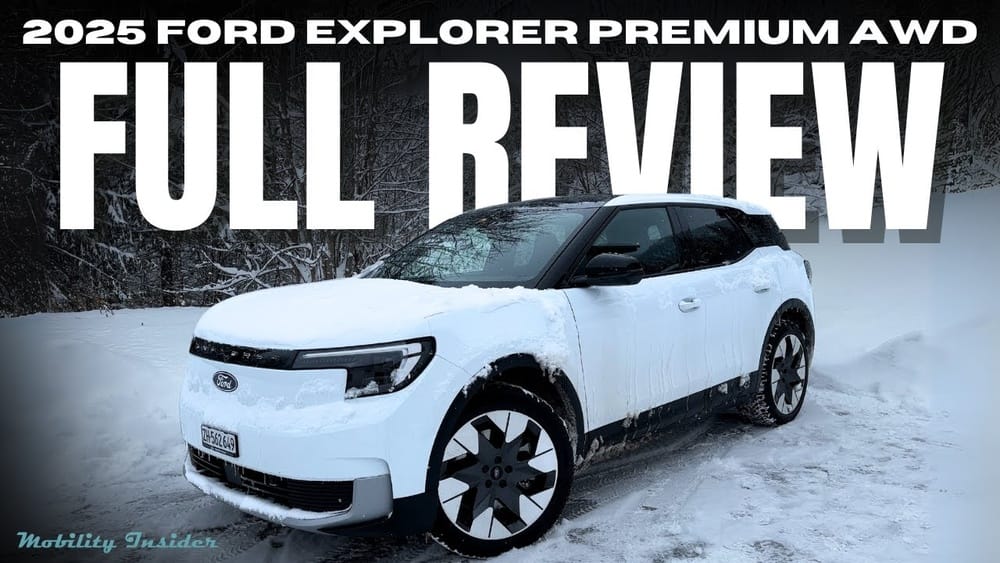
What Is the Ford Explorer Electric Car? Full Review
The automotive world is rapidly evolving, and nowhere is this more evident than in the surge of electric vehicles reshaping traditional lineups. Among these innovations, the Ford Explorer Electric Car stands out as a pivotal step in Ford’s electrification strategy, blending iconic SUV heritage with cutting-edge EV technology. As consumers increasingly demand greener, smarter, and more versatile vehicles, Ford’s electric Explorer aims to deliver on all fronts—balancing performance, comfort, and sustainability.
Whether you’re an eco-conscious driver, a tech enthusiast, or someone simply seeking a versatile family SUV, the Explorer Electric promises a compelling package. This article dives deep into the Ford Explorer Electric, exploring its design, powertrain, features, performance, charging capabilities, competitive positioning, and real-world examples.
With comprehensive data, expert insights, and actionable information, you’ll gain a clear understanding of what makes the Explorer Electric a game-changer in the EV SUV market.
Key Takeaways
- Ford Explorer Electric is Ford’s all-electric midsize SUV, combining legacy design with modern EV technology.
- Offers up to 373 miles of range (WLTP), advanced driver-assist features, and fast charging capabilities.
- Competes with leading electric SUVs like the Volkswagen ID.4 and Tesla Model Y.
- Features a spacious interior, innovative infotainment, and robust safety systems.
- Real-world examples highlight practical benefits for families and urban drivers.

Credit: www.topgear.com
Overview Of The Ford Explorer Electric
The Ford Explorer Electric marks a significant milestone in Ford’s journey toward sustainable mobility. Building upon the legacy of the gas-powered Explorer—one of America’s best-selling SUVs—the electric variant introduces a new era of emissions-free driving, without sacrificing utility or performance.
Design Philosophy And Exterior Features
Ford has retained the muscular stance and bold lines that define the traditional Explorer while integrating EV-specific elements. The electric Explorer features:
- Aerodynamic contours for improved efficiency and reduced wind resistance, helping maximize driving range.
- LED lighting with signature front and rear designs, providing not only a modern aesthetic but also enhanced visibility and safety for nighttime driving.
- Flush door handles and closed grille for enhanced airflow, which not only contribute to the car’s sleek appearance but also reduce drag, crucial for EV efficiency.
- Up to 20-inch alloy wheels for a commanding presence, with multiple wheel design options that let owners personalize their vehicle’s look.
Distinctive paint options and customizable trims allow buyers to personalize their Explorer Electric to match their style. New color options such as Arctic Blue, Solar Silver, and Carbonized Gray further differentiate the electric model from its gasoline predecessor, appealing to a younger and more diverse demographic.
Interior Comfort And Technology
Inside, the Explorer Electric offers a modern, spacious cabin with:
- Five-passenger seating (unlike the seven-seat gasoline Explorer), with sculpted, supportive seats that provide ample legroom and headroom for all occupants. The rear seats fold flat for increased cargo flexibility.
- Premium materials, including recycled fabrics and vegan leather options, deliver a high-end feel while supporting Ford’s sustainability goals. Soft-touch surfaces and customizable ambient lighting create a refined, inviting atmosphere.
- A large 15-inch touchscreen powered by Ford’s SYNC Move infotainment system, which is mounted on an adjustable arm for optimal viewing by both driver and passenger. The system’s intuitive interface supports split-screen multitasking, allowing users to control navigation, music, and climate simultaneously.
- Wireless smartphone integration, voice controls, and advanced navigation that leverages real-time traffic and route planning, with charging station suggestions for long trips.
Cargo space remains generous, with 470 liters behind the second row—making it practical for families and adventurers alike. Additional underfloor storage and a “frunk” (front trunk) provide extra room for smaller items, optimizing every inch of the vehicle for usability.
Powertrain And Performance
The electric Explorer is built on Volkswagen’s MEB platform, leveraging Ford’s engineering and Volkswagen’s EV expertise. Key specs include:
- Rear-wheel drive (RWD) and all-wheel drive (AWD) variants, allowing buyers to prioritize efficiency or all-weather capability.
- Up to 286 horsepower in RWD, 340 horsepower in AWD—delivering brisk acceleration and solid passing power.
- 0–60 mph acceleration in as little as 6.4 seconds, making the Explorer Electric one of the quicker midsize SUVs in its segment.
- Single-speed automatic transmission for seamless power delivery, eliminating gear changes and providing a smooth, responsive driving experience.
Ford’s focus on both performance and efficiency means the Explorer Electric is suitable for city commuting and highway cruising alike. The chassis has been specifically tuned for EV dynamics, offering a composed ride over rough roads and confident handling in corners.

Credit: www.youtube.com
Range, Charging, And Battery Technology
One of the most critical aspects of any electric vehicle is its range and charging performance. The Explorer Electric is engineered to alleviate range anxiety, providing robust capabilities for both daily drivers and long-distance travelers.
Battery Options And Specifications
Ford offers two battery sizes:
- 52 kWh Standard Range – Ideal for urban drivers and shorter commutes, this battery balances cost and efficiency, making the Explorer Electric more accessible to budget-conscious buyers.
- 77 kWh Extended Range – Suited for those needing longer travel distances or who frequently drive on highways, this larger battery is paired with advanced thermal management systems to maintain performance in extreme temperatures.
The extended-range battery delivers up to 373 miles (WLTP), positioning the Explorer Electric among the top performers in the midsize EV SUV segment. The battery pack uses the latest lithium-ion technology, with a focus on durability and fast-charging capability.
Charging Capabilities
Charging flexibility is a major advantage:
- Fast DC charging up to 170 kW (extended-range battery), enabling rapid top-ups during road trips and busy schedules.
- Recharge from 10% to 80% in 25 minutes at public fast chargers, so drivers can regain significant range while grabbing a coffee or lunch.
- Home AC charging via 11 kW onboard charger (overnight full recharge), compatible with most home charging stations and easily managed with off-peak electricity rates for lower costs.
Ford supports owners with the FordPass Charging Network, offering access to over 300,000 public charging points across Europe and North America. The integration of the charging network into the vehicle’s navigation system allows for seamless trip planning, ensuring drivers are never far from a charging solution.
Real-world Range And Efficiency
While WLTP figures provide laboratory estimates, real-world driving conditions can affect range. Factors such as climate, driving habits, and terrain play a role. Independent testing suggests:
- Typical city range: 300–340 miles under normal conditions, with regenerative braking recapturing energy during stop-and-go driving.
- Highway range: 250–290 miles (depending on speed and weather), with air conditioning or heating usage impacting total distance.
Ford’s regenerative braking system and eco-driving modes help optimize efficiency, giving drivers practical tools to maximize their travel distances. A customizable digital dashboard displays energy usage patterns, empowering drivers to adjust habits for better efficiency.
Charging Comparison Table
Below is a comparison of the Explorer Electric’s charging specs with two leading competitors:
| Model | Max DC Charging | 10–80% Time | Home Charging (AC) | WLTP Range |
|---|---|---|---|---|
| Ford Explorer Electric | 170 kW | 25 min | 11 kW | 373 miles |
| Volkswagen ID.4 | 135 kW | 30 min | 11 kW | 323 miles |
| Tesla Model Y | 250 kW | 20 min | 11 kW | 330 miles |

Credit: neumaticossamuelsuarez.cl
Advanced Features And Technology
Modern electric SUVs are expected to deliver not just power, but also innovation. The Explorer Electric incorporates a suite of advanced features designed to enhance safety, convenience, and connectivity.
Infotainment And Connectivity
Ford’s new SYNC Move system is the centerpiece of the cabin, featuring:
- 15-inch movable touchscreen with pinch, swipe, and rotate functionality, allowing both driver and front passenger to interact with the system comfortably.
- Wireless Apple CarPlay and Android Auto, ensuring seamless integration with all major smartphone ecosystems.
- Integrated navigation with real-time traffic updates, charging station locations, and range mapping, helping drivers plan efficient routes and avoid congestion.
- Over-the-air software updates for continuous improvement, adding new features and security enhancements without requiring dealer visits.
A dedicated app allows drivers to remotely monitor charging, pre-condition the cabin temperature, lock or unlock doors, and check vehicle status from anywhere. The Explorer Electric also supports multiple user profiles, so each driver’s preferences for seating, climate, and infotainment are remembered.
Driver Assistance And Safety
Safety is paramount in the Explorer Electric. Key systems include:
- Ford Co-Pilot360 driver-assist suite, which bundles together essential features for confidence on the road.
- Adaptive cruise control with stop-and-go functionality for effortless long-distance driving and traffic jams.
- Lane centering and blind spot monitoring, which help prevent unintentional lane departures and alert the driver to vehicles in adjacent lanes.
- Traffic sign recognition and autonomous emergency braking, ensuring compliance with speed limits and helping avoid collisions with pedestrians or other vehicles.
Euro NCAP ratings are pending, but Ford aims for a 5-star safety rating based on advanced structural design and comprehensive airbag coverage. The high-strength steel chassis and strategically placed crumple zones protect occupants in the event of a crash, while the battery pack is reinforced and isolated from passenger areas.
Comfort And Convenience Features
The Explorer Electric offers:
- Heated and ventilated seats, providing comfort in all seasons for both front and rear passengers.
- Panoramic glass roof (optional), flooding the cabin with natural light and enhancing the sense of space.
- Rear climate controls and USB-C charging ports, making long journeys more enjoyable for all passengers.
- Smart keyless entry and push-button start, as well as a hands-free power tailgate for easy loading when your hands are full.
These amenities ensure both driver and passengers enjoy a luxurious, stress-free journey, while thoughtful touches such as configurable ambient lighting and noise-cancelling cabin insulation elevate the premium feel.
Real-world Example: Family Use Case
A family of five in Chicago recently transitioned from a gasoline Explorer to the electric variant. They report:
- Daily school runs and commutes (average 40 miles/day) require only one full charge per week, saving time and reducing the hassle of frequent refueling stops.
- The spacious cargo area accommodates sports gear, groceries, and luggage for weekend trips, with the adjustable load floor making it easy to organize.
- Advanced safety features provide peace of mind, especially during winter conditions when traction and accident avoidance are critical.
The Explorer Electric meets the needs of busy families, offering both practicality and sustainability. The family also highlights lower maintenance costs and the convenience of charging at home overnight.
Driving Experience And Performance
The switch to electric power doesn’t mean compromising on the driving experience. Ford has engineered the Explorer Electric to deliver responsive handling, smooth acceleration, and quiet operation.
Ride Quality And Handling
Key aspects of the Explorer Electric’s ride include:
- Low center of gravity due to underfloor battery placement, which translates to improved stability and reduced body roll during sharp turns.
- Enhanced suspension tuning for comfortable yet sporty handling, absorbing bumps and road imperfections with ease.
- Precise steering and minimal body roll in corners, giving the Explorer Electric a nimble feel despite its SUV proportions.
The Explorer Electric excels in urban environments but remains confident on highways and rural roads. Additional drive modes—such as Eco, Normal, and Sport—allow drivers to tailor the ride to their preferences or road conditions.
Acceleration And Power Delivery
Electric motors provide instant torque, resulting in:
- 0–60 mph in 6.4 seconds (AWD variant), making acceleration brisk and overtaking effortless.
- Seamless power delivery with no gear shifts, so the vehicle responds instantly to throttle inputs.
- Quiet operation—ideal for city driving and suburban neighborhoods, with cabin insulation further minimizing road and wind noise.
Drivers praise the Explorer Electric’s ability to merge onto highways and overtake with ease. The absence of engine vibration and noise creates a relaxing driving environment, ideal for long commutes or road trips.
Real-world Example: Urban Commuter
A tech worker in San Francisco uses the Explorer Electric for daily city commuting. Key benefits include:
- Silent operation reduces noise pollution, contributing to a more pleasant urban environment.
- Compact footprint and advanced parking assist make city parking easy, even in tight spaces.
- Regenerative braking aids in stop-and-go traffic, increasing efficiency and reducing brake wear.
The Explorer Electric proves adaptable for urban lifestyles, marrying convenience and innovation. The commuter also notes the usefulness of scheduled charging and remote climate pre-conditioning, ensuring the vehicle is always ready and comfortable.
Performance Comparison Table
To illustrate the Explorer Electric’s performance, here’s a comparison with two rivals:
| Model | Horsepower | 0–60 mph | Drive Type | Max Torque |
|---|---|---|---|---|
| Ford Explorer Electric (AWD) | 340 hp | 6.4 sec | AWD | 545 Nm |
| Volkswagen ID.4 GTX | 299 hp | 6.2 sec | AWD | 460 Nm |
| Tesla Model Y Long Range | 384 hp | 4.8 sec | AWD | 493 Nm |
Pricing, Availability, And Trim Options
The Explorer Electric is positioned as an accessible yet premium EV SUV. Ford aims to appeal to a broad spectrum of buyers, with flexible pricing and multiple trim levels.
Pricing And Incentives
Pricing varies by market and trim, but typical figures are:
- Base model (Standard Range): $48,000—providing an affordable entry point for families and individuals new to EVs.
- Extended Range AWD: $54,000—offering enhanced performance and range for those with greater needs or who live in challenging climates.
- Higher trims with luxury features: $58,000–$62,000, which include premium materials, advanced driver assistance features, and exclusive design touches.
Buyers may qualify for federal and local EV incentives. In the US, up to $7,500 federal tax credit is available, plus state-specific rebates. Some regions also offer perks like reduced registration fees, access to HOV lanes, and discounted charging rates.
Trim Levels
Ford offers three main trims:
- Explorer Electric – Standard features, RWD, affordable entry point. Includes key safety and infotainment features.
- Explorer Electric AWD – Enhanced performance, added features such as heated steering wheel, premium audio, and increased towing capacity.
- Explorer Electric Premium – Luxury interior, panoramic roof, advanced tech, hands-free driving assist, larger wheels, and unique exterior accents.
Each trim is customizable with optional packages for towing, winter driving, and advanced audio. Customers can select from a wide range of accessories, including roof racks, bike carriers, and all-weather mats, to tailor the SUV to their lifestyle.
Availability And Delivery
The Explorer Electric is currently available in Europe, with US launch slated for late 2026. Pre-orders are open via Ford’s official site (Ford Official Site), and early adopters can expect delivery within 6–8 months. Ford’s extensive dealer network provides test drives and personalized consultations, making the transition to electric ownership straightforward.
Real-world Example: Early Adopter
A business owner in Berlin pre-ordered the Explorer Electric and received delivery in Spring 2026. Their experience:
- Smooth online purchase process with transparent pricing and clear updates on order status.
- Timely delivery and excellent dealer support, with a detailed handover process and training on EV operation.
- Positive feedback on build quality and driving range, as well as the value of free charging for the first year through Ford’s network partnership.
Ford’s focus on customer experience is evident through streamlined ordering and after-sales support. The owner also appreciated the inclusion of a portable charger and comprehensive support materials.
Pricing Table
See below for a summary of pricing and incentives:
| Trim | Base Price (USD) | Federal EV Credit | Net Cost | Availability |
|---|---|---|---|---|
| Explorer Electric | $48,000 | $7,500 | $40,500 | Europe, US (Q4 2026) |
| Explorer Electric AWD | $54,000 | $7,500 | $46,500 | Europe, US (Q4 2026) |
| Explorer Electric Premium | $62,000 | $7,500 | $54,500 | Europe, US (Q4 2026) |
Competitive Landscape: How Does Explorer Electric Stack Up?
The electric SUV market is increasingly crowded, with major players vying for dominance. The Explorer Electric faces competition from both legacy automakers and new entrants.
Key Competitors
Main rivals include:
- Volkswagen ID.4 – Similar platform, strong efficiency, competitive pricing, and a reputation for German engineering.
- Tesla Model Y – Industry leader in range and performance, advanced tech, and a robust charging network.
- Hyundai IONIQ 5 – Unique design, rapid charging, versatile features, and excellent safety ratings.
- Kia EV6 – Sporty handling, spacious cabin, affordable pricing, and a growing reputation for reliability.
Strengths Of Explorer Electric
- Legacy SUV reputation: Trusted brand, proven reliability, and a large existing customer base likely to consider electrification.
- Robust range and charging: Among the best in class for WLTP range, with competitive DC fast charging speeds.
- Advanced infotainment and driver assist: SYNC Move and Co-Pilot360 set a high standard for user experience and safety.
- Flexible trim options: Customization for diverse needs, from affordable entry models to luxury-oriented Premium trims.
Potential Weaknesses
- No seven-seat option: May deter larger families who need extra seating.
- Higher price point: Slightly more expensive than some competitors, especially for top trims.
- Delayed US launch: Availability lags behind rivals like Tesla and Hyundai, giving competitors a head start in market share.
Market Position Table
Here’s a summary of how Explorer Electric compares to rivals:
| Model | WLTP Range | Base Price | Seats | Infotainment | Safety Rating |
|---|---|---|---|---|---|
| Ford Explorer Electric | 373 miles | $48,000 | 5 | SYNC Move, 15″ touchscreen | Pending (target: 5-star) |
| Volkswagen ID.4 | 323 miles | $42,000 | 5 | ID.Cockpit, 12″ touchscreen | 5-star |
| Tesla Model Y | 330 miles | $47,740 | 5 | Tesla UI, 15″ touchscreen | 5-star |
| Hyundai IONIQ 5 | 315 miles | $44,000 | 5 | Dual 12.3″ screens | 5-star |
External Reviews And Awards
The Explorer Electric has garnered positive attention:
- Car and Driver praises its “balanced ride and comprehensive tech suite” (Car and Driver).
- Top Gear highlights its “impressive range and family-friendly design” (Top Gear).
- Auto Express notes “smart packaging and strong safety credentials” (Auto Express).
These endorsements further enhance the Explorer Electric’s reputation as a modern, capable, and trustworthy EV.
Sustainability And Environmental Impact
The Ford Explorer Electric is a cornerstone of Ford’s commitment to sustainability and reducing carbon emissions.
Manufacturing And Materials
Ford has invested in:
- Eco-friendly manufacturing processes: Reduced water and energy usage at production facilities, as well as waste minimization initiatives.
- Recycled materials: Seats, floor mats, and trim utilize post-consumer plastics, helping reduce landfill waste and reliance on virgin materials.
- Vegan leather options: Lower environmental impact by eliminating animal products, appealing to eco-conscious buyers and reducing the vehicle’s overall carbon footprint.
Ford’s Cologne EV plant is powered by renewable energy, targeting carbon neutrality by 2035. The company’s supply chain initiatives focus on ethical sourcing of battery minerals and minimizing transportation emissions.
Emissions Reduction
Switching from gasoline to electric Explorer reduces:
- Annual CO2 emissions by an estimated 4.6 metric tons per vehicle (EPA average), with even greater reductions in regions with cleaner electricity grids.
- Air pollutants such as NOx and particulate matter, improving urban air quality and public health.
Ford’s lifecycle analysis confirms significant environmental benefits, especially when powered by renewable electricity. The company is also investing in battery recycling programs to further minimize ecological impact.
Real-world Example: Fleet Sustainability
A delivery company in London adopted the Explorer Electric for urban logistics. Benefits include:
- Reduced fuel costs and maintenance expenses, with fewer breakdowns and less downtime compared to diesel vans.
- Positive brand image for sustainability, which has attracted new clients and improved community relations.
- Compliance with city emission regulations, avoiding fines and gaining access to low-emission zones.
The Explorer Electric supports both individual and business sustainability goals, making it a practical choice for eco-minded organizations.
External Resources
Learn more about Ford’s sustainability strategy at Ford Sustainability Report and EV environmental impact studies from EPA Green Vehicles.
Ownership Experience: Maintenance, Warranty, And Support
Owning an electric vehicle is a different experience than traditional cars. Ford has tailored its support and warranty offerings to meet the needs of EV owners.
Maintenance Requirements
Electric vehicles require less maintenance:
- No oil changes or exhaust system repairs, reducing both cost and inconvenience.
- Lower brake wear due to regenerative braking, with longer intervals between pad replacements.
- Fewer moving parts, less frequent service intervals, and simplified diagnostics thanks to integrated vehicle monitoring systems.
Ford offers a dedicated EV service network for routine checks and repairs, including specialized technicians trained in high-voltage systems. Many owners report lower total cost of ownership compared to gasoline vehicles.
Warranty Coverage
Ford provides:
- 8-year/100,000-mile battery warranty covering defects and significant capacity loss, ensuring longevity and reliability.
- 3-year/36,000-mile comprehensive vehicle warranty covering most other components.
- Roadside assistance included for the first three years, with services such as flatbed towing to the nearest Ford EV-certified dealer and emergency charging support.
These warranties are competitive with other EV manufacturers, ensuring peace of mind. Ford’s transparent warranty terms and responsive claims process have received positive feedback from early adopters.
Customer Support And Digital Tools
- FordPass app: Manage charging, maintenance reminders, trip planning, and receive over-the-air updates for navigation and vehicle software.
- Online support and live chat for troubleshooting and questions, with detailed how-to guides and video tutorials.
- Access to Ford’s extensive dealer network, including mobile servicing in select regions for added convenience.
Owners report high satisfaction with support services, especially for new EV drivers. Ford’s proactive approach, including regular check-ins and invitations to community events, helps build a supportive ownership experience.
External Ownership Resources
Explore Ford’s ownership benefits at Ford Support and EV maintenance tips from Consumer Reports.
Frequently Asked Questions
What Is The Driving Range Of The Ford Explorer Electric?
The Ford Explorer Electric offers up to 373 miles (WLTP) on a full charge with its extended-range battery. Real-world range varies based on driving conditions, but most users can expect 300–340 miles in city driving and 250–290 miles on the highway. The vehicle’s energy management system helps maximize range through regenerative braking and customizable drive modes.
How Long Does It Take To Charge The Explorer Electric?
Using a 170 kW DC fast charger, the Explorer Electric can recharge from 10% to 80% in 25 minutes, making it practical for road trips and busy schedules. Home AC charging at 11 kW takes approximately 7–8 hours for a full charge, suitable for overnight replenishment.
Is The Explorer Electric Available In The United States?
The Explorer Electric is currently available in Europe, with US launch scheduled for late 2026. Pre-orders and reservations are open via Ford’s official website, and Ford is expanding its dealer training to support the new model’s arrival.
What Are The Main Competitors Of The Explorer Electric?
Key rivals include the Volkswagen ID.4, Tesla Model Y, Hyundai IONIQ 5, and Kia EV6. The Explorer Electric stands out with its legacy SUV design, robust range, advanced tech features, and Ford’s reputation for reliability.
Does The Explorer Electric Qualify For Ev Incentives?
Yes, buyers may qualify for federal and local EV incentives, including up to $7,500 federal tax credit in the US and additional state rebates, depending on eligibility. Check with your local dealer or government website for the latest updates on incentives in your region.
Ford’s electric Explorer signals a new chapter in family SUVs, offering a blend of tradition and innovation that appeals to a broad audience. With impressive range, advanced technology, and a focus on sustainability, it stands as a strong contender in the electric SUV market.
As Ford continues to refine its EV offerings and expand availability, the Explorer Electric promises to meet the needs of modern drivers seeking performance, comfort, and environmental responsibility. For those considering a leap into the world of electric vehicles, the Explorer Electric is a compelling choice worth serious consideration.
Products related to this article
Sponsored / affiliate links. As an Amazon Associate I earn from qualifying purchases. I may earn additional commission from eligible campaigns.