How to Use Lights in a Car Correctly (Complete Guide)
Driving safely and confidently starts with mastering the essential controls in your car, especially the lights. From city traffic jams to foggy mountain passes, how you use your vehicle’s lights can dramatically impact visibility, communication with other drivers, and even your legal standing on the road.
Yet, research shows that many drivers misuse or misunderstand the various lighting systems in their vehicles, leading to preventable accidents and costly fines.
Whether you’re a new driver eager to learn, or an experienced motorist seeking to brush up on modern lighting technology, this comprehensive guide will equip you with everything you need to know about using your car’s lights correctly. We’ll break down each type of light, explore real-world scenarios, compare international regulations, and provide actionable tips for every situation you might encounter behind the wheel.
Key Takeaways
- Understanding and using your car’s lights is crucial for safety, legal compliance, and effective communication on the road.
- There are multiple types of vehicle lights, each with specific functions and rules for proper use.
- Misuse of lights, such as improper high beam use, can result in fines and increase accident risks.
- Modern cars offer advanced lighting technologies like adaptive headlights and automatic systems, know how to use them.
- Always check local and international traffic laws, as regulations can vary significantly by region.
- Proper maintenance and regular checks ensure all lights function optimally, especially in adverse conditions.
Credit: europeanautospares.com
Understanding Car Lighting Systems
The lighting system in modern vehicles is more sophisticated than ever, integrating multiple types of lights to serve different functions. Proper use of these lights is not only a matter of etiquette but also a legal requirement in many jurisdictions.
Headlights: Low Beam Vs. High Beam
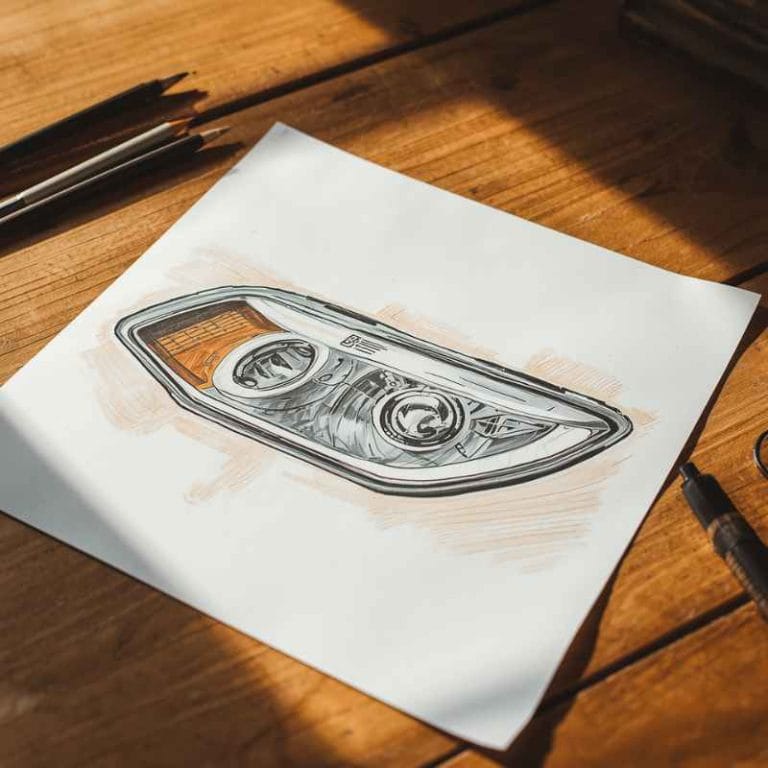
Headlights are the primary source of road illumination and are divided into two main types:
- Low beam (dipped beam): Used in most driving situations, especially when there is oncoming traffic. Low beams minimize glare for other drivers while providing adequate visibility.
- High beam (main beam): Intended for unlit roads or rural highways, high beams offer maximum illumination but can dazzle other drivers.
Example: On a dark country road with no oncoming traffic, high beams can be used. However, they must be switched to low beams when another vehicle approaches within about 500 feet (per US regulations).
Daytime Running Lights (drls)
Daytime Running Lights are automatically activated when the car is in motion. They improve visibility during daylight but are not a substitute for headlights in low-visibility conditions.
Fog Lights
Fog lights are designed for use in fog, heavy rain, or snow. Positioned low on the vehicle, they illuminate the road directly ahead, reducing glare that reflects back from fog or precipitation.
Pro Tip: Use fog lights only in conditions of poor visibility. Using them in clear weather can blind other drivers and is illegal in some areas.
Parking Lights
Parking lights are used when a vehicle is parked on the side of the road, especially in poorly lit areas. They help other drivers see your stationary vehicle.
Taillights And Brake Lights
- Taillights are red and illuminate when your headlights are on, making your car visible from behind.
- Brake lights activate when you press the brake pedal, signaling to drivers behind you that you are slowing down or stopping.
Turn Signals And Hazard Lights
- Turn signals (indicators) communicate your intention to turn or change lanes.
- Hazard lights (emergency flashers) are used when your vehicle is stationary and poses a potential hazard to other road users.
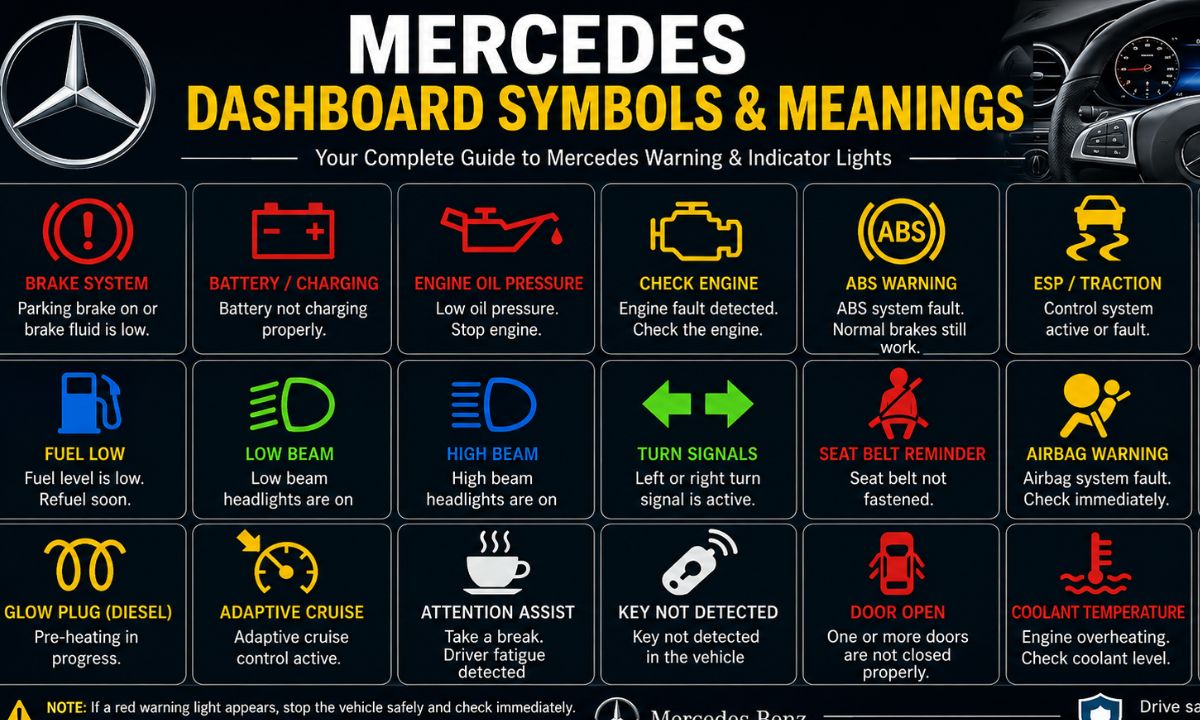
Interior And Dashboard Lights
These lights ensure you can see your controls and instruments without distracting or blinding yourself or others at night.
Legal And Safety Implications Of Car Light Usage
Using your car’s lights incorrectly isn’t just a minor oversight, it can have serious legal and safety consequences. Laws regarding car light usage vary widely by region, so it’s essential to understand both local and international requirements.
Common Traffic Laws Regarding Lights
Many countries and states enforce the following rules:
- Headlights must be on from sunset to sunrise, and during rain, fog, or snow.
- High beams must be dimmed when approaching or following another vehicle within a specified distance.
- Fog lights may only be used in poor visibility conditions.
- Hazard lights are for stationary vehicles only, not while driving.
Refer to your local Department of Motor Vehicles or transport authority for specifics.
Fines And Penalties
Improper use of lights can result in fines, points on your license, or even court appearances. For example, in California, improper use of high beams can lead to a $238 fine (California Vehicle Code 24409).
Accident Risk And Insurance
Inadequate or improper lighting significantly increases the risk of accidents, particularly at night. The Insurance Institute for Highway Safety (IIHS) reports that over half of traffic fatalities occur in low-light conditions.
International Differences
Here’s a table comparing headlight usage laws in selected countries:
| Country | Headlight Use During Day | High Beam Restrictions | Fog Light Laws |
|---|---|---|---|
| USA | Not required in most states | Within 500 ft of vehicle | Only in poor visibility |
| UK | Not required | Within 100 meters of vehicle | Only in fog, not rain |
| Germany | Required on rural roads | Within 200 meters of vehicle | Only in fog, snow, or rain |
| Japan | Not required | Within 200 meters of vehicle | Fog only |
Example: A driver in Germany must use headlights during the day on rural roads, whereas in the US, daytime headlight use is generally not required.
Credit: faxhionlite.com
When And How To Use Each Type Of Car Light
Knowing when and how to use each type of car light is critical for safe driving. Here’s a breakdown of best practices for every situation.
Headlights: Practical Scenarios
- Nighttime driving: Always use low beams unless you are alone on an unlit road, in which case you may use high beams.
- City driving: Stick to low beams to avoid blinding other drivers.
- Highway driving: Use high beams where permitted, but switch to low beams when following another car or encountering oncoming traffic.
Example: When I tested high beams on a mountain highway, I noticed the increased clarity in spotting animals but had to quickly switch back to low beams as vehicles approached.
Daytime Running Lights (drls)
- Use is automatic in most modern cars.
- Do not rely on DRLs in fog, rain, or dusk, switch to full headlights for proper rear visibility.
Fog Lights
- Activate only in conditions of severely reduced visibility (typically under 100 meters).
- Turn off fog lights as soon as visibility improves.
Warning: Using fog lights in clear conditions can result in fines and is distracting for other drivers.
Parking Lights
- Use when parked at night on narrow or poorly lit roads.
- Some countries require their use if you park facing traffic.
Taillights And Brake Lights
- Ensure taillights are functioning at all times when headlights are on.
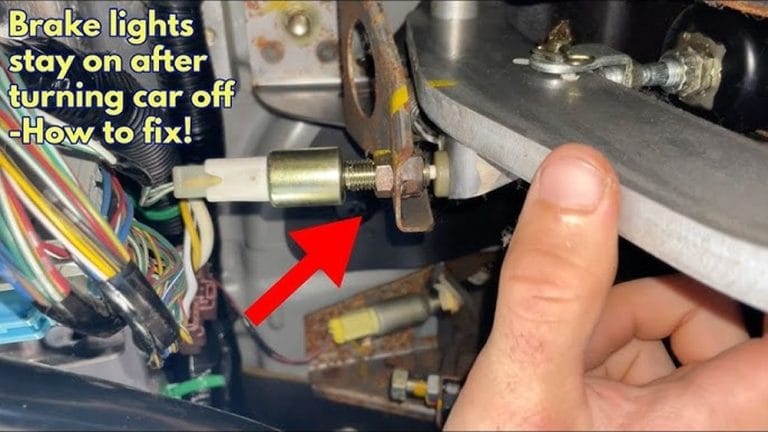
- Brake lights should illuminate immediately when the pedal is pressed.
Turn Signals
- Signal at least 100 feet before turning (US standard).
- Always use when changing lanes or merging.
Hazard Lights
- Use only if your vehicle is stationary and causing an obstruction, or in the case of a breakdown.
Credit: www.tvlexus.com
Advanced Lighting Technologies In Modern Cars
Car lighting has evolved rapidly, introducing advanced features that enhance safety and convenience. Understanding and correctly using these technologies is vital.
Automatic Headlights
- Automatic headlights sense ambient light and activate/deactivate as needed.
- Check your car’s manual for proper settings, some systems can be overridden manually.
Adaptive Headlights
- Adaptive headlights pivot in response to steering input, illuminating around corners.
- These increase visibility on winding roads but must be maintained properly for optimal performance.
Led, Xenon, And Laser Lights
| Light Type | Brightness (Lumens) | Energy Efficiency | Lifespan (Hours) | Cost |
|---|---|---|---|---|
| Halogen | 700-1,200 | Low | 500-1,000 | Low |
| LED | 2,000-4,000 | High | 15,000-30,000 | Medium |
| Xenon (HID) | 3,000-5,000 | Medium | 2,000-5,000 | High |
| Laser | 10,000+ | Very High | 10,000-20,000 | Very High |
LED and laser lights offer superior brightness and longevity but may require specialized maintenance.
Automatic High Beam Assist
- This system detects oncoming traffic and automatically switches between high and low beams.
- Useful in rural or suburban areas with intermittent traffic.
Cornering Lights And Matrix Leds
- Cornering lights provide extra illumination when turning at low speeds.
- Matrix LED systems selectively dim parts of the beam to avoid dazzling other drivers while maximizing road visibility.
Pro Tip: Always familiarize yourself with your car’s specific features, as these systems vary by manufacturer and model.
Maintenance And Troubleshooting For Car Lights
Proper maintenance ensures your lighting system functions optimally, reducing the risk of breakdowns and accidents.
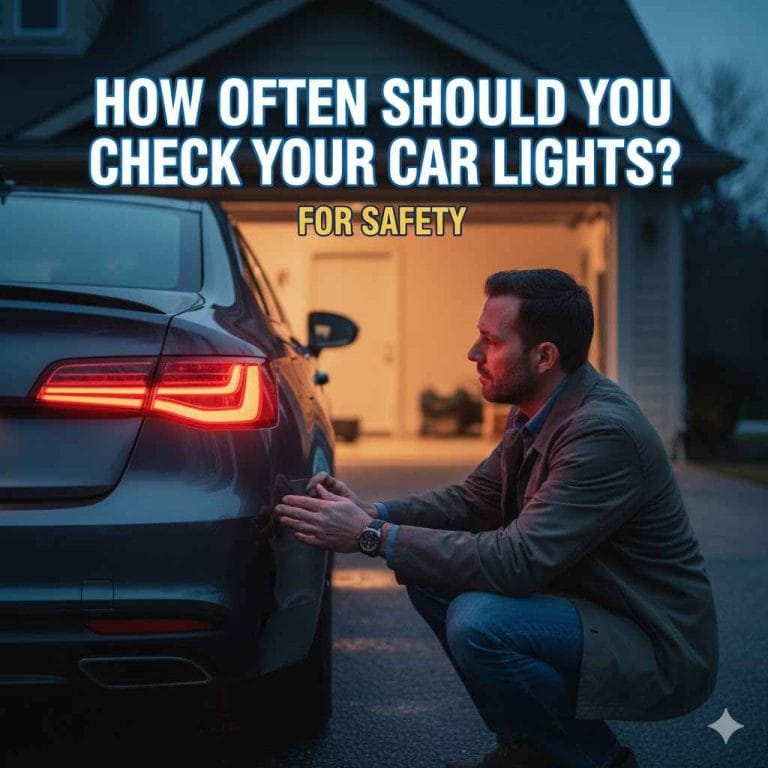
Regular Checks
- Inspect all exterior lights (headlights, taillights, signals, brake lights) weekly.
- Replace burnt-out bulbs immediately.
- Clean lenses to remove dirt and oxidation.
Bulb Replacement
- Consult your owner’s manual for the correct bulb type.
- Some modern lights (e.g., LED or xenon) may require professional replacement.
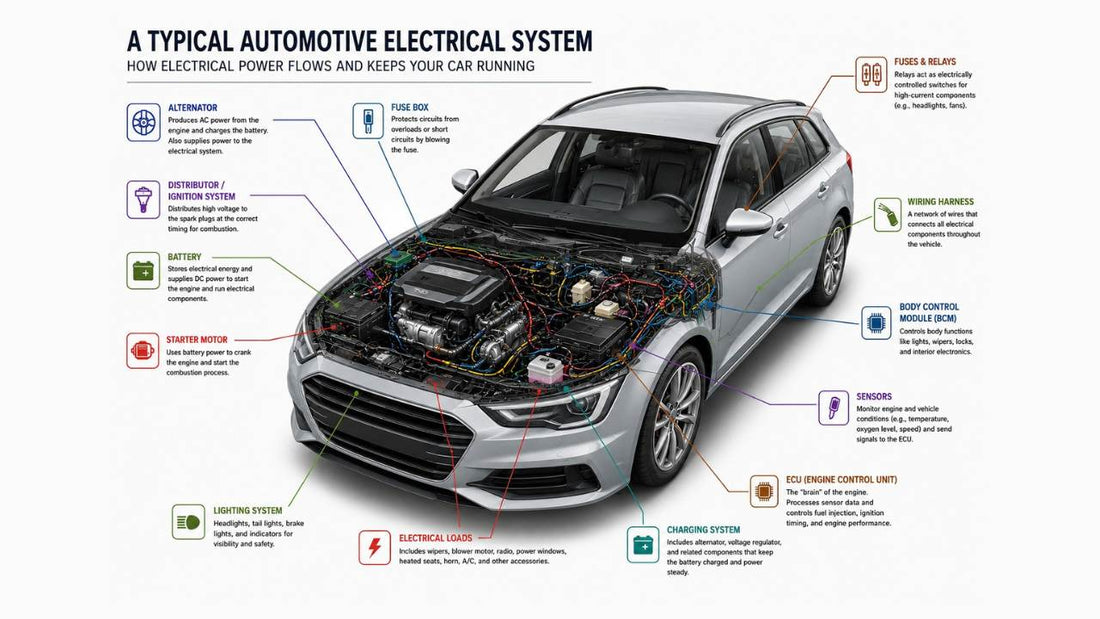
Dealing With Electrical Issues
- If lights flicker or fail, check fuses and wiring.
- Persistent problems may indicate alternator or battery issues.
Lens Cleaning And Restoration
- Cloudy or yellowed lenses reduce light output.
- Use restoration kits or professional services to restore clarity.
Upgrading Lighting Systems
- Aftermarket upgrades (such as LED conversions) may improve performance but must comply with local laws.
- Improper modifications can result in failed inspections or fines.
Common Mistakes And How To Avoid Them
Even experienced drivers sometimes misuse their car lights. Here are some frequent errors and how to correct them.
Using High Beams Incorrectly
- Mistake: Leaving high beams on with oncoming traffic or when following another vehicle.
- Solution: Always switch to low beams within the legal distance (typically 500 feet in the US).
Overusing Fog Lights
- Mistake: Using fog lights in clear weather.
- Solution: Reserve them for actual fog or heavy precipitation.
Forgetting To Use Lights In Low Visibility
- Mistake: Relying on automatic systems during dusk, dawn, or storms.
- Solution: Manually activate headlights when visibility drops below 500 feet.
Not Using Turn Signals
- Mistake: Neglecting to signal before turning or changing lanes.
- Solution: Make signaling a habit, even if you think no one is nearby.
Ignoring Malfunctioning Lights
- Mistake: Delaying repair of broken bulbs or lenses.
- Solution: Address issues immediately, it’s a legal and safety requirement.
Using Hazard Lights While Moving
- Mistake: Driving with hazard lights on in heavy rain or fog.
- Solution: Only use hazard lights when stationary and causing an obstruction.
Case Studies: Real-world Examples Of Correct And Incorrect Light Use
Examining real-world situations helps illustrate the importance of proper lighting etiquette and compliance.
Case Study 1: The Rural Nighttime Driver
A driver on an unlit rural road uses high beams for maximum visibility. As another car approaches, the driver switches to low beams within the legal distance, preventing glare and ensuring safety for both vehicles.
Case Study 2: The City Fog Incident
During a dense urban fog, a driver activates fog lights and low beams, enhancing visibility without dazzling others. Another driver, however, forgets to turn on headlights, making their vehicle nearly invisible, highlighting the dangers of neglecting proper light use.
Case Study 3: The Turn Signal Oversight
A motorist changes lanes on a busy highway without signaling, causing another driver to brake suddenly. This common error leads to a near-miss and underlines the importance of always communicating your intentions.
Case Study 4: The Automatic Headlight Misunderstanding
A new car owner relies solely on automatic headlights. In heavy rain during the day, the system doesn’t activate, resulting in poor rear visibility. Manually switching on full headlights prevents potential collisions.
Case Study 5: The Maintenance Neglect
A driver ignores a dashboard warning about a burnt-out brake light. At a stoplight, another vehicle nearly rear-ends them due to the missing signal. Regular checks could have prevented this close call.
Comparison Of Lighting Systems: Traditional Vs. Modern
Modern vehicles offer advanced lighting systems that outperform traditional halogen setups in safety and convenience. Here’s a quick comparison:
| Feature | Halogen System | LED/Xenon System | Adaptive/Matrix LED |
|---|---|---|---|
| Brightness | Standard | High | Very High |
| Lifespan | Low | Medium-High | Very High |
| Cost | Low | Medium | High |
| Automatic Features | No | Some | Yes |
| Legal Restrictions | Few | Some | Many (must be certified) |
For more on lighting technology, see the Automotive lighting Wikipedia page.
Tips For Safe And Effective Light Use In Special Conditions
Certain driving conditions call for specific lighting strategies to maximize safety.
Night Driving
- Use high beams where appropriate, but dim for oncoming or preceding vehicles.
- Reduce speed to compensate for limited visibility.
Bad Weather (rain, Snow, Fog)
- Always use low beams and, if necessary, fog lights.
- Never use high beams in fog, they reflect off moisture and reduce visibility.
Parking On Roads
- Activate parking lights if parked on narrow or busy roads at night.
- In rural areas, consider leaving hazard lights on briefly to alert traffic.
Tunnels And Underpasses
- Turn on headlights before entering, even if the tunnel is well-lit.
Emergency Situations
- Use hazard lights if you’re forced to stop in a dangerous location.
- Place reflective triangles or flares if available.
Pro Tip: In my experience, activating headlights in sudden storms, even during the day, greatly reduces your risk of being rear-ended.
Frequently Asked Questions
What Should I Do If My Car’s Automatic Headlights Don’t Turn On In Poor Visibility?
If your car’s automatic headlights fail to activate during rain, fog, or dusk, manually switch on your headlights. Automatic systems sometimes rely on ambient light sensors that can be fooled by daylight or streetlights, so it’s best to take control when visibility is compromised.
Are Aftermarket Led Or Hid Headlight Conversions Legal?
Aftermarket LED or HID conversions are subject to local regulations. In many regions, only factory-installed systems are legal for road use, and retrofitting older vehicles may not meet beam pattern or brightness standards. Check with your local Department of Motor Vehicles or equivalent authority before upgrading.
Can I Use Hazard Lights While Driving In Heavy Rain?
Using hazard lights while driving is illegal in most jurisdictions and can confuse other drivers. Hazard lights are intended only for stationary vehicles that pose a hazard. Instead, slow down, turn on your headlights, and maintain a safe following distance in heavy rain.
What’s The Difference Between Drls And Headlights?
Daytime Running Lights (DRLs) are low-intensity lights that enhance your vehicle’s visibility during the day, but they do not illuminate the road ahead or activate taillights. Headlights provide full illumination and are required in low-light or poor visibility conditions.
How Often Should I Check And Maintain My Car’s Lighting System?
Regularly inspect all exterior lights at least once per week, or before any long journey. Check for burnt-out bulbs, cracked lenses, or fogging. Prompt maintenance ensures compliance with the law and keeps you safe on the road.
Using your car’s lights correctly is a crucial skill that goes far beyond simply flipping switches, it’s about keeping yourself and others safe, avoiding legal trouble, and making the most of your vehicle’s technology. With the knowledge and tips from this guide, you’ll be better prepared for any driving situation. For additional information, consult your vehicle’s manual or visit resources like the National Highway Traffic Safety Administration. Drive safely, stay visible, and light your way responsibly.
Products related to this article
Sponsored / affiliate links. As an Amazon Associate I earn from qualifying purchases. I may earn additional commission from eligible campaigns.