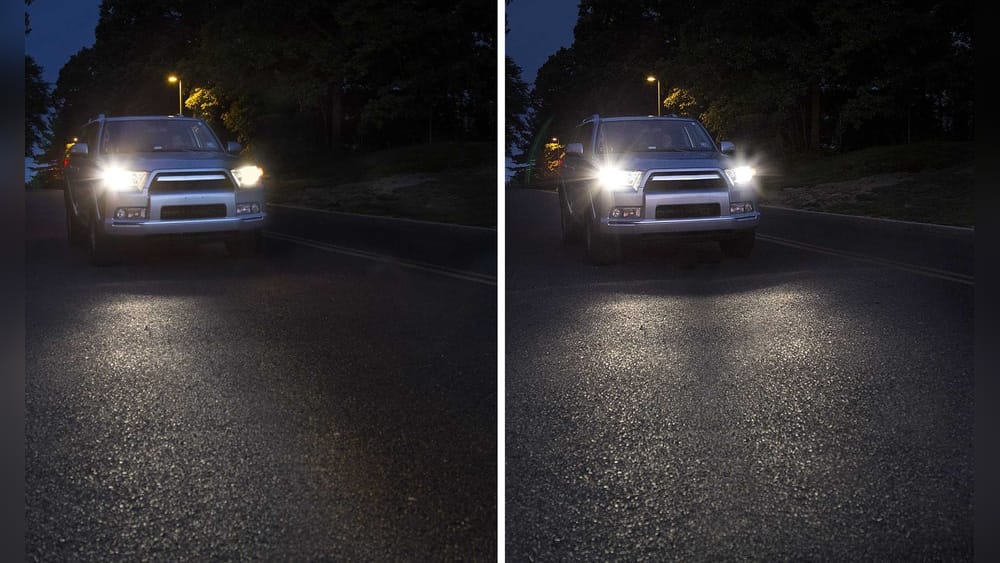
How to Improve Car Headlights for Better Night Visibility
Driving at night poses significant challenges for even the most experienced drivers. Reduced visibility, oncoming glare, and poorly lit roads can dramatically increase the risk of accidents. According to the National Safety Council, the risk of fatal crashes is three times higher at night compared to daytime.
Yet, many motorists overlook the condition and performance of their car headlights, mistakenly assuming that all headlights offer similar illumination. In reality, even small improvements to your vehicle’s headlights can lead to substantial gains in night driving safety and comfort.
Whether you’re navigating remote backroads or urban streets, optimal headlight performance is essential. Over time, headlights can degrade due to weathering, aging bulbs, and misalignment, leaving drivers with diminished visibility. Fortunately, there are actionable steps, ranging from basic maintenance to advanced upgrades, that can dramatically improve your night vision on the road. This guide explores proven methods, technology comparisons, and practical tips to help you see better and drive safer at night.
Key Takeaways
- Upgrading to modern headlight technologies like LEDs or HIDs offers superior brightness and longevity over standard halogen bulbs.
- Regular maintenance, including cleaning lenses and replacing bulbs, is critical for maximum visibility and safety.
- Proper headlight alignment can prevent glare for other drivers and ensures optimal road illumination.
- Aftermarket upgrades such as projector lenses and adaptive lighting systems can further enhance night driving performance.
- Legal regulations and compatibility must be considered before making significant headlight modifications.
- Real-world examples show measurable improvements in visibility and driver confidence after headlight enhancements.
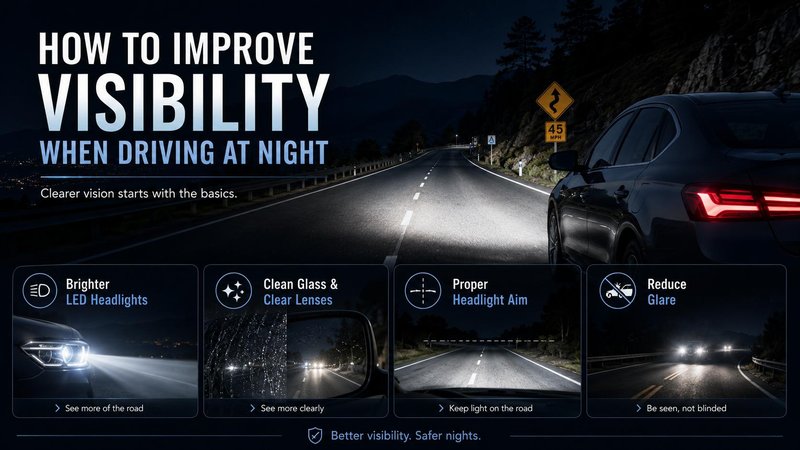
Credit: sealight-led.com
Understanding Headlight Technology
Modern vehicles offer a range of headlight technologies, each with distinct advantages and limitations. Understanding these options is foundational to making informed upgrade decisions.
Halogen Headlights
Halogen bulbs remain the most common type due to their affordability and ease of replacement. They generate light by heating a tungsten filament inside a gas-filled envelope, producing a warm, yellowish beam. While reliable, halogen headlights are outperformed by newer technologies in brightness and lifespan.
Hid (high-intensity Discharge) Headlights
HID headlights use an electrical discharge through xenon gas to produce an intense white-blue light. They are roughly twice as efficient as halogen bulbs and can illuminate a broader area. However, they require special ballasts and can be costlier to replace.
Led Headlights
LED (Light Emitting Diode) headlights have become increasingly popular for their energy efficiency, brightness, and exceptionally long lifespan. LEDs provide a clear, white light that closely mimics daylight, reducing driver fatigue. They are also highly customizable and compatible with adaptive lighting systems.
Laser And Matrix Headlights
Emerging technologies such as laser and matrix headlights are mostly found in high-end vehicles. Laser headlights offer extreme brightness and range, while matrix systems can dynamically adjust the light pattern to avoid dazzling other drivers.
| Technology | Brightness (Lumens) | Lifespan (Hours) | Color Temperature (Kelvin) | Cost |
|---|---|---|---|---|
| Halogen | 700-1,200 | 500-1,000 | 3,200-3,500 | Low |
| HID | 2,000-3,500 | 2,000-3,000 | 4,000-6,000 | Medium |
| LED | 2,000-4,000 | 15,000-30,000 | 5,000-6,500 | Medium-High |
| Laser | Up to 6,000 | 10,000-20,000 | 5,500-6,500 | Very High |
Choosing The Right Technology
Selecting the best headlight technology depends on your vehicle, budget, and driving environment. For most drivers, upgrading from halogen to LED or HID offers the most noticeable improvement in night visibility.
Essential Headlight Maintenance
Maintaining your headlights ensures they perform as intended, regardless of technology. Neglect can lead to diminished output and increased safety risks.
Cleaning Headlight Lenses
Over time, headlight lenses accumulate dirt, grime, and oxidation, reducing light output by as much as 70% according to the AAA Foundation. Regular cleaning is crucial:
- Use a gentle automotive soap and water to remove surface dirt.
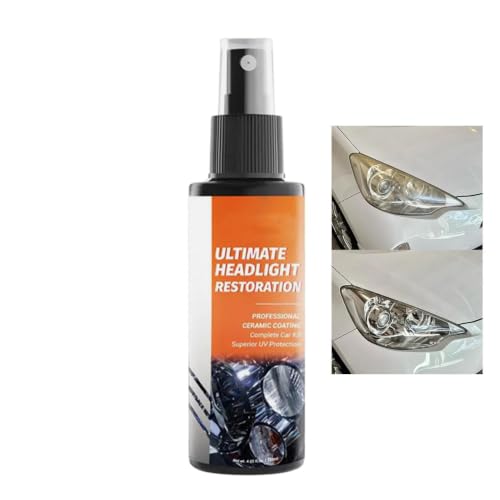
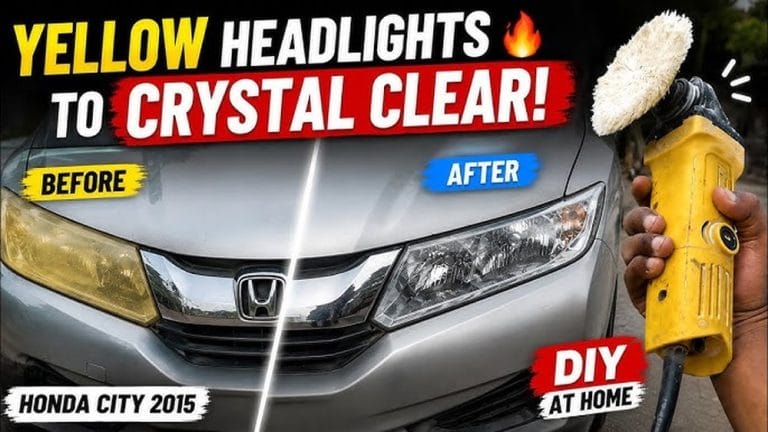
- For cloudy or yellowed lenses, apply a commercial headlight restoration kit.
- Seal lenses with a UV-protective coating to prevent future yellowing.
Pro Tip: Even new vehicles can benefit from periodic lens cleaning, especially in areas with high pollen or road salt.
Replacing Aged Or Burnt-out Bulbs
Bulb brightness diminishes gradually, often before total failure. Replace bulbs in pairs to ensure balanced illumination and always use the correct wattage and type for your vehicle.
Example: When I tested new halogen bulbs versus my old, five-year-old set, I immediately noticed a whiter, wider beam that made road signs and lane markings much clearer.
Checking For Moisture Or Condensation
Moisture inside the headlight housing can cause electrical issues and reduce clarity. If you notice fogging:
- Inspect seals and replace if necessary.
- Use silica gel packs inside the housing to absorb residual moisture.
Inspecting Electrical Connections
Loose or corroded wiring can result in flickering or non-functioning headlights. Check for:
- Secure connections at the bulb and ballast.
- Clean, corrosion-free terminals.
Regular maintenance extends the life of your headlight system and maximizes performance, delaying the need for more costly upgrades.

Credit: www.caranddriver.com
Upgrading Your Headlights: Options And Considerations
For those seeking improved night visibility, several upgrade paths exist. Each offers unique benefits and requires specific considerations.
Upgrading To Brighter Bulbs
Many manufacturers offer “plus” or “ultra” halogen bulbs that claim up to 50% more brightness. These bulbs are plug-and-play but may have a slightly shorter lifespan due to higher operating temperatures.
Hid And Led Conversion Kits
Conversion kits allow you to retrofit HID or LED bulbs into standard halogen housings. However, not all kits are created equal:
- Quality kits include proper ballasts (HID) or drivers (LED) to ensure compatibility.
- Poorly designed kits may cause scattered light, resulting in glare for other drivers or failing vehicle inspections.
Warning: Always check your local regulations. Some conversions may not be legal for road use in certain jurisdictions.
Projector Lenses And Retrofits
Projector lenses focus the light beam more precisely, reducing glare and increasing usable light on the road. Retrofitting projectors is more involved and may require professional installation, but the results can be dramatic.
| Upgrade Type | Installation Difficulty | Legality | Improvement |
|---|---|---|---|
| Brighter Halogen Bulbs | Easy | Legal in most regions | Moderate |
| HID/LED Conversion Kits | Moderate | Varies | Significant |
| Projector Retrofits | Advanced | Legal if done properly | High |
| Full Assembly Replacement | Advanced | Legal if DOT/ECE approved | Very High |
Adaptive And Smart Lighting Systems
Some modern vehicles offer adaptive headlights that swivel with steering input or automatically adjust beam pattern based on speed and road conditions. While expensive to retrofit, these systems offer substantial safety benefits.
Real-world Example: Led Conversion
A 2015 Toyota Camry owner upgraded from halogen to LED headlights using a reputable kit. Post-upgrade, the driver reported:
- Brighter, whiter light with improved roadside visibility.
- Reduced eye strain on long drives.
- No glare complaints from oncoming vehicles after proper aiming.
This case underscores the importance of both technology selection and careful installation.
Credit: www.vland-usa.com
Proper Headlight Alignment
Even the best headlights can be rendered ineffective, or dangerous, if not correctly aligned. Misaligned headlights may illuminate the sky or blind other drivers, while leaving the road ahead dimly lit.
Why Alignment Matters
Proper alignment ensures the light beam pattern hits the road at the correct height and angle. This maximizes forward visibility without causing glare.
Diy Alignment Steps
- Park the car on a level surface facing a wall, 25 feet away.
- Mark the horizontal and vertical centerlines of each headlight on the wall using masking tape.
- Adjust the vertical aim so the top of the main beam is at or slightly below the horizontal line.
- Adjust the horizontal aim so the beam centers on the vertical line.
Most vehicles feature adjustment screws near the headlight housing for this purpose. Consult your owner’s manual for specifics.
Professional Headlight Aiming
Dealerships and service centers use specialized tools for precision aiming, especially important after suspension or headlight upgrades.
Pro Tip: Re-check alignment after changing bulbs, repairing suspension, or carrying heavy loads.
Avoiding Common Alignment Mistakes
- Don’t aim headlights higher to “see farther”, this increases glare and is illegal.
- Always make adjustments with the car at normal ride height and tire pressure.
Enhancing Visibility With Supplemental Lighting
Beyond standard headlights, supplemental lighting can further improve night visibility, particularly in challenging conditions.
Fog Lights
Fog lights are designed for low, wide illumination to cut through fog, rain, or snow. They should be used in addition to, not instead of, properly functioning headlights.
Driving Lights
Auxiliary driving lights provide a focused, long-distance beam, ideal for rural or off-road settings. However, their use is often restricted on public roads due to brightness.
Off-road And Work Lights
LED light bars or spotlights are popular in off-road vehicles for illuminating trails and work sites. These lights are not legal for highway use but offer significant benefits in controlled environments.
| Supplemental Light | Best Use | Legal on Road? | Installation |
|---|---|---|---|
| Fog Lights | Poor weather | Yes | Easy-Moderate |
| Driving Lights | Rural highways | Restricted | Moderate |
| LED Light Bars | Off-road | No | Moderate-Advanced |
Real-world Example: Fog Light Addition
A commuter in Seattle added OEM fog lights to a 2018 Subaru Outback. The result was improved peripheral visibility in heavy rain and fog, with no additional glare for other drivers.
Cautions And Legalities
Always verify local laws before installing supplemental lighting. Improper use can result in fines and increased risk to other motorists.
Common Mistakes And How To Avoid Them
Upgrading headlights can backfire if done incorrectly. Here are frequent pitfalls and tips for avoiding them.
Installing Overpowered Bulbs
High-wattage bulbs can overheat wiring and melt housings. Always use manufacturer-recommended wattages.
Poorly Aimed Aftermarket Lights
Aftermarket kits often require precise aiming. Failure to do so can create dangerous glare and fail inspections.
Ignoring Legal Requirements
Some headlight upgrades, especially HID/LED conversions in reflector housings, may not meet DOT or ECE standards. Non-compliance can result in failed inspections or liability in accidents.
Neglecting Electrical Compatibility
Upgrades may require additional components such as relay harnesses or resistors to prevent flickering and error messages.
Skipping Routine Maintenance
Upgraded headlights still require regular cleaning, bulb replacement, and system checks to perform at their best.
Pro Tip: Always retain original parts to revert to stock configuration if necessary for inspections or resale.
Maximizing Headlight Effectiveness: Additional Tips
Beyond hardware changes, several driving habits and accessories can further improve night visibility.
Use High Beams Appropriately
High beams provide extra range but must be used responsibly to avoid blinding others. Dim them for oncoming traffic and when following another vehicle closely.
Clean Windshield And Mirrors
A dirty windshield or mirrors can scatter light, increase glare, and reduce contrast. Regularly clean all glass surfaces inside and out.
Avoid Aftermarket Tinted Films
Tinted headlight films may look stylish but can reduce output by 10-30%. Opt for clear, UV-protective films if protection is needed.
Upgrade Wiper Blades
Worn wipers can leave streaks that scatter headlight beams. Replace blades regularly for optimal clarity in rain or snow.
Maintain Proper Tire Pressure
Uneven tire pressure can alter your vehicle’s ride height, affecting headlight aim and coverage.
Real-world Example: Combined Approach
A rideshare driver in Chicago improved night visibility by upgrading to LED headlights, cleaning lenses monthly, and using premium wiper blades. Passenger ratings for ride comfort and safety improved, and the driver reported less fatigue during late-night shifts.
Legal And Safety Considerations
Headlight upgrades can offer tremendous benefits, but they must comply with safety regulations and vehicle compatibility standards.
Compliance With Dot And Ece Standards
In the United States, headlights must be DOT (Department of Transportation) compliant, while in Europe, ECE standards apply. Look for official markings on bulbs and assemblies before purchase.
Insurance And Liability
Non-compliant or improperly installed headlights can affect insurance claims in the event of an accident. Always retain receipts and installation records.
Professional Installation
For complex upgrades like projectors or adaptive systems, professional installation ensures proper function and alignment. Many shops offer warranties on both parts and labor.
Environmental Impact
Some older HID systems contain trace amounts of mercury. Dispose of old bulbs responsibly and recycle when possible.
For more details on legal standards, refer to the National Highway Traffic Safety Administration.
Frequently Asked Questions
What Are The Brightest Legal Headlights I Can Install On My Car?
The brightest legal headlights for most vehicles are DOT-approved LED or HID systems. LEDs offer superior brightness and longevity without excessive glare when properly installed and aimed. Always ensure your chosen upgrade is compatible with your vehicle’s housing and meets local regulations.
Is It Safe To Use Aftermarket Led Bulbs In Halogen Housings?
While many aftermarket LED kits fit halogen housings, they can sometimes create scattered light patterns and glare. Only use high-quality kits specifically designed for your housing type, and always have the alignment checked. Some regions restrict LED conversions unless the entire assembly is certified.
How Often Should Headlight Bulbs Be Replaced?
Headlight bulbs should be replaced every 1-3 years for halogen, and every 5-7 years for HID or LED, depending on usage and manufacturer recommendations. If you notice dimming, color changes, or flickering, replace the bulbs sooner. Always replace both sides simultaneously for balanced output.
Can I Restore Cloudy Headlights Myself, And How Effective Is It?
Yes, you can restore cloudy or yellowed lenses with commercial headlight restoration kits. These kits remove oxidation and minor scratches, often restoring up to 80% of lost clarity. For severe damage, professional polishing or replacement may be more effective.
Do Adaptive Headlights Really Make A Difference In Night Driving?
Adaptive headlights, which adjust their beam based on steering, speed, or road conditions, provide a significant safety advantage, especially on winding or poorly lit roads. Studies have shown that adaptive systems can reduce nighttime accident rates compared to fixed-beam headlights.
However, retrofitting these systems is complex and best suited to vehicles designed for them.
Driving at night need not be a stressful or risky endeavor. By understanding your options, maintaining your headlights, and making thoughtful upgrades, you can dramatically improve your visibility and safety after dark. Whether you opt for simple maintenance, a bulb upgrade, or advanced adaptive systems, the key is to prioritize visibility without compromising legal compliance or on-road courtesy. For further technical details and global headlight standards, refer to the Wikipedia Headlamp Article. Safe travels and clear vision await those who take headlights seriously.
Products related to this article
Sponsored / affiliate links. As an Amazon Associate I earn from qualifying purchases. I may earn additional commission from eligible campaigns.