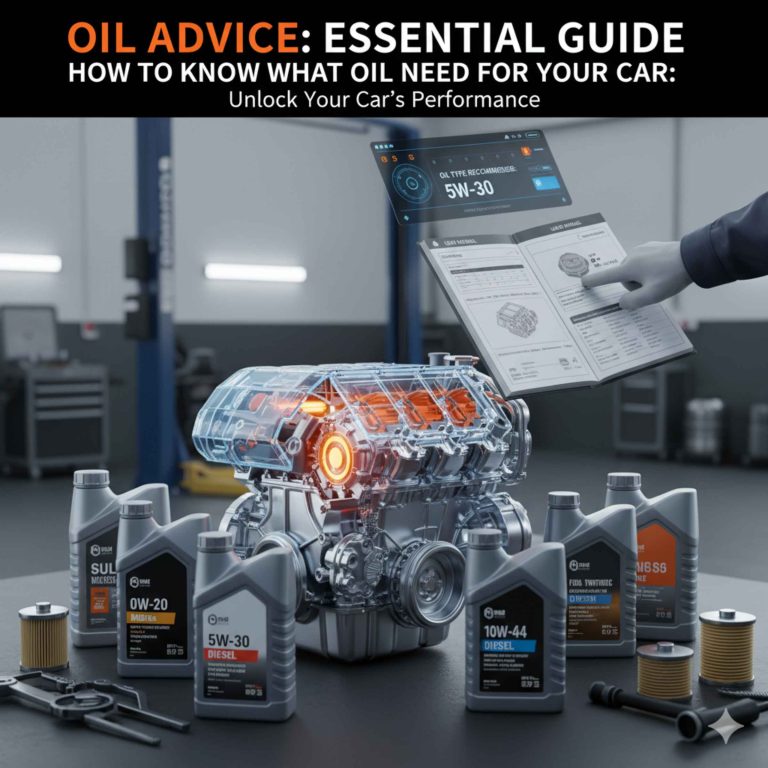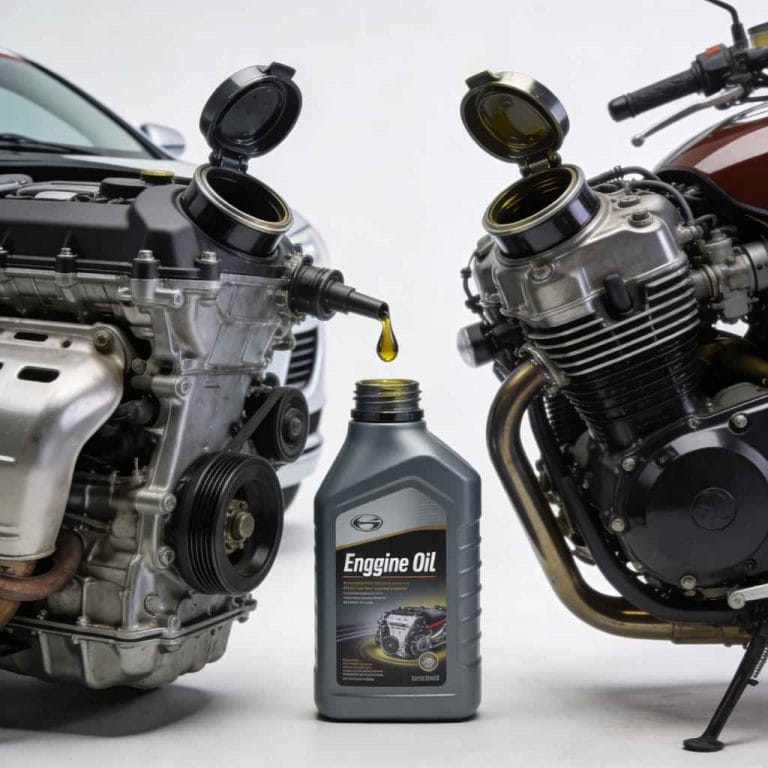
Which Car Engine Oil Is Best? Top Options for Every Car
Choosing the right car engine oil is crucial for maintaining optimal performance, longevity, and efficiency for any vehicle. As cars evolve with more sophisticated engines and tighter manufacturing tolerances, the importance of selecting the correct oil has never been greater. Drivers are confronted with a dizzying array of options: synthetic, semi-synthetic, conventional, high-mileage, and even specialty oils tailored for specific climates or driving styles. With each oil claiming to offer unique benefits, it’s easy to feel overwhelmed or uncertain about the best choice for your car.
The wrong engine oil can lead to reduced fuel efficiency, increased engine wear, or even catastrophic failure. Conversely, the right oil can support smoother operation, better protection, and lower maintenance costs over time. This article delivers a comprehensive, data-driven guide to the top engine oils for every car, comparing their features, real-world performance, and suitability for different vehicles and driving conditions.
Whether you’re a daily commuter, a performance enthusiast, or a fleet manager, you’ll find actionable insights and authoritative recommendations to make an informed decision.
Key Takeaways
- Engine oil selection depends on your car’s age, manufacturer recommendations, and driving conditions.
- Synthetic oils provide superior protection and performance, especially for modern engines and extreme conditions.
- High-mileage oils are designed for vehicles with over 75,000 miles, offering enhanced seal conditioning and reduced leaks.
- Viscosity rating (e.g., 5W-30, 10W-40) is essential, always consult your owner’s manual for the recommended grade.
- Regular oil changes and using quality oils can extend engine life and improve fuel economy.
- Trusted brands like Mobil 1, Castrol, and Shell consistently perform well in independent tests.
Credit: www.carmagazine.co.uk
Understanding Engine Oil Types And Their Roles
Engine oil serves as the lifeblood of your car, lubricating moving parts, reducing friction, cooling components, and keeping the engine clean. Choosing the best oil starts with understanding the different types available and their specific roles within the engine.
Synthetic Engine Oils
Synthetic oils are engineered from chemically modified base oils and additives. They offer:
- Superior lubrication: Reduce friction and wear, especially in high-performance or turbocharged engines.
- Enhanced thermal stability: Resist breakdown at extreme temperatures, ideal for hot climates or spirited driving.
- Better flow at low temperatures: Provide easier cold starts and quicker protection.
Mobil 1 and Castrol Edge are leading examples, regularly topping performance tests and recommended for newer cars.
Conventional Engine Oils
Conventional oils are refined from crude oil and are suitable for older, less demanding engines. Key features include:
- Affordability: Lower cost compared to synthetics.
- Adequate protection: For standard driving conditions and regular oil change intervals.
Brands like Valvoline and Pennzoil offer reliable conventional oils, but they require more frequent changes.
Semi-synthetic Engine Oils
These blends combine synthetic and conventional base oils, offering a balance of performance and price.
- Improved protection: Over conventional, especially in fluctuating temperatures.
- Cost-effective: Cheaper than full synthetics but still deliver enhanced performance.
Shell Helix and Castrol GTX Magnatec are notable semi-synthetic options.
High-mileage Engine Oils
Formulated for vehicles with over 75,000 miles, these oils contain additives to:
- Condition seals: Reduce leaks and oil consumption.
- Minimize wear: Extra protection for aging engine components.
Quaker State High Mileage and Mobil Super High Mileage are popular choices for older cars.
Specialty Oils
Some oils cater to specific needs, such as racing engines, diesel vehicles, or extreme climates. Always verify compatibility and manufacturer recommendations.
Pro Tip: Always check your vehicle’s owner’s manual or consult a certified mechanic to determine the correct oil type and viscosity for your car.

Credit: www.threads.com
How To Choose The Right Engine Oil For Your Car
Selecting the best engine oil requires considering several factors beyond just brand or price. Understanding your vehicle’s requirements is essential for optimal engine health and performance.
Manufacturer Specifications
Every car manufacturer specifies the ideal oil type and viscosity for their engines. Using the recommended oil ensures:
- Warranty compliance: Protects you from voiding coverage.
- Optimal performance: Maintains fuel economy and longevity.
For example, BMW recommends synthetic 5W-30 for most models, while older Toyotas often use conventional 10W-40.
Viscosity Ratings Explained
Viscosity measures the oil’s thickness and flow characteristics at different temperatures. Common grades include:
- 5W-30: Widely used for modern cars, balances cold start and high-temperature protection.
- 10W-40: Suitable for older engines or warmer climates.
- 0W-20: Designed for newer, fuel-efficient models requiring ultra-low viscosity.
Viscosity is denoted by the “W” (Winter) rating, such as 5W-30. The first number indicates cold-weather performance; the second represents high-temperature stability.
Example: A 5W-30 oil flows easily in winter (5W) but maintains thickness at engine operating temperature (30).
Driving Conditions And Environment
Your driving habits and local climate play a significant role in oil selection:
- Extreme heat or cold: Opt for synthetic oils with stable viscosity.
- Stop-and-go urban driving: Requires oils with strong detergents to combat sludge.
- High-speed or towing: Demands oils with robust anti-wear additives.
Fleet vehicles in hot southern states benefit from oils with higher thermal stability, while northern drivers should prioritize cold-flow properties.
Age And Mileage Of The Vehicle
Older cars, especially those with high mileage, may need specialized oils:
- High-mileage formulas: Help reduce leaks and consumption.
- Thicker viscosity grades: Compensate for engine wear.
Pro Tip: If your car has over 75,000 miles, consider switching to a high-mileage oil for added protection.
Certifications And Approvals
Look for oils certified by:
- API (American Petroleum Institute)
- ILSAC (International Lubricant Standardization and Approval Committee)
- ACEA (European Automobile Manufacturers’ Association)
These ensure the oil meets industry standards for performance and safety.
| Oil Type | Best For | Typical Viscosity | Price Range | API Certification |
|---|---|---|---|---|
| Synthetic | Modern, high-performance engines | 0W-20, 5W-30 | $40, $60 (5 qt) | Yes |
| Conventional | Older, less demanding engines | 10W-40, 5W-30 | $25, $35 (5 qt) | Yes |
| Semi-Synthetic | Balanced performance/cost | 5W-30, 10W-40 | $30, $45 (5 qt) | Yes |
| High-Mileage | Vehicles >75,000 miles | 10W-40, 5W-30 | $35, $50 (5 qt) | Yes |

Credit: 11plc.com
Top Engine Oil Brands And Their Best Products
The global engine oil market features several brands renowned for their quality, innovation, and reliability. Here’s a detailed look at the leading brands and their flagship products.
Mobil 1
Mobil 1 is synonymous with synthetic oil technology, consistently rated among the top choices by automotive experts.
- Mobil 1 Extended Performance: Offers up to 20,000 miles between oil changes, with advanced anti-wear additives.
- Mobil 1 High Mileage: Designed for older vehicles, featuring seal conditioners and robust detergents.
Example: Mobil 1 is frequently used in high-performance vehicles and is the factory fill for many luxury car manufacturers.
Castrol
Castrol stands out for its innovative formulations and wide product range.
- Castrol Edge: Features titanium technology for extra strength under pressure, ideal for turbocharged engines.
- Castrol GTX Magnatec: Semi-synthetic, uses intelligent molecules that cling to engine parts for enhanced protection.
In my experience, Castrol Edge delivered noticeably smoother performance and quieter operation during long road trips.
Shell
Shell’s Helix line is popular globally and recommended by several car manufacturers.
- Shell Helix Ultra: PurePlus technology converts natural gas to oil, offering superior cleanliness and protection.
- Shell Rotella: Specially formulated for diesel engines and heavy-duty vehicles.
Shell oils are known for their consistent performance and broad compatibility.
Valvoline
Valvoline offers both conventional and synthetic oils, trusted for over 150 years.
- Valvoline Advanced Full Synthetic: Provides enhanced protection against deposits and sludge.
- Valvoline High Mileage: Includes extra detergents and seal conditioners for older engines.
Valvoline products are widely available and backed by strong customer reviews.
Pennzoil
Pennzoil’s synthetic oils are produced using a unique gas-to-liquid process.
- Pennzoil Platinum: Delivers exceptional cleanliness, reducing sludge and buildup.
- Pennzoil High Mileage: Tailored for vehicles with aging engines.
Pennzoil is the official motor oil of several motorsports organizations.
Comparison Table: Leading Engine Oil Brands
| Brand | Flagship Product | Type | Recommended Change Interval | Notable Feature |
|---|---|---|---|---|
| Mobil 1 | Extended Performance | Synthetic | Up to 20,000 miles | Advanced anti-wear additives |
| Castrol | Edge | Synthetic | 15,000 miles | Titanium technology |
| Shell | Helix Ultra | Synthetic | 12,000 miles | PurePlus gas-to-liquid process |
| Valvoline | Advanced Full Synthetic | Synthetic | 12,000 miles | Deposit and sludge protection |
| Pennzoil | Platinum | Synthetic | 10,000 miles | Enhanced engine cleanliness |
Real-world Examples: Engine Oil Performance In Practice
Understanding how engine oil performs in real-world situations provides valuable insights beyond laboratory tests and marketing claims.
Example 1: Synthetic Oil In A High-mileage Sedan
A 2012 Honda Accord with 110,000 miles was switched from conventional to Mobil 1 High Mileage synthetic oil. The owner reported:
- Reduced oil consumption: From 1 quart every 3,000 miles to just 1 quart every 6,000 miles.
- Quieter engine operation: Less vibration and noise at idle.
- Improved fuel economy: Noted a 2% increase, verified by consistent trip logs.
Example 2: Castrol Edge In A Turbocharged Sports Car
A Ford Focus ST owner opted for Castrol Edge 5W-30 after noticing increased engine heat and turbo lag. Results included:
- Better thermal stability: Engine temperatures remained stable during spirited driving.
- Enhanced responsiveness: The turbo spooled faster, delivering smoother power.
- No oil breakdown: Oil maintained color and viscosity after 5,000 miles.
Example 3: High-mileage Oil In A Fleet Vehicle
A delivery fleet with aging Chevrolet vans switched to Valvoline High Mileage. After six months:
- Reduced leaks: Fewer oil stains under parked vans.
- Lower maintenance costs: Engine repairs dropped by 15% compared to the previous year.
- Improved longevity: Engines ran smoother, with fewer breakdowns.
These examples demonstrate the tangible benefits of choosing the right oil for specific vehicle needs.
The Science Of Engine Oil Additives And Performance
Engine oils are far more than just lubricants; they incorporate a range of additives that target specific engine concerns and performance objectives.
Anti-wear Additives
Compounds like zinc dialkyldithiophosphate (ZDDP) protect engine parts from metal-to-metal contact, reducing wear especially during cold starts.
Detergents And Dispersants
These additives keep engines clean by suspending contaminants and preventing sludge buildup. High-quality oils feature robust detergent packages.
Viscosity Modifiers
Ensure oil maintains proper thickness across a range of temperatures, supporting both cold start protection and high-heat stability.
Seal Conditioners
Found in high-mileage oils, these additives rejuvenate aging seals, helping to prevent leaks and oil consumption.
Antioxidants And Corrosion Inhibitors
These combat oxidation and rust, prolonging oil life and safeguarding internal engine components.
Pro Tip: Premium oils contain more advanced additive packages, delivering greater protection, efficiency, and longevity.
| Additive Type | Main Function | Commonly Found In |
|---|---|---|
| Anti-Wear | Reduce friction, prevent metal wear | Synthetic, high-mileage oils |
| Detergents | Keep engine clean, suspend contaminants | All oil types |
| Viscosity Modifiers | Maintain flow at varying temperatures | Multi-grade oils |
| Seal Conditioners | Prevent leaks, rejuvenate seals | High-mileage oils |
| Antioxidants | Prevent oil breakdown, combat oxidation | Synthetic, premium oils |
Cost, Availability, And Environmental Impact
Engine oil is not just about performance, it also affects your wallet and the environment. Consider these factors when selecting the best oil for your car.
Price And Value
While synthetic oils are more expensive, their longer change intervals and superior protection often offset the cost.
- Conventional oils: $25, $35 for a 5-quart jug, need changes every 3,000, 5,000 miles.
- Synthetic oils: $40, $60, last up to 10,000, 20,000 miles.
Semi-synthetic oils offer a compromise, with moderate price and extended intervals.
Availability
Major brands are widely available at automotive retailers, dealerships, and online stores. Specialty oils may require ordering directly or visiting a specialty shop.
- Mobil 1, Castrol, Shell, Valvoline, Pennzoil: Broad distribution.
- Niche brands (Motul, Royal Purple): Limited to performance shops or online.
Environmental Considerations
Engine oil manufacturing and disposal impact the environment. Synthetic oils, due to their longevity, reduce waste and environmental harm. Proper recycling is essential.
- Used oil recycling: Many auto shops and municipal centers accept used oil for safe disposal.
- Eco-friendly oils: Some brands, such as Shell Helix Ultra, use cleaner production processes.
EPA Used Oil Recycling Guide offers resources on proper oil disposal and environmental stewardship.
Maintenance Tips And Best Practices For Engine Oil
Maintaining engine oil quality is as important as choosing the right product. Follow these best practices to maximize engine performance and life.
Regular Oil Changes
Change oil at intervals specified in your owner’s manual or by the oil manufacturer. Factors influencing change frequency include:
- Driving conditions
- Engine age
- Oil type
Synthetic oils allow for longer intervals, but always monitor oil level and color.
Checking Oil Level And Quality
Inspect your oil regularly:
- Use the dipstick: Check level and color. Healthy oil should be amber and free of debris.
- Monitor for leaks: Look for oil spots under the car or drops in oil level.
Warning: Low oil or dirty oil can cause severe engine damage, address issues promptly.
Using Quality Filters
A high-quality oil filter traps contaminants and extends oil life. Replace the filter with every oil change.
- OEM filters: Recommended by manufacturers.
- Premium filters: Offer better filtration and durability.
Seasonal Adjustments
In extreme climates, adjust oil viscosity for better protection:
- Winter: Lower viscosity (e.g., 0W-20) for easier starts.
- Summer: Higher viscosity (e.g., 10W-40) for heat resistance.
Consult your mechanic or local automotive shop for recommendations specific to your region.
Professional Consultation
If uncertain, seek advice from certified mechanics or consult manufacturer resources. For complex cases (e. g. , performance tuning, racing), use oils specified for those applications.
Wikipedia: Motor Oil provides in-depth technical information and historical context.
Frequently Asked Questions
What Happens If I Use The Wrong Engine Oil Viscosity?
Using the incorrect viscosity can lead to:
- Reduced lubrication: Thicker oil may not flow properly, causing increased wear.
- Poor performance: Thin oil may fail to protect under high temperatures.
- Potential engine damage: Over time, improper viscosity can cause critical failures.
Always use the viscosity grade specified in your owner’s manual to ensure optimal protection.
How Do I Know When It’s Time To Change My Engine Oil?
Besides following mileage intervals, watch for:
- Dark, dirty oil: Indicates contamination and loss of protective qualities.
- Engine noise or knocking: May signal insufficient lubrication.
- Oil change indicator: Many modern cars have sensors that alert you when an oil change is due.
Check oil regularly and don’t rely solely on mileage, driving conditions and engine health matter.
Is It Safe To Mix Different Engine Oil Brands Or Types?
Mixing brands or types (synthetic with conventional) is generally safe in emergencies, but not recommended for long-term use. Additive packages can vary and may reduce oil effectiveness. Stick to one brand and type for consistent protection.
Are There Engine Oils Specifically For Hybrid Or Electric Vehicles?
Hybrid vehicles often use conventional or synthetic oils, as specified by the manufacturer. Electric vehicles (EVs) don’t require engine oil but may use lubricants for gearboxes or cooling systems. Always consult your vehicle’s manual for guidance.
Can Engine Oil Improve Fuel Economy?
Certain oils, particularly low-viscosity synthetics, reduce friction and improve fuel economy by up to 2, 3%. Manufacturers sometimes select oils specifically to meet fuel efficiency standards. However, the impact is modest, and proper maintenance has a greater effect overall.
Selecting the right engine oil is an investment in your car’s performance, reliability, and longevity. By understanding oil types, brand differences, and how to match them to your vehicle’s needs, you ensure years of trouble-free driving and maximize the value of every oil change.
Whether you drive a brand-new sports car or a well-loved sedan, choosing a quality oil and maintaining it properly will pay dividends in engine health and efficiency.
Products related to this article
Sponsored / affiliate links. As an Amazon Associate I earn from qualifying purchases. I may earn additional commission from eligible campaigns.