How to Prevent Your Ford Car Paint From Fading Fast
Every Ford owner knows the pride that comes from driving a car with a gleaming, vibrant paint finish. But over time, exposure to the sun, environmental pollutants, and improper care can cause your Ford’s paint to fade prematurely. This not only impacts the vehicle’s aesthetics, but also its resale value and long-term protection.
Fortunately, with the right strategies and knowledge, you can keep your Ford’s paint looking showroom-fresh for years.
Understanding what causes paint to fade and how to prevent it is crucial for both new and seasoned Ford owners. From choosing the right cleaning products to implementing protective measures and real-world maintenance routines, this guide will equip you with actionable steps backed by data, expert recommendations, and practical examples.
Whether you drive a classic Mustang or a modern F-150, safeguarding your car’s finish is easier than you think.
Key Takeaways
- UV rays are the primary cause of paint fading on Ford vehicles.
- Regular washing and waxing significantly prolongs paint life.
- Using paint protection films and ceramic coatings offers advanced defense.
- Avoiding harsh chemicals and abrasive cleaning methods preserves color and gloss.
- Real-world maintenance routines from Ford owners demonstrate lasting results.
Credit: www.youtube.com
Understanding Ford Car Paint And What Causes Fading
Paint fading is a complex process influenced by multiple environmental and mechanical factors. To prevent your Ford‘s paint from losing its luster, you need to know why it happens and what makes Ford paint unique.
The Science Of Automotive Paint
Modern Ford vehicles use multi-layer paint systems, typically consisting of:
- Primer: Promotes adhesion and corrosion resistance.
- Base coat: Provides color.
- Clear coat: Protects the base coat and adds shine.
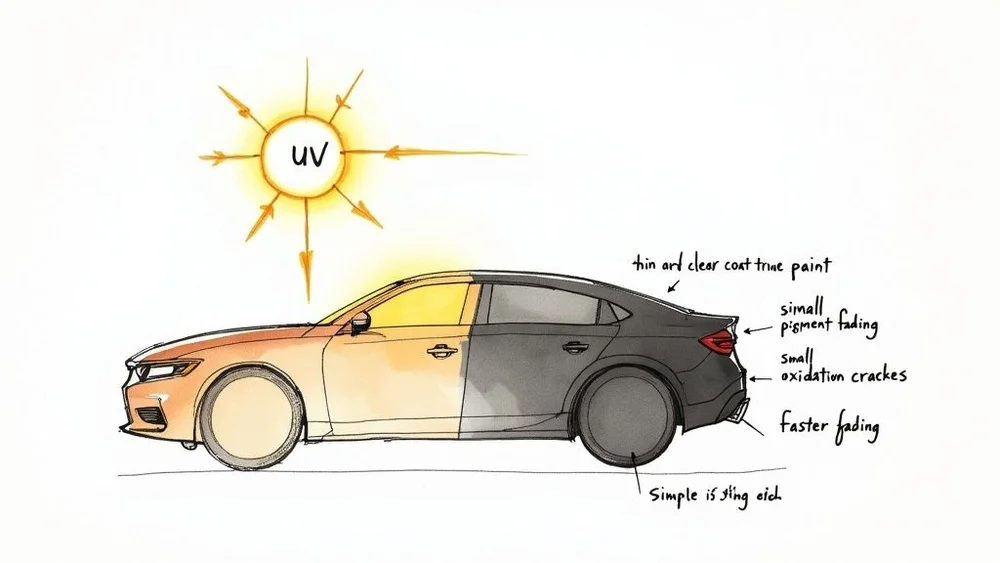
The clear coat is vital for UV protection, but over time it can degrade, exposing the base coat to sunlight and pollutants. Ford’s paint application processes have evolved with advancements in paint chemistry and robotics, ensuring uniform coverage and durability.
However, even with these technological improvements, the outermost clear coat remains the most vulnerable layer.
Additional Insight: Role Of Paint Thickness
Paint thickness, often measured in microns, directly affects how well your Ford’s finish withstands environmental abuse. Thicker clear coats can absorb more damage before the color layer is exposed, but excessive polishing or buffing can thin this layer, making the paint more susceptible to fading and oxidation.
Common Causes Of Paint Fading
Several factors accelerate paint deterioration:
- UV Radiation: Sunlight is the number one culprit, breaking down molecular bonds in the paint. According to the EPA, UV exposure is responsible for up to 80% of paint fading. Ultraviolet rays not only break down the clear coat but also degrade pigments in the base coat, especially in red, blue, and black paints.
- Environmental Contaminants: Acid rain, bird droppings, tree sap, and road salt can erode the clear coat. Bird droppings and tree sap are acidic and can etch into the paint within hours, while road salt accelerates chemical reactions that corrode both the paint and the underlying metal.
- Improper Cleaning: Using harsh chemicals or abrasive tools scratches and dulls the surface. Even seemingly mild abrasives, like rough sponges or old towels, can cause micro-marring that accumulates over time.
- Temperature Extremes: Heat expands paint, making it vulnerable to cracking and peeling. Rapid temperature changes (e.g., a hot day followed by a cold night) can stress the paint layers, accelerating aging.
- Physical Abrasion: Frequent contact with dirt, sand, or brushes wears down protective layers. Driving on gravel roads or through construction zones increases the risk of chips and scratches, which compromise the paint’s protective abilities.
Additional Factors
- Industrial fallout: Microscopic metal particles from railways or factories can embed in paint, causing rust spots known as “rail dust.”
- Improper drying: Allowing water to air dry on the surface can leave behind mineral deposits, leading to unsightly water spots and micro-etching.
Why Ford Paint May Fade Faster
Ford’s manufacturing processes are highly standardized, but regional climate, paint color, and finish type play a role. Darker colors and metallic finishes are more susceptible to UV-induced fading. Owners in sunny states like Arizona or Florida report faster paint degradation than those in milder climates.
Additionally, certain limited-edition colors or matte finishes may require more specialized care due to their unique chemical compositions.
Manufacturer Variations
Some Ford models, especially performance vehicles like the Mustang Shelby GT350 or limited-edition trucks, use unique paint technologies for more vibrant finishes. These may be more sensitive to improper care or environmental extremes, making routine maintenance even more critical.
Real-world Example: Sunbelt Fords
A 2018 Ford Mustang owner in Phoenix noted significant paint fading after just three years, attributing it to year-round sun exposure and infrequent waxing. Comparatively, a similar vehicle in Seattle showed minimal fading over the same period, highlighting the impact of climate.
Owners in the Sunbelt often resort to aftermarket ceramic coatings or regular professional detailing to combat the harsh effects of UV radiation, underscoring the importance of location-specific paint care routines.
Best Practices For Washing And Cleaning Your Ford
Proper washing techniques are fundamental to preventing paint fading. The goal is to remove contaminants without damaging the clear coat.
Choosing The Right Cleaning Products
- PH-neutral car shampoos: Prevent chemical erosion of the paint. These shampoos are designed to clean effectively without stripping away wax or sealants.
- Microfiber towels: Minimize scratching compared to cotton rags. Microfiber’s soft texture and high absorbency help lift dirt away from the paint, reducing swirl marks.
- Soft-bristle brushes: For wheels and tough grime, avoid paint contact. Wheels accumulate brake dust and road grime that can scratch paint if not contained to the wheel area.
Avoid household detergents and abrasive sponges, as these strip protective wax and scratch surfaces. Also, avoid colored towels or sponges that might bleed dyes onto the paint, especially when wet.
Additional Product Tips
- Use separate towels for paint, wheels, and interior to prevent cross-contamination.
- Choose shampoos with added wax for a quick gloss boost between major details.
Washing Frequency And Routine
Experts recommend washing your Ford every 1-2 weeks, especially in polluted or coastal areas. Here’s an ideal routine:
- Rinse with water to remove loose dirt, starting from the roof and working downward.
- Apply pH-neutral shampoo with a microfiber mitt using gentle, straight-line motions.
- Rinse thoroughly, avoiding hot sunlight, as heat causes soap to evaporate quickly, leaving streaks.
- Dry with a clean microfiber towel, blotting instead of wiping to minimize friction.
Advanced Washing Techniques
- Foam cannon pre-wash: Applying a thick layer of foam loosens dirt before hand washing, reducing the risk of swirl marks.
- Grit guards: Place these in your rinse bucket to trap dirt at the bottom, keeping your mitt clean.
Protecting Paint During Cleaning
- Two-bucket method: One for soap, one for rinsing mitts, prevents dirt transfer and reduces scratches.
- Avoid automatic car washes: Brushes often scratch clear coats, and even “touchless” washes can use harsh chemicals.
- Don’t wash in direct sunlight: Heat dries soap quickly, leaving stains and potential water spots.
Drying Matters
Use a dedicated drying aid or quick detailer spray while towel drying to reduce friction and add a thin protective layer.
Case Study: Ford F-150 Owner’s Routine
A Ford F-150 owner in Houston washes his truck biweekly using only pH-neutral shampoos and microfiber towels. After five years, his paint retains deep gloss and shows minimal signs of fading, even in humid conditions. He also avoids commercial car washes and invests in a foam cannon for deep cleaning after off-road trips.
Common Mistakes To Avoid
- Using dish soap or generic detergents, which strip wax and damage clear coats.
- Washing with dirty or rough towels, which grind dirt into the paint.
- Allowing water spots to dry on the paint, leading to mineral etching.
- Neglecting door jambs, which can harbor contaminants that degrade paint from the edges.
Credit: www.capitalone.com
Applying Protective Coatings And Waxes
Protective coatings add a shield against UV rays, pollutants, and physical abrasion. Ford recommends regular waxing as part of routine maintenance, but advanced solutions like ceramic coatings are gaining popularity.
Types Of Protective Coatings
| Coating Type | Protection Level | Longevity | Cost | Ease of Application |
|---|---|---|---|---|
| Traditional Wax | Moderate | 3-6 months | $10-$30 | Easy |
| Polymer Sealant | High | 6-12 months | $20-$60 | Moderate |
| Ceramic Coating | Very High | 2-5 years | $300-$1500 | Difficult (Professional recommended) |
| Paint Protection Film | Maximum | 5-10 years | $500-$2000 | Professional only |
More On Coating Selection
- Synthetic sealants are ideal for daily drivers due to their longer-lasting protection compared to natural waxes.
- Hybrid products combine carnauba and synthetic polymers, balancing shine and durability.
How To Apply Wax Correctly
- Wash and dry the car thoroughly, removing all surface contaminants.
- Apply wax in small sections using a foam applicator, working in overlapping circles.
- Allow wax to haze (follow product instructions for timing).
- Buff with a clean microfiber towel in straight lines until the finish is clear and streak-free.
For best results, wax your Ford every 3-4 months, or sooner in harsh climates.
Pro Tip
Clay bar your vehicle before waxing to remove embedded contaminants for a smoother, longer-lasting finish.
Benefits Of Ceramic Coatings
- Hydrophobic properties: Repels water and dirt, making cleaning easier and reducing water spots.
- UV resistance: Prevents sun-induced fading, especially in high-exposure regions.
- Long-term durability: Lasts years with minimal maintenance, saving time and effort.
- Chemical resistance: Protects against acidic contaminants like bird droppings and sap.
- Enhanced gloss: Provides a deep, reflective finish that enhances color depth.
Car and Driver recommends ceramic coatings for owners who demand maximum protection.
Paint Protection Film: The Ultimate Solution
PPF (Paint Protection Film) is a transparent, self-healing layer applied to high-impact areas (hood, bumpers, mirrors). It blocks UV rays and prevents chips and scratches. While expensive, it’s ideal for new or high-value Fords. Modern films can “heal” minor scratches with heat, maintaining a flawless appearance for years.
Additional Benefits
- Preserves resale value by preventing stone chips and swirl marks.
- Can be combined with ceramic coatings for enhanced protection and ease of cleaning.
Real-world Example: Ceramic-coated Explorer
A 2020 Ford Explorer owner in Miami applied a professional ceramic coating. After two years, the paint remains vibrant despite intense sun and salt air, outperforming traditional waxed vehicles nearby. The owner reported that routine washes take half the time and the vehicle still beads water as if freshly detailed.

Credit: www.onestopyakima.com
Shielding Your Ford From Environmental Hazards
Environmental factors play a huge role in paint longevity. Proactive measures can dramatically reduce fading.
Parking Strategies
- Garages and carports: Offer maximum protection from sun and rain, dramatically reducing UV exposure.
- Covered parking lots: Prefer shaded spots when outdoors, even if it means walking a little further.
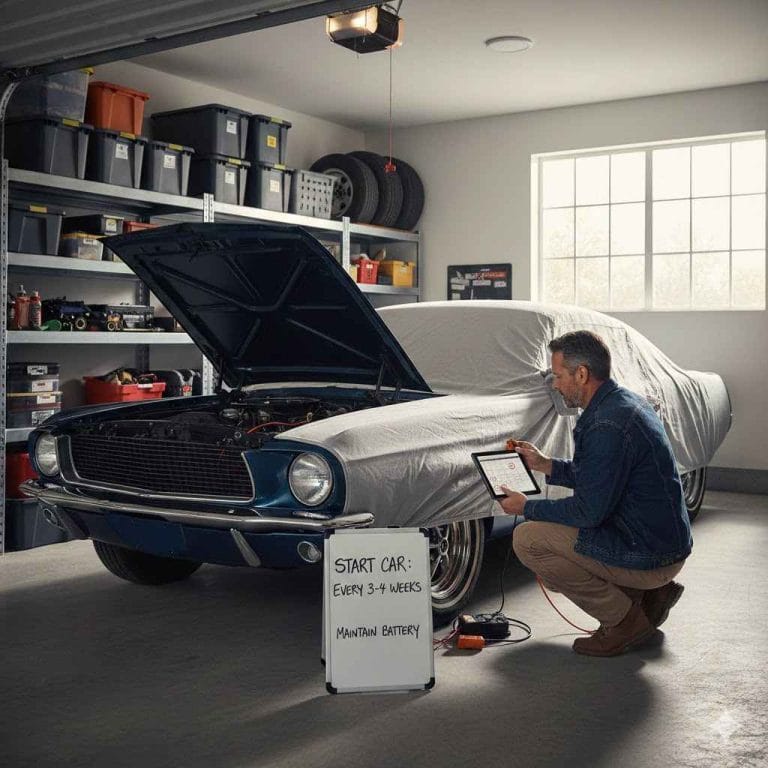
- Car covers: Use breathable, UV-resistant covers when parking long-term. Avoid plastic tarps, which can trap moisture and scratch paint.
According to a Consumer Reports study, vehicles parked indoors retained 60% more paint gloss after five years.
Avoiding Harmful Substances
- Park away from trees to avoid bird droppings and sap, both of which can cause permanent etching.
- Steer clear of industrial areas with airborne contaminants like soot and chemical fallout.
- Address spills immediately—especially gasoline and oil, which degrade paint quickly and can stain clear coats.
Additional Tips
- Use a windshield sunshade to reduce interior heat and protect dashboard plastics, which can off-gas and deposit residue on paint.
- Avoid sprinklers, as hard water can cause stubborn spots.
Seasonal Maintenance
- Winter: Rinse often to remove road salt, which accelerates corrosion and clear coat erosion. Consider undercarriage washes to prevent rust.
- Spring/Summer: Wash more frequently to remove pollen and insect residue, which can bake onto paint in the sun.
- Autumn: Clear leaves off paint promptly; decaying leaves release tannins and acids that stain.
Case Study: Ford Edge In Urban Environment
A Ford Edge owner in Chicago uses a car cover during city parking and avoids trees. After six winters, his vehicle shows minimal fading and no clear coat peeling, compared to neighbors who park uncovered. This demonstrates the cumulative effect of simple, consistent protective habits.
Quick List: Environmental Protection Tips
- Always park in the shade when possible.
- Use a car cover for long-term parking.
- Rinse off contaminants immediately.
- Schedule extra washes after snow or pollen exposure.
- Avoid parking near construction sites to prevent dust and overspray.
Repairing And Restoring Faded Ford Paint
If your Ford’s paint has already faded, restoration is possible but requires proper technique.
Assessing Paint Condition
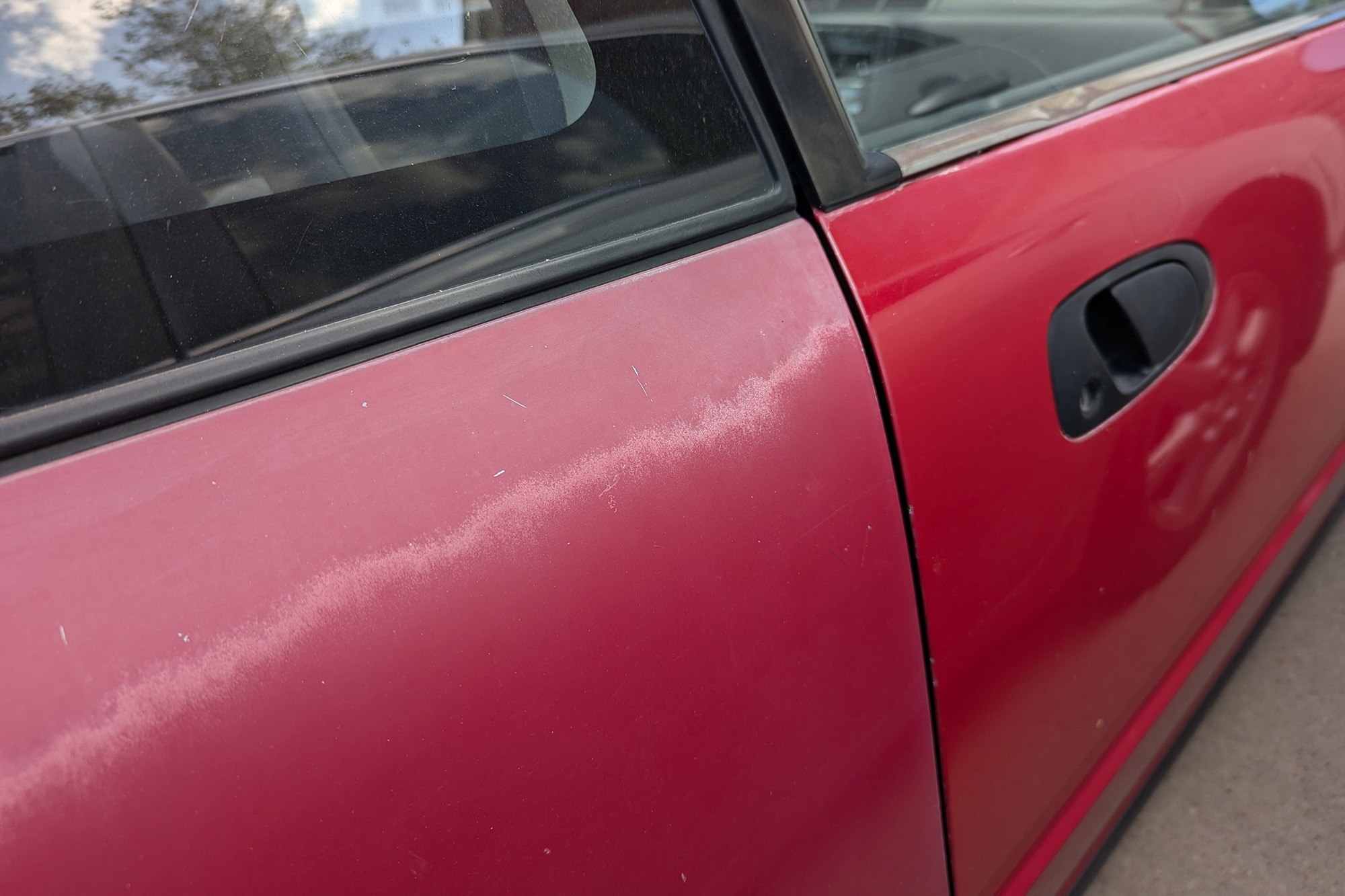
- Minor fading: Surface-level oxidation, dullness that responds to polish.
- Moderate fading: Color loss, rough texture, visible under direct sunlight.
- Severe fading: Clear coat peeling, deep discoloration, and patchiness.
Inspect paint under sunlight for accurate assessment, using a bright LED flashlight for close-up inspections.
Testing For Oxidation
Rub a small spot with polish on a microfiber cloth. If the cloth turns the color of your paint, oxidation is present and can often be corrected with polishing.
Restoration Methods
| Method | Effectiveness | Cost | Skill Level |
|---|---|---|---|
| Polishing | High (for minor fading) | $20-$100 | Moderate |
| Paint Correction | Very High (moderate fading) | $200-$500 | Professional recommended |
| Clear Coat Respray | Maximum (severe fading) | $500-$2000 | Professional only |
Diy Polishing Steps
- Wash and dry the car.
- Apply a paint-safe polish using a dual-action polisher for even pressure.
- Work in small sections, buffing to restore gloss and remove oxidation.
- Follow with wax or sealant for protection.
- Inspect under different lighting to ensure even results.
Wikipedia explains the science behind car wax and polishing.
Advanced Diy Restoration
For stubborn oxidation, a clay bar treatment can be performed before polishing to remove embedded contaminants. Always follow with a UV-resistant sealant to slow future fading.
When To Seek Professional Help
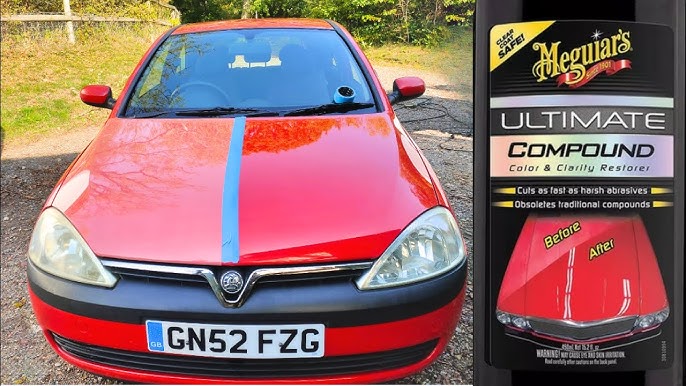
If clear coat is peeling or deep color loss is evident, consult a body shop. Professional paint correction or respraying may be needed. Avoid home remedies for severe damage, as improper techniques can worsen fading. Body shops have access to rotary buffers, specialized compounds, and color-matching technology that ensure a uniform finish.
Real-world Example: Mustang Paint Restoration
A 2015 Ford Mustang owner attempted DIY polishing but could not remove deep fading. After professional paint correction, the vehicle regained its original shine, demonstrating the limits of home restoration. The owner noted that professional intervention not only restored appearance but also added years to the life of the finish.
Maintenance Routines For Long-term Paint Protection
Routine maintenance is the backbone of lasting paint protection. Establishing a consistent schedule ensures your Ford remains vibrant.
Monthly Maintenance Checklist
- Wash with pH-neutral shampoo and microfiber mitt.
- Inspect paint for contaminants and minor damage; remove tar or sap with a dedicated remover.
- Apply quick-detail spray for added gloss and dust resistance.
- Clean windows and mirrors to prevent residue buildup that can drip onto paint.
Quarterly Maintenance Tasks
- Wax or apply sealant every 3-4 months, or as needed based on driving conditions.
- Deep clean wheels and wheel wells, using a dedicated cleaner to prevent brake dust corrosion.
- Touch up minor chips with OEM paint to prevent rust and further chipping.
- Inspect weatherstripping and trim for signs of wear, as cracked trim can trap water and dirt against the paint.
Annual Protective Measures
- Consider professional detailing once a year for deep cleaning and inspection.
- Assess the need for ceramic coatings or paint protection film, especially before winter or long road trips.
- Inspect for clear coat degradation, particularly on horizontal surfaces like the hood, roof, and trunk.
Ford Maintenance Recommendations
Ford’s official guidelines stress regular washing, waxing, and avoiding harsh chemicals. For specifics, see the Ford Owner’s Manual.
Extra Tips
- Keep touch-up paint on hand for immediate repairs to stone chips.
- Check your Ford’s maintenance schedule for any paint-specific recommendations, especially for specialty models.
Real-world Example: Ford Fusion Owner’s Routine
A Ford Fusion owner in New Jersey follows a strict quarterly waxing schedule and washes weekly. After eight years, his vehicle’s paint is still glossy, far outlasting similar models with sporadic maintenance. The owner also applies a spray sealant after each wash during the winter for added protection.
Comparing Ford Paint Care Products And Techniques
Choosing the best products is key to preventing fading. Below is a comparison of popular paint care solutions.
| Product/Technique | Main Benefit | Drawback | Recommended For |
|---|---|---|---|
| pH-neutral shampoo | Gentle cleaning | Requires frequent use | All Ford models |
| Microfiber towels | Scratch-free drying | Needs regular washing | All Ford models |
| Carnauba wax | Deep shine, easy to apply | Short-term protection | Older models, DIY |
| Ceramic coating | Long-lasting protection | High cost, professional application | New, high-value models |
| Paint protection film | Ultimate shield | Expensive, limited to high-impact areas | Luxury, performance models |
Selecting Products Based On Ford Model And Age
- Newer Fords: Invest in ceramic coatings or paint protection film for maximum long-term value.
- Older Fords: Regular waxing and polishing suffice for most; consider paint correction if fading is present.
- Performance Fords (Mustang, Raptor): Use advanced coatings and professional detailing for best results and to preserve unique finishes.
- SUVs/Trucks: Consider additional underbody and wheel well protection due to increased exposure to road debris and off-road conditions.
External Resources For Product Reviews
Find independent reviews and comparisons at Autoblog and The Drive. User testimonials and professional detailer advice are also valuable sources for discovering new products and application tips.
Quick List: Top Recommended Products
- PH-neutral car shampoo for gentle cleaning
- Microfiber drying towels for scratch-free results
- Carnauba wax for classic shine and easy application
- Polymer sealant for longer-lasting protection
- Ceramic coating kit (for professionals) for high-end, durable defense
- Clay bar kit for deep cleaning prior to waxing or coating
Frequently Asked Questions
How Often Should I Wash My Ford To Prevent Paint Fading?
For optimal protection, wash your Ford every 1-2 weeks, especially if you live in areas with high pollution, salt, or intense sunlight. Regular washing removes contaminants that accelerate fading and keeps the paint surface clean and vibrant. In harsh environments, consider rinsing even more frequently to prevent buildup.
Is Ceramic Coating Worth The Investment For Ford Vehicles?
Ceramic coating is highly recommended for new or high-value Fords. It offers superior UV protection, hydrophobic properties, and long-lasting durability. Professional application is best, and the initial cost pays off through reduced maintenance and sustained gloss. If you plan to keep your Ford for several years, the cost is easily justified by the preserved finish and higher resale value.
What Is The Best Way To Protect Ford Paint From Bird Droppings And Tree Sap?
Avoid parking under trees or near nesting areas. If exposure occurs, remove droppings and sap immediately using a gentle, pH-neutral cleaner and microfiber towel. Prompt action prevents acid damage and clear coat erosion. Carry a bottle of quick detailer and a microfiber towel in your trunk for emergency cleanups.
Can Faded Ford Paint Be Restored At Home?
Minor fading can often be addressed with polishing and waxing. For moderate to severe fading, professional paint correction or clear coat respray is advised. DIY methods have limits, especially with deep oxidation or peeling. Always test products in an inconspicuous area before full application.
Does Color Impact How Fast Ford Paint Fades?
Yes, darker colors (black, blue, red) absorb more UV rays and fade faster than lighter shades (white, silver). Metallic finishes are also more susceptible to sun-induced fading. Adjust your protection routine based on your Ford’s color, applying wax or sealant more often if you own a dark or metallic vehicle.
Maintaining the vibrant paint on your Ford requires a combination of knowledge, routine care, and the right products. By understanding the causes of fading and applying proactive strategies—from proper washing to advanced coatings and environmental protection—you can preserve your car’s finish for years.
Consistent maintenance not only enhances aesthetics but also protects your investment and boosts resale value. With these expert-backed tips, your Ford will turn heads and stand the test of time.
Products related to this article
Sponsored / affiliate links. As an Amazon Associate I earn from qualifying purchases. I may earn additional commission from eligible campaigns.