What Do Car Brakes Look Like Inside? A Visual Breakdown
Car brakes are one of the most vital components in any vehicle, but for most drivers, what happens beneath the wheels remains a mystery. You press the pedal, the car slows, and that’s usually as much as you consider the system—until something goes wrong.
Yet, understanding what car brakes look like inside is not just for mechanics or car enthusiasts. It offers crucial insights into vehicle safety, maintenance, and even performance upgrades.
Visualizing the inner workings of car brakes reveals a fascinating world of engineering precision. Each part—whether it’s the gleaming disc, the sturdy caliper, or the friction material of a pad—plays a critical role in stopping thousands of pounds of moving metal in mere seconds.
In this in-depth breakdown, we’ll take a guided tour through the anatomy of car brakes, comparing different systems, exploring their components, and uncovering how design impacts performance and reliability. Whether you’re a curious driver, a DIY mechanic, or someone seeking to make informed choices about your car’s safety, this visual journey will bring the hidden world of brakes into clear focus.
Key Takeaways
- Car brakes consist of complex assemblies, primarily falling into two main types: disc brakes and drum brakes.
- Internal brake components include rotors/discs, calipers, pads, drums, shoes, pistons, and hydraulic lines.
- Understanding brake anatomy helps with routine maintenance, upgrades, and troubleshooting.
- Visual differences between brake types have a direct impact on performance, longevity, and cost.
- Real-world examples show how brake design varies between compact cars, SUVs, and performance vehicles.
- Regular inspections of internal brake parts are essential for safety and can prevent costly repairs.
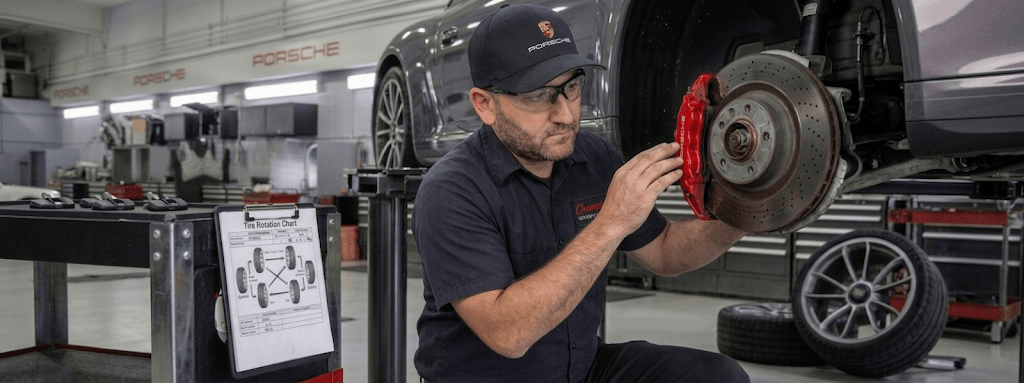
Credit: www.champion-porsche.com
The Anatomy Of Car Brakes: A Visual Overview
To truly grasp what car brakes look like inside, it’s essential to break down their structure and purpose. Modern passenger vehicles predominantly use either disc brakes or drum brakes, each with distinct internal layouts.
Disc Brake System Components
Disc brakes are now the standard for most cars, especially on front wheels and higher-performance vehicles. Inside, you’ll find:
- Brake Rotor (Disc): A round, flat metal plate connected to the wheel hub that spins with the wheel.
- Caliper: A clamp-like device straddling the rotor, housing brake pads and pistons.
- Brake Pads: Friction material that presses against the rotor to create stopping force.
- Pistons: Cylinders inside the caliper, driven by hydraulic pressure to squeeze the pads.
- Brake Lines: Tubes carrying brake fluid from the master cylinder to the calipers.
When you press the pedal, hydraulic pressure pushes the pistons, squeezing the pads against the spinning rotor and slowing the vehicle.
Drum Brake System Components
Drum brakes, while less common in new cars, still appear on the rear wheels of many vehicles. Their internal structure includes:
- Brake Drum: A hollow, cylindrical metal drum that rotates with the wheel.
- Brake Shoes: Curved friction pieces that expand outward to press against the drum interior.
- Wheel Cylinder: Contains pistons that force the shoes outward.
- Return Springs: Pull the shoes back when braking pressure is released.
- Backing Plate: A sturdy plate that holds the entire assembly together.
Here, the shoes press outward against the drum’s inside surface, creating friction to slow the wheel.
Key Differences At A Glance
Visualizing these systems side by side clarifies their distinctions:
| Component | Disc Brake | Drum Brake |
|---|---|---|
| Friction Surface | Flat rotor | Inner drum surface |
| Friction Material | Pads | Shoes |
| Actuator | Hydraulic pistons in caliper | Hydraulic pistons in wheel cylinder |
| Location | Front/rear (most cars) | Rear (some cars) |
| Heat Dissipation | Excellent | Poorer |
Internal Brake Materials
Internally, brake components are made from robust materials designed to withstand intense heat and stress:
- Rotors/Drums: Cast iron, carbon-ceramic (in high-performance cars)
- Pads/Shoes: Organic, semi-metallic, or ceramic compounds
- Calipers: Aluminum, steel, or composite materials
- Hydraulic Lines: Reinforced rubber or steel-braided
These materials impact both the look and performance of brake internals, as seen under close inspection or during disassembly.

Credit: vatire.com
How Disc And Drum Brakes Work: An Inside Perspective
Understanding the visual layout of brakes is only half the story. Examining how they function reveals why their internal designs matter for safety and efficiency.
The Action Inside Disc Brakes
When the driver presses the brake pedal, a sequence is triggered:
- Pedal Force: The brake pedal pushes a piston in the master cylinder.
- Hydraulic Pressure: Brake fluid transmits this force through lines to the caliper.
- Caliper Engagement: Pistons in the caliper press the brake pads against the spinning rotor.
- Friction and Heat: The pads grip the rotor, converting kinetic energy to heat, slowing the wheel.
Inside, you’d see the caliper’s pistons extend, the pads squeeze tightly against the rotor, and the rotor itself heating up rapidly.
Visual Example: Disc Brake Cross-section
Imagine a cross-section of a typical disc brake:
- The rotor appears as a thick, smooth metal disc.
- On each side, brake pads sit inside the caliper, ready to close in.
- Hydraulic lines run into the caliper, connected to the pistons.
The Action Inside Drum Brakes
Drum brakes have a different sequence:
- Pedal Force: The pedal moves fluid into the wheel cylinder.
- Shoe Expansion: Pistons in the wheel cylinder push the brake shoes outward.
- Friction and Heat: Shoes contact the drum’s inner surface, creating friction to slow the wheel.
- Spring Return: Release of the pedal lets springs pull the shoes back from the drum.
Internally, you’d see the shoes pivot outward, pressing against the drum, and then retracting after braking.
Visual Example: Drum Brake Cross-section
In a cross-section:
- The drum forms a large, hollow shell.
- Shoes are positioned inside, curved to match the drum.
- Springs and the wheel cylinder sit at opposite ends, managing movement and return.
Comparison: Disc Vs. Drum Brake Mechanisms
| Aspect | Disc Brakes | Drum Brakes |
|---|---|---|
| Friction Application | Pads clamp rotor sides | Shoes expand against drum interior |
| Heat Management | Open design dissipates heat fast | Enclosed, retains heat |
| Maintenance Access | Easy pad/rotor inspection | More complex shoe/drum removal |
| Performance | Superior stopping power | Less effective under heavy use |
Hydraulic System: The Invisible Force
Both types rely on a hydraulic system to transmit force. Inside the lines, non-compressible brake fluid ensures even minor pedal movements translate into precise action at the wheels. This hydraulic action is crucial for even braking and helps distribute stopping power between all wheels.

Credit: www.techaheadcorp.com
Deep Dive: Internal Brake Components Explained
To fully appreciate what car brakes look like inside, let’s examine each major component in detail, revealing its appearance, function, and significance.
Brake Rotors (discs)
- Visuals: Round, flat metal plates, often with drilled holes or slots for heat dissipation.
- Materials: Cast iron (standard), carbon-ceramic (performance).
- Function: Provide a surface for brake pads to clamp down on.
- Wear Signs: Grooves, scoring, blue discoloration (overheating).
Rotors can be solid or vented (with internal vanes for cooling). High-performance rotors may have cross-drilled or slotted surfaces for enhanced grip and debris removal.
Brake Pads
- Visuals: Rectangular or curved blocks, usually dark-colored, with a metal backing plate and friction material.
- Materials: Organic, semi-metallic, or ceramic.
- Function: Press against rotors to generate friction.
- Wear Signs: Thinning friction material, uneven surfaces.
Pads are designed to wear down over time, protecting the rotor and maximizing stopping power. Some have wear indicators—a small metal tab that creates a squealing noise when pads need replacement.
Calipers
- Visuals: Sturdy, clamp-shaped housings that straddle the rotor.
- Types: Floating (single piston), fixed (multiple pistons).
- Function: House pistons and press pads against the rotor.
- Wear Signs: Leaking fluid, seized movement, uneven pad wear.
High-performance calipers may be painted (red, yellow) and often bear manufacturer branding. Their internal pistons are typically made of steel or even ceramic in racing applications.
Brake Drums
- Visuals: Cylindrical, bowl-like metal housings.
- Materials: Cast iron, aluminum.
- Function: Provide an inner surface for shoes to press against.
- Wear Signs: Scoring, out-of-round shape, excessive lip at the edge.
Inside, drums are smooth and precisely machined to ensure even contact with the shoes.
Brake Shoes
- Visuals: Crescent-shaped metal frames with a lining of friction material.
- Materials: Steel frame, bonded friction compound.
- Function: Expand outward to contact the drum.
- Wear Signs: Thinning lining, glazing, cracking.
Shoes are less visible than pads but just as crucial. They require careful adjustment and periodic replacement.
Hydraulic Lines And Master Cylinder
- Visuals: Flexible tubes (rubber or steel-braided) running from the firewall to each wheel.
- Function: Carry brake fluid, transmit pedal force.
- Wear Signs: Cracks, leaks, spongy pedal feel.
The master cylinder—mounted near the brake pedal—converts mechanical force into hydraulic pressure. Inside, it has precision-bored chambers, seals, and a reservoir for brake fluid.
Parking Brake Mechanisms
Many cars have a mechanical parking brake inside the rear brakes. For disc brakes, a small drum or separate caliper may be built into the rotor hub, with levers and cables visible inside.
Disc Brakes Vs. Drum Brakes: Internal Design And Performance Comparison
The internal design of brakes directly affects how well they perform under different conditions. Let’s compare the two main types from a structural and functional perspective.
Heat Management And Fade Resistance
- Disc Brakes: The open design allows rapid air flow, cooling the rotor and pads. This reduces brake fade (loss of effectiveness due to overheating) and maintains performance during repeated stops.
- Drum Brakes: The enclosed drum traps heat, making them more prone to fade in heavy or prolonged braking situations.
Wear And Maintenance
- Disc Brakes: Pads are easily visible and accessible for inspection and replacement. Rotors can be resurfaced or replaced as needed.
- Drum Brakes: Shoes and drums require more effort to inspect or replace, as the drum must be removed.
Performance And Application
- Disc Brakes: Offer superior stopping power, better performance in wet conditions, and are standard on most modern cars, especially for front wheels.
- Drum Brakes: Less expensive, but mainly used on rear wheels of economy vehicles or trucks where parking brake mechanisms are integrated.
Cost Considerations
| Aspect | Disc Brakes | Drum Brakes |
|---|---|---|
| Average Replacement Cost (per axle) | $250-$600 | $150-$400 |
| Average Lifespan | 30,000–70,000 miles | 40,000–100,000 miles |
| Performance (Repeated Stops) | Excellent | Poor to Fair |
Internal Innovations
Recent advances in brake design include carbon-ceramic rotors (ultra-light and heat-resistant), electronic parking brakes, and integrated sensors for wear monitoring. These features are most visible in luxury and performance vehicles, as detailed by Brembo.
Real-world Examples: What Brakes Look Like Inside Different Vehicles
Examining brakes across various vehicle types highlights how internal design adapts to specific needs.
Compact Car: Toyota Corolla
- Front Brakes: Single-piston floating caliper disc brakes. Inside, you’ll see a thin vented rotor, simple caliper, and organic brake pads.
- Rear Brakes: Often drum brakes on base models, with a compact wheel cylinder, single return spring, and two shoes inside a small drum.
The Corolla’s brake internals are engineered for reliability and cost-effectiveness, with easy access for maintenance.
Suv: Ford Explorer
- Front Brakes: Large, dual-piston caliper disc brakes with thick, vented rotors.
- Rear Brakes: Also disc, often incorporating a small drum for the parking brake. Internally, you’ll see two systems in one—the main disc for braking and a miniature drum for parking.
SUV brakes must handle heavier loads, so their internal components are larger and more robust. Calipers may be painted or have cooling fins.
Performance Car: Chevrolet Corvette
- Front and Rear Brakes: Multi-piston fixed caliper disc brakes, massive cross-drilled carbon-ceramic rotors.
- Pads: High-performance ceramic or semi-metallic compounds.
- Calipers: Often painted (red/yellow), branded, and built for rapid heat dissipation.
Inside, every component is engineered for minimal weight, maximum cooling, and extreme stopping power, as shown in detailed breakdowns by Car and Driver.
Light Truck: Ford F-150
- Front Brakes: Heavy-duty vented rotors, large floating calipers.
- Rear Brakes: May use drum brakes for parking brake integration or disc brakes for towing capacity.
Trucks often have the thickest rotors and largest calipers of any class, ensuring durability under heavy loads.
Case Study: Tesla Model S Regenerative Braking
Modern electric vehicles like the Tesla Model S combine traditional hydraulic disc brakes with regenerative braking—using the electric motor to slow the car and recharge the battery. Internally, the disc brake system remains, but wear is reduced, and pads/rotors last longer due to decreased reliance on friction braking, as detailed by Wikipedia.
Visual Inspection: What You See During Brake Service
A hands-on brake service offers the best view inside. Here’s what mechanics and DIYers commonly observe:
Pad Replacement
- Pad Thickness: Visual check of remaining friction material.
- Rotor Condition: Look for grooves, warping, or discoloration.
- Caliper Movement: Ensure pistons retract smoothly.
Drum Service
- Shoe Lining: Confirm adequate thickness, look for cracks or glazing.
- Drum Surface: Inspect for scoring, heat spots.
- Hardware: Check return springs and adjusters for rust or wear.
Fluid Check
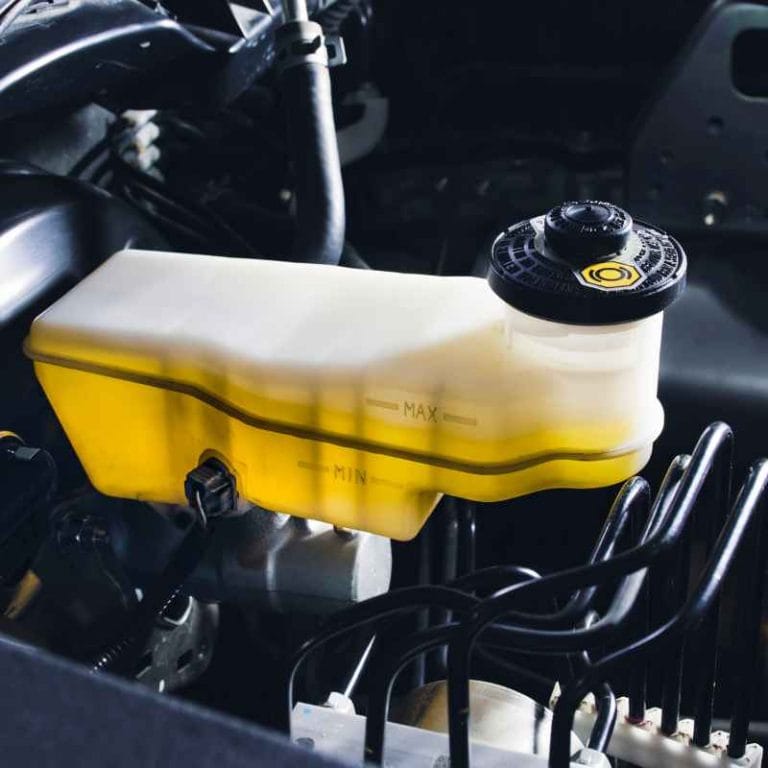
- Brake Fluid: Clear to light amber in color. Any darkness or cloudiness signals contamination.
- Leaks: Inspect lines and caliper seals for dampness.
Signs Of Internal Problems
- Uneven Pad/Shoe Wear: Indicates caliper or wheel cylinder issues.
- Blue Rotors/Drums: Evidence of overheating.
- Fluid Leaks: Suggests failing seals or lines.
Regular inspections—at least every 12,000 miles or annually—are recommended by the National Highway Traffic Safety Administration (NHTSA).
Brake Upgrades: Internal Changes For Performance And Safety
Upgrading car brakes involves more than swapping out parts. It’s about optimizing the internal design for your driving needs.
High-performance Brake Kits
- Larger Rotors: Increase heat capacity and stopping power.
- Multi-Piston Calipers: Distribute force evenly, improve pad contact.
- Ceramic Pads: Handle higher temperatures, reduce dust.
Performance kits may also include stainless steel braided lines for firmer pedal feel and slotted/drilled rotors for enhanced cooling, as covered by Edmunds.
Off-road And Towing Upgrades
- Heavy-Duty Pads: Withstand mud, water, and debris.
- Thicker Rotors: Manage higher heat from towing or steep descents.
- Sealed Calipers: Prevent dirt ingress, prolonging component life.
Electric And Hybrid Vehicle Upgrades
- Regenerative Braking Integration: Reduces reliance on friction components.
- Special Compounds: Pads optimized for infrequent use, as seen in plug-in hybrids.
Cost-benefit Considerations
Upgrades can significantly improve stopping performance, but at increased cost. For most daily drivers, OEM-quality replacements suffice. For enthusiasts or those in demanding conditions, internal brake upgrades deliver tangible safety and performance benefits.
Routine Maintenance: Keeping Internal Brake Components In Top Shape
Proper brake maintenance extends the life of internal components and ensures safe operation.
Inspection Checklist
- Pad/Shoe Thickness: Replace before reaching minimum thickness (usually 3mm for pads, 2mm for shoes).
- Rotor/Drum Condition: Resurface or replace if warped or deeply scored.
- Caliper/Wheel Cylinder Operation: Check for smooth movement and leaks.
- Fluid Quality: Replace every 2 years or 24,000 miles.
Diy Vs. Professional Service
While pad replacement and fluid checks are DIY-friendly, complex issues (e.g., caliper rebuilds, drum shoe replacement) are best left to professionals. Detailed guides are available from sources like Family Handyman.
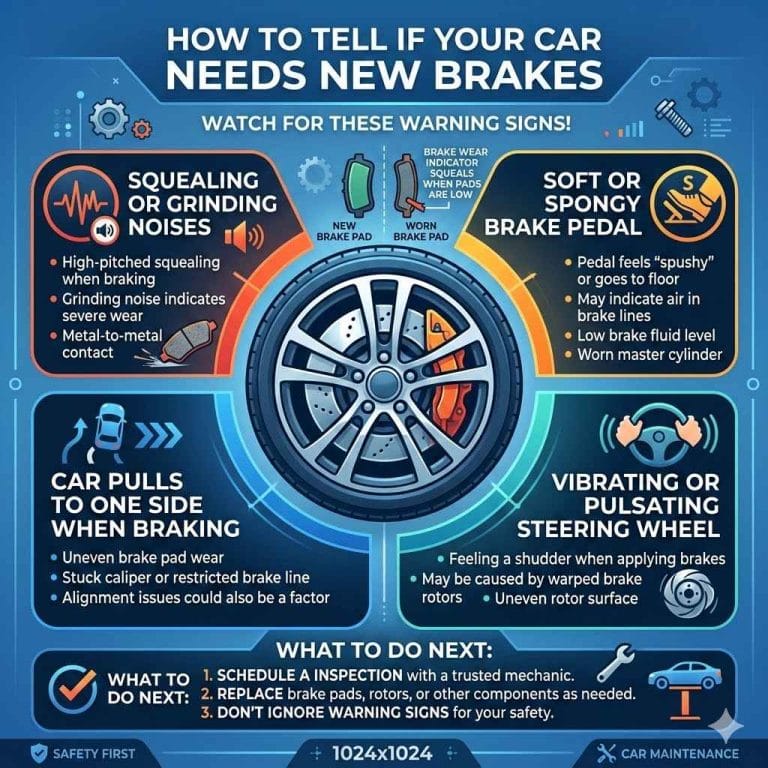
Warning Signs Of Internal Brake Issues
- Squealing or grinding noises
- Vibration during braking
- Soft or spongy pedal feel
- Increased stopping distance
Immediate inspection is critical if any of these symptoms appear.
Longevity Tips
- Avoid hard stops when possible to prolong pad and rotor life.
- Flush brake fluid regularly to prevent corrosion inside hydraulic components.
- Choose quality parts to ensure consistent internal performance.
Innovations In Brake Design: The Future Of Internal Components
The evolution of car brakes has accelerated, with new materials and electronic systems reshaping internal architecture.
Carbon-ceramic Rotors
Once exclusive to supercars, carbon-ceramic rotors are now found in luxury sedans and performance SUVs. Internally, they’re lighter, more heat-resistant, and virtually immune to warping, as explored by Road & Track.
Electronic Brake Systems
- Brake-by-wire: Replaces hydraulic lines with electronic controls, giving faster, more precise response.
- Integrated Sensors: Monitor pad wear, fluid quality, and apply emergency braking when needed.
These advances change the look and function of internal brake components, with more compact parts and fewer moving pieces.
Regenerative Braking
Electric and hybrid vehicles increasingly use regenerative braking, which reduces wear on traditional brake internals and extends component life.
Smart Diagnostics
Modern vehicles feature onboard diagnostics that alert drivers to internal brake issues before they become dangerous, using data from sensors embedded inside calipers and pads.
Frequently Asked Questions
What Is The Main Visual Difference Between Disc And Drum Brakes?
The main visual difference is that disc brakes feature a flat, exposed rotor with a caliper clamping around it, while drum brakes have a closed, drum-shaped housing with internal shoes. Disc brakes are usually visible through the wheel, whereas drum brakes are hidden behind a solid drum.
How Can I Tell If My Brake Pads Are Worn Out Without Removing The Wheel?
Many disc brake pads have wear indicators—small metal tabs that produce a squealing noise when the pads are nearly worn out. If you hear this sound,