Why Do Car Brake Discs Warp And How to Prevent It
Every car owner dreads the moment when their brakes start to shudder, vibrate, or squeal—often the first sign that something’s wrong with the brake discs. Warped brake discs are a common but misunderstood issue, impacting performance, safety, and driving comfort. Despite their robust engineering, brake discs can suffer from warping due to improper use, environmental conditions, and maintenance neglect. This article dives deep into the science of brake disc warping, real-world examples, actionable prevention strategies, and data-backed insights to help you understand and protect your vehicle’s braking system.
Understanding why brake discs warp—and how to prevent it—is crucial for every driver. Not only does disc warping compromise your vehicle’s stopping power, but it can also lead to costly repairs and even dangerous driving conditions. Whether you’re a daily commuter, a performance enthusiast, or a fleet manager, mastering this subject will save you money, improve safety, and prolong your car’s lifespan.
Let’s explore the root causes, real-world impacts, and proven steps to keep your brakes running smooth.
Key Takeaways
- Brake disc warping is primarily caused by excessive heat, uneven pad deposits, and mechanical stress.
- Symptoms include vibration, shuddering, and reduced braking efficiency.
- Prevention relies on proper driving habits, regular maintenance, and choosing the right components.
- Real-world case studies reveal the cost and safety implications of ignoring warped discs.
- Data-driven comparisons highlight the effectiveness of various prevention strategies.
- Addressing brake disc warping promptly avoids expensive repairs and enhances road safety.

Credit: asgindy.com
What Causes Brake Discs To Warp?
Brake disc warping is often misunderstood. While many believe it’s simply a result of physical bending, the reality is more nuanced and linked to thermal and mechanical stresses.
Excessive Heat And Thermal Stress
The most common cause of warped brake discs is excessive heat. When brakes are applied, friction between the pads and discs generates heat. If this heat isn’t dissipated quickly enough, it can cause the disc to expand unevenly.
- Repeated hard braking, such as during mountain descents or emergency stops, rapidly increases disc temperature.
- Cheap or low-quality discs may lack proper metallurgy, leading to uneven expansion and contraction.
- Lack of cooling (e.g., blocked air vents or poor disc design) exacerbates heat buildup.
According to Wikipedia, temperatures can exceed 1,000°F (538°C) during heavy braking, far above the safe operational range for most discs. Excessive heat not only alters the physical characteristics of the disc but also can change the crystalline structure of the metal itself, causing micro-cracks and loss of structural integrity over time.
The role of thermal cycling—the process of repeated heating and cooling—cannot be overstated. Each cycle contributes to metal fatigue, and over thousands of cycles, even the best-engineered discs can develop hot spots, warping, or surface cracks. Vehicles used in environments where brakes are frequently exercised, such as taxis or delivery vans in city settings, are especially vulnerable.
Uneven Pad Deposits
Modern brake pads contain resins and other compounds that transfer onto the disc surface during braking. If the disc isn’t allowed to cool evenly, these deposits can build up in patches, creating hot spots.
- Improper bedding-in of new pads can cause uneven deposits.
- Frequent stop-and-go traffic increases the likelihood of patchy deposits.
- Worn or contaminated pads may leave irregular residue.
Hot spots cause local expansion, resulting in perceived warping and vibration during braking. These uneven deposits act as high and low points on the disc, causing the brake pad to bounce or vibrate, which is often mistaken for physical warping but is actually a surface irregularity.
Additionally, the type of pad material matters. For example, semi-metallic pads tend to leave more noticeable deposits than ceramic pads, especially if the bedding-in process is skipped or done incorrectly. This is a common issue for drivers who install new pads but immediately subject their brakes to hard use without proper conditioning.
Mechanical Stress And Physical Damage
While less common, mechanical stress can physically deform the disc:
- Incorrect installation (e.g., uneven torquing of wheel bolts) can bend the disc.
- Impacts from potholes, curbs, or debris may cause slight distortions.
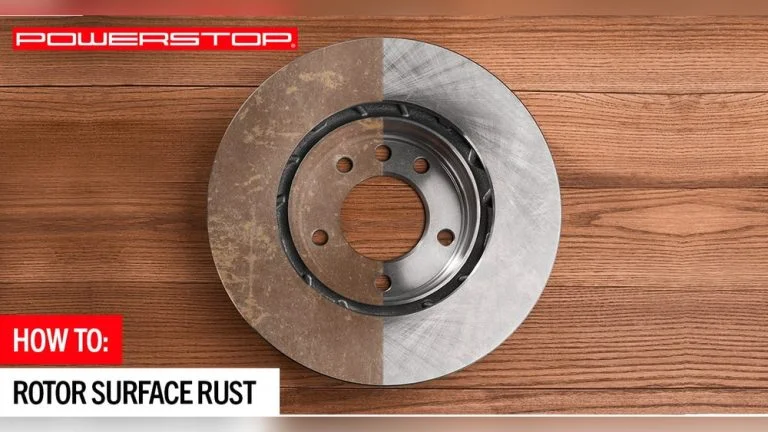
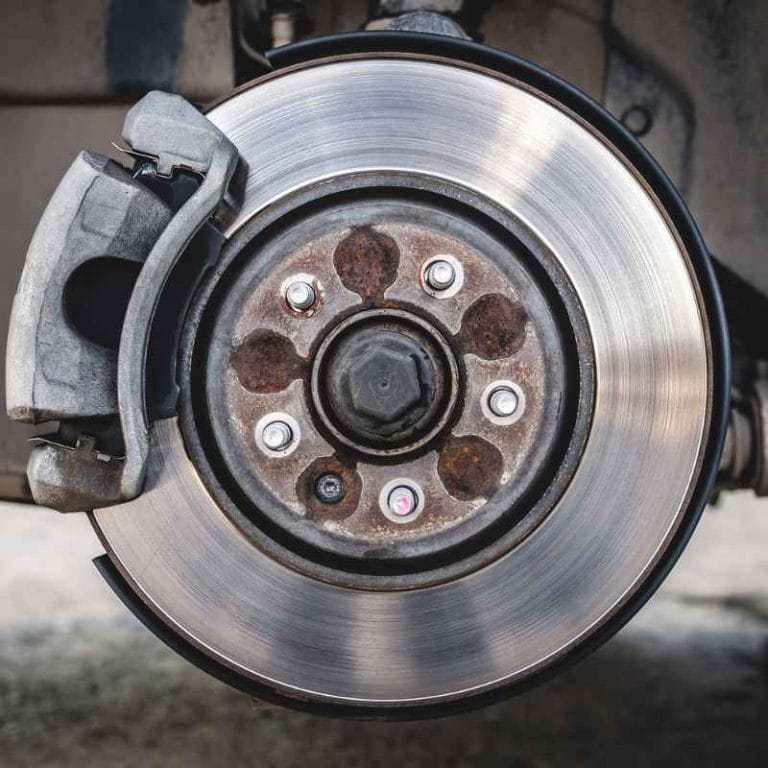
- Corrosion weakens the disc’s structural integrity, especially in humid climates.
A study by the Society of Automotive Engineers (SAE) shows that improper wheel installation increases disc warping risk by up to 20%. This is significant for do-it-yourself mechanics or shops that use impact wrenches instead of torque wrenches, leading to uneven pressure points across the disc.
Physical damage, although less prevalent than thermal or deposit-related causes, still plays a critical role in fleet vehicles, off-roaders, or any vehicle frequently exposed to rough road conditions. Even small nicks or dents can lead to stress risers—points where stress is concentrated and more likely to lead to cracks or warping.
Real-world Example: Fleet Vehicle Failure
A delivery fleet experienced frequent brake disc warping due to aggressive driving patterns and inadequate cooling. Over two years, their maintenance costs increased by 30%, and brake-related incidents doubled. After switching to higher-quality discs and enforcing better driving protocols, warping incidents dropped by 70%.
The fleet also implemented regular brake inspections and driver training, further reducing unscheduled repairs and improving vehicle uptime.
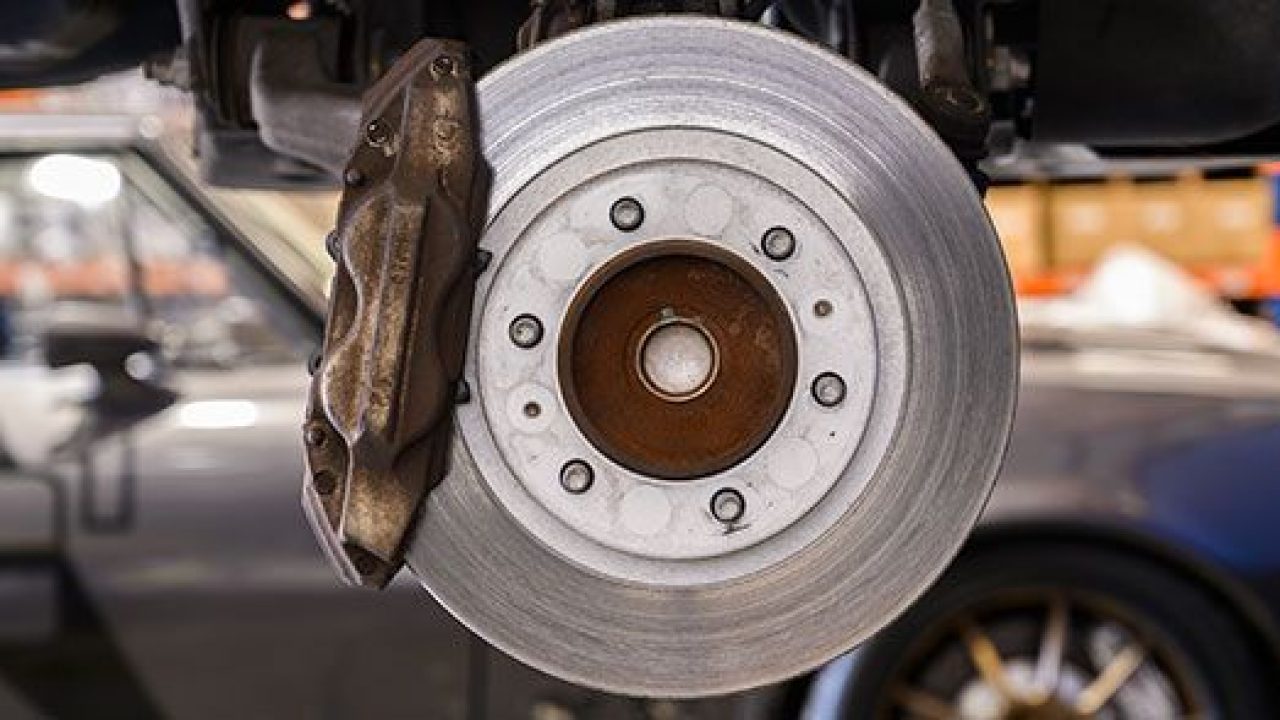
Credit: www.r1concepts.com
How Warped Brake Discs Affect Performance And Safety
Warped brake discs do more than just annoy drivers—they have real consequences for vehicle safety, reliability, and cost.
Symptoms Of Warped Discs
Common symptoms include:
- Brake pedal vibration when applying brakes.
- Steering wheel shudder during braking.
- Squealing or grinding noises.
- Reduced stopping power and longer braking distances.
These issues can be subtle at first but worsen over time, potentially leading to dangerous situations. In some cases, drivers may not even realize there’s a problem until the vibration becomes severe or a mechanic points out uneven disc wear during routine service.
Failure to address these early warning signs can escalate into more serious problems such as total brake failure.
Moreover, these symptoms may be intermittent, particularly when the disc is only slightly warped or the pad deposits are patchy. The problem often becomes more pronounced after the brakes heat up, disappearing when the system cools, which can make diagnosis tricky for both drivers and technicians.
Impact On Braking Efficiency
Warped discs create uneven contact with the brake pads, reducing friction and efficiency. This can:
- Increase stopping distance by up to 25%.
- Cause uneven tire wear due to vibration.
- Lead to premature pad and disc failure.
A report by NHTSA highlights that brake system failures contribute to more than 22% of vehicle accidents related to mechanical issues. Additionally, uneven pad-to-disc contact increases localized heat, further accelerating the warping process and possibly causing glazing of the pads, which reduces their effectiveness.
For commercial vehicles or those carrying passengers, such as buses, the margin for error is even smaller. A minor reduction in braking efficiency can mean the difference between stopping safely and a rear-end collision.
Safety Implications
Beyond performance, safety is compromised:
- Loss of control during emergency stops.
- Increased risk of collisions, especially in wet or icy conditions.
- Distraction and discomfort for the driver.
These risks are amplified in adverse weather, where reduced friction and increased stopping distances can have catastrophic results. Furthermore, the vibration and shuddering can cause fatigue or stress for drivers, particularly those covering long distances or driving in high-traffic areas.
For vehicles carrying valuable cargo or passengers, the stakes are even higher, often leading to stricter inspection and maintenance regimes.
Case Study: Brake Failure Incident
In 2026, a family sedan suffered a collision after its brake discs warped during a summer road trip. Investigation revealed repeated hard braking and lack of maintenance. The repair bill exceeded $1,200, and insurance premiums increased by 15%. This incident underscores the compounded costs—both direct and indirect—of neglecting brake health, from repair expenses to higher insurance and lost vehicle value.

Credit: classicmotorsports.com
Factors That Increase The Risk Of Brake Disc Warping
Not all drivers face the same risk. Several factors increase the likelihood of brake disc warping.
Driving Habits And Conditions
Aggressive driving, frequent hard stops, and heavy loads accelerate heat buildup.
- Urban driving with constant stop-and-go increases risk.
- Mountain descents require continuous braking, stressing the discs.
- Towing heavy loads adds strain.
For instance, taxi drivers or rideshare vehicles, which operate mostly in urban environments, often face accelerated brake wear due to the frequency of stops. Likewise, drivers who regularly tow trailers or heavy equipment put additional stress on their braking systems, making warping more likely unless they upgrade to heavy-duty components.
Brake Component Quality
Low-quality discs and pads are more susceptible to warping.
- Budget discs may lack proper metallurgy and heat dissipation.
- Performance discs (vented, drilled, or slotted) offer better cooling.
It’s important to note that not all aftermarket brake components are created equal. Inferior products might save money upfront but can compromise safety and cost more in the long run. Reputable brands test their products extensively for heat resistance, uniformity, and durability, reducing the risk of warping.
Additionally, matching the correct pad material to the disc type is essential for optimal performance.
Environmental Factors
Weather and road conditions play a role:
- Humidity and rain promote corrosion.
- Dust and debris can contaminate pads, leading to uneven deposits.
- Extreme heat accelerates thermal stress.
Coastal regions, for example, have higher humidity and salt exposure, both of which can accelerate corrosion. Likewise, regions with frequent dust storms or unpaved roads may experience higher rates of contamination and abrasive wear, increasing the risk of uneven deposits and hot spots.
Maintenance Practices
Regular inspection and maintenance are crucial:
- Neglecting pad replacement allows worn pads to damage discs.
- Improper installation increases mechanical stress.
Routine inspections not only catch early signs of warping but also detect underlying issues such as sticking calipers, misaligned wheels, or improper torque settings. Proactive maintenance, especially for high-mileage or fleet vehicles, is often the most cost-effective way to prevent major brake issues.
Comparison Table: Risk Factors By Driving Scenario
| Scenario | Heat Risk | Mechanical Stress Risk | Corrosion Risk | Warpage Likelihood |
|---|---|---|---|---|
| Urban Commuting | Medium | Low | Medium | Medium |
| Mountain Driving | High | Medium | Low | High |
| Towing/Heavy Loads | High | High | Low | High |
| Coastal/High Humidity | Low | Low | High | Medium |
| Performance Driving | High | Medium | Low | High |
Each scenario demonstrates how the interplay between driving conditions and environmental factors raises or lowers the likelihood of brake disc warping. Proactive adjustment of driving style and maintenance based on your typical use case is essential for minimizing risk.
How To Prevent Brake Disc Warping
Preventing brake disc warping is not only possible but practical, with proven strategies for drivers, mechanics, and fleet managers.
Proper Driving Techniques
Adopting smart driving habits is the first line of defense:
- Avoid repeated hard braking; use engine braking when possible.
- Allow brakes to cool after heavy use by driving gently.
- Do not hold the brake pedal after a hard stop (e.g., at traffic lights).
Engine braking—using lower gears to slow down rather than relying solely on brakes—can dramatically reduce heat buildup. For automatic vehicles, use manual mode or downshift early when descending long grades. In traffic, maintaining a safe following distance reduces the need for abrupt stops.
In addition, avoid “riding the brakes,” which keeps them engaged for long periods and prevents heat dissipation.
Regular Maintenance
Routine maintenance catches issues early:
- Inspect discs and pads every 10,000 miles or as recommended.
- Replace pads before they wear down completely.
- Check for signs of corrosion or uneven wear.
Some vehicles are equipped with brake wear sensors or dashboard alerts—pay attention to these warnings. Even if your vehicle lacks these features, a visual check can spot thinning pads, scoring, or rust on the disc. Scheduling regular service, especially before road trips or seasonal changes, helps prevent unexpected failures.
Quality Brake Components
Investing in high-quality parts pays off:
- Choose vented or slotted discs for improved cooling.
- Use pads with compatible friction materials.
- Avoid budget discs lacking proper metallurgy.
Original Equipment Manufacturer (OEM) or reputable aftermarket brands are preferable. For performance or heavy-duty applications, consider upgrading to slotted or drilled rotors, which actively dissipate heat and gases. High-quality pads, such as ceramics, resist heat fade and reduce the risk of uneven deposits.
Correct Installation And Bedding-in
Proper installation and bedding-in procedures are critical:
- Torque wheel bolts evenly using manufacturer specs.
- Follow correct bedding-in steps for new pads and discs.
Bedding-in involves a series of gentle stops to transfer pad material evenly. This process, often outlined in the product manual, is essential for maximizing friction consistency and preventing uneven deposits. A typical bedding-in process involves accelerating to 30–40 mph and applying moderate brake pressure to slow down to 5–10 mph, repeated several times with cooling periods in between.
Incorrect installation can create stress points, leading to uneven disc expansion and eventual warping. Always use a calibrated torque wrench and follow the sequence prescribed by the manufacturer.
Environmental Protection
Protect your brakes from environmental hazards:
- Wash off road salt and debris regularly.
- Store vehicles in dry conditions when possible.
After driving in wet or salty conditions, rinsing the undercarriage and wheels helps prevent corrosion. For those living near the ocean or in high-humidity climates, periodic inspections for rust and pitting are especially important. Garaging your vehicle or using car covers also reduces exposure to the elements.
Case Study: Performance Car Upgrade
A sports car owner noticed frequent disc warping after track days. By upgrading to high-performance vented discs and switching to ceramic pads, disc longevity doubled, and warping incidents dropped by 80%. This upgrade also led to more consistent lap times and fewer unscheduled pit stops.
The owner now incorporates a cool-down lap and periodic inspections after every event, further reducing brake-related issues.
Data Table: Prevention Effectiveness
| Prevention Method | Warpage Reduction (%) | Cost Increase (%) | Recommended For |
|---|---|---|---|
| Gentle Driving | 60 | 0 | All Drivers |
| Regular Maintenance | 50 | 10 | Fleet Operators |
| Upgraded Discs | 80 | 30 | Performance Cars |
| Proper Bedding-In | 70 | 5 | New Car Owners |
| Environmental Protection | 40 | 5 | Coastal Areas |
The data demonstrates that while some strategies require a higher upfront investment, they yield significant reductions in warping risk and longer-term savings.
Diagnosing And Repairing Warped Brake Discs
Identifying and fixing warped discs quickly prevents further damage and ensures safety.
Diagnostic Techniques
Common diagnostic steps include:
- Listen for vibrations or noises during braking.
- Visually inspect for scoring, discoloration, or uneven wear.
- Use a dial indicator to measure disc run-out (excess deviation means warping).
Professional mechanics utilize specialized tools for accurate measurement. The dial indicator method measures lateral run-out—if the value exceeds the manufacturer’s tolerance (often 0. 002–0. 005 inches), warping is confirmed. In some cases, mechanics may use infrared thermometers to check for hot spots or uneven heating.
For DIYers, spinning the wheel by hand and observing the disc’s movement relative to a fixed point can provide a rough indication of warping, but precision tools are always recommended for final diagnosis.
Repair Vs. Replacement
Depending on severity:
- Minor warping may be resolved by resurfacing the disc.
- Severe warping requires disc replacement.
- Always replace pads when changing discs to ensure even contact.
Resurfacing, or “turning,” involves removing a thin layer of material to restore flatness. However, this can only be done if the disc remains above the minimum thickness specified by the manufacturer. Excessive resurfacing weakens the disc and compromises heat dissipation.
If discs are below spec, deeply scored, or cracked, replacement is the only safe option. Using new pads with old discs (or vice versa) can cause uneven wear and exacerbate vibration issues.
Estimated Costs
Repair costs vary:
- Resurfacing: $50–$150 per axle.
- Replacement (standard): $200–$400 per axle.
- Replacement (performance): $400–$800 per axle.
Labor rates, parts quality, and vehicle type affect these prices. While the upfront cost of high-quality or performance parts is higher, the reduction in long-term maintenance and improved safety often offsets the initial investment.
Case Study: Commercial Van Service
A commercial van’s warped discs were caught during routine inspection. Quick resurfacing restored performance and avoided costly downtime. This proactive approach saved the company nearly $600 in repairs and lost business. In addition, the company implemented a regular inspection schedule, reducing the frequency of severe brake issues across its entire fleet and improving overall vehicle reliability.
Comparing Brake Disc Materials And Designs
Material and design choices significantly affect the risk and severity of warping.
Cast Iron Vs. Carbon Ceramic
Cast iron discs are standard in most vehicles, offering good heat resistance but susceptible to corrosion and warping under extreme stress. They are cost-effective and easy to manufacture, making them the go-to choice for daily drivers and most commercial vehicles.
Carbon ceramic discs are used in high-performance and luxury cars. They offer superior heat dissipation and resistance to warping but are much more expensive. The lightweight nature of carbon ceramic also reduces unsprung weight, improving handling and performance. However, they require specialized pads and are costly to replace, limiting their use to high-end or motorsport applications.
Vented, Slotted, And Drilled Designs
- Vented discs feature internal vanes for improved cooling, making them suitable for vehicles exposed to frequent heavy braking.
- Slotted discs have grooves to shed gas and debris, enhancing pad contact and preventing glazing, which is ideal for performance applications or vehicles operating in dirty or dusty environments.
- Drilled discs have holes for even greater cooling but may crack under high stress, especially if used improperly or with incompatible pads.
Each design has trade-offs between heat management, durability, and cost. Vented and slotted discs strike a balance for most high-performance street and light track use, while drilled rotors are reserved for specific performance scenarios.
Comparison Table: Disc Types
| Disc Type | Heat Dissipation | Warpage Resistance | Cost | Typical Use |
|---|---|---|---|---|
| Solid Cast Iron | Fair | Medium | Low | Economy Cars |
| Vented Cast Iron | Good | High | Medium | Mid-Range Cars |
| Slotted | Very Good | High | High | Performance Cars |
| Drilled | Excellent | Medium | High | Sports Cars |
| Carbon Ceramic | Outstanding | Very High | Very High | Luxury/Track Cars |
Choosing The Right Disc
Consult your owner’s manual and consider your driving style. For most drivers, vented cast iron offers the best balance of cost and performance. Performance enthusiasts or those who regularly tow or drive in mountainous regions should consider slotted or drilled options.
For everyday use, solid or vented rotors paired with quality pads are sufficient.
For more information on disc materials, see Wikipedia: Brake Rotor.
Maintenance Strategies For Long-term Brake Health
Long-term brake health requires proactive, consistent maintenance.
Inspection Schedules
Follow these intervals:
- Every 10,000 miles: Inspect discs and pads for wear.
- Every 20,000 miles: Check for corrosion, scoring, and run-out.
- Annually: Flush brake fluid to remove contaminants.
For vehicles in harsh environments or with high annual mileage, increase the frequency of inspections. Early detection of issues like pad thinning, rotor scoring, or fluid contamination can prevent more serious problems down the line.
Cleaning And Environmental Care
- Wash brakes after exposure to road salt or mud.
- Keep air vents clear for optimal cooling.
Cleaning the braking system helps prevent both corrosion and accumulation of debris, which can act as abrasives and accelerate wear. For vehicles with vented or slotted rotors, ensure the channels are clear for maximum heat dissipation.
Storage And Seasonal Considerations
- Store vehicles in dry environments to prevent rust.
- Use covers or garages in coastal areas.
Long-term storage, especially during winter or rainy seasons, can lead to surface rust or pitting. If storing for extended periods, consider periodic driving or rotating the wheels to distribute pad pressure and prevent “pad imprinting,” which can mimic warping.
Professional Servicing
Certified mechanics offer expert diagnostics and repairs. Choose reputable shops with proven experience. Ask about the shop’s policies on rotor resurfacing versus replacement, and ensure they use manufacturer-recommended torque settings during installation.
Some service centers offer brake system flushes, which replace old fluid with new, ensuring optimal hydraulic performance and reducing the risk of internal corrosion.
External Resources
For more on brake maintenance, visit Consumer Reports and Cars.com.
Innovations And Future Trends In Brake Disc Technology
The automotive industry is advancing brake disc technology to reduce warping and improve safety.
Advanced Materials
New alloys and composites provide better heat resistance and durability:
- Titanium-aluminide and carbon composites are entering mainstream use.
- Manufacturers are optimizing metallurgy for improved performance.
These materials offer improved heat dissipation, lighter weight, and greater resistance to thermal cycling. As costs decrease, expect to see advanced composite discs in more mid-range vehicles, not just high-end sports cars.
Smart Sensors And Monitoring
Modern vehicles feature sensors that monitor disc temperature and wear:
- Alerts for overheating or excessive wear.
- Integration with onboard diagnostics for predictive maintenance.
Some systems can even estimate remaining pad life and recommend service intervals, helping to prevent issues before they lead to warping or failure. The use of telematics in fleet operations enables centralized monitoring of brake health across dozens or hundreds of vehicles.
Regenerative Braking
Electric and hybrid vehicles use regenerative braking, reducing reliance on friction brakes and heat generation.
- Lower risk of disc warping.
- Extended component lifespan.
Regenerative braking systems convert kinetic energy into electrical energy, using the electric motor to slow the vehicle. This not only improves efficiency but also significantly reduces the heat and wear experienced by traditional friction brakes.
Real-world Example: Electric Vehicle Brakes
Tesla’s Model 3 uses regenerative braking, dramatically reducing disc wear and warping incidents. Maintenance intervals are extended, and the risk of mechanical failure drops. Some owners report brake pads and discs lasting well over 100,000 miles—far exceeding traditional vehicles.
External Resources
Learn more about brake innovations at Road & Track and Autocar.
Frequently Asked Questions
What Are The Main Signs Of Warped Brake Discs?
The most common signs include vibration or shuddering felt in the brake pedal or steering wheel, squealing noises, and reduced braking efficiency. If you notice these symptoms, it’s important to have your brakes inspected by a professional. In addition, look out for a pulsating sensation when coming to a stop or uneven wear on the brake pads.
Can Warped Brake Discs Be Repaired, Or Must They Always Be Replaced?
Minor warping can sometimes be fixed by resurfacing the disc, which removes uneven material. Severe warping, deep scoring, or excessive corrosion usually require replacement of the disc. Always pair new discs with fresh pads for optimal performance. If in doubt, consult your vehicle’s service manual or a trusted mechanic.
How Can I Avoid Warping My Brake Discs In Daily Driving?
To prevent warping, practice gentle braking, avoid holding the brakes after hard stops, and follow a regular maintenance schedule. Investing in quality components and ensuring proper installation further reduces risk. For frequent city or mountain drivers, consider upgrading to vented or slotted discs.
Are Performance Brake Discs Less Likely To Warp?
Performance discs (vented, slotted, or carbon ceramic) are designed to dissipate heat more efficiently, making them less susceptible to warping. However, they can be more expensive and may require matching performance pads. Remember to consider your driving style and needs before upgrading.
Does Driving In Wet Or Humid Environments Increase The Risk Of Warping?
Yes, wet or humid conditions promote corrosion, which weakens the disc and increases warping risk. Regular cleaning and storage in dry environments help mitigate this risk. If you live in such areas, inspect your brakes more frequently and use corrosion-resistant coatings when possible.
Brake disc warping is a widespread problem with serious safety, performance, and financial implications. Understanding the causes—thermal stress, uneven pad deposits, and mechanical factors—empowers drivers to take proactive steps. By adopting smart driving habits, investing in quality components, and maintaining regular service, you can dramatically reduce the risk of warping and keep your vehicle’s brakes reliable for years to come.
Stay informed, stay safe, and enjoy a smoother drive.