What Do Car Brakes Look Like Inside? A Visual Breakdown
The inner workings of car brakes may seem mysterious to most drivers, but understanding what happens beneath the surface reveals the fascinating mechanics behind every safe stop. The intricate design of modern brake systems combines engineering precision, material science, and hydraulic principles, all working together to transform a gentle pedal press into a powerful force that slows your vehicle.
Whether you’re a car enthusiast, a mechanic, or simply someone curious about automotive technology, a visual breakdown of car brakes provides valuable insight into their operation, maintenance, and evolution.
With advances in braking technology—from classic drum brakes to high-performance disc brakes—the components inside have become more efficient, safer, and easier to maintain. Knowing what car brakes look like inside not only empowers you to make informed decisions about repairs and upgrades but also highlights the importance of regular maintenance for safety and performance.
This article demystifies the anatomy of car brakes, detailing their structure, function, and visual characteristics. You’ll learn how each part works, compare brake types, and discover real-world examples that underscore the impact of brake design on everyday driving.
Key Takeaways
- Car brakes consist of multiple components: Including rotors/discs, calipers, pads, and hydraulic lines, each with a specific function.
- Disc brakes are the most common system in modern cars, offering better heat dissipation and performance than drum brakes.
- Visual inspection of brake parts can reveal wear, damage, and maintenance needs.
- Brake technologies are evolving, with electronic and regenerative systems becoming increasingly prevalent.
- Understanding brake anatomy empowers safer driving and smarter maintenance decisions.

Credit: vatire.com
Anatomy Of Car Brakes: Inside The System
Car brakes are much more than the pedal you press; they’re a network of parts that convert motion into friction and heat. Let’s explore the internal structure and visual layout of the most common braking systems.
Disc Brake System: A Closer Look
The disc brake system dominates the automotive world, especially in passenger vehicles and performance cars. This popularity stems from their superior stopping power, reliability, and ease of inspection. Inside this system, you’ll find:
- Brake Rotor (Disc)
- A circular metal plate, typically made from cast iron or carbon composite, attached to the wheel hub.
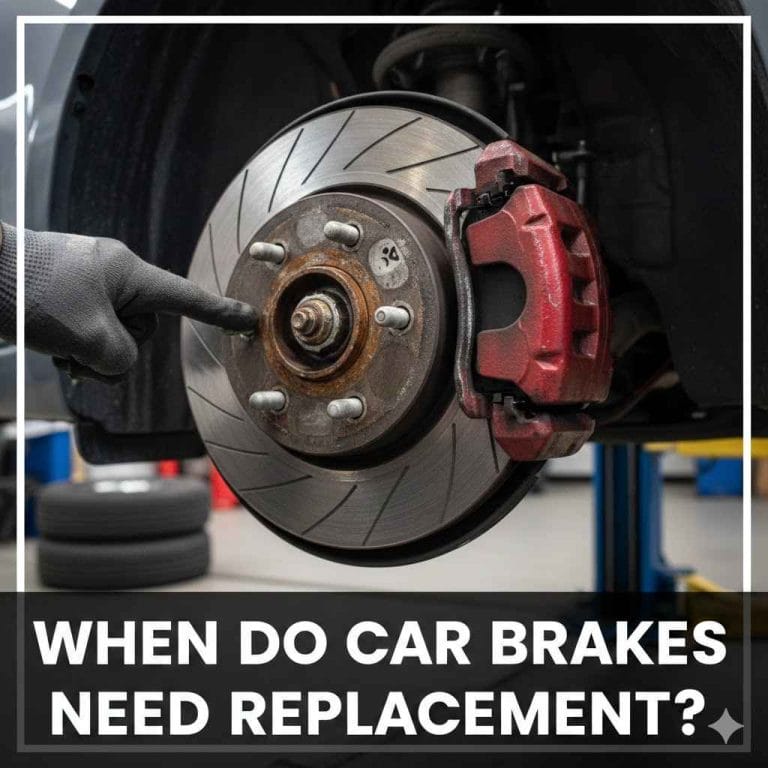
- Rotors come in various designs: Solid, vented (with cooling vanes between surfaces), drilled (with holes to help dissipate heat and water), or slotted (with grooves to channel away gases and debris).
- When viewed from inside, rotors have smooth surfaces with vented grooves or drilled holes for heat dissipation. Some high-performance rotors may have unique patterns or coatings to resist corrosion.
- Brake Pads
- Flat, rectangular components that press against the rotor’s surface.
- Made from composite materials, including semi-metallic, ceramic, or organic compounds, pads are housed in the caliper and have visible friction material on their outer face.
- Pads often feature wear indicators, either as small metal tabs that produce a squealing noise when worn or electronic sensors that trigger dashboard alerts.
- The friction material can appear dark gray, black, or copper-infused, and may develop a shiny or glazed appearance if subjected to excessive heat.
- Brake Caliper
- The caliper straddles the rotor and holds the pads.
- Internally, calipers contain pistons (usually 1-4 per caliper, but high-performance vehicles may have up to 8) that push pads onto the rotor when hydraulic pressure is applied.
- Calipers may be fixed (pistons on both sides) or floating/sliding (pistons on one side only).
- Caliper housings can be painted for performance cars (red, yellow, blue) or left as bare metal; the finish helps prevent corrosion and adds visual distinction.
- Hydraulic Lines and Pistons
- These lines channel brake fluid from the master cylinder to the caliper.
- Inside, pistons move outward when pressurized fluid arrives, forcing the pads against the rotor.
- High-performance systems may use stainless steel braided lines for improved pressure consistency and visual appeal.
Visual Appearance
When examining disc brakes from the inside, you’ll notice:
- Metallic sheen of rotors, sometimes with surface scoring or heat marks.
- Pads with colored friction material (often dark gray or copper-infused).
- Caliper bodies (painted or bare metal), with visible pistons and mounting bolts.
- Brake dust accumulation, especially on performance pads, which can make components appear darker or dirty over time.
Drum Brake System: The Classic Design
While disc brakes are common, drum brakes are still used for rear wheels in some cars. Their internal anatomy includes:
- Brake Drum
- A cylindrical, closed metal shell attached to the wheel hub.
- The drum’s inside surface is smooth, where friction occurs.
- Drums are generally made from cast iron and may show heat discoloration or minor surface rust when opened.
- Brake Shoes
- Curved metal plates with friction material attached.
- Shoes are mounted inside the drum and expand outward to make contact.
- The friction material on shoes is typically thicker than that of disc brake pads, and may be bonded or riveted to the backing plate.
- Wheel Cylinder
- Contains two pistons, one at each end.
- When brake fluid enters, pistons push shoes outward.
- The cylinder is usually a small, cylindrical component with rubber dust boots on each end to protect the pistons from debris.
- Return Springs and Adjuster
- Springs pull shoes back after braking, while the adjuster maintains proper shoe spacing.
- Springs are typically brightly colored (yellow, green, or blue) for easy identification during assembly and maintenance.
- The adjuster may be a star wheel or screw mechanism located between the shoes at the bottom of the assembly.
Visual Appearance
A peek inside drum brakes reveals:
- Curved shoes with thick friction material.
- Springs and metal hardware, often with light surface rust.
- Wheel cylinder with rubber boots protecting pistons.
- A more enclosed environment than disc brakes, which can accumulate brake dust and moisture, leading to corrosion if not regularly maintained.
Parking Brakes And Emergency Mechanisms
The parking brake (or emergency brake) uses a cable-actuated system, often integrated with rear brakes. Internally:
- Cable connection to brake shoes or caliper lever. The cable is typically steel and may be coated to reduce corrosion and friction.
- Mechanical linkage visible as levers or pivot arms inside the brake assembly.
- In some vehicles, a separate drum-in-disc setup is used, where a small drum brake is integrated within the hub of a disc brake rotor, allowing the parking brake to work independently of the main hydraulic system.
- Some modern cars, especially luxury or electric models, utilize electronic parking brakes that use small motors to actuate the caliper or internal drum, eliminating the need for cables.
Hydraulic And Electronic Brake Components
Modern brake systems rely on fluid and electronic controls:
- Brake lines: Flexible hoses and rigid pipes, filled with brake fluid, connecting master cylinder to wheels. Flexible lines are typically rubber or braided stainless steel, while rigid lines are steel.
- ABS sensors: Small electronic modules mounted near rotors/drums, visually identifiable by wires and connectors. They monitor wheel speed and feed data to the ABS control unit.
- Master cylinder: Located under the hood, containing pistons and fluid reservoirs. The master cylinder often has a translucent reservoir for easy fluid level checks, and may have multiple chambers for redundancy and safety.
Credit: www.champion-porsche.com
Brake Component Comparison: Disc Vs Drum
To better understand the visual and functional differences, here’s a comparison of disc and drum brake components:
| Component | Disc Brakes | Drum Brakes |
|---|---|---|
| Rotor/Drum | Flat disc, vented/drilled | Cylindrical shell, smooth interior |
| Friction Material | Rectangular pads | Curved shoes |
| Actuation | Hydraulic caliper/pistons | Wheel cylinder/pistons |
| Heat Dissipation | Excellent (vented) | Poor (enclosed) |
| Maintenance | Easy visual inspection | Requires drum removal |
Disc brakes offer clear visual access to the pads and rotors, making inspection and replacement straightforward. In contrast, drum brakes require removal of the entire drum to inspect shoes and hardware, increasing maintenance effort.
How Brakes Work: Physics And Mechanisms
Understanding what brakes look like inside requires grasping the physics behind their operation. Every brake system uses friction to convert kinetic energy into heat, slowing the car.
The Hydraulic Principle
- Pedal Pressure: When you press the brake pedal, force is transmitted to the master cylinder. The pedal acts as a lever, multiplying the force your foot applies.
- Fluid Transmission: Brake fluid travels through lines, delivering hydraulic pressure to each wheel. The system relies on non-compressible fluid (often DOT 3, DOT 4, or DOT 5.1) for consistent pressure transfer.
- Piston Movement: Inside the caliper or wheel cylinder, pistons push friction material against the rotor or drum. The pressure exerted is proportional to your input at the pedal, thanks to the hydraulic advantage.
The hydraulic system is sealed and operates under high pressure. Any air in the system can severely reduce braking efficiency, which is why regular bleeding of the brakes is essential after any maintenance involving fluid replacement.
Friction And Heat Dissipation
- Friction material (pads or shoes) grips the moving surface, creating resistance and converting kinetic energy into heat.
- Heat is generated, requiring efficient dissipation to prevent brake fade, a condition where excessive heat reduces friction and braking power.
- Ventilated rotors and drilled holes help disc brakes stay cool. The air passing through the vents or holes removes heat and prevents warping.
- Drum brakes, being enclosed, dissipate heat less efficiently. This is why they are more prone to fade under heavy or repeated braking, such as during mountain descents or towing.
Electronic Systems
Modern cars feature Anti-lock Braking Systems (ABS), which use sensors and electronic modules to modulate brake pressure, preventing skidding. ABS consists of wheel speed sensors, a control module, and hydraulic valves that rapidly pulse the brakes to maintain traction.
- Electronic brake force distribution (EBD) further optimizes pressure across wheels, compensating for load differences or road conditions.
- Brake assist systems can detect emergency braking and increase pressure to reduce stopping distance.
Regenerative Braking (electric And Hybrid Cars)
Some vehicles use regenerative braking:
- Electric motors reverse their operation to slow the car, generating electricity and recharging the battery.
- Visually, these systems add motors and wiring to the standard brake anatomy.
- Regenerative braking reduces reliance on friction brakes during normal driving, leading to less wear on pads and rotors.
For a technical breakdown, see Wikipedia: Brake.

Credit: www.techaheadcorp.com
Visual Signs Of Wear And Damage
Inspecting brakes internally reveals much about their condition. Here’s what to look for:
Brake Pad Wear
- Thickness: Pads should have at least 3mm of friction material. If less, replacement is recommended.
- Uneven wear: Indicates caliper or rotor issues. It may be caused by sticking caliper slides or seized pistons.
- Cracking or glazing: Shiny surfaces signal overheating or improper bedding-in. Glazed pads can reduce braking performance and may squeal during use.
- Embedded debris: Small stones or metal fragments can become lodged in the pad surface, causing grooves in the rotor.
Rotor Condition
- Surface grooves: Deep scoring means replacement is needed. Shallow grooves can sometimes be resurfaced.
- Blue discoloration: Indicates excessive heat, often from heavy braking or stuck calipers.
- Rust: Light rust is normal after rain or car washing, but heavy rust impairs braking and may cause pitting.
- Warping: Warped rotors cause vibration in the brake pedal, often felt during high-speed stops.
Drum And Shoe Wear
- Shoes: Should have substantial friction material, usually at least 4mm.
- Drum scoring: Excessive grooves or out-of-round drums cause vibration and reduced braking effectiveness.
- Heat spots: Dark, hardened patches on the drum surface indicate overheating.
Hydraulic Leaks
- Fluid around calipers or wheel cylinders: Signals seal failure, which can lead to loss of hydraulic pressure and reduced braking.
- Wetness on brake lines: Suggests leaks, risking brake failure.
- Soft brake pedal: Often accompanies leaks or air in the system.
Abs Sensor Issues
- Disconnected wires: Deactivate ABS, often triggering a dashboard warning.
- Sensor corrosion: May trigger warning lights and compromise ABS function.
- Contaminated sensors: Dirt or debris can interfere with signal transmission.
Regular inspection and timely replacement of worn components are essential for maintaining safe, reliable braking.
Real-world Examples: Brake Designs In Action
Understanding brake anatomy is best illustrated with real-world examples. Here are three cases showcasing the visual and functional diversity of brake systems.
Case Study 1: Performance Sports Car
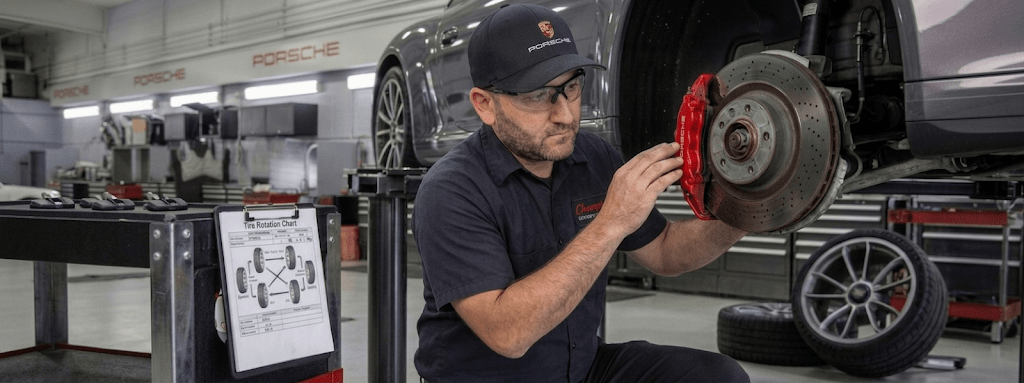
The Porsche 911 features high-performance disc brakes:
- Six-piston calipers: Painted red, visually prominent, and much larger than those found on standard vehicles. The multiple pistons provide even pressure across the pad.
- Drilled rotors: Allow rapid heat dissipation, reducing the risk of fade during high-speed or repeated braking.
- Large brake pads: Designed for extreme grip and durability.
- Lightweight caliper design: Often crafted from aluminum for weight savings.
- Advanced materials: Carbon-ceramic rotors are an option, with a pale gray appearance and longer service life.
When opened, these brakes display precision engineering and robust construction, tailored for high-speed driving and repeated heavy braking.
Case Study 2: Economy Sedan
A Toyota Corolla utilizes a mix of disc and drum brakes:
- Front disc brakes: Simple, single-piston calipers, plain rotors without slots or holes. These prioritize cost-effectiveness and low maintenance.
- Rear drum brakes: Compact, with basic shoes and wheel cylinder. Drums are less expensive to produce and maintain.
- Standard organic or semi-metallic pads and shoes: Quiet operation and good longevity under normal driving conditions.
This combination balances cost and performance, and visually, the rear brakes are more enclosed and less accessible. Maintenance tasks are easier on the front brakes, as pads and rotors are exposed once the wheel is removed.
Case Study 3: Electric Vehicle
The Tesla Model 3 integrates regenerative braking:
- Standard disc brakes: For emergency or heavy braking, using conventional pads and rotors.
- Electric motor: Handles most deceleration, reducing pad wear. The motor and its control electronics are visible under the hood and along the drivetrain.
- Brake-by-wire system: In place of a traditional mechanical linkage, an electronic actuator controls the hydraulic system, enhancing responsiveness and integrating with autonomous driving features.
- Minimal pad and rotor wear: Owners often find brake components last much longer due to the reduced reliance on friction braking.
Internally, the brake system includes additional electronic modules and wiring, visible alongside traditional hardware, and is often more compact due to electronic integration.
Maintenance And Inspection: Inside Your Brakes
Routine brake maintenance ensures safety and longevity. Here’s how to visually inspect and maintain internal brake components.
Visual Inspection Checklist
- Pads and shoes: Look for thickness, cracks, and glazing. Pads should be replaced if below minimum thickness, and shoes should not show excessive wear or delamination.
- Rotors and drums: Inspect for scoring, rust, heat marks, and warping. Use a micrometer to check rotor thickness against manufacturer specifications.
- Calipers and wheel cylinders: Check for leaks and piston movement. Ensure dust boots and seals are intact.
- ABS sensors and wiring: Ensure connections are secure and free of corrosion or damage.
- Parking brake mechanism: Check for free movement of cables and levers, and ensure no fraying or binding.
Maintenance Intervals
- Brake pads: Replace every 25,000–70,000 miles, depending on use, driving style, and pad material.
- Rotors: Resurface or replace when worn, warped, or scored beyond recommended limits.
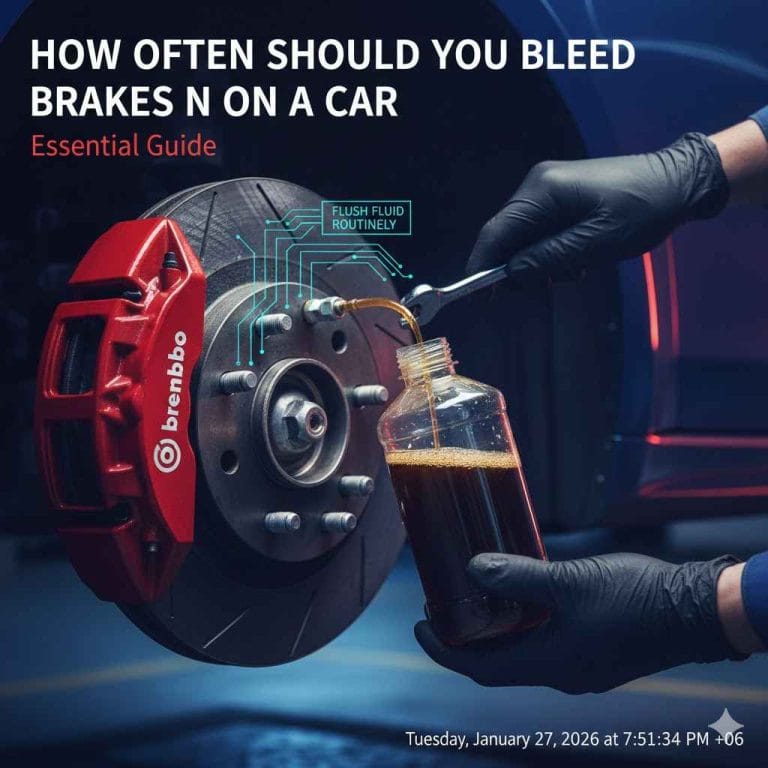
- Brake fluid: Change every 2 years or as recommended by your vehicle manufacturer. Old fluid can absorb moisture, leading to corrosion and reduced braking performance.
- Drum components: Inspect annually, especially return springs, adjusters, and wheel cylinders for wear and proper function.
- ABS systems: Run diagnostic checks during routine service to ensure sensors and modules are functioning.
Tools Needed
- Socket set: To remove wheels and calipers.
- Brake cleaner: Removes dust and contaminants for clear inspection.
- Inspection mirror: Helps view hidden areas, especially inside drums.
- Digital caliper (for measuring pad thickness): Provides precise measurements.
- Torque wrench: Ensures bolts are properly tightened during reassembly.
Professional Service
For complex inspections, consult certified mechanics or visit authorized service centers. Mechanics have access to specialized diagnostic tools, such as brake fluid testers, rotor runout gauges, and electronic scan tools for ABS systems. Detailed visual breakdowns are often available at NHTSA: Brakes.
Advances In Brake Technology And Design
Car brake anatomy is evolving rapidly. Here’s how modern innovations change the internal visual and functional layout.
Ceramic And Carbon Brakes
- Ceramic rotors: Lightweight, with pale gray coloring and minimal wear. Resistant to corrosion and capable of withstanding extreme temperatures without deforming.
- Carbon composite pads: Durable, with high heat resistance. These pads are used in high-performance and racing applications for their ability to maintain friction at high temperatures.
- Reduced brake dust: Ceramic and carbon systems produce less visible residue, keeping wheels cleaner.
Visually, these brakes are less prone to rust and maintain a cleaner appearance. They are also lighter, improving vehicle performance and fuel efficiency.
Electronic Braking Systems
- Brake-by-wire: Replaces hydraulic lines with electronic sensors and actuators. The system electronically interprets pedal input and controls braking force using motors or hydraulic pumps.
- Integrated modules: Compact, with circuit boards and motors visible inside. These modules may be sealed for protection against dust and moisture.
- Redundant systems: For safety, electronic braking often includes backup circuits or separate actuators.
For further reading, see Bosch Mobility Solutions.
Regenerative And Autonomous Brakes
- Regenerative units: Add electric motors and battery connections to the brake assembly, visible as additional wiring and control modules.
- Autonomous braking: Includes radar and camera sensors, with wiring harnesses routed to the brakes and control modules.
- Self-diagnostics: Many modern systems feature onboard diagnostics that monitor wear, fluid levels, and sensor function.
These systems change the internal appearance, adding electronics to traditional hardware and enabling advanced features like automatic emergency braking and adaptive cruise control.
Brake Materials: Visual And Functional Differences
Brake components are made from various materials, each affecting appearance and performance. Here’s a comparison:
| Material | Component | Visual Characteristics | Performance |
|---|---|---|---|
| Cast Iron | Rotor/Drum | Dark gray, prone to rust | Durable, cost-effective |
| Ceramic | Rotor/Pad | Pale gray, smooth | Lightweight, heat-resistant |
| Carbon Composite | Pad/Rotor | Black, textured finish | High performance, expensive |
| Steel | Caliper/Springs | Shiny, metallic | Strong, corrosion-prone |
| Organic | Pad/Shoe | Dark brown, fibrous | Quiet, softer |
Material choice impacts not only how brakes look inside but also their noise levels, resistance to wear, and heat-handling capabilities. For example, ceramic pads are quieter and produce less dust, while semi-metallic pads offer better performance under high-stress conditions but may be noisier.
Brake System Upgrades: Visual Changes And Benefits
Upgrading brakes changes their internal and external appearance. Here’s what to expect:
High-performance Rotors
- Slotted/drilled rotors: Visible slots and holes, designed for heat management and improved wet-weather performance.
- Larger diameter: More surface area for friction, contributing to shorter stopping distances and greater heat absorption.
- Coated rotors: Some upgrades feature anti-corrosion coatings, giving them a distinctive silver or black appearance.
Multi-piston Calipers
- Colored calipers: Red, blue, or yellow, often signifying performance and branding. High-end brands may feature logos or unique shapes.
- Multiple pistons: More symmetrical pressure, visible when removed. This design improves pad contact and reduces uneven wear.
- Lightweight materials: Aluminum or magnesium calipers reduce unsprung weight for better handling.
Sport Pads
- Copper-infused friction material: Shiny flecks visible, providing enhanced heat resistance and friction.
- Thicker pads: Last longer under heavy use and maintain consistent performance during spirited driving.
- Beveled edges and slots: Help reduce noise and improve pad performance.
Stainless Steel Lines
- Braided outer layer: Prevents expansion, visually distinct with a woven metal appearance. Stainless lines improve pedal feel by maintaining hydraulic pressure under heavy braking.
Upgrades are detailed at Tire Rack: Brake Upgrades.
Brake Inspection: Diy Vs Professional
Knowing what car brakes look like inside helps you decide whether to inspect them yourself or seek professional help.
Diy Inspection
- Remove wheel: Exposes disc/drum and caliper.
- Check pad thickness and rotor condition using a flashlight and digital caliper.
- Look for leaks and damaged hardware, paying attention to dust boots and hydraulic line connections.
- Inspect for even wear: Uneven pad or shoe wear often signals underlying issues.
- Listen for abnormal noises: Squealing, grinding, or clicking can indicate worn or misaligned components.
Professional Inspection
- Comprehensive check: Includes hydraulic system, ABS sensors, and electronic modules.
- Specialized tools: For measuring run-out, pad wear, and electronic diagnostics.
- Load testing: Professionals can simulate high-stress braking to check for fade or imbalance.
- Detailed reports: Service centers provide documentation, helping you track brake health over time.
When To Seek Professional Help
- Unusual noises: Squealing, grinding, or clicking.
- Reduced braking power: Longer stopping distances, spongy pedal feel, or pulling to one side.
- ABS warning lights: Indicates sensor or electronic failure; may require diagnostic scans.
- Brake fluid leaks: Any sign of hydraulic fluid should be addressed immediately.
For certified service locations, visit AAA Auto Repair.
Brake System Safety And Performance Statistics
Car brakes are crucial for safety. Here are some data-backed insights:
- Brake failures contribute to 22% of car accidents involving mechanical issues (US DOT). Regular inspection and timely replacement of components are essential to reduce this risk.
- ABS reduces stopping distance by up to 30% on slippery surfaces (IIHS), preventing skidding and loss of control.
- Modern disc brakes last 40–60% longer than traditional drum brakes, with fewer maintenance intervals. This reduces long-term ownership costs and enhances reliability.
- Regenerative braking in electric vehicles can extend pad life by 2–3 times, as the friction brakes are used less frequently.
- Proper brake maintenance can improve fuel efficiency by reducing drag from sticking calipers or improperly adjusted shoes.
A detailed breakdown of safety statistics is available at NHTSA Automated Vehicles.
Frequently Asked Questions
What Are The Main Components Inside Car Brakes?
The primary components inside car brakes are the rotor or drum, brake pads or shoes, caliper or wheel cylinder, hydraulic lines, and return springs. Disc brakes feature rotors and pads, while drum brakes use drums and shoes. Additional elements include ABS sensors and electronic modules in modern systems. In some vehicles, especially those with advanced safety features, you may also find electronic actuators, motors, and wiring as part of the braking system.
How Can I Visually Inspect My Car’s Brakes For Wear?
To visually inspect brakes, remove the wheel and look for pad thickness, rotor scoring, drum grooves, and hydraulic leaks. Check for cracks, glazing, and rust. For drum brakes, you’ll need to remove the drum to inspect shoes and springs. Always consult your owner’s manual for safety guidelines. If you notice significant wear or damage, or if you’re unsure of your findings, consult a professional.
What Do High-performance Brakes Look Like Inside?
High-performance brakes have multi-piston calipers, drilled or slotted rotors, and specialized pads (often copper- or carbon-infused). Visually, they appear larger, with colored calipers and thicker pads. The engineering is more robust to handle extreme heat and friction. Materials like ceramic or carbon composite are common, and you might see extensive use of lightweight alloys in caliper construction.
Why Are Disc Brakes Preferred Over Drum Brakes?
Disc brakes are preferred because they dissipate heat more effectively, offer better performance, and are easier to inspect and maintain. Visually, they feature exposed rotors and pads, allowing quick checks. Drum brakes are more enclosed, making maintenance harder and heat dissipation less efficient. Disc brakes also provide more consistent stopping power, especially during repeated or heavy braking.
Are Brake-by-wire And Regenerative Systems Visually Different?
Yes, brake-by-wire and regenerative systems include more electronics, sensors, and wiring inside the brake assembly. You’ll see circuit boards, motors, and connectors alongside traditional hardware. These systems change both the appearance and operation of car brakes. In some vehicles, the physical connection between pedal and brakes is replaced or supplemented by electronic controls, making the inside of the assembly more complex.
Every safe journey relies on the invisible power of your car’s brakes. By understanding what these systems look like inside, you gain the confidence to spot issues, appreciate technological advances, and make smart decisions about maintenance or upgrades. Whether you drive a classic sedan, a sports coupe, or an electric vehicle, the inner anatomy of your brakes is a marvel of engineering—worth knowing for both safety and performance.
Products related to this article
Sponsored / affiliate links. As an Amazon Associate I earn from qualifying purchases. I may earn additional commission from eligible campaigns.