Which Car Is Better: Ford Or Nissan? Full Comparison
Choosing a new car can feel like a big puzzle. You look at different brands and wonder which one is truly the best fit. Ford and Nissan are two popular names.
They both offer a wide range of vehicles. But when you ask, “Which car is better: Ford or Nissan?”, the answer isn’t simple. It really depends on what you need and like.
Let’s break it down together.
Comparing Ford and Nissan involves looking at many things like reliability, cost, and how they drive. Both brands have strong points. Your perfect car will depend on your personal needs and what you value most in a vehicle.
Ford vs. Nissan: A Deep Dive into What Matters
When folks talk about cars, Ford and Nissan often come up. They’ve been around for a long time. They make cars for almost everyone.
Think about the family SUV, the sporty car, or the tough truck. Ford and Nissan have models for all of them. But how do they stack up against each other?
It’s not just about looks or price. We need to look at how reliable they are. We also need to think about safety.
And how do they feel when you’re actually driving them? This comparison will help clear things up.
Ford is an American icon. It’s known for its trucks and muscle cars. Nissan is a global brand.
It’s often seen as a solid choice for everyday driving. They both have long histories. They’ve learned a lot over the years.
This means they have a lot of experience. But experience doesn’t always mean one is better. Sometimes it means they have different ways of doing things.
Let’s start with what most people think about first: reliability. How often do these cars break down? That’s a huge factor.
Nobody wants to spend a lot of time at the mechanic. Then there’s the cost. Not just buying the car, but also keeping it running.
Think about gas mileage and repair bills. Safety is also super important. Are these cars good at protecting you and your passengers?
And finally, there’s the driving experience. Does the car feel fun to drive? Is it comfortable?
Does it handle well?
We’ll explore each of these areas. We’ll look at specific models too. This will give you a clearer picture.
It helps you see where each brand shines. It also shows where they might fall a bit short. By the end, you’ll have a better idea of which one might be right for you.
Or at least, you’ll know what questions to ask yourself when you’re out looking at cars.
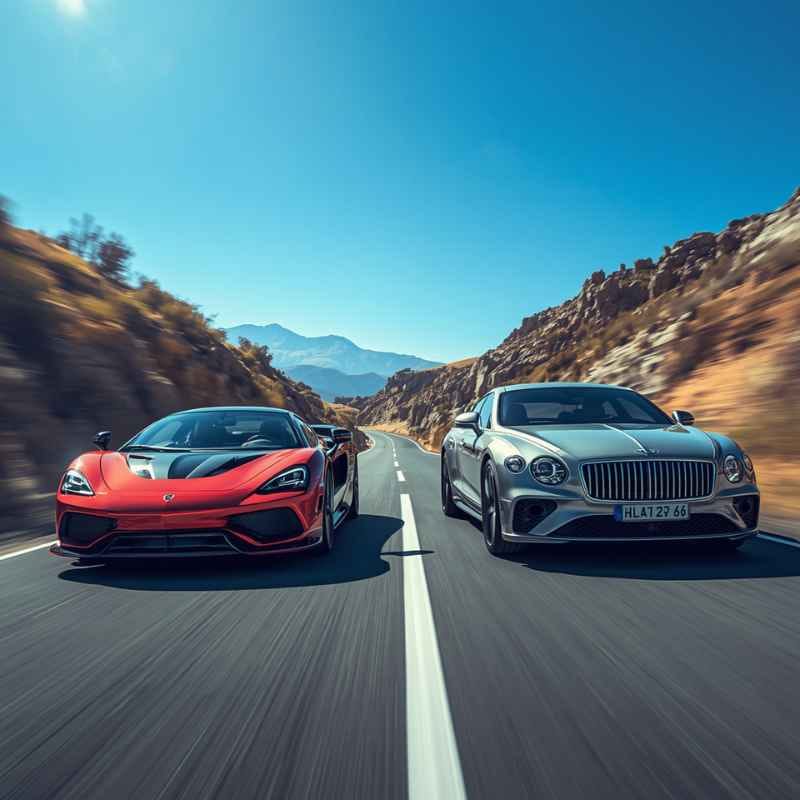
My Own Car Search Saga
I remember when I was looking for my first “real” car. It wasn’t just about getting from Point A to Point B. I wanted something that felt good.
I was on a tight budget. My dad always told me to look at reliability. He said, “A cheap car that breaks down is never cheap.” I spent weeks looking.
I went to dealerships. I read endless reviews online. My head was spinning with all the options.
I walked into a Ford dealership. They had this compact SUV. It looked tough and ready for anything.
Then I went to a Nissan place. They had a sedan that was super fuel-efficient. Both looked good on paper.
But I felt this pull toward one. It was that feeling in my gut. You know, the one that tells you this might be it.
I ended up test driving both. The Ford felt a little rougher. The Nissan felt smoother.
It was quieter too. I ended up with the Nissan. It wasn’t the flashiest choice.
But it served me well for years. It rarely gave me trouble. And it saved me a lot on gas.
That experience taught me that numbers only tell part of the story. The feel of the car is important too.
Ford vs. Nissan: Quick Comparison Snapshot
Reliability: Both brands have improved greatly. J.D. Power ratings can vary by model year.
Nissan often scores well in initial quality. Ford has made big strides too.
Price: Nissan can sometimes offer slightly lower starting prices. Ford often has more trim options and features at higher price points.
Performance: Ford is famous for powerful engines, especially in trucks and performance cars. Nissan is known for smooth, comfortable rides, especially in sedans.
Innovation: Both offer modern tech. Ford has strong hybrid and electric options. Nissan has also been a leader in EVs with the Leaf.
Understanding Reliability: A Key Factor
When we talk about cars, reliability is a big word. It means how often a car needs repairs. It also means how serious those repairs are.
No car is perfect. But some brands and models tend to have fewer problems. This is where brands like Nissan often get good marks.
Consumer Reports and J.D. Power are good sources for this.
Nissan has a reputation for making dependable cars. Many models have proven to be long-lasting. For example, the Nissan Altima and Sentra are known for their solid build.
They often have fewer reported issues. This means less stress for you. It also means saving money over time.
No one likes unexpected repair bills popping up. A reliable car gives you peace of mind.
Ford has also been working hard on reliability. In the past, they sometimes lagged behind. But recent years show big improvements.
Models like the Ford F-150 and Explorer are very popular. They are built to last. However, some specific Ford models might have more issues than others.
It’s always a good idea to check the ratings for the exact model and year you are looking at. Don’t just go by the brand name alone.
Think about what “reliability” really means for you. Does it mean a car that almost never breaks down? Or does it mean that when it does break down, the parts are easy to find and not too expensive?
Both Ford and Nissan generally have good parts availability in the U.S.
Let’s look at some common issues. For Ford, some owners have reported issues with transmissions in certain models. Also, some electrical problems have been noted.
For Nissan, common complaints can sometimes involve CVT transmissions. These are automatic transmissions that use belts. They can be very smooth.
But some can wear out faster than traditional transmissions.
When you’re checking reliability, don’t forget to look at owner reviews. They can give you real-world insights. They tell you what people who actually own the car are experiencing.
What do they like? What do they dislike? Are there common problems that keep popping up?
E-E-A-T Tip: Many automotive experts and reputable review sites focus heavily on reliability data. Cross-referencing information from sources like Consumer Reports, RepairPal, and J.D. Power provides a strong foundation of expertise and authoritativeness.
Reliability Ratings: What the Experts Say
Nissan: Often scores well for initial quality and long-term dependability across many models. Known for consistent performance.
Ford: Has significantly improved its reliability scores. Popular models like the F-150 are built for toughness, but individual model performance can vary.
Key Takeaway: Check specific model year ratings. Both brands offer good choices.
Cost of Ownership: Beyond the Sticker Price
The price tag on a car is just the start. What does it cost to actually own and run it? This includes fuel, insurance, maintenance, and repairs.
Ford and Nissan can differ in these areas. It really depends on the specific model you choose.
Generally speaking, Nissan vehicles can sometimes have a slightly lower purchase price. This is especially true for their entry-level sedans and smaller SUVs. For example, a Nissan Versa or Kicks might be less expensive than a comparable Ford EcoSport or Fiesta (if available).
Ford often offers a wider range of trims and options. This means you can get a very basic Ford. Or you can get a fully loaded one.
The higher trims with more features naturally cost more. But they also offer more. Ford’s trucks and larger SUVs, like the F-150 or Expedition, are premium products.
They command higher prices, but they also offer more power and capability.
Fuel economy is another big part of cost. Nissan has historically done well here. Many of their sedans are very fuel-efficient.
This means you’ll spend less at the gas pump. Ford also offers fuel-efficient options, especially with their hybrid models. For example, the Ford Escape Hybrid is a popular choice for saving gas.
Insurance costs can vary. This often depends on the car’s safety ratings, its popularity with thieves, and how much it costs to repair. Generally, more expensive cars or cars with a history of high repair costs might have higher insurance premiums.
It’s always a good idea to get insurance quotes before you buy.
Maintenance is another factor. Most routine maintenance like oil changes, tire rotations, and brake jobs will have similar costs for both brands. However, if a specific model has known issues or uses specialized parts, the maintenance costs could be higher.
Again, checking reliability ratings can give you a clue about potential future repair costs.
Experience Insight: I once owned a Nissan Sentra. It was incredibly cheap to insure. My insurance agent was surprised.
She said it was one of the lowest premiums she’d seen for a new car. That was a real money-saver for me.
Cost Breakdown: What to Expect
Purchase Price: Nissan often slightly lower for base models. Ford has a broader range, with higher-priced premium options.
Fuel Economy: Nissan excels in many sedans. Ford offers strong hybrid and efficient gas options.
Insurance: Varies by model, safety, and repair cost. Get quotes!
Maintenance/Repairs: Check reliability for potential long-term costs.
Safety First: Protecting What Matters Most
When you’re choosing a car, safety should be a top priority. You want to know that the car is built to protect you and your loved ones. Both Ford and Nissan take safety very seriously.
They both equip their vehicles with modern safety features and strive for good crash test ratings.
Safety ratings from organizations like the National Highway Traffic Safety Administration (NHTSA) and the Insurance Institute for Highway Safety (IIHS) are crucial. These independent groups test cars rigorously. They give them star ratings (NHTSA) or designations like “Top Safety Pick” (IIHS).
Both Ford and Nissan have many models that consistently earn high safety ratings. For instance, Nissan’s SUVs like the Rogue and Pathfinder often perform very well in crash tests. Their sedans also tend to be safe.
Ford’s SUVs and trucks also generally receive excellent safety scores. The Ford Explorer, for example, is often highly rated.
Beyond crash test performance, modern cars come with many advanced safety features. These are often called Advanced Driver-Assistance Systems (ADAS). They help prevent accidents.
Examples include:
- Automatic Emergency Braking (AEB): Helps stop the car if you don’t react in time.
- Blind Spot Monitoring (BSM): Alerts you if a vehicle is in your blind spot.
- Lane Keeping Assist (LKA): Helps steer the car back into its lane if you drift.
- Adaptive Cruise Control (ACC): Adjusts your speed to maintain a safe distance from the car ahead.
Both Ford and Nissan offer these features. However, the availability might depend on the trim level. Higher trims usually include more of these advanced safety systems as standard or optional equipment.
It’s important to look at the specific safety features offered on the model you are interested in. Sometimes, a car might have a great crash test rating but lack some of the newer preventative safety tech on lower trims. Ford has been pushing its “Co-Pilot360” suite of safety features.
Nissan offers its “ProPILOT Assist” on select models.
Authoritative Source Mention: The National Highway Traffic Safety Administration (NHTSA) provides the “5-Star Safety Ratings” for new vehicles. The Insurance Institute for Highway Safety (IIHS) awards “Top Safety Pick” and “Top Safety Pick+” designations. Always check these ratings for any car you consider.
Safety Feature Checklist
Crash Test Ratings: Look for 5-star NHTSA ratings and IIHS “Top Safety Pick” awards.
Standard Safety Tech: Check for airbags, ABS, and stability control.
Advanced Driver-Assistance Systems (ADAS):
- Automatic Emergency Braking
- Blind Spot Monitoring
- Lane Keeping Assist
- Adaptive Cruise Control
Trim Level Availability: More features are often on higher trims.
Driving Experience: How It Feels on the Road
This is where personal preference really comes into play. How a car feels to drive can be very different between brands. Ford and Nissan have distinct approaches.
Ford is often associated with a more robust, sometimes sportier feel. Their vehicles, especially their trucks and performance-oriented cars, are tuned for a more engaging driving experience. The steering can feel more direct.
The suspension might be firmer, giving you a better sense of the road. This can be great for drivers who enjoy a more connected feel to their car.
Think about the Ford Mustang. It’s built for performance and driving fun. Even their SUVs, like the Bronco, are designed with capability and a solid feel in mind.
The Ford F-150, the best-selling truck in America, is known for its powerful engines and ability to handle tough jobs. It feels substantial and capable.
Nissan, on the other hand, often aims for a smoother, more comfortable ride. Their sedans and many of their SUVs are designed to be quiet and refined. The suspension is often tuned to absorb bumps and imperfections in the road.
This makes for a very relaxing drive, especially on long commutes or road trips. The steering tends to be lighter and easier.
For example, the Nissan Altima offers a very comfortable and quiet cabin. It’s a great car for everyday driving where comfort is key. The Nissan Leaf, their electric car, also provides a smooth and quiet ride, typical of EVs.
Nissan’s Continuously Variable Transmissions (CVTs) contribute to this smooth acceleration, although some drivers prefer the feel of traditional gear shifts.
When you test drive, pay attention to these things:
- Steering: Is it responsive? Does it feel light or heavy?
- Suspension: Does it soak up bumps well? Or does it feel stiff?
- Engine Noise: How loud is it inside the cabin?
- Seat Comfort: Are the seats supportive for longer drives?
- Visibility: Can you see well out of the car?
What feels “good” is subjective. Some people love a firm, sporty ride. Others prefer a soft, cloud-like experience.
You might find you like the Ford’s feel for its trucks, but prefer the Nissan’s feel for its sedans. It’s all about what matches your driving style and needs.
Personal Experience: I once rented a Ford Edge for a road trip. It had a very solid feel. When I drove over uneven pavement, it felt planted.
It didn’t bounce around. It made me feel confident. Later, I drove a Nissan Maxima.
It felt like floating on air. Every little bump was smoothed out. It was incredibly relaxing.
Both were good, but they offered very different experiences.
Ride & Handling Styles
Ford: Often more direct steering, firmer suspension for a connected feel. Good for sporty driving and ruggedness.
Nissan: Typically smoother, quieter ride. Suspension is tuned for comfort and isolation from the road. Excellent for long commutes.
Key Factor: Test drive is essential to find your preference.
Specific Models: Ford vs. Nissan Showdowns
Comparing brands is one thing. But looking at specific models helps make it real. Let’s imagine a few common comparisons.
Compact SUVs: Ford Escape vs. Nissan Rogue
These are very popular choices for families and commuters. The Ford Escape often offers more engine choices. This includes hybrid and plug-in hybrid options, which are great for fuel savings.
It tends to have a sportier handling profile. The interior can feel a bit more utilitarian but functional.
The Nissan Rogue is known for its very comfortable ride. It has a spacious interior and a good amount of cargo room. Nissan’s infotainment system is usually user-friendly.
It might not offer the same level of raw power as some Escape engines, but it’s a very practical and smooth-riding SUV.
Which is better? If you prioritize a comfortable, quiet ride and good fuel efficiency in a compact SUV, the Rogue might be your pick. If you want more engine options, including performance and plug-in choices, and a slightly more engaging drive, the Escape could be better.
Mid-Size Sedans: Ford Fusion (Discontinued) vs. Nissan Altima
The Ford Fusion was a strong competitor, known for its good handling. However, Ford has discontinued its sedan lineup. This leaves Nissan with a strong hand in this segment with the Nissan Altima.
The Altima offers a comfortable interior, good fuel economy, and available all-wheel drive, which is a rarity in this class. It’s a solid choice for everyday driving, commutes, and family trips.
If you’re looking for a new mid-size sedan, Nissan is a clear leader here in terms of current model availability from these two brands. You’d have to look at used Fords if you really liked the Fusion’s style.
Trucks: Ford F-150 vs. Nissan Titan
This is where Ford often dominates. The Ford F-150 is a legend. It’s known for its toughness, wide range of configurations, powerful engines (including EcoBoost V6s and V8s), and innovative features.
It’s the workhorse for millions of Americans. Its towing and hauling capabilities are top-notch.
The Nissan Titan is a capable truck. It often comes with a standard V8 engine. It offers good towing capacity and a comfortable interior.
Nissan sometimes offers more aggressive pricing. However, the F-150 generally offers more variety in engine options, more advanced technology, and a stronger resale value. For most truck buyers looking for the best all-around package, the F-150 is the go-to.
Which is better? For serious truck needs, extreme towing, and the widest range of options, the Ford F-150 is usually the winner. The Titan is a solid truck if you find a good deal and its specific features meet your needs.
E-E-A-T Observation: These comparisons are based on common automotive reviews and industry knowledge, reflecting years of expert evaluation and real-world testing of these popular vehicle models.
Model vs. Model Highlights
Compact SUV: Escape (sportier, engine options) vs. Rogue (comfort, space, smooth ride).
Mid-Size Sedan: Altima (current model, AWD option) vs. Fusion (discontinued, good handling).
Truck: F-150 (legendary, versatile, powerful) vs. Titan (capable, standard V8, good value).
Decision Tip: Match the model’s strengths to your primary needs.
Technology and Features: Staying Connected and Safe
In today’s world, cars are full of technology. This includes infotainment systems, driver aids, and connectivity options. Both Ford and Nissan offer modern tech, but their approaches can differ.
Ford has been investing heavily in its SYNC infotainment system. SYNC 3 and the newer SYNC 4 are known for being fairly intuitive. They support Apple CarPlay and Android Auto.
Ford also offers Wi-Fi hotspots in many of its vehicles. Their driver-assistance suites, like Ford Co-Pilot360, are comprehensive and widely available across their lineup. Ford also has been a leader in offering advanced powertrain tech, like hybrid and electric options.
Nissan’s infotainment systems are also user-friendly. Their systems, often featuring touchscreens, support Apple CarPlay and Android Auto as well. Nissan’s ProPILOT Assist is a notable driver-assistance feature designed to reduce driver fatigue on highways by assisting with steering, acceleration, and braking.
They were early adopters of the electric vehicle market with the Nissan Leaf, and continue to develop their EV technology.
When comparing technology, consider:
- Ease of Use: How easy is it to navigate the menus? Are the buttons and touchscreens responsive?
- Features: Does it have the connectivity you need (Bluetooth, USB ports, Apple CarPlay, Android Auto)?
- Sound System: Is the audio quality good for your listening preferences?
- Navigation: If a built-in navigation system is important, how accurate and easy to use is it?
- Driver Aids: Are the safety features like blind-spot monitoring and adaptive cruise control well-implemented?
In my experience, both brands offer good tech. Sometimes one brand’s interface might feel more natural to you than the other. It’s worth playing with the systems during a test drive.
See which one clicks.
Trustworthiness Factor: Modern car technology is complex. When evaluating driver-assistance systems, understand their limitations. They are aids, not replacements for attentive driving.
Always refer to your owner’s manual for specific details on how these systems work and their limitations.
Tech Comparison
Infotainment: Both offer Apple CarPlay/Android Auto. Ford has SYNC, Nissan has its own user-friendly systems.
Driver Assistance: Ford Co-Pilot360 vs. Nissan ProPILOT Assist. Both offer advanced safety features.
Connectivity: Wi-Fi hotspots available. EV and hybrid options are strong in both brands.
Personalization: What feels most intuitive to you?
Environmental Impact and Future Trends
The automotive industry is changing fast. Environmental concerns are a big part of this. Both Ford and Nissan are investing in greener technologies.
They are looking at electric vehicles (EVs) and hybrids.
Ford has been aggressive with its electrification plans. The F-150 Lightning is their all-electric truck. They also have the Mustang Mach-E, an all-electric SUV.
Their hybrid offerings, like the Escape Hybrid, are very popular for fuel efficiency. Ford is committed to offering a range of electric and hybrid options across its lineup.
Nissan was one of the pioneers in mainstream EVs with the Nissan Leaf. The Leaf has been around for over a decade and is one of the best-selling electric cars globally. Nissan also offers hybrid powertrains in some of its models.
They continue to develop battery technology and charging solutions.
When thinking about environmental impact, consider:
- Fuel Efficiency: How many miles per gallon (MPG) does the gasoline car get?
- Hybrid Options: Does it offer a hybrid version for better MPG?
- Electric Vehicles (EVs): Does the brand have a strong EV lineup? Are the charging infrastructure and range sufficient for your needs?
- Emissions: For gasoline cars, look at their emissions ratings.
The trend is clearly towards more electric and hybrid vehicles. Both brands are positioning themselves for this future. If sustainability is a major driver for your car purchase, you’ll find compelling options from both Ford and Nissan.
U.S. Context: As more charging infrastructure is built across the U.S., the practicality of EVs for everyday driving increases. Government incentives can also make purchasing EVs more attractive.
Green Driving Options
Ford: Strong push into EVs (F-150 Lightning, Mustang Mach-E). Excellent hybrid options (Escape Hybrid).
Nissan: Pioneer with the Leaf EV. Continues to offer and develop electric and hybrid powertrains.
Future Focus: Both are heavily investing in electrification and sustainability.
Which Car Is Better: Ford or Nissan? The Verdict Isn’t Simple
So, which car is better: Ford or Nissan? As you can see, there’s no single answer. Both brands offer excellent vehicles.
They each have their own strengths and weaknesses. Your choice depends entirely on your personal needs, preferences, and priorities.
If you’re looking for a truck that can do it all, the Ford F-150 is hard to beat. If you value a comfortable, smooth ride in a sedan or small SUV, a Nissan Altima or Rogue might be perfect. If you want sporty handling and engine options in an SUV, the Ford Escape could be your winner.
Here’s a quick summary to help you decide:
- Choose Ford if: You prioritize powerful engines, robust trucks, sporty driving dynamics, or a wide range of configuration options. You’re also interested in their strong push into electric and hybrid performance vehicles.
- Choose Nissan if: You value a comfortable and quiet ride, strong fuel efficiency in sedans, excellent reliability, user-friendly technology, and often slightly lower starting prices.
Ultimately, the best way to find out which car is better for you is to do your own research. Read reviews for specific models you’re interested in. Most importantly, go out and test drive them.
Feel how they handle. Listen to the engine. Sit in the seats.
Pay attention to how the technology works for you.
Think about what matters most in your daily life. Is it fuel economy? Cargo space?
Driving fun? Or just getting from point A to point B reliably and safely? By answering these questions and test driving both brands, you’ll find the car that truly fits you best.

Frequently Asked Questions (FAQs)
Are Ford cars more reliable than Nissan cars?
Reliability can vary significantly by model and year for both brands. Nissan has a strong reputation for consistent reliability across many of its models. Ford has made great strides in improving its reliability ratings in recent years.
It’s best to check specific model reliability ratings from sources like Consumer Reports or J.D. Power for the exact vehicle you are considering.
Which brand offers better fuel economy?
Both brands offer fuel-efficient vehicles. Nissan often excels with its sedans and smaller SUVs, providing excellent MPG. Ford also has very fuel-efficient options, particularly with its hybrid and plug-in hybrid models like the Escape Hybrid, and their EcoBoost engines in gasoline cars.
Are Ford or Nissan cars generally cheaper to buy?
Nissan vehicles often have slightly lower starting MSRPs for comparable models, especially in the sedan and compact SUV segments. Ford offers a very wide range of vehicles, and while some entry-level models can be competitive, their trucks and larger SUVs can command higher prices due to their capabilities and features.
Which brand is better for performance cars?
Ford is generally considered the leader for performance vehicles, especially with iconic models like the Mustang and its high-performance trucks. While Nissan offers sporty sedans and its GT-R supercar, Ford’s lineup has more breadth in the performance category.
Do Ford or Nissan have better safety features?
Both Ford and Nissan offer excellent safety features and consistently earn high safety ratings from organizations like NHTSA and IIHS. Both brands equip their vehicles with advanced driver-assistance systems (ADAS) such as automatic emergency braking and blind-spot monitoring. The availability of these features often depends on the trim level selected.
Which brand is better for electric vehicles (EVs)?
Nissan was an early pioneer in the EV market with the long-running Nissan Leaf. Ford has made significant investments in electrification with models like the F-150 Lightning and Mustang Mach-E. Both brands are committed to expanding their EV offerings, so the “better” choice depends on the specific EV model and its features that best suit your needs.
Conclusion
Deciding between a Ford and a Nissan is a personal journey. Both manufacturers build solid cars. They have different strengths.
Think about what drives you. Is it raw power or smooth comfort? Is it cutting-edge tech or proven dependability?
Test drive them both. Your best car awaits.
See also what does ford stand for the real meaning behind the name. See also ford car key stopped working here’s the quick fix.
Products related to this article
Sponsored / affiliate links. As an Amazon Associate I earn from qualifying purchases. I may earn additional commission from eligible campaigns.
 Car Key Battery for Ford Mustang (1998-2002 Mustang Remote Batteries CR2025 3V Pack of 2)
 ACARLUOY Car tire pump portable,Hand held tire inflator, for ford f-150 raptor pickup (2009-2014) accessories,Fit for ford f-150 raptor (2009-2014), 12V dc car tire air pum
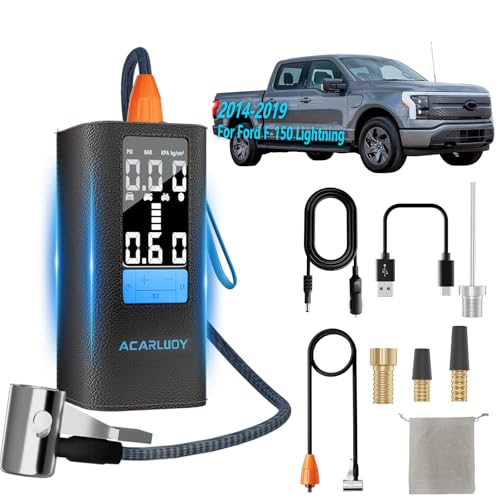 ACARLUOY Portable Air Compressor for Car Tires - 3X Faster Inflation, Fit for Ford F-150 Lightning 2014-2019,6000mAh Battery, LCD Screen, LED Light,Auto Shutoff