Can I Go Through a Carwash With a Cracked Windshield?
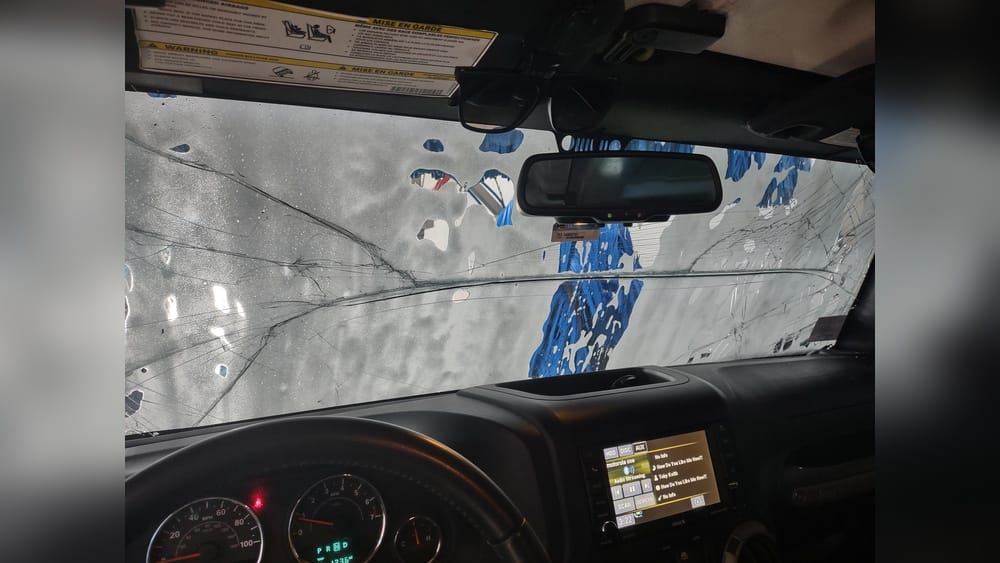
A cracked windshield is more than just an eyesore, it can raise a host of safety, legal, and financial questions. For many drivers, one of the most common dilemmas is whether it’s safe (or smart) to take a car with a cracked windshield through an automatic carwash.
With carwashes promising convenience and cleanliness, it’s tempting to ignore that thin line of fractured glass and hope for the best. But should you?
In my experience as an automotive writer and car owner, I’ve seen everything from tiny chips becoming spiderweb cracks after a wash, to frustrated drivers facing sudden windshield shatters. The risks, costs, and decisions surrounding cracked windshields and carwashes can be more complex than they first appear.
This comprehensive guide will dig deep into the science, safety, and real-world outcomes of taking a cracked windshield through a carwash, so you can make a truly informed decision.
Key Takeaways
- A cracked windshield can worsen or shatter in a carwash due to high-pressure water, brushes, and temperature fluctuations.
- Severity, location, and size of the crack significantly impact the risk level, larger or edge cracks are especially vulnerable.
- Insurance coverage and liability may be affected if further damage occurs during a wash.
- Professional repair or replacement is always the safest option before exposing a damaged windshield to carwash conditions.
- Alternatives like hand washing are safer and may be recommended by auto glass professionals.

Credit: www.panamacitytoyota.com
Understanding Windshield Cracks And Their Risks
Windshields are engineered to withstand significant forces, but once compromised by a crack or chip, their integrity is at risk. Understanding the science behind cracked glass is crucial before making decisions about carwashes.
Types Of Windshield Damage
Most windshield damage falls into these categories:
- Chips: Small, localized spots of damage, often caused by rocks or debris.
- Cracks: Linear breaks that can vary in length and direction.
- Star Breaks and Bullseyes: Circular or star-shaped patterns, often from direct impact.
- Edge Cracks: Begin within two inches of the windshield edge and are more structurally dangerous.
Each type affects the windshield’s ability to withstand stress. For example, an edge crack is more likely to spread quickly because the glass is weakest at its borders.
How Windshields Are Manufactured
Modern windshields use laminated glass, which consists of two sheets of glass with a plastic (polyvinyl butyral, or PVB) layer in between. This design prevents the glass from shattering into sharp pieces and helps maintain structural integrity even after a crack.
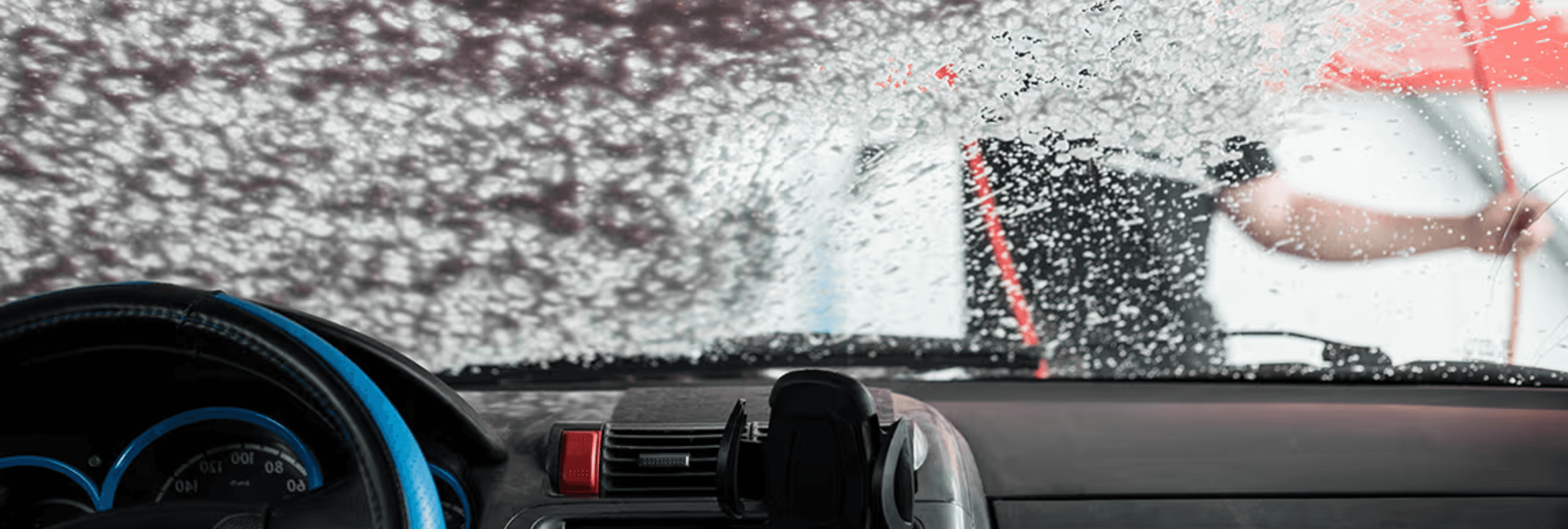
However, existing cracks disrupt this balance. The high-pressure water jets and mechanical brushes of a carwash can force water and air into cracks, causing them to expand or split further. Temperature changes from hot wax or air dryers also cause the glass to expand and contract, worsening fractures.
Why Cracks Spread In Carwashes
Key factors that can cause cracks to worsen in a carwash include:
- Water Pressure: Typical carwash jets operate between 800-1200 psi.
- Mechanical Impact: Rotating brushes or cloth strips can catch on uneven glass.
- Thermal Stress: Rapid temperature changes make glass expand and contract.
- Vibration: Conveyor belts and drying systems add physical stress.
Warning: Even a hairline crack can expand suddenly under these conditions, potentially leading to a complete windshield failure.
Data: Crack Progression Vs. Carwash Type
| Carwash Type | Pressure Level | Risk for Cracked Windshields | Typical Cost of Additional Damage |
|---|---|---|---|
| Touchless (High-Pressure) | 800-1200 psi | High | $300-$1000 |
| Soft Cloth (Mechanical) | 300-600 psi + mechanical | Moderate to High | $300-$900 |
| Hand Wash | Low pressure/manual | Low | $0 (no risk) |
Carwash Risks For Cracked Windshields
Taking a car with a cracked windshield through a carwash is never risk-free. The risks range from minor crack expansion to catastrophic glass failure.
Potential Outcomes
- Crack Expansion: The most common outcome, hairline fractures can lengthen or deepen.
- Complete Shattering: In rare cases, the windshield may shatter or collapse inward, especially with large or edge cracks.
- Water Leakage: Cracks can widen enough to allow water into the car’s interior, damaging electronics or upholstery.
- Insurance Complications: Some policies exclude coverage for pre-existing damage worsened by carwashes.
Case Study: Sudden Crack Expansion
A 2026 survey by the Auto Glass Safety Council found that 16% of drivers with existing windshield cracks reported worsening damage after using automatic carwashes (source: AGSC). One respondent described a small 2-inch crack expanding across the entire windshield after a high-pressure wash, resulting in a $600 replacement bill not covered by insurance due to “pre-existing damage.”
Carwash Equipment Impact
Some carwashes post disclaimers stating they are not liable for damage to pre-existing cracks. The risk is highest with:
- High-pressure touchless washes
- Older or poorly maintained mechanical brushes
- Heated drying systems
If a crack is near the perimeter or within the driver’s line of sight, the risk of catastrophic failure increases significantly.
Real-world Example
A driver in Chicago brought a sedan with a small windshield crack through a soft-cloth carwash. The crack, originally 1. 5 inches, expanded to 10 inches by the end of the cycle. The carwash denied liability, citing signage, and the driver’s comprehensive insurance did not cover the incident.
Credit: www.autoglassnow.com
Factors That Influence The Level Of Risk
Not all cracks are equally dangerous in a carwash scenario. The risk depends on several variables.
Size And Location Of The Crack
- Small chips (<1 inch):Lower risk but still vulnerable to expansion.
- Long cracks (>6 inches): High risk of catastrophic failure.
- Edge cracks: Highest risk due to weak structural support.
- Center cracks: Risk is moderate but can impair visibility if worsened.
Age And Temperature Of The Glass
Older glass and extreme temperature changes (cold winter, hot summer) make cracks more likely to spread. For example, a 2017 AAA report noted that glass expands and contracts up to 0.01% per 10°F change, amplifying crack propagation in carwashes with hot wax or dryers.
Type Of Carwash
As shown in the earlier table, touchless carwashes are especially risky due to high-pressure water jets. Soft-cloth washes are less risky but still problematic if brushes catch on jagged edges.
Severity Of Pre-existing Damage
If the crack penetrates both layers of laminated glass, the windshield is already compromised. Even a gentle wash can lead to complete failure.
Vehicle Design And Windshield Technology
Some modern vehicles have acoustic windshields or built-in sensors (e.g., rain sensors, lane-keeping cameras). Cracks in these areas can lead to expensive repairs if further damage occurs, and sensor recalibration may be required.

Credit: www.hurricanecarwash.net
Insurance And Liability Considerations
Before heading to the carwash, consider the potential impacts on your insurance coverage and liability for further damage.
Will Insurance Cover Additional Damage?
Most comprehensive auto policies cover windshield repair or replacement for accidental cracks. However, if damage worsens in a carwash, coverage can be denied if the insurer deems the driver acted negligently by exposing the glass to additional stress.
Policies often include clauses excluding:
- Pre-existing damage worsened by owner negligence
- Damage occurring in commercial carwashes with posted disclaimers
Pro Tip: Always check your policy details and consult your insurer before using a carwash with a cracked windshield.
Carwash Liability
Most carwashes post signs stating they are not responsible for pre-existing damage. If a crack worsens or the glass shatters, liability typically falls on the vehicle owner. In rare cases, if the carwash equipment is found to be faulty or the staff ignores visible damage, you may have grounds for a claim.
Real-world Example: Liability Denial
A driver in Texas attempted to claim damages when their cracked windshield shattered in a carwash. The carwash’s insurance denied responsibility, citing visible cracks and posted warnings. The driver’s own insurer also denied coverage due to “avoidable risk.” The outcome: a $900 out-of-pocket replacement.
How To Protect Yourself
- Photograph your windshield before entering any carwash.
- Read posted disclaimers at the carwash entrance.
- Ask staff for advice if unsure, some operators will recommend against washing with visible cracks.
- Contact your insurer for guidance.
Professional Advice: Repair Vs. Carwash
Seeking professional advice is essential when dealing with windshield cracks. Auto glass specialists can assess the damage and recommend the safest course of action.
When To Repair Or Replace
- Chips and small cracks (<6 inches):Often repairable for $50-$150.
- Large or spreading cracks: Replacement recommended; costs range from $200 to $1,000 depending on vehicle and technology.
Most experts recommend repairing even small cracks before exposing the glass to carwash stress. Delaying repair increases the risk of full replacement and potential liability.
Case Study: Proactive Repair Saves Money
A driver in Denver opted for a $70 chip repair after noticing a small star break. The technician advised against a carwash until the resin cured. The repair prevented further damage, saving hundreds compared to a replacement.
Professional Recommendations
According to Safelite AutoGlass, “Any crack can spread with exposure to pressure or vibration. We strongly advise customers to avoid automatic carwashes until repairs are completed” (Safelite).
What To Expect From A Repair
- Repairs typically take 30-60 minutes.
- Most repairs are invisible and restore structural strength.
- Insurance often waives deductibles for repairs (but not for replacements).
Pro Tip:
Schedule repairs promptly and avoid high-pressure environments until the glass is professionally assessed.
Safer Alternatives To Automatic Carwashes
If your windshield is cracked, several safer cleaning options exist that minimize risk.
Hand Washing
Washing your vehicle by hand with a soft sponge and low-pressure water is the safest approach. Avoid direct, forceful spraying on the crack and use gentle circular motions. This method completely eliminates the risk of mechanical or hydraulic pressure worsening the damage.
Mobile Detailing Services
Professional mobile detailers can clean your car at home using safe, low-pressure techniques. Many offer windshield-safe cleaning products and can even recommend repair services if needed.
Drive-through Wash With “no Pressure” Options
Some carwashes offer modified cycles with lower pressure or touchless options. Always disclose the crack to the attendant and request a “rinse only” or “no dryer” cycle if available.
Comparison Table: Carwash Alternatives For Damaged Windshields
| Method | Risk Level | Typical Cost | Recommended For |
|---|---|---|---|
| Hand Wash | Very Low | $5-$15 (DIY) | All types of cracks |
| Mobile Detailer | Low | $40-$80 | Busy owners, small cracks |
| Touchless Carwash | High | $10-$20 | Undamaged glass only |
| Soft-Cloth Automatic | Moderate-High | $8-$15 | Minor chips (not cracks) |
Pro Tip:
If you must use a commercial carwash, tape over small cracks with clear packing tape to prevent water intrusion, but this is only a temporary, last-resort measure.
Real-world Scenarios And Case Studies
Concrete examples illustrate the risks and outcomes drivers face when bringing cracked windshields through carwashes.
Example 1: Small Chip Turns Into Full Crack
A driver in Florida with a minor chip (less than 1/4 inch) ignored the damage and used a high-pressure touchless carwash. The chip expanded to an 8-inch crack within minutes of the wash’s hot air dryer cycle. The cost of replacement exceeded $400, insurance covered only part due to the driver’s “failure to mitigate damage.
“
Example 2: Edge Crack Catastrophe
In Minneapolis, a car owner with a 7-inch edge crack took a vehicle through a soft-cloth wash. The crack ran the entire length of the windshield post-wash. The carwash’s posted disclaimer absolved them of liability, and the owner’s policy did not cover the incident.
Example 3: Successful Hand Wash
A driver in California, aware of a small bullseye crack, opted for a hand wash at home. The crack did not expand. After professional repair a week later, the driver resumed normal carwash use without issue.
Example 4: Commercial Fleet Policy
A delivery company with a fleet of 50 vans implements a strict policy: no automatic carwashes for vehicles with any windshield damage. Over three years, their windshield replacement costs dropped by 30% compared to companies allowing damaged vehicles through washes.
Example 5: Insurance Company Survey
A major US insurer surveyed 1,500 claims involving windshield cracks; 23% of worsened cracks were linked to carwash use, underscoring the importance of immediate repair and proper cleaning techniques.
Expert Opinions On Carwashes And Cracked Windshields
Automotive safety experts, glass manufacturers, and insurance professionals offer consistent guidance on the subject.
Automotive Glass Technicians
Glass Doctor, a national repair chain, states: “Even small cracks are unpredictable under mechanical stress. Avoid carwashes until repairs are complete to prevent further damage.”
Insurance Industry
According to the Insurance Information Institute, comprehensive policies may “exclude coverage for loss caused by continued use of damaged auto glass” if the owner acts against professional advice.
Carwash Industry Representatives
The International Carwash Association recommends that operators “advise customers with visible cracks or chips to seek glass repair prior to wash service.”
Regulatory Agencies
The National Highway Traffic Safety Administration (NHTSA) warns that “compromised windshields may fail to protect occupants in a crash.” Their guidance is to “repair or replace damaged glass before exposing vehicles to additional physical stress.”
Pro Tip:
If in doubt, consult with a certified glass repair technician before using any commercial carwash with a damaged windshield.
Prevention And Best Practices
Preventing windshield damage and managing existing cracks is key to vehicle safety, cost savings, and hassle-free car ownership.
How To Prevent Cracks
- Maintain safe following distances to avoid road debris.
- Use windshield protection films in areas with frequent gravel or construction.
- Replace wiper blades regularly to prevent scratches or chips.
- Park in shaded or covered areas to minimize thermal stress.
Immediate Steps If You Notice A Crack
- Inspect the damage: Determine size, location, and depth.
- Avoid carwashes: Postpone until repair is complete.
- Schedule professional assessment: Most shops offer free estimates.
- Cover the crack: Use clear tape to keep out dirt and moisture.
- Drive carefully: Avoid potholes, slamming doors, or rapid temperature changes.
When To Replace Vs. Repair
| Crack Size/Location | Repairable? | Replace Required? | Notes |
|---|---|---|---|
| Chip <1/4 inch | Yes | No | Quick, inexpensive fix |
| Crack <6 inches (not at edge) | Yes (usually) | No | Repair recommended before carwash use |
| Edge Crack | No | Yes | High structural risk |
| Multiple Cracks | No | Yes | Replace for safety |
Consult A Professional
Always consult with a certified auto glass technician for the safest and most cost-effective solution. Modern windshields often house sensors and cameras, requiring expert recalibration after replacement.
Warning: DIY repairs or ignoring cracks can void insurance claims and compromise safety.
Frequently Asked Questions
What If The Crack Is Very Small, Can I Use A Carwash Just Once?
Even very small cracks or chips can expand suddenly due to the pressure and temperature changes in a carwash. While the risk is lower for chips under 1/4 inch, there is still a chance of worsening the damage. If you must use a carwash, choose a hand wash or gentle rinse, and schedule a repair as soon as possible.
Can A Carwash Cause A Windshield To Shatter Completely?
Yes, although rare, carwashes can cause a cracked windshield to shatter, especially if the crack is long, at the edge, or has penetrated both layers of laminated glass. High-pressure water, mechanical brushes, and rapid temperature changes are the most common triggers for catastrophic failure.
Will Taping Over The Crack Help Protect It In A Carwash?
Taping over a crack may help prevent water and dirt from entering, but it does not restore structural strength or prevent crack expansion under pressure or vibration. Tape should be considered a temporary, emergency measure, not a substitute for repair.
Do All Insurance Policies Handle Carwash-related Windshield Damage The Same Way?
No, policies vary. Some insurers may deny coverage for damage that worsens in a carwash if the glass was already cracked, citing owner negligence. Always check your policy terms and consult with your insurance provider before visiting a carwash with a damaged windshield.
Is It Illegal To Drive With A Cracked Windshield?
Laws vary by state. In many US states, driving with a cracked windshield, especially if the crack obstructs the driver’s view, is illegal and can result in fines or failed vehicle inspections. For the latest regulations, consult your local DMV or law enforcement agency, or review the Wikipedia page on windshields.
A cracked windshield and a carwash may seem like a minor inconvenience, but the risks and costs can quickly escalate. By understanding the dangers, consulting professionals, and choosing safe cleaning alternatives, you can protect your vehicle, your wallet, and your safety.
If you’re ever unsure, err on the side of caution, address the crack before exposing your windshield to the stresses of a carwash. Your peace of mind is worth the brief delay.
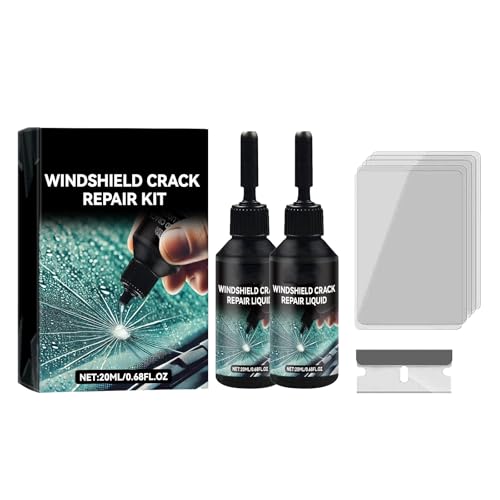
Products related to this article
Sponsored / affiliate links. As an Amazon Associate I earn from qualifying purchases. I may earn additional commission from eligible campaigns.