Can Old Brake Fluid Cause Spongy Braking?
Old brake fluid can cause a spongy pedal when moisture lowers its boiling point or corrosion affects seals, but trapped air is usually the first suspect. A pedal that firms up after bleeding points toward fluid or air. A pedal that slowly sinks points to master-cylinder trouble. Ignoring it can mean longer stopping distances, brake fade on hills, or a sudden loss of braking feel. This guide shows how to tell old fluid from air, leaks, hose swelling, and master-cylinder faults before you replace parts.
What a spongy brake pedal means

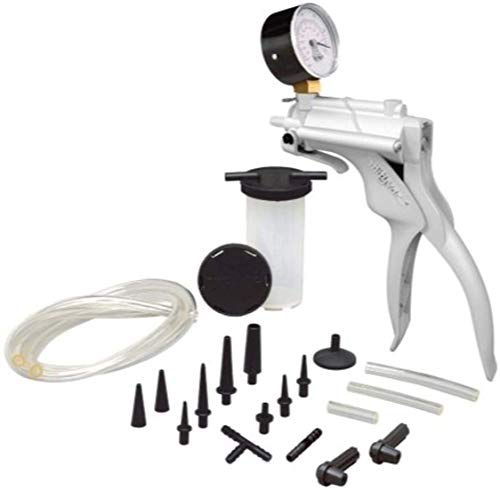
A spongy, soft, or mushy brake pedal feels less firm than usual and takes extra travel before the brakes bite. That is different from normal pedal free play and normal pedal travel. A sinking pedal is different again: pressure fades while your foot stays steady.
Soft, mushy, and sinking pedal feel
“Spongy” usually means compressibility in the hydraulic system. Air pockets compress easily. Moisture-contaminated fluid can boil under heat and create vapor, which also compresses. A pedal that sinks slowly under constant pressure points more toward an internal seal leak in the master cylinder than to old fluid alone.
When pedal travel changes after braking
A pedal that feels normal on a cold stop but gets longer after repeated hard stops is a clue. Heat changes the diagnosis. That pattern fits fluid that has taken on water, fluid that has boiled locally, or a hose or seal that changes behavior under pressure and temperature.
Say your pedal feels firm on a short trip, then turns soft after three steep downhill stops. That heat-linked change points away from a simple reservoir-level issue and toward boiling, vapor, or a component that weakens when hot.
Can old brake fluid cause spongy braking?
Yes, old brake fluid can cause a spongy brake feel when moisture in the fluid lowers the boiling point and creates vapor during heavy braking. It can also contribute to seal wear and corrosion inside hydraulic parts. It does not explain every soft pedal, so heat history and pedal behavior matter.
Moisture, boiling point, and vapor
Brake fluid is hygroscopic, which means it absorbs moisture over time. As water content rises, boiling point drops. DOT 3 fluid boils at 401°F dry, and DOT 4 fluid has a higher dry boiling point of 446°F, but both can lose margin once moisture builds. Vapor in the lines behaves like compressible air.
Why it may show up after hard braking
A moisture-loaded system may feel fine in city traffic and feel worse after towing, mountain driving, or repeated hard stops. Heat is the trigger. The pedal may recover after cooling, which is a strong clue that the system is boiling fluid rather than losing fluid through a leak.
Old fluid does not always feel soft all the time. If the pedal only changes after heat builds, that matters more than fluid color alone.
What else can cause a soft pedal?
Air in brake lines is the most common cause of a spongy pedal, especially after repairs, hose replacement, caliper work, or a poor bleed. Low fluid, external leaks, swollen brake hoses, and master-cylinder internal bypass can all create a soft or changing pedal feel. Those faults need different next steps.
Air in brake lines
Air compresses far more than brake fluid, so even a small pocket can add travel and soften the pedal. If the problem started after service, air is a prime suspect. Proper bleeding is the usual fix, and the result should be a firmer pedal if no other fault is present.
Low fluid, leaks, and hose swelling
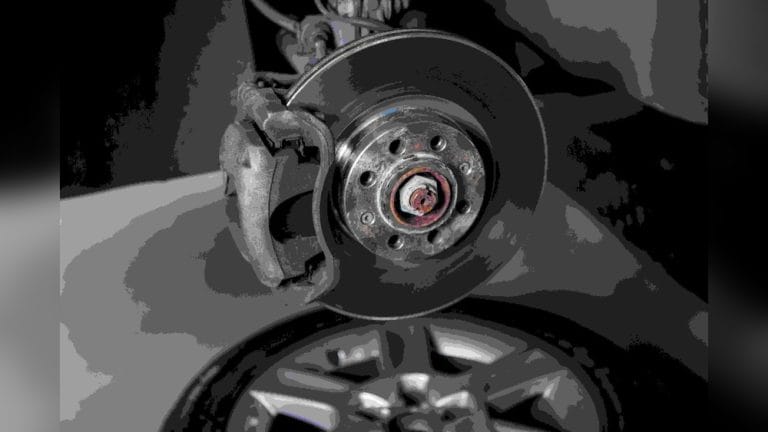
Low brake fluid can contribute to a soft pedal, but low level is a symptom, not the whole diagnosis. The system may be low because a pad is worn, a caliper leaks, a line seeps, or a hose deteriorates. Flexible hoses can swell under pressure and change pedal feel without an obvious puddle.
Master cylinder internal bypass
If the pedal slowly sinks while you hold steady pressure, the master cylinder is high on the list. Internal seal bypass lets pressure leak past the seals inside the master cylinder. A pressure test can expose a fault that a simple visual check misses. Replacement may require bench bleeding.
Brake fluid decision table
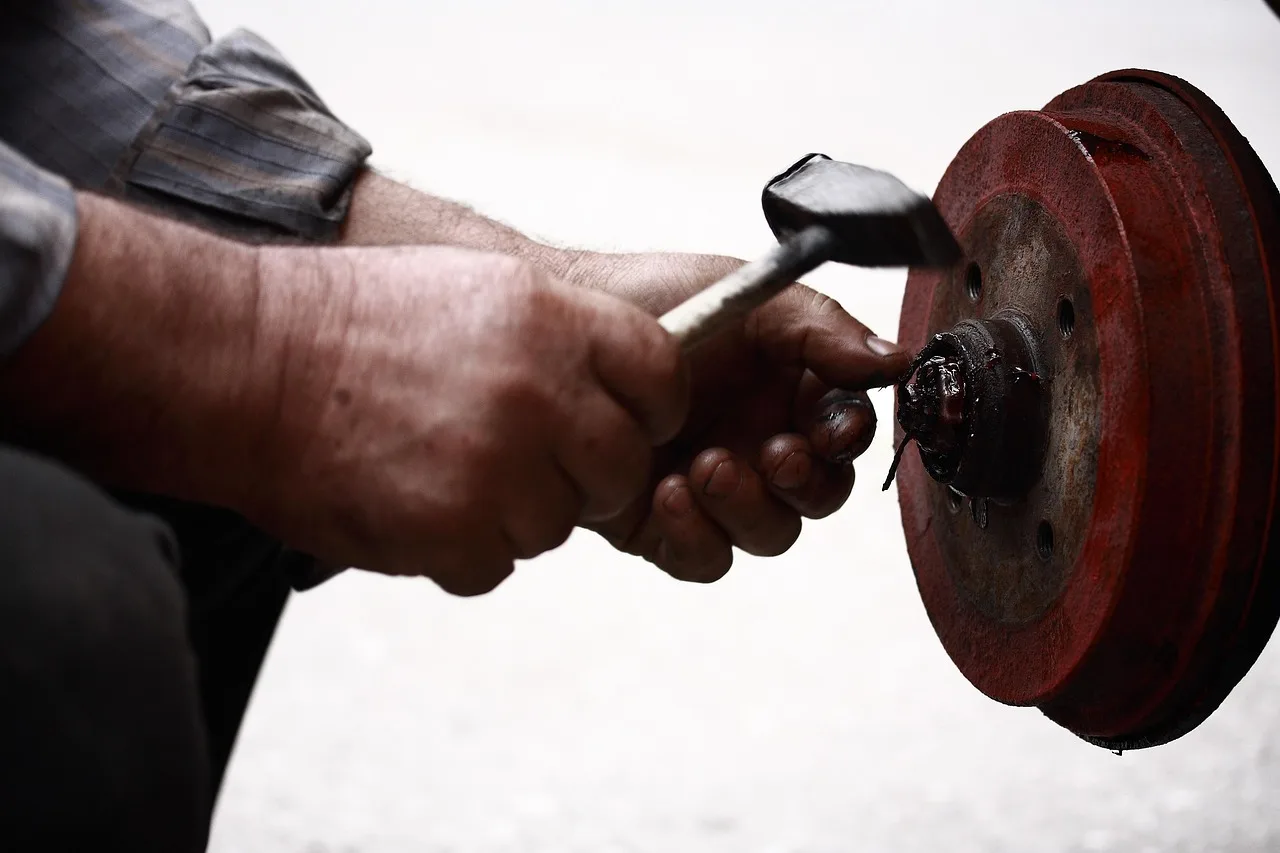
This table helps sort old fluid from air, leaks, hose issues, and master-cylinder failure before you replace parts. Use pedal behavior, heat history, reservoir level, and moisture reading together. Color alone is not enough.
| Pedal feel | Heat dependence | Reservoir level | Fluid age/moisture reading | Likely cause | Next action |
|---|---|---|---|---|---|
| Soft only after hard braking | Yes, after repeated stops or downhill driving | Usually normal | Old fluid, moisture reading high | Moisture-contaminated fluid boiling to vapor | Test fluid, then flush if reading is high |
| Soft all the time | No clear change with heat | Usually normal | Age may be unknown or moderate | Air in lines or hydraulic fault | Bleed system and inspect for leaks |
| Pedal sinks slowly | May happen hot or cold | Can stay normal | Fluid age may not explain it | Master-cylinder internal bypass | Pressure-test master cylinder and inspect seals |
| Soft after recent repair | No; starts right after service | Usually normal | Any age | Air trapped during bleeding | Rebleed using correct sequence and method |
| Still spongy after bleeding | May be constant or heat-linked | Usually normal | May be old or fresh | Trapped air, ABS issue, hose swelling, or master cylinder | Check ABS procedure, hoses, and master cylinder |
| Pedal gets longer on hills | Yes, under repeated braking | Usually normal | High moisture reading or very old fluid | Boiling fluid under heat load | Flush fluid and inspect for contamination |
| Soft with visible wetness at wheel | Usually not needed to trigger it | Dropping | Any age | External leak at caliper, hose, or line | Repair leak before bleeding again |
| One corner feels weak | May worsen after braking | Often normal | Usually not the main clue | Swollen hose or sticking caliper issue | Inspect hose condition and caliper movement |
How to check brake fluid condition
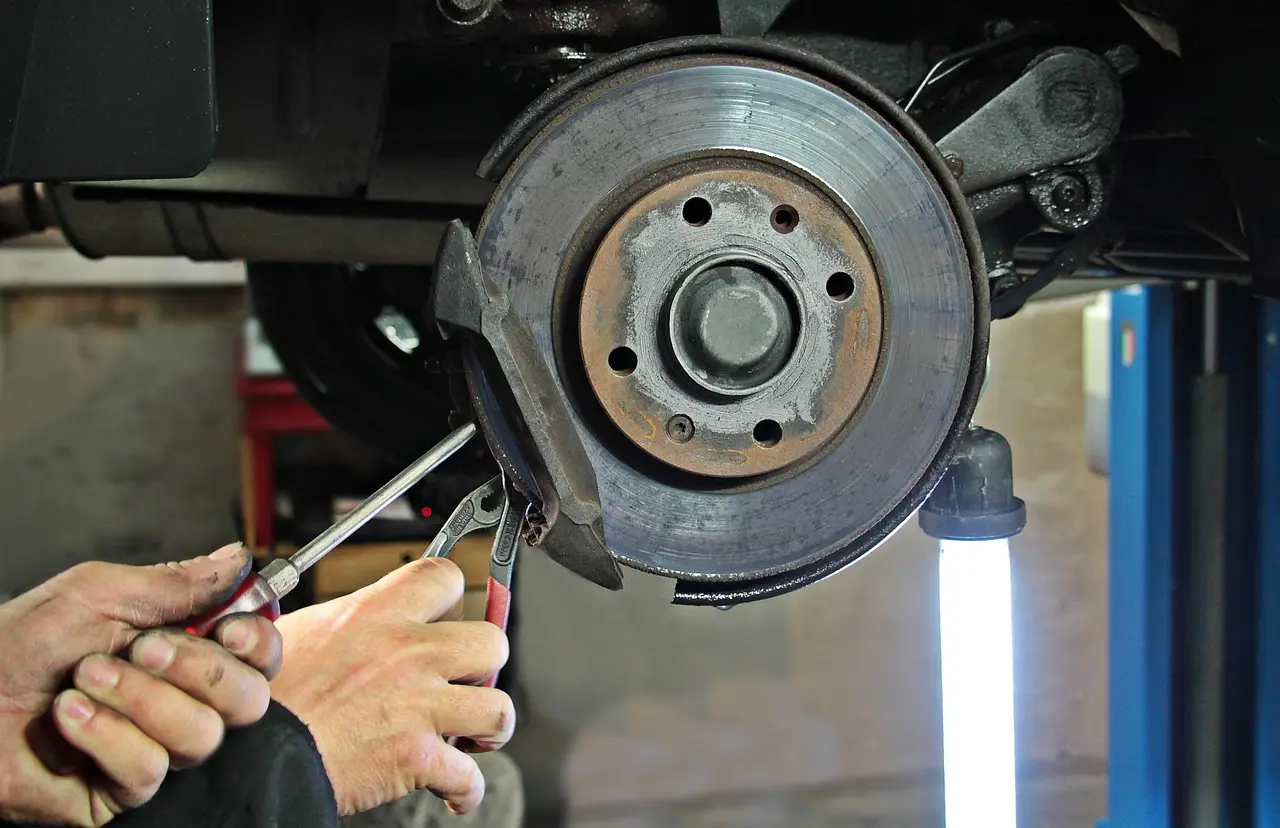
Check fluid level, visible condition, and moisture reading together. Fresh fluid is usually clear to light amber. Old fluid may look darker, brown, or cloudy, but color alone does not prove it is unsafe. A brake fluid tester adds a moisture reading that is more useful than appearance alone.
Reservoir level and visible condition
Look at the reservoir with the car level and the cap removed only if the design allows it. A low reservoir can point to wear or a leak, while dark or cloudy fluid suggests contamination. Bosch notes that dark brake fluid turning brown or cloudy suggests contamination.
Moisture testers and what they show
Pen-style brake fluid testers estimate water content. They do not replace a full inspection, but they help judge fluid condition beyond color. A high moisture reading strengthens the case for a flush, especially if the pedal changes after heat. A low reading makes air, leaks, or hardware faults more likely.
DOT fluid types and compatibility
DOT 3, DOT 4, and DOT 5.1 are glycol-based fluids and are commonly used in systems designed for them. DOT 5 is silicone-based and is not interchangeable with glycol-based fluids. Mixing incompatible brake fluid types is unsafe, so confirm the specification before topping off or flushing.
-
Check the cap spec. Confirm the exact fluid type on the reservoir cap or in the owner’s manual before adding anything. The wrong fluid can damage seals or create braking problems.
-
Read the fluid condition. Use a tester if available, then compare the reading with pedal behavior. Dark color alone is a clue, not a diagnosis.
-
Inspect for leaks. Look at calipers, flexible hoses, and visible lines for wetness or cracks. If the reservoir is low, find the reason before you bleed.
-
Decide on service. If moisture is high or the fluid is old, plan a flush. A common flush volume is 0.5 to 1.0 quart, but the exact amount depends on the car and how much air is in the system.
Why brakes stay spongy after bleeding
If the pedal is still spongy after bleeding, trapped air is still possible, but so are ABS-related bleeding needs, a bad master cylinder, or swollen hoses. A successful bleed should firm the pedal unless another fault remains. Persistent softness means the diagnosis is incomplete.
Bleeding order and trapped air
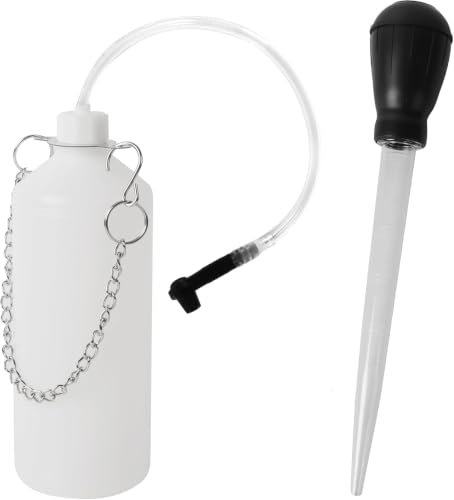
On many cars, bleeding starts at the wheel farthest from the master cylinder and moves to the nearest. Clear tubing and a helper method make it easier to see bubbles and avoid sucking air back in. If the sequence is wrong, air can stay trapped in the system.
ABS-related bleeding needs
Some ABS units trap air unless the correct scan-tool or manufacturer procedure is used. Ordinary bleeding may not clear the modulator. If the pedal improved but still feels wrong after a conventional bleed, ABS-specific procedures may be the next step.
When a master cylinder or hose is still suspect
If the pedal sinks under steady pressure after a careful bleed, suspect the master cylinder first. If the pedal changes more when hot or under heavy pressure on one circuit, inspect the hoses for swelling or deterioration. A leak or bypass fault will not be fixed by adding fluid alone.
Suppose the reservoir is full, the fluid tester shows moderate moisture, and the pedal is still soft after a correct bleed. That combination points away from low fluid and toward trapped air, an ABS issue, or a hydraulic part that is failing under pressure.
When should you change brake fluid?
A common interval is every 2 years, and many manufacturers also use mileage guidance around 20,000 to 30,000 miles. Driving conditions matter. Towing, mountain driving, city stop-start use, and long service life all shorten the useful life of brake fluid.
Time-based and mileage guidance
VehicleBar says brake fluid should be changed every 2 years and lists 24 months or 30,000 miles as a general interval. Those numbers are guides, not a substitute for the vehicle’s own schedule.
Driving habits that shorten service life
High heat and frequent brake use raise the case for earlier service. That includes towing, mountain roads, heavy city traffic, and older cars that see long gaps between maintenance. If the fluid tester shows elevated moisture before the interval is due, service is justified sooner.
What a flush usually changes
Fresh fluid helps restore boiling margin and removes contaminated fluid from the system. It will not fix a torn hose, leaking caliper, or master-cylinder bypass. A brake fluid replacement usually takes a moderate amount of time, though ABS systems can take longer if special procedures are needed.
Frequently asked questions
Can old brake fluid cause a spongy braking feel?
Yes. Old fluid can absorb moisture, which lowers boiling point and can create vapor under hard braking. That often shows up after steep hills, towing, or repeated stops. If the pedal is soft all the time, air or a hydraulic fault may be a better fit than fluid age alone.
What can cause brakes to feel spongy?
Air in the brake lines is the most common cause. Low fluid, an external leak, swollen hoses, moisture-contaminated fluid, or a master-cylinder seal bypass can also do it. The key clue is whether the pedal changes with heat, keeps sinking, or improves after bleeding.
What happens when brake fluid goes bad?
Brake fluid that picks up moisture loses boiling margin, so heavy braking can turn part of it into vapor. That vapor compresses and makes the pedal feel soft. Old fluid can also support corrosion inside calipers, lines, and the master cylinder, which adds more trouble over time.
Why does brake fluid need changing?
Brake fluid needs changing because it absorbs moisture over time. As water content rises, boiling point falls and internal corrosion risk rises. A regular flush helps keep the hydraulic system responsive and reduces the chance of fade, vapor, and seal damage during hard use.
How often should brake fluid be changed?
That said, the right schedule depends on the vehicle and how it is driven. Heavy traffic, towing, and mountain use justify checking and servicing it sooner.
Why are my brakes still spongy after bleeding?
If the brakes are still spongy after bleeding, trapped air may remain, especially if the bleed order was wrong or the ABS unit needs a special procedure. If the pedal slowly sinks, the master cylinder is more suspect. Swollen hoses or a leak can also keep the pedal soft.
Products related to this article
Sponsored / affiliate links. As an Amazon Associate I earn from qualifying purchases. I may earn additional commission from eligible campaigns.