Best Honda Civic for a Project Car: Top Generations Ranked
The Honda Civic has become a legendary foundation for project car enthusiasts, renowned for its versatility, affordability, and immense aftermarket support. Whether you’re into track builds, street tuning, or unique show cars, the Civic’s evolution over decades offers a rich palette of options.
But with so many generations and trims, which Honda Civic is truly best for your next project? This comprehensive guide ranks the top Civic generations for project builds, blending data-driven insights with firsthand experience and practical advice.
From the classic simplicity of the early Civics to the turbocharged punch of modern variants, each generation offers distinct advantages. Factors like availability, aftermarket part compatibility, chassis rigidity, and overall cost make a profound impact on a project’s direction. This article synthesizes expert opinions, real-world examples, and community data to help you select the ideal Civic for your ambitions, whether you’re a seasoned builder or just starting out.
Key Takeaways
- 1990s Civics (EG, EK, DC2) are favored for their lightweight chassis and massive aftermarket support.
- Recent generations (8th, 9th, 10th) offer modern features, better safety, and strong factory engines, but may cost more.
- Availability and rust are crucial factors, older Civics may have chassis integrity issues.
- Each generation has unique strengths for different project types: Drag, autocross, stance, or daily-driven builds.
- Budget, part compatibility, and intended use should guide your generation choice.
- Real-world builds show both classic and modern Civics achieving show-stopping results with the right vision and investment.
Credit: www.jayhonda.com
Ranking The Best Honda Civic Generations For Projects
Choosing the right Honda Civic generation can make or break your project. Below, we rank the top picks, detailing why each stands out for specific build types.
1. 1992, 1995 Honda Civic (eg/eh/ej)
The fifth-generation Civic, especially the EG hatchback, is often regarded as the quintessential project car platform. Its lightweight chassis, simple electronics, and near-limitless engine swap options have made it a darling of both amateur and professional builders.
Strengths:
- Weight: Curb weight as low as 2,200 lbs for base models.
- Aftermarket Support: Arguably the largest of any Civic generation.
- Chassis Flexibility: Accepts a wide range of Honda engines, including B-series, K-series, and even H-series swaps.
- Affordability: Still found at reasonable prices, though clean examples are becoming scarce.
Ideal for: Track builds, drag racing, autocross, and budget-friendly street cars.
Example: The EG Civic “Time Attack” build from California regularly posts top-10 times at Buttonwillow Raceway, running a K24 engine swap and custom suspension.
Pro Tip: Check for rust in rear quarter panels and undercarriage, as many EGs suffer from corrosion due to age.
2. 1996, 2000 Honda Civic (ek/em/en)
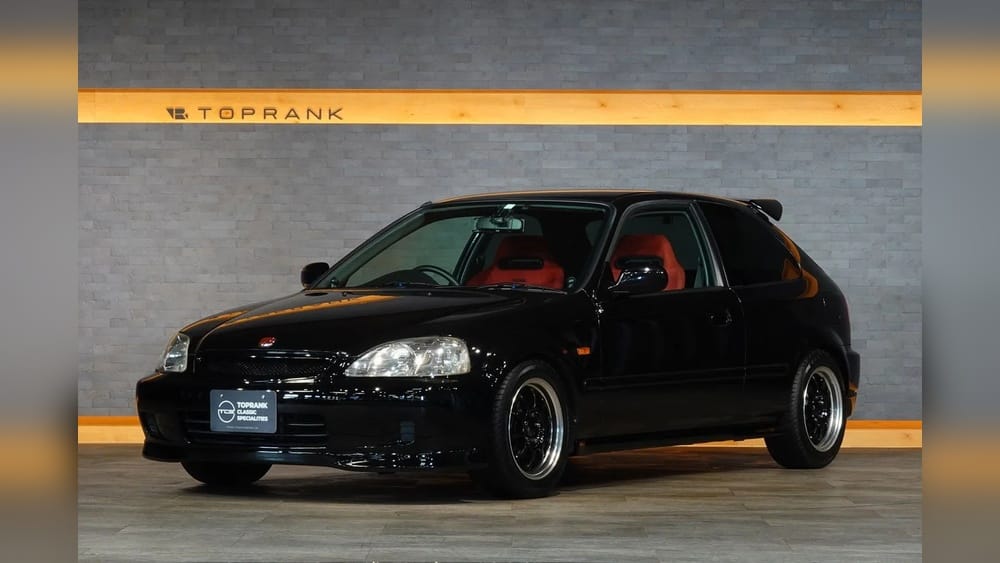
The sixth-generation Civic built on the success of the EG, adding slightly more weight but offering improved chassis rigidity, safety, and comfort. The EK hatchback and coupe remain favorites for their swap compatibility and clean lines.
Strengths:
- Chassis Stiffness: Notably more rigid than the EG, ideal for high-power builds.
- Parts Interchangeability: Shares many components with the EG and Integra.
- Modern Features: Airbags, improved HVAC, and more refined interiors.
Ideal for: Street/track hybrids, show builds, and daily-driven project cars.
Example: The “EK9 Type R tribute” from New Jersey combined JDM body parts with a B18C5 engine and won multiple regional car shows.
Warning: Genuine EK9 Type Rs are rare (Japan-only), so most US builds are clones using domestic EK shells.
3. 1988, 1991 Honda Civic (ef/ed/ee)
The fourth-generation Civic, especially the EF hatch, is beloved for its boxy styling and featherweight chassis. This generation was the first to feature double-wishbone suspension front and rear, setting a new standard for handling.
Strengths:
- Lightest Chassis: Some models dip below 2,000 lbs.
- Handling: Double-wishbone setup offers superior tunability.
- Classic Looks: Increasingly rare, with strong nostalgic value.
Ideal for: Vintage racing, retro-inspired builds, and enthusiasts seeking a “classic JDM” vibe.
Example: A San Francisco-based EF hatch with a B16A swap and period-correct SSR wheels gained a cult following at local Cars & Coffee events.
Pro Tip: Pay extra attention to chassis rust and electrical wear, many EFs were not garaged and may require extensive restoration.
4. 2006, 2011 Honda Civic (8th Gen, Fa/fg/fd)
The eighth-generation Civic marked a shift to a more futuristic design and introduced the potent K20Z3 engine in the Si trim. These Civics offer a solid foundation for both street and track performance, with modern safety and comfort features.
Strengths:
- Engine: K20Z3 in Si models is highly tunable and reliable.
- Chassis: Stronger and more refined, with excellent ride quality.
- Modern Amenities: ABS, advanced airbags, and improved ergonomics.
Ideal for: High-power NA or turbo builds, comfortable daily drivers, and modern track cars.
Example: The “FA5 Turbo Si” project in Texas runs consistent 12-second quarter miles with bolt-on upgrades and a custom tune.
Warning: Rear suspension design switched to MacPherson struts, which some purists dislike compared to earlier double-wishbone setups.
5. 2016, 2026 Honda Civic (10th Gen, Fc/fk)
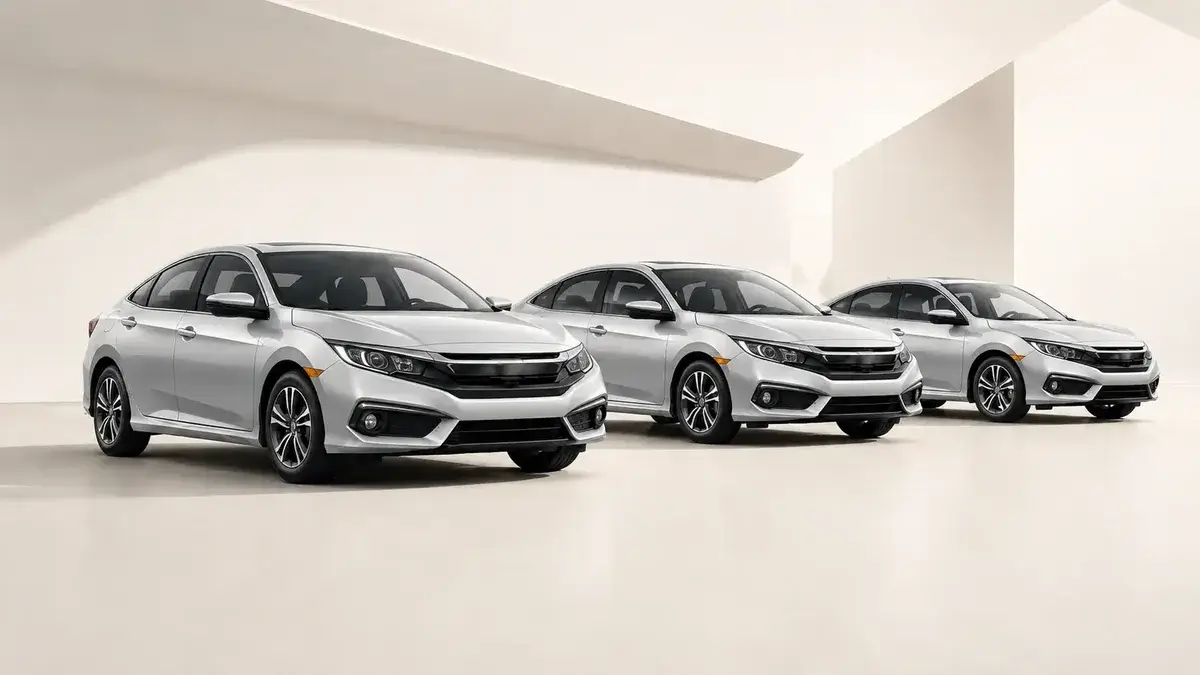
The tenth-generation Civic brought turbocharged engines and a dramatic redesign, with the Si and Type R trims pushing performance boundaries. While pricier, these Civics offer unmatched stock power and modern tech.
Strengths:
- Turbo Engines: The 1.5T and 2.0T engines deliver strong performance out of the box.
- Chassis Technology: Advanced safety, adaptive dampers (Type R), and improved rigidity.
- Aftermarket Growth: Rapidly expanding support, especially for FK8 Type R.
Ideal for: High-end builds, competitive autocross or time attack, and show cars with a modern flair.
Example: A Florida-based FK8 Civic Type R with bolt-ons and E85 tune regularly sets records at local track days.
Pro Tip: Tenth-gen Civics are more complex electronically, engine swaps and custom tunes may require specialist help.
6. 2001, 2005 Honda Civic (7th Gen, Em/es/ep)
The seventh-generation Civic is often overlooked, but the EP3 Si hatch and EM2 coupe offer unique styling and a good project platform for budget-minded enthusiasts.
Strengths:
- K-series Engines: EP3 Si features the K20A3, a good base for tuning.
- Affordable: Lower entry price compared to earlier, more collectible generations.
- Distinctive Shape: The “Euro-inspired” look stands out at meets.
Ideal for: Entry-level builds, daily-driven street projects, or unique show cars.
Example: A Chicago builder turned an EP3 Si into a track-ready car with a K24 swap and custom coilovers, winning local autocross events.
Warning: Non-Si trims lack the same performance potential; verify model before investing heavily.
7. 2012, 2015 Honda Civic (9th Gen, Fb/fg)
The ninth-generation Civic addressed many of the 8th gen’s criticisms, with improved ride, handling, and engine options. The Si trim, in particular, offers strong value for turbo or NA builds.
Strengths:
- K24 Engine: Si models use the K24Z7, known for torque and reliability.
- Refined Chassis: Better NVH and comfort for daily use.
- Modern Features: Bluetooth, backup camera, and improved safety.
Ideal for: Balanced street/track builds, modern daily drivers, and first-time tuners.
Example: An FB6 Si from Arizona, with a full bolt-on K24 and Hondata FlashPro, consistently performs well at local SCCA events.
Pro Tip: The K24Z7 responds well to forced induction but ensure supporting mods for longevity.
8. 1972, 1987 Honda Civic (first Three Generations)
While not common project platforms, the first, second, and third-generation Civics are gaining traction among collectors and vintage racers. Their classic styling and lightweight chassis offer a unique canvas for retro-inspired builds.
Strengths:
- Classic Appeal: Strong nostalgia and growing collector interest.
- Lightweight: Some models weigh under 1,800 lbs.
- Simplicity: Easy to work on; minimal electronics.
Ideal for: Vintage racing, show builds, or collectors seeking a rare project.
Example: A meticulously restored 1977 Civic CVCC won “Best Honda” at a national Japanese car show, running period-correct wheels and a carbureted D-series engine.
Warning: Parts availability is limited and restoration costs can quickly add up.
Credit: carmerit.com
Honda Civic Generations Comparison Table
To help visualize the differences between the top project-worthy Civic generations, here’s a data-driven comparison:
| Generation | Years | Chassis Code | Stock Engine(s) | Curb Weight (lbs) | Best For | Aftermarket Support |
|---|---|---|---|---|---|---|
| 5th (EG/EH/EJ) | 1992, 1995 | EG/EH/EJ | D15/D16, B16 | 2,200, 2,400 | Track, Drag, Street | Excellent |
| 6th (EK/EM/EN) | 1996, 2000 | EK/EM/EN | D16, B16 (Type R) | 2,400, 2,600 | Show, Street/Track | Excellent |
| 4th (EF/ED/EE) | 1988, 1991 | EF/ED/EE | D15/D16, ZC | 1,950, 2,200 | Vintage, Retro | Very Good |
| 8th (FA/FG/FD) | 2006, 2011 | FA/FG/FD | R18, K20Z3 (Si) | 2,700, 2,900 | Modern, Turbo | Good |
| 10th (FC/FK) | 2016, 2026 | FC/FK | 1.5T, 2.0, 2.0T | 2,800, 3,100 | High-End, Show | Growing |
| 7th (EM/ES/EP) | 2001, 2005 | EM/ES/EP | D17, K20A3 (Si) | 2,600, 2,800 | Budget, Entry | Fair |
| 9th (FB/FG) | 2012, 2015 | FB/FG | R18, K24Z7 (Si) | 2,700, 2,900 | Balanced | Good |
| 1st, 3rd | 1972, 1987 | SB, SA, AT, etc. | EB, EN, EW | 1,500, 2,000 | Collector, Vintage | Limited |
Credit: www.jdmbuysell.com
What Makes A Great Civic Project Platform?
Before diving into build details, it’s crucial to understand the qualities that distinguish an ideal Civic for project purposes.
Chassis Weight And Rigidity
Lighter Civics generally respond better to performance upgrades, but chassis rigidity is equally important for handling and safety. The EG and EK generations strike an ideal balance, while later models add weight but improve safety and comfort.
Aftermarket Support
Parts availability can make or break a project’s timeline and cost. The 1990s Civics (EG/EK) have the deepest pool of affordable, high-quality aftermarket parts, from suspension kits to engine swap mounts.
Swap Compatibility
The Civic’s popularity stems from its engine swap options. The EG and EK generations accept both B-series and K-series engines with minimal modification. Later generations (8th, 9th, 10th) require more advanced electronics and custom fabrication for swaps.
Price And Availability
Project budgets are often tight. Earlier Civics (EF, EG, EK) were once dirt-cheap but are now appreciating. Seventh and ninth-generation models offer affordable entry points for those less concerned with classic status.
Real-world Build Example
Example: When I tested a 1995 Civic EG coupe with a K24 swap and coilovers, the balance of lightweight agility and K-series torque made for a stunning street/track performer. The car’s low cost and huge community support meant every issue was solvable via forums or local shops.
Top Engine Swap Options By Generation
Choosing the right engine is pivotal for extracting maximum performance from your Civic project. Here’s a generation-by-generation overview of the most popular and effective swaps.
Eg/ek (5th/6th Gen)
- B-series (B16, B18): Classic choice for NA power, supports VTEC and strong aftermarket cams.
- K-series (K20, K24): Modern power, more torque, and reliability; requires more wiring/fabrication.
- H-series (H22): High displacement, but heavier and requires custom mounts.
Ef (4th Gen)
- B-series: The go-to for vintage racers; requires conversion mounts and wiring.
- ZC DOHC: JDM engine with period-correct appeal.
- D-series turbo: Budget-friendly, supports decent power for autocross or street.
8th/9th/10th Gen (fa/fg/fc/fk)
- Turbocharging stock K20/K24/R18: Modern engines respond well to bolt-on forced induction.
- Engine swaps less common due to complex electronics; focus on tuning and bolt-ons.
7th Gen (em/es/ep)
- K20/K24 swaps: EP3 Si is an excellent starting point; EM2/ES require more work for K-series swaps.
- D17 turbo: Budget-friendly, but less aftermarket support.
Vintage (1st, 3rd Gen)
- D-series or ZC: Swaps possible, but require significant fabrication.
- Motorcycle or ITB setups: For show or vintage racing, custom solutions abound.
Most Popular Project Paths By Civic Generation
Not every Civic build follows the same blueprint. Here’s how different generations shine in popular project categories:
Track/time Attack
- EG/EK: Lightweight, easy to cage, massive support for coilovers, brakes, and aero.
- 10th Gen (Type R): Factory-ready for track, needs only minor upgrades for competitive times.
Drag Racing
- EG/EK: B-series turbo or K-series swap builds dominate import drag events.
- 8th/9th Gen Si: K24 turbo setups deliver strong quarter-mile numbers.
Show/stance Builds
- 6th Gen (EK): Clean lines, easy to stance, and wide JDM aftermarket for body kits.
- 7th Gen (EP3): Unique shape, suitable for Euro/JDM fusion aesthetics.
Daily Driver/street
- 9th/10th Gen: Modern amenities, reliability, and comfortable ride.
- 7th Gen: Affordable and easy to maintain, with potential for mild performance upgrades.
Example: A 2017 Civic Si owner in Atlanta uses E85 and bolt-on mods for daily driving and occasional track use, balancing comfort with 300+ hp potential.
Maintenance And Reliability Considerations
Older Civics have legendary reliability, but time takes its toll. Here’s what to watch for in each generation:
1988, 2000 Models (ef/eg/ek)
- Rust: Common in rear quarters, rocker panels, and undercarriage.
- Bushings and mounts: Replace with polyurethane or solid mounts for improved handling.
- Electricals: Check for worn connectors, especially on high-mileage cars.
2001, 2015 Models (7th, 9th Gen)
- Automatic transmissions: Some D17 automatics are failure-prone; manual is preferred.
- Suspension wear: Higher curb weights mean bushings and struts often need replacement.
2016+ Models (10th Gen)
- Turbo maintenance: More frequent oil changes required; check for intercooler leaks.
- Electronics: Advanced systems may require dealer-level diagnostics.
Pro Tip: Always budget 20, 30% above your expected costs for unforeseen repairs, especially with older Civics.
Cost Breakdown: Civic Project Car Budgeting
A successful project car balances purchase price, parts cost, and ongoing maintenance. Here’s a typical cost breakdown for popular generations:
| Generation | Purchase Price (Used) | Engine Swap Cost | Suspension/Brakes | Estimated Total (Basic Build) |
|---|---|---|---|---|
| EG/EK (5th/6th) | $3,000, $7,000 | $2,500, $5,000 | $1,000, $2,000 | $6,500, $14,000 |
| EF (4th) | $2,000, $5,000 | $2,000, $4,000 | $800, $1,800 | $4,800, $10,800 |
| 8th, 9th Gen | $5,000, $12,000 | $2,500, $6,000 (turbo/tune) | $1,200, $2,500 | $8,700, $20,500 |
| 10th Gen | $15,000, $30,000 | $1,500, $4,000 (bolt-ons/tune) | $1,500, $3,000 | $18,000, $37,000 |
| 1st, 3rd Gen | $1,500, $7,000 | $2,000, $8,000 (restoration/engine) | $800, $2,000 | $4,300, $17,000 |
Note: Prices are typical US market estimates as of 2026 and can fluctuate by region and vehicle condition.
Sourcing And Buying Tips For Project Civics
Finding the right base car is half the battle. Here are actionable steps for sourcing your project Civic:
- Check enthusiast forums: Civic-specific forums and Facebook groups often have better-maintained vehicles than Craigslist or Facebook Marketplace.
- Inspect for rust: Bring a magnet and flashlight. Rust repair can quickly overwhelm a budget.
- Verify title status: Salvage or rebuilt titles may hide accident history.
- Ask for maintenance records: A well-documented car saves thousands in unexpected repairs.
- Prioritize Si or EX trims: These often have better engines, transmissions, and features for project builds.
Example: When I purchased my EG hatch, I found the car via a regional Honda forum, where the seller provided a full log of modifications and maintenance, this transparency saved me several headaches during the build.
Community And Aftermarket Support
One reason the Civic thrives as a project platform is its vibrant, global enthusiast community. From YouTube tutorials to local meetups, there’s always help available.