How to Use Car Tire Sealant the Right Way (Full Guide)
Car tire sealant has become a must-have for both everyday drivers and auto enthusiasts, offering a quick and reliable fix when a flat threatens to ruin your day. Whether you’re stranded on a deserted highway or just want to avoid the hassle of swapping a tire on a busy street, knowing how to use tire sealant the right way can be a game changer.
With flat tires being one of the most common roadside emergencies in the US—accounting for nearly 220 million flat tire incidents each year—mastering this skill is both practical and empowering.
But not all tire sealants are created equal, and improper use can lead to more harm than good. Understanding the types, benefits, limitations, and safe application techniques of tire sealant ensures you get back on the road swiftly and safely.
This comprehensive guide covers everything you need to know, from choosing the best sealant for your vehicle to step-by-step instructions and real-world advice, so you can tackle tire emergencies with confidence.
Key Takeaways
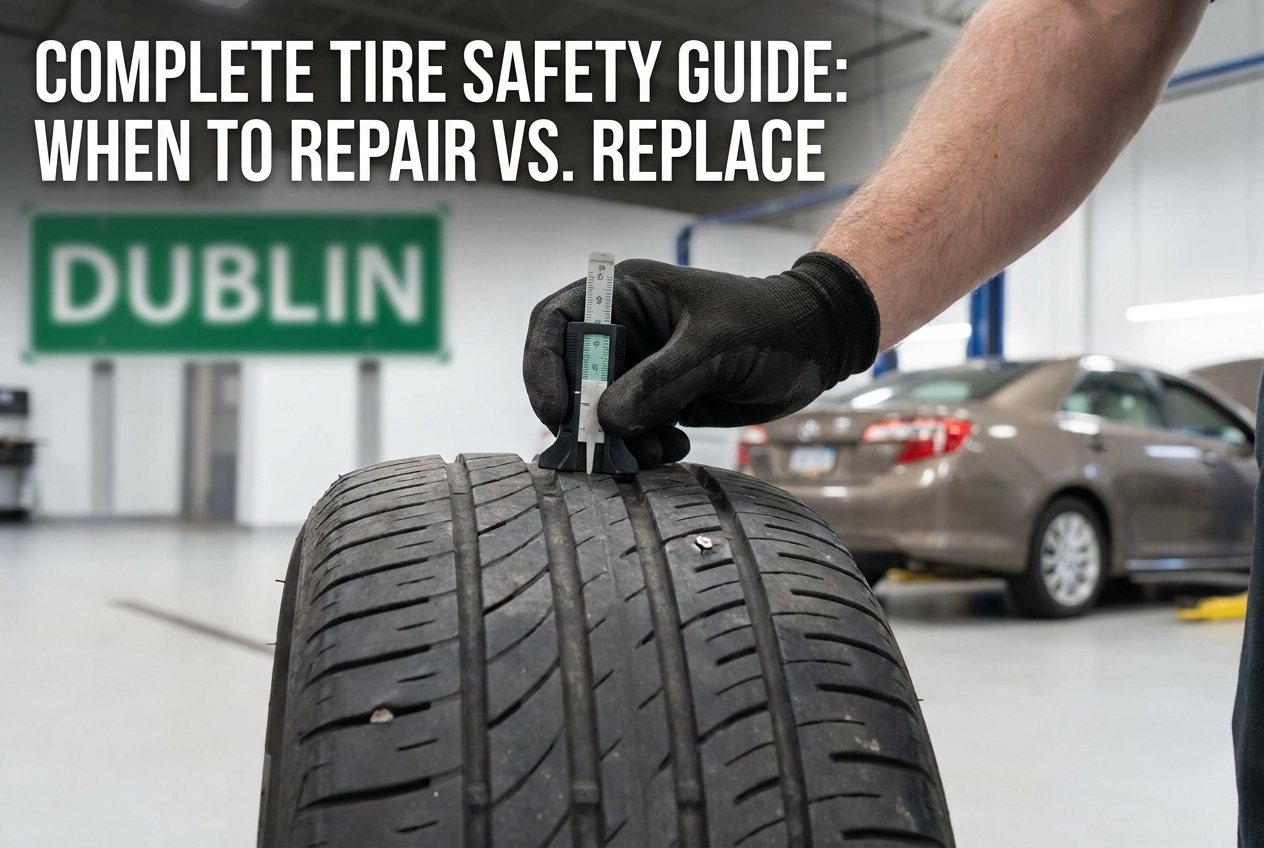
- Tire sealant offers a fast, temporary solution for punctures up to 1/4 inch in diameter.
- Not all sealants are compatible with every tire or TPMS (Tire Pressure Monitoring System); always check product labels.
- Applying sealant correctly maximizes safety and effectiveness, but it’s not a substitute for proper tire repair.
- Regular maintenance and understanding sealant limitations prevent long-term tire and rim damage.
- Real-world case studies illustrate both the benefits and potential pitfalls of using tire sealant.
Credit: www.bubbastirecenter.com
Understanding Car Tire Sealant: Types And How They Work
Tire sealants are formulated to provide a rapid, on-the-spot remedy for small punctures. They come in various types, each with unique properties and use cases. Understanding the science behind each category can help drivers make informed choices when stocking their roadside emergency kits or deciding on preventive maintenance.
Chemical Vs. Latex-based Sealants
There are two primary categories of tire sealants:
- Latex-Based Sealants: These are the most common for passenger vehicles. They use liquid latex that coagulates when exposed to air, plugging punctures as the tire rotates.
- Chemical-Based Sealants: These utilize synthetic compounds or polymers that harden upon contact with air or moisture, sealing the puncture site.
Latex-based sealants often include fibers or particulates that help bridge larger holes and ensure a more robust seal. Their quick-drying action is a boon for drivers seeking immediate fixes. On the other hand, chemical-based sealants may use advanced polymers designed to withstand temperature fluctuations and road vibrations, providing a tougher seal for slow leaks that can occur over time.
Some chemical-based formulas are engineered to remain pliable for longer periods, reducing the risk of the seal cracking with tire flexion.
Each type has distinct benefits. Latex-based sealants are favored for their quick action and ease of cleanup—simply rinse with water, and most residue comes off, which is particularly helpful for repair shops. Chemical-based sealants often provide longer-lasting seals and may be preferred in climates with extreme temperatures, where the latex might dry out prematurely or lose effectiveness.
Aerosol Sealants Vs. Pour-in Sealants
- Aerosol Sealants: Packaged in pressurized cans, these inject both sealant and air, temporarily inflating the tire while plugging the puncture. They are highly convenient for emergencies, especially for those who may not have access to a separate air compressor. The one-step process reduces the number of tools and time required, which is critical during adverse weather or nighttime situations. However, aerosol products can sometimes be less effective at sealing larger punctures due to the thinner consistency of the sealant.
- Pour-In Sealants: Typically used for preventive maintenance, these are poured directly into the tire before a puncture occurs. They remain liquid inside the tire, sealing future leaks instantly as they occur. This approach is popular with off-road drivers, fleet operators, or anyone who regularly encounters debris-laden roads. While pour-in sealants provide ongoing protection, they may complicate tire balancing and future repairs due to the residue left inside the tire.
Compatibility With Tire Types And Tpms
Not all sealants are safe for every tire or vehicle system. Some sealants can damage TPMS sensors or are unsuitable for high-performance or run-flat tires. Certain high-performance tires have unique construction or internal linings that may react poorly with some chemical compounds, leading to premature wear or failure. Furthermore, some run-flat tires rely on internal structural supports that sealant cannot repair, rendering the use of such products ineffective or even hazardous.
Always verify compatibility on the product label and manufacturer’s site. For instance, some products are specifically formulated to be non-corrosive and safe for aluminum wheels, while others may not be suitable for vehicles with specific types of TPMS sensors. For an in-depth review of TPMS and sealant interaction, refer to the Tire Rack’s guide.
Effectiveness: What Can Tire Sealant Fix?
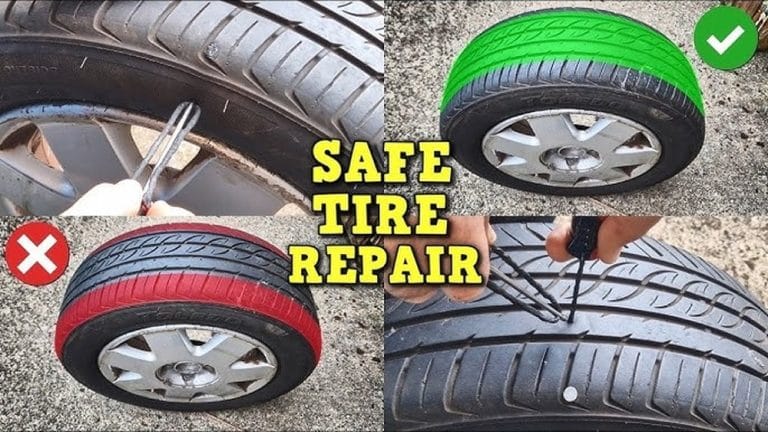
Tire sealants are designed for punctures up to 1/4 inch (about 6mm) in the tread area. The tread area is the thickest and most robust part of the tire, making it suitable for minor repairs. Sealants work by coating the interior surface and using centrifugal force as the wheel spins to force the liquid into the hole, where it solidifies and blocks air from escaping.
They are not suitable for:
- Sidewall damage (sidewalls flex more and are thinner, making any repair unreliable)
- Large punctures or blowouts (structural integrity is compromised)
- Bead leaks or valve stem issues (these areas are not reached effectively by most sealants)
Understanding these limits is crucial for safe use, as improper application to non-repairable damage can result in sudden air loss or tire failure, creating a hazard for both the driver and others on the road.
Credit: oxmaint.com
When Should You Use Tire Sealant?
Using tire sealant can be lifesaving, but it’s not always the right answer. Here’s how to know when to use it.
Emergency Situations
Tire sealant shines in emergencies, such as:
- Remote locations with no cell service or limited access to towing services
- Inclement weather when tire changes are dangerous (rain, snow, extreme heat)
- Nighttime or roadside emergencies where visibility and safety are compromised
In these scenarios, the speed and simplicity of a sealant can mean the difference between being stranded for hours and getting safely back on the road in minutes. Sealants are particularly valuable for drivers who may not feel comfortable changing a tire, or when physical disabilities or a lack of proper tools make a tire swap impractical.
Temporary Fixes Vs. Permanent Solutions
Sealant is a temporary solution—it’s intended to get you safely to a repair facility, not as a long-term fix. Most tire manufacturers recommend professional inspection and repair within 100 miles or as soon as possible after sealant use. While some products claim to be long-lasting, industry experts agree that relying on sealant as a permanent repair can compromise the safety and performance of the tire.
Temporary repairs are especially important when driving on highways or in conditions where stopping for a full tire change could pose a greater risk. However, as soon as it is safe and feasible, a professional should inspect the tire for any hidden internal damage and perform a proper plug-patch repair or replacement.
Situations To Avoid Using Sealant
Do NOT use sealant if:
- The puncture is larger than 1/4 inch or is an irregular shape (such as a tear or gash)
- The damage is on the sidewall or near the rim, where sealants cannot reliably bond
- The tire is shredded, cut, or has visible structural damage (cords or belts exposed)
- Your tire is a run-flat type not rated for sealant, or the vehicle’s warranty explicitly prohibits sealant use
Attempting to use sealant in these situations can lead to catastrophic tire failure, loss of vehicle control, or further damage to wheels and sensors.
Manufacturer And Roadside Assistance Recommendations
Some vehicle manufacturers specifically advise against using sealants, especially on vehicles equipped with advanced tire monitoring or run-flat systems. Always check your owner’s manual or the manufacturer’s website for recommendations. For example, the National Highway Traffic Safety Administration (NHTSA) provides safety guidelines on temporary tire repairs.
Additionally, some roadside assistance programs may offer sealant application as a service, but many will instead recommend towing to a professional shop for a proper repair. Being aware of your coverage can save you time and money when emergencies arise.
Credit: jimwhaleytires.com
Step-by-step: How To Use Car Tire Sealant Correctly
Proper application is essential for both effectiveness and safety. Here’s a detailed, step-by-step guide to using tire sealant the right way.
1. Prepare Your Vehicle And Tire
- Move your vehicle to a safe, flat location away from traffic. If possible, pull into a parking lot, wide shoulder, or other safe area.
- Turn on hazard lights and apply the parking brake to prevent accidental movement.
- Remove any objects (nails, screws) from the puncture, if visible. Use pliers or a similar tool, but be cautious—removing the object may cause more air to escape quickly.
- Inspect the tire for sidewall or rim damage—do NOT proceed if present. If you’re unsure, err on the side of caution and call for professional help.
2. Select The Right Sealant
- Confirm that the sealant is compatible with your tire and TPMS. Check both the product packaging and your owner’s manual.
- Check expiration dates; sealant loses effectiveness over time, and expired product can fail to cure or clog components.
- Read the instructions on the product label—formulas and application vary. Some require the valve core to be removed, while others use a simple press-and-release nozzle.
3. Apply The Sealant
- Remove the valve cap from the punctured tire. Place the cap somewhere safe to avoid losing it.
- Attach the sealant nozzle or hose to the valve stem, ensuring a snug fit to prevent leaks.
- Dispense the full recommended amount (usually one can for passenger tires). For larger tires (e.g., SUVs or trucks), you may need more product—consult the instructions.
- For aerosol cans, the sealant will also inflate the tire; for pour-in types, you’ll need a separate air compressor or access to a service station for inflation.
4. Inflate The Tire
- Inflate the tire to the recommended PSI using a portable air compressor or the aerosol can (if self-inflating). Check your owner’s manual or the placard inside the driver’s door for the correct pressure.
- Check pressure with a tire gauge for accuracy. Over- or under-inflated tires can lead to handling issues or further damage.
- Replace the valve cap to keep out dirt and moisture.
5. Drive To Distribute The Sealant
- Immediately drive the vehicle for 5-10 minutes or 3-5 miles at moderate speeds (under 50 mph). This step is crucial, as it allows the sealant to circulate, coat the interior, and fully seal the puncture.
- Avoid high speeds and sharp turns, as the tire is still in a compromised state until professionally repaired.
6. Monitor And Seek Professional Repair
- Check the tire pressure after 10-15 minutes; reinflate if needed. If the pressure drops significantly, the puncture may be too large for sealant to fix.
- Visit a professional repair shop as soon as possible for a permanent fix. Inform the technician about the type and brand of sealant used.
Visual Guide: Tire Sealant Application Steps
| Step | Action | Key Points |
|---|---|---|
| 1 | Prepare tire and safety | Park safely, inspect, remove debris |
| 2 | Choose correct sealant | Check compatibility, read instructions |
| 3 | Apply sealant | Dispense as directed, attach nozzle properly |
| 4 | Inflate tire | Use compressor or aerosol, achieve correct PSI |
| 5 | Drive to distribute | Drive at moderate speed for 5-10 minutes |
| 6 | Check and repair | Monitor pressure, seek professional repair |
Common Mistakes To Avoid
- Overfilling or underfilling the tire, which can affect tire balance and safety
- Using expired or incompatible sealant, leading to ineffective repairs or damage
- Ignoring sidewall or rim damage, which can result in catastrophic failure
- Failing to drive after application, preventing the sealant from properly sealing the puncture
- Forgetting to inform the repair shop about the use of sealant, potentially causing confusion or extra labor
Comparing Top Tire Sealant Brands: Features, Pros, And Cons
Choosing the right tire sealant can make all the difference in an emergency. Here’s a comparison of leading products based on key factors like compatibility, ease of use, cleanup, and effectiveness.
Data-driven Comparison Table
| Brand | Sealant Type | TPMS Safe | Cleanup | Effective Puncture Size | Inflates Tire | Price Range |
|---|---|---|---|---|---|---|
| Slime | Latex-Based | Yes | Water-soluble | Up to 1/4″ | No | $8-12 |
| Fix-a-Flat | Aerosol (Latex) | Yes | Water-soluble | Up to 1/4″ | Yes | $7-10 |
| Ride-On | Chemical-Based | Yes | Requires soap/water | Up to 1/4″ | No | $12-18 |
| AirMan | Synthetic | Yes | Water-soluble | Up to 1/4″ | Yes | $15-20 |
| Stan’s NoTubes | Latex-Based | No (for bikes) | Water-soluble | Up to 1/4″ | No | $10-15 |
Key Factors To Consider When Choosing
- TPMS Compatibility: Essential for modern vehicles with tire pressure sensors. Using a non-compatible product can result in sensor malfunction or expensive repairs.
- Cleanup Requirements: Water-soluble sealants simplify professional repair and reduce labor costs. Some chemical-based products may require more intensive cleaning, which can add to repair bills.
- Inflation Capability: Aerosol products can inflate and seal at once, making them ideal for emergencies when an air compressor is unavailable.
- Price vs. Performance: Higher-priced options may offer additional features, such as longer-lasting seals, puncture prevention, or enhanced temperature resistance. However, for most standard punctures, widely available mainstream products perform similarly.
Real-world Example: Urban Vs. Rural Needs
For city drivers, Fix-a-Flat offers unmatched convenience and quick inflation—ideal for rapid, roadside fixes where time and safety are of the essence. The one-step application means less time spent in potentially hazardous urban environments. Rural or off-road drivers may prefer Slime, which can be carried in larger bottles for repeated use and offers a more robust seal for the types of punctures encountered on gravel or dirt roads.
Fleet managers or commercial drivers often turn to products like Ride-On for their longevity and resistance to temperature extremes, a must-have for long-haul routes. Meanwhile, cyclists and motorcycle riders often rely on specialized products like Stan’s NoTubes, which are formulated for lighter tires and higher rotation speeds.
For more in-depth product comparisons and user reviews, see the Consumer Reports tire guide.
Real-world Case Studies: Tire Sealant In Action
Nothing illustrates the importance and limitations of tire sealant like real-world stories. Here are three scenarios showing how tire sealant can make (or break) your day.
Case Study 1: Highway Emergency
Driver: Emily, commuting on Interstate 80
Emily experienced a sudden loss of pressure in her front left tire at 6:30 am, miles from the nearest town. She used an aerosol sealant (Fix-a-Flat), followed the manufacturer’s instructions, and was able to drive another 25 miles to a repair shop. The tire was repaired professionally, and the shop reported no TPMS issues, as the sealant was water-soluble and compatible. Emily’s experience highlights how sealant can be a practical short-term solution in potentially dangerous situations, buying valuable time to reach help.
Case Study 2: Off-road Adventure
Driver: Marcus, off-roading in Arizona
While navigating rocky trails, Marcus punctured his tire with a sharp stone. He used a latex-based pour-in sealant (Slime) stored in his trunk. Because the tire was not severely damaged, the sealant provided an immediate seal, allowing him to continue his trip.
However, upon returning to the city, he learned that the sealant had left residue that required additional cleaning. His tire shop had to take extra steps to remove the dried latex, underscoring the importance of promptly informing technicians about sealant use.
Case Study 3: Costly Mistake
Driver: Sarah, urban commuter
Sarah used an old, expired tire sealant on her compact car. The sealant failed to seal the puncture and clogged the TPMS sensor, resulting in a costly sensor replacement. This highlights the risk of using expired or incompatible products. Sarah’s experience is a reminder to regularly check the condition and expiration dates of emergency supplies and to always verify product compatibility.
These real-life examples underscore the need for preparation, product knowledge, and adherence to best practices when using tire sealant.
Safety, Maintenance, And Long-term Effects
Tire sealant can be a double-edged sword if used improperly. Understanding the safety implications and maintenance requirements is essential.
Impact On Tire And Wheel Health
- Sealant Residue: Some products can leave sticky residue inside the tire, which may corrode rims or clog sensors if not cleaned promptly. Over time, this residue can attract dirt or moisture, potentially leading to corrosion in steel or aluminum wheels.
- TPMS Sensitivity: Certain sealants can interfere with TPMS readings or damage sensors. TPMS-safe formulas minimize this risk, but it’s still best practice to have sensors checked and cleaned after any sealant use.
- Tire Longevity: Using sealant as a long-term fix may reduce the lifespan of the tire. Continuous exposure to chemicals can weaken the rubber compound or disrupt tire balance, making the ride less smooth and shortening tread life.
It’s important to note that not all repair shops will work on tires that have had sealant added, especially if the product is difficult to remove or has hardened inside the tire. Always inform your technician to ensure a safe and effective repair.
Cleaning And Professional Repair
- After using sealant, inform the repair technician. Cleaning may involve removing the tire, rinsing with water, and inspecting for lingering residue. Some products require solvents for complete removal.
- Most shops recommend replacing TPMS sensors after sealant use, especially if the product was not specifically marked as sensor-safe. This can add to the total cost of repair.
- In cases where the sealant has dried or hardened, technicians may need to scrape or mechanically remove the residue, which is labor-intensive.
Environmental Considerations
Many modern sealants are non-toxic and biodegradable, but always dispose of unused or expired product according to local regulations. Improper disposal can lead to environmental contamination. When cleaning up after tire repairs, ensure wastewater is treated appropriately to avoid introducing chemicals into the local water supply. For more on the environmental impact of automotive chemicals, see EPA Safer Choice.
Manufacturer Guidance And Warranty
Check your vehicle and tire warranties before using sealant. Some manufacturers may void warranties if improper repair methods are used. Refer to the owner’s manual and tire manufacturer’s website for guidance. Using sealant on tires still under warranty may affect your eligibility for free replacements or repairs, especially if the product used is not recommended by the manufacturer.
Expert Tips For Maximizing Tire Sealant Effectiveness
To get the most out of your tire sealant and ensure safety, consider these expert strategies:
Choose Quality Products
- Purchase from reputable brands and retailers. Counterfeit or off-brand products may not meet safety or performance claims.
- Avoid using expired or damaged cans. Inspect containers regularly for leaks, bulging, or rust, which can indicate compromised product integrity.
Store Sealant Properly
- Keep sealant in your trunk or emergency kit, but avoid extreme temperatures, which can degrade effectiveness. Many products recommend storage between 40°F and 90°F (4°C–32°C).
- Store upright and away from direct sunlight to prolong shelf life and prevent accidental discharge.
Regularly Check Tire Condition
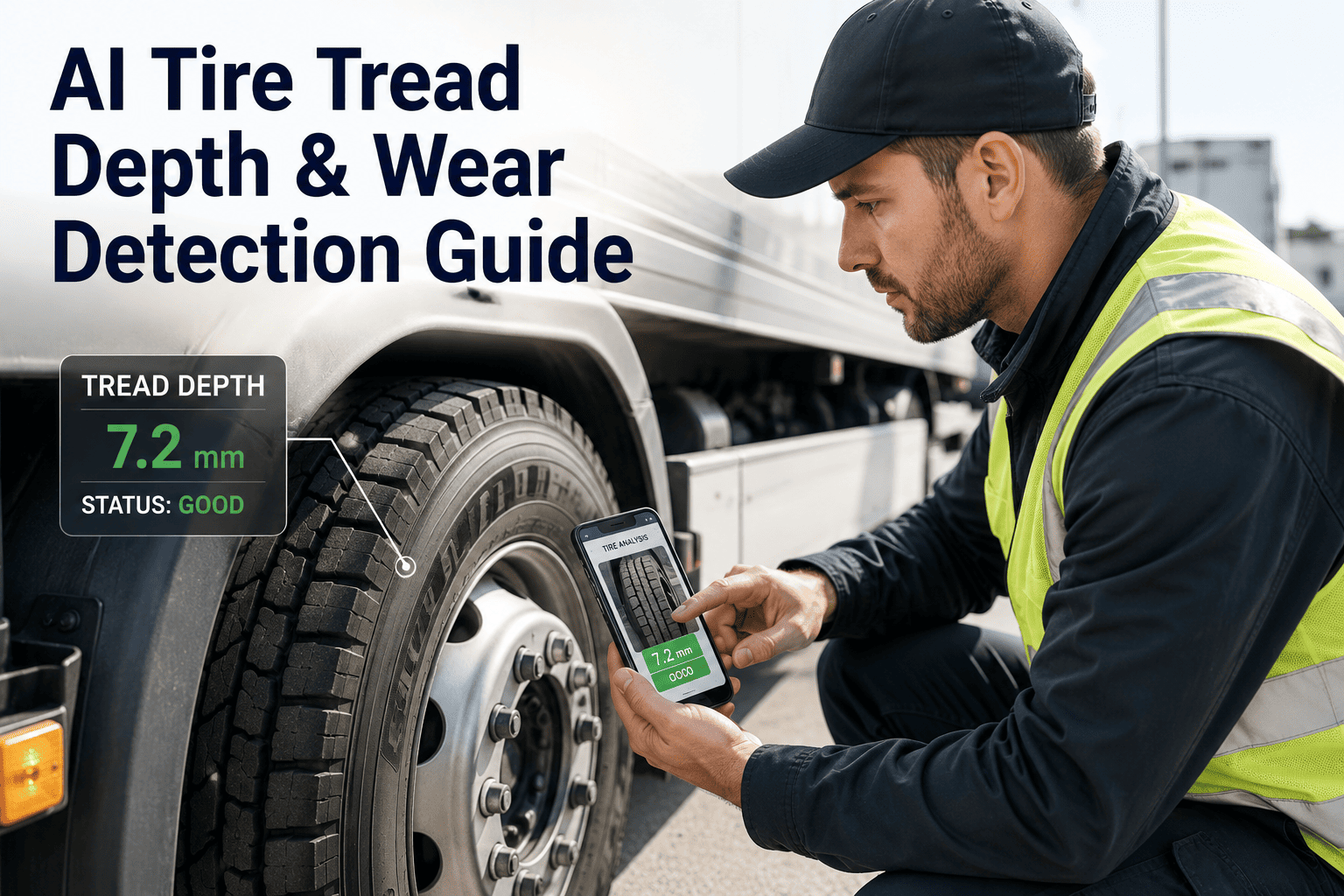
- Inspect tires for tread depth, sidewall cracks, and embedded debris. A well-maintained tire is less likely to suffer punctures that require emergency repair.
- Replace tires with frequent punctures, as these may indicate underlying issues such as alignment, improper inflation, or poor road conditions.
Practice Sealant Application
- Familiarize yourself with the application process before an emergency strikes. Consider doing a dry run in your driveway (with an unused tire) to build confidence.
- Read product instructions thoroughly, as each brand may have unique steps or safety warnings.
Know When To Call For Help
- If the tire damage is severe, or if sealant doesn’t restore pressure, contact roadside assistance or a professional tow service. Do not attempt to drive on a tire that cannot hold air, as this can further damage the wheel and suspension components.
Preventive Use: Is It Worth It?
Some drivers use pour-in sealant as a preventive measure, especially in areas prone to sharp debris or off-road conditions. While this can prevent minor flats, it may complicate future tire repairs and balancing. Preventive use is more common in fleet vehicles, agricultural equipment, or motorcycles but is less recommended for passenger cars with TPMS due to the risk of sensor interference.
Tire Sealant Vs. Spare Tire: Pros And Cons
| Feature | Tire Sealant | Spare Tire |
|---|---|---|
| Speed of Repair | 5-10 minutes | 15-30 minutes |
| Skill Required | Low | Moderate (lifting, tools) |
| Long-Term Solution | No | Yes |
| TPMS Risk | Possible | None |
| Cost | $7-20 | $100-400 (one-time) |
| Space Needed | Minimal | Trunk space |
While a spare tire provides a more reliable and long-term solution, many modern vehicles come equipped only with sealant kits to save space and weight. Understanding the strengths and weaknesses of each approach ensures you’re prepared for any situation.
Frequently Asked Questions
What Types Of Punctures Can Tire Sealant Fix?
Tire sealant is designed to repair small punctures in the tread area caused by nails, screws, or sharp debris, typically up to 1/4 inch in diameter. It cannot repair sidewall damage, large holes, or structural failures. For more information, visit the Goodyear flat tire repair guide.
Is Tire Sealant Safe For Tires With Tpms Sensors?
Most modern sealants are labeled as TPMS-safe, but it’s essential to check product specifications before use. Some older or generic sealants can clog or damage TPMS sensors, leading to costly repairs. Always inform your repair shop if you’ve used sealant. Regularly test your TPMS system after using sealant to ensure continued functionality.
How Long Can I Drive On A Tire After Using Sealant?
Tire sealant is a temporary fix. Manufacturers recommend driving no more than 100 miles and at speeds under 50 mph after application. Seek professional tire repair or replacement as soon as possible. Exceeding these limits increases the risk of tire failure, especially under heavy loads or extreme conditions.
Can Tire Sealant Be Used As A Preventive Measure?
Yes, pour-in sealants can be used preventively, especially for vehicles that frequently encounter rough terrain or debris. However, this can make future repairs more complicated and may not be suitable for all tires, especially those with TPMS. Preventive sealants may also void certain warranties, so always consult your tire manufacturer’s guidelines.
Does Using Tire Sealant Void My Tire Or Vehicle Warranty?
Some manufacturers may consider improper use of sealant as grounds to void warranties. Always check your owner’s manual and the tire manufacturer’s policy before using sealant. For official guidance, consult the Michelin warranty information.
Being prepared with the right knowledge and tools can transform a flat tire from a major setback into a minor inconvenience. By understanding how to use car tire sealant the right way, you’ll not only save time and stress but also ensure your safety on the road.
Always choose quality products, follow manufacturer instructions, and remember that professional repair is the only permanent solution for tire punctures. With these best practices, you’ll be ready for whatever the road throws your way.
Products related to this article
Sponsored / affiliate links. As an Amazon Associate I earn from qualifying purchases. I may earn additional commission from eligible campaigns.