How to Stop Car Brake Noise That Drives You Crazy
The screech of car brakes is enough to make anyone wince—and when it happens every time you slow down, it can quickly turn driving into a stressful ordeal. Whether it’s an embarrassing squeal in stop-and-go traffic or a persistent grinding that hints at something more sinister, brake noise is more than just an annoyance. It often signals underlying issues that can compromise both your safety and your wallet. Many drivers try to drown out the racket with music or ignore it altogether, but understanding the real causes and solutions is the first step to restoring peace—and safety—on the road.
This guide delivers everything you need to know about stopping car brake noise for good. We’ll cover the science behind brake sounds, common culprits, smart DIY fixes, and when to call in the pros. You’ll also see real-world examples, expert insights, and data-driven comparisons, so you can confidently silence your brakes and keep your car in top shape.
Key Takeaways
- Brake noise can signal minor issues or major safety hazards—understanding the cause is crucial.
- Most brake noise stems from worn pads, glazing, poor installation, or lack of lubrication.
- DIY solutions can address many brake noises, but some cases require professional repair.
- Timely maintenance not only silences brakes but also prolongs system life and prevents costly damage.
- Choosing high-quality parts and proper installation methods are vital for long-term quiet braking.
Understanding Brake Noise: Causes And Consequences
The Science Of Brake Noise
Brakes work by creating friction between the brake pads and the rotor (disc) or drum. This friction stops the vehicle but can also produce vibrations. When those vibrations reach a frequency the human ear can detect, you hear squealing, grinding, or clicking. The type of noise often provides clues about its origin.
The physics behind brake noise is rooted in the interaction of surfaces, heat, and resonance. As the pads press against the rotor, microscopic irregularities and differences in material hardness cause the surfaces to oscillate. These oscillations translate into audible sounds.
Some brake systems incorporate anti-noise features such as shims, dampers, or specially engineered pad compounds to absorb or dissipate these vibrations, but even the best designs can still fall victim to environmental or mechanical factors.
Common Types Of Brake Noise
- Squealing: Often a high-pitched sound caused by vibration between the pad and rotor. Squealing can also occur if the pads are glazed—a thin layer of hardened material forms on the pad surface due to excessive heat or improper bedding-in, making the pad less effective and noisier.
- Grinding: Usually indicates metal-on-metal contact, often due to worn-out brake pads. This is a more serious sound as it means the pad material has worn away, exposing the metal backing plate, which can severely damage the rotor.
- Clicking or rattling: Can result from loose components or missing anti-rattle clips. It may also be caused by improperly secured calipers or pads that aren’t seated correctly, resulting in movement each time you apply the brakes.
- Thumping: May occur due to warped rotors or improperly installed pads. Thumping can sometimes be felt more than heard, translating into vibrations through the pedal or steering wheel.
Why Ignoring Brake Noise Is Dangerous
Brake noise isn’t just a nuisance—it’s a red flag. Persistent squealing can mean the wear indicators are contacting the rotor, while grinding almost always points to a severe loss of pad material. Ignoring these sounds can lead to:
- Reduced braking performance: Compromised friction means longer stopping distances and less responsive brakes.
- Rotor damage (expensive to replace): Metal-on-metal contact can gouge the rotors, requiring costly replacement.
- Total brake failure in extreme cases: Neglected brakes can lead to a catastrophic loss of stopping power.
According to the National Highway Traffic Safety Administration (NHTSA), brake-related issues contribute to over 22% of all vehicle component failures leading to accidents (NHTSA). The consequences extend beyond immediate safety concerns, impacting vehicle longevity and resale value.
The Financial Impact
Replacing worn rotors can cost between $200–$400 per axle, while ignoring simple pad replacement (typically $100–$250 per axle) can multiply repair costs. Proactive attention to brake noise is an investment in both safety and savings. In addition, unresolved brake issues can lead to secondary problems such as caliper or wheel bearing damage, further increasing repair costs and vehicle downtime.

Credit: www.youtube.com
Diagnosing The Source Of Brake Noise
Step-by-step Inspection Process
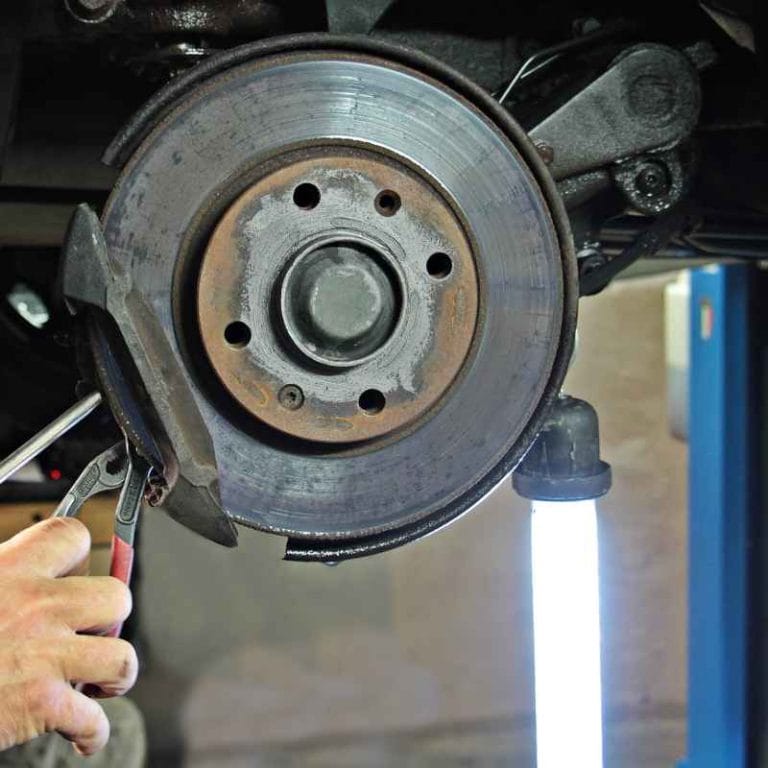
- Visual Inspection: Check pad thickness, rotor condition, and for visible debris. Look for uneven wear patterns, scoring, or discoloration which can hint at underlying problems such as stuck calipers or improper pad selection.
- Listen Carefully: Note when the noise occurs—braking, releasing, reversing, or while driving. The context can help isolate the cause; for example, noise only when reversing may point to hardware or pad movement.
- Feel for Vibrations: Pulsating pedals or steering wheels often point to warped rotors. Vibrations can also arise from uneven pad deposits or loose mounting hardware.
- Check for Warning Lights: Some modern cars have brake pad sensors that trigger dashboard alerts. A lit warning indicator should prompt immediate inspection.
Additional diagnostic techniques include test-driving the vehicle under controlled conditions, checking brake fluid level and quality, and inspecting caliper slides for smooth movement. In some cases, removing the pads and inspecting their backing plates or shims for wear or corrosion can reveal hidden causes of noise.
Typical Noise Causes By Sound Type
| Noise Type | Common Cause | Severity | DIY Fix? |
|---|---|---|---|
| Squeal | Pad vibration, glazing, worn wear indicators | Low to Medium | Often |
| Grinding | Metal-on-metal (pad worn out) | High | Rarely |
| Clicking | Loose hardware, missing clips | Low | Often |
| Thumping | Warped rotor, uneven pad wear | Medium | Sometimes |
Tools And Safety Precautions
- Jack and jack stands: Essential for safely lifting and supporting the vehicle.
- Lug wrench: For removing wheel nuts.
- Flashlight: Illuminates hidden or hard-to-see areas.
- Gloves and eye protection: Protects against brake dust and debris.
Always ensure the car is on a level surface and securely supported before inspecting brakes. For added safety, block the wheels and never rely solely on a hydraulic jack.
Case Study: Diagnosing A Persistent Squeal
Background: Jane owns a 2018 Toyota Camry. After a cold winter, she noticed a high-pitched squeal every morning.
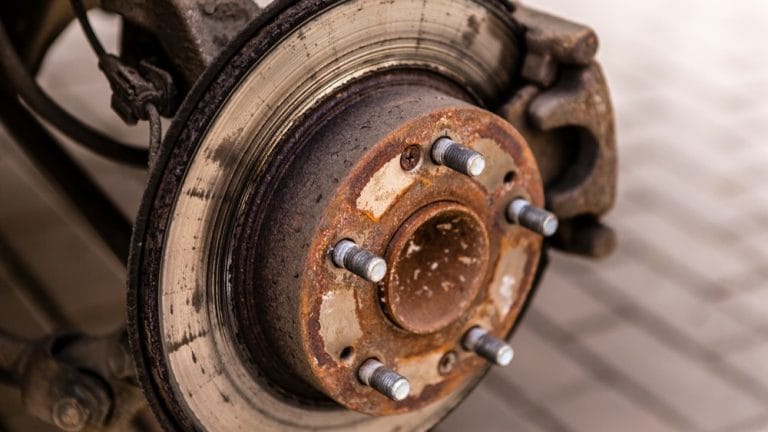
Diagnosis: Inspection revealed a thin layer of rust on her rotors, common after moisture exposure. The rust forms overnight and is quickly worn away during initial braking.
Solution: After a few normal stops, the rust wore off, and the squeal disappeared—a harmless case, but one that could have been mistaken for a bigger issue. Jane learned to recognize the difference between transient weather-induced squeals and persistent, mechanical noises.

Credit: www.youtube.com
Top Diy Solutions For Silencing Brake Noise
Replacing Worn Brake Pads
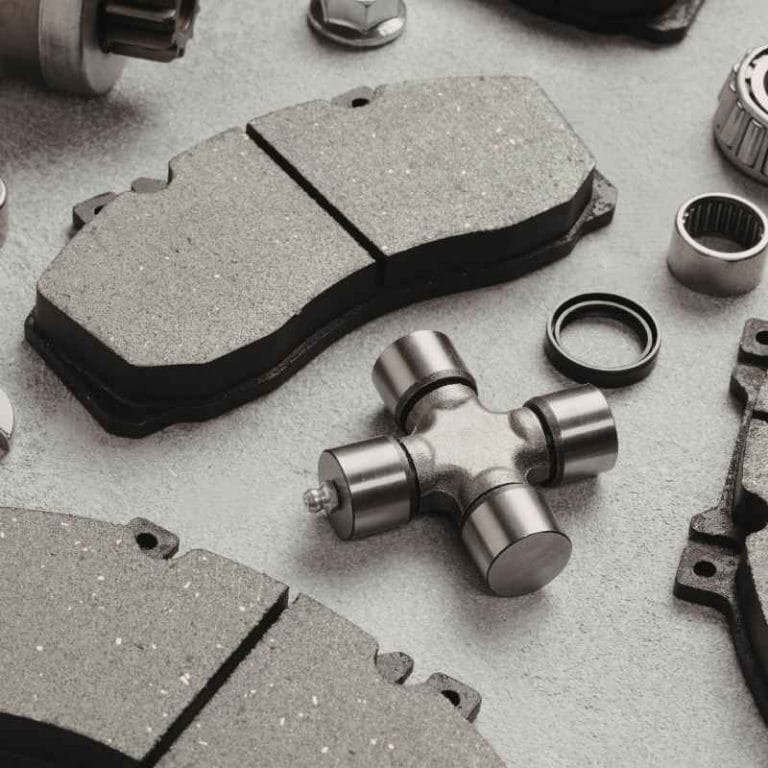
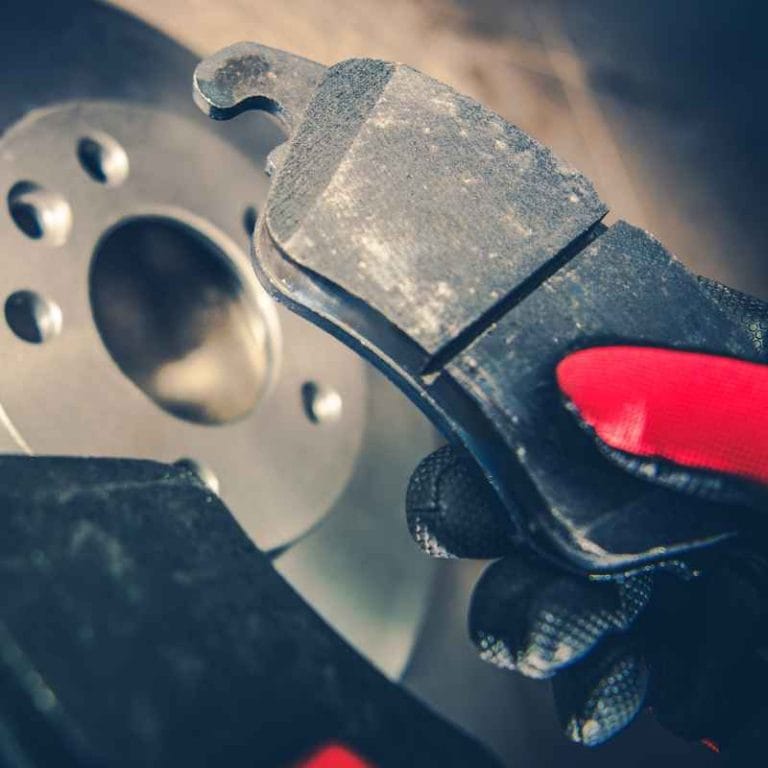
Worn pads are the leading cause of brake noise. Most pads have a wear indicator—a small metal tab that contacts the rotor and creates a squeal when the pad is low. Replacing brake pads is a straightforward job for most DIYers:
- Remove the wheel.
- Unbolt the caliper and suspend it.
- Remove old pads, check for uneven wear.
- Install new pads, ensuring proper fit and alignment.
It’s important to torque bolts to manufacturer specs and inspect caliper slides for smooth operation. Take care to clean the caliper bracket and all mounting surfaces, as accumulated rust or debris can prevent proper pad seating and lead to renewed noise.
Cleaning And Lubricating Components
Dust, rust, and debris can cause squeals or thumps. Clean all surfaces with brake cleaner, and apply anti-squeal lubricant (never grease) to the pad backing and caliper contact points (not the friction surface).
Lubrication should be applied sparingly to caliper slide pins and pad edges where they contact the caliper bracket. Excess lubricant can attract dirt and cause sticking, while insufficient lubrication leads to noisy, uneven pad movement.
Resurfacing Or Replacing Rotors
If rotors are warped or scored, they may require resurfacing (machining) or replacement. Modern rotors often don’t have enough thickness for resurfacing, so replacement is sometimes necessary. Always measure rotor thickness and compare it with manufacturer specs.
Rotor replacement is best paired with new pads to ensure even bedding and minimize noise. When resurfacing is possible, the process removes minor surface imperfections and restores flatness, but any deep grooves or cracks require full replacement.
Installing Anti-rattle Clips And Shims
Missing or damaged hardware can lead to clicking or rattling. Replace any missing anti-rattle clips, shims, or pad springs to ensure the pads are held securely.
Proper installation of hardware is essential. Clips and shims are designed to absorb vibration and prevent pad movement—neglecting them can result in persistent noise regardless of pad quality.
Choosing Low-noise Brake Pads
Not all brake pads are created equal. Some materials are much quieter than others:
| Pad Type | Noise Level | Lifespan | Cost (per axle) |
|---|---|---|---|
| Organic | Low | 30,000–50,000 miles | $50–$100 |
| Semi-metallic | Medium | 30,000–70,000 miles | $75–$150 |
| Ceramic | Very Low | 60,000–100,000 miles | $100–$200 |
| Low-metallic NAO | High | 30,000–70,000 miles | $60–$120 |
Ceramic pads are generally the quietest and produce less dust, making them a smart upgrade if brake noise is a recurring issue. They also resist heat-induced glazing better than organic or semi-metallic pads. When choosing pads, also consider your driving style—high-performance or heavy-duty vehicles may benefit from semi-metallic pads despite their higher noise potential.
Real-world Example: Diy Success
Tom, a DIY enthusiast, tackled his Honda Accord’s squeaky brakes. After installing ceramic pads, cleaning the calipers, and using anti-squeal shims, the noise vanished. Tom saved over $200 compared to a shop quote and gained valuable confidence in car maintenance.
Tom also found that regular brake cleaning every six months helped keep noise at bay, especially after driving in dusty or wet conditions. His experience highlights the value of combining quality parts with thorough preparation and attention to detail.

Credit: www.motor1.com
Professional Solutions And When To Seek Help
Signs You Need A Professional Mechanic
- Grinding noises that persist even after pad replacement
- Repeated brake noise shortly after DIY fixes
- Soft or spongy pedal feel
- Fluid leaks near the wheels
Some issues, like hydraulic failures or ABS system problems, require specialized knowledge and tools. If the brake pedal sinks slowly or feels unusually stiff, seek professional help immediately.
Other signs include uneven brake wear across axles, persistent vibration despite new pads and rotors, or brake warning lights that won’t reset. These symptoms often indicate deeper mechanical or electrical faults that DIY repairs cannot resolve.
What To Expect At The Shop
A reputable mechanic will:
- Inspect pads, rotors, calipers, and hardware
- Check brake fluid and hydraulic lines
- Test drive the vehicle to replicate noise
Labor rates typically range from $80–$150 per hour, with brake jobs costing $200–$400 per axle on average. Many shops offer warranties on parts and labor, giving peace of mind for more complex repairs.
Mechanics may also use diagnostic tools such as micrometers to measure rotor thickness, pressure gauges for hydraulic systems, and scan tools for electronic brake modules. Be prepared for a detailed explanation of findings and a transparent estimate before work begins.
How To Choose The Right Repair Shop
Look for:
- ASE-certified technicians
- Positive reviews and transparent pricing
- Use of high-quality parts and warranty on labor
Websites like ASE and Better Business Bureau provide resources to find trustworthy mechanics. Ask about the shop’s experience with your vehicle make and model, and request itemized quotes to compare services.
Case Study: Professional Fix Saves The Day
Sarah’s Ford Explorer developed a grinding noise. After a failed DIY attempt, she visited a certified shop. The mechanic found a seized caliper—a problem she’d missed. Timely professional intervention prevented costly rotor and wheel bearing damage.
Sarah’s experience underscores the importance of knowing your limits. When brake problems persist after basic fixes, expert diagnosis can save money and keep your vehicle safe.
Preventative Maintenance To Avoid Brake Noise
Regular Inspections And Cleaning
Inspect brakes every 12,000 miles or at least once a year. Remove wheels to check pad thickness, rotor surfaces, and for signs of rust or debris. Clean as needed using brake cleaner and a wire brush (for non-friction surfaces).
Frequent inspection helps catch problems early, such as developing pad wear, hardware corrosion, or rotor scoring. Cleaning off built-up dust and road grime also prevents contamination that can lead to noise and reduced braking efficiency.
Scheduled Pad And Rotor Replacement
Follow manufacturer guidelines for pad and rotor replacement intervals. Most pads last 30,000–70,000 miles, while rotors can last up to 100,000 miles if well maintained.
Keeping track of mileage and maintaining a service log can help you anticipate when replacement is due. Many modern vehicles have electronic wear sensors that provide reminders, but manual inspection remains the gold standard.
Lubrication And Hardware Replacement
Lubricate caliper slide pins and pad backing plates during every brake service. Replace old or corroded hardware (clips, springs, shims) to prevent rattling or uneven pad wear.
Neglecting hardware replacement is a common cause of recurrent brake noise. Investing in a hardware kit during pad changes ensures smooth, silent operation and extends the life of the pads and rotors.
Using Quality Parts And Fluids
Always use OEM or high-quality aftermarket parts. Cheap pads may save money up front but often produce more noise and wear out faster. Use recommended brake fluid and flush the system every 2–3 years to maintain hydraulic performance.
Brake fluid absorbs moisture over time, reducing effectiveness and increasing the risk of corrosion in hydraulic components. Regular flushing and use of manufacturer-approved fluids help prevent both noise and mechanical failure.
Seasonal Considerations
- Winter: Salt and moisture promote rust—inspect more frequently. Consider using rotors with anti-corrosion coatings if you live in areas with heavy road salt use.
- Summer: Heat can accelerate pad glazing—replace if needed. High temperatures can also affect brake fluid; monitor for darkening or changes in pedal feel.
Data Table: Maintenance Frequency Recommendations
| Task | Recommended Interval | Notes |
|---|---|---|
| Brake Pad Inspection | Every 12,000 miles / 1 year | Check thickness and wear pattern |
| Rotor Inspection | Every 12,000 miles / 1 year | Check for scoring, warping |
| Brake Fluid Replacement | Every 2–3 years | Flush to maintain hydraulic efficiency |
| Hardware Replacement | Every pad replacement | Prevents rattles, ensures proper fit |
Advanced Tips: Going Beyond The Basics
Upgrading To Performance Or Noise-reducing Brake Kits
Performance brake kits often feature slotted or drilled rotors and ceramic or carbon-fiber pads. These components dissipate heat better and reduce noise under heavy use. Brands like Brembo and PowerStop offer kits designed for specific vehicles and driving styles.
For enthusiasts or those who frequently drive in demanding conditions, these upgrades can dramatically improve braking feel, reduce fade, and silence unwanted noise. Some kits include upgraded calipers with multi-piston designs for even pressure distribution and quieter operation.
Using Noise-absorbing Shims And Dampers
Modern brake pads often include integrated shims—thin layers of rubber or metal bonded to the back of the pad to absorb vibration. Aftermarket dampers, like stick-on pads or specialized sprays, can further reduce noise.
Shims and dampers are especially helpful for vehicles prone to brake squeal due to design or environmental factors. When installing new pads, always check for included shims and ensure they are properly seated.
Bedding-in New Brake Pads And Rotors
Proper break-in (bedding-in) is crucial to minimizing noise and maximizing pad life. The process involves a series of controlled stops to transfer an even layer of pad material to the rotor.
Steps:
- Accelerate to 35 mph, then brake firmly to 5 mph (without stopping).
- Repeat 4–5 times, allowing brakes to cool between stops.
Refer to the pad or vehicle manufacturer for specific bedding procedures. Improper bedding can lead to uneven pad deposits, causing noise and vibration even with new components.
Avoiding Common Installation Mistakes
- Not cleaning the rotor and hub surfaces before installation
- Over- or under-tightening caliper bolts
- Failing to use anti-squeal compounds where specified
Careful attention during installation prevents most noise issues. Double-check manufacturer torque specs and use a torque wrench for critical fasteners.
Real-world Example: Performance Pad Upgrade
Jake, a spirited driver, upgraded his Subaru WRX with slotted rotors and ceramic pads. The result: improved stopping power and a dramatic reduction in brake squeal, even during aggressive driving.
Jake also noted that following a proper bedding-in procedure was essential to achieve both performance and quiet operation. His experience demonstrates the synergy between upgraded parts and correct installation.
The Role Of Environment And Driving Habits
Urban Vs. Rural Driving
City drivers experience more stop-and-go traffic, leading to faster pad wear and more opportunities for noise. Rural drivers may face less wear but more exposure to dirt and debris.
Urban environments, with their frequent stops and starts, often demand pads with high fade resistance and noise-dampening features. Conversely, rural drivers should prioritize pads and hardware resistant to contamination and corrosion.
Weather And Climate Impacts
- Humidity and rain: Promote rotor rust and initial squeals. Moisture can also lead to swelling or corrosion of hardware, increasing the risk of rattling or sticking pads.
- Extreme cold: Can stiffen pad material, increasing noise until warmed up. Cold weather can also cause caliper seals to contract, potentially leading to leaks or uneven pad movement.
- Dry, dusty regions: Dust can infiltrate calipers and cause grinding or squealing. Regular cleaning is especially important in these climates.
Adjusting Driving Style
- Avoid riding the brakes—maintain a safe following distance and use engine braking when possible.
- Apply firm, smooth pressure instead of light, constant braking to reduce glazing.
Driving habits have a direct impact on brake longevity and noise. Aggressive or inconsistent braking can lead to uneven pad deposits and increased risk of squeal or thump.
Parking Habits
Storing your vehicle outdoors exposes it to moisture and rust. Whenever possible, park in a garage, especially during wet or cold months.
For vehicles parked long-term, consider using a protective cover and occasionally driving to clear rust from rotors and ensure pads remain flexible.
Data: Brake Noise Complaints By Region
According to a 2026 survey by Consumer Reports, brake noise complaints are 30% higher in cities with high humidity compared to dry regions (Consumer Reports). This underscores the importance of adapting maintenance routines to local climate conditions.
Myths And Misconceptions About Brake Noise
Myth 1: All Brake Noise Means Something Is Wrong
Not every squeal is a sign of failure. Some high-performance pads are inherently noisy, and a brief squeal after a rainy night can be harmless. It’s important to distinguish between transient noises and persistent, mechanical issues.
Myth 2: Spraying Lubricant On Brakes Will Fix Noise
Never spray lubricants on friction surfaces. This can severely compromise braking performance and is unsafe. Specialized anti-squeal compounds are designed for pad backs only and should be used as directed.
Myth 3: Premium Pads Never Squeal
While ceramic and high-quality pads are quieter, improper installation, glazing, or missing hardware can still cause noise. Even the best pads require correct hardware and bedding-in for optimal quietness.
Myth 4: Noise Will Go Away On Its Own
Ignoring the sound rarely solves the problem and often leads to more expensive repairs. Brake noise is typically a symptom of a developing issue that requires attention.
Real-world Example: Believing The Myths
A fleet manager for a delivery company ignored squeals on half the vans, assuming it was harmless. Within six months, the company faced over $10,000 in rotor and caliper repairs that could have been avoided with early intervention.
The lesson: proactive attention to brake noise is always more cost-effective than waiting for problems to escalate.
Reliable Resources For Brake Knowledge
For more information on brake technology and safety, consult:
Frequently Asked Questions
What Causes New Brakes To Squeal?
New brakes can squeal due to improper bedding-in, lack of anti-squeal shims, or installation residue on the pads or rotors. Sometimes, inexpensive pads made from harder materials squeal more frequently. Proper installation and a thorough break-in usually resolve the issue. It’s also possible that the pad compound is not ideally matched to the rotor type, leading to transient or persistent noise.
How Long Can I Drive With Squeaky Brakes?
If the noise is due to wear indicators or metal-on-metal contact, drive as little as possible—repair is urgent to avoid rotor damage or brake failure. For minor squeals (e.g., after rain), a short drive may clear up the sound, but persistent or loud noise should be checked promptly. Ignoring squeals for weeks or months is risky and potentially expensive.
Can Weather Really Cause Brake Noise?
Yes, humidity, rain, and temperature changes can cause temporary brake noise. Moisture leads to surface rust on rotors, creating a brief squeal until the rust is scrubbed away. Cold weather can also stiffen pads, increasing initial noise. Seasonal changes may also affect hardware, so regular inspection is important.
Do Ceramic Brake Pads Always Prevent Noise?
Ceramic pads are among the quietest options, but they don’t guarantee silence if installed improperly or if other brake components are worn or dirty. Using quality shims and hardware, along with correct installation, is essential for maximum noise reduction. Also, some high-performance ceramic pads may be noisier in low temperatures or after heavy use.
Is It Safe To Use Anti-squeal Sprays Or Lubricants?
Only apply designated anti-squeal compounds to the back of brake pads (never the friction surface). Spraying general lubricants on brakes is dangerous and can cause brake failure. Always follow the manufacturer’s recommendations. If unsure, consult a professional or refer to trusted guides.
When it comes to brake noise, knowledge is power. By understanding the causes, practicing regular maintenance, and knowing when to seek expert help, you can keep your car running quietly and safely. Investing time in your brakes today can save money and prevent stress tomorrow—so you can enjoy the drive without the soundtrack of squeals and squeaks.