How to Sanitize a Car Interior After Illness or Spills
Clean the spill first, then sanitize hard surfaces with an EPA-registered disinfectant or 70% isopropyl alcohol, keeping the surface visibly wet for the label’s contact time; use shampoo or enzymatic cleaner for fabric and carpet. If you skip the right sequence, odors linger, stains set, and bacteria or mold can spread into foam and vents. Start with fresh air, nitrile gloves, and clear cleanup zones. Identify the contamination, clean each material with the correct product, then deodorize the cabin without harming trim, electronics, or upholstery.
What to do first


Open the cabin, put on gloves, and separate the dirty area from clean surfaces. Open doors if weather allows, remove reusable trash bags and loose items, and keep contaminated towels separate from clean ones. Bodily fluids need tighter handling than a soda spill, but the order stays the same: dry debris first, wet cleaning second, disinfection only where the product label allows it.
- Put on nitrile gloves. Use disposable nitrile gloves before touching the mess, then change them if you move from the dirty zone to clean touch points. That keeps germs from spreading to switches, door latches, and steering controls.
- Open the cabin fully. Park in shade if possible, open the doors, and run the fan on fresh air only if the contamination did not reach the vents. Airflow helps with drying later, but it should not stir up loose residue before cleanup.
- Remove solids first. Pick up visible material with disposable towels or paper, then seal it in a trash bag. Do not rub it deeper into carpet or seams; pressing only drives contamination into foam, stitching, and trim gaps.
What you’ll need
- Disposable nitrile gloves
- Interior vacuum with crevice tool and HEPA filtration preferred
- Microfiber towels, several clean ones for separate zones
- EPA-registered interior disinfectant or sanitizer labeled for automotive use
- pH-balanced upholstery cleaner for cloth seats and carpet
- Enzyme-based or odor-absorbing odor neutralizer
- Soft brush and vent-safe detailing swabs
- Bucket or spray bottle for cleaner dilution, if the label allows it
- 70% isopropyl alcohol, only for compatible hard surfaces
- Steam cleaner for removable mats or hardy fabric only, if the surface allows heat and moisture
How to sanitize the interior
- Vacuum dry debris. Vacuum seats, carpet, floor mats, and crevices before any liquid cleaner touches the area. Use the crevice tool at seams, track rails, and around cup holders so grit does not turn into mud during wet cleaning.
- Separate contamination zones. Work from the least contaminated area toward the worst one. Reserve one microfiber towel for germ removal, another for residue removal, and a third for dry buffing so you do not drag contamination across the cabin.
- Clean by material. Use upholstery cleaner on cloth and carpet, a leather-safe cleaner on leather, and a general interior cleaner on plastic or vinyl if the label allows it. Spot-test first on an inconspicuous area, then wait for the surface to dry before judging the finish.
- Disinfect hard touch points. Apply an EPA-registered disinfectant or sanitizer to steering wheel spokes, door pulls, latch areas, and other hard surfaces the label approves. Keep the surface wet for about the full dwell time printed on the product label, then wipe with a clean microfiber towel.
- Dry thoroughly. Blot damp fabric, then leave doors open or use airflow until the cabin is fully dry. Moist padding can hold odor and create mold risk, especially under seats and in carpet backing.
- Treat odor last. After visible contamination is gone and the surface is dry, use an enzyme-based or absorbent odor neutralizer. Odor products help with residue smell, but they do not replace cleaning or disinfection.
Say your child vomits on a cloth rear seat and the spill reaches the lower seat bolster. Remove solids, vacuum once the area is dry enough to do so, then use an upholstery cleaner on the fabric and a labeled sanitizer on nearby hard touch points. If odor returns after drying, that points to residue in the foam or seam, not a need for more fragrance.
Can you disinfect car seats safely?
Yes, if the seat material and the product label both allow it. Cloth seats can usually be cleaned with an upholstery cleaner first, then treated with an EPA-registered interior disinfectant where the label permits fabric use. Leather needs a leather-safe cleaner and a compatible sanitizer, while heated seats and controls need less liquid, not more.
Keep the process light. Apply product to the towel when possible instead of soaking the surface, and avoid spraying directly into seams, switches, and perforations. If the label does not list a car surface, or if it warns against porous materials, use a different product.
Car interior sanitizing matrix
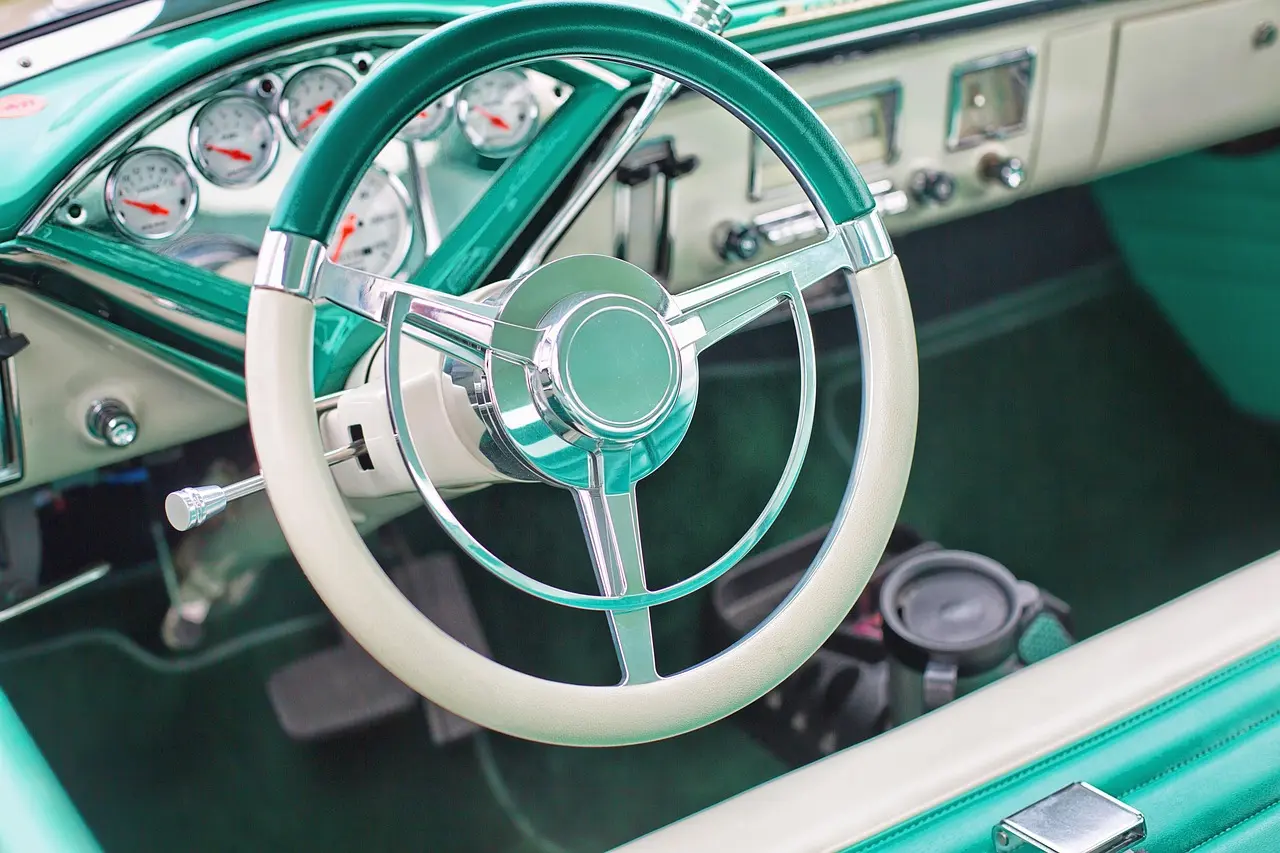
This matrix helps you match the contamination to the material and the right level of cleanup. The dwell times below are practical references only; the product label controls the actual contact time.
| Contamination type | Surface type | Recommended product class | Dwell time | Drying time risk | What to avoid |
|---|---|---|---|---|---|
| Vomit | Fabric seats | Upholstery cleaner, then label-approved sanitizer | Follow label; often 1 to 10 minutes | High, because liquid wicks into foam | Bleach, excess water, abrasive scrubbing |
| Blood | Leather seats | Leather-safe cleaner, then compatible disinfectant if labeled | Follow label exactly | Moderate | Bleach, ammonia, heavy saturation |
| Urine | Carpet | Enzymatic cleaner for odor, then carpet-safe sanitizer if allowed | Often 5 to 15 minutes for enzymes; label governs sanitizer | Very high, especially in backing and pad | Steam on thin carpet with backing damage, over-wetting |
| Soda or coffee spill | Plastic trim | Interior cleaner, then sanitizer on approved hard surfaces | Follow label; hard-surface products often 30 seconds to several minutes | Low to moderate | Harsh solvents, sticky residue left behind |
| Fabric seats | Fabric seats | pH-balanced upholstery cleaner | Spot dwell only, per label | High | Soaking, bleach, upholstery shampoo left in the foam |
| Leather seats | Leather seats | Leather-safe cleaner and conditioner only if needed | Short dwell, then wipe dry | Moderate | Alcohol-heavy cleaners, alkaline degreasers |
| Carpet | Carpet | Upholstery cleaner, enzyme cleaner for odor, then approved sanitizer | Label-specific; remove residue after dwell | Very high | Flooding, steam on sensitive padding, re-soiling with dirty towels |
| Seat belts | Seat belt webbing | Mild cleaner on towel, then air dry fully | Minimal dwell | High, because retraction and drying are critical | Saturation, twisting, retracting while wet |
| Plastic trim | Plastic trim | Interior sanitizer or cleaner labeled safe for plastics | Per label | Low | Bleach, solvent cleaners on soft-touch finishes |
| Vents | Cabin air vents | Vent-safe cleaner on swab or towel, then dry airflow | Short contact only | Moderate, if liquid enters ducts | Spraying directly into vents, flooding the HVAC system |
| Soaked pad or repeated odor return | Carpet backing, foam, or HVAC pathway | Professional detailing or extraction | Not a DIY dwell-time fix | Very high | Repeated surface wiping that misses hidden contamination |
Suppose a coffee spill reached the passenger-footwell carpet and the smell returns the next morning. That usually means liquid reached the pad or backing. More surface cleaner will not solve hidden residue; extraction, drying, or professional help becomes the better next step.
What mistakes should you avoid?
The biggest error is mixing cleaning, sanitizing, and deodorizing into one pass. Clean first, disinfect only where the label allows, and use odor treatment after the contamination is gone. That order matters because fragrance can hide a problem that is still active under the surface.
- Do not use bleach in normal car interiors. It can damage finishes, fade fabric, corrode hardware, and leave residues you do not want in a closed cabin.
- Do not spray Lysol or any household disinfectant unless the label says automotive interior use or the material is specifically approved.
- Do not soak seat belts, headliners, screens, switches, or charging ports.
- Do not use the same towel for dirty residue and final wipe-downs.
- Do not close the car up while it is still damp.
If that didn’t work, try this next
- Check the hidden areas. Lift floor mats, inspect under seat rails, and look at the bottom edge of carpet and trim. If odor or staining remains there, the contamination likely reached material you cannot fix with a surface wipe.
- Use targeted extraction. Apply a carpet extractor or wet-dry vacuum only on compatible fabric and carpet, then dry with airflow. This step helps when the spill has moved below the visible layer.
- Schedule professional detailing. Get help if the odor returns after full drying, if the spill reached HVAC ducts, or if blood, vomit, or urine soaked into padding. Hidden contamination usually needs deeper extraction than a home cleanup can deliver.
How do you remove odors after a spill?
Use an odor neutralizer only after the visible mess is gone and the surface is dry. Enzyme-based products work on organic residue, while absorbent products help with lingering cabin smell. If the odor is strongest near the floor or seat seam, assume residue is trapped below the surface and recheck the padding.
Frequently asked questions
How do I sanitize a car interior after someone has been sick?
Wear nitrile gloves, remove solids, vacuum dry debris, then clean the affected material with the right product for that surface. Use an EPA-registered disinfectant only on hard surfaces the label allows, and keep it wet for the full contact time before wiping dry. Finish with full ventilation.
What can I use to disinfect car seats and touch points safely?
For touch points, use an EPA-registered interior disinfectant or sanitizer labeled for automotive plastics, vinyl, or hard surfaces. For seats, use a product that the label says is safe for fabric or leather. If the label does not list the material, do not assume it is safe.
How do I clean a car interior after vomit or diarrhea?
Remove the material first, then clean the surface with an upholstery cleaner if it is cloth or carpet. After that, disinfect compatible hard surfaces nearby and dry the area fully. If the contamination reached foam, carpet backing, or vents, a deeper extraction is usually needed.
Can I use bleach or Lysol in a car interior?
Bleach is a poor choice for normal car interiors because it can damage fabric, leather, plastics, and metal trim. Household Lysol products are only appropriate if the label explicitly allows the surface and use case. Automotive compatibility and label contact time matter more than brand familiarity.
How do I sanitize fabric seats without soaking them?
Apply cleaner to a microfiber towel or use a light mist, then work one section at a time. Blot instead of flooding the fabric, and stop once the surface is uniformly damp, not wet. Follow with dry towels and airflow until the seat is fully dry.
How long should I wait before driving after cleaning a car interior?
Wait until all treated surfaces are dry to the touch and the cabin no longer feels humid. That often means several hours with doors open or airflow running, longer if you cleaned carpets, seat foam, or seat belts. Do not drive while the belt webbing or floor padding is still damp.
How do I clean car vents and seat belts after contamination?
Use a vent-safe tool or swab on the vents, never a direct spray into the ducts. For seat belts, wipe the webbing with a lightly damp cloth and a mild cleaner, then let it air dry fully before retracting. Saturation can damage retraction and trap odor.
What is the safest way to clean leather, plastic, and cloth in a car?
Use a leather-safe cleaner for leather, a label-approved interior cleaner or sanitizer for plastic, and a pH-balanced upholstery cleaner for cloth. Spot-test each product first. One cleaner rarely suits all three materials, especially when the interior includes soft-touch trim and sensors.
Products related to this article
Sponsored / affiliate links. As an Amazon Associate I earn from qualifying purchases. I may earn additional commission from eligible campaigns.