How to Free a Stuck Carburetor Float
Free a stuck carburetor float by removing the bowl, checking for varnish or a binding hinge, and replacing the needle or float if cleaning and a light tap do not restore free movement. If you skip the diagnosis, the engine can flood, leak fuel, foul plugs, and refuse to start. This guide shows how to free the float, test the needle and seat, and decide when cleaning is enough versus replacement.
What a carburetor float does



A carburetor float keeps fuel at the set level by opening and closing the inlet valve. It sits in the float bowl, the fuel reservoir inside a small engine carburetor. As the bowl fills, the float rises and closes the needle valve, and as the level drops, the float falls and lets fuel in again.
That cycle can fail in three ways. A float stuck open can overfill the bowl and cause fuel overflow. A float stuck closed can sometimes starve the engine. A float that moves but hangs intermittently can make the fuel level swing from too high to too low.
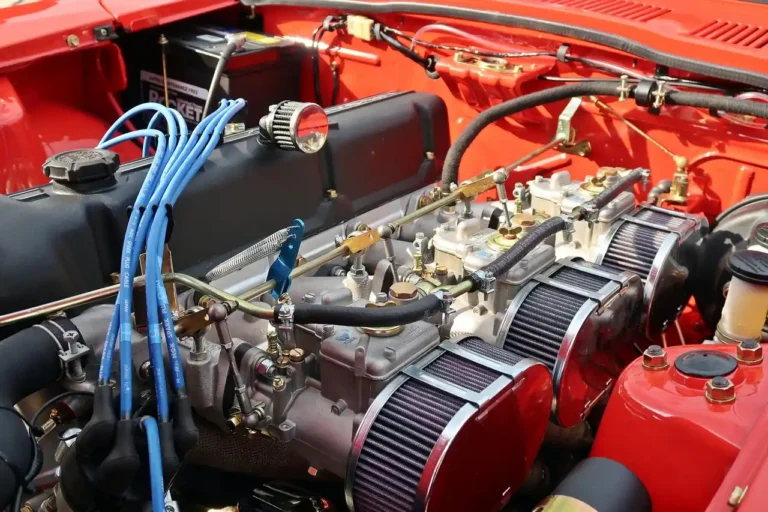
The float may be made from brass or plastic. The bowl may be made from aluminum or zinc alloys. Small engines like lawn mowers commonly use carburetors, and they are prone to gumming after storage.
What you’ll need
- Fuel shutoff access or an inline fuel valve
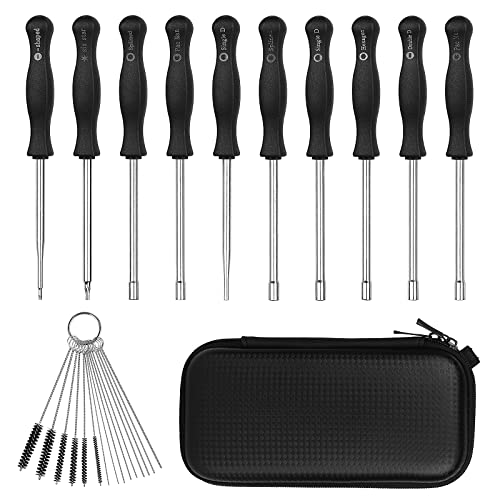
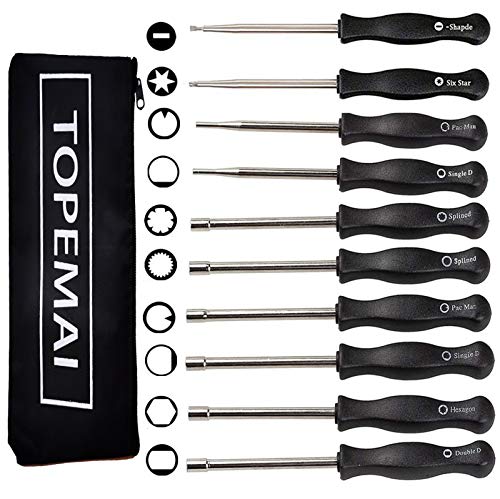
- Screwdriver set for bowl screws and carburetor hardware
- Needle-nose pliers for light float-tab adjustment
- Drain pan or approved fuel container
- Caliper or float gauge for float height
- Carburetor cleaner
- Clean rags
- Gloves and eye protection
Why a float sticks
A float sticks when varnish, dirt, corrosion, or bent parts keep the hinge, needle, or seat from moving freely. A metal float can fail from corrosion. A plastic float can fail if cracks let fuel in and make it sink. In both cases, the bowl level becomes unstable.
Sometimes the float is not the root problem. A bent tab, damaged needle, or worn seat can mimic a stuck float because the float moves, but fuel still will not stop entering the bowl. That is why diagnosis comes before adjustment.
Suppose a mower sat for a month with old fuel in the bowl. The float may still swing, but the needle seat can be coated with varnish. A light release may fix it. A fuel-logged float will not recover that way.
Shut off fuel, remove the bowl carefully, and catch residual fuel before it spills. Then inspect the hinge, float, needle, and seat for debris or binding. If the float only hangs from light contamination, cleaning and gentle release may restore movement. Do not force the hinge.
- Turn the fuel valve off and drain the bowl into a pan.
- Remove the bowl and note the gasket surface before reassembly.
- Check the float hinge for varnish, corrosion, or a bent pivot.
- Inspect the needle valve and seat for dirt, wear, or a crooked tip.
- Spray carburetor cleaner onto the bowl components and wipe them clean.
- Move the float by hand until it swings freely without drag.
- Recheck needle seating before installing the bowl again.
A common first-timer mistake is hitting the bowl harder when the float does not move right away. That can bend the float arm out of spec or damage the needle tip. If the float starts to release after cleaning, stop there and verify movement instead of prying on the hinge.
Float troubleshooting matrix
This matrix helps separate a cleaning fix from a part replacement. Start with the symptom, match the most likely cause, try the quick release step, then replace parts only if the threshold is met.
| Symptom | Likely cause | Quick release step | Replace-part threshold |
|---|---|---|---|
| Fuel overflow at rest | Float stuck open, needle not seating, debris in seat | Remove bowl and clean the needle seat with carburetor cleaner | Replace the needle or seat if overflow returns immediately |
| Bowl dry after storage | Float stuck closed or inlet blocked | Free the float and verify fuel reaches the bowl | Replace the float if it binds after cleaning |
| Intermittent sticking | Varnish on hinge or seat | Clean the hinge and cycle the float by hand | Replace if binding returns after one cleaning cycle |
| Float moves but needle will not seat | Worn needle, pitted seat, bent needle tip | Clean the seat and inspect alignment | Replace the needle and seat if sealing remains poor |
| Fuel pooling beneath the engine | Overflow from high fuel level or stuck-open float | Check float travel and clear the bowl | Replace a cracked float or corroded needle |
| Hard starting after storage | Float height off spec or seat contamination | Measure height and clean the inlet parts | Replace if height will not hold after adjustment |
| Black smoke on start-up | Float level too high, flooding | Recheck height from the gasket surface | Replace the float if it is fuel-logged or sunk |
| Rough idle that improves with a tap | Light hinge sticking or debris in the bowl | Clean and test free movement again | Replace if tapping is only a temporary fix |
How to set float height
Measure float height from the gasket surface to the top of the float with the carburetor oriented per the service spec. A caliper or float gauge is recommended because a ruler is too crude for this job. The float should rest without pressure on the needle valve during measurement.
Compare the reading with model-specific data before bending anything. Float height varies by model, so there is no universal setting to guess from. If the float is sound, adjust by bending the float tab or arm with needle-nose pliers. Move in about 1 mm steps, then remeasure after each change.
- Set the carburetor in the orientation called for by the service manual.
- Place the caliper at the gasket surface and read to the top of the float.
- Check the reading against the model specification before touching the arm.
- Bend the tab or arm slightly if the float height is out of spec.
- Remeasure after each 1 mm adjustment and stop when the reading matches spec.
Say your mower floods after sitting overnight, but the float still pivots cleanly. That points more toward float height or needle sealing than a seized hinge. In that case, cleaning plus a height check is the correct next move, not a hard bend or a new carburetor.
Common mistakes
Do not pry on the float arm to force movement. Do not skip the needle seat, because a float that moves freely can still fail to seal. Do not use the wrong reference point for height; the measurement starts at the gasket surface, not at the bowl rim or the float pin.
Do not assume a tap on the bowl fixes every sticking issue. A tap may free light varnish, but it will not repair a sunk float, a cracked plastic float, or corrosion on a metal float. A float with fuel inside it needs replacement, not more adjustment.
One more trap: bending the arm before checking spec. That can turn a minor contamination issue into a fuel-level problem that is harder to trace later.
How to verify the repair
After reassembly, check for leaks, fuel flow, and idle behavior before putting the engine back in service. The goal is a stable bowl level with no seepage at the gasket, no pooling under the engine, and clean starting without smoke or flooding.
- Open the fuel valve and watch the bowl area for seepage.
- Check the inlet and gasket area for leaks for about 30 seconds.
- Start the engine and confirm it does not flood or stall at idle.
- Shut the engine off and look again for fuel overflow or drips beneath the engine.
- If symptoms remain, return to the matrix and move to the next threshold.
If that did not work, replace the needle and seat next. If the float is fuel-logged, cracked, corroded, or bent out of spec, replace the float too. Cleaning cannot fix those failures.
Frequently asked questions
What is a carburetor float?
A carburetor float is the moving part that keeps fuel at the right level in the float bowl. It opens and closes the inlet valve through the needle valve. If it sticks, the bowl can run too full or too empty, which leads to flooding or starvation.
What happens when a carburetor float sticks
A stuck float can trap too much fuel in the bowl or block fuel flow altogether. The usual results are flooding, hard starting, rough idle, black smoke, or fuel overflow that shows up as pooling beneath the engine. Intermittent sticking can make the fault come and go.
Products related to this article
Sponsored / affiliate links. As an Amazon Associate I earn from qualifying purchases. I may earn additional commission from eligible campaigns.