How Much Do Car Modifications Cost? Full Price Breakdown
Car modification is a passion that bridges personal expression with automotive performance. Whether it’s upgrading wheels for style, tuning the engine for raw power, or fitting a state-of-the-art audio system, modifying a car can transform both aesthetics and driving experience. But the burning question for many enthusiasts and first-timers remains: How much do car modifications actually cost? The answer is far from simple, with prices varying widely based on the type of modification, vehicle make and model, and the quality of parts and labor.
Understanding the true costs is crucial. Overspending can drain savings, while cutting corners may compromise safety or reliability. This comprehensive guide breaks down the full spectrum of car modification costs, offering real-world examples, data-driven insights, and practical tips to help you budget smartly.
From wheels and suspension to electronics, interior upgrades, and legal considerations, you’ll find clear answers and actionable information.
Key Takeaways
- Car modification costs range from a few hundred to tens of thousands of dollars, depending on scope and quality.
- Performance upgrades like engine tuning and suspension mods are usually more expensive than cosmetic changes.
- Installation labor is a significant factor, DIY can save money, but complex mods require professional expertise.
- Legal compliance and insurance costs must be considered, as modifications can impact vehicle legality and premiums.
- Planning and prioritization are essential to avoid overspending and ensure modifications align with your goals.
- Real-world examples and tables in this guide provide context for typical price ranges.

Credit: www.youtube.com
Understanding Car Modification Categories
Modifying a car can mean anything from a subtle tint to a complete engine swap. To understand costs, it’s important to divide modifications into key categories. Each comes with its own price structure and complexity.
Performance Upgrades
Performance modifications focus on boosting engine output, handling, or braking. These are popular among enthusiasts aiming to enhance speed, agility, and control.
- Engine tuning and remapping: Adjusting ECU parameters for more horsepower/torque.
- Cold air intakes and exhausts: Improving airflow for better performance.
- Forced induction: Turbocharger or supercharger installations.
- Suspension upgrades: Lowering springs, coilovers, or air suspension.
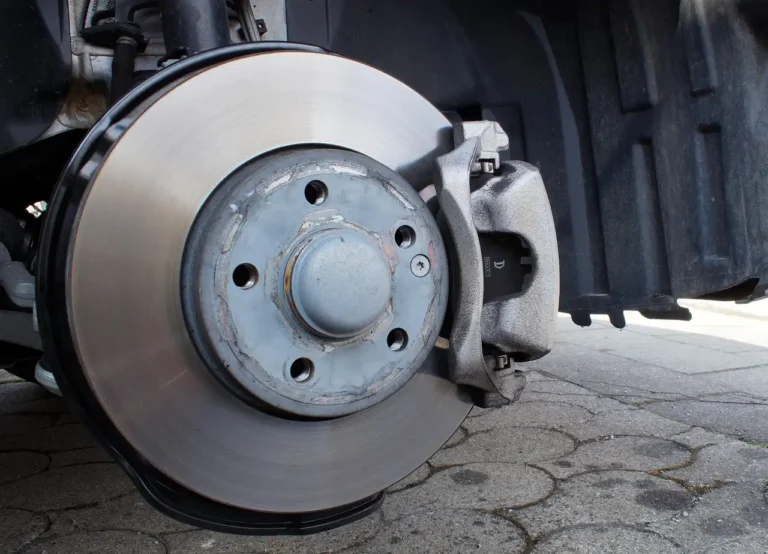
- Brake upgrades: Bigger rotors, multi-piston calipers, or high-performance pads.
Cost Range: Performance mods can start as low as $200 for a basic tune but easily exceed $10,000 for advanced builds. For instance, a professional turbo kit installation can reach $5,000, $8,000, while quality coilovers cost $1,000, $3,000 installed.
Aesthetic And Cosmetic Modifications
Visual modifications are often the first step for car owners seeking individuality. These don’t generally impact performance but can significantly influence resale value and street presence.
- Wheels and tires: Upgrading to larger or lighter alloys.
- Body kits and spoilers: Fiberglass or carbon fiber enhancements.
- Lighting upgrades: LED headlights, underglow kits, or custom taillights.
- Wraps and paint jobs: Custom colors, matte finishes, or vinyl graphics.
Cost Range: Cosmetic upgrades are highly variable. A set of aftermarket wheels can cost $800, $4,000, while a full-body vinyl wrap averages $2,500, $5,000. Custom paint jobs often exceed $3,500 for high-quality work.
Interior Modifications
Interior mods enhance comfort, technology, or luxury. While some are DIY-friendly, others require professional installation.
- Seats: Racing buckets or reupholstered leather.
- Steering wheels: Aftermarket or quick-release models.
- Audio systems: Head unit, speakers, amps, and subwoofers.
- Ambient lighting: Custom LED strips or fiber optics.
Cost Range: Upgrading an audio system can range from $400 (basic) to $3,000+ (high-end). Custom leather seating may cost $2,000, $5,000.
Electronics And Tech Additions
Modern cars can be retrofitted with features once exclusive to luxury models.
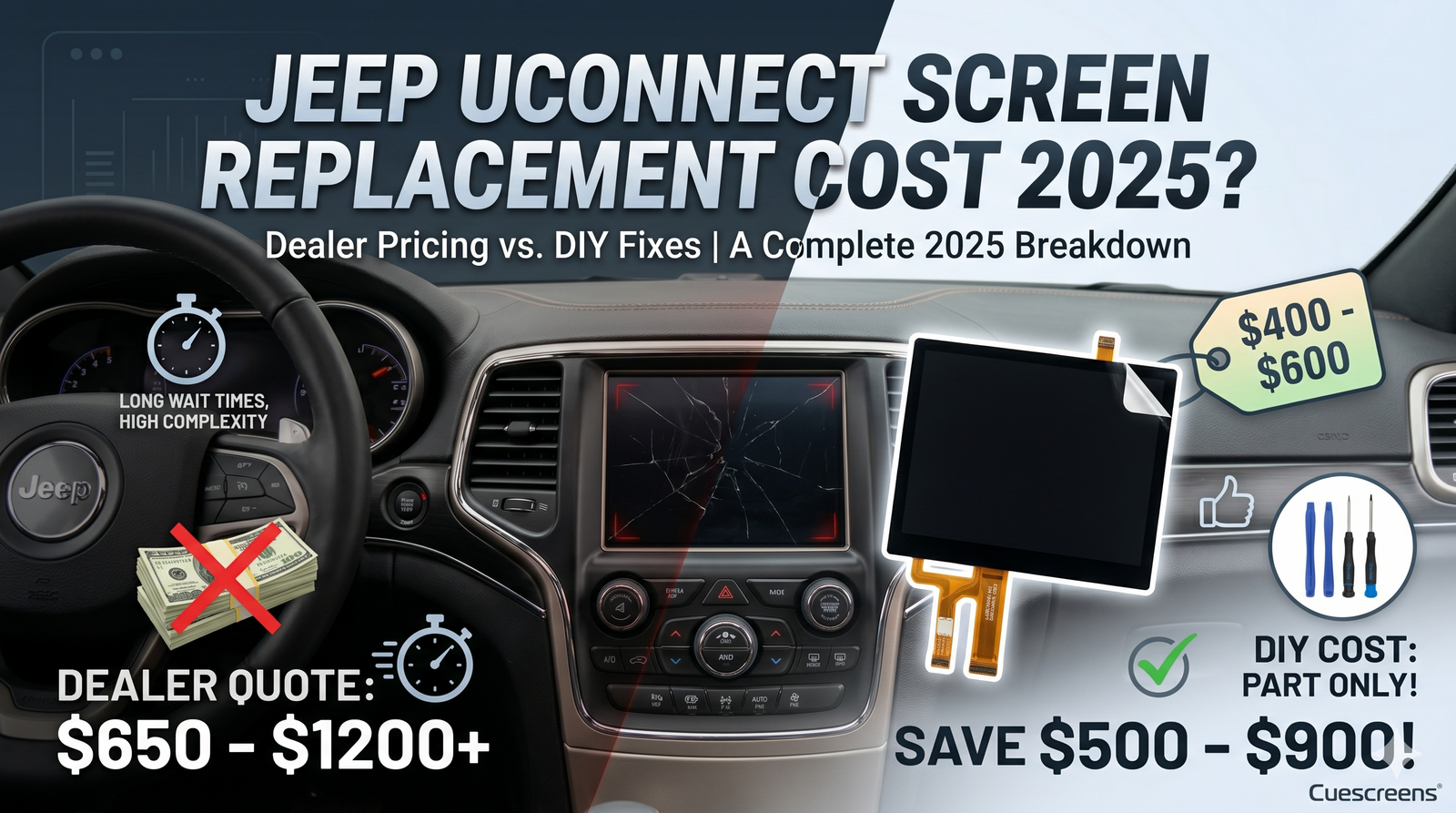
- Navigation and infotainment: Touchscreen head units with Apple CarPlay/Android Auto.
- Backup cameras and sensors: Safety and convenience upgrades.
- Remote start and security: Alarm systems, GPS trackers, or remote start kits.
- Dash cams: Increasingly popular for insurance and safety.
Cost Range: Aftermarket infotainment units average $400, $1,500, while advanced security systems can cost $500, $1,200 installed.
Maintenance And Restoration
Restoration isn’t always about modification but often goes hand-in-hand. Bringing a classic or worn vehicle up to modern standards can involve:
- Rust repair and undercoating
- Engine rebuilds
- Restoration of trim and weatherstripping
Cost Range: Restoration costs vary dramatically. Minor rust repair might be $500, but a full restoration can run $20,000 or more.
Credit: www.cuescreens.com
Performance Modification Costs: A Detailed Breakdown
Performance mods are among the most expensive, and rewarding, upgrades. Let’s explore specific costs, installation requirements, and what drives pricing.
Engine Tuning And Ecu Remapping
Modern vehicles rely on an Engine Control Unit (ECU) to regulate performance. Tuning adjusts parameters like fuel delivery and ignition timing for increased power.
- DIY plug-and-play tuners: $300, $600 (limited gains, user-friendly)
- Custom dyno tuning: $700, $1,500 (professional, optimal results)
Example: A 2026 Ford Mustang GT can gain 20, 30 horsepower from a $900 custom tune, provided supporting mods are present.
Forced Induction: Turbochargers & Superchargers
Adding a turbo or supercharger is a major investment. This modification requires not just the unit but supporting components (intercooler, fuel system, etc. ).
- Complete turbo kit: $3,000, $8,000 (parts only)
- Installation labor: $1,500, $4,000 (complex, requires expertise)
Warning: Forced induction on engines not built for boost can cause catastrophic failure. Always consult a specialist.
Exhaust System Upgrades
Upgrading the exhaust improves flow and sound. Options range from axle-back to full turbo-back systems.
- Axle-back exhaust: $400, $900
- Cat-back system: $800, $2,000
- Headers: $600, $1,500
Pro Tip: Quality stainless steel systems cost more but resist corrosion and last longer.
Suspension And Handling
Suspension upgrades enhance handling and stance but must be chosen carefully for road legality and ride quality.
- Lowering springs: $250, $600 (plus $300, $500 labor)
- Coilover kits: $900, $3,500 (plus $400, $800 labor)
- Air suspension kits: $2,500, $7,000 (plus $1,200+ labor)
Braking Systems
Stopping power is critical, especially after increasing horsepower.
- Performance brake pads: $100, $400 per axle
- Big brake kits: $1,200, $4,000
Example: A Wilwood big brake kit for a BMW 3 Series costs around $2,200, installation included.
Performance Modification Comparison Table
| Modification | Parts Cost (USD) | Labor Cost (USD) | Typical Gains/Benefits |
|---|---|---|---|
| ECU Tune | 300, 1,200 | 100, 500 | +10, 50 hp |
| Turbo Kit | 3,000, 8,000 | 1,500, 4,000 | +40, 200+ hp |
| Coilovers | 900, 3,500 | 400, 800 | Adjustable ride height |
| Big Brake Kit | 1,200, 4,000 | 200, 600 | Improved stopping |
Aesthetic And Cosmetic Upgrades: Costs And Options
Visual upgrades can dramatically change your car’s appearance. Costs depend on materials, customization level, and brand.
Wheels And Tires
Upgraded wheels are among the most common and impactful mods.
- Cast alloy wheels: $500, $1,200 per set
- Forged wheels: $2,000, $4,000 per set
- Performance tires: $600, $1,800 per set
Installation and balancing adds $80, $200.
Example: Upgrading a Honda Civic with Enkei wheels and Michelin tires costs about $1,700 installed.
Body Kits, Spoilers, And Aero Parts
Body kits include bumpers, side skirts, spoilers, and diffusers.
- Fiberglass body kit: $700, $2,000 (plus $1,000+ paint/labor)
- Carbon fiber parts: $1,500, $6,000 (lightweight, expensive)
- Universal spoilers: $150, $600
Pro Tip: Poorly fitted body kits can devalue a car. Choose reputable brands and skilled installers.
Lighting Modifications
Lighting upgrades improve both style and visibility.
- LED headlight kits: $120, $400
- Custom taillights: $300, $1,000
- Underglow kits: $100, $500
Warning: Some lighting mods may be illegal on public roads. Check local laws before installation.
Paint, Wraps, And Detailing
Changing your car’s color or finish can be costly, but wraps offer a reversible option.
- Full vinyl wrap: $2,500, $5,000 (quality, brand, and color dependent)
- Professional paint job: $3,500, $10,000 (multi-stage, premium paint)
- Ceramic coating: $900, $2,000 (protection, gloss)
Aesthetic Upgrade Comparison Table
| Upgrade | Cost Range (USD) | Labor Included? | Longevity |
|---|---|---|---|
| Cast Wheels | 500, 1,200/set | Partial | 5, 10 years |
| Vinyl Wrap | 2,500, 5,000 | Yes | 3, 5 years |
| LED Headlights | 120, 400 | No | 5+ years |
| Custom Paint | 3,500, 10,000 | Yes | 10+ years |
Credit: www.cuescreens.com
Interior Modification Costs
Interior upgrades can make your car more comfortable, luxurious, or high-tech. Choices range from simple cosmetic enhancements to full multimedia overhauls.
Seats And Upholstery
Changing seats can reduce weight (racing buckets) or boost comfort (luxury leather).
- Aftermarket racing seats: $350, $1,200 each
- Custom leather upholstery: $2,000, $5,000 for all seats
- Seat heaters or massagers: $200, $800 installed
Example: A pair of Recaro sport seats and brackets for a VW Golf GTI costs about $2,000 installed.
Steering Wheels And Shift Knobs
These tactile upgrades improve driving feel.
- Aftermarket steering wheels: $150, $700
- Quick-release hubs: $200, $500
- Custom shift knobs: $40, $200
Pro Tip: Airbag-equipped cars require specialist installation for safety and compliance.
Audio And Multimedia Systems
Upgrading sound or adding modern features is popular in both new and older cars.
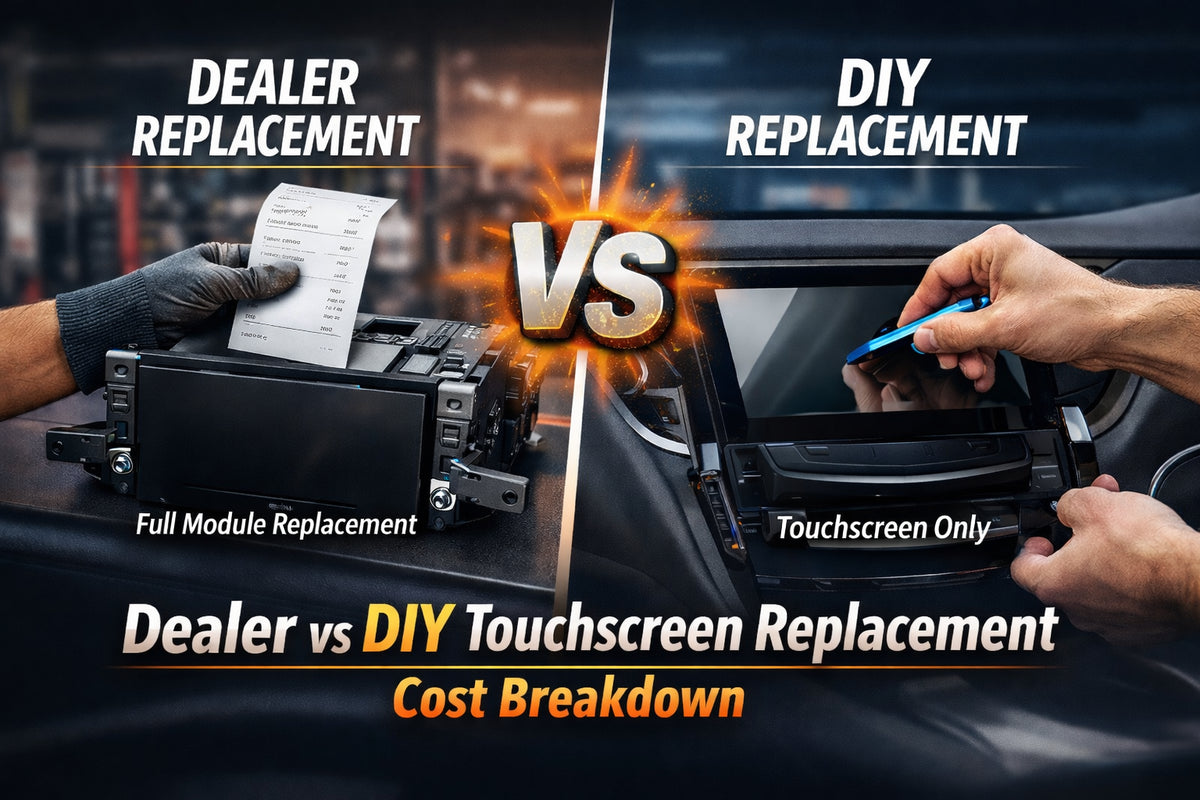
- Head unit (Apple CarPlay/Android Auto): $400, $1,500
- Speakers and amp package: $300, $1,000
- Subwoofer: $150, $500
Warning: High-powered systems may require electrical upgrades (extra cost).
Interior Lighting
Custom interior lighting can set the mood or improve usability.
- Ambient LED kits: $100, $400 installed
- Starlight headliners: $800, $2,500 (labor-intensive)
Interior Modification Comparison Table
| Upgrade | Parts Cost (USD) | Installation Cost (USD) | Notable Brands |
|---|---|---|---|
| Racing Seats | 350, 1,200 ea | 100, 400 ea | Recaro, Sparco |
| Leather Upholstery | 2,000, 5,000 | 500, 1,500 | Katzkin |
| Head Unit | 400, 1,500 | 100, 300 | Pioneer, Kenwood |
| Ambient Lighting | 100, 400 | 100, 300 | Philips, Govee |
Electronics And Technology Upgrades
Tech mods bring convenience, safety, and connectivity to almost any vehicle.
Infotainment And Navigation
Modern touchscreen head units can add navigation, Bluetooth, and smartphone integration.
- Entry-level units: $400, $700
- Premium units: $1,200, $1,800 (large screens, advanced features)
- Installation: $100, $300
Safety Tech: Cameras And Sensors
Adding safety tech can reduce insurance premiums and accidents.
- Backup camera kits: $100, $400
- Parking sensor kits: $150, $500
- Installation: $100, $300
Security Systems
Protecting your investment is critical, especially in high-theft areas.
- Basic alarm: $200, $500
- GPS tracker: $150, $400 (plus subscription)
- Two-way remote start: $400, $1,200
Example: A Viper 5706V alarm with remote start and install is about $900.
Dash Cams
Recording your drives can provide valuable evidence in case of incidents.
- Single-channel dash cam: $80, $250
- Dual-channel (front/rear): $200, $500
- Installation: $50, $200
Pro Tip: Some insurance companies offer discounts for dash cam-equipped cars.
Legal, Insurance, And Ownership Costs
Modification doesn’t stop at hardware. Legal compliance and insurance must be factored into your budget, as they can influence both upfront and ongoing costs.
Legal Compliance
Many performance and lighting mods must meet state or national regulations. Illegal modifications can result in fines, failed inspections, or your car being impounded.
- Emissions compliance: Turbo/supercharger kits may not be street-legal in some states without certification (e.g., CARB in California).
- Lighting laws: Certain colors or brightness levels are prohibited.
- Ride height and wheel fitment: Excessive lowering or poke may be illegal.
Example: In California, a non-CARB-approved exhaust system can result in a $1,000 fine.
Insurance Impacts
Modifications can increase your premiums, or in some cases, void your policy if not disclosed.
- Performance mods: Often lead to higher rates or require specialty insurance.
- Cosmetic mods: May only be covered if declared and appraised.
- Theft risk: High-value mods increase risk and cost.
Pro Tip: Always notify your insurer about modifications. Failing to do so can result in denied claims.
Title And Resale Value
Some mods can devalue your car, while others may increase interest among enthusiasts. However, most heavy modifications lower resale value in the general market.
- Well-documented, tasteful upgrades may retain value.
- Poor-quality or extreme mods reduce marketability.
Real-world Examples And Case Studies
Examining real-world builds helps illuminate how costs add up and how choices affect the final outcome.
Example 1: Budget Performance Build
Owner: 2013 Subaru Wrx
Goal: Affordable Power And Handling
Upgrades:
- Cobb Accessport tune: $650
- Cat-back exhaust: $1,100 installed
- Lowering springs: $700 installed
- Lightweight wheels + tires: $1,600 installed
Total cost: $4,050
The owner reported a noticeable increase in power and handling, with all mods remaining street-legal.
Example 2: Show Car Cosmetic Build
Owner: 2018 Honda Civic Si
Goal: Unique Appearance For Car Shows
Upgrades:
- Full wrap: $3,200
- Custom body kit: $2,800 painted/installed
- Air suspension: $5,500 installed
- Forged wheels: $3,700
- Interior starlight headliner: $2,100
Total cost: $17,300
Result: The car won two regional shows but saw insurance premiums increase by 30%.
Example 3: Audio And Tech Overhaul
Owner: 2012 Chevrolet Camaro
Goal: Modern Tech And Sound
Upgrades:
- Kenwood 10” head unit: $1,400 installed
- JL Audio speakers + amp: $1,000 installed
- Backup camera: $350 installed
- Two-way alarm: $700 installed
Total cost: $3,450
Owner feedback: “In my experience, investing in quality installation was just as important as the gear itself. The car feels brand new inside.”
How To Plan And Budget For Car Modifications
A successful build starts with careful planning. Here’s how to avoid common pitfalls and maximize your investment.
Set Clear Goals
- Define the purpose: Daily driver, show car, track use, or a mix.
- Prioritize safety and reliability over aesthetics or extreme performance.
Research And Compare
- Read forums, watch video reviews, and check trusted websites like SEMA for product advice.
- Compare prices from multiple vendors and installers.
Budget Realistically
- Include parts, labor, taxes, shipping, and potential downtime.
- Allocate a contingency fund (10, 20%) for unexpected costs.
Consider Diy Vs. Professional Installation
- DIY saves money but requires tools, space, and know-how.
- Professional installation offers warranties and peace of mind.
Check Legal And Insurance Implications
- Review local laws before purchasing mods.
- Contact your insurer to understand coverage changes.
Build In Stages
- Upgrade in phases to spread costs and assess each modification’s impact.
- Test after each major mod for reliability and satisfaction.
Frequently Asked Questions
How Do Car Modifications Affect Warranty Coverage?
Car modifications can void all or part of your vehicle’s factory warranty, particularly if the dealer determines the mod contributed to a component failure. Warranties are most commonly affected by engine, exhaust, or suspension changes. It’s best to consult your dealer or manufacturer before performing any non-reversible mods.
Are There Financing Options Available For Major Car Modifications?
Yes, some specialty shops and aftermarket retailers offer financing plans for high-cost upgrades. These may include no-interest promotional periods or longer-term loans with interest. Always review terms carefully and consider the long-term financial impact before financing discretionary upgrades.
What Are The Most Cost-effective Mods For Improving A Car’s Value?
Generally, quality wheels, new tires, and modern infotainment systems provide the best return on investment for daily drivers. These upgrades enhance the driving experience without alienating potential buyers. Overly personalized or extreme mods rarely add value in the resale market.
Is It Possible To Revert Modifications Back To Stock?
Most bolt-on modifications (wheels, exhausts, suspension kits) can be removed and replaced with factory parts. However, modifications involving cutting, welding, or irreversible changes (like roll cages or custom paint) are much harder and more expensive to reverse. Keeping all original parts is advised if you plan to revert to stock later.
How Can I Find Reputable Shops For Modification Work?
Look for shops with strong reviews, professional certifications (like ASE), and experience with your specific vehicle make. Ask to see examples of previous work, request detailed quotes, and check for warranties on both parts and labor. Recommendations from car forums or local enthusiast groups can also be valuable.
Car modification is a rewarding journey, but one that demands careful planning and realistic budgeting. By understanding the costs for each type of upgrade, factoring in legal and insurance considerations, and seeking reputable installers, you can achieve a balance of performance, style, and value. Whether you’re dreaming of a track-ready machine or a head-turning showpiece, well-executed modifications will enhance both your car and your driving enjoyment. For further research and inspiration, explore resources like Wikipedia’s Car Modification page.
Products related to this article
Sponsored / affiliate links. As an Amazon Associate I earn from qualifying purchases. I may earn additional commission from eligible campaigns.