How Much Do Car Brake Pads Cost? Full Price Breakdown
For drivers and car owners, understanding the cost of brake pads is more than just a budgeting exercise—it’s a question of safety, vehicle longevity, and peace of mind. Brake pads are a critical wear-and-tear component, and neglecting their timely replacement can lead to far costlier repairs or even dangerous driving conditions. But how much should you actually expect to pay for new brake pads? The answer isn’t always straightforward, with prices varying widely based on car make, model, pad material, and even where you choose to have the job done.
In this comprehensive guide, we’ll break down the full price range for brake pads in the US, explore the factors that influence these costs, and help you make informed decisions whether you drive a compact sedan, a rugged SUV, or a luxury import.
By the end, you’ll know exactly what to expect when budgeting for your next brake pad replacement—and how to maximize both your savings and your safety.
Key Takeaways
- Brake pad replacement costs can range from $100 to over $400 per axle, depending on vehicle, pad type, and location.
- Ceramic brake pads are pricier than semi-metallic or organic pads but offer quieter operation and longer lifespan.
- Luxury, performance, and imported vehicles typically have higher brake pad prices due to specialized parts.
- DIY brake pad replacement can save labor costs but requires proper tools, safety knowledge, and time.
- Timely replacement prevents expensive rotor or caliper damage and ensures safe stopping performance.
- Choosing the right pad material and installer can significantly affect both upfront and long-term costs.
Understanding Brake Pad Pricing
Brake pad costs are shaped by a complex interplay of factors. Before diving into dollars and cents, it’s essential to understand what you’re actually paying for and why prices vary so much from one car to the next.
What Are Brake Pads And Why Do They Matter?
Brake pads are the replaceable friction material that presses against your vehicle’s brake rotors to slow and stop the wheels. Over time, this friction wears the pads down, making regular replacement necessary. Worn-out pads not only reduce braking performance but can also damage more expensive brake components—making timely replacement a wise investment.
To put it simply, brake pads serve as the first line of defense in your vehicle’s braking system. When you press the brake pedal, hydraulic pressure forces the pads against the spinning rotors, creating the friction necessary to stop your car.
As you accumulate miles, especially in urban stop-and-go traffic or hilly environments, brake pads naturally wear out. Ignoring their condition can result in “metal-on-metal” contact, which severely damages rotors and calipers—leading to much higher repair bills and, more importantly, putting your safety at risk.
Key Factors Affecting Brake Pad Cost
Several variables influence the final price you’ll pay for new brake pads:
- Vehicle make, model, and year: Luxury and performance vehicles often use specialized pads that are more expensive.
- Pad material: Choices include organic, semi-metallic, and ceramic, each with different price points and performance characteristics.
- Aftermarket vs. OEM parts: Original Equipment Manufacturer (OEM) pads cost more but may offer better fit and performance.
- Labor rates: Installation costs fluctuate based on region and whether you choose a dealership, independent shop, or DIY.
- Additional components: Sometimes, replacement includes new hardware or rotors, which adds to the total cost.
For example, a high-end European sedan may require high-performance ceramic pads that cost substantially more than the semi-metallic pads used on a domestic economy car. Additionally, labor rates can be dramatically higher in urban areas compared to rural regions, and dealership service departments typically charge more than independent mechanics.
The choice between OEM and aftermarket parts also plays a role; while OEM pads guarantee compatibility and may preserve warranty coverage, reputable aftermarket brands can offer similar performance at a lower cost.
Typical Price Ranges
The cost of brake pads breaks down into two main components: parts and labor. Here’s what you can generally expect in the US market:
| Vehicle Type | Pad Material | Parts Only (Per Axle) | Labor (Per Axle) | Total Installed (Per Axle) |
|---|---|---|---|---|
| Economy/Compact | Semi-Metallic | $30–$75 | $70–$120 | $100–$195 |
| Mid-Size/SUV | Ceramic | $50–$120 | $90–$150 | $140–$270 |
| Luxury/Performance | Ceramic/High-Performance | $100–$250 | $120–$250 | $220–$500+ |
These ranges illustrate how the combination of vehicle type and pad material plays a decisive role in your final bill. Labor costs are also a significant factor—especially if you’re driving a vehicle with a more complex or less common brake system.
Real-world Example: Honda Civic Vs. Bmw 3 Series
Let’s compare a mainstream Honda Civic to a luxury BMW 3 Series:
- Honda Civic (2018): Semi-metallic pads, installed at an independent shop, total about $140 per axle.
- BMW 3 Series (2018): OEM ceramic pads, installed at a dealership, can exceed $380 per axle.
This gap illustrates the impact of vehicle type, pad material, and service provider on total brake pad replacement costs. The BMW’s advanced braking system, higher labor rates, and specialized parts drive costs significantly higher than the Honda’s more straightforward setup.
Additionally, luxury vehicles sometimes require electronic sensors or proprietary hardware that further increases the price.
Credit: www.owl-let.com
Brake Pad Materials: Cost Vs. Performance
The type of brake pad material not only affects stopping power and longevity but also has a significant impact on price. Understanding these options helps you make a cost-effective, safe choice for your vehicle.
Organic Brake Pads
Organic pads—often called Non-Asbestos Organic (NAO)—are made from materials like rubber, glass, and resins. They’re typically the least expensive option.
- Pros: Quiet, gentle on rotors, affordable.
- Cons: Shorter lifespan, can fade under heavy use.
Typical cost: $25–$60 per axle (parts only).
Organic pads are commonly installed on smaller cars and older vehicles. Their softer compound means they don’t last as long as other types but are easy on the rotors and generally don’t create much noise. However, their performance can suffer during aggressive or repeated braking, such as when driving in mountainous terrain or towing.
Semi-metallic Brake Pads
Semi-metallic pads contain metal fibers for improved heat dissipation and performance.
- Pros: Good stopping power, moderate cost, common on many vehicles.
- Cons: Louder, can wear rotors faster.
Typical cost: $30–$100 per axle (parts only).
Semi-metallic brake pads are a popular choice for many modern sedans, SUVs, and light trucks, striking a balance between performance, durability, and cost. These pads perform well in a variety of conditions, including spirited driving or heavier vehicles, but their metallic content can create more noise and wear on the rotors compared to organic pads.
Ceramic Brake Pads
Ceramic pads use a dense ceramic compound with copper fibers.
- Pros: Long lifespan, very quiet, produce less brake dust, stable performance.
- Cons: Higher price, may not be ideal for extreme cold or towing.
Typical cost: $60–$150 per axle (parts only).
Ceramic brake pads are favored for luxury vehicles and drivers seeking a refined, quiet ride with minimal brake dust. Their stability in a wide temperature range makes them a premium choice for daily drivers, but the extra cost may not always be justified for budget vehicles or those used primarily for short city trips.
Specialty And Performance Pads
High-performance or specialty pads, such as those used in sports cars or for towing, can be significantly more expensive.
- Pros: Enhanced performance under extreme conditions.
- Cons: Premium pricing, sometimes noisier.
Typical cost: $100–$300+ per axle (parts only).
Performance pads are engineered for specific needs—track days, heavy towing, or high-speed driving. They may use advanced materials like carbon-ceramic or offer specialized compounds for improved bite and fade resistance. While they’re ideal for demanding applications, they’re overkill for most daily drivers and usually come with increased noise, dust, and price.
Comparison Table: Brake Pad Materials
| Pad Type | Average Cost (Per Axle) | Best For | Pros | Cons |
|---|---|---|---|---|
| Organic | $25–$60 | Budget cars, city driving | Quiet, affordable | Short lifespan, fade |
| Semi-Metallic | $30–$100 | General use, trucks, SUVs | Good performance, common | Louder, more rotor wear |
| Ceramic | $60–$150 | Luxury, performance | Long life, quiet | High cost |
| Performance | $100–$300+ | Sports, towing | Extreme performance | Very expensive |
When choosing a pad, consider your driving habits and vehicle usage. Daily commuters in urban settings may prioritize quiet operation and low dust, while drivers who tow or live in mountainous regions may need the durability and heat resistance of semi-metallic or specialty pads.

Credit: www.paautosales.com
Labor Costs: Diy Vs. Professional Installation
The price of brake pads is only half the story—installation costs can vary just as widely. Should you pay for professional service or consider doing the job yourself?
Professional Installation
Most car owners opt for a professional mechanic or dealership to replace their brake pads, which adds labor costs but ensures the job is done safely and correctly.
- Dealerships: Often charge $120–$250 per axle for labor, but use OEM parts and offer warranties.
- Independent shops: Typically charge $70–$150 per axle for labor, with more flexibility on parts.
Typical total installed cost: $150–$500+ per axle, depending on vehicle and pad type.
Professional mechanics bring expertise, specialized tools, and the ability to spot related issues—like worn rotors or calipers—that might otherwise go unnoticed. Many shops also warranty their work, giving peace of mind. However, dealership rates can be considerably higher, especially in metropolitan areas or for luxury vehicles, so it pays to shop around and request detailed estimates.
Diy Brake Pad Replacement
For the mechanically inclined, replacing brake pads at home can save significant money.
- Cost: You only pay for parts ($25–$150+ per axle).
- Tools needed: Jack, jack stands, lug wrench, C-clamp, socket set, brake cleaner.
- Risks: Improper installation can compromise safety; always follow manufacturer guidelines or consult resources like Popular Mechanics.
DIY replacement is feasible for those with basic auto repair experience and access to the necessary tools. However, it’s crucial to follow a step-by-step process and ensure all hardware is reinstalled correctly. Mistakes—such as not properly seating the pads or failing to tighten bolts—can lead to serious safety issues.
Case Study: Diy Vs. Professional
- 2017 Toyota Camry: DIY semi-metallic pad replacement costs about $35 (parts only). At a shop, the same job totals about $180 (parts + labor).
- Savings: Roughly $145 per axle, but at the expense of your time and assuming you have the tools and knowledge.
DIY can be especially cost-effective for older vehicles or for those wanting to learn more about car maintenance. However, if you’re not confident in your skills, it’s best to leave brake work to the professionals.
When Professional Service Is Worth It
- If you lack the tools, experience, or confidence.
- For vehicles with complex brake systems (e.g., electric parking brakes).
- When you want a warranty on both parts and labor.
Modern vehicles sometimes feature advanced driver-assistance systems (ADAS), electronic parking brakes, or brake pad wear sensors that require specialized diagnostic equipment to service. In these cases, professional installation is strongly recommended to ensure all systems function correctly and safely.
Credit: europarts360.com
Cost By Vehicle Type: Economy To Luxury
Your car’s make and model play a significant role in brake pad pricing. Let’s break down typical costs for different classes of vehicles.
Economy And Compact Cars
These vehicles use smaller, simpler brake systems, making pads more affordable.
- Popular models: Honda Civic, Toyota Corolla, Hyundai Elantra.
- Typical parts cost: $25–$80 per axle.
- Total installed: $100–$220 per axle.
Economy cars often have fewer features in their brake systems, and parts are widely available, which keeps pricing competitive. Many owners of these vehicles opt for semi-metallic or organic pads to balance cost and performance.
Midsize And Suvs
Larger vehicles require bigger, more robust pads, often made from semi-metallic or ceramic materials.
- Popular models: Ford Escape, Toyota RAV4, Honda CR-V.
- Typical parts cost: $40–$120 per axle.
- Total installed: $150–$300 per axle.
SUVs and crossovers are heavier and may be used for family hauling, making durability and stopping power critical. Many owners choose ceramic pads for quieter operation and longer life, especially if the vehicle is used for frequent highway driving.
Trucks And Heavy-duty Vehicles
Trucks and large SUVs demand heavy-duty brake pads for greater stopping power.
- Popular models: Ford F-150, Chevrolet Silverado, Toyota Tacoma.
- Typical parts cost: $60–$150 per axle.
- Total installed: $180–$400 per axle.
Heavy-duty pads are engineered to handle the increased load and heat associated with towing or carrying heavy payloads. Skimping on brake components for these vehicles can compromise safety, so it’s wise to invest in quality parts and professional installation.
Luxury And Performance Cars
Premium vehicles often use advanced or proprietary brake systems, driving up costs.
- Popular models: BMW, Mercedes-Benz, Audi.
- Typical parts cost: $100–$300+ per axle.
- Total installed: $250–$600+ per axle.
Luxury and performance cars often have larger rotors, multi-piston calipers, and require premium ceramic or performance pads. These systems deliver exceptional stopping power but are more expensive to maintain. Some high-end vehicles even require dealer-only parts or service.
Real-world Example: Tesla Model 3
- OEM ceramic brake pads: $120–$200 per axle (parts only).
- Professional installation: $130–$250 per axle.
- Total: $250–$450 per axle.
Electric vehicles like the Tesla Model 3 often use regenerative braking, reducing wear on brake pads. However, when replacement is needed, costs can still be significant due to specialized parts and service requirements.
For a comprehensive breakdown of brake pad costs by vehicle, check out authoritative sources like Consumer Reports.
Additional Costs: Rotors, Hardware, And Related Services
Brake pad replacement can sometimes reveal or require additional work. These extras can add to your total bill but are often necessary for safety and performance.
Brake Rotors
If rotors are worn, warped, or too thin, they’ll need to be replaced or resurfaced.
- Rotor replacement: $50–$150 per rotor (parts), $80–$150 per axle (labor).
- When needed: Deep grooves, warping, or minimum thickness reached.
Ignoring damaged rotors can lead to vibration, pulsation during braking, and increased stopping distances. Some shops may recommend replacing rotors with every pad change for optimal performance and warranty coverage, while others only suggest replacement when visible damage or thickness issues are present.
Brake Hardware
Modern brake systems use clips, shims, and springs that may need replacing.
- Hardware kits: $10–$30 per axle.
- Why replace: Ensures proper pad movement and reduces noise.
Replacing old or corroded hardware reduces the risk of uneven pad wear, brake noise, and sticking calipers. High-quality hardware kits are a small investment that can extend the life of your new pads and rotors.
Brake Fluid Flush
A brake fluid exchange can improve system performance and is often recommended with new pads.
- Cost: $70–$120.
- Frequency: Every 2–3 years or as specified by manufacturer.
Brake fluid absorbs moisture over time, which can lead to corrosion and reduced braking efficiency. Regular flushing helps maintain optimal pedal feel and protects internal components.
Caliper Service Or Replacement
Calipers that are sticking or leaking may require service or replacement.
- Caliper service: $50–$100 per caliper.
- Caliper replacement: $100–$300+ per caliper (parts + labor).
Sticking calipers can cause uneven pad wear and pulling to one side under braking. Prompt service or replacement ensures balanced stopping power and prevents further damage to pads and rotors.
Example: Total Brake Service Cost
A comprehensive brake service for a midsize SUV (pads, rotors, hardware, fluid) can total $500–$900 per axle at a shop. This includes:
- Pads: $100
- Rotors: $200
- Hardware: $20
- Fluid flush: $80
- Labor: $200
These additional items ensure your brakes function like new, maximizing safety and performance.
For more details on brake system components and costs, visit AAA.
How To Save Money On Brake Pad Replacement
While brake pads are a necessary expense, there are several strategies to keep costs under control without compromising safety.
Shop Around For Quotes
Get estimates from multiple local shops, dealerships, and chain auto centers. Pricing can vary significantly for the same job.
- Tip: Ask if the shop uses OEM or aftermarket pads, and if the quote includes hardware or rotors.
Don’t be afraid to negotiate or ask for price matching, especially if you have a written estimate from a competitor. Some shops will also honor online coupons or match advertised specials.
Use Coupons And Promotions
National chains like Pep Boys and Firestone frequently offer discounts on brake service. Check online or ask in-store.
Timing your service with a seasonal promotion can lead to significant savings. Some shops also bundle services (e. g. , pads plus rotor resurfacing) for a lower combined rate.
Consider Quality Aftermarket Pads
Well-known aftermarket brands often match or exceed OEM quality for less money. Look for reputable names like Wagner, Akebono, or Bosch.
Research online reviews and look for manufacturer warranties. Many aftermarket pads are engineered to meet or exceed OEM specifications and may offer better value or performance for your driving style.
Diy If You’re Able
If you’re comfortable with basic auto repairs, DIY can save you up to 60% of the total cost. Follow a detailed video or step-by-step guide from sources like YourMechanic.
Even if you choose to do the work yourself, consider having a professional inspect your job the first time to ensure everything is installed safely.
Replace Both Sides At Once
Brake pads should always be replaced in pairs (both front or both rear) to ensure even braking and wear.
Never replace just one side, as this can cause unsafe braking imbalance and uneven wear, leading to further repairs down the road.
Monitor For Early Signs Of Wear
Catching pad wear early can prevent damage to rotors and calipers, avoiding much higher repair bills.
Regularly check your pad thickness and listen for warning noises. Many modern vehicles have electronic wear indicators that alert you before pads become dangerously thin.
Case Study: Frugal Family Sedan Owner
- Vehicle: 2016 Toyota Corolla
- Strategy: Owner sourced Akebono ceramic pads online for $45, used a $20-off coupon at a local shop, total installed cost $105 per axle—saving $70 vs. the dealer quote.
By being proactive and comparison shopping, you can often reduce your total brake service bill without sacrificing quality or safety.
When To Replace Brake Pads: Cost Vs. Risk
Knowing when to replace your brake pads is crucial for both safety and cost efficiency. Waiting too long can turn a routine $150 job into a $600+ repair.
Warning Signs Your Brake Pads Need Replacing
- Squealing or grinding noise
- Increased stopping distance
- Brake warning light
- Vibration or pulsation during braking
- Pad thickness less than 1/4 inch
Unusual sounds or sensations when braking are often the first sign of worn pads. Most pads have built-in wear indicators that create a high-pitched squeal when the material is low.
Consequences Of Delayed Replacement
- Rotor damage: Worn pads can gouge rotors, requiring expensive replacement.
- Caliper failure: Overheating and sticking can damage calipers, a costly fix.
- Safety risk: Reduced braking power increases accident risk.
Procrastinating on pad replacement can turn a simple maintenance job into a major repair. In some cases, ignoring worn pads can even affect your insurance coverage in the event of an accident.
Recommended Replacement Intervals
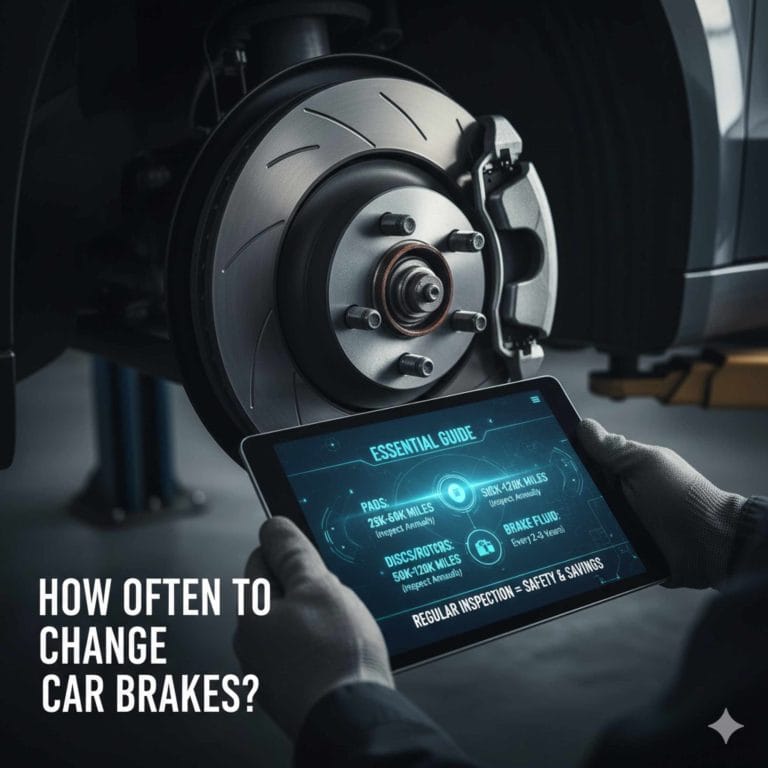
Most brake pads last 30,000 to 70,000 miles depending on driving conditions, pad material, and vehicle type. Always check your owner’s manual for specific guidance.
Aggressive driving, heavy city traffic, or frequent towing can shorten pad life. Conversely, mostly highway driving tends to be gentler on pads. Regular inspection—at least once a year—is the best way to avoid unexpected repairs.
For more on brake pad wear and replacement intervals, see Wikipedia: Brake Pad.
Frequently Asked Questions
How Much Does It Cost To Replace Brake Pads On All Four Wheels?
Replacing brake pads on all four wheels typically costs $200–$800 total. The exact price depends on your vehicle type, pad material, and whether you choose a dealership, independent shop, or DIY. Luxury or performance vehicles may exceed $1000 for a full set, especially if rotors or hardware are also replaced.
Are Ceramic Brake Pads Worth The Extra Cost?
Ceramic brake pads generally cost more than organic or semi-metallic options, but they offer quieter operation, produce less dust, and often last longer. For daily driving, especially in luxury or performance vehicles, they can be a worthwhile investment. However, for budget or older vehicles, semi-metallic pads may offer better value.
How Can I Tell If I Need New Brake Pads?
Common signs include squealing or grinding noises, a brake warning light, longer stopping distances, or visually inspecting the pad thickness (less than 1/4 inch means replacement is needed). Some cars have electronic wear sensors or indicator tabs that alert you when pads are worn.
Is It Safe To Replace Just One Set Of Brake Pads?
Brake pads should always be replaced in pairs—both front or both rear—to maintain balanced braking. Replacing just one side can cause uneven braking and potential safety issues. Always replace pads on both wheels of the same axle at the same time.
How Long Do Brake Pads Last On Average?
Most brake pads last 30,000 to 70,000 miles, but this varies based on driving habits, pad material, and vehicle type. Aggressive driving, heavy loads, or frequent stop-and-go traffic can shorten pad life. Regular inspections help ensure timely replacement.
Real-world Examples And Case Studies
Example 1: Commuter Sedan (toyota Camry)
- Service: Front pads and rotors
- Parts: Semi-metallic pads ($45), rotors ($90)
- Labor: $120
- Total: $255 per axle at a reputable independent shop
This example demonstrates an average total cost for a common midsize sedan, where both pads and rotors are replaced together for optimal braking performance.
Example 2: Performance Suv (audi Q5)
- Service: Front ceramic pads, rotors, hardware
- Parts: OEM ceramic pads ($180), rotors ($220), hardware ($25)
- Labor: $200
- Total: $625 per axle at a dealership
Premium vehicles like the Audi Q5 often require OEM parts and specialized service, which increases both parts and labor costs. This is typical for luxury or performance-oriented vehicles.
Example 3: Diy Compact Car (honda Fit)
- Service: Front pads only
- Parts: Organic pads ($28)
- Labor: $0 (owner performed work)
- Tools: Already owned
- Total: $28 per axle, plus two hours of DIY effort
DIY repairs can offer significant savings, especially for simple jobs on compact, non-luxury vehicles. However, the owner must be confident in their skills and have the proper tools.
These examples demonstrate how costs can range widely depending on vehicle, materials, and who does the work. Always request multiple quotes and factor in both immediate and long-term value when making your decision.
The Bottom Line On Brake Pad Costs
Staying proactive about brake pad replacement is a smart move—for your wallet and your safety. Whether you drive an economy sedan or a premium SUV, knowing the expected price range helps you plan for routine maintenance and avoid surprises at the repair shop. Shopping around, understanding your options, and replacing pads at the right time can save hundreds of dollars and keep your car stopping safely for years to come.
Ultimately, the right approach balances cost, quality, and your specific vehicle needs. By paying attention to warning signs, comparing quotes, and choosing the appropriate pad material, you’ll ensure your vehicle remains safe and reliable—protecting both your investment and everyone on the road.
Products related to this article
Sponsored / affiliate links. As an Amazon Associate I earn from qualifying purchases. I may earn additional commission from eligible campaigns.