Honda Civic Car Sounds Explained: Normal Vs Warning Signs
Hearing unexpected noises from your car can be unsettling, especially if you drive a Honda Civic, a model renowned for its reliability and engineering. While some sounds are simply part of a well-oiled machine, others may signal underlying issues that require immediate attention. Understanding the difference between normal car sounds and warning signs is crucial to maintaining your Civic’s longevity and safety on the road.
Whether you’re a seasoned Honda owner, a new driver, or a curious DIY enthusiast, this comprehensive guide will help you interpret your Civic’s auditory signals. By exploring the typical noises, identifying abnormal sounds, and learning actionable steps, you’ll be empowered to act promptly, saving time, money, and stress.
Let’s uncover the mysteries behind your Honda Civic’s sounds and ensure your driving experience remains smooth and worry-free.
Key Takeaways
- Normal Honda Civic sounds include gentle engine hums, soft brake whirrs, and faint transmission shifts.
- Warning noises such as grinding, squealing, or knocking often point to mechanical issues requiring attention.
- Early identification of abnormal sounds can prevent costly repairs and enhance vehicle safety.
- Routine maintenance and prompt action are the best defenses against potential breakdowns.
- Real-world examples show how addressing warning signs early can save thousands in repairs.
- Consult a certified mechanic if you’re unsure about a sound’s origin or severity.

Credit: carbuzz.com
Understanding Normal Honda Civic Car Sounds
Every vehicle produces a symphony of noises, many of which are perfectly normal. Recognizing these sounds in your Honda Civic helps distinguish harmless operation from actual problems.
The Engine’s Healthy Hum
A well-maintained Honda Civic engine produces a consistent, smooth hum when idling or accelerating gently. This sound is the harmonious result of synchronized moving parts, pistons, valves, and belts, operating efficiently.
- Idle: A steady, low-pitched hum with little variation.
- Acceleration: The hum increases slightly in pitch and volume, reflecting engine RPM.
- After Start: Brief, higher-pitched whirr as systems initialize, then settling quickly.
Example: When starting a 2026 Honda Civic, you’ll notice a two-second high-pitched whirr as the starter engages, followed by a steady hum. No clicking, knocking, or sputtering should be present.
Transmission Shifts
The automatic or manual transmission in a Honda Civic typically produces soft, barely audible clicks or whirrs as gears change. These sounds are most noticeable when accelerating from a stop or decelerating.
- Automatic: Smooth transitions with gentle clicks.
- Manual: Slight clutch engagement/disengagement noises.
Pro Tip: If you hear a brief, faint click when shifting, that’s normal operation. Prolonged or harsh noises are not.
Brake System Sounds
Modern Civics use advanced brake systems that may emit light noises under certain conditions.
- Soft whirring: Common with anti-lock braking system (ABS) self-checks at startup.
- Quiet scraping: Occasionally after rain or when brakes are cold due to surface rust, disappearing after a few stops.
Suspension And Steering Feedback
The Civic’s suspension system is designed for comfort and control. Normal sounds include:
- Soft thumping: Over speed bumps or potholes.
- Light whoosh: As shocks compress and release air.
In my experience, a 2018 Civic produces a muted thump over rough terrain but nothing harsh or metallic.
Climate Control System
When using the air conditioning or heater, you may notice:
- Gentle fan whirring: At various speeds.
- Occasional clicking: As vents adjust airflow.
These sounds are typical and should not be loud or repetitive.

Credit: www.hendrickhonda.com
Common Warning Sounds In Honda Civics
Recognizing abnormal sounds early can prevent severe damage and costly repairs. Here are the key warning noises in Honda Civics and their likely causes.
Engine Knocking Or Pinging
A knocking or pinging sound, especially during acceleration, signals improper combustion or engine wear.
- Characteristics: Metallic knock, rhythmic tapping.
- Possible causes: Low-octane fuel, carbon buildup, worn bearings.
Warning: Persistent engine knock can lead to catastrophic engine failure if ignored.
Squealing Or Screeching Brakes
Loud brake squeals are rarely normal.
- High-pitched squeal: Often indicates worn brake pads.
- Metal-on-metal grinding: Pad material gone, rotor contact, requires immediate service.
Pro Tip: Most Honda Civics have wear indicators that create a squeal before pads are completely worn out.
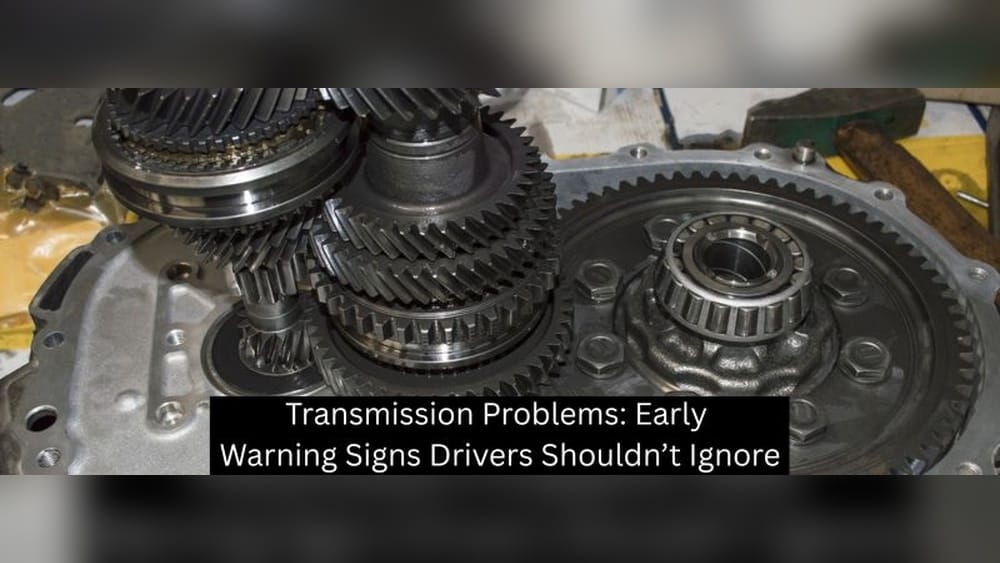
Grinding Or Whining From Transmission
Unusual grinding or whining when shifting gears can point to transmission trouble.
- Grinding: Damaged synchros (manual) or worn clutch.
- Whining: Low fluid, bearing failure (automatic or CVT).
Addressing these early can prevent a full transmission rebuild.
Rattling Or Clunking Under The Car
Rattling or clunking noises when driving over bumps or making turns often mean suspension or exhaust system issues.
- Loose heat shield: Metallic rattle, especially at low speeds.
- Worn bushings/ball joints: Clunking during turns or bumps.
Hissing, Whistling, Or Chirping
- Hissing: Coolant or vacuum leak under the hood.
- Whistling: Air intake leak, window/door seal problem.
- Chirping: Worn serpentine belt or pulley.
Table: Normal Vs Warning Sounds In Honda Civics
| Sound Description | Normal Operation | Warning Sign | Action Required |
|---|---|---|---|
| Engine Hum | Smooth, low-pitched | Knocking, ticking, sputtering | Check engine; service if persistent |
| Brake Noise | Soft whirr, occasional scrape (cold) | Squeal, grind, loud screech | Inspect brakes immediately |
| Transmission | Gentle click or whirr | Grinding, whining, clunk | Check fluid; service transmission |
| Suspension | Soft thump | Clunk, rattle, harsh bang | Inspect suspension system |
| Climate Control | Fan whir, occasional click | Loud rattle, persistent hiss | Inspect HVAC system |
Real-world Examples: Diagnosing Honda Civic Noises
Practical scenarios help illustrate how to interpret and act on specific car sounds.
Case Study 1: The Persistent Brake Squeal
A 2017 Honda Civic owner noticed a loud squeal each time she applied the brakes, especially at low speeds. The noise persisted even after several days and became louder over time.
- Diagnosis: Brake pads worn to their indicators.
- Action: Replaced brake pads and resurfaced rotors.
- Result: Squeal eliminated; braking performance restored.
Pro Tip: Addressing brake squeals quickly can prevent rotor damage and costly repairs.
Case Study 2: Engine Knocking Resolved With Fuel Change
A 2015 Civic exhibited a metallic knocking sound during acceleration. The owner had recently switched to a lower-octane fuel.
- Diagnosis: Engine knock due to low-octane gasoline.
- Action: Returned to recommended octane level.
- Result: Knocking disappeared, no further issues.
Case Study 3: Transmission Whine Leads To Fluid Service
A 2019 Civic with a CVT transmission developed a faint whining noise that grew louder over a month.
- Diagnosis: Low transmission fluid level.
- Action: Fluid topped up and checked for leaks.
- Result: Whining resolved; transmission shifts improved.
Example: In my experience, a simple fluid check can often cure whining noises before they escalate to major repairs.

Credit: www.hendrickhonda.com
Pinpointing The Source: Step-by-step Sound Diagnosis
Identifying the exact source of a noise in your Honda Civic can be challenging. Here’s a practical process to narrow it down:
Step 1: Listen Carefully
- Note when the sound occurs: Startup, driving, braking, idling, accelerating.
- Record the sound: Use your smartphone to capture the noise for later reference.
Step 2: Localize The Area
- Front vs rear: Is the sound from the engine bay, under the car, or the rear?
- Left vs right: Does it change when turning or going over bumps?
Step 3: Check For Patterns
- Consistent or intermittent: Does the sound always happen under the same conditions?
- Speed-dependent: Does it change with vehicle speed or engine RPM?
Step 4: Visual Inspection
- Under hood: Look for loose belts, fluid leaks, or damaged components.
- Under car: Check for hanging heat shields, damaged exhaust, or leaking fluids.
Step 5: Test And Verify
- Replicate: Try to reproduce the sound with specific actions (e.g., braking, turning).
- Consult manual: Some sounds may be explained in the owner’s manual.
Pro Tip: If you’re unsure or the sound is severe, consult a certified Honda technician promptly.
Preventive Maintenance: Minimizing Unwanted Noises
Routine care is your best defense against unexpected car sounds and costly failures.
Regular Fluid Checks
Maintain engine oil, transmission fluid, brake fluid, and coolant at recommended levels.
- Check at least monthly or before long trips.
- Use Honda-approved fluids for best results.
Brake And Suspension Inspections
- Inspect brake pads, rotors, and calipers every 12,000 miles.
- Check suspension bushings, ball joints, and shocks annually or if you notice handling changes.
Tire Maintenance
- Rotate tires every 5,000, 7,500 miles.
- Keep tires inflated to Honda’s recommended PSI.
- Inspect for uneven wear or embedded objects.
Timing Belt And Serpentine Belt Replacement
- Replace timing belt (if equipped) every 60,000, 100,000 miles per Honda guidelines.
- Inspect serpentine belt for cracks or wear at every oil change.
Table: Honda Civic Maintenance Intervals
| Component | Recommended Inspection/Service Interval | Consequences of Neglect |
|---|---|---|
| Engine Oil | Every 7,500 miles or 12 months | Increased engine wear, knocking |
| Brakes | Every 12,000 miles | Brake fade, rotor damage, squealing |
| Transmission Fluid | Every 30,000, 60,000 miles | Whining, gear slippage, failure |
| Timing Belt | 60,000, 100,000 miles | Engine damage, sudden breakdown |
| Tires | Rotate every 5,000, 7,500 miles | Uneven wear, vibration noises |
When To Visit A Mechanic: Severity And Urgency
Some sounds can wait for your next scheduled service, while others require immediate attention to avoid breakdowns or safety risks.
Immediate Attention Required
Visit a mechanic promptly if you hear:
- Loud knocking or banging from the engine.
- Grinding when braking or shifting gears.
- Continuous whining from the transmission.
- Hissing (possible fluid leak) or chugging (fuel supply issue).
Warning: Driving with these symptoms can cause further damage and compromise safety.
Schedule Soon
- Squealing brakes that don’t fade after a few stops.
- Rattling from under the car that persists.
- Chirping belts or pulleys.
Monitor For Now
- Soft thumps over bumps with no change in handling.
- Occasional whirr at startup or from the HVAC system.
Pro Tip: Always err on the side of caution, if a sound is new or worsening, have it inspected.
The Role Of Driving Conditions And Habits
Your driving style and environment play a significant role in the sounds your Honda Civic makes.
Urban Vs Highway Driving
- Stop-and-go traffic: Increases brake and transmission wear, leading to more frequent noises.
- Highway driving: Sustained speeds may reveal wind or tire noises not noticed in the city.
Climate And Weather Effects
- Cold weather: Can cause temporary brake squeal and stiffer suspension.
- Rain or snow: May lead to occasional brake scraping as rust forms on rotors.
Driving Habits
- Hard braking and rapid acceleration: Accelerate wear on brakes, tires, and drivetrain, producing more warning sounds.
- Gentle driving: Extends the life of components and reduces abnormal noises.
Example: During winter in Chicago, I noticed my Civic’s brakes squealed more often after sitting overnight, a harmless effect of moisture that disappeared after a few stops.
Comparing Honda Civic Sounds To Other Compact Cars
How do Honda Civic noises stack up against similar vehicles like the Toyota Corolla or Mazda3? Here’s a comparative look.
| Vehicle | Normal Sound Profile | Common Warning Noises | Owner Feedback |
|---|---|---|---|
| Honda Civic | Smooth hum, soft clicks | Brake squeal, engine knock | Generally quiet, reliable |
| Toyota Corolla | Low hum, faint transmission whine | Brake grind, rattling heat shields | Very quiet, some transmission noise |
| Mazda3 | Sporty engine note, crisp shifts | Suspension clunk, belt chirp | More road noise, sportier feel |
External Reference: For a broader look at compact car reliability and noise patterns, see the Consumer Reports Compact Car Guide.
Advanced Diagnostics: Using Technology To Identify Sounds
Modern tools can aid in diagnosing Honda Civic noises more accurately.
Smartphone Apps
Many free and paid apps analyze sound frequencies to help pinpoint issues. These can be useful for distinguishing between engine knock, belt chirp, and exhaust rattle.
Onboard Diagnostics (obd-ii)
A Bluetooth OBD-II scanner can read error codes from your Civic’s computer, offering clues when a warning sound is accompanied by a dashboard light.
- Check Engine Light: Often paired with engine-related noises.
- ABS/Brake Warning: May activate with brake system problems.
Professional Acoustic Tools
Dealerships and professional shops use chassis ears, sensors placed around the car to detect and isolate noises while driving.
Example: A Honda dealer used chassis ears to locate a hidden suspension rattle in a 2020 Civic, saving hours of guesswork.
Frequently Asked Questions
What Does A Honda Civic Engine Knock Sound Like, And What Causes It?
A Honda Civic engine knock is a sharp, metallic tapping or knocking sound that’s especially noticeable during acceleration. Common causes include using low-octane fuel, carbon deposits in the combustion chamber, or worn engine bearings. If you hear this, switch to the recommended fuel and have your engine inspected by a mechanic.
Is It Safe To Drive My Civic If The Brakes Are Squealing But Still Stop The Car?
While your brakes may still function if they’re squealing, it’s not advisable to continue driving for long. Squealing usually means the brake pads are worn and need replacement. Delaying service can lead to rotor damage and higher repair costs. Always have your brakes inspected as soon as possible.
What Should I Do If My Honda Civic Makes A Rattling Noise At Idle?
A rattling noise at idle can be caused by a loose heat shield, exhaust component, or engine cover. Check under the hood and beneath the car for loose parts. If the noise persists or you notice performance issues, have a technician inspect your vehicle to rule out more serious concerns.
How Can I Tell If A Honda Civic Transmission Whine Is Serious?
A transmission whine that increases with speed or during gear changes may indicate low transmission fluid, worn bearings, or internal damage. Check the fluid level and condition (refer to your owner’s manual). If the sound persists, seek professional diagnosis before further driving to avoid major transmission failure.
Are There Recommended Resources To Learn More About Honda Civic Maintenance And Troubleshooting?
Yes, the Honda Owners Site (owners.honda.com) provides detailed maintenance schedules, recall notices, and troubleshooting tips. For community advice and common problems, online forums like CivicX.com are also helpful, but always verify information with certified sources.
Listening to your Honda Civic is one of the simplest yet most effective ways to ensure reliability and safety. By recognizing normal sounds and acting on warning signs, you protect your investment and enjoy worry-free driving. Whether you handle minor fixes yourself or consult a trusted mechanic, staying proactive pays off in both performance and peace of mind.
Products related to this article
Sponsored / affiliate links. As an Amazon Associate I earn from qualifying purchases. I may earn additional commission from eligible campaigns.
 ACARLUOY Portable Air Compressor for Car Tires - 3X Faster Inflation, Fit for Honda civic 2008-2012,6000mAh Battery, LCD Screen, LED Light,Auto Shutoff
 ACARLUOY Portable Air Compressor for Car Tires - 3X Faster Inflation, Fit for Honda civic 2002-2008,6000mAh Battery, LCD Screen, LED Light,Auto Shutoff