Ford Rough Idle Causes and Quick Checks
Start with vacuum leaks, a dirty throttle body, ignition misfire, or MAF sensor faults. If you suspect a leak, use a smoke test or a careful visual inspection with the engine off; do not spray around hoses on a hot running engine. If a scan tool shows fuel trims near zero at idle, that points away from a vacuum leak or purge fault, while positive trims at idle that improve with rpm can support unmetered air. Ignore it, and a small fault can turn into stalling, fouled plugs, catalyst damage, and unnecessary parts swapping. This guide shows Ford-specific quick checks, the symptom patterns behind them, and the order that finds the likeliest cause first.
What rough idle feels like


Rough idle is a shake, stumble, hunt, or uneven RPM at low speed with the throttle nearly closed. Normal idle has some vibration, but the engine should settle into a steady pattern without near-stalls, random surges, or a repeated miss.
Idle exposes faults because the engine has the least airflow and the smallest fuel margin there. A problem that is easy to hide at road speed can show up at a stoplight, in Park, or right after a warm restart.
Why idle shows faults that speed can hide
At cruise, airflow and rpm rise enough to mask a small leak, weak coil, or a slightly dirty injector. At idle, those same issues matter more because the engine has less reserve. That is why a Ford can feel fine above 30 mph and still shake in the driveway.
Rough idle symptoms by pattern
The symptom pattern usually narrows the system faster than a generic parts list. Warm-only rough idle points toward temperature-dependent faults rather than cold-start causes, and that pattern is often treated as moderate urgency that should be diagnosed soon.
Warm-only rough idle
If the idle is smooth cold and rough only after full operating temperature, think heat-related leaks, purge control, EGR, or ignition parts that change when hot. Vacuum leaks can seal when cold and open slightly as parts expand with heat, and ignition components may arc over insulation as they heat up.
Rough idle in Drive but not Park
If the idle is worse in Drive with the brake held, the engine is seeing more load at a lower idle target. That pattern often points to a weak idle control strategy, dirty throttle body, marginal fuel delivery, or a vacuum leak that becomes more obvious when the engine has to hold torque.
Rough idle after fueling
If the problem starts right after a fill-up, the EVAP purge valve jumps higher on the list. A purge valve that sticks open can feed vapor when it should not, which may make the engine hunt or stumble after warm-up.
Rough idle after highway heat soak
If the idle turns rough after an extended highway drive and then a stop, heat soak is a possible clue. That points toward parts that fail when hot, including coils, purge faults, EGR sticking, or a vacuum leak that opens only after underhood parts expand.
Ford rough idle triage table
| Symptom pattern | Top 3 likely Ford-system causes | Fastest at-home check for each |
|---|---|---|
| Warm-only rough idle | EVAP purge valve; vacuum leak; ignition coil | Listen for a purge hiss or roughness after warm-up; inspect hoses and intake joints for splits that open hot; if a scan tool is available, look for a misfire counter that rises when hot |
| Rough in Drive, smooth in Park | Dirty throttle body; idle air control valve or electronic throttle control; low fuel pressure | Check whether the idle drops too far in Drive with the A/C off; inspect throttle bore for heavy carbon; note whether the RPM recovery is slow when shifting from Drive to Park |
| Rough after fueling | EVAP purge valve; fuel cap or canister hose leak; MAF sensor | Verify the fuel cap seats fully; inspect EVAP hoses near the purge valve for cracks; if the engine clears up after a few minutes, a purge valve that sticks open becomes more likely |
| Rough after highway heat soak | Ignition coil; vacuum leak; EGR valve | Look for a rough restart after a hot shutdown; inspect coil boots for carbon tracking; on vacuum-controlled EGR systems, a temporary disconnect test can show whether the valve is hanging open |
| Idle hunt after warm-up | EVAP purge valve; MAF sensor; throttle body | Watch for RPM cycling at a steady stop; clean the throttle body if the plate is dirty; check for MAF contamination and compare scan data if available |
What causes rough idle in a Ford?
On Ford vehicles, the first causes to sort are air leaks, throttle control issues, ignition misfire, and fuel-control faults. The short list changes with the symptom pattern, but vacuum leaks, dirty throttle bodies, worn plugs, weak coils, purge valve faults, EGR problems, injector imbalance, MAF errors, and low fuel pressure are the main checks.
Vacuum leaks and intake air leaks
A vacuum leak is unmetered air entry, and idle is where it shows up first. Cracked hoses, intake gasket leaks, split PCV lines, and brake-booster hoses can all lean the mixture at idle. On many Fords, a leak can be warm-only because a hose or gasket opens slightly with heat.
Ignition coils and spark plugs
Coil and plug faults often show as a misfire at idle before they become obvious under load. A coil can weaken as it heats up, and plugs that are worn or fouled can struggle to light the mixture at low RPM. On Ford engines, a cylinder-specific misfire clue is valuable because it helps separate one bad coil or plug from a broader air or fuel problem.
Throttle body, IAC, and electronic throttle control
A carboned throttle body can restrict idle airflow and make RPM unstable. Older Ford systems may use an idle air control valve, while newer ones may use electronic throttle control to manage idle speed. If the throttle plate is sticky or the idle strategy is slow to respond, the symptom is often strongest right off the stop.
EVAP purge valve, EGR valve, MAF sensor, injectors, and fuel pressure
An EVAP purge valve that sticks open can cause a hunting idle, especially after warm-up or after fueling. An EGR valve can contribute to a rough idle when it is commanded on or when it sticks open; vacuum-controlled versions may respond to a disconnect test, while electronically controlled EGR systems should be tested with a scan tool or by checking commanded versus actual behavior rather than unplugging at random. A contaminated MAF sensor can skew air calculation, while dirty injectors or unstable fuel pressure can make idle rough even when driving seems normal.
Quick checks you can do at home
Start with checks that cost nothing and do not require parts removal. If you can narrow the fault to one system, you avoid buying coils, plugs, or sensors before the evidence points there.
-
Inspect hoses and boots.
Look closely at vacuum hoses, intake elbows, PCV lines, and the brake-booster hose for splits, loose ends, or soft spots. Flex each hose by hand and check the underside, where cracks hide better than on the top.
-
Check the intake path.
Open the air box, verify the filter is seated, and inspect the duct between the air box and throttle body for tears. A loose clamp or cracked boot can let in unmetered air and create an idle problem that is easy to miss at a glance.
-
Look at the throttle body.
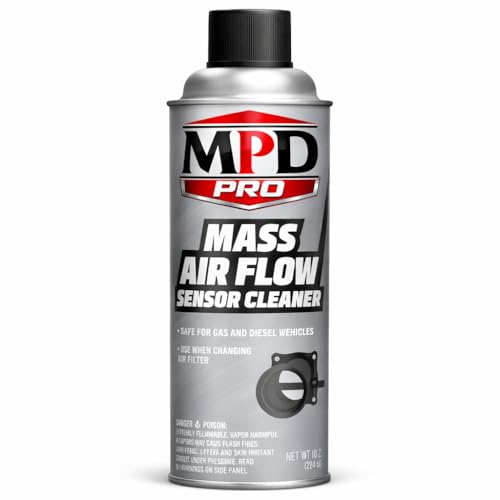
Remove the intake duct and inspect the throttle bore for heavy carbon. If the plate is dirty, cleaning it is often a first check before any parts replacement because idle airflow is controlled right there.
-
Inspect coils and plugs.
Check each coil connector for full seating, broken locks, oil contamination, and corrosion. If a cylinder-specific misfire code is present, swap direction should follow evidence, not guesswork; plug wear and coil heat failure often pair together. On some Ford electronic throttle systems, disconnecting a component can set codes or trigger failsafe behavior, so use scan data to confirm the result instead of relying on the unplug test alone.
-
Check purge and EGR clues.
After warm-up, listen for a purge hiss or a change in idle when the purge valve should be quiet. On vacuum-controlled EGR systems, a temporary disconnect can show whether the valve is hanging open. On electronically controlled EGR systems, use scan-tool commands and data rather than a simple disconnect test, because unplugging can mislead the result.
Say your Ford idles fine cold, then starts hunting after 15 minutes of city driving and a 10-minute stop. That pattern fits a temperature-dependent fault better than a cold-start issue, so the first pass should focus on purge, EGR, vacuum leaks that open hot, and heat-sensitive coil behavior.
A common first-timer mistake is replacing a coil because one cylinder feels weak at idle, then discovering the throttle body was heavily carboned and the misfire counter never pointed to that cylinder in the first place. A quick look at pattern and scan data can stop that kind of guess.
-
Unplug one suspect sensor.
If you have a scanner or the fault is already narrowed, disconnecting a single suspect at a time can help compare idle behavior. Do not unplug random parts one after another; change only one variable so the result means something, and remember that unplugging can set codes, trigger failsafe behavior, or skew results on modern Ford electronic throttle systems.
-
Cap or pinch carefully.
Where a vacuum line is easy to access, a temporary cap or gentle pinch can help isolate a leak. If idle improves immediately, that is a strong lead toward unmetered air rather than ignition or fuel delivery.
Why does my Ford rough idle get worse when warm?
Warm-only rough idle usually points to a part that changes as temperature rises. That includes a vacuum leak that opens with expansion, an ignition component that starts arcing when hot, or an EVAP or EGR fault that only appears after warm-up.
Heat-sensitive coil and plug faults
As coils and boots heat up, insulation can break down and misfire can start at idle first. That is why a Ford may run clean enough on the road, then stumble after a hot stop or a short restart. Plug wear can add to the same pattern by making ignition demand higher at low rpm.
Vacuum leaks that open as parts expand
Some leaks are small enough to seal when cold and open after the intake, hoses, or gasket material warms. That is a classic temperature-dependent fault and one reason warm-only idle complaints deserve a leak check even when no hose looks obviously split.
EVAP purge and EGR faults that show after warm-up
The EVAP purge cycle typically starts after the engine warms up, and an EGR valve may be commanded at certain warm operating conditions. If either one sticks in the wrong position, the rough idle may not appear until the engine is hot and in closed-loop operation.
Is it safe to drive with a rough idle?
It depends on severity, but a flashing Check Engine Light is critical and you should stop driving. A steady rough idle without stalling may be short-trip safe while you schedule service, but severe misfire, fuel smell, repeated stalling, or a stall in traffic should move the car off the road now.
When to stop driving now
Stop driving if the Check Engine Light flashes, the engine shakes hard enough to threaten a stall, raw fuel smell appears, or the idle cannot hold itself at a stop. Those signs can point to a misfire or fuel-control fault that risks catalyst damage and a no-start event.
When you can monitor and schedule service
If the idle is rough but stable, the vehicle still drives normally at speed, and there are no flashing lights or fuel odor, you can usually monitor briefly and arrange diagnosis soon. Keep trips short and avoid heavy loads until the cause is narrowed.
Frequently asked questions
Why does my ford focus idle rough?
A Ford Focus often rough idles for the same core reasons as other Fords, but symptom pattern matters more than the badge. Warm-only idle points to purge, EGR, heat-related vacuum leaks, or ignition parts that fail hot. If it is rough mainly in Drive, check throttle body condition and idle control first.
Why my car idle rough
A rough idle usually means the engine has a problem that shows most clearly at low RPM, where it has the least margin. Air leaks, dirty throttle parts, ignition misfire, purge faults, injector imbalance, and low fuel pressure are the main categories to sort before replacing parts.
Why would a car idle rough?
A car idles rough when air, fuel, spark, or idle control is not balanced closely enough at low speed. The same fault may be easy to miss on the road. On Ford vehicles, the fastest clue is whether the problem is warm-only, after fueling, or worse in Drive.
What causes a rough idle in a car
The common causes are vacuum leaks, dirty throttle bodies, worn spark plugs, weak ignition coils, fuel injector issues, MAF sensor faults, EVAP purge trouble, EGR problems, and unstable fuel pressure. The order changes by symptom pattern, so start with the condition that matches when the rough idle appears.
What causes a rough idle
A rough idle is usually caused by a leak, a misfire, or poor control of idle airflow and fueling. If the issue appears only warm, temperature-dependent faults move higher on the list. If it happens right after fueling, the purge valve becomes a stronger suspect than the plugs or coils.
What causes an engine to idle rough
An engine idles rough when combustion, air metering, or idle speed control cannot stay steady at low load. A Ford-specific approach starts by matching the symptom pattern to the system most likely to fail there. That is faster than guessing coils, injectors, or sensors one by one.
Why is my car running rough at idle in drive?
Rough idle in Drive but not Park usually means the engine is fine at a lighter load but struggles when the idle target drops under transmission load. Dirty throttle bodies, idle control problems, low fuel pressure, and vacuum leaks are common suspects. The brake on, A/C off test helps compare the behavior.
Why does my ford rough idle get worse when warm: warm-only rough idle points?
Warm-only rough idle points to parts that change with heat: vacuum leaks that open slightly, ignition components that arc when hot, or purge and EGR faults that appear after warm-up. That pattern is moderate urgency, and most causes are worth checking soon before parts are replaced at random.
Can a rough idle be caused by a vacuum leak?
Yes. A vacuum leak is one of the most common rough-idle causes because idle is where unmetered air matters most. On Fords, a leak can be subtle, warm-only, and hidden in a hose or gasket that expands with heat, so a careful hose and intake check is a smart first move.
Is it safe to drive with a rough idle: sometimes, but not?
Sometimes, but not if the Check Engine Light is flashing, the engine is stalling, or you smell fuel. A steady rough idle without those signs is usually a monitor-and-schedule situation. Even then, avoid long trips until the cause is narrowed, because misfire and fuel faults can worsen quickly.
Products related to this article
Sponsored / affiliate links. As an Amazon Associate I earn from qualifying purchases. I may earn additional commission from eligible campaigns.