Car Hesitates When Pressing the Accelerator: What to Check
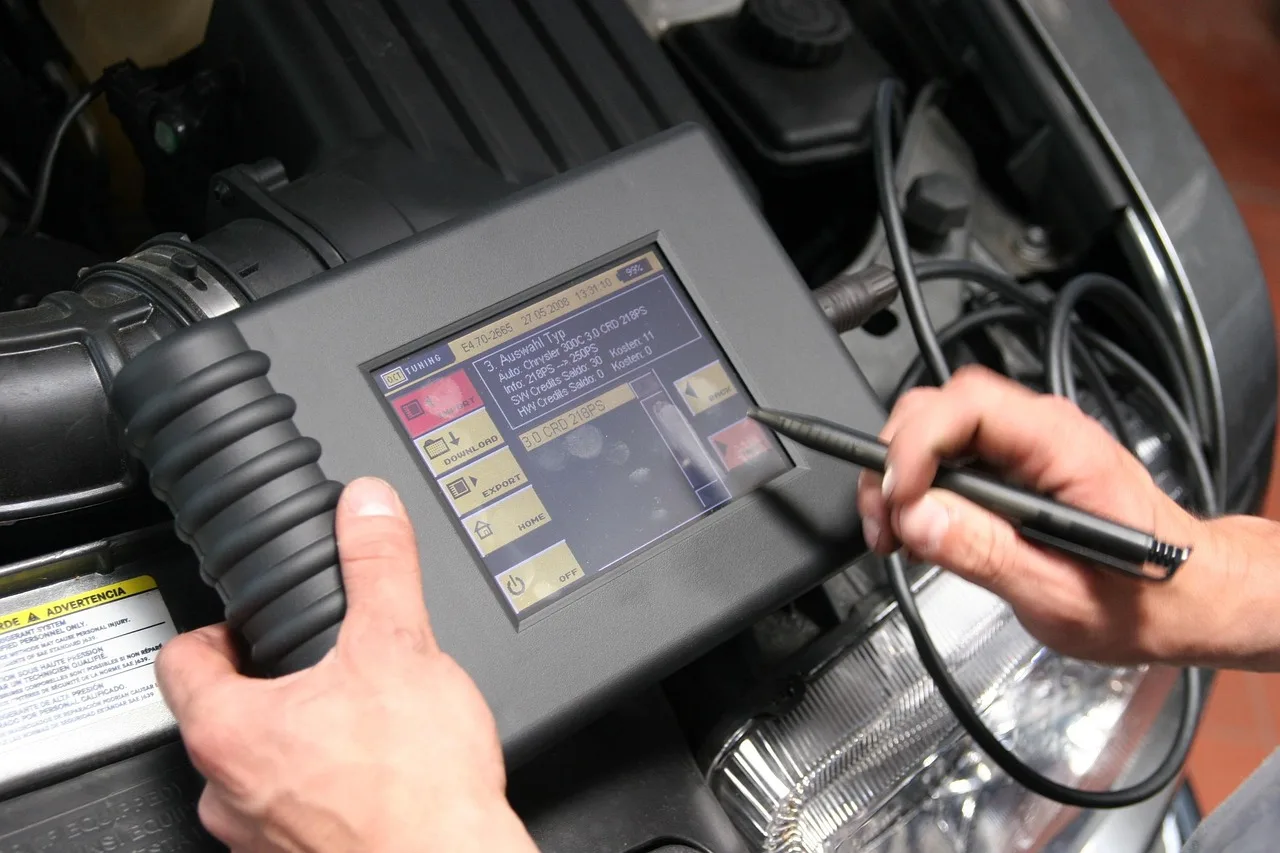
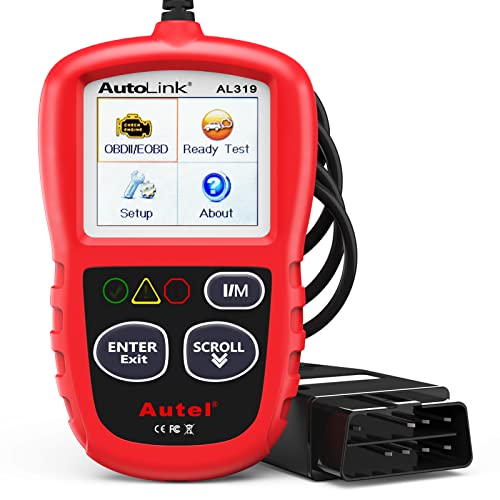
If your car hesitates when you press the accelerator, time the symptom first: hesitation at cold start may point to air, fuel, sensor, ignition, or enrichment faults, while hesitation only under load often points to ignition or fuel pressure issues. Before you replace parts, scan for OBD-II trouble codes and check freeze-frame data, because a misfire or fuel-trim clue can point you in the right direction. Ignore it long enough, and a small driveability problem can turn into stalling, poor fuel economy, and catalytic converter damage. This guide starts with the quickest checks, then matches each hesitation pattern to the most likely system before you replace parts.
Hesitation versus jerking versus stalling
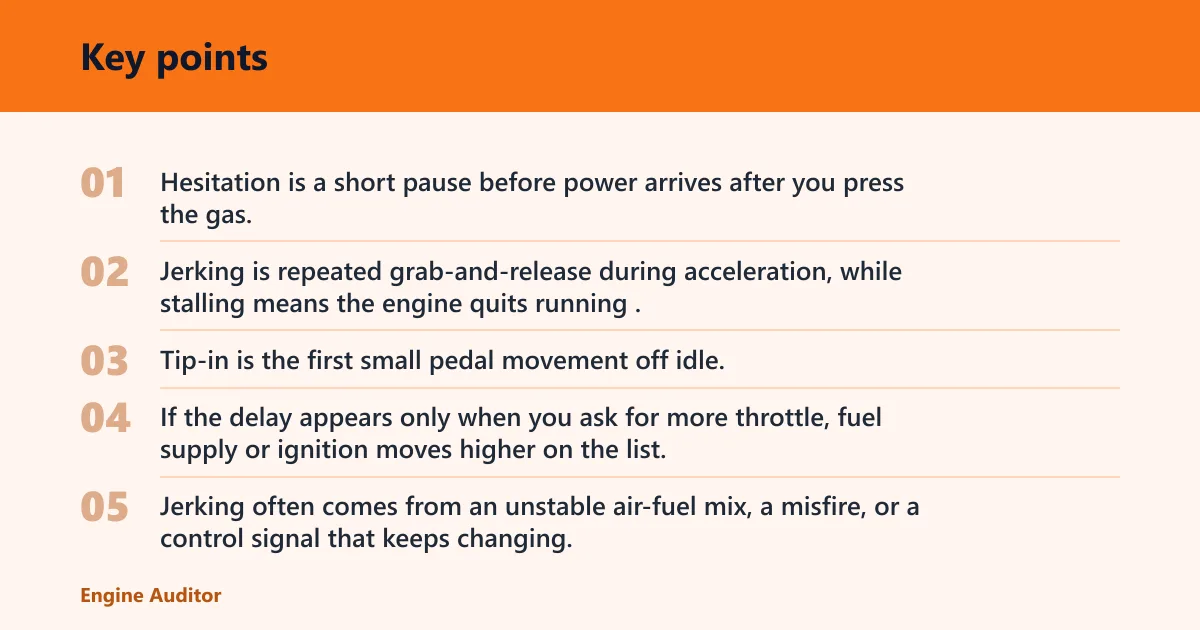


Hesitation is a short pause before power arrives after you press the gas. Jerking is repeated grab-and-release during acceleration, while stalling means the engine quits running. Those patterns do not point to the same fault, so timing matters more than the part name on the invoice.
What hesitation feels like during tip-in
Tip-in is the first small pedal movement off idle. If the engine pauses, then catches up cleanly, think air metering, throttle response, or a weak signal at the pedal or throttle body. If the delay appears only when you ask for more throttle, fuel supply or ignition moves higher on the list.
How jerking and stalling point to different faults
Jerking often comes from an unstable air-fuel mix, a misfire, or a control signal that keeps changing. Stalling means the system has fallen too far off target to keep running. A hesitation fault can lead to both, but the first clue should still be when it happens, not only how bad it feels.
Car hesitation diagnostic matrix
Use the timing of the symptom to narrow the system before you buy parts. Start with the fastest visual checks, then move to the next branch only if the fault stays put.
| Symptom timing | Likely cause | Quick test | Safe next step | Short cost tier |
|---|---|---|---|---|
| Cold start | Dirty throttle body carbon on the plate and bore | Look for a sticking throttle plate and rough idle right after startup | Clean the throttle body, then perform a relearn if the vehicle uses drive-by-wire | Low; about $5–$15 for cleaner spray |
| Warm engine | MAF contamination or vacuum leak | Check for rough airflow readings, cracked hoses, or loose clamps | Clean the MAF with dedicated MAF cleaner only; repair hose leaks | Low to medium; about $100–$300 if a MAF needs replacement |
| First tip-in | TPS fault or throttle response issue | See whether hesitation starts the moment the pedal moves from idle | Test pedal and throttle signal; replace or calibrate if readings are erratic | Medium |
| Hard acceleration | Fuel pump weakness or injector clogging | Note whether the car falls flat only when demand rises | Check fuel pressure and injector flow before replacing parts | Medium to high; one competitor lists fuel pump replacement from $60 to $800, injectors from $60 to $800 |
| After sitting | Fuel drain-back, vacuum leak opening, or weak delivery on restart | See whether the first drive after overnight parking is worse than later drives | Inspect for leaks, then evaluate fuel pressure hold and injector condition | Low to high, depending on the branch |
| Hot weather | Fuel delivery weakness or sensor drift made worse by heat | Compare symptoms on a hot day with a cooler restart | Prioritize fuel pressure, MAF signal, and connector inspection | Medium to high |
Why does my car hesitate when I press the gas?
Air-side restriction, fuel delivery weakness, ignition problems, and sensor or throttle control faults are the main branches. A hesitation that starts at the first pedal movement usually points to throttle response or sensor input. A hesitation that shows up only when the engine is asked to pull harder often points to fuel pressure, injector flow, ignition misfire, or a vacuum leak that opens under load.
Air-side causes
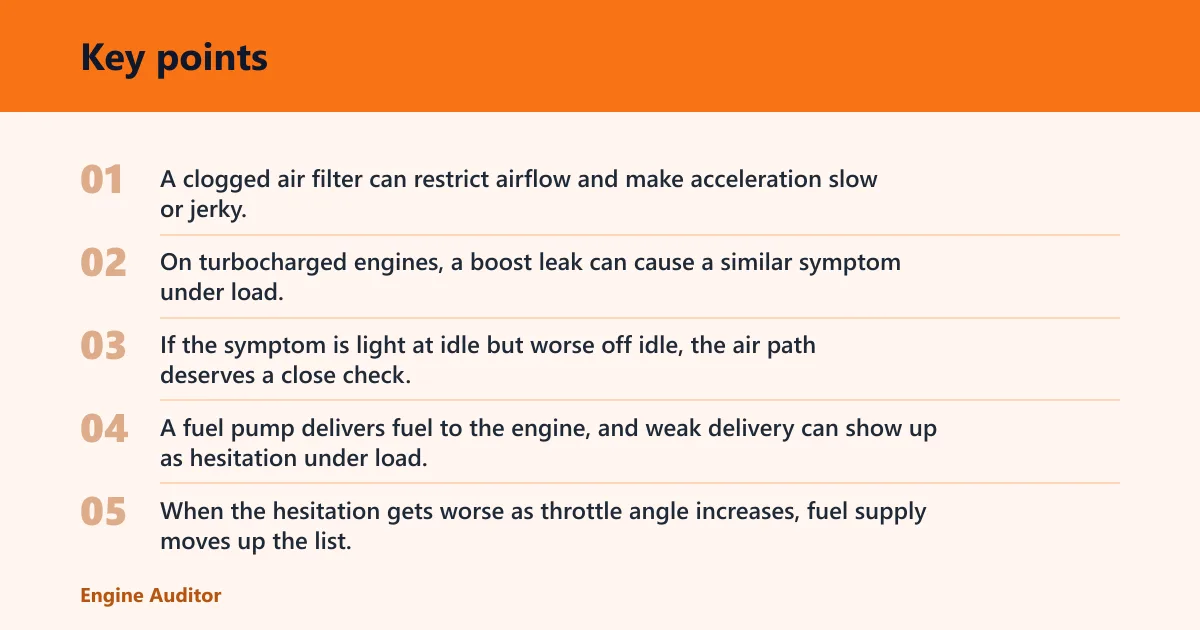
A clogged air filter can restrict airflow and make acceleration slow or jerky. A vacuum leak can come from holes and cracks in hoses, which disturb the air-fuel balance and can create hesitation along with jerks. On turbocharged engines, a boost leak can cause a similar symptom under load. If the symptom is light at idle but worse off idle, the air path deserves a close check.
Fuel-side causes
A fuel pump delivers fuel to the engine, and weak delivery can show up as hesitation under load. Fuel injectors spray fuel into the engine, so clogging can reduce flow and make the engine fall flat during demand changes. When the hesitation gets worse as throttle angle increases, fuel supply moves up the list.
Sensor and throttle control causes
The accelerator pedal sensor reports gas pedal position, while the throttle position sensor reports throttle plate position, so a bad signal can cause hesitation from a stop. The mass airflow sensor measures incoming airflow, and contamination can under-fuel acceleration transitions. A dirty throttle body is also a common cause of cold-start hesitation because carbon on the plate and bore can slow throttle movement, but coolant temperature, ignition, and fuel-enrichment issues can also cause the same symptom.
Check the simple air and vacuum causes first
Start with these checks because they are quick, visible, and often cheap. If the engine gets more air than the control system expects, or less air than it should, the hesitation can look like a fuel fault even when the root cause is on the intake side.
- Inspect the air filter. Open the air box and check for dirt packing, collapse, or a wet element. A clogged filter can restrict airflow enough to make acceleration feel slow or jerky, and replacement is often a low-cost first fix.
- Trace the intake hoses. Look for loose clamps, split rubber, and cracked plastic between the air box, MAF sensor, and throttle body. A vacuum leak can come from holes and cracks in hoses, and even a small opening can disturb the mixture under acceleration.
- Check for air noise. Listen for hissing near idle and light throttle. If the sound changes when you move a hose or twist a duct, that branch is more likely than a fuel pump problem.
- Repair the obvious leak. Tighten clamps or replace torn hoses; sealant tape is not a reliable repair for intake or vacuum hoses. Temporary sealing can help confirm the fault, but damaged hoses should still be replaced.
Say your car hesitates only on the first cold drive after an overnight park, then runs clean once warm. That pattern fits a sticky throttle plate, a small intake leak, a coolant-temp signal issue, or an enrichment problem better than a failing pump, because the symptom follows startup conditions instead of sustained load.
Is a dirty throttle body a common cause of hesitation?
Yes. A dirty throttle body is a common cause of cold-start hesitation, especially when carbon builds up on the throttle plate and bore. The plate can stick slightly, airflow can miss the target, and the engine may stumble right as you press the pedal.
Carbon buildup on the plate and bore
Carbon can form around the edge of the throttle plate and inside the bore where the plate rests. That buildup matters most at small openings, where a little drag changes airflow a lot. Cold engines are less forgiving, so the hesitation often shows up most clearly right after startup.
Throttle body cleaning and drive-by-wire relearn
Throttle body cleaning can cost about $5–$15 in cleaner spray. On some drive-by-wire vehicles, a throttle body relearn procedure may be needed after cleaning. Follow the vehicle-specific service information for the relearn procedure, because the wrong reset can fail to restore proper idle or throttle response.
- Remove intake access. Gain access to the throttle body without forcing the duct or connector. Check for heavy soot, sticky residue, or a plate that does not move freely.
- Clean the bore carefully. Use throttle body cleaner on a cloth or as directed on the can, then wipe the plate and bore until deposits are gone. Do not soak sensors or spray where the cleaner can reach fragile electronics.
- Perform relearn if needed. Follow the vehicle-specific relearn procedure in the service information after cleaning so the control module can reset idle and throttle targets.
Can a bad MAF sensor make a car hesitate?
Yes. The MAF sensor measures incoming airflow, and contamination can make the engine control module under-fuel acceleration transitions. The result often shows up as a flat spot or a stumble when you tip into the throttle, especially if the air meter is biased low.
What the MAF sensor measures
The sensor sits in the intake stream and reports how much air is entering the engine. If that signal is off, fueling is off too. An over-oiled aftermarket filter can contaminate the sensor, so a problem here is often tied to intake service or filtration changes.
Safe cleaning and when replacement makes more sense
Use dedicated MAF cleaner only. Do not use carburetor cleaner or brake cleaner. If cleaning does not restore normal response, replacement may make more sense; replacement may cost about $100–$300.
- Unplug and remove it. Disconnect the sensor carefully and remove it from the intake tract. Handle it gently, because the sensing element is delicate.
- Spray the element lightly. Use dedicated MAF cleaner only, then let the sensor dry fully before reinstalling it. Other solvents can leave residue or damage the sensing element.
- Evaluate the result. If hesitation stays after cleaning and the intake has no leak, the sensor may need replacement. That is especially true if the symptom remains tied to light throttle transitions.
What causes hesitation when accelerating from a stop?
Hesitation from a stop often points to throttle response, pedal signal, low fuel delivery, or ignition misfire right as the load comes on. The accelerator pedal sensor can cause a bad signal at first pedal movement, while a weak fuel pump, clogged injectors, worn spark plugs, weak coils, or a misfire can make the engine fall behind as soon as the car tries to move.
Throttle position sensor faults
The throttle position sensor reports throttle plate position to the control system. If it misreports the first part of pedal travel, the engine may hesitate before the throttle opens correctly. In many cases, calibration or replacement affects throttle response more than cleaning does, because an electrical fault is not a deposit problem.
Fuel pump weakness and injector clogging
A fuel pump that cannot maintain delivery under demand often shows up during launch or hill climbing. Fuel injectors can also clog, and that reduces fuel flow enough to create hesitation. Cleaning may solve mild blockage, but deeper clogging or worn components call for replacement.
If the car hesitates only when the accelerator is pressed hard, fuel supply or ignition becomes more likely than an air leak. If it hesitates right from the first inch of pedal travel, sensor input or throttle control moves ahead of pump diagnosis. That timing split saves parts from being replaced in the wrong order.
Suppose a car is fine at steady speed but stumbles every time the driver pulls away from a stop sign. That pattern fits a TPS fault, a low-flow fuel problem, or an ignition misfire better than an air filter, because the failure appears at the first request for movement rather than after speed builds.
Frequently asked questions
Does a vacuum leak cause hesitation under acceleration?
Yes. A vacuum leak from holes and cracks in hoses on a naturally aspirated engine, or a boost leak on a turbocharged engine, can disturb the air-fuel balance and cause hesitation or jerks, especially when the engine moves from idle to load. Loose clamps are worth checking first because they are quick to inspect and sometimes quick to fix.
What should I do if the hesitation gets worse in hot weather?
Hot-weather worsening often points to a weak fuel pump, a marginal sensor, an ignition fault, or a connector problem that changes with heat. If the symptom becomes more severe as temperatures rise, inspect fuel delivery, the MAF signal, and wiring connections before longer drives. If the car starts stalling, stop driving and inspect it safely.
Products related to this article
Sponsored / affiliate links. As an Amazon Associate I earn from qualifying purchases. I may earn additional commission from eligible campaigns.