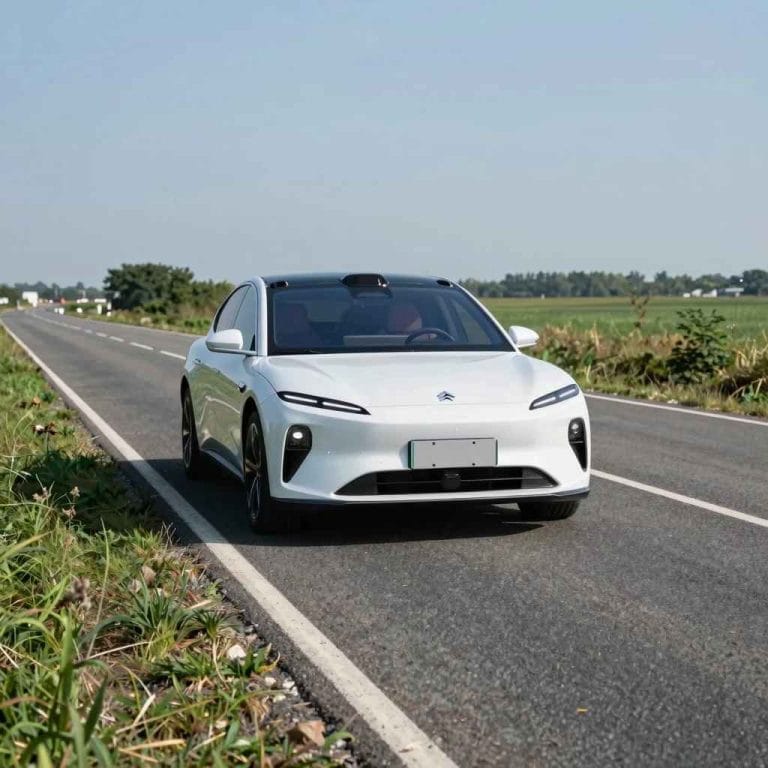
What is the Difference Between Petrol and Electric Cars?
Petrol cars have been the heart of personal travel for over a century. Today, electric cars are changing the way we think about vehicles, energy, and the environment. People often ask, “What is the real difference between petrol and electric cars?
” The answer is not just about fuel type. It’s about how these cars work, their impact on the world, and what they mean for drivers.
Understanding the differences can help you decide which type fits your needs, budget, and values. This guide will explain everything you need to know—how petrol and electric cars operate, how they compare in cost, performance, convenience, and even their effect on the planet.
If you are considering buying a car, or just curious about new technology, read on to discover the real story behind petrol and electric cars.
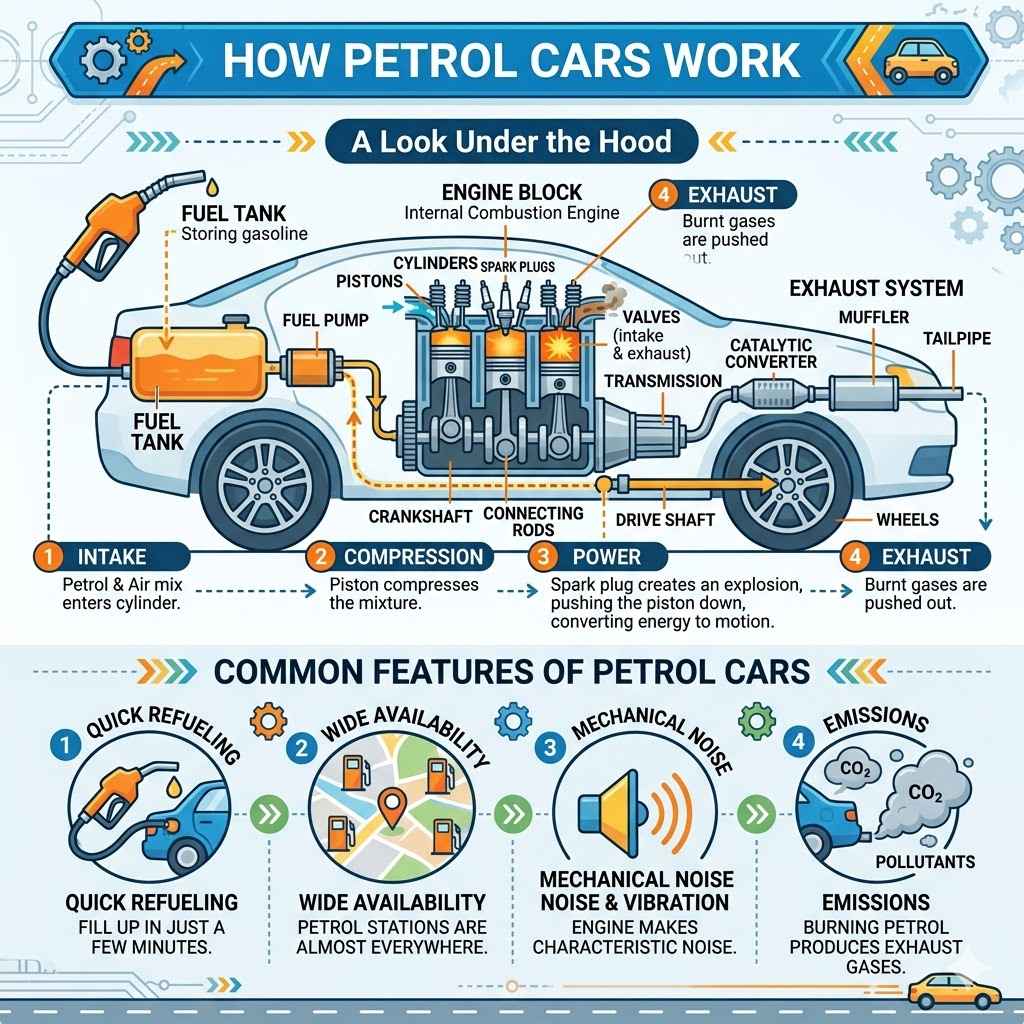
How Petrol Cars Work
Petrol cars, also known as gasoline cars, have a long history. Most people are familiar with how they sound and feel. But what is happening under the hood?
A petrol car uses an internal combustion engine. This engine burns petrol (gasoline) mixed with air. The burning fuel creates small explosions that push pistons. These pistons turn the car’s wheels. It’s a complex process with many moving parts—spark plugs, valves, exhaust systems, and more.
You refuel a petrol car by filling its tank at a petrol station. The fuel is stored in the tank and sent to the engine as needed. Petrol cars can usually drive for 400-700 km on a full tank, depending on the model.
Common Features Of Petrol Cars
- Quick refueling: Fill up in just a few minutes.
- Wide availability: Petrol stations are almost everywhere.
- Mechanical noise and vibration: The engine makes noise, which some people like and others don’t.
- Emissions: Burning petrol produces exhaust gases, including carbon dioxide (CO₂) and other pollutants.
How Electric Cars Work
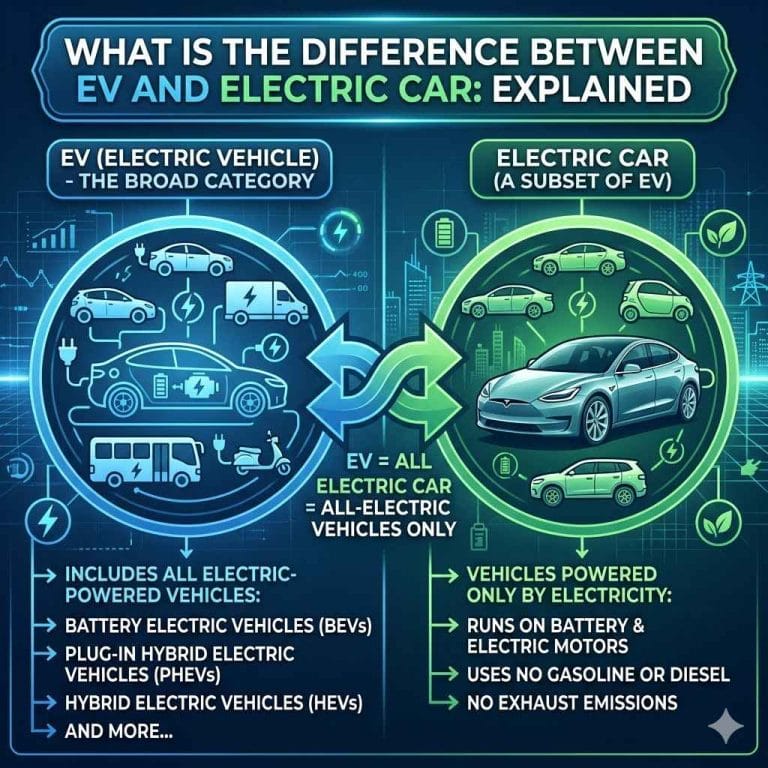
Electric cars use a very different system. Instead of burning petrol, they use electric motors powered by large batteries. These batteries store electricity, which comes from being plugged into a charger.
When you push the accelerator, electricity flows from the battery to the motor. The motor spins the wheels—smooth and quiet. There is no combustion, so there is no tailpipe exhaust.
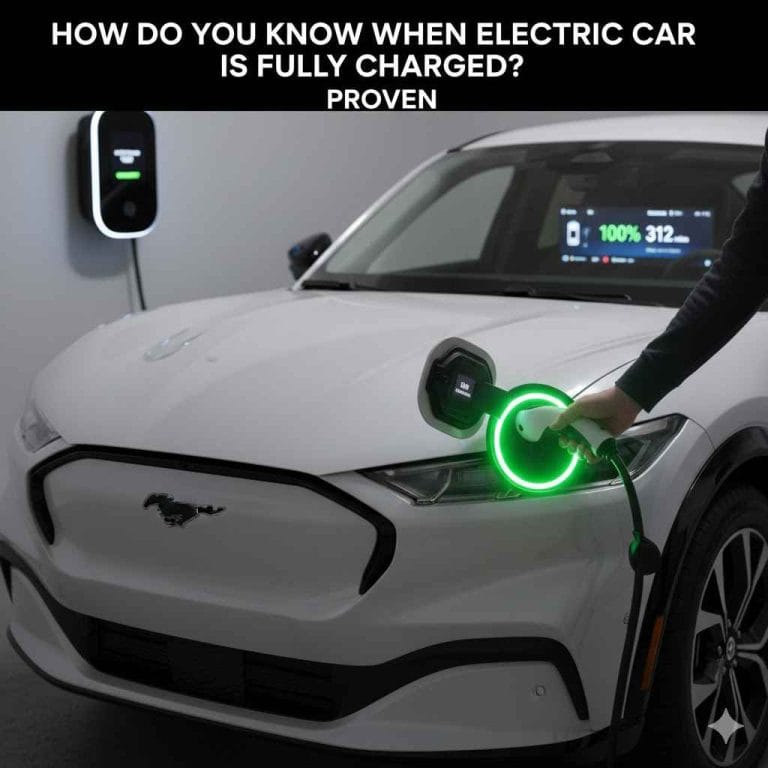
Charging an electric car can take from 30 minutes (with a fast charger) to several hours (with a home charger). Most electric cars can travel 200-500 km on a full charge, depending on the battery size and driving conditions.
Key Features Of Electric Cars
- Quiet operation: Almost silent when running.
- Instant torque: Quick acceleration from a standstill.
- No tailpipe emissions: Cleaner for the air in cities.
- Charging infrastructure: You need access to a charging point, which may not be as common as petrol stations yet.
Main Differences At A Glance
Here is a simple comparison of petrol and electric cars:
| Feature | Petrol Car | Electric Car |
|---|---|---|
| Power Source | Petrol (gasoline) | Electricity (battery) |
| Engine Type | Internal combustion | Electric motor |
| Refueling/Charging Time | 3–5 minutes | 30 minutes–12 hours |
| Emissions | CO₂, NOx, particulates | None (at car level) |
| Noise | Loud | Quiet |
| Maintenance | High (many moving parts) | Low (fewer moving parts) |
Purchase Price And Running Costs
Money matters for most drivers. Petrol and electric cars differ in both purchase price and daily running costs.
Purchase Price
Electric cars are usually more expensive to buy. The main reason is the cost of the battery. For example, a new electric car may cost 10–30% more than a similar petrol car. However, prices are getting closer as battery technology improves.
Some governments offer subsidies or tax incentives for buying electric cars, which can reduce the price difference. In some countries, you may save thousands.
Fuel And Energy Costs
Petrol is often more expensive per kilometer than electricity. For example, if petrol costs $1. 50 per liter and you drive 100 km, you might spend $10–$15. For an electric car, charging for 100 km can cost as little as $2–$5, depending on local electricity prices.
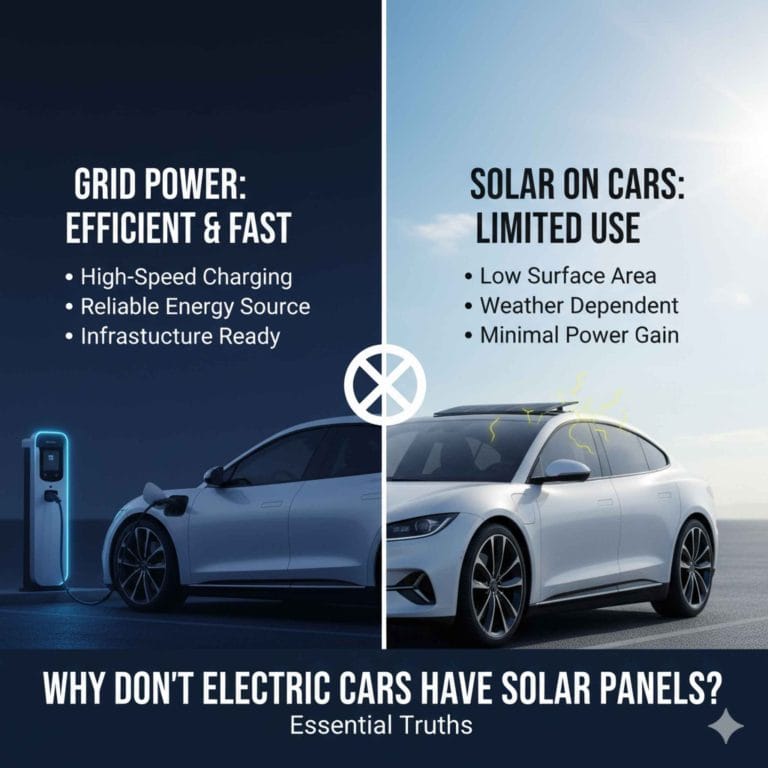
One non-obvious insight: Charging at home is usually cheaper than using public fast chargers. Some owners also use solar panels to charge their cars for free during the day.
Maintenance Costs
Petrol engines have hundreds of moving parts—belts, gears, exhausts, fluids. Electric cars are much simpler. They have fewer parts that can break or wear out. This means maintenance is usually cheaper for electric cars.
For example, electric cars don’t need oil changes or exhaust repairs. But you may need to replace the battery after 8–15 years, which can be expensive. Battery prices are falling, so this may not be a big issue in the future.
Performance And Driving Experience
People often ask: “Are electric cars fun to drive?” The answer might surprise you.
Acceleration And Power
Electric motors deliver instant torque. This means the car accelerates quickly and smoothly when you press the pedal. Many electric cars are faster from 0–60 km/h than petrol cars of similar size and price. For example, the Tesla Model 3 can reach 100 km/h in about 5 seconds, faster than many petrol cars.
Petrol cars, especially sports models, can have strong acceleration too, but they often need higher engine speeds to reach full power.
Noise And Comfort
Petrol cars make engine noise, which some drivers enjoy. Others find it tiring, especially on long trips. Electric cars are much quieter. This makes city driving and traffic jams less stressful.
One overlooked difference: Because electric cars are so quiet, pedestrians may not hear them coming. Many countries now require electric cars to make artificial sounds at low speeds for safety.
Handling And Weight
Electric cars are usually heavier because of their batteries. This can make them feel more stable, but sometimes less agile in sharp corners. Manufacturers are improving battery placement to balance the car’s weight.
Petrol cars are lighter and can be more responsive on twisty roads, especially in sports models.
Range And Convenience
Range anxiety—worrying about running out of charge—is a common concern with electric cars. But how do the two types compare?
Driving Range
Petrol cars usually have a longer range per tank, often 500–700 km, depending on the model and driving style. You can quickly refill and continue your journey.
Electric cars have a range of 200–500 km on a full charge. Some premium models go further, but most affordable electric cars are in the lower end of this range.
Refueling And Charging
Petrol refueling is fast—just a few minutes. Petrol stations are found everywhere, even in remote areas.
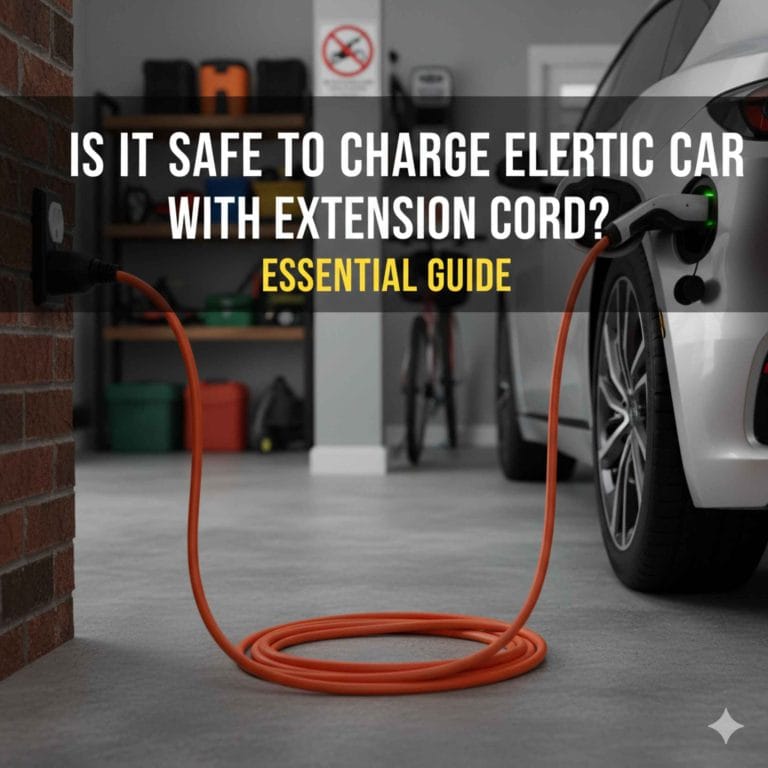
Charging an electric car takes longer. Home charging is slow (6–12 hours), but convenient if you have a driveway or garage. Public fast chargers can add 100–200 km of range in 20–40 minutes, but stations may not be as common in rural areas.
A key insight: Most electric car owners charge at home overnight. They start each day with a full “tank,” so they rarely need public chargers except for long trips.
Road Trips And Planning
Long road trips are easier with petrol cars, since you can refuel quickly and stations are everywhere. With electric cars, you need to plan your route to find charging stations.
Some modern electric cars have navigation systems that show charger locations and plan stops for you. But in regions with few chargers, longer trips may be less convenient.
Environmental Impact
The environment is a big reason people choose electric cars. But is the story so simple?
Emissions
Petrol cars emit CO₂, nitrogen oxides, and other pollutants from their tailpipes. This contributes to air pollution and climate change.
Electric cars have zero tailpipe emissions. This makes city air cleaner. However, the electricity used to charge them may come from coal, gas, or renewable sources. If your electricity is mostly green, electric cars are much cleaner overall.
Manufacturing Impact
Making electric car batteries uses more energy and materials than building a petrol engine. This creates higher emissions during production. But over time, electric cars usually produce less total pollution, especially if driven for many years.
One less-known fact: Recycling of old batteries is improving. This will reduce the environmental cost of battery production in the future.
Noise Pollution
Electric cars produce less noise, especially at low speeds. This reduces noise pollution in cities, making streets quieter and more pleasant.
Maintenance And Reliability
How often will your car need repairs? This is a common worry for car buyers.
Petrol Cars
Petrol cars need regular maintenance:
- Oil changes every 5,000–10,000 km
- Replacement of spark plugs, air and fuel filters
- Exhaust system checks
- Timing belt or chain replacement
- Transmission and clutch service
Repairs can be costly, especially as the car gets older. More moving parts mean more things that can go wrong.
Electric Cars
Electric cars need less maintenance:
- No oil changes, spark plugs, or exhaust
- Fewer fluids (just brake fluid and coolant for some models)
- Simple transmission (often just a single gear)
- Brake wear is lower, thanks to regenerative braking (the motor helps slow the car, saving the brakes)
A non-obvious insight: Many electric car owners report going years with only tire changes and occasional brake service.
Infrastructure And Availability
The choice between petrol and electric cars often depends on where you live.
Petrol Infrastructure
Petrol stations are everywhere. Mechanics understand petrol engines well. Spare parts are easy to find. You can buy petrol cars in almost every country and city.
Electric Car Infrastructure
Charging stations are growing fast, but coverage varies by region. In big cities and wealthier countries, you may find chargers at supermarkets, parking lots, and highways. In small towns or rural areas, chargers can be rare.
Some workplaces and apartment buildings offer charging. However, if you live in an apartment with no private parking, charging at home may be difficult.
Model Availability
There are more petrol car models to choose from—compact cars, SUVs, sports cars, trucks. Electric cars have fewer options, but this is changing as more companies launch new models.
Government Policies And Incentives
Governments influence car choices through taxes, subsidies, and regulations.
Taxes And Fees
Many countries add extra taxes to petrol cars, especially high-emission models. Electric cars may get tax discounts, lower registration fees, or even free parking.
Purchase Incentives
You may get a cash rebate, tax credit, or free charging for buying an electric car. For example, in Norway, electric cars avoid import taxes and road tolls, making them cheaper than petrol cars.
Emission Rules
Cities like London and Paris restrict petrol and diesel cars in city centers. Electric cars may be allowed anywhere. Some governments have announced bans on new petrol car sales after 2030 or 2035.
For a global overview of electric car policies, see the Wikipedia: Electric car use by country.
Resale Value And Depreciation
How Much Is Your Car Worth After A Few Years?
Petrol Cars
Petrol cars lose value as they age, especially after 5–7 years. However, their resale market is strong, since most people are familiar with them.
Electric Cars
Electric cars used to lose value quickly, mostly due to fears about battery life. Today, battery technology is more reliable. In some places, used electric car prices are rising as demand grows. However, resale value depends on the model, battery condition, and local incentives.
A tip: If you buy a used electric car, check the battery warranty and remaining capacity.
Safety
Safety is critical for any vehicle.
Crash Protection
Both petrol and electric cars must pass strict safety tests. Modern electric cars often score very high in crash tests, thanks to their strong battery structures and low center of gravity.
Fire Risk
Some people worry about battery fires in electric cars. In reality, fires are rare for both petrol and electric cars. Petrol is flammable, and battery packs have safety systems to prevent overheating.
Emergency Services
Rescue teams are trained to handle both petrol and electric car accidents. Electric cars have special cut-off switches to make rescue safer.
Practical Examples
Let’s look at two popular models for a side-by-side comparison:
| Feature | Toyota Corolla (Petrol) | Tesla Model 3 (Electric) |
|---|---|---|
| Price (USD) | ~$22,000 | ~$40,000 |
| Range per Fill/Charge | 650 km | 400–500 km |
| Fuel/Energy Cost (100 km) | $10–$12 | $3–$5 |
| Maintenance Cost (5 years) | $3,000–$5,000 | $1,000–$2,000 |
| CO₂ Emissions | 140 g/km | 0 (at car) |
| Acceleration (0–100 km/h) | 8.5 sec | 5.3 sec |
These numbers show the main differences in real life.
Myths And Common Misunderstandings
Let’s clear up a few myths:
1. “electric Cars Are Slow.”
Not true—many are faster than petrol cars in everyday driving.
2. “batteries Don’t Last.”
Modern batteries often last 8–15 years. Most car makers give long battery warranties.
- “Electric cars are not green if electricity comes from coal.”
Even in coal-heavy grids, electric cars are usually cleaner than petrol cars over their lifetime.
4. “charging Is Always Slow.”
Home charging is slow but convenient. Fast chargers are becoming more common for quick top-ups.
5. “electric Cars Are Too Expensive For Everyone.”
Prices are falling, and used electric cars are now affordable for many families.
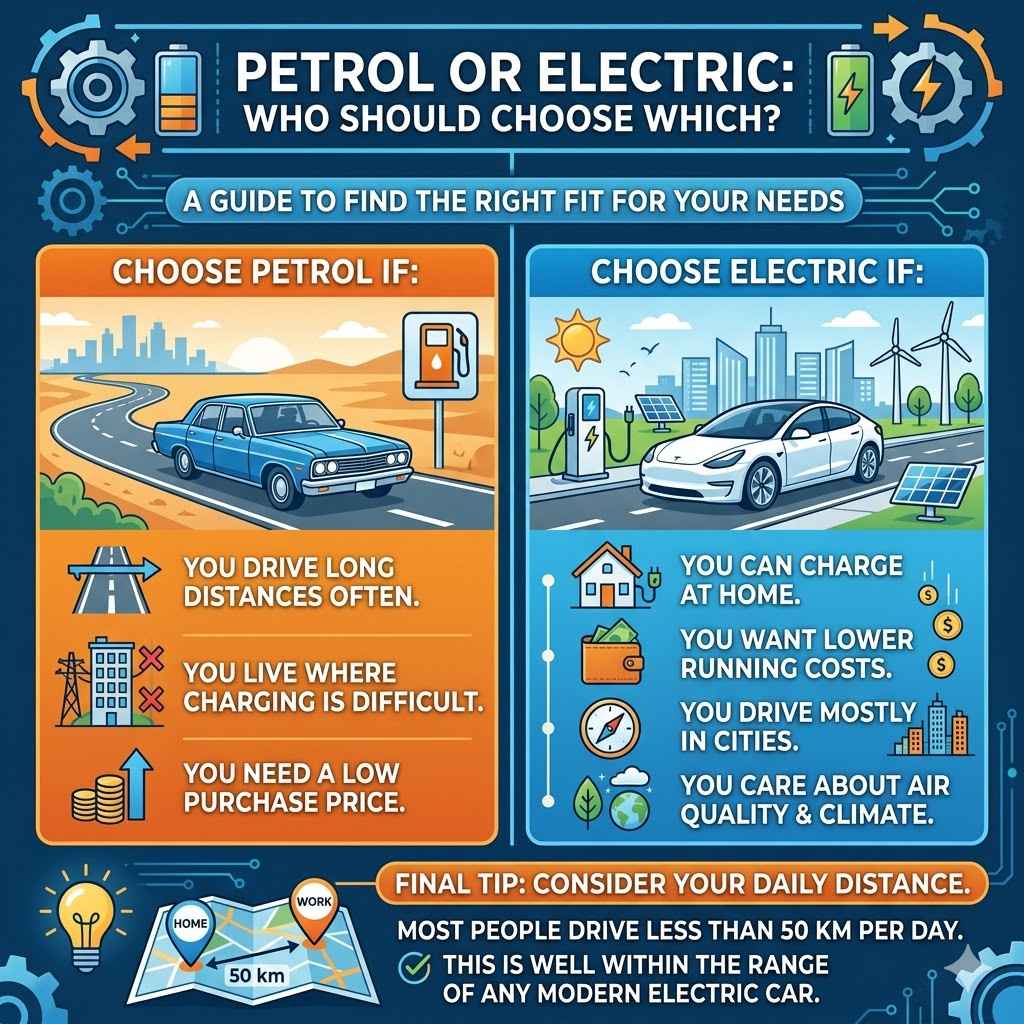
Who Should Choose Which?
Deciding between petrol and electric depends on your needs:
- Choose petrol if:
You drive long distances often, live where charging is difficult, or need a low purchase price.
- Choose electric if:
You can charge at home, want lower running costs, drive mostly in cities, or care about air quality and climate.
One final tip: Consider your typical daily distance. Most people drive less than 50 km per day—well within the range of any modern electric car.
Frequently Asked Questions
What Happens If An Electric Car Runs Out Of Battery?
If your electric car’s battery is empty, it will stop—just like a petrol car with an empty tank. You will need to call for roadside assistance or find a mobile charger. Some navigation systems warn you before the battery gets too low.
Are Electric Cars Really Better For The Environment?
Yes, especially if your electricity comes from renewable sources. Electric cars have zero tailpipe emissions and less total pollution over their lifetime, even with battery production considered.
How Long Does It Take To Charge An Electric Car?
Charging time depends on the charger type and battery size. Home charging can take 6–12 hours. Fast chargers can give you 100–200 km of range in 20–40 minutes.
Is It Safe To Drive Or Charge Electric Cars In The Rain?
Yes. Electric cars are designed to be safe in all weather. The charging system is waterproof and has safety features to prevent shocks or short circuits.
Do Electric Cars Need Special Maintenance?
They need less maintenance than petrol cars. You still need to check tires, brakes, and fluids, but there are fewer parts to service. The battery may need attention after many years.
Petrol and electric cars each have strengths. Understanding the true differences will help you choose the right vehicle for your life, your wallet, and the world. The future of driving is changing—now you know what sets these cars apart.