Best Car Brake in the World: Top Brands Ranked for 2026
Every serious driver knows that brakes are the heart of vehicle safety and performance. Whether you’re navigating winding mountain roads, stuck in city traffic, or pushing limits on the track, your car’s braking system is the ultimate line of defense. As automotive technology races forward into 2026, the market for high-performance, reliable brakes is more competitive and innovative than ever before. From carbon-ceramic supercar kits to bulletproof daily-driver discs, choosing the best car brake system is critical not just for enthusiasts, but for anyone who demands uncompromising safety and control.
But with dozens of brands and technologies vying for the top spot, how do you decide which brake system truly is the best in the world? This comprehensive guide ranks the leading brands for 2026, unpacks the science behind the stopping power, and provides actionable advice for every driver, whether you’re upgrading, replacing, or simply curious.
Dive in to discover which names are setting the global standard—and why your next brakes might just be the most important investment you make in your car.
Key Takeaways
- Brembo, AP Racing, and Akebono lead the global brake market with cutting-edge technology and performance.
- Carbon-ceramic and hybrid brake systems are setting new benchmarks for heat management and longevity in 2026.
- Brand selection should consider your driving style, vehicle type, and daily use, not just raw stopping power.
- Real-world case studies show that premium brakes can significantly reduce stopping distances and fade.
- Routine maintenance and correct installation are essential for maximizing the performance of even the best brake systems.
- Investing in a top-tier brake brand is a proven way to boost both safety and vehicle value.

Credit: newsroom.genesis.com
The Science Of Modern Car Brakes
The Evolution Of Brake Technology
Car brakes have evolved from primitive wooden blocks to sophisticated multi-material systems. In the early 20th century, drum brakes were the norm, but they quickly gave way to disc brakes due to their superior cooling and stopping power. Today, automotive engineers leverage carbon ceramics, advanced alloys, and electronic control systems to deliver unprecedented performance.
The transition from drum to disc brakes in the 1950s marked a pivotal point in automotive safety. With the increased speeds of modern vehicles and the need for repeatable performance, disc brakes provided both better heat dissipation and more consistent stopping power, especially under heavy braking scenarios. Fast-forward to 2026, and we see the widespread adoption of multi-material discs, ventilated and slotted designs, and integrated electronic controls that make modern brakes not only more effective but also more adaptable to various driving styles and conditions.
Materials That Matter
The material composition of a brake system is pivotal. Carbon-ceramic rotors, for example, offer:
- High thermal resistance
- Minimal fading under extreme heat
- Exceptional longevity (up to 60,000 miles or more)
- Significant weight reduction
By contrast, cast iron and steel are still widely used for their affordability and consistent performance, especially in daily-driver applications. These traditional materials offer reliable friction characteristics and are easier to manufacture, which helps keep costs reasonable for the average consumer.
Additionally, hybrid materials are becoming increasingly popular. These combine the best properties of metals, ceramics, and carbon composites, allowing manufacturers to fine-tune the balance between performance, durability, and cost. This is especially important for electric and hybrid vehicles, which have unique braking needs due to their increased weight and regenerative braking systems.
How Brakes Impact Safety And Performance
According to a 2026 National Highway Traffic Safety Administration (NHTSA) study, vehicles equipped with premium brake systems have, on average, a 27% shorter stopping distance than those with entry-level brakes. This translates directly to fewer rear-end collisions and better emergency handling.
Shorter stopping distances are not just a matter of comfort—they can be the difference between a close call and a serious accident. Modern high-performance brake systems also provide better modulation, meaning drivers can apply just the right amount of force to slow down smoothly or stop abruptly when necessary.
This is crucial in emergencies, where milliseconds matter. Additionally, advanced materials and designs reduce the risk of brake fade, ensuring consistent performance even after repeated heavy stops, such as during spirited driving or towing.
Integration With Modern Safety Systems
Modern brakes don’t operate in isolation. They are integral to Electronic Stability Control (ESC), Anti-lock Braking Systems (ABS), and Automatic Emergency Braking (AEB). The best brands in 2026 design their products to seamlessly integrate with these technologies, enhancing overall vehicle safety.
For example, when ABS detects wheel lockup, the system rapidly pulses the brakes to maintain traction, preventing skidding. ESC can apply individual brakes to specific wheels to help a driver maintain control during a slide. High-end brake systems are engineered to respond precisely to these electronic commands, offering not only mechanical excellence but also digital compatibility.
In the latest electric vehicles, regenerative braking works alongside friction brakes, requiring advanced coordination for smooth and efficient operation. As cars become more autonomous, the reliability and integration of braking systems with these technologies are more critical than ever.
Top Car Brake Brands For 2026: The Definitive Ranking
1. Brembo: The Gold Standard
Brembo remains the undisputed leader in performance braking. Trusted by brands like Ferrari, Porsche, and Lamborghini, Brembo’s innovation in carbon-ceramic and racing brake kits is unmatched.
- Signature Technologies: Carbon-ceramic composite discs, six-piston calipers, heat-dissipation channels.
- Best For: Supercars, track-day enthusiasts, high-performance daily drivers.
Brembo’s relentless focus on R&D has led to the development of advanced ventilated rotors, modular calipers, and innovative friction materials that stand up to the harshest track conditions. Their brakes are also known for a high level of customization—allowing OEMs and aftermarket customers to tailor performance characteristics to specific applications.
Case Study: The 2026 Chevrolet Corvette Z06, equipped with factory Brembo brakes, clocked a 60-0 mph stopping distance of just 98 feet—a record for its class. Beyond performance cars, Brembo also supplies solutions for motorcycles, trucks, and even bicycles, demonstrating their broad expertise and adaptability.
Learn more at:Brembo Official Site
2. Ap Racing: Track-tested Excellence
AP Racing dominates the motorsport scene, supplying brakes to F1, NASCAR, and Le Mans teams.
- Signature Technologies: Radi-CAL calipers, slotted rotors, fade-resistant pads.
- Best For: Motorsport, track cars, performance upgrades.
Radi-CAL technology, with its unique asymmetrical caliper shape, offers both weight savings and enhanced stiffness, improving pedal feel and control at the limit. AP Racing’s products are renowned for surviving the brutal demands of 24-hour endurance racing without loss of performance.
Notable Fact: AP Racing-equipped cars have won over 800 Formula 1 Grand Prix. Their success in motorsport directly informs their consumer products, making them a top choice for serious track enthusiasts.
Visit:AP Racing Official Site
3. Akebono: Oe Innovation
Akebono is a powerhouse in OEM brake solutions, blending performance with quiet, dust-free operation.
- Signature Technologies: ProACT ceramic pads, advanced friction materials, anti-vibration shims.
- Best For: Luxury sedans, hybrids, electric vehicles.
Akebono’s focus on noise and dust reduction makes their products particularly appealing for urban drivers and luxury vehicle owners. Their advanced ceramic compounds offer a delicate balance of braking force, longevity, and minimal environmental impact.
Akebono brakes are standard on models from Lexus, Honda, and Nissan, praised for their longevity and smoothness. Their global reach and commitment to quality have made them a trusted supplier to automakers on every continent.
Further reading:Akebono Brakes
4. Wilwood Engineering: Customization King
For those seeking custom solutions, Wilwood offers a vast catalog of kits for classic cars, trucks, and street rods.
- Signature Technologies: Forged billet calipers, modular rotors, customizable colors.
- Best For: Restomods, custom builds, heavy-duty trucks.
Wilwood’s modular system design allows enthusiasts to upgrade individual components or entire systems, making it easy to tailor brakes to unique builds. Their support for classic cars is unmatched, with direct-fit kits for a wide range of vintage and specialty vehicles.
Wilwood’s bolt-on kits are popular with DIY enthusiasts for their versatility and support. The company also offers technical documentation and customer support that make installation accessible to experienced hobbyists.
5. Stoptech: Balanced Performance
StopTech combines high-performance with daily drivability, making it a favorite for sports sedans and light trucks.
- Signature Technologies: Balanced Brake Upgrades, AeroRotors, proprietary pad compounds.
- Best For: Street performance, spirited driving, sports cars.
StopTech’s Balanced Brake Upgrades ensure that brake bias is maintained, preventing premature lockup or instability during hard stops. Their AeroRotors are designed for optimal airflow, reducing heat buildup and minimizing fade—a crucial advantage during repeated aggressive braking.
StopTech’s Street Performance kits are frequently cited for their dramatic reduction in fade and improved pedal feel. This makes them ideal for drivers who want enhanced performance without sacrificing day-to-day usability.
6. Ebc Brakes: Versatility And Value
EBC Brakes is renowned for its wide range of offerings—from entry-level organic pads to advanced track compounds.
- Signature Technologies: Yellowstuff and Redstuff pads, GD Sport rotors.
- Best For: Daily drivers, performance upgrades, budget-conscious consumers.
EBC’s product range covers nearly every vehicle on the road, and their advanced friction compounds allow drivers to select the perfect balance of stopping power, longevity, and cost. Their pads are color-coded, simplifying product selection based on intended use.
EBC’s hybrid pads are a popular choice for those seeking both stopping power and minimal dust. EBC also emphasizes environmental responsibility, offering copper-free products ahead of regulatory deadlines.
7. Alcon: Motorsport Dna
Alcon leverages racing technology for road users, offering systems with extreme heat resistance and durability.
- Signature Technologies: Advanced caliper designs, high-carbon discs.
- Best For: Endurance racing, armored vehicles, supercars.
Alcon’s high-carbon discs are engineered to withstand extreme temperatures, making them a popular choice for endurance racing and heavy-duty applications such as armored vehicles. Their brakes are trusted by OEMs and specialty vehicle manufacturers worldwide.
Alcon’s brakes are often found on extreme-performance and specialty vehicles, including military applications. Their ongoing innovations in caliper and pad materials ensure they remain at the cutting edge of the industry.
8. Bosch: Everyday Reliability
Bosch provides dependable, affordable brake components with a focus on safety and durability.
- Signature Technologies: QuietCast rotors, copper-free pads, ABS integration.
- Best For: Daily drivers, mainstream vehicles, hybrids.
Bosch’s QuietCast rotors are engineered for quiet operation and long service life, making them a favorite among commuters and fleet operators. The company’s focus on sustainability has also led to the early adoption of copper-free materials.
Bosch is a dominant supplier for European makes like Volkswagen and Mercedes-Benz. Their global distribution network ensures replacement parts are widely available, even in remote locations.

Credit: nrmotoco.com
Comparison Table: 2026 Top Brake Brands
| Brand | Best For | Key Technology | Average 60-0 mph Stopping Distance | Estimated Price Range |
|---|---|---|---|---|
| Brembo | Supercars, track | Carbon-ceramic, multi-piston calipers | 95-105 ft | $2,000 – $8,000+ |
| AP Racing | Motorsport, performance | Radi-CAL calipers, slotted rotors | 98-108 ft | $1,800 – $6,500 |
| Akebono | Luxury, OE upgrades | Ceramic pads, anti-vibration shims | 110-120 ft | $350 – $1,200 |
| Wilwood | Custom, heavy-duty | Forged billet calipers | 105-115 ft | $800 – $3,500 |
| StopTech | Street performance | AeroRotors, balanced kits | 105-112 ft | $700 – $2,500 |
| EBC Brakes | Versatility, value | Hybrid pads, GD rotors | 110-125 ft | $250 – $1,400 |
| Alcon | Endurance, specialty | High-carbon discs, advanced calipers | 100-110 ft | $2,000 – $7,000 |
| Bosch | Daily use, hybrids | QuietCast rotors, ABS integration | 115-130 ft | $180 – $800 |

Credit: robbreport.com
Key Technologies Shaping Brake Performance In 2026
Carbon-ceramic Rotors
Carbon-ceramic brakes have become the gold standard in high-end vehicles due to their:
- Weight reduction (up to 60% lighter than iron)
- Heat resistance (operational up to 1,600°F)
- Extended lifespan (lasting 3-5 times longer than steel)
These rotors are expensive but offer unmatched consistency under repeated hard stops, making them ideal for both supercars and endurance racing.
Additionally, carbon-ceramic rotors are less prone to warping and distortion, even after repeated exposure to severe temperature fluctuations. This quality is particularly valuable for high-speed applications, where the risk of thermal cracking in traditional iron rotors is significant. While the initial investment is high, many enthusiasts and professionals find the long-term benefits—reduced unsprung weight, better handling, and lower maintenance frequency—justify the cost.
Hybrid Brake Pads
Hybrid pads combine ceramic and metallic materials, delivering:
- Low dust output
- Quiet operation
- Balanced bite and longevity
Brands like Akebono and EBC are at the forefront of this technology, catering to the growing electric and hybrid vehicle market.
These pads are especially valuable in urban environments, where frequent stop-and-go traffic demands both consistent performance and low maintenance. Hybrid pads also play a role in reducing environmental impact, as they are increasingly formulated without copper and other harmful materials.
Multi-piston Calipers
Adding more pistons to a brake caliper increases the force applied to the pad and improves modulation. Six- and eight-piston calipers are now common in performance models, providing:
- More even pressure distribution
- Reduced pad wear
- Enhanced pedal feel
Multi-piston calipers also allow for larger brake pads, increasing the friction surface area and improving stopping power. The additional pistons enable engineers to fine-tune pressure application, preventing uneven pad wear and maximizing contact with the rotor. This technology, once reserved for supercars and race vehicles, has filtered down to premium sport sedans and even some performance SUVs.
Advanced Electronic Integration
Modern brakes are deeply integrated with vehicle electronics. Brake-by-wire systems and regenerative braking in EVs are redefining stopping strategies, as seen in new models from Tesla and Mercedes-Benz.
Brake-by-wire technology replaces traditional hydraulic connections with electronic signals, reducing response times and enabling new features such as customizable brake feel and automated emergency interventions. In electric and hybrid vehicles, regenerative braking recaptures kinetic energy, reducing wear on friction components and improving overall efficiency.
For more on regenerative braking:Wikipedia: Regenerative Brake
Selecting The Right Brake Brand For Your Needs
Daily Drivers And Family Cars
For commuters and family vehicles, priorities are quiet operation, dust reduction, and long pad life.
- Best Choices: Akebono, Bosch, EBC
- Key Factors: Noise, longevity, compatibility with stock rotors
Daily drivers benefit from ceramic or hybrid pads that offer minimal noise and dust, keeping wheels cleaner and reducing maintenance. These brands also tend to offer broad compatibility with OEM specifications, ensuring hassle-free installation and optimal integration with factory safety systems.
Performance And Sports Cars
Enthusiasts demand fade resistance, high initial bite, and precise modulation for spirited driving.
- Best Choices: Brembo, AP Racing, StopTech
- Key Factors: Rotor/pad upgrades, multi-piston calipers, track-day suitability
Performance vehicles require brake systems that can handle repeated hard stops without diminishing effectiveness. Brands like Brembo and AP Racing specialize in systems that provide consistent pedal feel and stopping power, even after multiple laps on a race track. Upgrade options include slotted or drilled rotors, high-friction pads, and stainless steel brake lines for improved response.
Trucks, Suvs, And Heavy-duty Vehicles
These vehicles require increased thermal capacity and stronger calipers for towing and payloads.
- Best Choices: Wilwood, Alcon, StopTech
- Key Factors: Rotor size, cooling features, dust shields
Heavy vehicles put more stress on brake systems due to their mass and potential for towing. Upgraded brakes with larger rotors, high-friction pads, and robust calipers help manage the increased heat and stress. Dust shields and weather-resistant coatings are also important for vehicles used in harsh environments.
Electric And Hybrid Vehicles
EVs benefit from regenerative braking but still need robust friction brakes for emergencies.
- Best Choices: Akebono, Bosch, EBC
- Key Factors: Low rolling resistance, electronic integration, pad longevity
Because regenerative braking handles most routine deceleration, friction brakes on EVs often last much longer between services. However, when called upon, they must deliver reliable stopping power. Brands that specialize in EV-compatible pads and rotors ensure seamless electronic integration and optimal performance.
Custom And Restomod Applications
Builders require tailored solutions that fit unique setups.
- Best Choices: Wilwood, Alcon
- Key Factors: Custom brackets, color matching, modular design
Restorers and custom builders often face challenges in fitting modern brake systems to vintage vehicles. Wilwood and Alcon provide modular solutions that can be tailored to fit a variety of applications, including rare or heavily modified cars. Custom finishes and color options add a personal touch to these builds.
Real-world Case Studies: Brakes In Action
Case Study 1: Brembo On The 2026 Corvette Z06
A leading automotive magazine tested the 2026 Corvette Z06, equipped with Brembo carbon-ceramic brakes. The car consistently achieved a 60-0 mph stop in 98 feet with negligible fade after ten consecutive hard stops. This performance was credited to advanced cooling vanes and pad compounds specifically engineered for high thermal loads.
Notably, test drivers reported a confidence-inspiring pedal feel, which allowed them to brake later and harder in track conditions. This showcases how advanced brake systems can improve not just outright stopping distance, but also driving dynamics and lap times.
Case Study 2: Akebono On The Honda Accord Hybrid
A 2026 study by Consumer Reports evaluated the Honda Accord Hybrid, which uses Akebono ceramic pads. The test car delivered a best-in-segment stopping distance and exceptionally low brake dust, making it ideal for drivers who prioritize cleanliness and low maintenance.
Owners also noted a marked reduction in brake noise compared to previous models, even after several thousand miles of city driving. This demonstrates the value of advanced friction materials in everyday use.
Case Study 3: Wilwood Upgrades On A Classic Ford F-100
A custom restoration of a 1972 Ford F-100 featured Wilwood’s modular big brake kit. Owners reported a 30% improvement in stopping distance, better pedal feel, and a dramatic reduction in brake fade, even with the truck’s increased curb weight after upgrades.
The ability to bolt on a modern system without major modifications allowed the builder to retain the truck’s vintage appearance while dramatically improving safety and performance. Such upgrades are increasingly popular among classic car enthusiasts.
Case Study 4: Ebc Brakes On A Fleet Of Delivery Vans
A logistics company outfitted its fleet of Ford Transit vans with EBC Yellowstuff pads. Over a year, the vans showed a 22% reduction in pad replacement intervals and improved safety scores during surprise brake inspections.
Drivers also reported improved confidence in emergency stops, even when the vans were fully loaded. This case highlights the importance of using quality brake components in commercial and fleet applications, where downtime and maintenance costs directly impact profitability.
Maintenance And Installation: Maximizing Brake Performance
Professional Installation Vs. Diy
While some brands cater to DIYers with detailed instructions and bolt-on kits (e.g., Wilwood, EBC), professional installation is strongly recommended for high-performance systems. Proper torque specs, pad bedding, and hydraulic bleeding ensure optimal function and safety.
Professional mechanics have the specialized tools and experience needed to ensure correct installation, especially for complex systems with electronic integration or custom fitments. Incorrect installation can lead to uneven pad wear, noise, vibration, or even brake failure.
Routine Maintenance Checklist
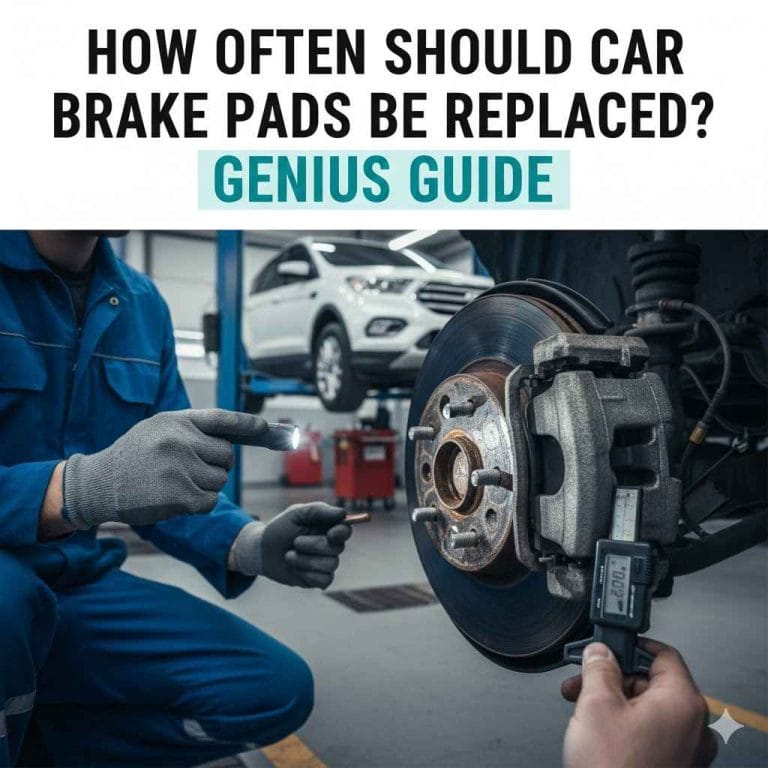
- Inspect pads and rotors every 10,000 miles or annually
- Replace brake fluid every 2 years (or as recommended by manufacturer)
- Check caliper operation and look for leaks or sticking pistons
- Monitor for vibration or noise, which can signal warped rotors or worn pads
In high-performance or commercial vehicles, more frequent inspections are advisable. Using high-quality fluids and lubricants can extend the life of hydraulic components and maintain consistent pedal feel.
Warning Signs Of Brake Wear
- Squealing or grinding noises
- Soft or spongy pedal feel
- Vibration during braking
- Warning lights on dashboard
Additional signs include increased stopping distances, pulling to one side while braking, or visible scoring on rotors. Addressing these symptoms early can prevent more costly repairs and ensure continued safety.
Upgrading Vs. Replacing
For most drivers, upgrading to a higher-quality pad or rotor is the best value, providing improved performance without the need to replace the entire braking system. However, for high-mileage or performance vehicles, a full big brake kit may be warranted.
Upgrades such as stainless steel brake lines, slotted or drilled rotors, and high-performance pads can offer a noticeable improvement in brake response and longevity. When replacing components, always match the parts to your driving style and vehicle requirements.
For a detailed guide on brake maintenance:NHTSA: Brake Safety
Data Table: Brake Pad Material Comparison
| Material | Key Benefits | Typical Lifespan (miles) | Noise | Dust Output | Best For |
|---|---|---|---|---|---|
| Ceramic | Low dust, quiet, long life | 30,000-60,000 | Low | Very low | Daily drivers, hybrids |
| Semi-metallic | High bite, good heat dissipation | 20,000-40,000 | Moderate | Moderate | Performance, trucks |
| Organic (NAO) | Soft pedal, low cost | 18,000-35,000 | Low | Low | Budget cars |
| Carbon-ceramic | Extreme heat resistance, ultra-long life | 50,000-100,000 | Very low | Minimal | Supercars, track |
| Hybrid | Balanced performance, low dust | 30,000-50,000 | Low | Low | Modern EVs, luxury |
The Impact Of Brakes On Vehicle Value And Insurance
Higher Resale Value
Vehicles equipped with premium brake systems from brands like Brembo or Akebono often command 5-10% higher resale values, especially among performance and luxury cars. Buyers recognize the long-term benefits of quality brakes, from reduced maintenance to superior safety.
For example, used car listings frequently highlight upgraded or OEM performance brakes as a selling point. This is particularly true for enthusiast vehicles, where documented upgrades can help a car stand out in a crowded market. Additionally, premium brake systems can reduce the risk of costly post-sale disputes related to safety or reliability.
Insurance Premiums
Some insurers now factor in safety features—including OEM or upgraded brake systems—when calculating premiums. A 2026 survey by the Insurance Institute for Highway Safety (IIHS) found that cars with advanced brakes are involved in 18% fewer rear-end collisions, potentially lowering insurance costs for owners.
In some cases, providing proof of certified brake upgrades can qualify a vehicle for additional safety discounts. However, it is important to notify your insurer of any significant modifications, especially if the upgrades deviate from OEM specifications.
Read more:IIHS: Vehicle Safety Features
Certified Upgrades
For those upgrading, always seek certified components. Many top brands offer products with ECE R90 or FMVSS 135 certification, ensuring legal compliance and insurance validity.
Certification ensures that the parts meet stringent safety and performance standards, reducing liability in the event of an accident and ensuring that the vehicle remains street legal.
Environmental And Sustainability Considerations
Low-copper And Copper-free Pads
With increasing environmental regulation, brands are moving towards copper-free or low-copper friction materials. Copper, once valued for heat dissipation, is now restricted due to its impact on waterways.
Bosch and Akebono lead the industry in producing compliant pads that deliver both safety and sustainability.
By 2026, many regions will require copper-free pads by law. These new formulations deliver similar performance to traditional materials while reducing toxic runoff—a win for both drivers and the environment.
Recyclability
High-end carbon-ceramic and aluminum calipers are often recyclable, reducing the overall environmental impact of performance upgrades.
Many manufacturers now offer take-back programs for old rotors and calipers, ensuring that used components are properly recycled or repurposed. This is part of a broader trend towards circular economy practices in the automotive aftermarket.
Regenerative Braking And Reduced Pad Wear
EVs and hybrids using regenerative braking not only improve energy efficiency but also dramatically reduce pad and rotor wear, contributing to less waste and longer service intervals.
This reduction in wear not only lowers the frequency of replacement but also means less brake dust is released into the environment. As EV adoption increases, the overall environmental footprint of brake maintenance is expected to decrease significantly.
For more on sustainable brake technologies:EPA: Brake Pads
Frequently Asked Questions
What Is The Safest Brake Brand For Everyday Driving?
Akebono and Bosch are widely recognized for their safety, reliability, and quiet operation, making them ideal for commuters and family vehicles. These brands prioritize low noise and dust, excellent stopping power, and seamless compatibility with modern safety systems.
Are Carbon-ceramic Brakes Worth The Higher Price?
For performance vehicles or frequent track use, carbon-ceramic brakes offer unmatched heat resistance, longevity, and weight savings. However, their high upfront cost may not be justifiable for daily commuting or budget cars, where ceramic or semi-metallic pads provide adequate performance at a lower price.
How Often Should I Replace My Brake Pads And Rotors?
Brake pad life varies by material and usage. Ceramic pads typically last 30,000-60,000 miles, while semi-metallic pads may need replacement after 20,000-40,000 miles. Rotors often last 2-3 pad cycles, but regular inspection is critical. Always consult your vehicle’s manual and monitor for signs of wear.
Can I Install Premium Brakes Myself?
Some systems (e. g. , Wilwood, EBC) are designed for DIY installation with standard tools. However, high-performance kits (like Brembo or AP Racing) often require professional installation to ensure safety, correct torque specs, and proper bedding. Incorrect installation can compromise performance and void warranties.
Will Upgrading My Brakes Affect My Insurance Or Warranty?
Upgrading to certified brakes usually does not void your warranty or increase insurance premiums, especially if components meet OEM specifications and relevant certifications (e.g., ECE R90). In fact, some insurers may lower rates for vehicles with advanced safety features.
As braking technology continues to advance, investing in the world’s top brake brands is more than just a performance upgrade—it’s a commitment to safety, reliability, and driving confidence. Whether you’re a weekend racer, a daily commuter, or a custom car builder, the right brakes can transform your driving experience and protect what matters most on the road.
Products related to this article
Sponsored / affiliate links. As an Amazon Associate I earn from qualifying purchases. I may earn additional commission from eligible campaigns.