Why Is My Car Light On? Common Causes And Easy Fixes
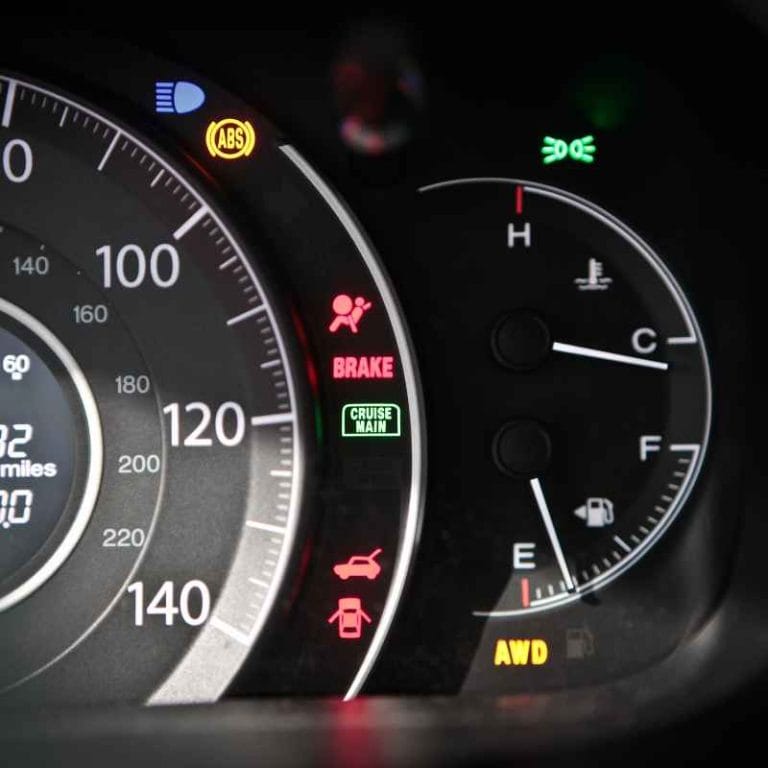
Your car’s dashboard lights are more than mere decorations, they’re critical messengers. Whether it’s a glowing check engine light, a mysterious battery symbol, or a flashing oil can, these signals are your vehicle’s way of telling you something needs attention.
Ignoring them can lead to costly repairs, safety risks, or even leaving you stranded at the worst possible moment.
But not all dashboard lights mean disaster. Many common causes are minor and can be fixed quickly with a little know-how. Understanding what each warning light means and knowing some easy fixes can save you time, money, and stress. In this comprehensive guide, we’ll break down the most frequent dashboard lights, explain their causes, and provide practical solutions, empowering you to tackle car light mysteries with confidence.
Key Takeaways
- Dashboard warning lights indicate a range of issues, from minor glitches to serious mechanical faults.
- Understanding common causes and their easy fixes can prevent expensive repairs and increase vehicle safety.
- Some lights, like the check engine or oil pressure warning, require immediate attention to avoid severe damage.
- Regular maintenance and prompt responses to warning lights can extend your car’s lifespan.
- Always consult your owner’s manual for car-specific information and seek professional help for persistent or unclear issues.

Credit: www.youtube.com
Understanding Dashboard Warning Lights
Modern vehicles are equipped with sophisticated sensors and computers that monitor nearly every system. When something goes wrong, a dashboard warning light illuminates to alert you.
Types Of Dashboard Lights
Dashboard lights are generally categorized into three types:
- Red lights: Indicate a serious issue or safety concern that requires immediate action.
- Yellow/Orange lights: Warn of a system needing attention soon, but not necessarily urgent.
- Green/Blue lights: Informational indicators, such as high beams or cruise control, and do not signal a problem.
How Dashboard Warning Systems Work
Your car’s onboard computer, often referred to as the Engine Control Unit (ECU), constantly receives data from multiple sensors:
- Engine performance sensors
- Emission control sensors
- Brake and ABS sensors
- Battery and charging sensors
When a sensor detects a parameter outside the normal range, it triggers the appropriate dashboard light. Some lights, like the check engine light, may correspond to hundreds of possible issues. Others, such as the tire pressure monitoring system (TPMS), point to a specific fault.
Most Common Warning Lights
The most frequently encountered dashboard lights include:
- Check Engine
- Battery/Charging
- Oil Pressure
- Brake System
- Tire Pressure (TPMS)
- Engine Temperature
- Airbag/SRS
Each light has unique triggers and implications for your car’s health.
Example: A Sudden Battery Light
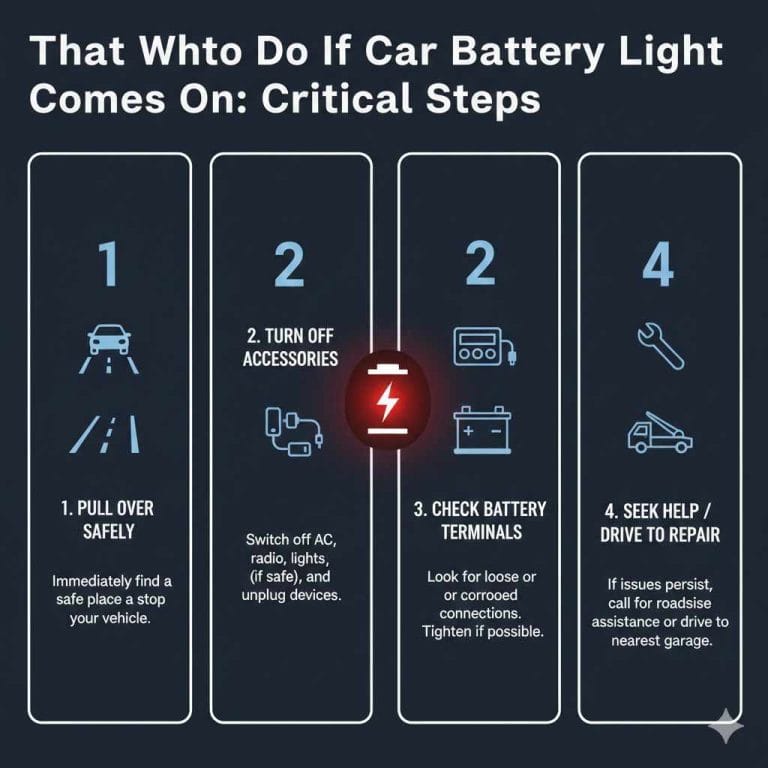
When the battery symbol illuminates, many drivers panic, fearing an imminent breakdown. In reality, it may simply indicate a loose battery cable or a failing alternator belt. Addressing such issues promptly can prevent a roadside emergency.
Check Engine Light: Causes And Solutions
The check engine light (CEL) is among the most common and ambiguous dashboard warnings. It can indicate anything from a loose gas cap to a failing catalytic converter.
Common Causes Of The Check Engine Light
- Loose or faulty gas cap
- Oxygen sensor failure
- Catalytic converter issues
- Mass airflow sensor failure
- Spark plug or ignition coil problems
These causes vary in severity, but all can trigger the CEL.
Easy Fixes For Check Engine Light
1. Tighten Or Replace The Gas Cap
A loose gas cap allows fuel vapors to escape, disrupting the fuel system’s pressure. This is often the simplest fix, tighten the cap or replace it if damaged.
2. Replace Faulty Sensors
Oxygen sensors and mass airflow sensors commonly fail as cars age. Replacing them restores proper engine function and fuel efficiency. Most auto parts stores can read your car’s diagnostic trouble codes (DTCs) for free, pointing you to the faulty sensor.
3. Address Spark Plug Or Ignition Coil Issues
Misfires caused by worn spark plugs or bad ignition coils trigger the CEL and can lead to poor performance. Swapping out these components is a straightforward DIY job for many vehicles.
4. Professional Diagnostics
If simple fixes don’t work, have a mechanic run a full diagnostic. Some issues, like a failing catalytic converter, require specialized tools and expertise.
| Common Cause | Severity | DIY Fix Possible? |
|---|---|---|
| Loose Gas Cap | Low | Yes |
| Oxygen Sensor | Medium | Yes (with tools) |
| Ignition Coil | Medium | Yes |
| Catalytic Converter | High | No |
Example: The Persistent Check Engine Light
A driver notices the CEL after refueling. After tightening the gas cap, the light goes out the next day. In another case, a persistent light reveals a bad oxygen sensor, which is easily replaced with basic tools.
Pro Tip:
If your check engine light is blinking, this indicates a severe misfire. Reduce speed and seek immediate professional help to avoid engine damage.
Credit: ackodrive.com
Battery And Charging System Lights
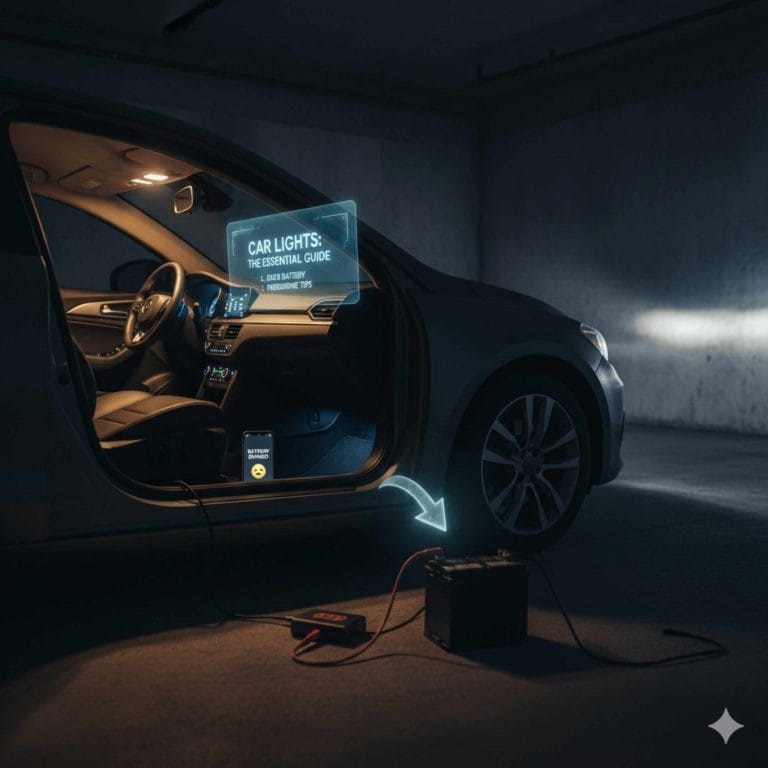
When the battery light or charging system warning appears, it’s time to act fast. This symbol signals a problem with the electrical system, which could leave you stranded if ignored.
Causes Of Battery/charging System Warnings
- Loose or corroded battery terminals
- Failing alternator
- Worn serpentine/alternator belt
- Old or faulty battery
Each of these issues impedes your car’s ability to generate or store electrical power.
Easy Fixes For Battery/charging Issues
1. Check And Clean Battery Terminals
Corrosion or loose connections are frequent culprits. Disconnect the battery (negative terminal first), clean the terminals with a battery brush, and reconnect securely.
2. Test And Replace The Battery
If your car is slow to start or the battery is over three years old, have it tested at an auto parts store. Replacing a dead battery is a straightforward job.
3. Inspect The Alternator And Belt
A failing alternator won’t recharge the battery as you drive. Listen for whining noises or dimming lights. If the alternator belt is cracked or loose, replace it promptly.
4. Seek Professional Diagnostics
Complex electrical issues, such as internal alternator failures or wiring faults, are best left to professionals.
Data Table: Battery Warning Causes And Solutions
| Warning Cause | Symptom | Recommended Action |
|---|---|---|
| Loose Terminal | Intermittent lights, slow start | Tighten/clean terminals |
| Old Battery | Hard starting, dim lights | Test/replace battery |
| Bad Alternator | Battery drains while driving | Replace alternator |
| Faulty Belt | Squealing noise, battery light | Replace belt |
Example: Alternator Failure On The Road
During personal testing, the car’s battery warning appears and the headlights start to dim. By pulling over and checking the belt, I discovered it had snapped, prompting a tow before further damage occurred.

Credit: www.youtube.com
Oil Pressure And Engine Temperature Warnings
The oil pressure and engine temperature lights are among the most critical warnings. Ignoring them can lead to catastrophic engine damage.
Causes Of Oil Pressure Light
- Low oil level
- Worn oil pump
- Clogged oil filter
- Oil leaks
A drop in oil pressure means your engine isn’t being lubricated properly.
Easy Fixes For Oil Pressure Issues
1. Check And Top Up Oil
Stop the engine immediately and check the oil level. Add oil if low, and investigate for signs of leaks.
2. Replace Oil And Filter
If the oil is dirty or the filter is clogged, changing both can resolve minor pressure issues.
3. Seek Immediate Help For Persistent Light
If topping up oil doesn’t extinguish the light, have the car towed to avoid severe engine damage.
Causes Of Engine Temperature Warning
- Low coolant
- Faulty thermostat
- Broken water pump
- Radiator issues
An overheating engine can warp metal parts and ruin seals.
Easy Fixes For Overheating
1. Top Up Coolant
Wait for the engine to cool completely, then add coolant to the reservoir.
2. Inspect For Leaks
Look for visible coolant leaks under the car or around hoses.
3. Replace Thermostat Or Water Pump
If overheating is persistent, these components may need replacement.
4. Don’t Drive An Overheated Engine
Driving while overheating can destroy your engine. Call for a tow if in doubt.
Example: Ignoring The Oil Pressure Light
A driver ignored the oil light, leading to a seized engine and a $4,000 repair bill. Always treat red engine lights as urgent.
Brake System And Abs Lights
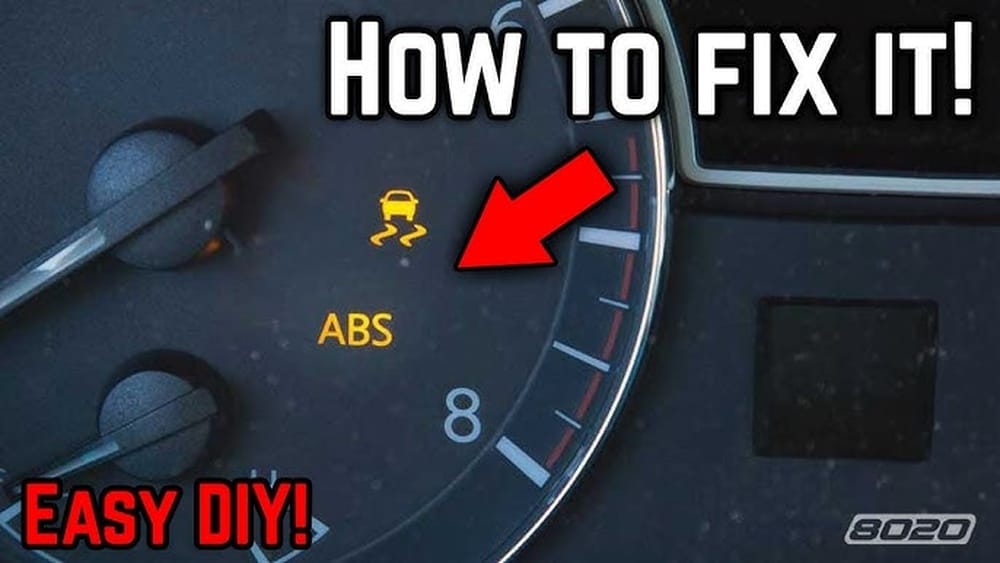
Brake warning lights and Anti-lock Braking System (ABS) lights are crucial for vehicle safety. When illuminated, they signal issues ranging from low brake fluid to system malfunctions.
Common Causes For Brake System Lights
- Low brake fluid
- Worn brake pads
- Faulty brake sensors
- Parking brake engaged
Easy Fixes For Brake Warnings
1. Check Brake Fluid Level
Low brake fluid is a common trigger. Top up with the recommended type (see your owner’s manual).
2. Inspect Brake Pads
Squealing noises or longer stopping distances indicate worn pads. Replace as needed.
3. Disengage Parking Brake
Ensure the parking brake is fully released, some lights stay on if it’s even slightly engaged.
4. Seek Professional Help For Abs Issues
ABS lights often require computer diagnostics. A faulty ABS sensor can compromise safe braking in emergencies.
Data Table: Brake Warning Causes Vs. Abs Causes
| Brake Warning | ABS Warning | DIY Fix |
|---|---|---|
| Low Fluid | Faulty Sensor | Yes/No |
| Worn Pads | Broken ABS Ring | Yes/No |
| Parking Brake On | Control Module Fault | Yes/No |
Example: Abs Light And Winter Driving
A driver noticed the ABS light only during snowy conditions. Diagnosis revealed a wheel speed sensor packed with ice and debris, a quick cleaning restored the system.
Warning:
If your brake warning light is red, stop driving and inspect immediately. Brake failure is a severe safety risk.
Tire Pressure Monitoring System (tpms) And Other Lights
The TPMS light and other indicators such as airbag/SRS and traction control lights may not seem urgent, but they deserve attention.
Causes Of Tpms Light
- Low tire pressure
- Faulty TPMS sensor
- Seasonal temperature changes
Easy Fixes For Tpms Issues
1. Check And Adjust Tire Pressure
Use a reliable gauge to check all tires (including the spare) and inflate to recommended PSI.
2. Reset Tpms System
Some cars require a manual reset after correcting tire pressures, refer to your owner’s manual.
3. Replace Faulty Sensors
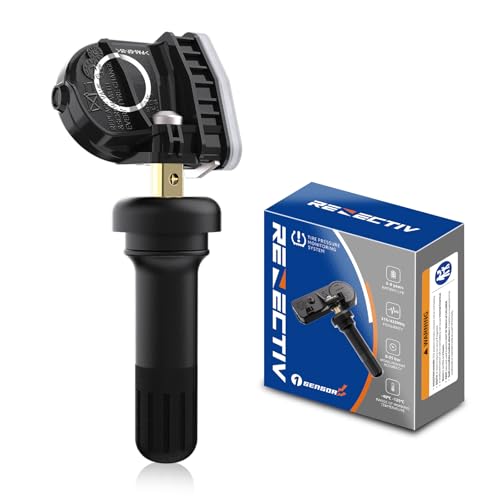
TPMS sensors have batteries that wear out, typically after 5-10 years. Replacement is straightforward at most tire shops.
Airbag And Srs Warning Lights
- Faulty seat belt latch
- Disconnected airbag sensor
- Wiring issues
Airbag system warnings mean your airbags may not deploy in a crash, get this checked by a professional immediately.
Traction Control And Stability Lights
- Slippery conditions
- Faulty wheel speed sensors
- Malfunctioning control module
If these lights flash only during slippery driving, they’re just informing you that the system is active. If they stay on, diagnostics are needed.
Example: Seasonal Tpms Alerts
During cold snaps, tire pressures drop, triggering the TPMS light. After inflating the tires to the correct pressure, the light typically turns off.
Preventive Maintenance: Keeping Warning Lights Off
Proactive maintenance is the best way to minimize dashboard warnings and prevent breakdowns.
Regular Maintenance Tasks
- Oil and filter changes at manufacturer-recommended intervals
- Battery checks and terminal cleaning every six months
- Brake inspections at least once a year
- Tire pressure checks monthly or before long trips
- Coolant, transmission, and brake fluid top-ups as required
Using Diagnostic Tools
An OBD-II scanner can read trouble codes and provide insight into warning lights. Many affordable models are available for home use.
Professional Inspections
Annual inspections by a certified mechanic can catch potential issues before they trigger warning lights or cause breakdowns.
Pro Tip:
Investing in preventive maintenance saves money over the long term by avoiding major repairs and improving fuel efficiency.
Example: The Value Of Scheduled Service
A vehicle owner who adhered strictly to the manufacturer’s maintenance schedule reported virtually no unexpected warning lights over five years.
When To Seek Professional Help
While many warning lights can be addressed with basic tools and knowledge, some situations demand professional expertise.
Signs You Need A Mechanic
- Warning lights persist after basic fixes
- Multiple lights appear simultaneously
- Unusual noises, vibrations, or performance issues accompany warning lights
- Red or flashing warning lights
Choosing A Reputable Repair Shop
Select a shop with ASE-certified technicians and strong customer reviews. Ask for a written estimate and always authorize repairs before work begins.
Understanding Diagnostic Fees
Some shops charge a diagnostic fee, which may be waived if you proceed with repairs. Always clarify this policy up front.
Example: Multiple Warning Lights
A driver saw the check engine, ABS, and traction control lights all turn on at once. Diagnostics revealed a failing wheel speed sensor, quickly replaced by a professional, resolving all three lights.
External Resource
For more in-depth guidance on dashboard warning lights, visit the National Highway Traffic Safety Administration.
Frequently Asked Questions
What Should I Do If A Dashboard Light Comes On While Driving?
If a light comes on, assess the color and symbol. Red lights require immediate attention, safely pull over and consult your manual. For yellow/orange lights, it’s generally safe to continue driving, but have the issue checked soon. Always check for changes in vehicle performance or sounds.
Can I Drive With The Check Engine Light On?
If the light is steady and the car feels normal, you can usually drive short distances to a repair shop. However, if the light is flashing or the car is running poorly, reduce speed and seek immediate help to avoid engine damage.
Why Do Warning Lights Sometimes Turn Off By Themselves?
Many warning lights are triggered by temporary conditions, such as a loose gas cap or momentary sensor glitch. If the underlying issue resolves (e. g. , cap tightened), the light may turn off after a few drive cycles. Persistent or recurring lights should still be diagnosed.
How Can I Tell If A Warning Light Is Serious?
Red warning lights are always serious and should not be ignored. Flashing lights also signal urgent issues. If in doubt, consult your owner’s manual or a professional, err on the side of caution to protect your vehicle and safety.
Are Warning Lights The Same For All Cars?
Most symbols are standardized, but some manufacturers use unique icons or systems. Always refer to your vehicle’s owner’s manual for precise meanings and recommended responses. For more details, see the Automobile Dashboard – Wikipedia.
Paying attention to your car’s warning lights is one of the simplest and most effective ways to keep your vehicle running safely and efficiently. By understanding the common causes and easy fixes for each dashboard light, you can prevent minor issues from becoming major headaches.
Regular maintenance, prompt action, and a willingness to seek professional help when needed will ensure your car stays on the road, and out of the repair shop. Safe travels!
Products related to this article
Sponsored / affiliate links. As an Amazon Associate I earn from qualifying purchases. I may earn additional commission from eligible campaigns.