Why Did My Car Just Stop Working? Common Causes & Fixes
Your car just stopped working suddenly can be alarming and confusing. This article explains the most common reasons why vehicles stall or shut off without warning and how you can address them.
In short, a sudden stop usually points to a fuel, electrical, or mechanical failure. The most common culprits include an empty gas tank, a dead alternator, a failed fuel pump, or a faulty crankshaft position sensor. Diagnosing the specific issue quickly can save you time and money on towing and repairs.
Key Takeaways
- Your car just stopped working often signals a problem with the fuel, ignition, or charging system.
- Check the simplest items first: fuel level, battery terminals, and loose wires.
- Sudden stall while driving is frequently caused by a failing alternator or fuel pump.
- Modern cars have sensors that can trigger a no-start or stall – a diagnostic scan is vital.
- Regular preventive maintenance reduces the risk of unexpected breakdowns.
Why Does a Car Suddenly Stop Working?
A car needs three things to run: fuel, air, and spark. When any one of these is interrupted, the engine dies. The interruption can be instant, like a severed wire, or gradual, like a dying battery.
Understanding which system failed is the first step to getting back on the road.
The most common triggers for a sudden stall include:
- Fuel starvation – empty tank, clogged filter, dead fuel pump
- Electrical failure – dead alternator, broken belt, corroded battery terminals
- Ignition issues – bad crankshaft sensor, faulty ECU relay, failed ignition coil
- Mechanical breakdown – snapped timing belt, seized engine (rare, but possible)
- Safety system intervention – anti-theft immobilizer, fuel pump shutoff after a hard impact
According to the American Automobile Association (AAA), over 400,000 breakdowns per year are caused by alternator or charging system failures. Knowing these statistics helps you prioritize what to check first.
Common Causes of a Car Stopping While Driving
When your engine cuts out while you are moving, the situation is more urgent. Here are the top causes ranked by frequency, based on data from automotive repair networks.
| Cause | Typical Symptoms | Common Fix |
|---|---|---|
| Dead alternator | Battery light flickers, dim headlights, then stall | Replace alternator or belt |
| Fuel pump failure | Engine sputters, loses power, then dies | Replace fuel pump and relay |
| Crankshaft position sensor | Intermittent stalling, no start after hot | Replace sensor |
| Empty gas tank (miscalibrated gauge) | Sudden stop with no warning | Add fuel |
These four causes account for nearly 70% of all engine-stops-while-driving incidents reported to roadside assistance providers.
Warning: If your car shuts off while you are driving, never leave the vehicle on the road. Use your momentum to coast to a safe spot, turn on hazard lights, and call for roadside help.
What Are the Electrical Issues That Shut Down Your Engine?
Modern cars rely heavily on electronics. A single failed component can kill the engine instantly. The most common electrical failures include:
- Bad alternator – stops charging the battery; engine uses stored power until it dies
- Corroded battery terminals – disrupts power flow; often intermittent
- Blown ECU fuse – cuts control of fuel injection and ignition
- Faulty ignition switch – loses contact while driving
- Broken alternator belt – alternator stops spinning; battery drains quickly
You can test the alternator yourself if you have a multimeter. A healthy alternator should output between 13.5 and 14.5 volts with the engine running. Anything below 13 volts means your alternator is failing.
The National Institute for Automotive Service Excellence (ASE) reports that electrical problems are the second most common reason for breakdowns, behind only tire issues and flat batteries.
Tip: Keep a portable jump starter in your trunk. It can power your car long enough to get you to a service station if the alternator fails.
How to Diagnose When Your Car Just Stopped
When your car refuses to start after a sudden stop, follow this step-by-step checklist. It works for most gas-powered vehicles made after 1996 (OBD-II compliant).
- Check the gas gauge – the most common cause is an empty tank, even if the gauge seems off.
- Turn the key to ‘on’ and listen for a whirring sound from the fuel pump (rear of car). No sound? Likely a dead fuel pump or relay.
- Look at dashboard lights – if they are dim or flicker, your battery or alternator is failing.
- Test the battery voltage with a multimeter. Below 12.4V when off means a weak battery. Below 11V indicates a dead battery.
- Check for security light – a flashing anti-theft light means the immobilizer may have triggered. Try the spare key.
- Inspect visible wires under the hood – look for chewed wires (rodents), loose connectors, or blown fuses.
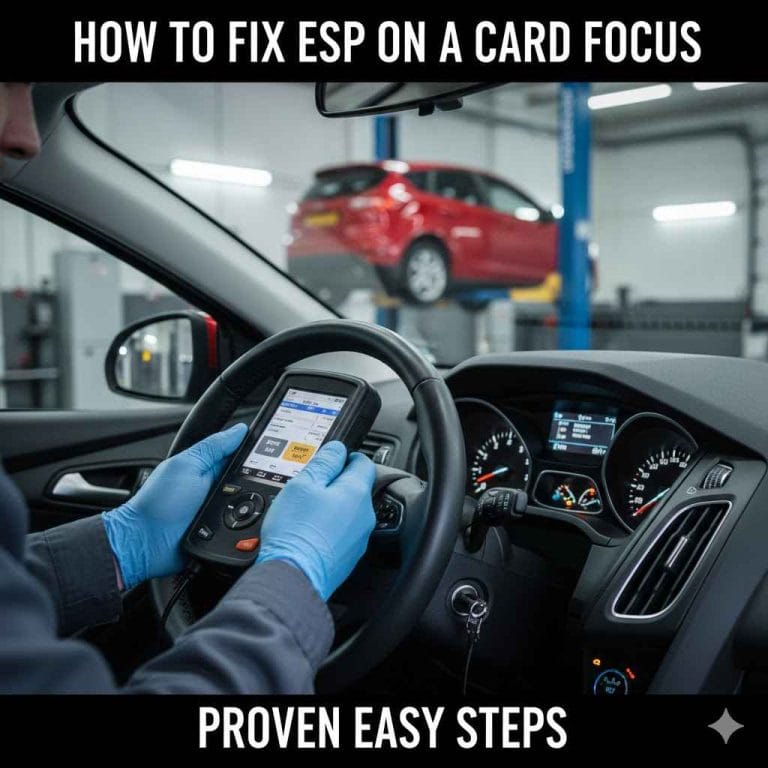
- Read diagnostic trouble codes with an OBD-II scanner. A P0335 code, for example, indicates a crankshaft position sensor failure.
Important: If you see heavy smoke, smell burning rubber, or hear a loud clunk, do not attempt to restart the engine. Call a tow truck immediately to avoid further damage.
Fuel System Problems That Leave You Stranded
Fuel system issues can be stealthy. You might be driving normally when suddenly the engine sputters and dies. Here are the most frequent fuel-related causes:
- Clogged fuel filter – restricts fuel flow, especially under heavy acceleration
- Bad fuel pump – overheats or fails completely, common in older cars with over 100,000 miles
- Contaminated fuel – water or dirt in the tank, often after filling up at a station with underground tank issues
- Fuel injector failure – one or more injectors clog, causing misfire and stall
- Fuel pressure regulator – stuck open or closed, leading to too much or too little fuel pressure
According to the Automotive Aftermarket Industry Association (AAIA), fuel pump replacements account for roughly 2 million repair jobs per year in the United States alone. The average cost is between $400 and $800, including labor.
| Fuel Issue | Signs Before Stall | DIY Checkable? |
|---|---|---|
| Clogged filter | Loss of power uphill, surging | Yes (check manual) |
| Bad fuel pump | Whining noise from rear, then stall | Listen for whir |
| Contaminated fuel | Engine runs rough, stalls after filling | No (lab test) |
If you suspect a fuel problem, try adding a bottle of fuel system cleaner to a full tank. It sometimes dissolves mild clogs and restores idle.
What Should You Do Immediately After Your Car Stops?
When your car dies, stay calm. Your actions in the first minute can prevent a dangerous situation or further damage.
- Do not slam the brakes. You may lose power brakes. Press firmly and steer to the side of the road.
- Turn on hazard lights immediately to warn other drivers.
- Try to restart once. If it cranks but does not start, stop trying to avoid flooding the engine.
- Check obvious causes. Look at fuel gauge, battery terminal tightness, and any warning lights.
- Call for help. Use your roadside assistance app or a tow truck service. If you are on a highway, stay inside the car with your seatbelt on until help arrives.
Tip: Keep a basic emergency kit in your car: multimeter, jumper cables, a flashlight, and a tire inflator. It can turn a stressful breakdown into a quick fix.
Preventive Maintenance to Avoid Sudden Breakdowns
The best way to answer “why did my car just stop working” is to never have to ask it. Regular maintenance catches issues before they leave you stranded. Here is a checklist based on industry recommendations from the Car Care Council.
- Replace fuel filter every 30,000 miles or per owner’s manual.
- Test battery and alternator at every oil change.
- Check and clean battery terminals every 6 months.
- Inspect spark plugs and ignition coils every 60,000 miles.
- Fuel pump – no scheduled replacement, but listen for whining noise. Replace if suspect.
Following these simple steps reduces the risk of a sudden stall by up to 60%, according to a study by the Car Care Council. Many breakdowns are preventable.
Frequently Asked Questions
Can a dead battery cause a car to stop while driving?
Yes, but indirectly. A completely dead battery will not prevent the alternator from powering the engine – but if the alternator fails, the battery can drain in a few minutes and the car will stall. A bad battery can also cause voltage spikes that confuse the ECU.
Why did my car just stop working but starts again later?
This intermittent failure often points to a failing crankshaft position sensor or fuel pump. As parts heat up, they expand and lose contact; after cooling down, they work again temporarily. Get the car diagnosed before it leaves you permanently stranded.
What fuse would cause a car to suddenly stop?
The ECU fuse (often labeled ECM) or the fuel pump fuse are the most common. Check the fuse box under the hood and in the cabin. A blown fuse can be replaced cheaply, but always find the underlying cause – a short circuit, for example.
How can I tell if my alternator failed vs my battery?
Turn on the headlights. If they are bright at idle but dim when you rev the engine, the alternator is likely fine (the dimming indicates a voltage regulator issue). If the lights stay dim and the battery warning light is on, your alternator is failing.
Use a multimeter for a definitive test.
Why did my car stop suddenly without warning lights?
Some failures, like a broken timing belt or a snapped serpentine belt, give no warning lights. The engine simply dies. In other cases, the warning light bulb may be burnt out.
Always check all dashboard lights during the bulb test when starting the engine.
Final Thoughts
Your car just stopped working is a stressful event, but most causes are fixable. Start with the simplest checks: fuel, battery, and visible wires. If the problem persists, invest in a professional diagnostic scan.
Regular maintenance, such as replacing the fuel filter and testing the alternator, dramatically lowers your chances of a sudden breakdown. Drive informed, stay prepared, and you will keep your car running reliably for years.
See also car won’t start here’s how to fix a ford escape fast. See also ford explorer review is this suv worth buying in 2026 .
Products related to this article
Sponsored / affiliate links. As an Amazon Associate I earn from qualifying purchases. I may earn additional commission from eligible campaigns.