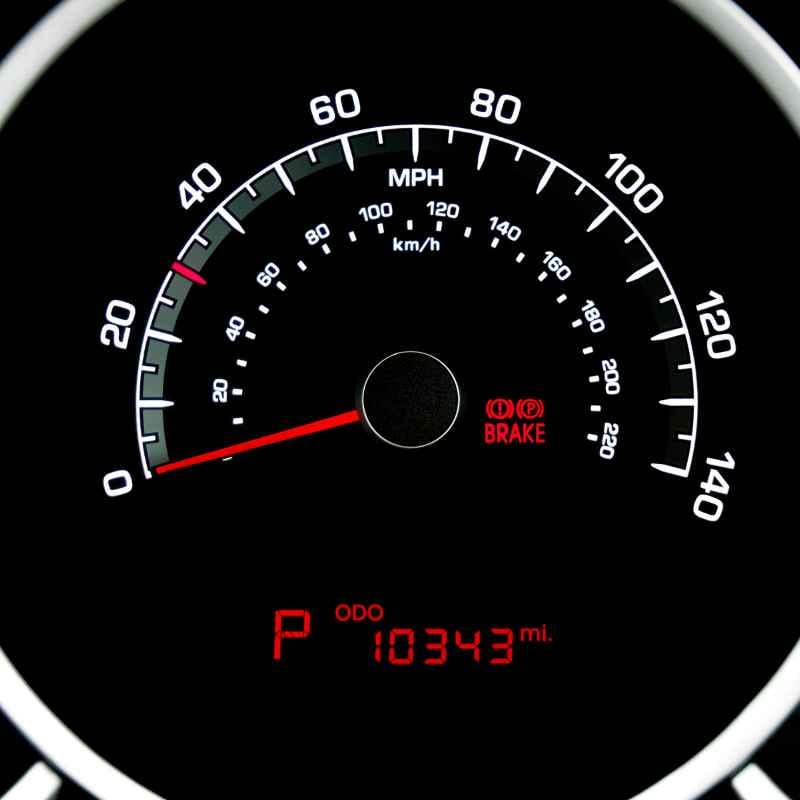
Why Are Miles Important on a Car? What Every Driver Should Know
Understanding why miles are important on a car is crucial for anyone shopping for a used vehicle or trying to sell one. Mileage directly influences resale value, maintenance costs, and long-term reliability — see our full breakdown of how many miles cars typically last—but it’s not the only factor that matters.
Simply put, mileage is a rough proxy for wear and tear. A car with 150,000 well-maintained miles can be a better buy than one with 60,000 neglected miles. Always combine mileage with service history and condition.
Key Takeaways
- Miles are important because they correlate with engine wear, transmission life, and component fatigue.
- Higher mileage doesn’t automatically mean a bad car if it has consistent maintenance records.
- The average vehicle accumulates about 12,000 to 15,000 miles per year, so 60,000 miles on a 5-year-old car is normal.
- Mileage directly impacts resale value — a 20,000-mile drop can lower a car’s worth by several thousand dollars.
- Always cross‑check mileage with age, condition, and service history to make an informed decision.
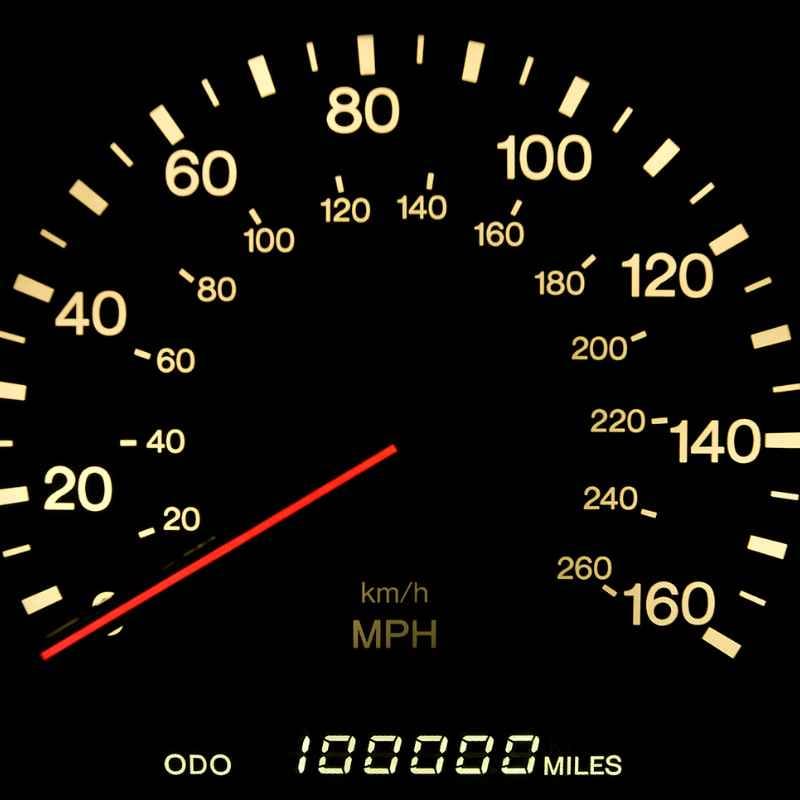
What Is the Role of Mileage in a Car’s Value?
Mileage is the single most visible metric when pricing a used car. Dealers, private sellers, and online valuation tools like Kelley Blue Book rely on odometer readings to set prices. The logic is simple: more miles mean more use, and more use means more wear on moving parts.
However, mileage is only part of the equation. A car that spent most of its life on the highway at steady speeds will have less stress than one used for stop‑and‑go city driving. According to the U.S.
Department of Transportation, highway miles cause about 40% less drivetrain wear per mile compared to urban miles.
- Resale value drops predictably: A 5-year-old car with 75,000 miles might be worth 50% of its original MSRP; the same car with 50,000 miles could be worth 60%.
- Lease companies set mileage limits: Most leases cap at 10,000–15,000 miles per year to protect residual value.
- Warranties often tie to mileage: Powertrain warranties typically expire at 60,000 or 100,000 miles.
- Insurance rates can differ: Some insurers adjust premiums slightly for high‑mileage drivers.
- Loan terms may be stricter: Lenders may limit financing on cars with over 100,000 miles.
Important: The Carfax Vehicle History Report shows mileage at each service event, helping you spot odometer rollbacks or inconsistent readings.
How Does Mileage Affect Engine Health?
Every time the engine runs, internal components like pistons, rings, valves, and bearings experience friction. Over time, this friction causes microscopic wear that can lead to oil consumption, reduced compression, and eventual failure. High mileage accelerates this process—but modern engines are built to last far longer than their predecessors.
The Automotive Aftermarket Industry Association reports that the average engine lifespan has increased from 100,000 miles in the 1970s to over 200,000 miles today, thanks to better metallurgy and synthetic oils. Still, the nature of those miles matters more than the sheer number.
| Mileage Range | Typical Engine Condition | Maintenance Priority |
|---|---|---|
| 0–60,000 | Minimal wear; factory tolerances intact | Routine oil changes, fluid checks |
| 60,000–120,000 | Moderate wear; valve seals may start to dry | Spark plugs, timing belt, coolant flush |
| 120,000–200,000 | Significant wear; oil consumption possible | Transmission service, suspension check |
| 200,000+ | High wear; rebuild or replacement likely | Complete drivetrain inspection |
This table shows that a car with 150,000 miles can still have plenty of life left if it was regularly maintained. The key is consistent oil changes, timely belt replacements, and using quality fluids.
What Are the Myths About High-Mileage Cars?
Many buyers automatically dismiss cars with over 100,000 miles, but this bias often leads to missed bargains. Modern vehicles are engineered to last 200,000 miles or more with proper care. Here are the most common myths that need debunking:
- Myth: High mileage always means imminent breakdown. Fact: A well‑maintained high‑mileage engine often runs smoother than a neglected low‑mileage one.
- Myth: You should never buy a car with over 100,000 miles. Fact: According to iSeeCars, about 30% of cars on the road have over 100,000 miles, and many run for years after.
- Myth: High‑mileage cars have no resale value. Fact: They sell for less initially but depreciate more slowly after 100,000 miles.
- Myth: All high‑mileage cars are owned by long‑distance commuters. Fact: Some are fleet vehicles, rentals, or delivery vans that receive regular maintenance.
- Myth: Odometer reading is the only thing that matters. Fact: Carfax reports, service records, and a pre‑purchase inspection tell a more complete story.
Warning: Odometer fraud still happens. The National Highway Traffic Safety Administration estimates about 450,000 vehicles are sold each year with rolled‑back odometers. Always run a vehicle history report.
Why Do Dealers and Appraisers Heavily Weight Mileage?
Dealers rely on mileage because it’s a standardized, objectively verifiable number that correlates with many cost factors. When a car arrives at auction or trade‑in, the mileage dictates its initial wholesale value. For example, a 2018 Honda Accord with 40,000 miles might be valued $3,000–$4,000 higher than one with 70,000 miles, assuming identical condition.
Lending and leasing companies also use mileage to forecast residual values. A car driven 12,000 miles per year will retain about 5–7% more value after three years than one driven 18,000 miles annually, according to ALG (Automotive Lease Guide). This is why lease contracts penalize excess mileage at rates of $0.15–$0.25 per mile.
- Auction pricing: Manheim Market Report uses mileage tiers (e.g., 0–30k, 30–60k, 60–90k) to set base values.
- Trade‑in offers: Dealers subtract roughly $0.10–$0.15 per mile above average for the age of the vehicle.
- Insurance premiums: Some carriers offer low‑mileage discounts for drivers under 7,500 miles per year.
- Loan approval: Banks may require a higher down payment for cars over 100,000 miles due to higher risk.
- Warranty pricing: Extended warranties cost more for vehicles above 60,000 miles.
How to Assess a Car Beyond Just Miles
Miles are important on a car, but they don’t tell the whole story. A thorough inspection and documentation check can reveal whether those miles were hard or easy. Follow this checklist when evaluating a used car:
- Request full service records. Look for oil changes every 3,000–5,000 miles (or synthetic intervals).
- Check the Carfax or AutoCheck report. Verify mileage consistency at each inspection and title transfer.
- Inspect the interior. Excessive wear on the driver seat, steering wheel, and pedals can indicate higher true mileage.
- Look at the brake pedal pad and tires. A fresh set of tires might hide high mileage, but a worn brake pedal is a clue.
- Test drive for vibrations, noises, and shifting behavior. A smooth idle and responsive transmission are good signs.
- Check for fluid leaks. Oil, coolant, or transmission fluid on the ground suggests neglected maintenance.
- Ask about major replacements. Timing belt, water pump, or transmission rebuilds at high miles can extend life.
Tip: A pre‑purchase inspection by an independent mechanic costs $100–$200 but can save you thousands in hidden repairs.
What Is the Average Mileage Per Year and How to Compare?
The U.S. Federal Highway Administration reports that the average American drives about 14,263 miles per year. For a car that is 5 years old, 70,000 miles is right on the national average.
A car with 80,000 miles is slightly above average, while one with 50,000 miles is considered low‑mileage for its age.
Using average mileage per year helps you quickly judge whether a car has been used normally. Multiply the car’s age by 12,000–15,000 miles to get a benchmark. If a 3‑year‑old car has 60,000 miles, it’s on the high side.
If it has only 20,000 miles, it’s low‑mileage—but also may have suffered from short trips that don’t allow the engine to warm up fully.
| Car Age | Low Mileage | Average Mileage | High Mileage |
|---|---|---|---|
| 3 years | 0–25,000 | 36,000–45,000 | 50,000+ |
| 5 years | 0–40,000 | 60,000–75,000 | 80,000+ |
| 8 years | 0–65,000 | 96,000–120,000 | 130,000+ |
| 10 years | 0–80,000 | 120,000–150,000 | 160,000+ |
Use this table to quickly identify if a car has been driven much more or less than typical. But remember: a low‑mileage car that sat for long periods may have dried‑out seals and brittle hoses.

Frequently Asked Questions
Is 100,000 miles too high for a used car?
Not necessarily. Many modern cars are designed to last 200,000 miles or more with proper maintenance. A 100,000-mile car with full service records and a clean history can be a reliable and affordable choice, especially if major components like the timing belt and water pump have already been replaced.
Does mileage affect car insurance rates?
Yes, but the impact is usually small. Insurers ask for annual mileage because higher mileage increases the risk of accidents. Drivers who log fewer than 7,500 miles per year may qualify for a low‑mileage discount.
However, most policies don’t penalize you for the current odometer reading at purchase.
What happens when you drive a car over the lease mileage limit?
You pay an excess mileage fee, typically $0.15 to $0.25 per mile over the contract limit. For example, if you drive 5,000 miles over on a lease charging $0.20 per mile, you owe an extra $1,000 at lease end. Some lessors allow you to buy extra miles upfront at a lower rate.
Can a car with 200,000 miles be reliable?
Yes, if it has been serviced regularly. Many vehicles, especially Toyota, Honda, and some diesel models, routinely reach 250,000–300,000 miles. The key is documented oil changes, timely transmission service, and replacement of wear items like suspension components and belts.
How can you tell if mileage has been rolled back?
Compare service records, inspection stickers, and title history. Look for inconsistent mileage jumps on a Carfax report. Signs of tampering include loose odometer digits, uneven wear on the dashboard, or a discrepancy between the odometer and the condition of the car (e.g., very worn pedals but low mileage).
Final Thoughts
Miles are important on a car because they offer a quick snapshot of wear and potential future expenses. But don’t let the odometer number alone decide your purchase. Combine it with a thorough inspection, service records, and a vehicle history report to get the full picture.
A well‑cared‑for car with high miles can serve you reliably for years—while a neglected low‑mileage car might be a money pit. Always prioritize maintenance over mileage.
See also how much do ford cars cost every model price listed. See also what cars does ford still make in 2026 full list.
Products related to this article
Sponsored / affiliate links. As an Amazon Associate I earn from qualifying purchases. I may earn additional commission from eligible campaigns.