Why Brakes Grind After Rain or a Car Wash
Brake grinding after rain or a car wash is often brief moisture noise. If it lasts more than a few stops, gets louder, or returns on dry roads, inspect the brakes for worn pads, rusted rotors, sticking calipers, or loose hardware. Ignoring the wrong kind of grind can turn a small brake repair into rotor damage or reduced stopping power. This guide shows how to separate normal wet-weather noise from warning signs that need inspection.
Why brakes grind after rain or a car wash
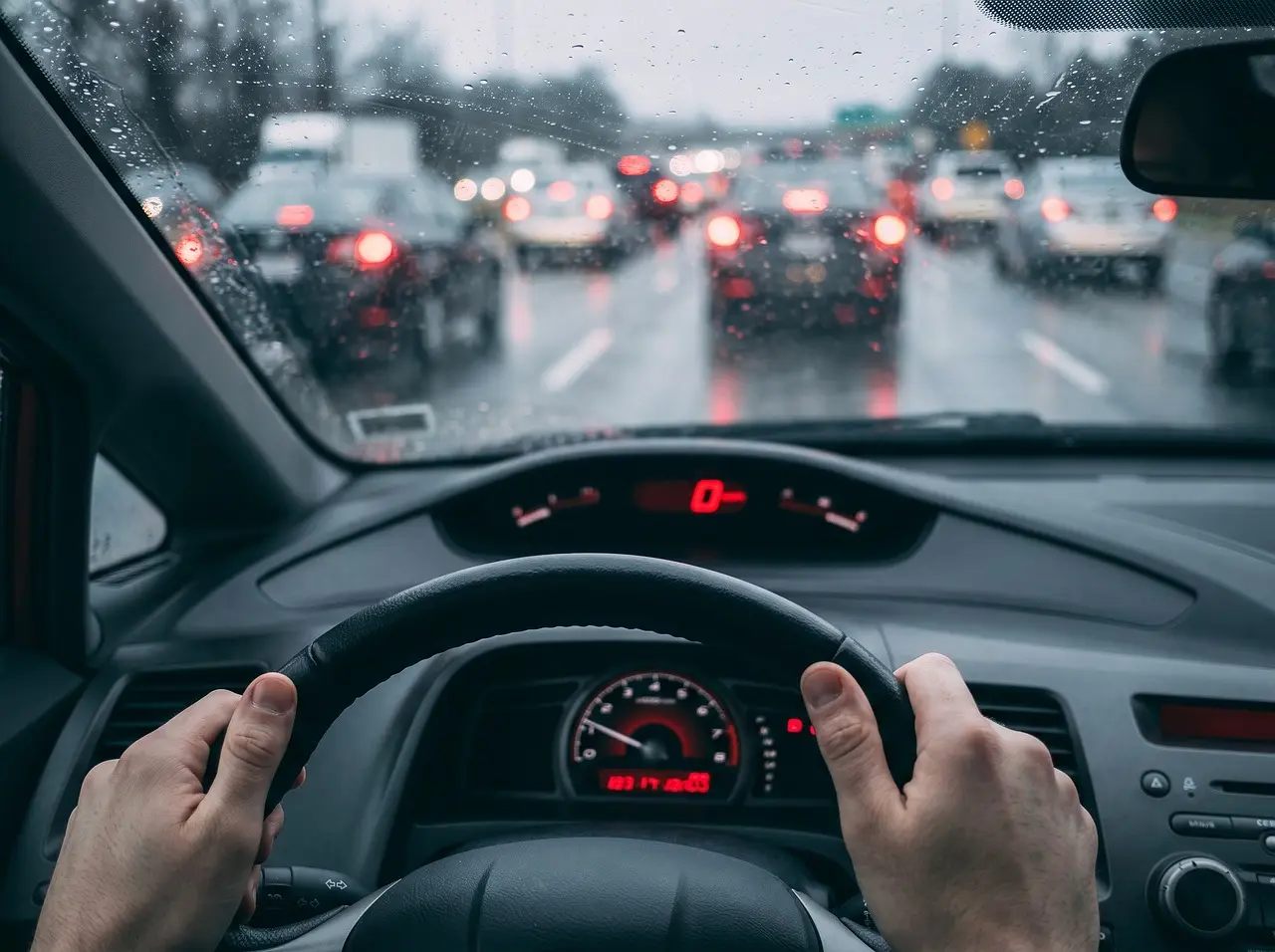


Water changes how the rotor and pad surfaces meet for the first few brake applications. A routine car wash is unlikely to damage healthy brakes, but moisture can briefly reduce braking bite, and exposed iron rotors may develop a thin film of surface rust after washing.
That film often stays on the friction surface only until the pads wipe it away. Brake pads can also be temporarily noisy when wet, and the pad material matters: some compounds are quieter when dry but more vocal until the rotor surface cleans itself.
What moisture does at first stop
When the car first moves after rain or washing, a very light rust layer or water film can make the pedal feel slightly different and can add a scrape or grind that fades quickly. That is more likely when the sound appears only on the first stop or first few stops and then drops away.
Say your sedan sits outside through an overnight storm. The first stop out of the driveway makes a harsh scrape, but the second and third stops are quiet. That pattern fits moisture on the rotors more than a hard part failure.
Why the noise may stop after a few brakes
Normal braking wipes moisture and loose rust from the rotor friction surface. Once the pads dry and the thin rust film clears, the sound should fade. If the noise stays with every stop, or gets sharper instead of softer, treat it as a fault pattern rather than a wet-weather nuisance.
When grinding means a real brake problem
Grinding is a warning when it continues after the brakes have dried, shows up on dry pavement, or comes with pulling, vibration, or reduced stopping power. Persistent grinding, pulling, or reduced stopping power deserves inspection.
These symptoms can point to worn pads, deeply corroded rotors, a sticking caliper, or hardware that has shifted out of place. Aftermarket pads can also behave differently in the wet, especially if they are more prone to surface noise or have an aggressive bite profile.
Grinding that keeps going
If the sound is still there after several normal stops, the pads may be worn to the backing plate, the rotor may be badly rusted, or a caliper may not be releasing fully. That is no longer ordinary moisture noise.
Noise that continues after a short drive in dry weather should be checked before the rotor face is damaged further.
Pulling, vibration, or weak stopping
Pulling to one side can mean one caliper is dragging or one pad is contacting harder than the other. Vibration can point to rotor damage or uneven pad contact. Reduced stopping power is the clearest sign that the issue is beyond harmless wet noise.
Repeated wet-weather grinding patterns
If the same grind appears after pressure washes, rainy overnight stays, or after the car sits outside in a damp climate, the brake system may already have a weak spot. Road grime can build up around the wheels and calipers, and when it mixes with water it can make a marginal brake more noticeable.
Suppose an SUV grinds only after a drive through standing water, then quiets down. If the same SUV later grinds after a normal dry commute, that pattern points away from moisture alone and toward worn parts or sticking hardware.
What to check on rotors, pads, and calipers
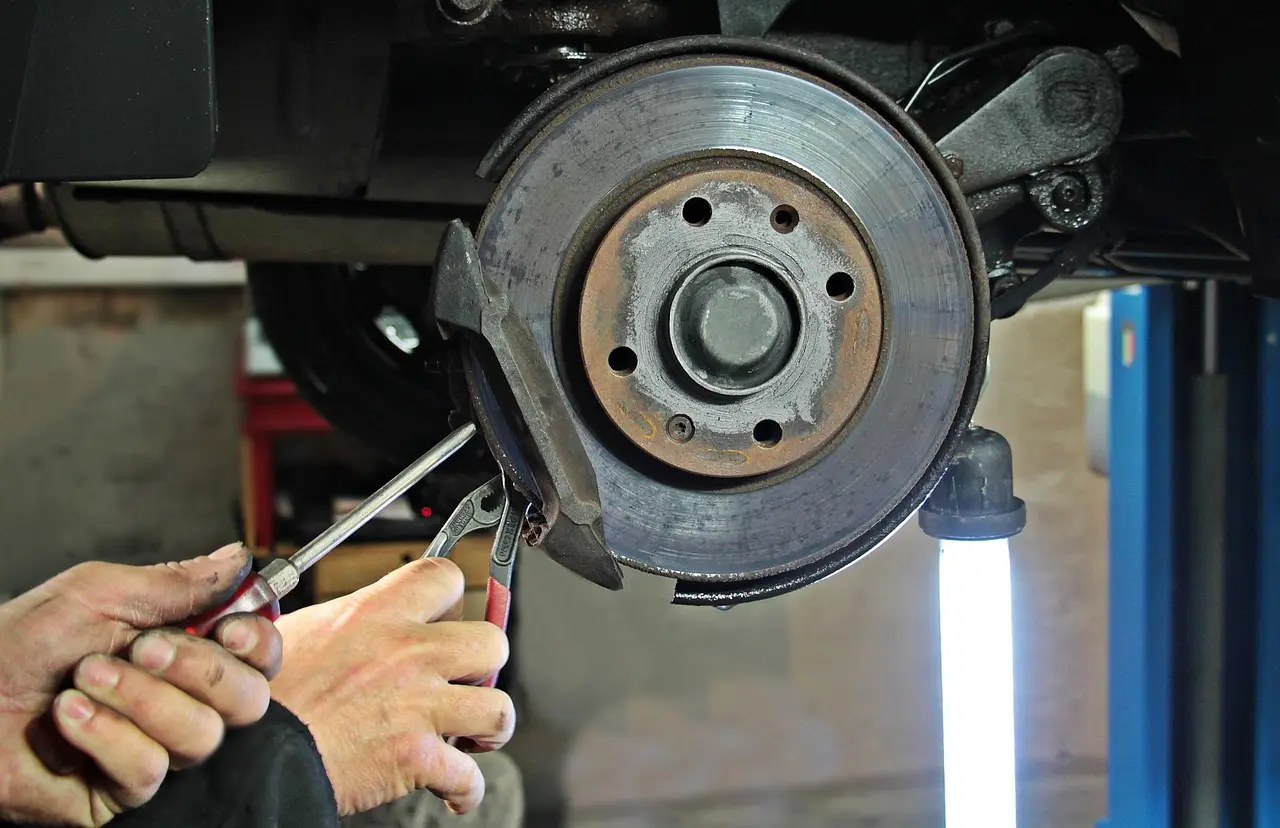
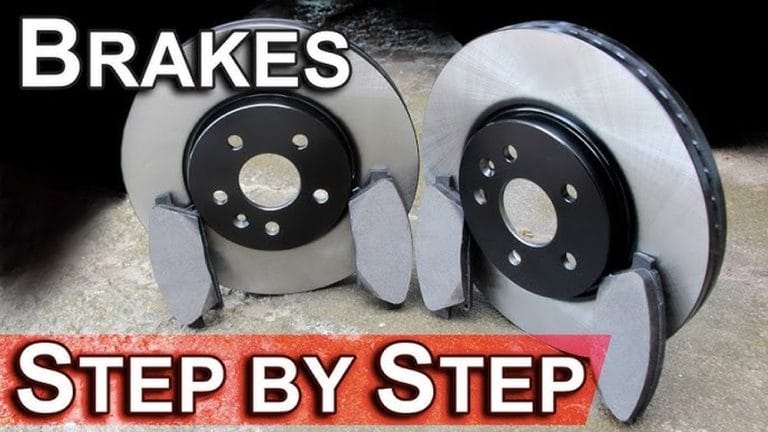
A wheel-off inspection helps separate visible moisture effects from real wear. Look at the rotor friction surface, pad thickness, caliper movement, and the surrounding hardware. Brake dust builds up around wheels and calipers, and careful wheel cleaning can remove some of that buildup so true wear is easier to see.
Rotor surface rust versus deeper corrosion
Light orange film on the swept area of the rotor after rain or washing is common. Deep rust pits, flaking edges, or a rough ring that remains after several stops can point to a rotor that needs inspection. Those signs suggest the rotor needs inspection, not just a little more driving.
Visible corrosion on the rotor hat or outer edge is less important than the friction surface, but heavy rust anywhere near the braking area can hint at long-term neglect or exposure.
Pad wear and contact pattern
Brake pads should have enough friction material left to work without scraping the backing plate. Uneven wear, tapered edges, or shiny spots on one side can show poor contact. Pad material type also affects wet noise and bite, so a brand-new set can still be noisier than expected if the compound is aggressive or not matched well to the vehicle.
Caliper movement, seals, and hardware
Brake calipers sit close to the wheel and get sprayed during washing. They should not be blasted with concentrated pressure, because high-pressure water can stress vulnerable seals and wiring. A torn seal, sticky slide pin, or seized piston can keep a brake dragging long after the water is gone.
Loose anti-rattle clips, bent shims, or worn pad hardware can also cause a grind that sounds like a wet issue but is really a fitment problem.
-
Check the rotor face. Look for light orange film first, then compare it with deep rust, pitting, or a rough ring that does not clear after a few stops. Light film can be normal; deeper damage is not.
-
Measure pad thickness. Inspect the friction material on both sides of the rotor. If the pad looks very thin, uneven, or close to the backing plate, schedule service before the noise turns into metal-to-metal contact.
-
Inspect the caliper. Look for torn boots, wet-looking seals, and signs that one pad is sitting tighter than the other. A caliper that does not release evenly can create heat, drag, and a repeat grinding noise.
-
Look for hardware issues. Check clips, springs, and abutment points for rust, movement, or missing parts. Small hardware faults often create the first noisy clue before a larger brake fault appears.
Wet brake noise triage
This table separates common wet-brake symptoms from patterns that need a closer look. Use it as a quick decision aid, then inspect if the sound does not behave like a brief moisture issue.
| Symptom pattern | Likely cause | Next step |
|---|---|---|
| Brief noise after first stop | Moisture on pads and rotor face | Drive normally and listen for fade after a few stops. |
| Grinding only when wet | Light rotor surface rust or pad compound that is noisy until dry | Monitor; inspect if it becomes louder or starts lasting longer. |
| Grinding that continues after drying | Worn pads, deep rotor corrosion, or sticking caliper parts | Inspect soon; do not assume it will clear on its own. |
| Pulling | Uneven caliper action, pad wear, or contaminated hardware | Stop and get the brakes checked if the pull is strong or sudden. |
| Vibration | Rotor damage, uneven deposits, or uneven pad contact | Inspect soon, especially if vibration increases with brake pressure. |
| Reduced stopping power | Pad wear, caliper drag, or contaminated braking surfaces | Stop driving now and have the brakes inspected. |
| Noise after a pressure wash | Water driven into dust, grime, or already weak hardware | Check whether the noise fades; inspect if it persists. |
| Noise after sitting overnight in rain | Surface rust on exposed iron rotors | Usually monitor first, but inspect if the grind lasts beyond a few stops. |
How washing can make brake noise worse
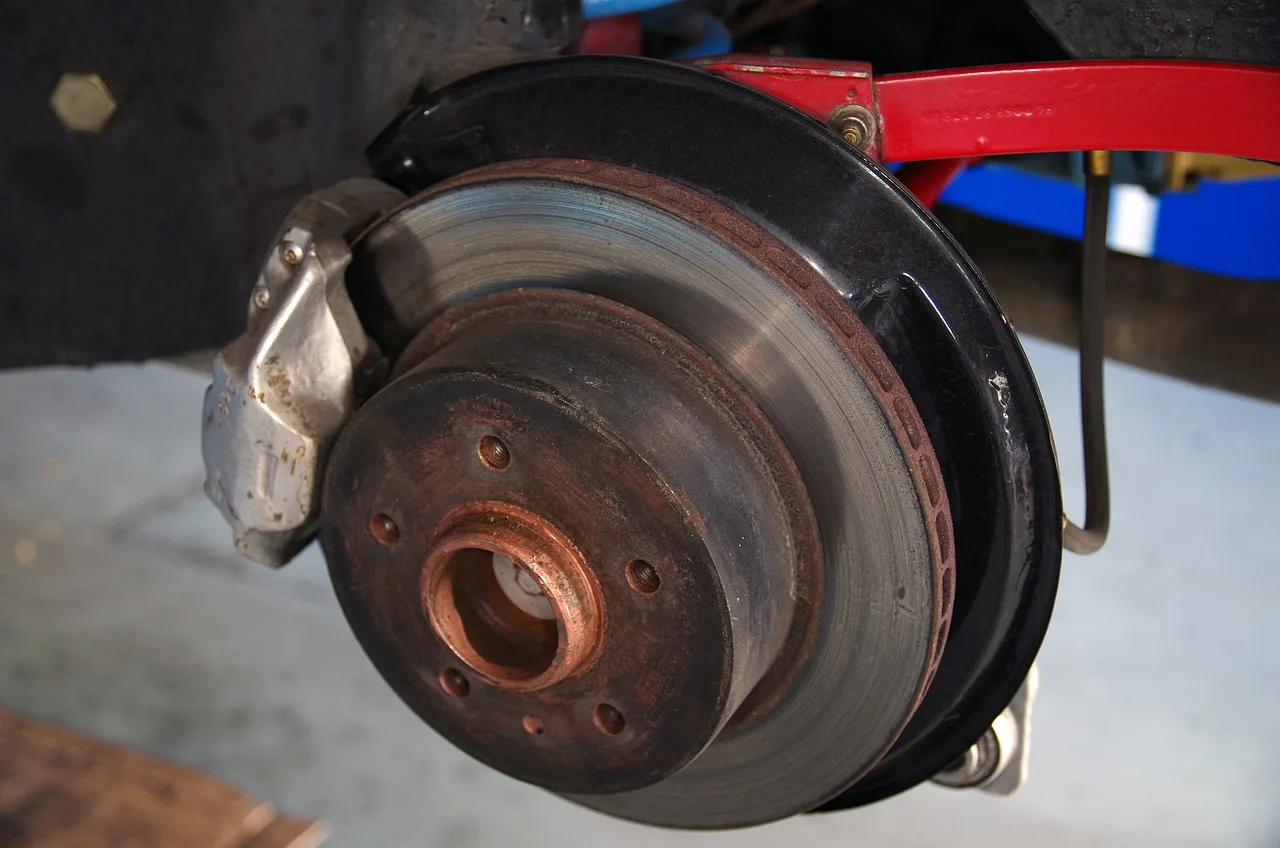
Washing can move grime, dust, and water into places the road spray already reaches. High-pressure water is not automatically harmful, but concentrated spraying into brake assemblies should be avoided. That is especially true near calipers, pad edges, and wheel hardware.
Brake dust can mix with water and grime after washing, which makes a dull scrape or short grind more noticeable. Brake cleaning chemicals can also be harsh, and residue may remain if rinsing is incomplete. Product compatibility matters for wheel finishes, which are not the same as rotor friction surfaces.
Pressure water, dust, and residue
High-pressure water can stress vulnerable seals and wiring if you hold the nozzle close to the brake assembly. It can also pack loose dust into tight spaces instead of clearing it. A rinse that is too aggressive may move debris into the caliper area and make a marginal brake sound worse.
Brake dust that has hardened around the wheel barrel or caliper bracket can loosen during washing and briefly rub against moving parts. That often sounds more severe than it is, but the sound should still fade quickly.
Cleaner choice and wheel finish compatibility
Strong acidic or alkaline cleaners may damage sensitive wheel finishes. Use products that match the finish and rinse thoroughly. Wheel protection belongs only on suitable surfaces, not rotor friction surfaces or brake pads, and tire dressing must stay away from braking components.
That matters because overspray can leave a slick film on the rotor or pad face. Even a small amount can change bite and noise until the surface is cleaned by normal use or a proper inspection.
How to prevent repeat wet-brake noise
Prevention is mostly about keeping brake surfaces clean, dry, and free of the wrong chemicals. Let hot brakes cool before washing, keep dressings and wheel coatings off the friction surfaces, and rinse with care rather than force.
-
Let brakes cool first. Hot brakes should cool before washing rather than being soaked with cold water. This lowers thermal stress and avoids sudden temperature change on already hot parts.
-
Keep products off brakes. Apply wheel protection only to the wheel finish, never to the rotor or pad surface. Keep tire dressing away from calipers, rotors, and backing plates so it cannot contaminate the braking area.
-
Rinse with control. Use enough water to remove grime, but do not aim a concentrated stream directly into the brake assembly. That helps protect seals and keeps loosened debris from being driven deeper into the hardware.
-
Dry and recheck. After washing or driving in rain, note whether the noise fades after a few normal stops. If it does not, or if it returns on dry pavement, inspect the brakes rather than waiting for it to resolve on its own.
A common first-timer mistake is to assume any scrape after a car wash is harmless. A compact crossover can make a loud grind on the first stop after an overnight rain, then go quiet after two stops; that fits moisture noise. If the same sound returns on the commute home, it needs inspection.
Frequently asked questions
Why do my new brakes grind?
New brakes can grind if the pads are still bedding in, the pad compound is noisy when wet, or the hardware is not seated correctly. New parts should not keep grinding after several dry stops. If the noise stays loud or gets worse, inspect for rotor contact, misfit clips, or a sticking caliper.
Why are my brakes grinding when wet?
Wet rotors and pads can make brief noise because moisture changes the first contact between the pad and the rotor. Light surface rust can also form on exposed iron rotors after rain or washing. If the sound fades after a few stops, it is often moisture related; if it does not, inspect the brakes.
Why do brakes make a grinding noise?
Grinding can come from water, surface rust, worn pads, loose hardware, deep rotor wear, or a caliper that does not release. Moisture is the mild case. Metal-to-metal contact, repeated pulling, or vibration points to a fault that needs a closer look before more damage builds.
What does grinding brakes mean?
It usually means something is contacting where it should not. That may be a thin pad, a rusted rotor, a sticking caliper, or a piece of hardware out of position. If the noise is only brief after rain, it may be normal; if it persists, treat it as a brake problem.
Why do my brakes grind when I stop after rain?
Rain can leave a thin moisture film and a light rust layer on the rotor face, which creates noise on the first stop. That sound should fade quickly as the pads clean the surface. If it continues beyond a few stops, or if stopping power drops, inspect the pads, rotors, and calipers.
Is it normal for brakes to grind after a car wash?
Yes, brief noise after a car wash can be normal on healthy brakes. A routine car wash is unlikely to damage healthy brakes, but water can briefly reduce bite and loosen dust. The key is duration: if the grind lingers, returns on dry roads, or comes with pulling, have the brakes checked.
Products related to this article
Sponsored / affiliate links. As an Amazon Associate I earn from qualifying purchases. I may earn additional commission from eligible campaigns.
 AIM Chemicals Car Wash - High Foam Formula Car Shampoo, Professional Car Wash Shampoo Compatible with Ceramic Coatings - Ideal for Foam Guns - Streak-Free Finish for Detailing - 1 Gal
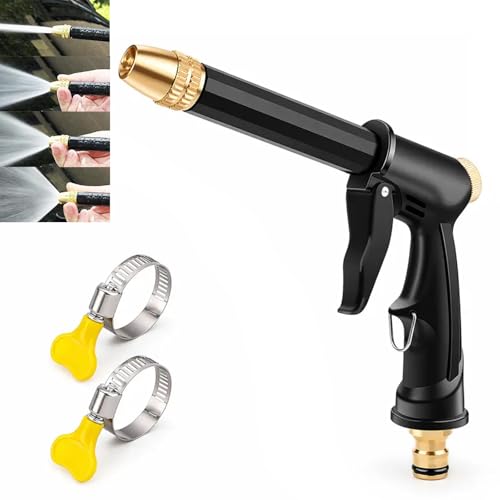 Orodira Powerful High-Pressure Home Car Wash & Garden Sprayer, High Pressure Water Gun For Hose, Car Wash Water Gun With Booster Nozzle, Pressure Washer Spray Nozzle (black1)