Which Car Is Better: Ford Or Honda? Honest Breakdown
Choosing between car brands can feel like a big decision. You want something reliable. You want something that fits your budget.
You also want something that makes you feel good driving it. Ford and Honda are two of the most popular car makers out there. They both make great cars.
But they also have their own styles. Let’s explore which might be the better fit for you.
Ford vs. Honda: A Deep Dive for Car Buyers
It’s tough standing in a car lot. So many shiny cars. So many choices.
Ford and Honda sit at the top for many shoppers. They are known for making different things. Ford often brings a bit more ruggedness.
Honda tends to focus on efficiency and smooth rides. This comparison aims to clear things up. We’ll look at what makes each brand stand out.
We’ll cover reliability, cost, and the driving feel. By the end, you should feel more confident. You’ll know which way to lean for your next car.
When comparing Ford and Honda, the “better” car depends on your personal priorities. Ford often excels in truck capability and has a wider range of models. Honda is consistently praised for its reliability, fuel efficiency, and strong resale value, particularly in its sedan and compact SUV segments.
Understanding the Brands: History and Focus
Ford has been around a long, long time. It started with Henry Ford and the Model T. That car changed how people moved.
Ford is famous for its trucks. The F-150 is America’s best-selling vehicle for years. Ford also makes SUVs and cars.
They often aim for a tougher feel. Think of their “Built Ford Tough” slogan. Ford trucks are known for power and hauling.
Their SUVs often have good space and can handle rougher roads.
Honda, on the other hand, started in Japan. It’s known for making motorcycles first. Then they moved into cars.
Honda built a name for smart engineering. They focus a lot on making cars that last. They also care a lot about saving gas.
Their engines are often very efficient. Honda cars feel smooth to drive. They are usually very dependable.
Many people choose Honda because they don’t have many problems. This makes them easy to own.
Reliability and Durability: Who Wins?
Reliability is key for most car buyers. You don’t want to worry about breakdowns. You want your car to start every time.
Consumer Reports and J.D. Power are great sources for this. They survey car owners.
They look at how many problems cars have. For years, Honda has often scored very high. Cars like the Civic and Accord are known for being super reliable.
They tend to need fewer repairs over time. This is a big plus for owners.
Ford has been improving its reliability. Some of their models do very well. Their trucks, like the F-150, are built tough.
They can handle a lot of wear and tear. However, across all models, Honda often has a slight edge in overall reliability scores. This means that, on average, a Honda car might have fewer small issues than a Ford car.
But this can vary by specific model and year. Always check reviews for the exact car you’re looking at.
Reliability Snapshot
Honda: Consistently top-rated for dependability. Models like the Civic, Accord, and CR-V are praised for long-term reliability and low repair costs.
Ford: Good reliability, especially in its truck and some SUV lines. While improving, some models may have slightly more reported issues than Honda’s best.
It’s not just about avoiding repairs. It’s also about how long the car lasts. Both brands make cars that can go for many miles.
But the overall data suggests Honda might be a safer bet if pure longevity is your top goal. Owners often report keeping their Hondas for a long time with few major surprises.
Performance and Driving Experience
How a car feels when you drive it matters a lot. Ford often tunes its cars for a more engaging drive. Their cars can feel sportier.
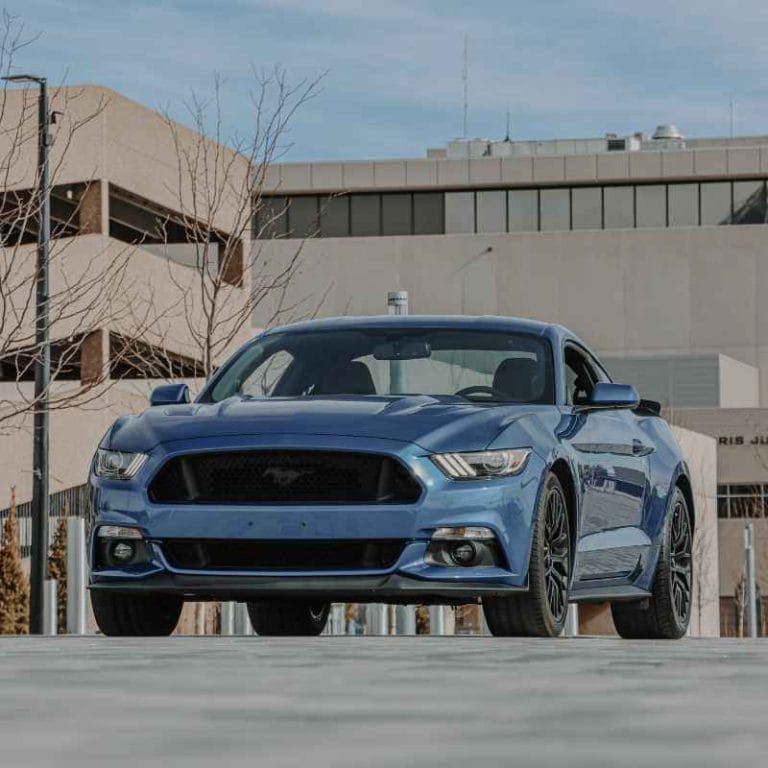
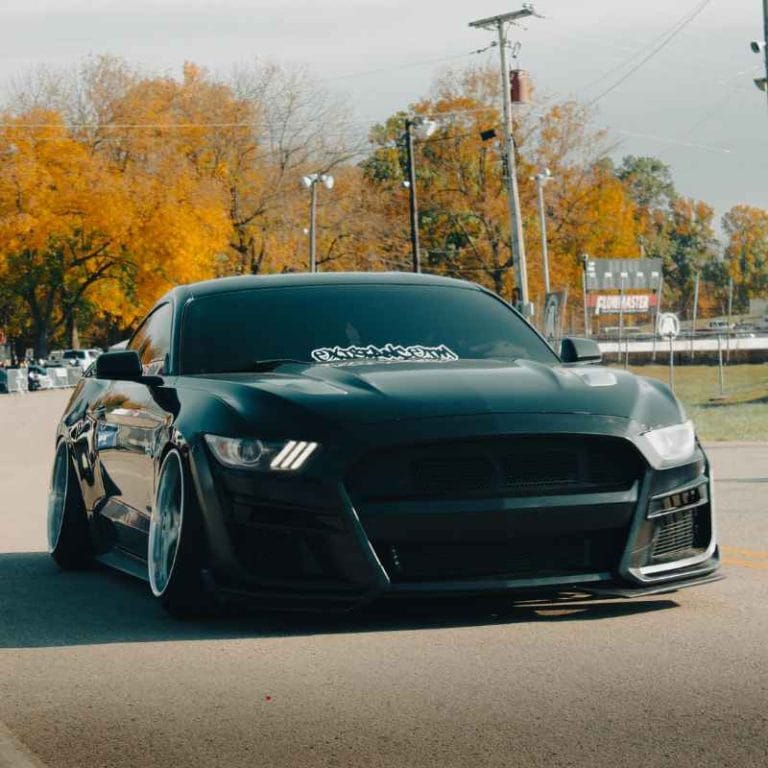
They might have more responsive steering. This is especially true for models like the Mustang. Even their SUVs can have a bit of a punchy feel.
Ford trucks are built for work. They have strong engines for towing and hauling. You feel that power when you drive them.
Honda tends to focus on a smooth and comfortable ride. Their cars are often quiet. The suspension soaks up bumps well.
This makes them great for long commutes or daily driving. While they might not feel as sporty as some Fords, they are very predictable and easy to handle. Many people find Honda’s driving experience very relaxing.
It’s less about thrills and more about getting there comfortably.
When you test drive, pay attention to this. Do you like a firm, connected feel? Or do you prefer a soft, isolating ride?
Ford might lean towards the former. Honda often offers the latter. It’s a matter of personal taste.
Some people want to feel every turn. Others want to just cruise.
Fuel Economy: Saving at the Pump
Gas prices can be a big worry. Saving money on fuel is important for many families. Honda has a strong reputation here.
Their engines are known for being very fuel-efficient. Models like the Civic and Accord often get excellent miles per gallon (MPG). They are leaders in their class for saving gas.
This can add up to significant savings over the life of the car.
Ford also offers fuel-efficient options. They have hybrid models for many of their cars and SUVs. Their smaller engines in cars like the Focus (when available) are good on gas.
However, when you look at comparable gasoline-only models, Honda often has a slight edge. If maximizing MPG is your number one priority, Honda usually leads the pack.
Fuel Efficiency Comparison (Typical Models)
- Honda Civic: Often 30+ MPG city / 40+ MPG highway.
- Honda Accord: Typically 25+ MPG city / 35+ MPG highway.
- Ford Focus (if available): Can be in the high 20s city / 30s highway.
- Ford Fusion (if available): Similar to Accord, but efficiency varies more by engine.
- Ford F-150: MPG varies widely by engine and configuration, often in the high teens to low 20s MPG.
Note: These are general figures. Actual MPG depends on driving habits, conditions, and specific vehicle trim.
For those looking at larger vehicles, like SUVs or trucks, the comparison gets more complex. Ford’s EcoBoost engines aim for better MPG in their larger vehicles. Honda’s hybrid SUVs also offer great fuel savings.
But for compact cars and sedans, Honda generally wins on MPG.
Cost of Ownership: Purchase Price and Resale Value
Buying a car is a big expense. We need to think about the sticker price. We also need to think about what it’s worth later.
Ford cars can sometimes be found at a lower starting price. Especially when there are sales or special offers. They often have a wide range of trims and options.
This allows for more flexibility in budget.
Honda cars tend to hold their value very well. This means that when you sell a Honda, you get more of your money back. This is called resale value.
High resale value is a huge financial benefit. It lowers your overall cost of ownership. Even if the initial price of a Honda is a little higher, its strong resale value can make it cheaper in the long run.
Repair costs are also part of ownership. As we discussed, Honda’s strong reliability often means fewer repair bills. This can save you money over the years.
Ford parts can sometimes be more expensive depending on the model. But again, research specific models. Some Ford parts are very common and affordable.
Value Proposition
- Purchase Price: Ford may offer lower entry prices on some models.
- Resale Value: Honda consistently excels in retaining value.
- Repair Costs: Honda’s reliability often leads to lower long-term repair expenses.
- Overall Cost: Honda often offers a lower total cost of ownership due to resale and reliability.
Think about how long you plan to keep the car. If you trade cars often, resale value is critical. If you plan to drive it for 10+ years, the total cost of repairs might be more important.
Safety Features and Ratings
Safety is non-negotiable. Both Ford and Honda take safety seriously. They equip their cars with modern safety features.
These include things like airbags, anti-lock brakes, and stability control. Many models from both brands earn top safety ratings from organizations like the Insurance Institute for Highway Safety (IIHS) and the National Highway Traffic Safety Administration (NHTSA).
You’ll find advanced driver-assistance systems (ADAS) on many new Fords and Hondas. These can include automatic emergency braking, lane keeping assist, adaptive cruise control, and blind-spot monitoring. These features can help prevent accidents.
It’s always a good idea to check the safety ratings for the specific model and year you are interested in. Both brands aim for high safety standards.
For example, a Honda CR-V and a Ford Escape are both likely to have excellent safety scores. They will also offer similar advanced safety tech. The choice here is less about one brand being inherently safer than the other.
It’s more about checking the specific features and ratings of the model that appeals to you.
Model Range: What Do They Offer?
Ford has a very broad range of vehicles. They are very strong in the truck market with the F-Series. They have popular SUVs like the Explorer and Escape.
They also have performance cars like the Mustang and the electric Mustang Mach-E. Ford offers a lot of variety, especially if you need a truck or a larger SUV for work or adventure.
Honda’s lineup is more focused. They have popular sedans like the Civic and Accord. Their SUVs, like the CR-V and HR-V, are very popular.
They also have the Odyssey minivan and the Ridgeline truck. Honda’s strength lies in its core models. These are often class-leading in their segments for efficiency and reliability.
If you’re looking for a solid sedan, SUV, or minivan, Honda has excellent options.
Key Model Segments
Ford Strengths:
- Trucks: F-150, Ranger (Industry leader)
- Large SUVs: Explorer, Expedition
- Performance Cars: Mustang
- Electric Vehicles: Mustang Mach-E
Honda Strengths:
- Sedans: Civic, Accord (Highly rated for reliability and MPG)
- Compact SUVs: CR-V, HR-V (Very popular, practical choices)
- Minivans: Odyssey (A top pick for families)
- Trucks: Ridgeline (Unique design, car-like handling)
If you need a heavy-duty truck for serious work, Ford is likely your first stop. If you need a dependable and efficient daily driver, Honda often shines.
Technology and Infotainment
Modern cars come packed with tech. Ford uses its SYNC system. This system has been around for a while.
It offers features like smartphone integration (Apple CarPlay and Android Auto). Ford’s newer systems are quite good. They have touchscreens and voice commands.
Some higher trims offer premium sound systems and navigation.
Honda also provides excellent tech. Their infotainment systems are generally user-friendly. They also support Apple CarPlay and Android Auto.
Honda has focused on making its systems easy to use without being distracting. Some models offer premium audio. Navigation is often an option.
The goal is to make your drive more connected and enjoyable. Both brands are keeping up with the latest in car technology.
When you test drive, play with the infotainment system. Is it easy to find what you need? Does the screen respond quickly?
This is a very personal thing. What one person finds intuitive, another might find confusing. Look at the screen size.
Consider how many physical buttons you prefer versus touchscreen controls.
A Personal Experience: The Commute Story
I remember a friend, Sarah, who was torn. She needed a new car for her long commute. She drove about 40 miles each way to her job.
Her old car was dying. She liked the look of a Ford Escape. It felt solid and had nice features.
But she also looked at a Honda CR-V. Everyone told her Honda was more reliable for a daily driver.
She drove both. The Escape felt a bit more fun to steer. It had a slightly firmer ride that she liked.
The CR-V felt smoother. It was quieter inside. She worried about potential repairs with the Ford.
She imagined unexpected visits to the mechanic. Her dad always told her about how his Honda just kept going.
She ended up choosing the Honda CR-V. A few years later, she told me it was the best decision. She had only needed routine maintenance.
Her gas bills were much lower than her friends with similar SUVs. She said the peace of mind was worth more than the slightly sportier feel of the Ford. She still liked Fords, but for her specific need – a reliable commuter – the Honda was the clear winner.
Real-World Context: Family Needs
When you’re thinking about buying a car, consider your life. Do you have a family with young kids? If so, cargo space and easy-to-clean seats are important.
Minivans like the Honda Odyssey are designed for this. They have sliding doors and lots of room for strollers and car seats. Ford offers the Explorer, a large SUV, which can also work for families.
Do you live in an area with rough roads or frequent snow? A vehicle with higher ground clearance or all-wheel drive might be better. Both brands offer these options.
Ford’s trucks and larger SUVs are often seen as more capable in tough conditions. Honda’s CR-V and HR-V also offer AWD and are capable for most winter driving in many parts of the U.S.
What about your commute? Is it stop-and-go city traffic? Or long stretches of highway?
For city driving, fuel efficiency and a smaller turning radius might be key. For highways, comfort and smooth acceleration matter more. These real-world factors heavily influence which brand and model is a better fit.
Family Car Considerations
Space: Do you need to haul kids, groceries, sports gear? Check cargo volume and seating arrangements.
Ease of Use: Consider things like power liftgates, car seat access, and simple controls.
Durability: Kids can be tough on cars. Look for materials that are easy to clean and hold up well.
Safety: Ensure top safety ratings and desired advanced safety features.
Think about your typical weekend. Do you go camping? Do you haul home improvement supplies?
Your hobbies and lifestyle should guide your choice. Don’t just pick a car because it looks good. Pick the car that fits your actual life.
When Is a Ford the Better Choice?
A Ford might be the right pick if you need specific capabilities. Ford excels in trucks. If you regularly tow heavy loads or need to haul large items for work or recreation, the F-150 or Super Duty trucks are hard to beat.
Their towing capacities and payload ratings are often class-leading.
Ford also offers a wider range of performance-oriented vehicles. The Mustang is an icon. If you’re looking for a sports car experience, Ford has strong options.
Their larger SUVs, like the Expedition, offer more passenger and cargo space than many Honda competitors. If sheer size and power are requirements, Ford often has an advantage.
Some people prefer the driving feel of Ford vehicles. They can be tuned for a more engaging, sometimes firmer, ride. If you enjoy feeling connected to the road and want a bit more “oomph” in acceleration, a Ford might speak to you more.
When Is a Honda the Better Choice?
A Honda is often the best choice for those prioritizing long-term reliability and low cost of ownership. If your main goal is to buy a car and drive it for many years with minimal fuss, Honda is a very safe bet. Their reputation for dependability is well-earned.
Fuel efficiency is another strong point for Honda. If you drive a lot and want to save money on gas, Honda’s efficient engines are a major draw. The Civic and Accord are often leaders in their segments for MPG.
Honda vehicles also tend to have excellent resale value. This means you’ll get more money back when you decide to sell or trade in. This can significantly lower the total cost of owning a car over time.
If you plan to trade in your car every few years, this is a huge benefit.
Choosing Your Brand: Key Differentiators
Ford: Best for trucks, towing, heavy-duty needs, raw power, wider model variety, potentially sportier feel.
Honda: Best for reliability, fuel efficiency, strong resale value, smooth ride, lower long-term ownership costs.
If you want a car that is easy to live with, predictable, and generally problem-free, Honda is a strong contender. Many owners find their Hondas to be stress-free companions.
What This Means For You
So, which car is better? The truth is, neither brand is universally “better.” It depends entirely on what YOU need and want from a vehicle. If your life involves hauling lumber or towing a boat, a Ford F-150 is likely your best bet.
If you want a car that will reliably get you to work for a decade with great gas mileage, a Honda Civic might be perfect.
Consider your budget. Think about how long you plan to keep the car. What features are must-haves for you?
Safety? Technology? Comfort?
Performance? Make a list of your priorities. Then, look at models from both brands that fit those priorities.
Don’t forget the test drive! This is the most important step. How the car feels to YOU is what matters most.
Sit in the driver’s seat. Adjust the mirrors. Turn on the radio.
Drive it on roads you normally use. See if it feels right.
Quick Checks and Things to Look For
When comparing specific models from Ford and Honda, here are a few quick checks.
For Ford:
- Trucks: Check towing and payload capacities. Look at engine options and their impact on MPG.
- SUVs: Consider cargo space and seating configurations. Test out the infotainment system.
- Cars: Look at fuel economy ratings for sedans like the Fusion (if available) or smaller models.
For Honda:
- Sedans: Focus on MPG, reliability ratings, and ride comfort.
- SUVs: Check cargo volume, available AWD, and fuel efficiency for models like the CR-V.
- Minivans: Look at family-friendly features, seating flexibility, and safety ratings.
It’s also wise to check recent reviews for specific model years. Sometimes, a particular year might have a unique issue or a standout feature. Websites like Consumer Reports, Edmunds, and Kelley Blue Book are excellent resources for this.
Frequently Asked Questions
Frequently Asked Questions
Is Honda more reliable than Ford overall?
Generally, yes. Honda consistently ranks higher in reliability surveys from organizations like Consumer Reports and J.D. Power across most of its model lineup.
This means Hondas tend to have fewer mechanical issues over time.
Which brand has better fuel economy?
Honda typically has better fuel economy in comparable car and compact SUV segments. Their engines are known for efficiency. Ford offers efficient engines and hybrid options, but Honda often leads in pure MPG for non-hybrid models.
Are Ford trucks better than Honda trucks?
For heavy-duty work, towing, and hauling, Ford trucks (like the F-150 and Super Duty) are generally considered superior. The Honda Ridgeline is more of a lifestyle truck, offering a car-like ride and decent utility but not the raw capability of Ford’s lineup.
Which car holds its value better, Ford or Honda?
Honda cars and SUVs typically hold their value better than Ford models. This means you’ll likely get more money back when you sell a Honda compared to a similar Ford. Strong resale value is a key advantage for Honda.
Are Ford’s safety features as good as Honda’s?
Both brands equip their vehicles with modern safety features and aim for high safety ratings. You can find excellent safety ratings and advanced driver-assistance systems on comparable models from both Ford and Honda. It’s important to check the specific safety scores for the model you are considering.
Which brand offers a sportier driving experience?
Ford often tunes its vehicles for a sportier feel, especially models like the Mustang or some of their car trims. Honda generally prioritizes a smooth, comfortable, and predictable ride over sporty handling, though some models like the Civic Si offer more performance.
Conclusion: Making Your Choice
Deciding between Ford and Honda comes down to your priorities. Ford offers ruggedness, capability, and a wider range of specialized vehicles, especially trucks. Honda provides exceptional reliability, great fuel economy, and strong resale value, making them very practical choices for everyday life.
Both brands are solid options. They both build cars that millions of Americans trust. Take your time.
Do your research. Test drive your favorites. The best car for you is the one that meets your needs and makes you happy on the road. See also why is ford considered a bad car by some owners . See also what is a good ford car to buy best models reviewed.