What State Do Cars Last the Longest? Top States Revealed
What makes a car last longer in one state compared to another? Many drivers wonder about this when buying or maintaining their vehicles. Some states seem to have cars that run reliably for many years, while in other areas, cars rust out or break down much sooner.
This topic matters if you want to keep your car for a long time or are moving to a new region.
The answer isn’t as simple as looking at the weather. Many factors affect how long cars last in different states—like climate, road conditions, maintenance habits, and even state laws about inspections. In this article, we’ll dive deep into which states help cars last the longest, why that’s the case, and what you can do to make your own car last as long as possible—no matter where you live.
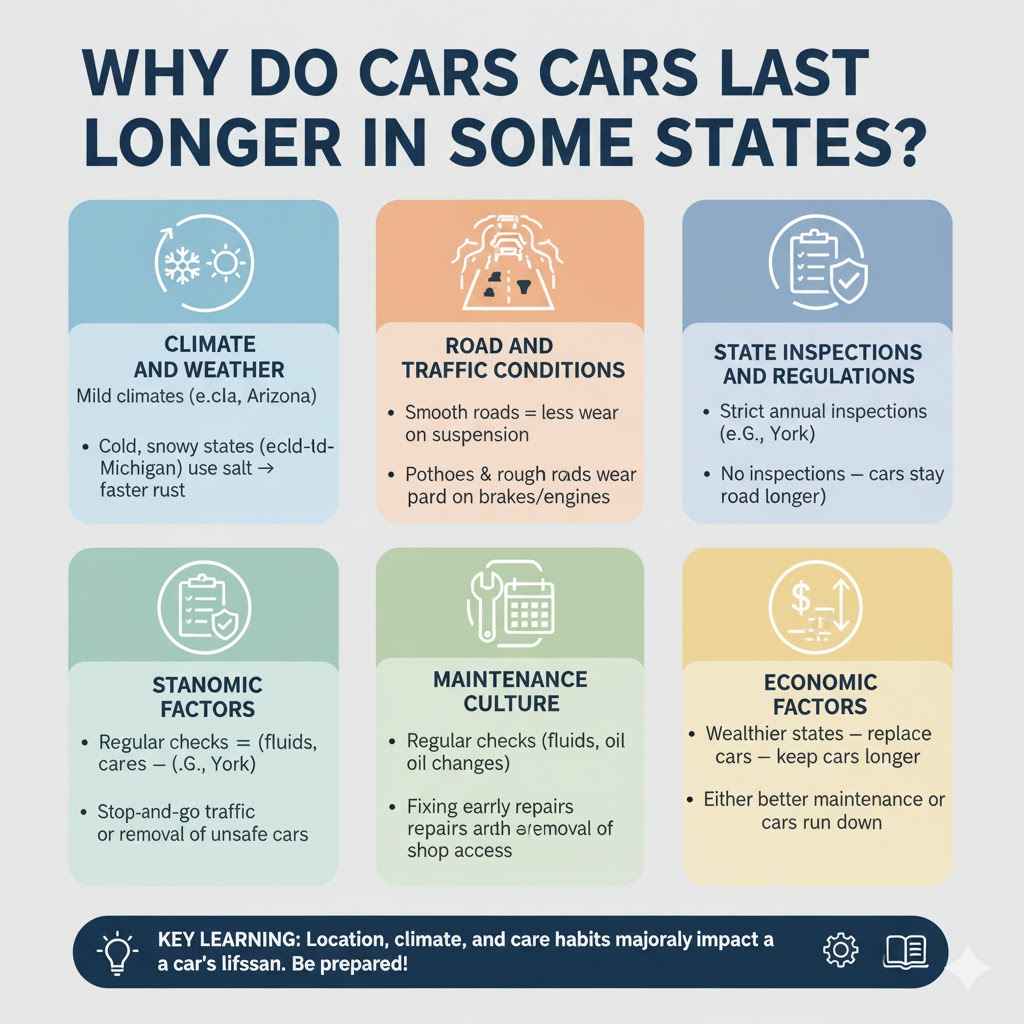
Why Do Cars Last Longer In Some States?
Not all cars face the same challenges. The life of a car in one state can look very different from another. Here’s what makes the biggest difference:

ACIMONE
RV State Sticker Map, 11 ⅘" x…
- Instant Application with Flat Shipping Package – Our travel map stickers arrive in perfect condition, packed securely between stur…
- Fade-Resistant & Waterproof – Upgraded with long-lasting ink and a special coating, our state stickers resist fading for over 2 ye…
- Effortless Use – Peel & Apply – Each set includes 47 decals for the 50 U.S. states, designed for easy peeling—apply one state at a…
As an Amazon Associate I earn from qualifying purchases.
Climate And Weather
Mild climates are often the best for cars. States with little snow, ice, or extreme heat see less wear and tear on vehicles. For example, California and Arizona are known for dry, warm weather. This means less rust and fewer problems with starting in cold weather.
On the other hand, states with cold winters and lots of snow—like Michigan and New York—use a lot of road salt. Salt fights ice, but it also causes cars to rust faster, especially underneath. In humid, coastal states, salty air can also cause rust, even without snowy roads.
Road And Traffic Conditions
Smooth, well-maintained roads reduce the stress on cars. States with lots of potholes, rough roads, or heavy traffic can wear out suspensions, brakes, and tires faster. Some rural states have long stretches of smooth highways, while crowded urban states have stop-and-go traffic that’s hard on engines and brakes.
Maintenance Culture
How well cars are cared for makes a huge difference. In some states, regular maintenance is part of the culture. People check their fluids, get oil changes on time, and fix small problems before they become big ones. In other states, people may drive older cars but skip regular maintenance due to cost or lack of local repair shops.
State Inspections And Regulations
Some states require strict vehicle inspections every year. These rules can push people to fix issues early or get rid of unsafe vehicles. In states without inspections, cars might stay on the road longer, but not always in good shape.
Economic Factors
In wealthier states, people can often afford to replace cars more often. In lower-income states, people keep cars running longer out of necessity. However, this can mean either better maintenance or just driving cars into the ground.
Top States Where Cars Last The Longest
Let’s look at the states where cars are most likely to last a long time. This isn’t just opinion—it’s based on research, car registration data, and vehicle longevity studies.
- California
- Arizona
- Florida
- Texas
- Nevada
- Hawaii
- Oregon
- Washington
- Colorado
- New Mexico
California
California is famous for its mild climate. Winters are not harsh, and snow is rare in most areas. Dry air slows down rust. Plus, California has strict smog checks, so cars are often well maintained to pass emissions tests. With a strong car culture, many Californians keep their vehicles in top shape, leading to long lifespans.
Arizona
Arizona’s desert climate means very little rain or humidity. Rust is almost never a problem. While summer heat can be tough on batteries and air conditioners, engines and bodies last longer. Arizona’s roads are often in good condition, especially outside the big cities.
Florida
Florida is warm year-round. No snow means no road salt. Rust from humidity can be an issue near the coast, but inland, cars last a long time. Older cars are common, and the state is known for having many classic and collector vehicles on the road.
Texas
Texas is huge, with many different climates. In most of the state, winters are mild, and rust is rare. Long stretches of highway allow engines to run smoothly at steady speeds, which is good for longevity. Rural areas especially see cars lasting for decades.
Nevada
Like Arizona, Nevada is dry and hot. Rust is almost unheard of, and the roads are often in good shape. Las Vegas and Reno have more traffic, but outside these cities, cars face little stress from the environment.
Hawaii
Hawaii’s island climate is mostly mild, with no snow. However, salty ocean air can cause rust, especially if cars aren’t washed regularly. Still, many cars last for years with proper care. The lack of long road trips (since the islands are small) also means less engine wear.
Oregon
Oregon’s climate is wet but mild. Winters are not severe, and road salt is rarely used except in mountain areas. People in Oregon tend to care about the environment, which often means keeping cars well maintained and driving them for a long time.
Washington
Washington has a similar story to Oregon. The western part of the state is rainy but doesn’t get much snow. Roads are usually in good condition, and car owners often invest in regular maintenance. Rust is less of an issue compared to snowy states.
Colorado
Colorado sees snow but not as much humidity. While road salt is used, the dry mountain air helps fight rust. The state’s wealth and outdoor culture also mean many people keep SUVs and trucks running for years.
New Mexico
New Mexico is dry, with little rain or snow. Roads are often long and straight, reducing wear on brakes and tires. Cars can last a long time, especially in rural areas where people depend on their vehicles for daily life.
Comparison: Car Longevity By State
To give you a clearer picture, here’s a comparison of car lifespan and key environmental factors in these top states.
| State | Average Vehicle Age (Years) | Primary Climate Factor | Major Threat to Longevity |
|---|---|---|---|
| California | 13.5 | Mild & Dry | Sun Damage |
| Arizona | 13.8 | Hot & Dry | Heat Stress |
| Florida | 12.6 | Humid & Warm | Humidity Rust (Coast) |
| Texas | 13.2 | Varied, Mostly Mild | Heat (South) |
| Nevada | 13.7 | Hot & Dry | Sun Damage |
| Hawaii | 13.1 | Mild & Humid | Salt Air |
| Oregon | 13.0 | Mild & Wet | Rain-Related Rust |
| Washington | 13.3 | Mild & Wet | Rain-Related Rust |
| Colorado | 12.9 | Dry & Cold | Road Salt (Winter) |
| New Mexico | 13.4 | Dry & Mild | Sun Damage |
*Source: IHS Markit, state DOT reports, and vehicle owner surveys.*
Why Do Cars Last Less In Other States?
While some states help cars last longer, others make it much harder. Here’s why:
Road Salt And Snow
Northern states like Minnesota, Wisconsin, and New York use a lot of road salt in winter. Salt gets into every crack, causing hidden rust that can destroy a car’s body and important parts. Even if a car looks fine on the outside, it could have deep rust underneath.
High Humidity And Coastal Air
States along the Gulf Coast or the Atlantic, such as Louisiana, Mississippi, and South Carolina, see a lot of rust from salty air and high humidity—even without snow. This rust can eat away at the car’s frame, brakes, and suspension.
Rough Roads And Traffic
Urban states with crowded cities, like New Jersey or Illinois, have lots of potholes and stop-and-go traffic. This puts extra stress on suspensions, engines, and brakes, causing parts to wear out faster.
Frequent Natural Disasters
Hurricanes, floods, and hail storms also damage cars. States like Louisiana and Oklahoma see more cars totaled by weather events. Even if a car survives, water damage can cause electrical and mechanical problems that shorten its life.
Key Factors That Help Cars Last Longer
No matter where you live, certain habits and conditions will help your car last longer. Here are the most important:
1. Regular Maintenance
Oil changes, fluid checks, and replacing worn parts keep your car running smoothly. Skipping maintenance is one of the fastest ways to shorten a car’s life.
2. Protecting Against Rust
In humid or snowy areas, washing the undercarriage is essential. Rust-proofing treatments can help, but only if applied early. Waxing the paint protects against sun and water damage.
3. Smooth Driving Habits
Hard braking, quick acceleration, and fast cornering wear out parts faster. Driving gently can add years to your car’s life.
4. Proper Storage
Parking in a garage or under a carport protects against sun, hail, and salty air. Covering your car is an easy way to reduce weather damage.
5. Using Quality Parts And Fluids
Cheap parts can fail early and cause bigger problems. Always use parts and fluids that meet or beat the car maker’s standards.
6. Checking For Recalls And Fixes
Sometimes, car makers issue recalls for serious problems. Fixing these issues quickly can stop small problems from becoming big ones.
7. Keeping Tires Properly Inflated
Underinflated or overinflated tires wear out faster and can cause accidents. Check tire pressure regularly, especially with big temperature changes.
State Laws: Inspections And Their Effects
Some states require cars to pass safety or emissions tests each year. This can have both good and bad effects on car longevity.
- Strict Inspections (like in New York or Pennsylvania):
Cars are checked for rust, brakes, and emissions. Unsafe cars are forced off the road, but well-maintained cars last longer because problems are caught early.
- No Inspections (like in Florida or South Dakota):
Owners can keep older cars on the road, but there is a risk of driving unsafe vehicles. Maintenance is up to the owner, so results can vary.
State Inspection Requirements At A Glance
Here’s a look at how inspection laws compare in different states:
| State | Annual Safety Inspection? | Emissions Test? |
|---|---|---|
| California | No | Yes (most areas) |
| Texas | Yes | Yes (urban areas) |
| Florida | No | No |
| Arizona | No | Yes (certain counties) |
| New York | Yes | Yes |
| Washington | No | No |
| Oregon | No | Yes (Portland area) |
| Nevada | No | Yes (urban areas) |
| Colorado | No | Yes (Denver area) |
| Hawaii | Yes | No |
Surprising Insights About Car Longevity
Many people think only about rust or weather, but there are lesser-known reasons some states see longer car lifespans:
- Insurance Rates and Accident Frequency:
States with lower accident rates tend to have more older cars on the road. In high-accident states, cars get totaled more often—even if they are mechanically sound.
- Collector Car Culture:
Some states, like California and Florida, have strong classic car communities. Owners invest more in keeping old cars in perfect shape, which pushes up the average age of vehicles.
- Retiree Populations:
Areas with many retirees (like Florida or Arizona) often see cars driven fewer miles per year. Lower mileage means less wear and tear, so cars naturally last longer.
- Availability of Spare Parts:
In large states with big cities, it’s easier to find parts for repairs—even for older cars. In remote or rural areas, a lack of parts can mean cars get junked sooner, unless owners are skilled at DIY fixes.
How You Can Make Your Car Last Longer—anywhere
No matter what state you live in, you can take steps to help your car last as long as possible. Here’s practical advice:
- Wash your car regularly, especially the undercarriage if you live where salt is used or near the ocean.
- Store your car out of the sun or use a car cover to prevent paint and interior damage.
- Keep up with maintenance—oil changes, brakes, belts, and fluids. Don’t wait until something breaks.
- Drive gently—avoid sudden stops and starts.
- Fix small problems early before they become big, costly ones.
- Check for recalls and get them fixed right away.
- Use rustproofing if you’re in a high-risk area.
- Avoid deep water—flood damage can ruin a car quickly.
- Keep your tires in good shape with regular rotation and pressure checks.
- Find a trusted mechanic you can visit regularly.
Many owners don’t realize how much difference simple habits make. For example, skipping just one oil change can cause engine sludge, while ignoring a small rust spot can lead to a hole in the frame. Even in the worst climates, smart care can add years to your car’s life.
Real-world Example: Why A 20-year-old Car Survives In Arizona But Not In New York
Imagine two similar cars, both built in 2004. One has spent its life in Phoenix, Arizona; the other in Buffalo, New York.
- The Arizona car has seen lots of sun and heat but almost no rain. Its paint may be faded, but the frame and engine are solid. No rust, because the air is dry and roads are never salted.
- The New York car, however, has faced snow, ice, and road salt every winter. Even with regular washing, salt finds its way into cracks. After 15–20 years, the underbody may be rusted through, making the car unsafe—even if it still runs.
This is why dry, mild states often have more old cars still on the road. If you love classic cars, that’s the place to look!
The Bottom Line: Which State Is Best?
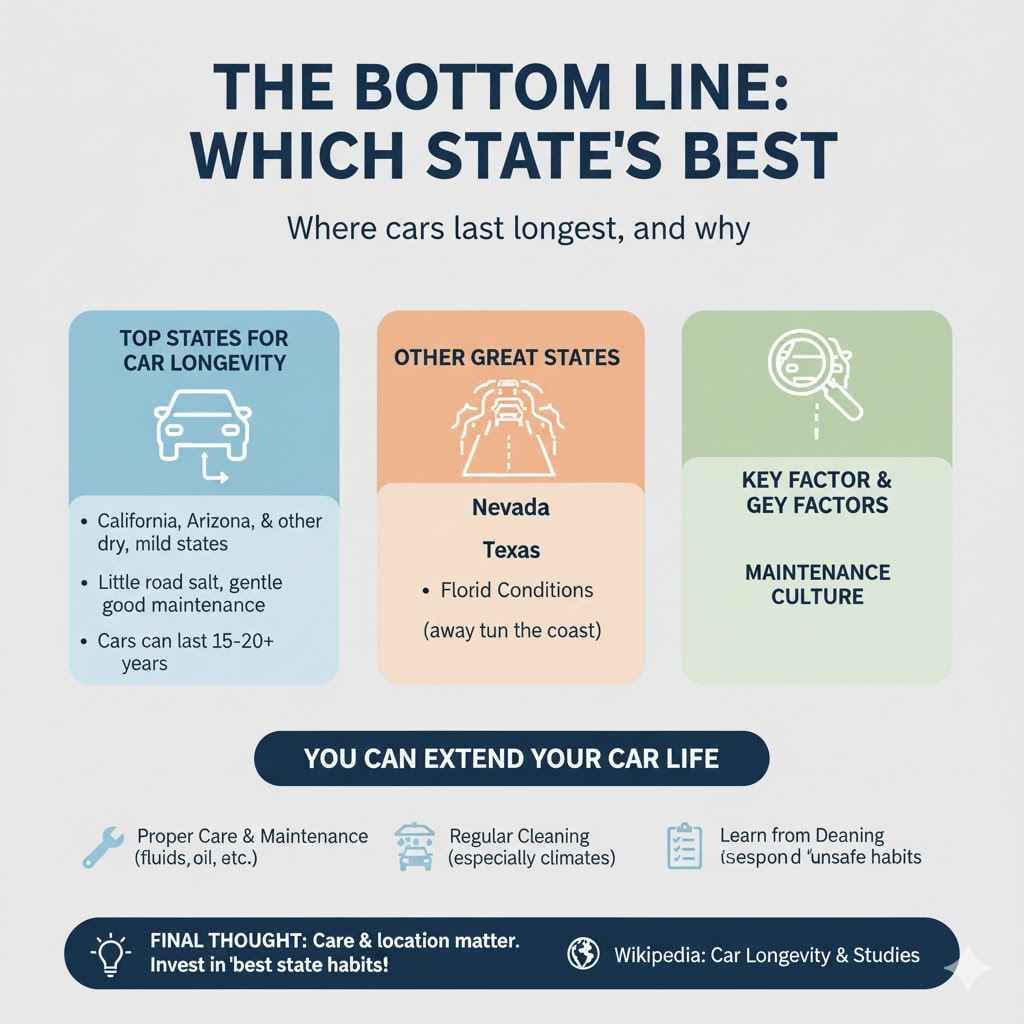
So, what state do cars last the longest? The data points to California, Arizona, and other dry, mild states. The combination of little road salt, gentle weather, and good maintenance habits means cars can last for 15–20 years or more. Other top states include Nevada, Texas, and Florida (away from the coast).
But even in tough climates, you can help your car last longer with proper care. If you want a car that will go the distance, pay attention to the details—and learn from the habits of drivers in the best states.
For more on car longevity and detailed studies, check out this IHS Markit report.
Frequently Asked Questions
Which State Has The Oldest Cars On The Road?
California often leads in average vehicle age, thanks to its dry climate and strong car culture. Owners there keep cars running for many years, and rust is rare.
Why Do Cars In Snowy States Rust Faster?
Snowy states use road salt to melt ice. Salt gets into cracks and under the car, causing rust that’s hard to stop. Rust damages the body, brakes, and suspension.
Does Heat Damage Cars As Much As Cold?
Extreme heat can cause problems with batteries and cooling systems, but it’s usually less harmful than rust from salt and humidity. Dry heat, like in Arizona, is much easier on a car than wet, salty conditions.
Can I Make My Car Last Longer In A Harsh Climate?
Yes. Regular washing, rustproofing, and good maintenance can add years to your car’s life—even in tough climates. Covering your car and parking indoors also help.
Is It Worth Buying A Used Car From A “good” State?
Often, yes. Cars from dry, mild states are less likely to have hidden rust or weather damage. Many buyers look for “California cars” or “Arizona cars” for this reason.
With the right knowledge and habits, you can help your car last longer—no matter where you live. See also can am vehicle type what category does it fall under .
Related pick: Check today's price on Amazon See also types of vehicles and their prices what to expect.