Can a Car Tire Explode? Risks
The sudden sound of a car tire exploding can send shivers down any driver’s spine. Whether you’re cruising down the highway or backing out of your driveway, the idea of a tire bursting without warning is both alarming and dangerous.
For many, tire explosions seem like rare, freak occurrences, but in reality, they are more common than most people think—and the risks associated with them extend far beyond a simple inconvenience.
Understanding the causes and consequences of car tire explosions is crucial for every vehicle owner. From the science behind tire pressure to the practical steps you can take to minimize the danger, this article offers a comprehensive, data-driven exploration of tire blowouts.
By the end, you’ll be equipped with actionable knowledge to keep yourself and others safe on the road.
Key Takeaways
- Car tires can and do explode due to a combination of physical, mechanical, and environmental factors.
- Overinflation, underinflation, heat, road hazards, and poor maintenance are leading causes of tire blowouts.
- Tire explosions can result in severe accidents, injuries, and even fatalities—especially at high speeds.
- Regular tire inspections, proper inflation, and choosing the right tires dramatically reduce the risk of explosion.
- Immediate and safe response during a blowout can save lives; knowing what to do is essential for every driver.
- Modern technology and safety features are making blowouts less common, but vigilance and maintenance remain key.
What Causes A Car Tire To Explode?
Tire explosions, commonly called blowouts, occur when the structural integrity of a tire fails suddenly and catastrophically. Understanding the root causes is essential to prevention.
Overinflation And Underinflation
Maintaining the right tire pressure is critical. Overinflated tires become rigid, reducing their ability to absorb shocks from the road, while underinflated tires flex excessively, generating heat and causing wear.
- Overinflated tires: More susceptible to punctures and bursting when hitting potholes or debris. Overinflation also reduces the tire’s contact area with the road, resulting in less traction and an increased risk of skidding, especially on wet surfaces.
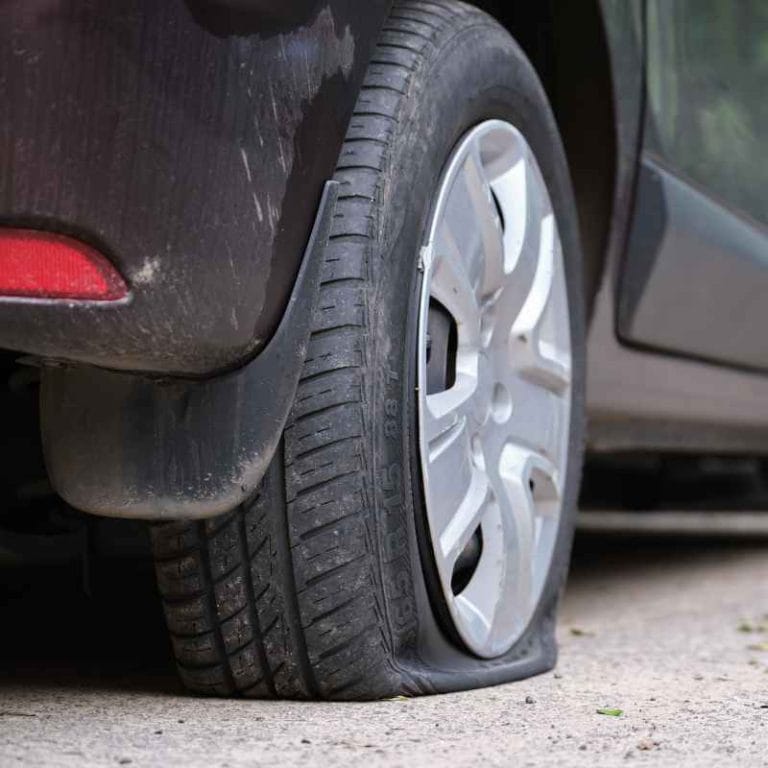
- Underinflated tires: Overheat quickly, leading to sidewall failure and potential blowouts. Underinflation is particularly dangerous because it is often not easily visible, and even a minor drop in pressure can significantly increase the risk of failure during high-speed or long-distance driving.
According to the National Highway Traffic Safety Administration (NHTSA), underinflated tires are three times more likely to be involved in a crash than properly inflated ones. In fact, NHTSA estimates that nearly one in four cars on the road has at least one tire that is significantly underinflated, highlighting the widespread nature of this risk.
Excessive Heat
Heat is a silent killer for tires. As tires roll, they generate friction, which increases their temperature. In hot climates or during long drives, this heat can become excessive, weakening tire components.
- High-speed driving on hot pavement is a prime risk scenario. The faster you drive, the more friction and heat are generated. This effect is amplified during summer months when pavement temperatures can exceed 140°F (60°C).
- Prolonged braking (such as descending mountain roads) increases heat buildup. Brake heat can radiate directly into the tire, compounding the internal temperature and further deteriorating the tire’s structure.
Heat-related blowouts are especially prevalent in regions with extreme weather. For example, the American Southwest and southern states consistently report higher rates of tire failures during the hottest months. Even tires that are otherwise in good condition can succumb to heat-induced breakdown if they are not properly inflated or maintained.
Road Hazards And Impacts
Hitting obstacles like potholes, curbs, or sharp debris can cause immediate or delayed tire failure. Sometimes, the damage is internal and invisible until the tire suddenly bursts days or weeks later.
- Steel belts inside the tire can shift or snap, compromising structural integrity. If not caught early, this internal damage can create weak spots in the tire that are prone to sudden failure.
- Sidewall bulges often indicate internal damage—a blowout waiting to happen. Even a small bulge is a sign that the inner lining of the tire has been breached.
Common road hazards include not just potholes but also construction debris, nails, glass, and even poorly maintained road seams. In rural areas, sharp rocks can also puncture or slice through tire treads, leading to slow leaks or catastrophic blowouts.
Manufacturing Defects And Aging
Not all blowouts are due to user error. Manufacturing defects—such as faulty materials or poor construction—can cause weak spots. Likewise, tires degrade with age, even if tread appears adequate.
- Most manufacturers recommend replacing tires every 6 to 10 years, regardless of mileage. Rubber compounds dry out and become brittle over time, especially if the vehicle is parked outdoors or exposed to UV rays.
- Defective tires have been the subject of high-profile recalls in the past. For example, the Firestone recall in the early 2000s was due to tread separation that led to numerous accidents and deaths.
Older tires may develop cracks in the sidewall, known as dry rot, even if there is plenty of tread left. Always check the tire’s DOT code for its manufacture date and replace tires when they reach their expiration, regardless of appearance.
Real-world Example: Summer Highway Blowout
In July 2026, a family traveling on Interstate 10 in Arizona experienced a sudden blowout at 75 mph. Investigation revealed the tire was six years old, underinflated, and had a sidewall bubble. Fortunately, the driver maintained control, but the incident underscores the combined risks of age, pressure, and prior damage.
This scenario is not unique. Many drivers assume that as long as their tires “look fine,” they are safe. However, hidden damage—whether from age, underinflation, or previous impacts—can make any tire a ticking time bomb under the right (or wrong) conditions.

Credit: www.lthlaw.com
Risks And Consequences Of A Tire Explosion
A tire explosion is not just a loud noise—it’s a serious safety hazard with potentially life-threatening outcomes.
Immediate Dangers
When a tire explodes, the vehicle may suddenly swerve, lose control, or roll over. This is especially dangerous at highway speeds, where reaction time is limited and traffic density increases the risk of secondary accidents.
- NHTSA data: Tire-related crashes cause over 600 fatalities and 33,000 injuries annually in the US (NHTSA).
- The sudden loss of a tire can result in the vehicle veering abruptly, particularly if the blowout occurs on a steering (front) tire. This can cause the car to cross into adjacent lanes or off the roadway, sometimes leading to rollovers or collisions with roadside objects.
Secondary Accidents
A blowout can trigger multi-vehicle collisions, as drivers swerve to avoid debris or lose control themselves. Large tire fragments may damage other vehicles or cause further accidents.
- Tire debris, sometimes called “road alligators,” can remain on the highway, causing additional hazards for other motorists. Swerving to avoid debris is a common cause of further crashes, especially on crowded highways.
- In severe cases, a blowout on a commercial truck can lead to jackknifing or loss of cargo, amplifying the scale and impact of the incident.
Damage To Vehicle And Cargo
A tire explosion can damage rims, brakes, suspension, and bodywork. For commercial vehicles or RVs, cargo may be compromised, leading to financial loss.
- The force of a blowout can bend or fracture wheel rims, necessitating expensive repairs.
- In some cases, a blown tire can rip through fenders or wheel wells, requiring extensive bodywork. For vehicles carrying valuable or sensitive cargo, a blowout can result in the loss or damage of goods, adding insurance and liability concerns.
Psychological Impact
Survivors of blowouts often report increased driving anxiety or post-incident stress, especially if the blowout resulted in an accident.
- Post-traumatic stress can impact driving confidence, leading to more cautious or even avoidant behavior behind the wheel.
- Some drivers develop a heightened awareness of tire issues, becoming more diligent about inspections and maintenance—but others may become overly anxious or fearful of highway travel.
Case Study: Commercial Truck Blowout
In 2018, a semi-truck carrying hazardous materials suffered a blowout on I-95 in Florida. The driver lost control, causing a multi-car pileup and a chemical spill. The investigation cited both underinflation and excessive cargo weight as contributing factors. This incident highlights the far-reaching impact a single tire failure can have.
The aftermath included not just vehicular damage and injuries, but also environmental cleanup, road closures, and significant economic disruption due to delayed freight. This underscores the importance of strict tire maintenance, particularly in the commercial transport sector.

Credit: www.chapelhilltire.com
How To Prevent Tire Explosions
While tire blowouts can never be eliminated entirely, diligent maintenance and awareness drastically reduce the risks.
Proper Tire Inflation And Maintenance
Regularly check tire pressure using a reliable gauge (not just the car’s TPMS, which can lag). Adjust for temperature changes—tire pressure drops about 1 psi for every 10°F decrease in temperature.
- Monthly checks are recommended by the Tire Industry Association. Checking more frequently is advisable during periods of extreme temperature changes or before long road trips.
- Don’t forget the spare tire. Many drivers neglect to check their spare, only to find it unusable in an emergency.
Investing in a quality digital tire pressure gauge ensures more accurate readings than many gas station air pumps. It’s also best to check tire pressure when the tires are “cold,” as driving heats them up and can temporarily increase pressure readings.
Inspect For Damage And Wear
Look for visible signs of trouble:
- Cracks, cuts, or bulges in the sidewall
- Uneven tread wear
- Exposed steel belts
Replace tires that show any of these signs, even if tread depth is legal. Uneven tread wear may indicate alignment or suspension problems that should be addressed to prevent future tire issues.
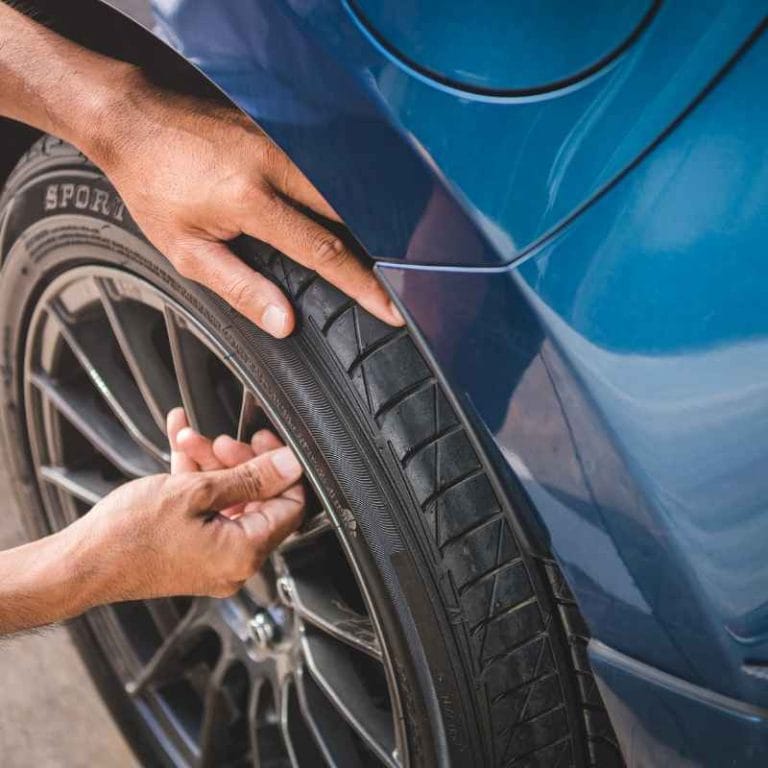
Perform a visual inspection at least once a month and after encountering any significant road hazard. Running your hand gently over the tire surface can help detect bulges or irregularities that may not be immediately visible.
Avoid Overloading And Excessive Speeds
Every tire has a load rating and a speed rating—exceeding either increases blowout risk.
- Consult your vehicle’s placard (usually inside the driver’s door) for correct specifications.
- Remember, hot weather and heavy cargo compound risks.
Never exceed the maximum load or speed indicated on your tire’s sidewall. Overloading is a common cause of tire failure in SUVs, pickup trucks, and RVs, especially during family vacations or moves.
Rotate And Balance Tires
Routine rotation (every 5,000-8,000 miles) and balancing prevent uneven wear and stress, preserving tire life and safety.
- Tire rotation ensures that all tires wear evenly, extending their lifespan and reducing the likelihood of weak spots.
- Balancing eliminates vibration and reduces stress on suspension components, further minimizing blowout risk.
Choose Quality Tires
Invest in reputable brands and ensure tires are appropriate for your vehicle and driving conditions.
- Check for DOT approval and manufacturing date.
- Discount tires might save money upfront but cost more in the long run due to increased risk.
High-quality tires from established manufacturers undergo rigorous testing for durability, safety, and performance. Additionally, premium tires often come with better warranties and support.
Table: Common Causes Of Tire Blowouts And Prevention Tips
| Cause | Description | Prevention Tip |
|---|---|---|
| Underinflation | Too little air, causing excess flex and heat | Check pressure monthly, inflate to manufacturer’s spec |
| Overinflation | Too much air, making tire rigid and fragile | Do not exceed recommended PSI |
| Heat buildup | Prolonged high speeds, hot climates | Take breaks, monitor tire temperature |
| Road Hazards | Potholes, debris, curbs | Drive attentively, avoid obstacles where possible |
| Aging/Defects | Rubber deterioration, manufacturer flaws | Replace tires every 6-10 years; buy from trusted sources |

Credit: ktxs.com
What Happens During A Tire Explosion?
Understanding the physics behind a tire blowout helps clarify why they are so dangerous and how best to respond.
The Sequence Of A Blowout
- Initial failure: The tire’s internal structure (usually the sidewall or bead) ruptures due to excessive stress or damage.
- Rapid air loss: Pressurized air escapes explosively, causing the tire to collapse and potentially shred.
- Vehicle reaction: The car may suddenly pull to one side, especially if a front tire is affected. The affected wheel may drop slightly as the tire loses structure.
- Potential loss of control: At high speeds, this can lead to skidding, spinning, or rollover, particularly if the driver reacts improperly.
The initial moments of a blowout are critical. The vehicle’s dynamics change instantly, and the driver has only seconds to respond appropriately to avoid disaster.
Sound And Visual Cues
Most blowouts are accompanied by a loud bang, followed by a flapping noise as the shredded rubber hits the wheel well. The car may vibrate or shake violently.
- You might also notice a sudden drop in the vehicle’s ride height or a sharp pull to one side.
- In some cases, smoke or the smell of burning rubber will quickly follow the initial sound.
Recognizing these cues immediately is essential, as delayed reactions can worsen the outcome.
Immediate Hazards
- Loss of steering control: Especially dangerous for front tire failures. With the steering compromised, even minor corrections can result in oversteer or understeer.
- Wheel rim contact: Sparks and damage occur as the rim hits the road. Prolonged contact can damage the wheel and even ignite fires in rare cases.
- Flying debris: Poses a risk to other vehicles. Shredded tire pieces can hit windshields, radiators, or get lodged under other cars, causing secondary accidents.
Case Study: Rear Vs. Front Tire Blowout
A test conducted by Consumer Reports found that front tire blowouts are more likely to cause loss of control than rear tire failures, especially in front-wheel-drive vehicles. Drivers often instinctively brake or swerve, which can exacerbate the loss of control.
- In the test, drivers who braked sharply after a front tire blowout were more likely to spin out or leave the roadway.
- The study emphasized the importance of maintaining composure and letting the vehicle slow naturally.
Table: Vehicle Response To Front Vs. Rear Tire Blowouts
| Tire Location | Common Vehicle Response | Driver Challenge |
|---|---|---|
| Front Tire | Sudden pull to one side, heavy steering vibration | Maintaining directional control |
| Rear Tire | Vehicle sways or fishtails | Preventing spin or overcorrection |
How To React If Your Tire Explodes While Driving
Knowing what to do during a blowout can mean the difference between a safe stop and a serious accident.
Stay Calm And Maintain Control
- Grip the steering wheel firmly: Keep both hands on the wheel to maintain maximum control.
- Avoid slamming the brakes: Sudden braking can cause a spin or rollover, especially at high speeds. Braking transfers weight forward, which can intensify instability if a front tire is lost.
- Let the car slow down gradually: Ease off the accelerator and allow the vehicle to decelerate on its own.
These steps are critical. Panic reactions such as jerking the wheel or slamming the brakes are common but dangerous.
Steer Straight
- Do not swerve: Keep the car as straight as possible. Swerving can cause the vehicle to roll, especially if a tire on the same side has failed.
- Gently steer to safety: Use smooth, controlled movements to guide the vehicle off the road, ideally to a straight, level shoulder.
If possible, avoid making sudden lane changes, particularly if traffic is heavy or the road is slick.
Activate Hazard Lights
- Warn other drivers: Turn on your hazard lights as soon as possible to signal distress and alert other motorists to your predicament.
This is especially important at night or in poor visibility conditions.
Pull Over Safely
- Get off the roadway: Move to the shoulder or a safe area, away from moving traffic.
- Stop completely: Only brake once you have slowed to a safe speed and are out of traffic lanes.
If you are on a busy highway and cannot reach an exit or rest area, prioritize safety—do not risk further damage or injury by driving on a rim for extended distances.
Assess The Situation
- Exit carefully: If it is safe, get out and inspect the damage. Be mindful of traffic when exiting your vehicle.
- Call for assistance: Use roadside service if you cannot safely change the tire yourself. Many roadside assistance programs will replace the tire or tow your vehicle if needed.
Real-world Example: Successful Blowout Response
In April 2026, a driver on the New Jersey Turnpike experienced a rear tire blowout at 65 mph. Following recommended procedure—staying calm, keeping the wheel straight, and letting the car slow before pulling over—the driver avoided a crash and safely changed the tire. This incident illustrates the effectiveness of proper blowout response.
Many drivers credit their survival in such situations to having read or watched safety demonstrations in advance, underscoring the value of preparedness and education.
Tire Technology And Safety: How Modern Cars Reduce Blowout Risk
Advancements in tire and vehicle technology have made tire explosions less common, but not obsolete.
Tire Pressure Monitoring Systems (tpms)
Most modern vehicles are equipped with TPMS, which alerts drivers to under- or overinflated tires.
- Direct TPMS uses sensors inside the tire to provide real-time, accurate pressure readings.
- Indirect TPMS uses wheel speed sensors to infer pressure differences based on rotational speed.
Both systems have contributed to a measurable decline in tire-related accidents, but they are not foolproof. Sensors can fail or give false readings, so manual checks remain important.
Run-flat Tires
Run-flat tires are designed to retain their shape and support the vehicle even after losing air pressure.
- Allow for safe driving up to 50 miles at reduced speeds, providing time to reach a service station.
- More common in luxury and performance vehicles, though some mainstream models are beginning to adopt them.
Run-flats typically feature reinforced sidewalls, which allow the tire to support the vehicle’s weight even when deflated.
Stronger Tire Materials
Innovations in rubber compounds, steel belts, and sidewall reinforcement have improved tire durability and resistance to punctures.
- Some modern tires are infused with silica or Kevlar for added strength.
- Advanced tread designs can better shed heat, reducing the likelihood of heat-related failures.
Roadside Assistance And Mobile Tire Services
Mobile tire repair services and enhanced roadside assistance programs have reduced the dangers associated with being stranded after a blowout.
- Many insurance policies and automakers now include tire assistance in their emergency offerings.
- Mobile services can often repair or replace a tire on the spot, minimizing downtime and exposure to roadside hazards.
Table: Traditional Vs. Modern Tire Safety Features
| Feature | Traditional Tires | Modern/Advanced Tires |
|---|---|---|
| Pressure Monitoring | Manual checks | TPMS alerts in real-time |
| Run-Flat Capability | No | Drive up to 50 miles after puncture |
| Puncture Resistance | Standard rubber compounds | Advanced materials and construction |
| Replacement Support | Manual spare tire change | Mobile tire services available |
External Resources
For an in-depth look at tire technology, see the Wikipedia entry on tires or the NHTSA tire safety page.
Tire Explosion Statistics And Trends
Data helps put the risks and impacts of tire blowouts into perspective.
Frequency Of Tire-related Crashes
- In 2026, the NHTSA reported over 11,000 tire-related crashes in the US.
- About 600 fatalities and 33,000 injuries are attributed to tire failures annually (NHTSA).
These numbers have declined over the past decade, largely thanks to improved tire design, better public awareness, and widespread adoption of TPMS. However, the persistence of thousands of annual incidents highlights the ongoing need for vigilance.
Common Contributing Factors
According to a 2020 National Transportation Safety Board (NTSB) report:
- 35% of tire failures due to underinflation
- 18% from road hazards
- 14% from overloading
- 10% from manufacturing defects
These figures underscore that most blowouts are preventable through simple, routine maintenance and careful driving.
Seasonal And Geographic Trends
- Summer months see a spike in blowouts due to increased travel and higher road temperatures. Vacation travel, heavy loads, and hot pavement combine to create prime conditions for blowouts.
- Southern states (like Arizona, Texas, Florida) report higher incidents due to heat. Urban areas with poor road maintenance also see elevated rates of tire damage.
During holiday weekends and peak travel times, tire blowout-related accidents tend to increase, making pre-trip checks especially important.
Insurance Claims
The Insurance Information Institute (III) states that tire blowout-related claims average $1,200–$2,500 for vehicle damage, not including medical costs. The financial impact can be much higher if injuries, cargo loss, or multiple vehicles are involved.
- Insurance may cover property damage, but not always the cost of the tire itself unless comprehensive coverage is in place.
- Medical expenses and lost wages can add significantly to the total cost of a blowout incident.
External References
For comprehensive accident statistics, consult the Bureau of Transportation Statistics.
Comparing Tire Types And Their Risk Of Explosion
Not all tires are created equal. Choosing the right type for your vehicle and driving conditions can reduce the risk of blowouts.
All-season Vs. Performance Tires
- All-season tires offer balanced performance and durability for most drivers. They are designed to provide reliable grip and long service life in a variety of conditions.
- Performance tires have stiffer sidewalls and may be more susceptible to blowouts if overinflated. While they offer enhanced handling and speed capabilities, they require more vigilant pressure management.
High-performance tires are also more likely to suffer damage from potholes or road debris due to their lower profile and harder rubber compounds.
Summer Vs. Winter Tires
- Summer tires are designed for warm conditions and high grip but can overheat if used improperly, especially on long drives or with heavy loads.
- Winter tires have softer rubber, which can degrade faster in summer heat, increasing blowout risk.
It’s important to switch to season-appropriate tires as conditions change. Using winter tires in hot weather is a common but dangerous mistake.
Run-flat Tires
- Run-flat tires reduce the danger of sudden air loss but may offer a harsher ride and are more expensive to replace.
- The peace of mind provided by run-flats is especially valuable for drivers who travel in remote areas or places where tire service is not readily available.
Table: Tire Types And Blowout Risk
| Tire Type | Typical Use | Relative Blowout Risk | Notes |
|---|---|---|---|
| All-Season | Daily driving | Low | Balanced for most conditions |
| Performance | Sports cars | Moderate | Stiffer, more sensitive to pressure |
| Summer | High-temperature, dry roads | Moderate | Prone to heat-related failures if misused |
| Winter | Snow, cold | High (in heat) | Soft rubber not for summer use |
| Run-Flat | Varied | Low | Safer but costlier and rougher ride |
External Resources
For a comprehensive guide to tire types, see the Consumer Reports tire buying guide.
Frequently Asked Questions
What Is The Difference Between A Tire Blowout And A Flat Tire?
A tire blowout is a sudden, explosive loss of air pressure, typically accompanied by a loud bang and rapid deflation. A flat tire is usually a slower loss of air, often caused by a puncture or slow leak, and is less dramatic and dangerous.
- Blowouts can lead to immediate loss of control and are more likely to cause accidents.
- Flats are usually easier to manage and can often be driven on (slowly) to reach safety.
Can A New Tire Explode?
Yes, a new tire can explode if it is improperly inflated, subjected to a manufacturing defect, or damaged by road hazards. Always inspect new tires for visible defects and ensure they are installed to the manufacturer’s specifications.
- Even new tires can be damaged in shipping or installation, so a thorough inspection is crucial.
- Register new tires with the manufacturer to receive recall notifications.
How Often Should I Check My Tire Pressure?
Check tire pressure at least once a month and before long trips. Use a reliable gauge, and check when tires are cold for the most accurate reading. Don’t rely solely on your car’s TPMS.
- More frequent checks are recommended during major temperature swings or if you suspect a slow leak.
Are Some Car Brands More Prone To Tire Blowouts?
Tire blowouts are primarily related to tire maintenance and road conditions, not specific car brands. However, vehicles with higher loads (like SUVs and trucks) or those using low-profile performance tires may be at greater risk if not properly maintained.
- Always follow the vehicle manufacturer’s recommendations for tire type, size, and inflation.
What Should I Do If I Can’t Pull Over Immediately After A Blowout?
If you cannot safely pull over, continue steering straight and let the vehicle slow down naturally. Signal and move to the shoulder as soon as traffic allows. Do not stop abruptly in traffic, as this increases the risk of being struck by other vehicles.
- If you must stop in a traffic lane, turn on your hazard lights and call for help immediately.
Additional Resources
For further reading and safety tips, consult:
- NHTSA Tire Safety
- SaferCar.gov Tire Safety
- Consumer Reports Tire Buying Guide
- Wikipedia: Tire
- Bureau of Transportation Statistics
- NHTSA Tire Equipment
Car tire explosions are a serious risk, but one that is largely preventable through proper maintenance, tire selection, and awareness. By understanding the causes and knowing how to respond, you can protect yourself, your passengers, and others on the road.
Stay vigilant, check your tires regularly, and drive with confidence knowing you’re prepared for the unexpected. Consistent attention to tire health not only extends the life of your tires but can truly save lives.
Products related to this article
Sponsored / affiliate links. As an Amazon Associate I earn from qualifying purchases. I may earn additional commission from eligible campaigns.