Types of Car Noises And What They Mean for Your Vehicle
Modern vehicles are marvels of engineering, but every car owner knows the anxiety that comes when an unfamiliar noise interrupts a quiet drive. Whether it’s a subtle rattle or a jarring screech, these sounds are often the first sign that something isn’t right.
Understanding what different car noises mean can help drivers address issues early, potentially saving thousands in repairs and preventing dangerous situations. Car noises aren’t just random quirks; they’re your vehicle’s way of communicating that a component needs attention.
This comprehensive guide deciphers the most common car noises, explains what each sound typically signals, and offers actionable advice to keep your vehicle safe and reliable. By learning to recognize these noises and their underlying causes, you’ll be empowered to make informed decisions about maintenance, repairs, and even when to seek professional help.
From whistling wind to grinding brakes, we’ll break down what each sound means so you can respond quickly and confidently.
Key Takeaways
- Car noises are often early warning signs of mechanical issues that, if ignored, can lead to expensive repairs or safety hazards.
- Identifying specific sounds, such as squealing, grinding, or knocking, helps pinpoint potential problems in brakes, engine, transmission, or suspension.
- Regular maintenance and prompt attention to abnormal noises can extend your vehicle’s lifespan and improve safety.
- Some noises may indicate urgent issues requiring immediate inspection, while others can be monitored or fixed during routine service.
- Real-world examples and data-driven tables demonstrate how different noises correlate with common car failures.
- Consulting a professional mechanic is recommended for persistent or severe noises, especially those affecting critical systems.
Common Car Noises: Categories And Their Causes
Cars produce a variety of noises, each with its own set of causes and implications. Recognizing the category of the noise is the first step in diagnosing the problem. This section breaks down the main types of car noises and their most frequent origins.
Squealing And Screeching
Squealing is often associated with brakes or belts. When you hear a high-pitched squeal during braking, it typically signals worn brake pads. Many modern vehicles have a built-in indicator, a metal tab that emits a squeal when pads are thin. If the sound occurs when starting the engine, a worn or loose serpentine belt is likely the culprit. Neglecting these issues can lead to brake failure or a broken belt, both of which are hazardous.
Example: A driver notices squealing whenever stopping at lights. Inspection reveals the brake pads are below the manufacturer’s recommended thickness, confirming the need for replacement.
Grinding And Groaning
A grinding noise is often more severe and usually indicates metal-on-metal contact. In brakes, this means the pads are worn past their limit, exposing the rotors to damage. Grinding from the transmission or wheel hubs may signal failing bearings or gears, requiring immediate attention.
Warning: If you hear grinding, stop driving and have your car inspected. Continuing can cause extensive damage and risk your safety.
Knocking And Pinging
Knocking is most commonly heard from the engine. It’s often caused by improper fuel combustion, sometimes due to using a lower octane fuel than recommended. Pinging or detonation can damage internal engine parts, especially pistons and valves. Other causes include carbon buildup or timing issues.
Pro Tip: Persistent knocking should be addressed quickly, ignoring it can lead to engine failure.
Rattling And Clunking
Rattling noises may come from loose heat shields, exhaust components, or suspension parts. Clunking is typically linked to worn suspension bushings, ball joints, or steering systems. These noises can worsen over time and affect handling.
Example: After hitting a pothole, a driver hears clunking while turning. Inspection uncovers a damaged ball joint, which, if left unrepaired, could lead to loss of steering control.
Hissing And Whistling
A hissing sound generally points to fluid leaks, often coolant or vacuum lines. Whistling may indicate air leaks, such as around window seals or intake manifolds. These sounds can be subtle but signal potential performance issues.
Example: A whistling noise on the highway leads to finding a cracked intake hose, impacting engine efficiency and fuel economy.
Clicking And Tapping
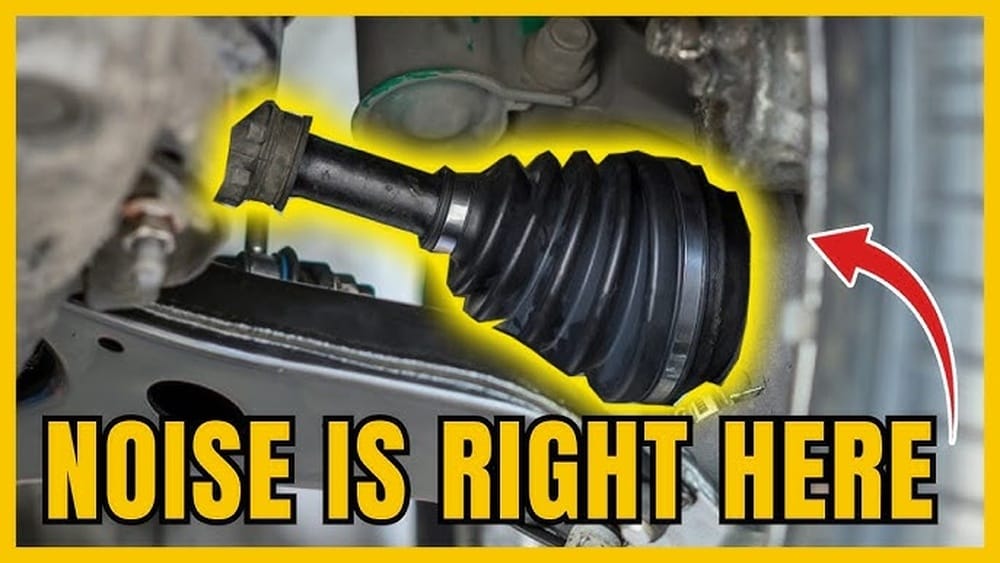
Clicking noises may originate from CV joints, especially during turns. Tapping can signal low oil levels or valve train issues. If the sound is rhythmic and matches engine speed, it’s likely related to moving internal components.
Data-driven Comparison Table
Here’s a summary table comparing common car noises, their likely sources, and urgency level:
| Noise Type | Typical Cause | Urgency | Action Required |
|---|---|---|---|
| Squealing | Brake pads, belts | Medium | Inspect soon |
| Grinding | Brakes, bearings | High | Immediate inspection |
| Knocking | Engine, fuel | High | Check fuel, mechanic |
| Rattling | Exhaust, suspension | Low to Medium | Inspect at service |
| Whistling | Air leaks | Low | Monitor, repair if needed |
| Clicking | CV joints, valves | Medium | Inspect soon |

Credit: www.audi.com
Brake Noises: Diagnosis And Solutions
Brakes are a critical safety system, and abnormal noises can indicate serious problems. Understanding these sounds helps prevent accidents and ensures reliable stopping power.
Squealing Brakes
Squealing brakes often signal worn pads or glazing. If new pads squeal, it could be due to improper installation or low-quality materials. Some pads include wear indicators, a metal tab that contacts the rotor and emits a squeal as a warning.
Pro Tip: Regular brake inspections every 12,000 miles help catch pad wear before it turns dangerous.
Grinding Brakes
Grinding is a sign the pads are worn out, exposing the rotor to damage. Once rotors are scored, they may require resurfacing or replacement, which can be costly.
Example: A vehicle that ignored squealing for months experiences grinding and poor braking. Inspection reveals metal-on-metal contact, resulting in a $400 rotor replacement.
Clicking Or Clunking Brakes
Clicking during braking may indicate loose or missing hardware, such as caliper bolts. Clunking is often tied to suspension issues that affect brake operation, especially during turns or bumps.
Comparison Table: Brake Noises And Actions
| Brake Noise | Possible Cause | Repair Cost Range (USD) | Recommended Action |
|---|---|---|---|
| Squealing | Worn pads | $100-$300 | Replace pads |
| Grinding | Pad/rotor damage | $200-$500 | Replace pads & rotors |
| Clicking | Loose hardware | $50-$150 | Tighten/replace parts |

Credit: www.motor1.com
Engine And Transmission Noises
The heart of your vehicle, the engine, can produce a range of noises that signal different problems. The transmission also makes distinct sounds when issues arise.
Engine Knocking And Pinging
Knocking is often caused by abnormal combustion, using incorrect fuel, or carbon buildup. Prolonged knocking can damage pistons and valves. Pinging is a lighter metallic noise, typically from detonation.
Example: Using regular gasoline in a car that requires premium leads to engine knocking. Switching back to the correct octane resolves the issue.
Ticking And Tapping
Ticking often relates to the valve train or low oil levels. If oil is low or not circulating properly, moving parts may tap or tick. Regular oil changes help prevent these noises.
Whining Or Humming Transmission
A whining sound from the transmission, especially when accelerating, may point to low fluid levels or worn gears. Humming can indicate bearing issues.
Warning: Transmission noises should be checked promptly. Ignoring them risks expensive repairs or total failure.
Grinding Gears
Manual transmissions may grind if synchromesh gears are worn or if the clutch isn’t disengaging properly. Automatic transmissions rarely grind, but any abnormal sound suggests a serious issue.
Real-world Example
A driver hears a humming noise while driving at highway speeds. The sound intensifies when turning. A mechanic diagnoses a failing transmission bearing. Replacing the bearing restores quiet operation and prevents catastrophic failure.

Credit: www.theengineeringchoice.org
Suspension And Steering Noises
The suspension and steering systems keep your ride smooth and controlled. Noises from these areas can affect comfort and safety.
Clunking And Thumping
Clunking is often heard over bumps, signaling worn bushings or ball joints. Thumping can indicate loose shock absorbers or struts.
Example: After a winter of potholes, a car develops a clunk over bumps. Inspection finds a damaged control arm bushing.
Creaking And Groaning
Creaking during turns or while driving slowly often means rubber components are drying out or metal parts need lubrication. Groaning when steering can signal low power steering fluid or pump issues.
Squeaking Suspension
Squeaking is common as suspension parts wear or lose lubrication. Regular maintenance can prevent squeaks from becoming more serious problems.
Steering Noises
Steering noises, such as whining or clicking, often point to power steering pump issues or worn tie rods. These noises can affect handling and safety.
Comparison Table: Suspension And Steering Noises
| Noise | System | Typical Cause | Repair Priority |
|---|---|---|---|
| Clunking | Suspension | Bushings, ball joints | High |
| Creaking | Steering | Lubrication, tie rods | Medium |
| Squeaking | Suspension | Shock absorbers | Medium |
| Groaning | Steering | Power steering fluid | High |
Exhaust And Underbody Noises
The exhaust system and underbody components can produce rattles, hisses, or thumps. These noises may seem minor but can indicate leaks or structural issues.
Rattling Exhaust
A rattling exhaust usually means a loose heat shield or broken hangers. If the rattling is accompanied by louder exhaust noise, a hole or crack may be present.
Pro Tip: Inspect exhaust hangers and shields during oil changes to catch problems early.
Hissing And Air Leaks
Hissing from the underbody often means an exhaust leak or a punctured hose. These leaks can affect emissions and performance.
Thumping Underbody
Thumping noises may signal loose underbody panels or debris caught beneath the car. While often harmless, they should be inspected to avoid more serious issues.
Example
A driver hears a rattling at idle, traced to a loose exhaust heat shield. Replacing the shield eliminates the noise and prevents damage to the exhaust system.
Wheel And Tire Noises
Wheels and tires are in constant contact with the road, making them prone to noise. Diagnosing these sounds can prevent blowouts or unsafe handling.
Clicking While Turning
Clicking during turns usually signals worn CV joints. These joints transfer power to the wheels and can fail if neglected.
Warning: CV joint failure can lead to loss of drive. Address clicking noises promptly.
Thumping Or Bumping
Thumping is often caused by flat spots on tires, uneven wear, or loose lug nuts. Regular rotation and proper inflation help prevent these issues.
Squealing Tires
Squealing tires during normal driving may indicate alignment issues or worn tread. If tires squeal only during sharp turns, it’s often normal, but persistent squealing should be checked.
Humming Or Roaring
A humming or roaring noise from the wheels may indicate worn wheel bearings. These sounds usually increase with speed and can lead to wheel failure.
Comparison Table: Wheel And Tire Noises
| Noise | Possible Cause | Urgency | Repair Action |
|---|---|---|---|
| Clicking | CV joints | High | Replace joints |
| Thumping | Tire wear | Medium | Rotate/replace tires |
| Squealing | Alignment, tread | Medium | Check alignment |
| Humming | Bearings | High | Replace bearings |
Cabin And Interior Noises
Not all car noises originate from mechanical systems. Cabin noises, such as rattles, squeaks, or wind whistles, can affect comfort and signal minor issues.
Rattles And Squeaks
Rattles in the dashboard or doors often mean loose clips or fasteners. Squeaks from seats or trim can signal worn materials.
Example: A rattle from the glove box is fixed by tightening mounting screws.
Whistling And Wind Noise
Whistling is usually air leaking through window seals or doors. If the noise increases with speed, inspect seals and weatherstripping.
Hvac System Noises
HVAC noises, such as clicking or humming, may point to blower motor issues or debris in vents. Regular cleaning prevents buildup.
Electronic And Accessory Sounds
Modern vehicles have many electronic components. Buzzing or clicking from accessories can indicate relay issues or wiring problems.
Data Table: Common Cabin Noises And Fixes
| Noise | Origin | Typical Fix |
|---|---|---|
| Rattle | Dashboard, doors | Tighten fasteners |
| Whistling | Window seals | Replace seals |
| Squeak | Seats, trim | Lubricate, replace parts |
| Clicking | HVAC, electronics | Inspect, clean, repair |
Real-world Examples And Short Case Studies
Understanding how car noises manifest in real situations can help drivers relate to their own experiences and act confidently.
Example 1: Brake Squeal
A commuter notices a persistent squeal while stopping. Research shows brake pads are near the end of their lifespan, confirmed by a mechanic. Replacing the pads resolves the noise and improves braking performance.
Example 2: Engine Knocking
A vehicle owner uses regular fuel in a car that requires premium. Engine knocking develops, especially under acceleration. Switching back to premium fuel eliminates the noise, preventing engine damage.
Example 3: Whistling Air Leak
A family SUV emits a whistling noise at highway speeds. Inspection reveals a cracked intake hose. Replacing the hose restores engine performance and reduces noise.
Example 4: Rattling Heat Shield
After parking overnight, a driver hears rattling at idle. The source is a loose exhaust heat shield. Securing the shield solves the issue and prevents further damage.
Example 5: Clicking Cv Joint
A car produces clicking noises during turns. A mechanic diagnoses a worn CV joint. Replacing the joint restores quiet operation and prevents potential breakdowns.
When To Seek Professional Help
While some noises can be fixed with simple maintenance, others require expert diagnosis. Knowing when to consult a mechanic ensures your safety and prevents costly repairs.
Urgent Noises
If you hear grinding, knocking, or hissing from critical systems (brakes, engine, transmission), seek professional help immediately. These sounds often signal severe damage or safety risks.
Persistent Or Unusual Sounds
If a noise persists after basic checks or is difficult to locate, a trained technician can use diagnostic tools to pinpoint the issue. Many shops offer free noise inspections.
Pro Tip:
In my experience, even minor noises can hide major problems. Early diagnosis by a professional can save time, money, and stress.
Trusted External Resources
For more in-depth information on automotive diagnostics and repair, consult the Wikipedia page on Automobiles and the Consumer Reports guide to car noises.
Preventing Car Noises: Maintenance Tips
Preventing abnormal car noises starts with regular care and attention. Consistent maintenance keeps systems running smoothly and reduces the likelihood of unexpected sounds.
Regular Inspections
Schedule inspections every 6, 12 months or as recommended in your owner’s manual. Focus on brakes, suspension, exhaust, and tires.
Fluid Checks
Maintain proper levels of engine oil, transmission fluid, brake fluid, and power steering fluid. Low fluid levels often cause ticking, whining, or groaning noises.
Tire Care
Rotate tires every 5,000, 7,500 miles and check for uneven wear. Proper inflation prevents thumping and squealing.
Brake Maintenance
Replace brake pads before they reach minimum thickness. Monitor for any squealing or grinding noises.
Lubrication
Lubricate suspension and steering components as needed. Dry or worn parts can creak or squeak, affecting performance.
Addressing Minor Noises Early
If you notice a new sound, inspect the affected area or have a professional check it. Early intervention prevents escalation into expensive repairs.
Frequently Asked Questions
What Should I Do If My Car Makes A Noise Only At High Speeds?
High-speed noises often relate to wind, tire, or wheel bearing issues. Inspect tires for uneven wear and check wheel bearings for play. If the noise persists, consult a mechanic to rule out suspension or aerodynamic problems.
Can Car Noises Affect Fuel Efficiency?
Yes, certain noises, such as those from air leaks or failing engine components, can reduce fuel efficiency by disrupting airflow or causing the engine to work harder. Addressing these issues promptly can restore optimal performance.
Are All Car Noises Dangerous?
Not all noises are immediately dangerous, but they often signal underlying issues. Squeaks and rattles may be minor, while grinding or knocking typically require urgent attention. Regular maintenance helps distinguish between harmless and hazardous sounds.
How Can I Locate The Source Of A Car Noise?
To locate a noise, note when it occurs (speed, conditions, actions). Use a systematic approach, listen from inside and outside the car, and check affected systems. Some mechanics use electronic stethoscopes or chassis ears to pinpoint difficult sounds.
Should I Try To Fix Car Noises Myself Or See A Mechanic?
Simple fixes, such as tightening loose parts or replacing worn pads, can be performed by DIY enthusiasts. However, noises from critical systems (engine, transmission, brakes) should be inspected by a professional. When in doubt, prioritize safety and consult an expert.
Car noises are your vehicle’s way of communicating. By learning to recognize, categorize, and address these sounds, you’ll keep your car running safely and efficiently. Regular maintenance, prompt attention, and professional advice are the keys to preventing costly repairs and ensuring peace of mind on the road.
Products related to this article
Sponsored / affiliate links. As an Amazon Associate I earn from qualifying purchases. I may earn additional commission from eligible campaigns.