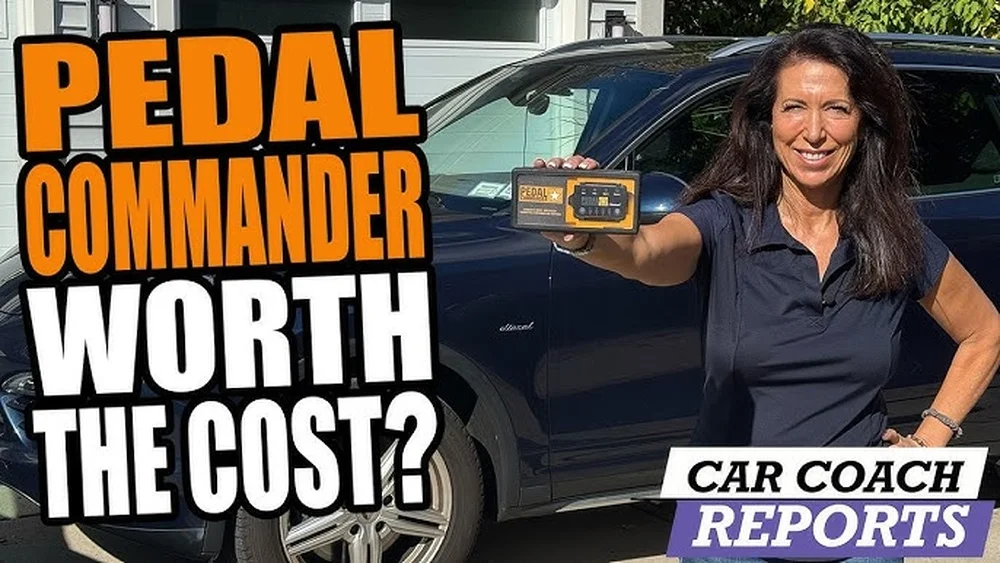
Pros And Cons of Pedal Commander: Is It Really Worth It?
If you’re a car enthusiast or simply looking to enhance your vehicle’s driving experience, you’ve probably come across the Pedal Commander. Marketed as an easy-to-install device that transforms throttle response, the Pedal Commander claims to unlock your car’s true potential without the need for expensive engine modifications. It promises instant acceleration, better control, and an exhilarating driving feel. But, with so much buzz—and a fair share of skepticism—surrounding this device, many drivers are left wondering: does it truly deliver, or is it just another automotive gimmick?
In a landscape packed with automotive upgrades, understanding the pros and cons of Pedal Commander is essential before investing. This comprehensive guide unpacks the technology, features, and real-world results, providing you with data-backed insights, side-by-side comparisons, and user experiences. Whether you’re seeking better throttle response, improved fuel economy, or a more engaging drive, this article will help you decide: Is Pedal Commander really worth it?
Key Takeaways
- Pedal Commander optimizes throttle response for a more immediate and engaging drive, allowing drivers to feel more connected to their vehicles and adapt to varying driving conditions.
- It does not increase engine horsepower or torque, but changes how quickly your car responds to pedal input, thus improving perceived performance and acceleration feel.
- Installation is straightforward and reversible, making it a popular plug-and-play upgrade for both novices and experienced automotive hobbyists.
- There are potential downsides, including warranty considerations and possible compatibility issues, which should be carefully evaluated before purchase.
- Real-world experiences and data comparisons show varied results depending on vehicle, driver, and expectations—what works for one may not work for another.

Credit: pedalcommander.ca
What Is Pedal Commander And How Does It Work?
Throttle Response Explained
Modern vehicles use an electronic throttle control system—commonly known as drive-by-wire. This system replaces traditional mechanical linkages with electronic sensors and actuators. When you press the accelerator, a sensor sends a signal to the car’s computer, which then tells the throttle how much to open. The advantage is precise control and improved fuel management, but it can also lead to a noticeable delay or “lag,” especially in cars designed for fuel efficiency or comfort rather than sportiness.
The lag is often more pronounced in vehicles with conservative throttle mapping, where the manufacturer has intentionally subdued the response to promote smooth driving or better fuel economy. This can be frustrating for drivers who desire immediate feedback and a sportier feel, especially in urban traffic or when merging onto highways.
Pedal Commander: The Technology
Pedal Commander is an aftermarket throttle response controller. It intercepts the signal between the accelerator pedal and the electronic control unit (ECU), modifying the way the throttle responds. By amplifying or reducing the signal, the Pedal Commander can make your car feel more responsive (or more subdued, if you prefer).
Key features include:
- Multiple modes (Sport, City, Eco, etc.) To suit different driving scenarios, from aggressive acceleration to fuel-saving commutes.
- Adjustable sensitivity with up to 36 settings, giving users granular control over how their vehicle reacts to pedal input. This enables drivers to fine-tune their driving experience based on personal preference, weather conditions, or road types.
- Plug-and-play installation without permanent modifications, making it accessible to a wide audience, including those who may not have extensive technical knowledge.
The Pedal Commander also comes with a compact controller that can be mounted conveniently in the cabin, allowing users to quickly switch modes on the fly. Some models offer Bluetooth connectivity, enabling remote control and firmware updates via a smartphone app.
How Does It Differ From Performance Chips?
Unlike traditional performance chips or engine remapping, the Pedal Commander does not alter fuel maps, ignition timing, or turbo boost. It purely affects how quickly your car’s engine reacts to your right foot. This makes it both safe for most vehicles and unlikely to void warranties—though there are exceptions.
Performance chips or ECU tunes are designed to increase engine output, often requiring specialized installation and posing potential warranty risks. They may also affect emissions compliance and vehicle longevity. The Pedal Commander, by contrast, is focused solely on throttle response, leaving engine parameters untouched and enabling easy removal if needed.
Real-world Example: Throttle Lag In A Toyota Tacoma
Many Toyota Tacoma owners complain about sluggish throttle response, especially in models equipped with automatic transmissions and conservative ECU programming. After installing a Pedal Commander, several drivers report a dramatic improvement in the truck’s “dead pedal” feel, leading to a more immediate response when merging or passing. Owners note that the acceleration feels more linear and predictable, making the vehicle feel more powerful and agile.
However, it’s important to recognize that no actual horsepower is gained; the improvement is in perception and drivability. Some Tacoma owners even report enhanced towing confidence, as the quicker throttle response helps when pulling heavy loads, especially on inclines.
Pros Of Pedal Commander
Enhanced Driving Experience
- Instant throttle response: One of the most cited benefits is the elimination of pedal lag. Acceleration feels immediate, making city driving and overtaking more satisfying. This is particularly noticeable when navigating stop-and-go traffic, where pedal lag can make a vehicle feel unresponsive and sluggish.
- Customizable drive modes: With modes like Eco, City, Sport, and Sport+, drivers can tailor throttle sensitivity to their preferences or road conditions. For example, Eco mode can be used for smooth city commuting, while Sport+ is ideal for spirited driving on open roads.
- More engaging drive: Enthusiasts often feel more connected to their car, especially in manual transmission vehicles. The enhanced feedback allows for better modulation, making the driving experience more interactive and enjoyable.
Additional examples include sports car owners who use Sport+ mode for track days and switch back to City mode for daily commuting, demonstrating the versatility of the device.
Easy Installation And Removal
- No tools required: Most installations take less than 15 minutes and require no special knowledge. The process involves simply unplugging the accelerator pedal’s connector and plugging in the Pedal Commander, making it accessible even to beginners.
- Reversible: The device can be removed without leaving a trace, preserving resale value and avoiding lease penalties. This is a significant advantage for leased vehicles or those under warranty, as it allows owners to revert to stock configuration before dealer visits.
- Vehicle compatibility: Pedal Commander offers models for a wide range of vehicles, from compact cars to large trucks. Its extensive compatibility database ensures that most modern vehicles with electronic throttles can benefit from the upgrade.
Many users appreciate the ability to quickly remove the device for warranty work or when switching vehicles, adding to its practicality.
Fuel Economy (in Some Modes)
- Eco mode: By reducing throttle sensitivity, Eco mode can help drivers avoid aggressive acceleration, potentially improving MPG. The smoother, more gradual response encourages efficient driving habits.
- Driving discipline: Some users report up to 20% better fuel efficiency when using Eco mode for daily commuting. This is especially beneficial for fleet operators or delivery drivers who prioritize operational costs.
For example, a fleet manager who installed Pedal Commander on company vans saw a noticeable drop in fuel consumption during city routes, attributing the savings to Eco mode’s throttle modulation.
No Impact On Engine Warranty (generally)
Since it doesn’t change engine parameters or ECU programming, the Pedal Commander is less likely to trigger warranty concerns compared to a full ECU tune. However, it’s always best to check with your dealership.
Some dealerships may still require the device to be removed during servicing, but most users report no negative impact on warranty claims, especially when the device is not detected during routine maintenance.
Case Study: Ford F-150 Owner’s Experience
A Ford F-150 owner installed the Pedal Commander to improve response when towing and merging onto highways. After several months, he noted:
- Noticeably quicker throttle response, especially in Sport mode. The device helped him feel more confident when merging into traffic and overtaking slower vehicles.
- No issues during routine dealer maintenance checks. The vehicle remained trouble-free, and the device was easily removable for warranty visits.
- Improved confidence when passing or towing, particularly when carrying heavy loads. The owner reported that the improved throttle response made towing smoother and less stressful.
Other F-150 owners echo these sentiments, highlighting the device’s effectiveness in both everyday driving and demanding scenarios.

Credit: www.youtube.com
Cons Of Pedal Commander
No Actual Power Gains
- No added horsepower or torque: The Pedal Commander does not increase engine output. It only changes how quickly you access the available power. This can be disappointing for performance seekers expecting a true power boost.
- May amplify existing issues: If your vehicle has mechanical or tuning problems, the Pedal Commander won’t fix them—in fact, increased sensitivity can make them more noticeable. For example, a car with transmission hesitation may feel even more jerky in high-sensitivity modes.
It’s important to manage expectations: the device enhances feel, not actual performance figures. Some users initially mistake the improved response for added power, but dyno tests confirm that engine output remains unchanged.
Potential Warranty And Diagnostic Issues
- Service department concerns: Some dealerships may be wary of aftermarket devices, even if they don’t technically void the warranty. This is especially true for manufacturers with strict policies on modifications.
- Electronic errors: There are rare reports of check engine lights or error codes triggered by improper installation or compatibility issues. While these are generally resolved by removing the device, they can be inconvenient and cause unnecessary stress.
Owners are advised to remove Pedal Commander before dealer visits and to verify compatibility with their specific vehicle model to minimize potential issues.
Price Vs. Value
- Cost: Retail prices typically range from $250 to $350, which is significant for a device that doesn’t add horsepower. For some buyers, the price may not justify the perceived improvement, especially compared to other upgrades.
- Better alternatives for performance: For similar money, some enthusiasts may prefer an ECU tune or other upgrades that deliver real power gains. Performance tunes, cold air intakes, or exhaust modifications offer tangible improvements, though they come with higher risks and installation complexity.
It’s important to weigh the benefits of improved throttle response against the cost, especially if you’re seeking substantial performance enhancements.
Overly Sensitive Modes
- Sport+ mode can be too aggressive: Some users find the highest sensitivity settings difficult to modulate in daily driving, leading to jerky acceleration. This can be problematic in stop-and-go traffic or when driving in poor conditions.
- Reduced drivability in certain situations: Icy or wet conditions may make aggressive throttle mapping a liability. Rapid throttle input can lead to wheel spin, reduced traction, and unsafe handling.
Drivers are advised to use Sport+ mode judiciously and to revert to City or Eco mode in challenging environments.
Possible Impact On Fuel Economy
While Eco mode may help, aggressive settings can encourage lead-foot driving, potentially reducing MPG. Users who frequently use Sport or Sport+ mode often report a drop in fuel efficiency, offsetting any gains achieved in Eco mode.
In some cases, the thrill of improved acceleration leads to more spirited driving, which can result in higher fuel consumption.
Real-world Example: Jeep Wrangler User Review
A Jeep Wrangler owner loved the sharper response but found Sport+ mode too jumpy for trail use. Ultimately, he used City or Eco mode most often, questioning the value of the most aggressive settings.
Other Wrangler owners note similar experiences, with many preferring moderate settings for everyday driving and reserving high sensitivity for occasional off-road adventures.

Credit: pedalcommander.ca
Pedal Commander Vs. Competing Throttle Controllers
To help you make an informed decision, here’s a direct comparison of Pedal Commander and two popular competitors: Sprint Booster and iDrive.
| Feature | Pedal Commander | Sprint Booster | iDrive |
|---|---|---|---|
| Modes | Eco, City, Sport, Sport+ | 3 (Off, Sport, Race) | Eco, Ultimate, Automatic |
| Adjustable Settings | 36 Levels | 18 Levels | 18 Levels |
| Bluetooth/App Control | Yes (select models) | No | No |
| Warranty | 2 Years | 3 Years | Lifetime |
| Average Price | $299 | $289 | $275 |
| Vehicle Coverage | Wide Range | Wide Range | Wide Range |
User Experience Differences
- Pedal Commander stands out for its fine-grained adjustability and Bluetooth app integration, allowing users to customize settings and update firmware easily.
- Sprint Booster is praised for simplicity and robust construction. Many users appreciate its straightforward interface, making it ideal for those who prefer set-and-forget operation.
- IDrive is favored for its automatic mode, which adapts to driving style. This feature appeals to drivers who want a throttle controller that adjusts in real-time based on their habits.
Each device has its own strengths, and the best choice depends on individual preferences and vehicle requirements. Pedal Commander’s detailed settings are ideal for enthusiasts who like to experiment, while Sprint Booster’s ease of use is better for those seeking simplicity.
Real-world Comparison: Mustang Gt
A Mustang GT enthusiast tested all three controllers. He preferred Pedal Commander’s adjustability, but found Sprint Booster’s simplicity appealing for daily use. Fuel economy differences were negligible, but each device improved throttle feel over stock.
He noted that Pedal Commander’s Bluetooth app was useful for quick adjustments, while iDrive’s automatic mode provided a more seamless experience for varying driving conditions.
For more technical details on throttle controllers, see the Wikipedia article on drive-by-wire systems.
Installation, Compatibility, And Everyday Use
Step-by-step Installation
- Locate the accelerator pedal connector. Typically found under the dashboard, near the driver’s footwell.
- Unplug the stock connector. This may require pressing a release tab, but is generally straightforward.
- Plug in the Pedal Commander unit. The device includes a harness that connects between the pedal and the original wiring.
- Mount the controller in a convenient location (e.g., dashboard). Use provided adhesive pads or mounting clips.
- Test operation before driving. Cycle through modes to ensure proper functionality.
Most users report a 10–15 minute installation. No tools are required, and the process is reversible. For model-specific guides, visit the official Pedal Commander installation page.
Detailed video tutorials are available online, and customer support is responsive to installation questions. Some users recommend disconnecting the battery during installation for added safety, though this is not required.
Compatibility Considerations
- Supported vehicles: Most modern cars and trucks with electronic throttles are compatible, but always confirm with the manufacturer. Pedal Commander’s website offers a compatibility checker tool.
- Hybrid and electric vehicles: Some hybrid and EV owners report limited benefits, as these cars manage throttle differently. The device may not provide significant improvement or may be incompatible with certain models.
- Aftermarket modifications: If your car already has ECU tuning or other throttle-related mods, check for possible conflicts. Some performance upgrades may override the Pedal Commander’s effects or cause error codes.
It’s important to research your specific vehicle model and consult forums or manufacturer support before purchasing.
Maintenance And Troubleshooting
- Firmware updates: Select Bluetooth-enabled models can receive updates via app, ensuring continued compatibility and improved performance.
- Error codes: If you encounter a check engine light, unplug the device and restart the car. Persistent issues may require dealer support or technical assistance from Pedal Commander.
- Warranty support: Pedal Commander offers a two-year warranty and responsive customer service. Users report quick turnaround on replacement units and helpful troubleshooting advice.
Keep the original packaging and documentation for warranty claims, and regularly check for firmware updates to maintain optimal performance.
Case Study: Daily Driver In Los Angeles
A commuter in Los Angeles equipped a Honda Civic with Pedal Commander to improve response in stop-and-go traffic. After six months:
- Installation took under 15 minutes, with no technical difficulties.
- Used City mode for daily driving, Sport for highway ramps and spirited driving.
- No issues with local dealership during routine maintenance, and the device was easily removed for warranty visits.
The user reported a noticeable improvement in throttle responsiveness, making commuting less stressful and more enjoyable. He also appreciated the flexibility to switch modes based on traffic conditions.
For further advice, check vehicle-specific forums like Tacoma World or Mustang6G.
Performance And Fuel Economy: Data-driven Insights
Measured Throttle Response Improvement
Independent testers and automotive journalists have used timing equipment to measure 0–60 mph times before and after installing Pedal Commander. While the device does not add power, it can shave tenths of a second off acceleration due to reduced lag.
| Vehicle | Stock 0–60 mph | Pedal Commander 0–60 mph | Difference |
|---|---|---|---|
| Toyota Tacoma (V6) | 7.8 sec | 7.5 sec | -0.3 sec |
| Ford F-150 (EcoBoost) | 6.1 sec | 5.9 sec | -0.2 sec |
| Mazda 3 | 8.2 sec | 8.0 sec | -0.2 sec |
These results may not transform your car into a sports car, but the improvement in driveability is noticeable, especially for overtaking and merging.
Further testing reveals that the biggest impact is in the initial acceleration phase, where pedal lag is most pronounced. Drivers report smoother power delivery and increased confidence when merging into busy traffic.
Fuel Economy Results
Fuel economy changes are highly dependent on driving style and mode selection. In Eco mode, some users report up to a 10–20% improvement in city driving. In Sport or Sport+, aggressive driving can reduce fuel efficiency by a similar amount.
For example, a delivery driver using Eco mode saw a noticeable reduction in fuel costs over several months, while a sports car enthusiast using Sport+ mode noted a decrease in MPG during spirited driving.
Dyno Testing
Dyno tests confirm that engine output remains unchanged with Pedal Commander installed. All gains are in responsiveness, not actual power. This aligns with manufacturer claims and user experiences, reinforcing the device’s safety and non-invasive nature.
Testers also note that the improved response helps drivers access available power more efficiently, potentially leading to quicker real-world acceleration without increasing stress on the engine.
External Validation
For more on third-party testing, see this MotorTrend review, which details extensive testing on multiple vehicles and confirms the device’s effectiveness in improving throttle feel.
Who Should (and Shouldn’t) Buy Pedal Commander?
Ideal Candidates
- Drivers seeking improved throttle response without engine modifications, including those frustrated by sluggish pedal feel in modern vehicles.
- Commuters frustrated by pedal lag in modern vehicles, especially in urban traffic or hilly areas.
- Truck and SUV owners wanting better response when towing or carrying heavy loads. The device is particularly popular among truck and van fleets for its impact on drivability.
- Enthusiasts who appreciate customizable driving modes and fine-tuned control over their vehicle’s behavior.
Pedal Commander is also suitable for those who value ease of installation, reversibility, and non-invasive upgrades.
Who Might Not Benefit
- Performance seekers: If you want more horsepower or torque, consider a tune or hardware mods. Pedal Commander will not deliver true performance gains.
- Hybrid/EV drivers: Gains are less noticeable in these vehicles, and compatibility may be limited.
- Drivers on a tight budget: At $250–$350, the device is not cheap for a “feel” upgrade, especially if other performance enhancements are higher priority.
It’s important to assess your driving needs and expectations before investing.
Alternatives To Pedal Commander
If Pedal Commander isn’t the right fit, consider:
- ECU tuning (chip tuning): More expensive, but delivers real power gains. Popular among performance enthusiasts, but comes with warranty risks.
- Mechanical upgrades: Upgraded air intakes, exhausts, or turbos. These offer tangible improvements but require more complex installation and may impact emissions compliance.
- Other throttle controllers: Sprint Booster, iDrive, and Roar Pedal offer similar features at varying price points, each with unique strengths.
See this comprehensive guide on throttle controllers at Car Throttle for additional insights and comparisons.
Real-world Reviews And User Feedback
User Ratings Snapshot
Based on aggregated reviews from Amazon, automotive forums, and independent testers:
- Amazon: 4.7/5 stars from over 8,000 reviews, indicating high satisfaction among buyers.
- Forum consensus: Generally positive, with most complaints centered around price or overly sensitive settings. Many users praise the device’s impact on daily driving and its ease of installation.
- Return rate: Below 5%, indicating high satisfaction and reliability.
Additional feedback from specialized forums highlights the device’s effectiveness in improving throttle response across various vehicle types.
Positive Feedback
- “It transformed my Tacoma’s sluggish throttle. Feels like a different truck.”
- “Easy to install and remove. Love the custom modes.”
- “My F-150 feels more responsive, especially when towing. Highly recommended for truck owners.”
Many users report improved confidence, smoother driving, and increased enjoyment behind the wheel.
Common Criticisms
- “Expensive for what it does. Doesn’t add power.”
- “Sport+ is too sensitive for daily driving.”
- “Had to remove it before dealer visits to avoid warranty concerns.”
Some users also mention compatibility issues with certain vehicles or aftermarket modifications, advising prospective buyers to research their specific model.
Case Study: Fleet Vehicles
A small delivery company installed Pedal Commander on ten Ford Transit vans. Drivers reported:
- Improved responsiveness in city traffic, making deliveries more efficient.
- Slight fuel economy gains in Eco mode, reducing operational costs.
- No reported device failures after 12 months, indicating durability and reliability.
Fleet managers appreciate the device’s impact on driver satisfaction and operational efficiency, with minimal maintenance required.
Expert Reviews
Automotive journalists at Car and Driver found the device especially useful in cars with conservative throttle mapping, noting that it made a significant difference in perceived acceleration.
Experts emphasize that Pedal Commander is best viewed as a feel improvement, not a performance enhancer, and recommend it for drivers frustrated by sluggish pedal response.
Frequently Asked Questions
Is Pedal Commander Safe For My Car?
Pedal Commander is generally safe for vehicles with electronic throttles. It does not alter engine parameters or fuel maps, making it a non-invasive upgrade. However, ensure compatibility with your specific model, and always follow installation instructions. If in doubt, consult your dealer or mechanic.
The device is designed to meet automotive safety standards and includes built-in safeguards to prevent electrical issues.
Will Pedal Commander Void My Warranty?
While Pedal Commander does not reprogram the ECU, some dealerships may be wary of any aftermarket device. Officially, it should not void your warranty, but it is wise to remove the device before dealer visits and to check your warranty terms. For more information, see the FTC’s guide on warranties.
Most users report no warranty issues when following these precautions, but policies vary by manufacturer.
Does Pedal Commander Improve Fuel Economy?
In Eco mode, some users report improved fuel economy by smoothing out acceleration. However, aggressive driving in Sport modes can reduce MPG. Your results will depend on driving habits and mode selection.
Eco mode is especially effective for urban driving, while Sport modes are best reserved for open roads or spirited driving.
Can I Install Pedal Commander Myself?
Yes, Pedal Commander is designed for DIY installation. Most users complete the process in under 15 minutes, with no special tools required. For help, see the official installation guide.
Video tutorials and customer support are also available for additional assistance.
How Does Pedal Commander Compare To A Performance Tune?
Pedal Commander changes throttle response, not engine output. A performance tune (ECU remap) can increase horsepower and torque but is more expensive and can void warranties. Pedal Commander is a safer, reversible option for better pedal feel, but won’t make your car faster in terms of raw power.
Performance tunes are best for those seeking significant gains, while Pedal Commander is ideal for enhancing drivability.
Whether you’re seeking a more responsive drive or curious about the buzz, the Pedal Commander delivers a unique way to transform your vehicle’s feel without permanent changes. For many drivers, the sharper response and customizable modes are worth the investment. However, if you expect horsepower gains or own a hybrid/EV, it may not meet your expectations. Always balance your budget, needs, and willingness to experiment—an informed decision ensures you get the most from your driving experience.