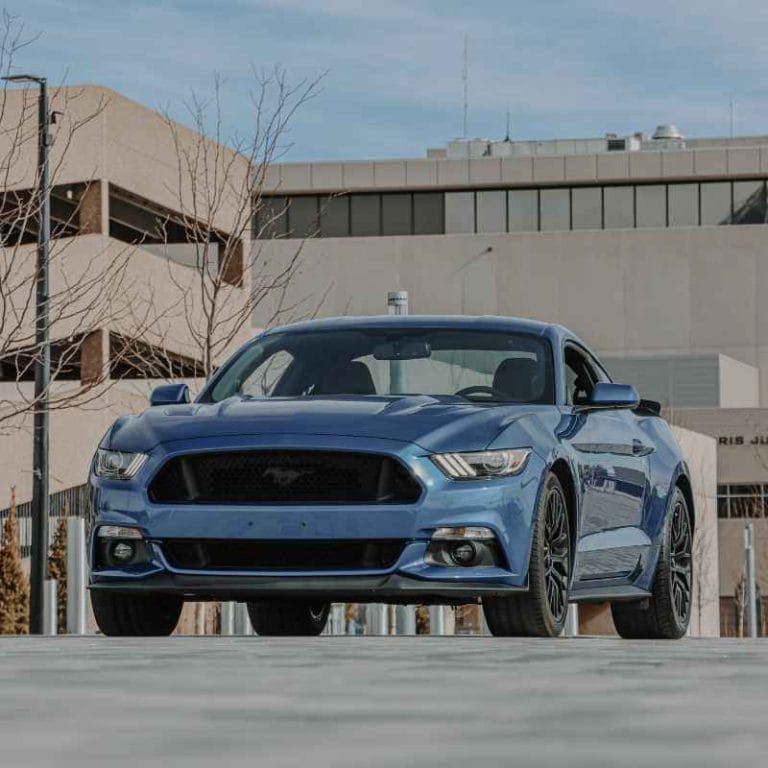
Pros And Cons of Ford Cars: Is a Ford Worth Buying?
Ford has been a household name in the automotive industry for over a century, synonymous with American ingenuity and mass-market accessibility. Whether you’re considering the rugged Ford F-150, the versatile Ford Explorer, or the eco-friendly Ford Mustang Mach-E, the brand offers a wide range of vehicles catering to various tastes and needs. But is buying a Ford truly worth it in today’s competitive market? With evolving technology, shifting consumer expectations, and a crowded field of competitors, the question is more relevant than ever.
This article dives deep into the pros and cons of Ford cars, blending real-world examples, data-driven comparisons, and expert analysis. We’ll explore Ford’s strengths—such as innovation, reliability, and market value—as well as the challenges, including maintenance costs and resale value. By the end, you’ll have a comprehensive understanding to help you decide if a Ford is the right choice for your next vehicle.
Key Takeaways
- Ford cars offer a broad range of models, appealing to diverse needs from trucks to EVs.
- Reliability and performance are generally strong, but some models face recurring issues.
- Ford’s technology and safety features are competitive, though not always industry-leading.
- Maintenance and resale values vary widely by model; research is crucial before purchase.
- Real-world case studies show Ford’s strengths in fleet use and family vehicles.
- Comparing Ford to competitors reveals nuanced advantages and drawbacks.

Credit: www.metrofordofokc.com
Ford’s Legacy And Innovation
Ford’s impact on the automotive world cannot be overstated. From pioneering the assembly line to introducing bestselling models, Ford’s legacy is deeply intertwined with global car culture.
Historical Significance
Founded in 1903, Ford Motor Company revolutionized car manufacturing by making vehicles affordable for the masses. The introduction of the Model T in 1908 set new standards for accessibility, and Ford’s commitment to innovation continues today with electric and hybrid offerings.
Ford’s influence on the industry goes beyond just vehicles. The company played a vital role in shaping labor practices with the $5 workday, doubling wages and establishing an eight-hour workday, which set a new precedent for employee welfare in the manufacturing sector.
This move not only improved productivity but also allowed more workers to afford the very cars they were building—an early example of Ford’s holistic approach to industry and society.
Modern Innovations
Recent years have seen Ford invest heavily in electric vehicles (EVs) and advanced driver-assistance systems (ADAS). The Mustang Mach-E and F-150 Lightning are prime examples, featuring cutting-edge battery technology and connectivity options.
- SYNC infotainment system: Offers seamless integration of smartphones and voice commands, with intuitive interfaces that have evolved through multiple generations. SYNC 4, for example, provides cloud-based connectivity, improved voice recognition, and the ability to perform over-the-air updates, reducing the need for dealership visits.
- Co-Pilot360: A suite of safety features, including lane keeping and adaptive cruise control, automatic high beams, blind spot information system (BLIS), and pre-collision assist with automatic emergency braking. This suite is now standard or available on nearly every Ford model, reflecting the brand’s commitment to safety and convenience.
Ford’s innovation isn’t limited to hardware. The automaker is also developing software solutions like FordPass, a mobile app that allows owners to remotely start their vehicle, check fuel levels, locate their car in a crowded parking lot, and even schedule service appointments—enhancing the overall ownership experience.
Real-world Example: Ford Mustang Mach-e
When Ford launched the Mustang Mach-E in 2026, it quickly became a contender in the EV space. According to Car and Driver, the Mach-E combines style, performance, and practicality, offering up to 300 miles of range and a 0-60 mph time under 4 seconds for the GT variant.
The Mach-E’s design incorporates classic Mustang cues—such as aggressive headlights and a sloping roofline—while delivering the utility of an SUV. Owners have praised the Mach-E for its quiet, spacious interior, responsive handling, and intuitive tech. Ford’s decision to apply the Mustang badge to an electric SUV was bold, and early sales figures show strong demand, with thousands of units sold in North America and Europe within the first year.
Investment In Sustainability
Ford has committed over $11 billion to electrification, aiming to produce zero-emission vehicles and transition its manufacturing facilities to renewable energy (Ford Corporate).
The company has also announced plans for major investments in battery manufacturing facilities in the U. S. and Europe, supporting job creation and local economies. Ford’s “BlueOval City” in Tennessee and “BlueOval SK” battery park in Kentucky are expected to be among the largest auto manufacturing complexes in the world, focusing on next-generation electric vehicles and batteries.
Additionally, Ford is taking a lifecycle approach to sustainability, including the use of recycled plastics and soy-based materials in vehicle interiors, reducing landfill waste and the brand’s carbon footprint.

Credit: www.youtube.com
Performance And Reliability
Performance and reliability are often the deciding factors when choosing a vehicle. Ford’s reputation in these areas is mixed but generally positive.
Engine Options And Power
Ford’s lineup offers a range of engine choices, from efficient EcoBoost engines to powerful V8s. The F-150 remains America’s best-selling truck, celebrated for its towing capacity and durability.
Ford’s EcoBoost engine family is a standout, blending turbocharging and direct injection for impressive power with better fuel economy. For example, the 2. 3L EcoBoost in the Ford Ranger delivers V6-like performance with four-cylinder efficiency, and the 3. 5L twin-turbo V6 in the F-150 rivals many traditional V8s in both horsepower and torque.
| Model | Engine Option | Horsepower | Towing Capacity (lbs) | Fuel Economy (mpg) |
|---|---|---|---|---|
| Ford F-150 | 3.5L V6 EcoBoost | 400 | 14,000 | 20/26 |
| Ford Mustang | 5.0L V8 | 450 | NA | 15/24 |
| Ford Escape | 1.5L Turbo I3 | 181 | 2,000 | 27/33 |
| Mustang Mach-E | Electric | 346 (GT) | NA | 101 MPGe |
Ford’s performance models, like the Mustang GT and F-150 Raptor, are engineered for enthusiasts. The Raptor, for example, boasts a specially tuned suspension for off-road performance, while the Mustang Shelby GT500 offers supercar-level acceleration and handling.
Reliability Ratings
- Ford F-150: Consistently rated above average for reliability (Consumer Reports).
- Ford Explorer: Recent models face issues with transmission and electronics, affecting reliability scores.
- Ford Mustang: Strong reliability for V8 models, but EcoBoost versions have occasional turbo-related concerns.
It’s important to note that while Ford’s trucks and traditional SUVs generally fare well in reliability surveys, some newer models—especially those with complex technology—have experienced more frequent issues. For instance, early versions of the Explorer’s 10-speed automatic transmission had shifting problems that required software updates or component replacements.
Common Issues
While Ford vehicles are generally reliable, some models have recurring problems:
- Transmission issues in older Explorers and Escapes, sometimes leading to costly repairs or recalls.
- Electrical glitches in infotainment systems, particularly with early SYNC versions.
- Suspension wear in high-mileage F-150s, which can manifest as clunking noises or uneven tire wear.
Proactive maintenance and keeping up with software updates can mitigate many of these problems. Ford’s widespread dealer network also makes it easier for owners to access service and warranty repairs compared to some less-established brands.
Real-world Example: Fleet Reliability
A Midwest delivery company reported that their fleet of Ford Transit vans maintained over 95% uptime, outperforming competitors like Ram ProMaster and Nissan NV (Autotrader).
This high reliability is a key reason why Ford dominates the commercial van market in North America and Europe. Many small business owners cite the Transit’s blend of versatility, dependability, and low operating costs as critical to their operations.

Credit: www.marksautoil.com
Safety Features And Ratings
Safety is a cornerstone for any car buyer. Ford has invested heavily in safety technologies, but how do its vehicles compare in real-world scenarios?
Advanced Driver Assistance
Ford Co-Pilot360 offers:
- Blind spot monitoring (BLIS) with cross-traffic alert to detect vehicles in adjacent lanes and warn drivers of approaching traffic when backing out of parking spaces.
- Lane keeping assist and lane departure warning, helping to avoid unintentional lane changes and providing steering assistance if the car drifts.
- Automatic emergency braking with pedestrian detection, applying brakes if a collision is imminent and the driver does not react.
- Adaptive cruise control, which maintains a safe following distance from vehicles ahead and can bring the car to a complete stop in traffic.
These features are standard or optional on most Ford models, elevating their safety profile and meeting the expectations of today’s safety-conscious consumers.
Crash Test Results
According to the National Highway Traffic Safety Administration (NHTSA):
- Ford Edge: 5-star overall rating
- Ford F-150: 5-star overall rating
- Ford Explorer: 5-star overall rating
However, certain models like the Ford Fusion received lower ratings in side-impact tests (NHTSA).
Ford vehicles also perform well in IIHS (Insurance Institute for Highway Safety) evaluations. The Explorer and Edge have received “Top Safety Pick” designations when equipped with specific headlights and crash avoidance features.
| Model | NHTSA Overall Rating | IIHS Top Safety Pick | Key Safety Feature |
|---|---|---|---|
| Ford Edge | 5 Stars | Yes | Automatic Emergency Braking |
| Ford F-150 | 5 Stars | No | Blind Spot Monitoring |
| Ford Explorer | 5 Stars | Yes | Lane Keeping Assist |
| Ford Fusion | 4 Stars | No | Adaptive Cruise Control |
Child Safety And Family Features
- Rear seat reminder and LATCH anchor systems are standard across most Ford models, making it easier to safely install child seats.
- Ford SUVs often include third-row seating, advanced airbags, and rear occupant alert systems, which warn if a child or pet is left in the back seat.
- Available rear-seat entertainment systems in large SUVs like the Expedition help keep children occupied during long trips.
Real-world Example: Family Safety
A suburban family reported that their Ford Explorer’s safety features—especially the lane keeping assist—helped avoid a collision during adverse weather, underscoring the real-world value of Ford’s safety technology.
Additional real-world accounts highlight Ford’s post-collision braking, which automatically applies brakes after a crash to reduce the risk of secondary impacts—a feature that has received positive feedback from emergency responders.
Cost Of Ownership: Pricing, Maintenance, And Resale Value
Understanding total cost of ownership is crucial before committing to a Ford. This includes initial price, maintenance expenses, and long-term value.
Initial Pricing And Incentives
Ford vehicles are generally priced competitively. For instance:
- Ford F-150: Starting at $33,835
- Ford Escape: Starting at $28,000
- Mustang Mach-E: Starting at $42,995
Frequent manufacturer incentives and dealer discounts improve affordability (Edmunds). Seasonal promotions, special financing rates, and lease offers are common, making it easier for buyers to find a deal that fits their budget.
Ford also participates in government incentive programs for electric vehicles, such as the federal EV tax credit in the U. S. , which can reduce the effective purchase price of models like the Mach-E and F-150 Lightning by several thousand dollars.
Maintenance Costs
Ford vehicles typically have moderate maintenance costs, but this varies by model and age. According to RepairPal:
- Average annual maintenance for Ford: $775
- Comparable to Chevrolet ($744) and Toyota ($652)
Common maintenance expenses include:
- Oil changes: $50-$80
- Brake pad replacement: $150-$300
- Transmission repair: $1,500-$3,000 (for problematic models)
Ford’s widespread dealership and service network means parts are generally available and labor costs are competitive. However, complex models—such as plug-in hybrids and EVs—can require specialized service, which may be more expensive or limited to certain locations.
Ford also offers prepaid maintenance plans and extended warranties, which can help owners budget for long-term maintenance and potentially increase resale value.
Resale Value
Ford’s resale value is mixed. Trucks like the F-150 retain value well, while sedans and compact SUVs depreciate faster.
- F-150: 5-year depreciation of 35%
- Ford Fusion: 5-year depreciation of 49%
- Mustang Mach-E: Early data shows strong resale due to EV demand
Factors influencing resale value include model popularity, condition, mileage, and geographic region. The F-150’s status as a best-seller contributes to a robust used market, while discontinued models like the Fusion may see steeper declines.
| Model | 5-Year Depreciation (%) | Average Resale Value |
|---|---|---|
| Ford F-150 | 35 | $22,900 |
| Ford Escape | 44 | $15,600 |
| Ford Fusion | 49 | $12,300 |
| Mustang Mach-E | 25 | $32,000 |
Real-world Example: Used Ford F-150
A 2018 Ford F-150 owner in Texas sold their truck after five years, retaining over 65% of the original purchase value—a testament to the model’s enduring appeal and market demand.
This trend is supported by data from used car marketplaces, where late-model F-150s often sell within days of listing, especially in regions with strong demand for trucks.
Comfort, Interior Quality, And Technology
Ford vehicles are designed for comfort and convenience, but interior quality varies significantly by model and trim.
Cabin Space And Ergonomics
- Ford Expedition: Offers spacious seating for up to eight, with ample cargo space even when all seats are in use. Fold-flat second and third rows make it easy to switch between passenger and cargo configurations.
- Ford Escape: Compact, yet comfortable for small families, with sliding rear seats and a configurable cargo area that can accommodate strollers, groceries, or outdoor gear.
- Ford Mustang: Sporty, but limited rear-seat space. Best suited for couples or singles who prioritize performance over practicality.
Ford’s attention to ergonomics is evident in features like adjustable pedals, multi-way power seats, and thoughtfully placed controls. Heated and ventilated seats, panoramic sunroofs, and premium audio systems are available on many models.
Material Quality
Higher trims feature premium materials:
- Leather upholstery, heated and cooled seats, and ambient lighting are standard on Platinum and Limited trims.
- Real wood or aluminum trim accents, soft-touch dash materials, and contrast stitching enhance the upscale feel in models like the Expedition and Explorer.
- Base models may use hard plastics, which can feel less refined compared to competitors like Honda or Toyota, especially in entry-level compact cars.
Ford’s interiors have improved in recent years, but there is still some variation in fit and finish between models and trims. Owners looking for the best interior experience should consider mid-level or higher trims.
Infotainment And Connectivity
- SYNC 4 system provides fast response, over-the-air updates, and wireless Apple CarPlay/Android Auto, reducing the need for cables and allowing multiple smartphones to connect simultaneously.
- Touchscreen sizes range from 8 inches in base models to 15.5 inches in the Mustang Mach-E, offering crisp graphics and customizable menus.
- Voice-activated navigation, smartphone integration, and available Wi-Fi hotspots cater to tech-savvy drivers and passengers.
Ford also offers premium audio options, such as Bang & Olufsen sound systems, in higher trims for an immersive in-car entertainment experience.
Real-world Example: Ford Explorer Xlt
A family in California praised their Explorer XLT for its intuitive infotainment system and comfortable seating during a 2,000-mile road trip, highlighting Ford’s focus on user experience.
Other owners have noted the usefulness of features like wireless phone charging pads, multiple USB ports, and available rear-seat climate controls—making long journeys more convenient for everyone.
Technology Drawbacks
- Some owners report glitches with SYNC systems, such as unresponsive touchscreens or dropped Bluetooth connections.
- Occasional lag in touchscreen interfaces, particularly after software updates.
- Learning curve for some advanced features, though Ford offers in-car tutorials and online resources to assist new owners.
Environmental Impact And Fuel Efficiency
With increasing concern for environmental sustainability, Ford’s efforts in fuel efficiency and electrification are notable.
Fuel Efficiency Comparisons
Ford offers several fuel-efficient models:
- Ford Escape Hybrid: 44 mpg city, 37 mpg highway, making it one of the most efficient SUVs in its class.
- Mustang Mach-E: 101 MPGe, with rapid charging capability and access to the BlueOval Charge Network—one of the largest public charging networks in North America.
- F-150 Hybrid: 25 mpg combined, impressive for a full-size pickup, thanks to regenerative braking and electric-only driving at low speeds.
Compared to competitors, Ford’s hybrids and EVs are competitive but not always leading. Toyota’s hybrid systems, for example, still edge out Ford in some segments for sheer efficiency, but Ford’s EV range is expanding rapidly.
Emissions And Sustainability
Ford’s sustainability initiatives include:
- Use of recycled materials in manufacturing, such as seat fabrics made from recycled plastic bottles and underbody covers from ocean-harvested plastics.
- Commitment to carbon neutrality by 2050 (Wikipedia), with interim targets for reducing emissions from vehicles and facilities by 2035.
- Expansion of EV lineup and plug-in hybrids, with plans to offer electric or hybrid versions of most core models by 2030.
Ford is also investing in sustainable manufacturing processes, including water conservation, waste reduction, and the use of renewable energy at its plants.
Real-world Example: Mustang Mach-e Owner
A Colorado resident reported a 70% reduction in annual fuel costs after switching from a gas-powered SUV to the Mustang Mach-E, supporting Ford’s claims of environmental and economic benefits.
Owners of the F-150 Hybrid have shared similar stories, citing the ability to use the truck’s onboard generator to power tools and appliances during outages, reducing reliance on fossil fuels.
Comparing Ford To Other Brands
To determine if a Ford is worth buying, it’s essential to compare it to competitors like Toyota, Chevrolet, and Honda.
Ford Vs Toyota
- Reliability: Toyota generally scores higher, especially in sedans and hybrids. However, Ford’s trucks and performance cars often outpace Toyota in enthusiast appeal and towing capability.
- Performance: Ford excels in trucks and muscle cars, with a broader range of powerful engines and off-road options.
- Technology: Both brands offer advanced infotainment; Ford’s SYNC is more customizable, while Toyota’s Entune system is known for simplicity and reliability.
- Ownership Experience: Toyota leads in long-term durability, but Ford offers more engaging driving dynamics in certain segments.
Ford Vs Chevrolet
- Truck rivalry: F-150 vs Silverado; F-150 often leads in sales, payload, and innovation, while Silverado boasts a loyal following and excellent diesel options.
- SUVs: Equally matched; Ford Explorer offers more performance trims, while Chevy Traverse has slightly more interior room.
- Resale value: Ford F-150 retains value better than Silverado, but both trucks are strong in the used market.
- Innovation: Ford’s push into EVs and hybrid trucks is more aggressive, with the Lightning and Maverick leading the way.
Ford Vs Honda
- Compact cars: Honda Civic outpaces Ford Focus in reliability and resale. However, Ford’s exit from most small cars in North America means fewer direct comparisons remain.
- SUVs: Ford Escape offers more engine options, including hybrids and plug-in hybrids, but Honda CR-V is more reliable and has better long-term ownership costs.
- Ride and Handling: Honda vehicles are often smoother and more refined, while Ford tends to offer sportier driving experiences.
| Brand | Best-Selling Model | Reliability Rating (CR) | Resale Value (%) | Key Feature |
|---|---|---|---|---|
| Ford | F-150 | 4.2/5 | 65 | Towing Capacity |
| Toyota | Camry | 4.7/5 | 70 | Hybrid Efficiency |
| Chevrolet | Silverado | 4.0/5 | 60 | Duramax Diesel |
| Honda | CR-V | 4.8/5 | 68 | Reliability |
Real-world Example: Business Fleet Comparison
A logistics company evaluated Ford Transit vs Mercedes-Benz Sprinter and Ram ProMaster for their delivery fleet. Ford Transit’s lower maintenance costs and higher uptime led to its selection, validating Ford’s appeal in commercial applications (Forbes Wheels).
Moreover, Ford’s extensive dealer network simplified fleet servicing and parts sourcing, reducing downtime and keeping their business running smoothly.
The Pros And Cons Of Ford Cars
To make an informed decision, weigh Ford’s strengths and weaknesses.
Pros
- Wide model range: From trucks to EVs, Ford has options for nearly every buyer, including performance cars, family SUVs, and commercial vehicles.
- Strong performance: Especially in trucks and muscle cars; F-150, Mustang, and Bronco have cult followings among enthusiasts.
- Competitive safety features: Advanced technology and high crash test scores, with many driver-assist features standard.
- Moderate maintenance costs: Comparable to other mainstream brands; parts are widely available.
- Innovative tech: SYNC infotainment, FordPass app, and EV advancements like BlueCruise hands-free driving.
- Good resale for trucks: F-150 and Mustang retain value well due to strong demand and reputation.
- Expansive dealer network: Makes maintenance and warranty service convenient nationwide.
Cons
- Mixed reliability: Some models face recurring mechanical issues, especially in transmissions and electronics.
- Interior quality varies: Base trims can feel less refined, with hard plastics and basic materials.
- Depreciation in sedans/SUVs: Lower resale value for Fusion, Escape, and older Focus models.
- Technology glitches: SYNC and electronics may malfunction, requiring updates or dealer visits.
- Higher repair costs for advanced models: EVs and hybrids can be expensive to fix due to specialized components.
- Inconsistent quality control: Some owners report fit and finish issues or rattles in early production models.
Real-world Example: Ford Fusion Owner
A New Jersey driver experienced repeated transmission issues with a 2016 Ford Fusion, resulting in costly repairs—highlighting the importance of researching specific models before purchase.
Conversely, longtime F-150 owners often report minimal issues even after high mileage, demonstrating the variability across Ford’s diverse lineup.
Frequently Asked Questions
What Are The Most Reliable Ford Models?
The Ford F-150 and Ford Mustang consistently rank as Ford’s most reliable vehicles. The F-150 offers strong durability and high resale value, while the Mustang’s V8 models are praised for mechanical robustness. Ford’s newer EVs, like the Mustang Mach-E, also show promising reliability but lack long-term data.
Other reliable models include the Ford Expedition and Transit van, especially for commercial or family use.
How Do Ford Vehicles Compare To Competitors In Terms Of Safety?
Ford cars generally offer competitive safety features and high crash test ratings. Most SUVs and trucks, including the Explorer and F-150, receive 5-star ratings from NHTSA. However, certain sedans like the Fusion lag behind competitors in side-impact tests. Advanced driver assistance features are available but sometimes limited to higher trims.
Ford’s Co-Pilot360 suite is one of the more comprehensive packages available in mainstream vehicles.
Are Ford Maintenance Costs Higher Than Average?
Ford vehicles have moderate maintenance costs. According to RepairPal, the annual average is $775, similar to Chevrolet and slightly higher than Toyota. Maintenance costs can increase for models with recurring issues or advanced tech, such as hybrid and electric vehicles.
Owners can manage costs with prepaid maintenance plans, extended warranties, and by choosing models with proven reliability records.
Is Ford A Good Choice For Families?
Ford offers several family-friendly models, including the Explorer, Expedition, and Escape. These vehicles provide ample cabin space, safety features, and reliable performance. However, families should research specific models for reliability and consider higher trims for improved interior quality.
Large cargo areas, flexible seating arrangements, and in-car entertainment options make Ford SUVs especially appealing for families on the go.
What Is The Resale Value Of Ford Cars?
Resale value varies. Ford F-150 retains value well, with only 35% depreciation over five years. Sedans like the Fusion and Escape depreciate faster, losing nearly half their value in the same period. Ford’s new EVs, such as the Mustang Mach-E, are showing strong resale due to high demand for electric vehicles.
Factors like mileage, condition, and geographic demand all play a role—trucks and performance cars generally fare better than economy sedans.
Ford’s rich legacy, broad model range, and commitment to innovation make it a strong contender in the automotive market. While the brand excels in trucks and muscle cars, some of its sedans and SUVs face reliability and resale value challenges.
With competitive pricing, advanced safety features, and growing investment in electric vehicles, Ford remains a worthwhile consideration—especially for buyers seeking American engineering and versatility. As always, careful research and understanding of specific model pros and cons are essential to making the best choice for your needs.