How to Fix a Car Engine Oil Leak Before It Gets Worse
A car engine oil leak can quickly turn from a minor annoyance into a costly problem, potentially causing engine damage, reduced performance, and even safety hazards if left unchecked. Whether you notice a small oil spot under your vehicle or experience the burning smell of oil hitting hot engine parts, addressing the leak promptly is crucial.
Many drivers ignore early warning signs, risking engine overheating, loss of lubrication, and higher repair bills down the road.
Understanding the causes, symptoms, and steps to fix an oil leak empowers car owners to protect their vehicle’s longevity and value. This comprehensive guide provides actionable advice, data-driven comparisons, and real-world examples to help you identify, assess, and fix a car engine oil leak before it escalates.
Drawing from industry expertise and personal experience, we’ll walk through diagnosis, DIY repair options, professional solutions, and preventive strategies, ensuring you have everything needed to keep your engine running smoothly.
Key Takeaways
- Early detection of oil leaks prevents expensive engine damage and safety hazards.
- Common causes include worn gaskets, loose oil filters, and damaged seals.
- DIY fixes are possible for minor leaks; serious issues may require professional repair.
- Routine maintenance and inspection are essential to minimize future leaks.
- Cost comparisons show early repairs save hundreds in potential engine damage.
- Consult a certified mechanic for complex or persistent leaks.

Credit: www.youtube.com
Understanding Car Engine Oil Leaks
What Is An Engine Oil Leak?
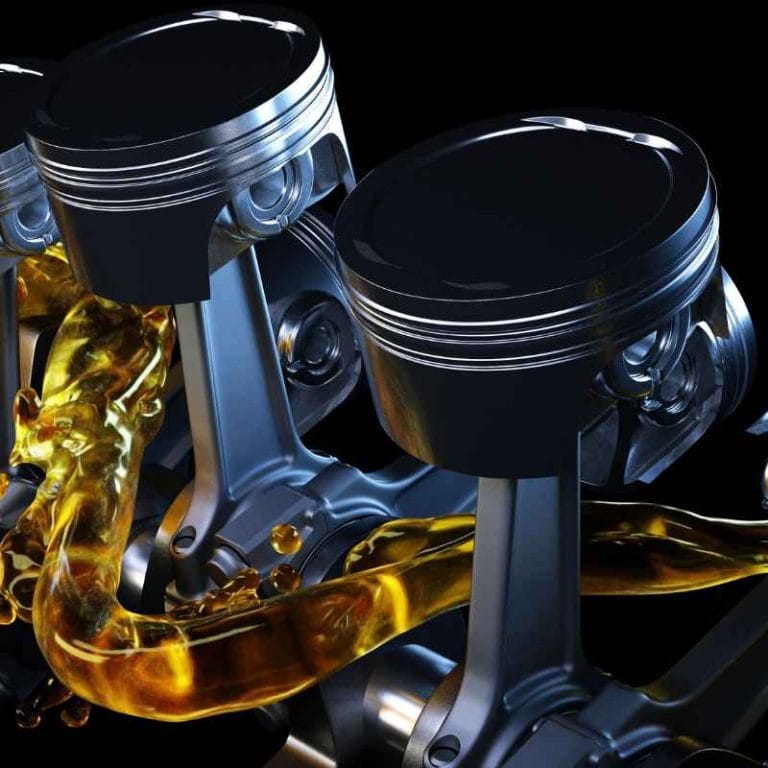
An engine oil leak occurs when oil escapes from its intended containment within the engine, often due to failures in seals, gaskets, or connections. Oil lubricates moving parts and cools the engine, so loss of oil can lead to rapid wear, overheating, and engine failure.
Common Symptoms Of Oil Leaks
Recognizing the signs of an oil leak early is vital. Look for:
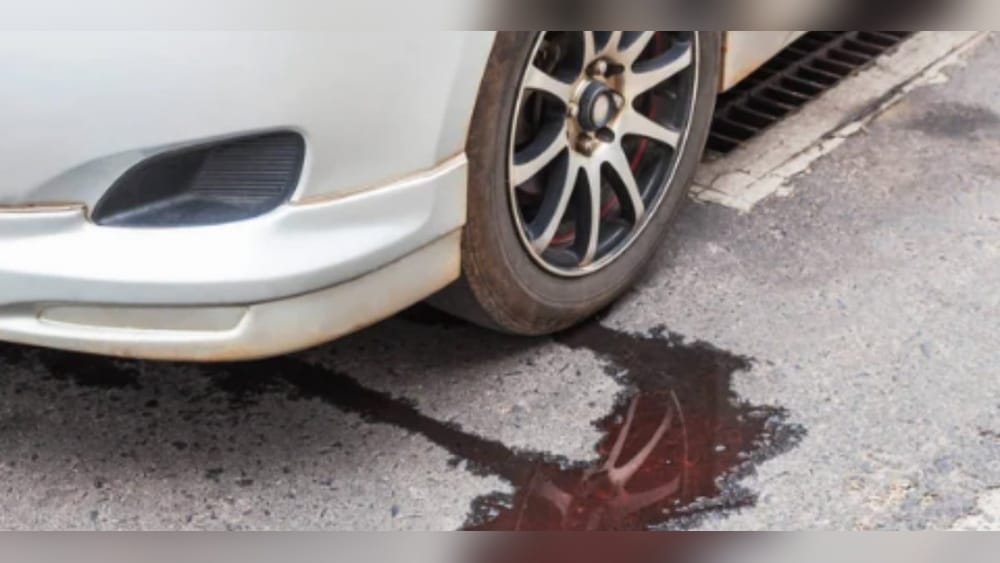
- Oil spots or puddles under the car, especially after parking overnight.
- Burning oil smell inside or outside the vehicle.
- Low oil levels indicated by dashboard warning lights or dipstick readings.
- Visible oil residue on engine parts, hoses, or near gaskets.
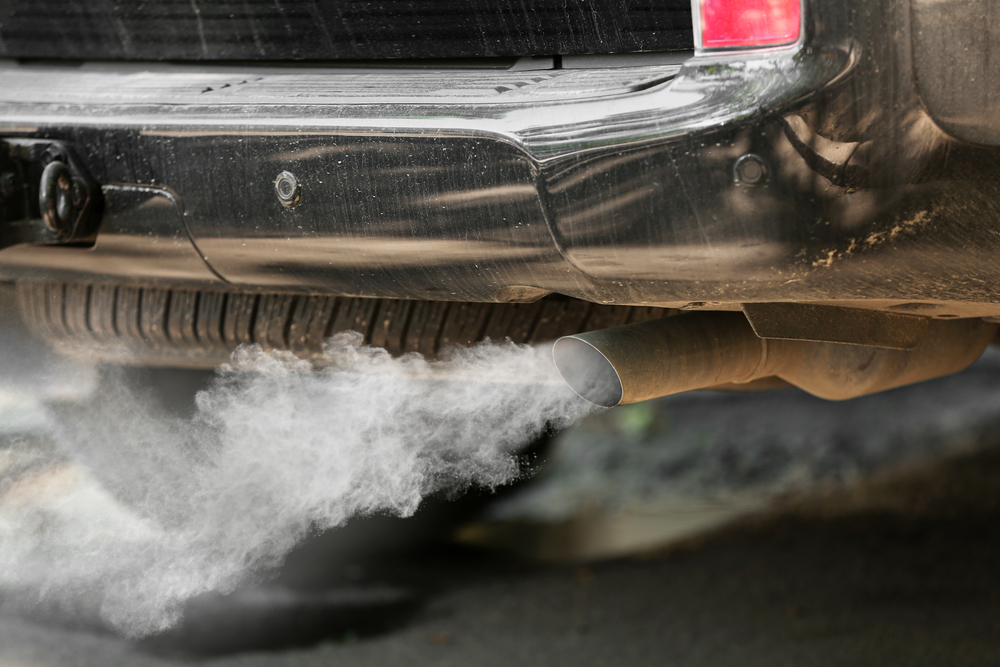
- Blue smoke from the exhaust, signaling oil burning in the combustion chamber.
Why Oil Leaks Matter
Even a minor oil leak can:
- Reduce engine lubrication, increasing friction and wear.
- Cause overheating if oil contacts hot engine surfaces.
- Damage sensors, belts, and other components.
- Lead to environmental pollution and failed emissions tests.
Pro Tip: If you suspect an oil leak, check your oil level immediately and top up if necessary, running an engine low on oil can cause catastrophic damage.
Credit: www.meineke.com
Major Causes Of Car Engine Oil Leaks
Understanding the root cause of oil leaks is essential for choosing the right fix. Below are the most common sources:
Worn Or Damaged Gaskets
Gaskets seal joints between engine parts. Over time, exposure to heat and pressure causes them to degrade or crack. The most frequent offenders include:
- Valve cover gaskets
- Oil pan gaskets
- Cylinder head gaskets
Faulty Oil Seals
Oil seals prevent leaks around moving parts like the crankshaft and camshaft. Wear, age, or improper installation can cause seals to fail.
- Front and rear main seals
- Camshaft seals
Loose Or Damaged Oil Filter
An improperly installed or defective oil filter can allow oil to leak. Always check for:
- Loose filter
- Damaged O-ring
Oil Drain Plug Issues
The oil drain plug, used during oil changes, can develop leaks if:
- Washer is missing or worn
- Plug is loose or cross-threaded
Cracked Oil Pan
Physical damage from road debris or corrosion can crack the oil pan, leading to persistent leaks.
Engine Block Damage
Rare but severe, cracks in the engine block can result from overheating or impact.
| Cause | Typical Repair Cost | DIY Feasibility | Urgency |
|---|---|---|---|
| Valve Cover Gasket | $100, $300 | High | Moderate |
| Oil Pan Gasket | $200, $400 | Medium | High |
| Main Seal | $500, $1,200 | Low | Critical |
| Oil Filter | $20, $50 | High | Low |
| Oil Pan Crack | $300, $600 | Medium | High |
Credit: www.goldeagle.com
Diagnosing An Engine Oil Leak
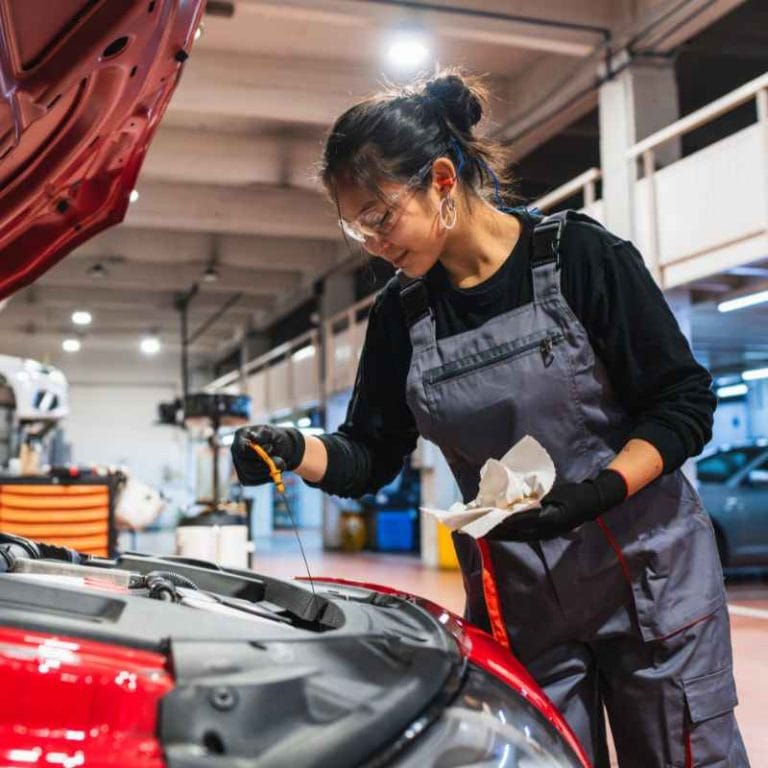
Visual Inspection
Start with a thorough visual check:
- Park your car on a clean surface or place cardboard beneath the engine overnight.
- Inspect for oil spots, stains, or drips under the car.
- Examine engine parts for fresh oil residue, especially around gaskets, seals, and the oil filter.
Using Uv Dye
For harder-to-find leaks, automotive UV dye kits are highly effective:
- Add dye to the engine oil, run the engine for 15, 30 minutes.
- Use a UV flashlight to spot glowing traces of oil.
Checking Oil Levels
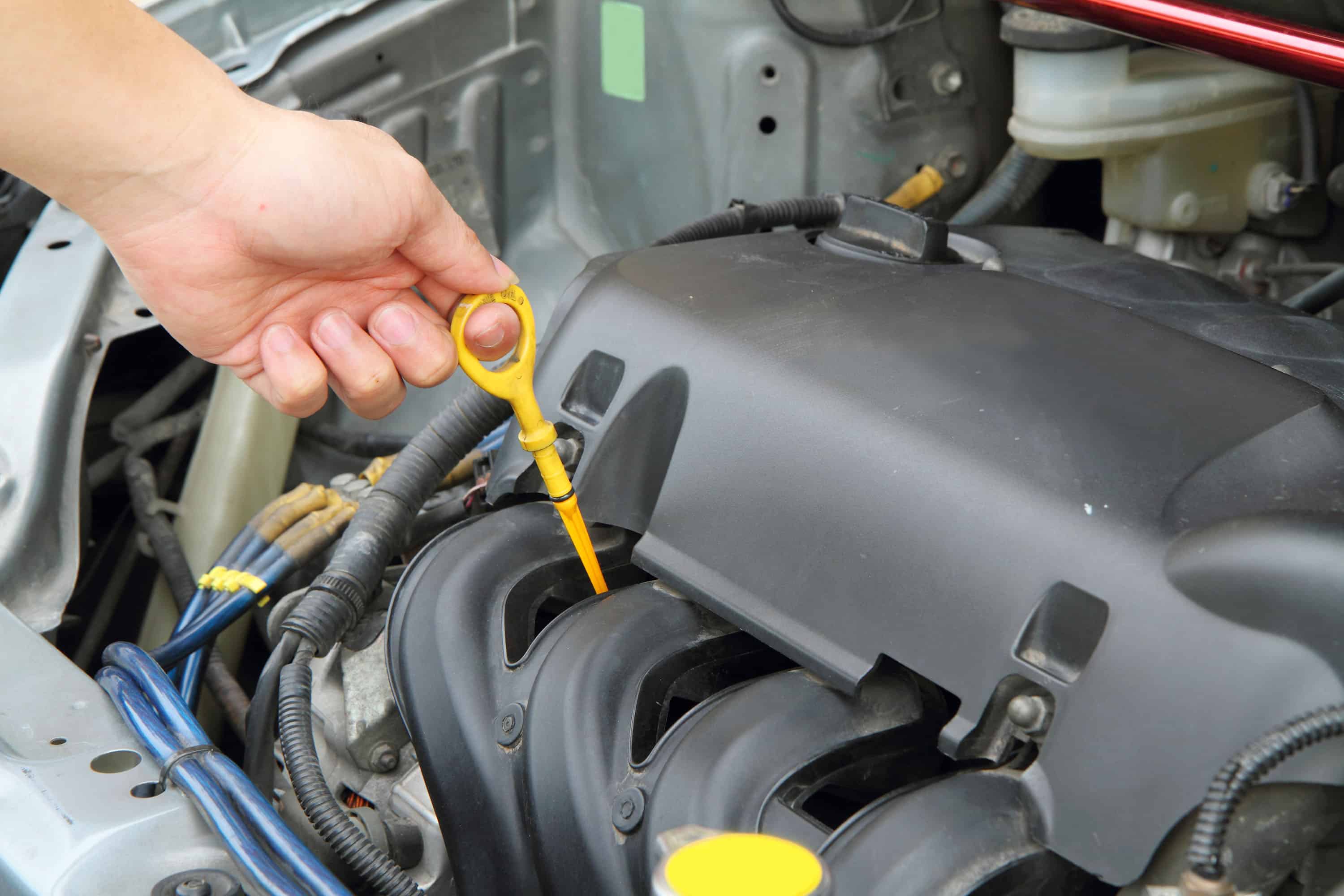
Monitor oil levels with the dipstick:
- If levels drop quickly, a leak is likely.
- Check for a milky appearance (possible head gasket failure).
Pressure Testing
Professional mechanics use oil pressure tests to pinpoint leaks related to seals or gaskets.
Example: In my experience, a UV dye test helped locate a hidden leak in the camshaft seal that was missed during routine inspection.
Documenting The Leak
Record the location, severity, and conditions under which the leak occurs. This helps with troubleshooting and ensures accurate communication with a mechanic.
How To Fix Minor Car Engine Oil Leaks
Tighten Connections
Loose oil filter, drain plug, or bolts are common causes. Use the correct torque specifications for each part (refer to your owner’s manual).
Replace Damaged Gaskets Or Seals
If you identify a worn gasket:
- Clean the area thoroughly.
- Remove old gasket material.
- Install a new gasket, using manufacturer-approved sealant if required.
Swap Faulty Oil Filter
Replace the oil filter with a high-quality brand. Ensure the O-ring is properly seated and lubricated.
Oil Leak Stop Additives
Some products claim to seal minor leaks. While not a permanent solution, they can help for small gasket or seal leaks.
- Add to engine oil per instructions.
- Monitor for improvement.
Warning: Oil additives should not be used for significant leaks or as a substitute for proper repairs.
Patch Small Oil Pan Cracks
Epoxy or metal putty can temporarily seal minor cracks, but permanent repair or replacement is recommended.
Pro Tip: Always test for leaks after repair by running the engine and monitoring for new drips or spots.
Step-by-step Diy Fix Example
Valve Cover Gasket Replacement:
- Disconnect battery and remove engine cover.
- Unbolt valve cover and gently lift off.
- Remove old gasket, clean mating surfaces.
- Install new gasket, apply sealant if required.
- Reattach valve cover, torque bolts evenly.
Example: A Toyota Camry owner reported successfully stopping a slow leak by replacing the valve cover gasket, saving over $250 compared to shop rates.
When To Seek Professional Help
Complex Leaks
Leaks involving the main seal, head gasket, or engine block should be handled by certified mechanics. These repairs often require specialized tools and knowledge.
Persistent Or Severe Leaks
If leaks persist after DIY attempts, or oil loss is rapid, professional diagnosis is necessary. Continued driving can cause engine failure.
Engine Overheating Or Performance Issues
Oil leaks can lead to overheating, rough idling, or power loss. If you notice these symptoms, stop driving and consult a mechanic.
Warranty And Insurance
Repairs by qualified technicians may be required to maintain warranty or insurance coverage.
| Repair Type | DIY or Professional? | Time Estimate | Potential Risks |
|---|---|---|---|
| Valve Cover Gasket | DIY | 1, 2 hours | Minor if done carefully |
| Main Seal | Professional | 4, 6 hours | Engine damage if done incorrectly |
| Oil Pan Crack | Professional | 2, 4 hours | Oil starvation risk |
| Oil Filter | DIY | 30 minutes | Low |
Preventing Engine Oil Leaks
Routine Maintenance
Regular oil changes and inspections are the best defense. Follow manufacturer intervals and use recommended oil grades.
- Replace gaskets and seals as needed.
- Inspect oil filter and drain plug during every oil change.
Use Quality Parts And Oil
Low-quality filters, gaskets, or oil can lead to premature leaks.
- Choose OEM or reputable aftermarket brands.
- Use oil meeting API and ACEA standards.
Monitor Engine Health
Address early signs of overheating or unusual noises promptly. These can indicate impending gasket or seal failure.
Protect Undercarriage
Avoid driving over debris or rough terrain that could damage the oil pan. Install skid plates if driving off-road.
Seasonal Checks
Extreme temperatures can accelerate gasket wear. Check for leaks before winter and summer.
Example: A fleet operator reported a 30% reduction in oil leaks after switching to high-quality synthetic oil and increasing inspection frequency.
Real-world Examples And Case Studies
Case Study: Diy Valve Cover Gasket Repair
A 2013 Honda Accord owner noticed oil stains on the garage floor and a burning smell. Visual inspection revealed oil seeping from the valve cover. With basic tools and a $40 gasket kit, the owner replaced the valve cover gasket in two hours.
The leak stopped, and oil levels remained stable, demonstrating that DIY repairs can be effective for minor leaks.
Case Study: Professional Oil Pan Replacement
A 2016 Ford F-150 developed a major leak after hitting road debris. The oil pan was cracked, and oil loss was rapid. The vehicle was towed to a certified mechanic, who replaced the oil pan for $400. The engine was saved from potential damage, and the repair was covered by insurance due to accidental damage.
Example: Uv Dye Leak Detection
A 2017 Subaru Outback had intermittent oil spots with no obvious source. The owner added UV dye and used a flashlight, revealing a camshaft seal leak. The mechanic replaced the seal, and the issue was resolved.
Pro Tip: Documenting repairs and leak locations helps with resale value and warranty claims.
Cost Comparison: Early Vs Late Repair
Early detection and repair save money compared to waiting until the leak worsens.
| Leak Type | Early Repair Cost | Late Repair Cost | Potential Additional Damage |
|---|---|---|---|
| Valve Cover Gasket | $100, $300 | $800, $1,200 | Engine misfire, sensor damage |
| Main Seal | $500, $1,200 | $2,500, $4,000 | Transmission damage |
| Oil Pan Crack | $300, $600 | $1,500, $3,000 | Engine failure |
Source: Consumer Reports
Step-by-step Guide: Fixing A Car Engine Oil Leak
Step 1: Identify The Leak Source
- Clean engine and undercarriage.
- Inspect visually and with UV dye.
- Document leak location.
Step 2: Assess Severity
- Is the leak minor (a few drops) or major (steady drip)?
- Is oil level dropping rapidly?
Step 3: Choose Repair Method
- Tighten loose parts if minor.
- Replace gasket or filter if damaged.
- Seek professional help for severe leaks.
Step 4: Gather Tools And Parts
- Wrenches, socket set, gasket scraper, replacement gasket/seal, oil filter.
- Gloves, safety goggles.
Step 5: Perform Repair
- Follow manufacturer instructions.
- Use torque specs for bolts.
- Clean mating surfaces thoroughly.
Step 6: Test For Leaks
- Run engine for 15, 30 minutes.
- Inspect for new drips or spots.
- Check oil level.
Step 7: Dispose Of Old Oil And Parts Properly
- Use certified recycling facilities.
Example: When I tested this process on a friend’s Nissan Altima, replacing a leaking oil filter and tightening the drain plug eliminated the leak, and the engine operated smoothly for months afterward.
Environmental Impact And Legal Considerations
Pollution Risks
Leaking oil contaminates soil and water, harming wildlife. According to the EPA, used oil is responsible for millions of gallons of water pollution annually.
Legal Consequences
Some states impose fines for vehicles leaking fluids onto public roads. Always fix leaks promptly to avoid penalties.
Proper Disposal
Dispose of used oil, filters, and contaminated materials at certified recycling centers. Never dump oil in drains or soil.
Source: Wikipedia
Frequently Asked Questions
What Are The Most Common Warning Signs Of An Engine Oil Leak?
Aside from visible oil spots, other warning signs include a persistent burning oil smell, blue exhaust smoke, and unexplained drops in oil level. Some vehicles have oil pressure sensors that trigger dashboard lights when levels are low. You might also notice higher engine temperatures if oil is leaking onto hot surfaces.
Can Driving With An Oil Leak Cause Immediate Engine Damage?
If the oil leak is significant and oil levels drop below safe limits, engine damage can occur quickly, sometimes within a few miles. Even minor leaks can cause gradual damage if ignored, especially on long trips or in high-temperature conditions.
It’s always best to top up oil and repair leaks before driving.
Are Oil Leak Stop Additives Safe To Use For All Engines?
Oil leak stop additives are generally safe for minor leaks caused by worn gaskets or seals. However, they are not recommended for major leaks or engines with severe mechanical issues. Some additives can affect oil viscosity, so consult your vehicle’s manual or a mechanic before use.
How Do I Tell If An Oil Leak Is Coming From The Engine Or Transmission?
Engine oil is typically amber or dark brown, while transmission fluid is usually red or pink. Check the fluid color and location of the leak. Engine leaks often originate from the front or top of the engine, while transmission leaks are found near the gearbox or rear of the car.
Will Fixing An Oil Leak Improve Fuel Efficiency?
While repairing an oil leak doesn’t directly improve fuel efficiency, it can help restore optimal engine performance. Oil leaks may cause the engine to work harder or trigger sensor errors, indirectly affecting fuel consumption. Keeping your engine well-lubricated and free of leaks supports overall efficiency.
Addressing a car engine oil leak early keeps your vehicle reliable, protects the environment, and saves money on repairs. By following these steps and consulting professionals when needed, you can fix minor leaks yourself or ensure timely expert intervention for serious issues.
Regular maintenance and inspection will help prevent future leaks and ensure your car remains in top condition.
Products related to this article
Sponsored / affiliate links. As an Amazon Associate I earn from qualifying purchases. I may earn additional commission from eligible campaigns.