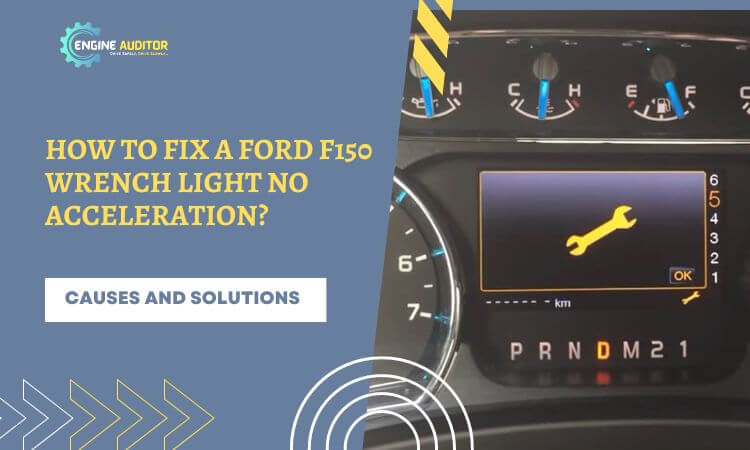
How to Turn Off a Ford Car the Right Way (All Models)
Turning off your Ford vehicle might seem like a simple task, but doing it incorrectly can lead to unnecessary wear, reduce your car’s longevity, or even compromise safety. As modern Ford models integrate advanced electronics, keyless ignitions, and hybrid or electric drivetrains, understanding the right way to shut down your vehicle has never been more important.
Whether you drive a classic Ford Focus with a traditional key or a state-of-the-art Ford Mustang Mach-E with a push-button start, knowing the correct procedures safeguards both your car and your peace of mind.
This comprehensive guide draws on automotive best practices, Ford’s official recommendations, and real-world scenarios to provide actionable, step-by-step instructions for every Ford owner. You’ll learn not only how to turn off your specific Ford model the right way, but also why these steps matter, what common mistakes to avoid, and how shutting down properly affects your vehicle’s health and security.
From traditional gas-powered vehicles to the latest electric Fords, let’s make sure you’re turning off your car with confidence and care.
Key Takeaways
- Properly shutting down your Ford preserves mechanical and electronic systems and prevents premature component failure.
- Procedures differ between traditional key, push-button start, and hybrid/electric models, with unique steps for each system.
- Avoiding common shutdown mistakes can prevent battery drain, security risks, and unwanted wear on ignition and electrical systems.
- Following Ford’s recommended steps enhances safety, vehicle longevity, and provides peace of mind for drivers and passengers.
- Reference the provided tables for a quick comparison of shutdown procedures across models and to clarify model-specific nuances.
Understanding Ford’s Vehicle Shutdown Systems
Ford offers a wide array of vehicles—each with its own shutdown process depending on the ignition system, drivetrain, and model year. Grasping the basics of these systems is essential to performing the correct shutdown sequence.
Traditional Key Ignition
Most Ford vehicles manufactured before the mid-2010s use a traditional key ignition. This mechanical system requires the driver to insert a key, turn it to start the engine, and reverse the motion to shut it off. Key ignition Fords are straightforward but still benefit from a careful shutdown approach.
For example, models like the Ford Focus (pre-2015) or older Ford Explorers utilize a physical key that must be fully rotated to the “OFF” position. If the key isn’t turned all the way, some electrical circuits may remain active, leading to battery drain or immobilizer issues.
Always ensure the key is removed completely to disengage all electronic systems.
Push-button Start (intelligent Access)
Modern Ford vehicles feature a push-button start system, often branded as Intelligent Access. These cars use a wireless fob, allowing the driver to start or stop the engine with a button press. This system adds convenience but introduces electronic dependencies, including automatic accessory power and immobilizer technology.
Push-button start systems are designed to enhance safety: the vehicle will often refuse to shut down if it isn’t in Park, and may prompt the driver with dashboard alerts. For example, Ford’s F-150 and Fusion Hybrid display messages if the shutdown sequence is incomplete, helping prevent accidental battery drain or security lapses.
Hybrid And Electric Fords
Ford’s hybrid and electric models—such as the Fusion Hybrid and Mustang Mach-E—use sophisticated electronic controls. Turning off these vehicles involves powering down high-voltage battery systems and ensuring the car is fully disengaged, especially important for silent-running EVs.
Unlike traditional gasoline vehicles, hybrid and electric Fords require confirmation that propulsion systems are fully disengaged. The dashboard will display messages or play chimes indicating shutdown is complete. On electric models, charging can only begin after the shutdown process is finalized.
Model Year Variations
As technology evolves, Ford updates its shutdown procedures. A 2012 Ford Escape might have a different shutdown behavior from a 2026 Ford Explorer. Always consult your owner’s manual for model-specific details, but the following sections cover best practices for all major Ford shutdown systems.
Newer models may feature additional safeguards, such as electronic parking brakes or automatic accessory shutoff, reducing the likelihood of common mistakes. However, familiarity with your vehicle’s specific features and shutdown requirements is key to preventing issues.
Credit: www.streetmusclemag.com
Step-by-step Guide: Turning Off Every Ford Model
This section provides practical, model-specific shutdown instructions. Use the tables below for a quick reference, and follow the detailed steps to ensure your Ford is powered down safely and correctly.
Gasoline And Diesel Fords With Traditional Key
- Stop the vehicle completely and shift the gear selector to Park (P) (automatic) or Neutral (N) with the parking brake engaged (manual). In manual transmission vehicles, it’s especially important to apply the parking brake firmly, as relying solely on the gear position can be risky on inclines.
- Turn off all accessories (radio, lights, air conditioning) to reduce battery load. This step prevents unnecessary electrical draw during shutdown and ensures all systems are powered down.
- Insert the key (if not already in) and rotate to the OFF position. Listen for any clicking or disengagement sounds, confirming the ignition is fully off.
- Remove the key and confirm all dashboard lights are off. If any warning or indicator lights remain illuminated, check accessory switches and ensure the key is fully disengaged.
- Exit the vehicle and lock the doors. This maintains security and activates any anti-theft systems.
Fords With Push-button Start
- Bring the vehicle to a complete stop and shift into Park (P). For models with electronic gear selectors, confirm the gear display reads “P.”
- Press the START/STOP button once. The engine will shut off, and accessory mode may remain active. In some models, a single press powers down the engine but leaves certain electronics engaged.
- Press the button again (if needed) to turn off all electronics. Some Ford vehicles require a double press to fully disengage all systems.
- Verify dashboard is dark and the car is silent. A fully powered-down Ford should display no active indicators or sounds.
- Take the key fob with you—leaving it inside can prevent the vehicle from locking. Check for alerts like “Key Not Detected” and confirm doors lock when closed.
Hybrid And Electric Fords
- Stop completely and engage Park (P). For EVs, ensure regenerative braking systems are disengaged by waiting for dashboard confirmation.
- Press the START/STOP button—all propulsion systems will power down. In some models, the car may play a shutdown chime or display a message confirming complete power-off.
- Wait for confirmation (dashboard message or chime) indicating the vehicle is off. Never exit before confirmation, as silent operation can be misleading.
- Exit with the key fob. Keeping the fob with you ensures anti-theft systems activate and prevents accidental lockout.
- Plug in your EV, if charging is needed, before locking the car. Charging ports are often locked when the vehicle is powered down.
Comparison: Ford Shutdown Methods By Model
| Model Type | Ignition System | Primary Shutdown Step | Accessory Power Control | Key/Fob Removal |
|---|---|---|---|---|
| Pre-2015 Focus | Traditional Key | Turn key to OFF | Manual switch-off | Remove key |
| 2015+ F-150 | Push-Button Start | Press START/STOP | Automatic/Push-button | Take fob |
| Fusion Hybrid | Push-Button Start | Press START/STOP | Automatic/Push-button | Take fob |
| Mustang Mach-E | Push-Button Start | Press START/STOP | System-controlled | Take fob |
Pro Tips For All Ford Models
- Always set the parking brake before turning off, regardless of terrain or transmission type.
- Double-check for dashboard warnings—address any alerts before exiting to prevent security or operational issues.
- Do not leave electronics on—this can drain the battery and compromise readiness for your next trip.
- Take the key/fob with you to ensure security and prevent lockouts, activating anti-theft systems and avoiding accidental startups.

Credit: www.reddickbrownford.com
The Importance Of Proper Shutdown: Why It Matters
Shutting off your Ford correctly is not just about routine—it directly affects vehicle health, safety, and security. Here’s why proper shutdown is essential for every Ford owner.
Preserving Battery And Electronics
Leaving accessories or ignition modes on inadvertently is a common cause of battery drain. Ford’s systems are designed to minimize this, but improper shutdown (especially leaving accessory mode active) can still cause issues, particularly in vehicles with advanced infotainment or security systems.
For example, accessory mode can keep circuits like interior lights, climate control, or infotainment powered even when the engine is off. Extended periods in this mode, especially overnight, can deplete the battery, leaving you stranded or requiring jump-starts and replacements.
Preventing Unintended Movement
Failing to shift into Park (P) or neglecting the parking brake can result in rollaway incidents, leading to property damage or injury. Ford’s newer models often include automatic safeguards, such as electronic parking brakes or “Shift to Park” reminders, but following best practices is still critical.
Manual transmission vehicles are especially vulnerable to rollaways if the parking brake isn’t set. Always make this a habit, even on flat ground, as unexpected movement can occur due to vibrations or accidental gear changes.
Security And Anti-theft
A properly shut-down vehicle ensures that immobilizer systems are activated. On push-button start Fords, leaving the key fob inside can allow unauthorized access or accidental startups, increasing theft risk. Always take your key fob with you and ensure all doors are locked.
Ford’s SecuriLock® and Passive Anti-Theft System (PATS) activate only after complete shutdown. Leaving the fob in the vehicle may prevent these systems from engaging, making your car vulnerable to theft or unauthorized use.
Impact On Longevity And Maintenance
Repeatedly shutting off your car incorrectly can accelerate wear on the ignition system, transmission, or even electronic modules. Over time, this may result in expensive repairs or decreased resale value.
For example, incomplete shutdowns can leave relays or solenoids energized, increasing heat and wear. Consistent attention to proper procedures ensures your Ford’s electronic and mechanical components last longer and perform reliably.
Case Example: Battery Failure From Accessory Mode
A 2018 Ford Escape owner habitually left the radio playing after pressing the START/STOP button—without fully powering off the vehicle. Over weeks, this led to a depleted battery and a $180 replacement cost. Proper shutdown would have prevented this scenario.
This real-world example highlights the importance of checking for accessory mode and verifying that all electronics are off before exiting, especially with modern infotainment systems that draw significant power.

Credit: www.liftedtrucks.com
Common Mistakes When Turning Off A Ford (and How To Avoid Them)
Even experienced drivers occasionally make errors when shutting down their Ford. Here are the most frequent mistakes—and the simple fixes.
Leaving The Vehicle In Accessory Mode
Many Ford models allow you to shut off the engine but keep accessories (radio, power windows, climate control) active. Forgetting to turn these off can drain your battery, especially overnight. Always ensure all electronics are switched off and the dashboard is dark before exiting.
In push-button start models, accessory mode can be unintentionally engaged by pressing the START/STOP button without the brake pedal. Make a habit of checking the dashboard for any illuminated lights or active systems.
Not Engaging Park Or Parking Brake
Some drivers, especially in manual transmission Fords, forget to engage the parking brake or properly select Park (P). This can cause the vehicle to roll or trigger warning chimes. Always double-check the gear selector and parking brake before turning off.
Older Ford models may lack electronic safeguards, making manual diligence essential. On newer models, electronic parking brakes often require confirmation—listen for the brake engagement sound or look for dashboard status.
Leaving The Key Fob In The Car
With push-button start models, it’s easy to leave the fob inside—leading to potential lockouts or even theft. Make it a habit to check for your fob before closing the door.
Some Ford models alert drivers if the fob remains inside, but these warnings can be missed in noisy environments or if exiting quickly. Always check pockets or bags before leaving the vehicle.
Shutting Off While In Motion
Rare but dangerous: attempting to shut down your Ford before the vehicle has stopped can disable power steering or brakes, creating a hazardous situation. Only turn off the vehicle when completely stopped.
This mistake is more common among new drivers or in panic situations. Practice calm, methodical shutdown procedures to avoid this risk.
Ignoring Dashboard Alerts
Ford vehicles will display warning messages if shutdown is attempted incorrectly (e.g., “Shift to Park” or “Key Not Detected”). Do not ignore these—follow the on-screen instructions to correct the issue.
Dashboard alerts are your vehicle’s way of preventing mistakes. Address them promptly to ensure safety and operational readiness.
Real-world Example: The Forgotten Fob
In 2026, a Ford Explorer driver parked and exited their vehicle but left the fob inside. The car remained in accessory mode, draining the battery and requiring roadside assistance. This underscores the importance of always taking your fob and fully powering down.
This scenario is increasingly common as vehicles become more reliant on electronic systems. Always verify shutdown status and fob location before leaving your Ford.
Shutdown Procedures For Special Ford Models
Some Ford vehicles have unique shutdown requirements due to advanced technology or design. Here’s how to handle these special cases.
Ford Hybrid Models (fusion Hybrid, Escape Hybrid)
Hybrid Fords operate in near-silence, making it hard to know if the car is truly off. After pressing the START/STOP button, wait for a confirmation message or chime. Many hybrids automatically switch to accessory mode if the driver’s door is opened before fully shutting down—always check the dashboard.
In some models, the vehicle may display “Ready to Drive” even after pressing the button; wait for “Vehicle Off” or a shutdown chime before exiting to ensure all systems are disengaged.
Ford Electric Vehicles (mustang Mach-e, F-150 Lightning)
Electric Fords require careful shutdown to ensure high-voltage systems are disengaged. After pressing the START/STOP button, look for dashboard confirmation. Always plug in your vehicle after shutdown (not before), as some systems require the car to be off for safe charging.
Additionally, some EVs have settings to automatically lock charging ports, preventing unauthorized removal. Ensure your vehicle is fully off and locked before leaving it at a charging station.
Ford Performance And Commercial Models
High-performance Fords (like the Mustang GT500) or commercial vehicles (Transit vans) may have additional cool-down procedures, such as letting the engine idle for a brief period after heavy use. Consult your owner’s manual for model-specific guidance.
For turbocharged engines, idling for 30–60 seconds helps prevent oil coking and extends turbocharger life. Commercial vehicles may have specific shutdown protocols to protect heavy-duty components.
Table: Special Shutdown Considerations
| Model | Unique Shutdown Step | Why It Matters |
|---|---|---|
| Fusion Hybrid | Wait for shutdown chime | Ensures EV mode is off |
| Mustang Mach-E | Confirm dashboard shutdown | Disengages high-voltage battery |
| Transit Connect | Cool down after heavy load | Prevents turbo/engine damage |
How Proper Shutdown Affects Safety And Security
Turning off your Ford correctly is a critical part of vehicle safety and theft prevention. Let’s explore how these procedures protect you, your passengers, and your investment.
Preventing Rollaway And Unintended Start
Modern Fords include electronic safeguards, but human error remains a factor. Shutting off in Park (or with the parking brake engaged) ensures the car won’t roll, especially on an incline. For push-button models, removing the fob disables remote start and prevents unauthorized use.
Some models feature auto-lock and remote immobilizer activation. Always confirm these systems are engaged after shutdown by checking dashboard indicators and listening for lock confirmation sounds.
Activating Anti-theft Systems
Ford’s SecuriLock® system and similar immobilizers only activate when the vehicle is properly shut down. Incomplete shutdowns can leave your car vulnerable. Always ensure all doors are locked and the shutdown sequence is finished.
For enhanced security, consider enabling additional features like PIN-to-Drive or remote monitoring through FordPass, which require proper shutdown to function.
Emergency Situations: Forced Shutdown
In rare emergencies (such as runaway acceleration), Ford vehicles allow a forced engine shutdown by pressing and holding the START/STOP button for several seconds, even while in motion. This is a safety feature but should only be used in true emergencies.
Knowing how to use forced shutdown can be life-saving. Practice this procedure in a safe environment to ensure familiarity in case of need.
Case Study: Preventing Vehicle Theft
In 2026, a Ford F-150 was stolen after the driver left the fob in the cupholder. Thieves exploited the proximity key to start the truck and drive away. Had the driver properly shut down and taken the fob, the theft would have been thwarted. Learn more about Ford’s anti-theft features at the National Highway Traffic Safety Administration.
This case underscores the importance of not just shutting down your vehicle, but actively securing your key fob and verifying all anti-theft systems are engaged.
Troubleshooting Shutdown Issues
Sometimes, your Ford might not turn off as expected. Here’s how to diagnose and resolve common shutdown problems.
Vehicle Won’t Power Down
If the engine or electronics remain active after following shutdown steps, check for:
- Gear selector not in Park (P)
- Key fob not detected (dead battery or out of range)
- Open door or trunk
- Malfunctioning START/STOP button
Try resetting by re-inserting the key/fob and repeating the shutdown sequence. For persistent issues, consult a Ford dealership or your owner’s manual.
In rare cases, electrical faults or software glitches can prevent proper shutdown. Keeping your vehicle’s software updated can mitigate such issues.
Dashboard Lights Stay On
If indicator lights remain after shutdown, accessories may still be powered. Double-press the START/STOP button (push-button models) or ensure the key is fully removed (traditional models). Persistent lights can indicate a faulty ignition switch or electrical issue.
Inspect accessory switches and consult your vehicle’s diagnostic system for error codes.
Key Or Fob Issues
A dead key fob battery can prevent shutdown in push-button Fords. Replace the battery or use the physical key backup (often hidden in the fob). For more guidance, see the Ford Key Fob Battery Replacement Guide.
If your vehicle won’t recognize the fob, try holding it closer to the receiver or using the manual override procedures outlined in your owner’s manual.
Unresponsive Start/stop Button
If the button is unresponsive, check for brake pedal application (required in most models) and verify the vehicle is stopped. If the issue persists, contact your local Ford dealer for assistance.
Routine maintenance and software updates can prevent button malfunctions and related shutdown issues.
Expert Tips For Extending Vehicle Life Through Proper Shutdown
Implementing the right shutdown procedure does more than just power off your Ford—it extends component life and reduces long-term costs. Here’s how to make shutdown a part of your vehicle maintenance routine.
Cool Down After Heavy Use
After highway driving or towing, let your engine idle for 30–60 seconds before shutdown. This helps circulate oil and cools turbocharged engines, prolonging life and preventing oil coking.
This practice is especially important for performance and commercial models, where engine and turbo heat can be excessive after heavy loads.
Regularly Check Accessories
Make a checklist: headlights, radio, climate control. Turning these off before shutdown reduces battery wear and ensures your vehicle is ready for the next drive.
Developing a routine helps prevent accidental battery drain and ensures optimal vehicle performance.
Keep Software Updated
Modern Fords receive over-the-air updates. Keeping your vehicle’s software current can improve shutdown behaviors and resolve known bugs. Check for updates at the Ford Owners site.
Software updates can also enhance security systems and address shutdown-related glitches.
Secure Your Key Fob
Store your fob in a Faraday pouch or shielded location at home to prevent relay attacks, a rising form of electronic theft. Learn more about key fob security at Consumer Reports.
Investing in fob protection is a simple, effective way to safeguard your vehicle against increasingly sophisticated theft techniques.
Table: Accessory Shutdown Checklist
| Accessory | Impact if Left On | Best Practice |
|---|---|---|
| Headlights | Battery drain | Manual off before shutdown |
| Radio | Minor battery drain | Turn off with ignition |
| Climate Control | Accessory mode drain | Switch off before shutdown |
| Power Windows | No impact if closed | Close windows before shutdown |
Ford Owner Resources And Support
For more detailed or model-specific information, consult these authoritative resources:
- Ford Official How-To Videos
- Ford Motor Company Wikipedia
- SaferCar.gov
- Insurance Institute for Highway Safety
Additionally, always keep your owner’s manual in your glove compartment for quick reference. If problems persist, contact your authorized Ford service center.
Access to these resources ensures you have up-to-date, model-specific guidance and support for all shutdown-related questions.
Frequently Asked Questions
How Do I Turn Off A Ford With Push-button Start If The Fob Battery Is Dead?
If your key fob battery dies, most Ford models allow you to start or stop the engine by holding the fob near a designated spot (often next to the START/STOP button or in a special slot in the center console). Consult your owner’s manual for the exact location, and replace the fob battery as soon as possible.
Some Ford models also have a backup mechanical key in the fob. Use this to unlock and access the vehicle if needed.
Does Leaving My Ford In Accessory Mode Damage The Battery?
Yes, accessory mode keeps electronic systems powered, which can drain your battery if left on for extended periods. Always fully turn off your Ford and check that the dashboard is dark before leaving your vehicle.
Long-term accessory mode use may also affect battery health, reducing its lifespan and reliability.
Is It Safe To Shut Down A Hybrid Or Electric Ford Immediately After Parking?
Absolutely. Ford’s hybrid and electric models are designed for immediate shutdown upon pressing the START/STOP button. No additional engine cool-down is necessary, but always wait for the dashboard confirmation that the vehicle is off.
For EVs, ensure you follow the manufacturer’s charging sequence to avoid errors or unsafe conditions.
What Should I Do If My Ford Won’t Turn Off?
First, ensure the vehicle is in Park (P) and your foot is on the brake. Try pressing the START/STOP button again or fully removing the key. If problems continue, check the fob battery and consult your owner’s manual or a certified Ford technician.
Persistent shutdown issues may indicate electrical faults or software problems that require professional diagnosis.
Does Proper Shutdown Help With Vehicle Resale Value?
Yes. Consistently following the correct shutdown procedure minimizes wear and tear on ignition components, batteries, and electronic systems—which can improve your Ford’s condition and resale value.
Proper shutdown is a sign of careful ownership, often reflected in vehicle maintenance records and resale inspections.
Shutting down your Ford the right way is more than a habit—it’s a simple, effective way to protect your investment, enhance safety, and avoid costly mistakes. Whether you drive a classic Focus or the latest Mustang Mach-E, following these best practices ensures your vehicle is ready for every journey ahead.
By making shutdown procedures part of your routine, you foster reliability, longevity, and security—keeping your Ford at peak performance for years to come.
Products related to this article
Sponsored / affiliate links. As an Amazon Associate I earn from qualifying purchases. I may earn additional commission from eligible campaigns.