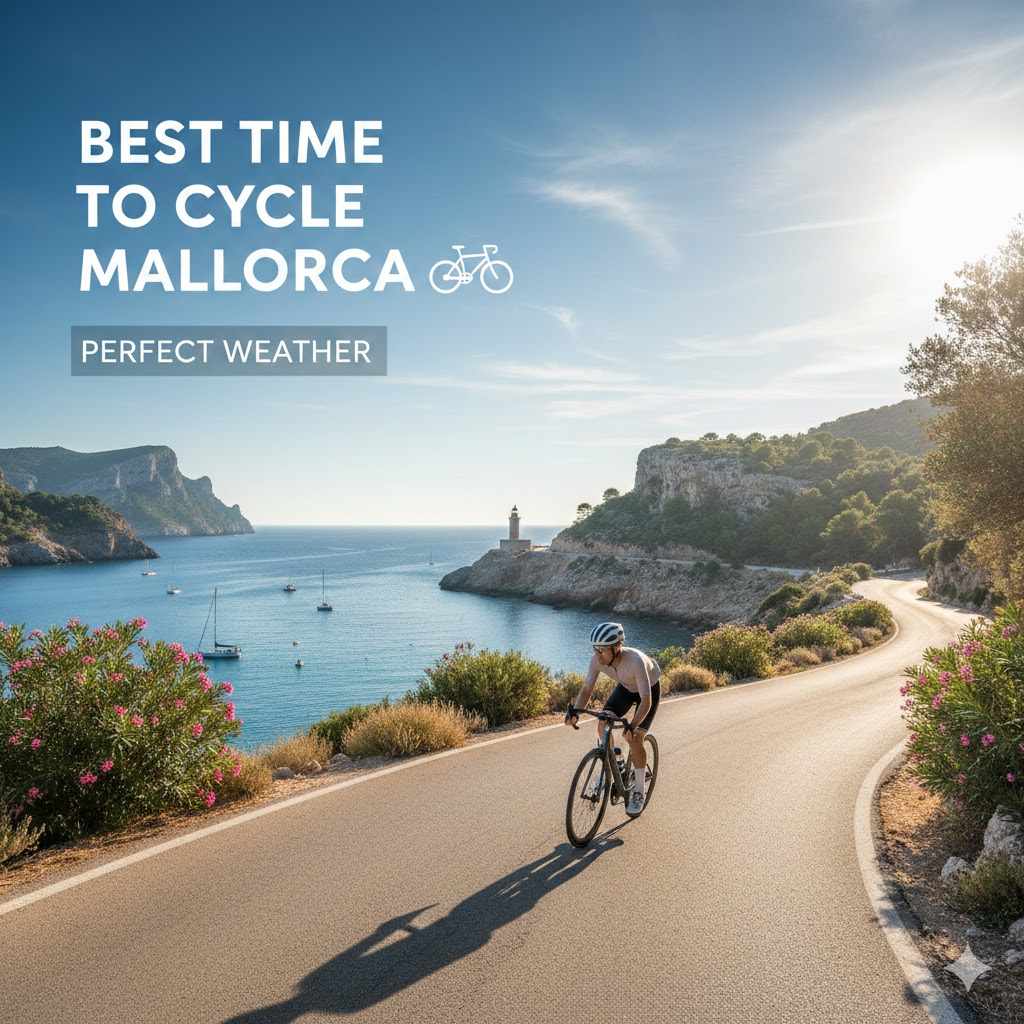
Best Time to Cycle Mallorca Perfect Weather
Figuring out the Best Time to Cycle in Mallorca for Perfect Weather can feel a bit tricky at first. You want sunny days but not scorching heat, and maybe fewer crowds. It’s totally normal to wonder when to plan your trip for the best experience.
Don’t worry, we’ll break it down simply so you can easily pick your ideal cycling dates. Let’s look at what makes certain times of the year better for riding on this beautiful island.
Understanding Mallorca’s Cycling Seasons
Mallorca is a dream destination for cyclists, offering stunning landscapes from coastal roads to mountain climbs. The island’s weather plays a huge role in shaping the cycling experience. Understanding the different seasons helps you pick the perfect time for your ride.
This section will walk you through the typical weather patterns and how they affect cycling comfort and enjoyment throughout the year. We will look at the main periods when cycling is most pleasant.
Spring Riding in Mallorca
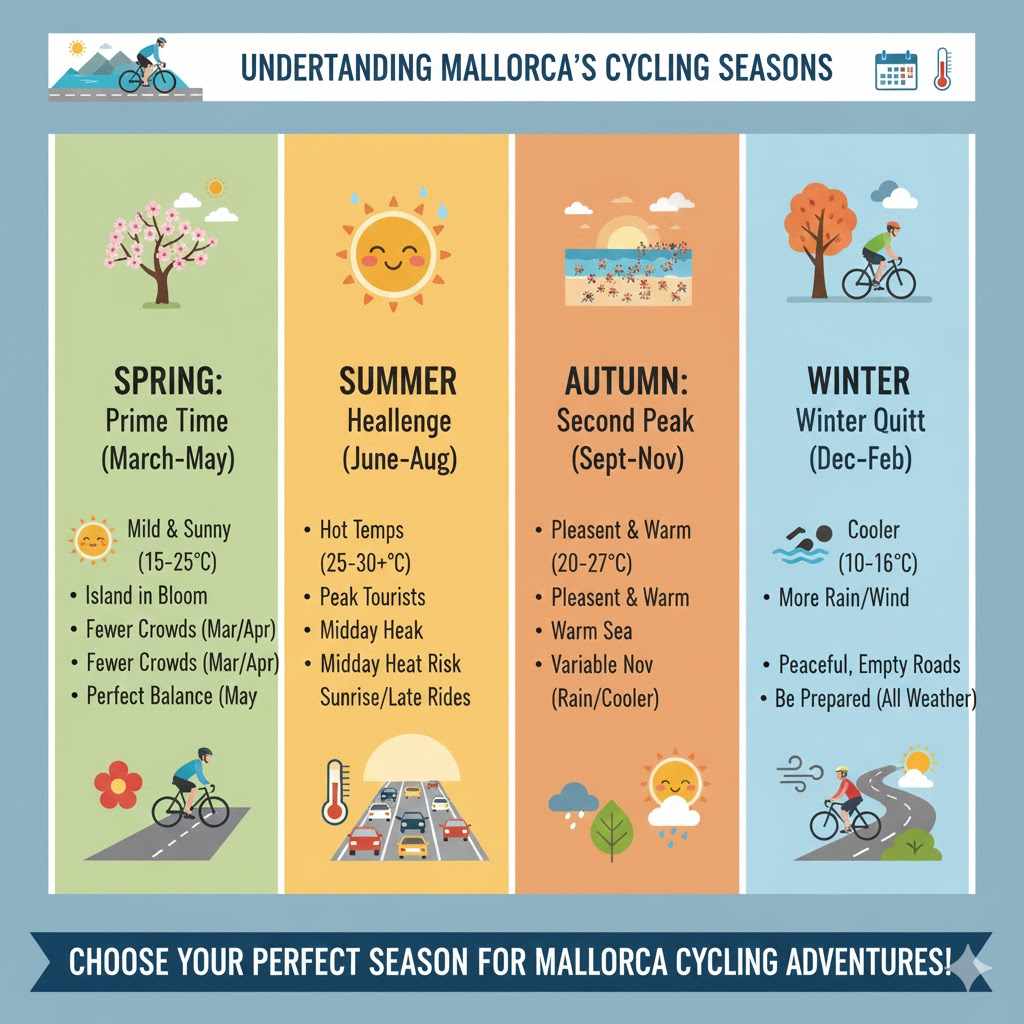
Spring, from March to May, is often considered the prime time for cycling in Mallorca. The weather is usually mild and sunny, with temperatures gradually warming up. This makes for very comfortable riding conditions, ideal for long distances and challenging climbs without overheating.
The island also bursts into bloom during spring, adding a beautiful visual element to your rides.
- March and April: These months typically offer pleasant temperatures averaging between 15°C and 20°C (59°F to 68°F). There can still be occasional rain showers, but they are usually brief. The landscape is vibrant with wildflowers, and the tourist season is just beginning, meaning fewer crowds on the roads.
Cyclists enjoy cooler mornings perfect for starting out and warmer afternoons. The light is also beautiful for photography. Many cycling tour operators start their season in March.It’s a sweet spot before the summer heat arrives.
- May: May is often described as perfect. Temperatures rise to a comfortable 20°C to 25°C (68°F to 77°F). Rainfall becomes less frequent, and the days are longer and sunnier. This month offers a fantastic balance of warm weather and manageable crowds.
This is when the island truly feels alive for cyclists. The sea starts to warm up, and many people enjoy cycling to the coast for a refreshing dip. The popularity of May means booking accommodation and bike rentals in advance is a good idea.
Summer Cycling Challenges
Summer in Mallorca, from June to August, brings hot temperatures and peak tourist season. While the sun shines brightly, the heat can be intense for cycling, especially in the middle of the day. This period is generally less ideal for serious road cycling unless you are a very heat-tolerant rider or plan to ride very early or very late.
- June: Early June can still be pleasant, with temperatures around 25°C to 30°C (77°F to 86°F). However, as the month progresses, temperatures climb. The long daylight hours are a plus, but heat management is key.
Riders might opt for shorter routes or focus on shaded paths. Hydration and sun protection are absolutely critical. The increase in tourists means busier roads, which can affect the cycling experience.
- July and August: These are the hottest months, with temperatures frequently exceeding 30°C (86°F) and often reaching the high 30s. Cycling during midday can be dangerous due to heatstroke risks.
Many cyclists prefer to avoid these months for strenuous rides. If you must cycle, aim for sunrise rides, which are cooler and offer stunning morning light. Alternatively, focus on rest days or indoor training.The crowds are at their peak, making roads more congested.
Autumn’s Cycling Appeal
Autumn, from September to November, offers another excellent window for cycling in Mallorca. The intense summer heat subsides, and the weather becomes pleasantly warm again. This season combines great riding conditions with fewer crowds than in the summer.
- September and October: These months are often considered a second prime time for cycling. Temperatures are typically in the comfortable range of 20°C to 27°C (68°F to 81°F). The sea is still warm enough for swimming, and the landscape starts to show beautiful autumn colours.
The sun is less fierce, making longer rides more enjoyable. This period is very popular with cycling groups and individuals seeking good weather without the summer rush. Booking ahead is still wise.
- November: Early November can still be mild, but temperatures begin to drop, averaging around 15°C to 20°C (59°F to 68°F). There’s a higher chance of rain, and daylight hours shorten. It can be a good time for those who don’t mind cooler conditions and are looking for very quiet roads.
Riders need to be prepared for variable weather. Some businesses might start to close for the winter season. It’s a good month for exploring if you are flexible and equipped for cooler, potentially wetter rides.
Winter Cycling Considerations
Winter cycling in Mallorca, from December to February, can be a surprisingly good option for some. While it’s cooler, the island rarely experiences freezing temperatures, especially near the coast. It’s a time for quieter roads and a more local feel.
- December to February: Average temperatures range from 10°C to 16°C (50°F to 61°F). There is a higher chance of rain and wind compared to other seasons. However, sunny days are common, offering pleasant opportunities for riding.
This is an excellent time for focused training or for cyclists who prefer cooler, crisp air. The island is very peaceful, and you’ll have many popular routes almost to yourself. You need to be prepared for all types of weather.
Factors Influencing the Best Time to Cycle in Mallorca
Beyond just the temperature, several other factors contribute to determining the Best Time to Cycle in Mallorca for Perfect Weather. These include the intensity of sunlight, wind patterns, humidity levels, and the number of other tourists on the island. Considering these aspects will help you fine-tune your plans for an optimal cycling holiday.
It’s not just about the thermometer.
Sunlight Intensity and Heat Index
The intensity of the sun, particularly during summer months, significantly impacts cycling comfort. High solar radiation can lead to sunburn and dehydration, even if the air temperature seems moderate. The heat index, which combines temperature and humidity, gives a better idea of how hot it feels.
- Summer Peak (July-August): The sun is at its strongest. Even early morning or late afternoon rides can feel very hot. This is where the risk of heat exhaustion is highest. Wearing high SPF sunscreen and UV-protective clothing is essential if cycling during these months.
Many experienced cyclists adapt by starting rides before dawn to avoid the most intense sun. Hydration packs and electrolyte supplements become crucial gear. The reflective surfaces on roads can also magnify the heat.
- Shoulder Seasons (Spring/Autumn): Sunlight is strong but more forgiving. The UV index is lower, and the heat index is generally much more manageable. This allows for longer periods of enjoyable outdoor activity without the extreme risks associated with peak summer sun.
The light quality during spring and autumn is often described as softer and more picturesque, making for beautiful cycling photos and an enhanced visual experience. This gentler sun makes it easier to enjoy the scenery.
Wind Patterns and Cycling Routes
Mallorca can experience different wind conditions depending on the season and the specific location on the island. Winds can be a welcome cooling breeze or a significant challenge, especially in exposed coastal areas or during climbs.
- Coastal Breezes: In spring and autumn, gentle sea breezes are common and can be very refreshing during a ride. These winds help to keep temperatures pleasant.
However, strong onshore winds can sometimes create choppy seas and make coastal roads feel exposed and challenging. Experienced cyclists learn to monitor local wind forecasts.
- Mountain Winds: The Tramuntana mountain range can generate unpredictable winds. While the mountains offer shelter in some valleys, passes can be exposed to strong gusts.
Riding in the mountains requires vigilance. Crosswinds can be particularly dangerous, and riders need to maintain control of their bikes. The wind direction can also affect the difficulty of ascents and descents.
Humidity Levels and Comfort
Humidity plays a vital role in how hot the weather feels. High humidity prevents sweat from evaporating effectively, making it harder for the body to cool down. This can increase the perceived temperature and the risk of heat-related illness.
- Summer Humidity: While Mallorca isn’t as humid as some tropical destinations, summer humidity can still contribute to discomfort. When temperatures are already high, even moderate humidity makes the heat feel much more oppressive for cyclists.
This is another reason why summer cycling requires extreme caution. The feeling of being sticky and overheated is amplified.
- Spring and Autumn Humidity: Humidity levels are generally lower during these periods. This means that even on warmer days, the air feels drier and more comfortable for physical exertion.
The drier air aids in sweat evaporation, helping cyclists maintain a more stable body temperature. This contributes significantly to the overall comfort of riding.
Crowd Levels and Road Congestion
The number of tourists significantly impacts the cycling experience. Popular roads can become congested with cars, buses, and other cyclists, making rides less enjoyable and potentially more dangerous.
- Peak Tourist Season (Summer and Easter): Roads are at their busiest. Major cycling routes, especially those near popular resorts and attractions, can be very crowded. This applies to both traffic and fellow cyclists.
For those who prefer quieter rides, avoiding these periods is recommended. The constant need to overtake or be overtaken can break your rhythm and concentration.
- Off-Peak Times (Late Autumn, Winter, Early Spring): Roads are much quieter. This allows for a more relaxed and immersive cycling experience. You can enjoy the scenery and the freedom of the open road.
While some tourist facilities might have reduced opening hours, the peace and quiet on the roads are a major draw for many cyclists. It’s a chance to truly connect with the island’s landscapes.
Popular Cycling Destinations and Their Best Times
Mallorca offers diverse cycling terrains, from the rugged Tramuntana Mountains to the flatter plains. Different areas might shine at different times of the year, influenced by local microclimates and accessibility. Knowing these nuances can further refine your choice for the Best Time to Cycle in Mallorca for Perfect Weather.
The Tramuntana Mountains
This UNESCO World Heritage site offers dramatic mountain scenery, challenging climbs, and stunning descents. The cooler mountain air can be a blessing in warmer months, but wind and unpredictable weather are common.
- Spring (March-May): Ideal. The mountains are less likely to be shrouded in heat. Roads are usually clear, and the views are spectacular with spring foliage.
The winding roads offer a mix of sunshine and shade. Be prepared for cooler temperatures at higher altitudes compared to the coast.
- Autumn (September-October): Also excellent. The heat of summer has passed, making the climbs more manageable. The autumn colours add a unique beauty to the mountain landscapes.
The humidity is lower, which aids in breathing during strenuous climbs. The descent back down can be crisp and exhilarating.
Coastal Routes and Plains
The coastal roads offer beautiful sea views, while the plains provide flatter routes for speed and endurance. These areas can be more exposed to the sun and wind.
- Spring (April-May) and Autumn (September-October): These are fantastic for coastal and flat routes. The temperatures are warm enough for comfortable riding, and the sea breezes are often pleasant.
These seasons offer the best balance of sunshine and comfortable temperatures for covering longer distances along the coast or through the agricultural heartland of the island.
- Summer (June-August): Can be very challenging due to heat and direct sun exposure. Rides need to be planned for early morning or late evening.
The coastal roads can feel particularly hot due to the reflection of the sun off the sea and tarmac. The plains offer little shade, making them less appealing during peak summer heat.
Mallorca’s Popular Cycling Events
Major cycling events are often scheduled during periods of favourable weather. Their timing can serve as a good indicator of when conditions are generally optimal for cycling on the island.
- Ironman Mallorca: Typically held in September, this event highlights the suitability of late September for challenging endurance activities. The weather is usually warm but not excessively hot.
Participating in or spectating during such events can offer insights into the prevailing conditions. The local infrastructure is usually well-prepared for large numbers of athletes.
- Local Gran Fondos and Sportives: These events occur throughout spring and autumn. Their popularity and success depend heavily on good weather, reinforcing these seasons as prime cycling times.
These events are a great way to experience Mallorca’s roads with a sense of community and organised support. They often showcase beautiful routes chosen for their scenic appeal and riding quality.
Planning Your Cycling Trip to Mallorca
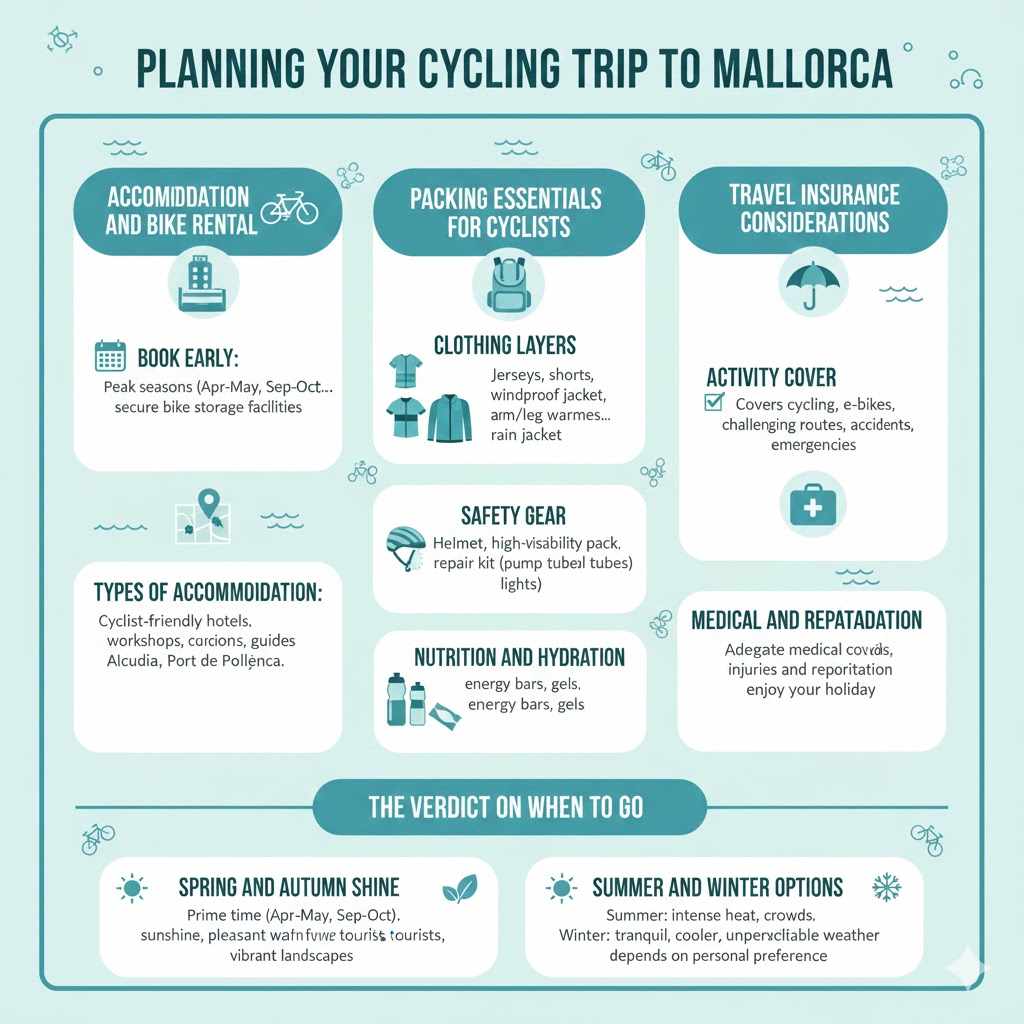
Once you have a good idea of the Best Time to Cycle in Mallorca for Perfect Weather, you can start planning the details of your trip. This includes booking accommodation, arranging bike hire, and considering travel insurance. Proactive planning ensures a smoother and more enjoyable experience.
Accommodation and Bike Rental
Booking your stay and your bicycle in advance is crucial, especially if you are travelling during the popular spring or autumn months. Many hotels and bike shops cater specifically to cyclists.
- Book Early: For peak seasons like April-May and September-October, securing your preferred accommodation and bike type several months ahead is highly recommended. Popular rental bikes, especially high-end road bikes or e-bikes, can get fully booked.
This includes checking if your accommodation has secure bike storage facilities, which is a key consideration for many cyclists.
- Types of Accommodation: From cyclist-friendly hotels with workshops and bike guides to self-catering apartments, there are options for every budget and preference. Consider locations near desired cycling routes.
Some areas like Alcudia, Port de Pollença, and Port d’Andratx are known hubs for cycling tourism. They offer good access to different types of terrain.
Packing Essentials for Cyclists
Having the right gear can make a significant difference to your comfort and safety. Packing smart ensures you are prepared for varying conditions.
- Clothing Layers: Pack cycling jerseys, shorts, a windproof jacket, arm and leg warmers, and gloves. Layering allows you to adapt to changing temperatures throughout the day or during climbs.
Even in spring and autumn, mornings can be cool, and higher altitudes in the mountains will be colder. A good quality rain jacket is also a wise addition
- Safety Gear: A helmet is non-negotiable. Also consider high-visibility clothing, especially if riding in low light or on busy roads. A basic repair kit, including a pump, spare tubes, and tyre levers, is essential.
Lights are also important, particularly for early morning or late evening rides, and for riding through tunnels which are common in Mallorca.
- Nutrition and Hydration: Carry plenty of water bottles or a hydration pack. Energy bars, gels, or other preferred snacks are vital for maintaining energy levels during long rides.
Many routes offer cafes and small shops, but it’s always best to be self-sufficient, especially on more remote mountain roads.
Travel Insurance Considerations
Ensure your travel insurance covers cycling activities. Some standard policies may not cover accidents that occur while participating in sports like cycling, especially if it’s considered extreme.
- Activity Cover: Check if your policy includes cover for cycling, particularly if you plan on challenging routes or using an e-bike. Specify the type of cycling you will be doing.
This ensures you are protected in case of an accident, medical emergencies, or equipment damage.
- Medical and Repatriation: Ensure adequate medical cover for any injuries and repatriation if necessary. This is especially important for international travel.
Understanding the policy details will provide peace of mind and allow you to focus on enjoying your cycling holiday.
The Verdict on When to Go
Choosing the right time for your cycling trip to Mallorca greatly enhances the experience. Focusing on periods with moderate temperatures, lower humidity, and fewer crowds ensures comfort and safety.
Spring and Autumn Shine
The consensus points to spring (April-May) and autumn (September-October) as the Best Time to Cycle in Mallorca for Perfect Weather. These periods offer a beautiful blend of sunshine, pleasant warmth, and fewer tourists, making them ideal for both casual riders and seasoned athletes. The island’s landscapes are at their most vibrant during these transitional seasons.
Summer and Winter Options
While summer presents challenges due to intense heat and crowds, it is feasible for early risers or those accustomed to high temperatures. Winter offers a unique, tranquil experience with cooler, crisper air, perfect for focused training on quieter roads, though weather can be more unpredictable. Ultimately, the ideal time depends on your personal preferences and tolerance for different conditions.
Frequently Asked Questions
Question: When is the absolute best month to cycle in Mallorca
Answer: Many cyclists agree that May and September offer the most consistently perfect weather for cycling in Mallorca, balancing warm temperatures with fewer crowds.
Question: Is Mallorca good for cycling in November
Answer: Early November can still be mild and pleasant for cycling, with fewer tourists. However, be prepared for cooler temperatures and a higher chance of rain as the month progresses.
Question: What are the summer temperatures like for cycling
Answer: Summer temperatures in Mallorca frequently exceed 30°C (86°F) and can reach the high 30s, making midday cycling very challenging and potentially dangerous due to heat.
Question: Are the roads busy with tourists when cycling
Answer: Roads are busiest during peak tourist season, which is summer (June-August) and around Easter. Off-peak times like late autumn and winter offer much quieter roads.
Question: Can I cycle in Mallorca in winter
Answer: Yes, winter cycling in Mallorca is possible and can be very enjoyable. Temperatures are mild, ranging from 10°C to 16°C (50°F to 61°F), and roads are very quiet, though rain and wind are more likely.
Summary
The Best Time to Cycle in Mallorca for Perfect Weather is generally spring and autumn. These seasons offer ideal temperatures, comfortable humidity, and beautiful scenery without the intense heat or crowds of summer. Plan your trip for April, May, September, or October for the most pleasant riding experience.