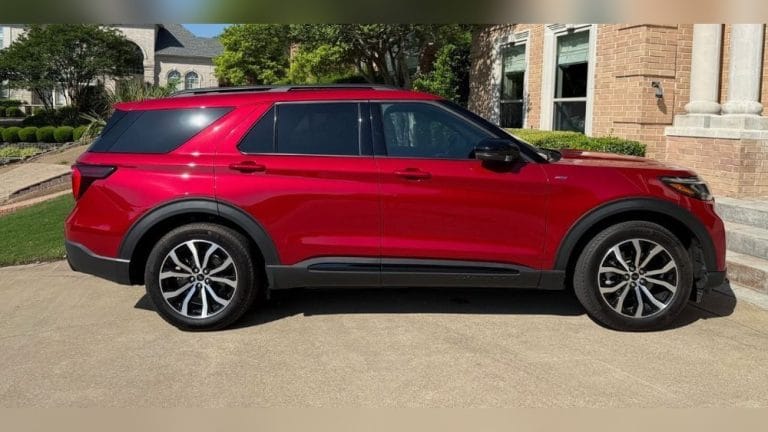
Ford Warranty Coverage Guide: What’s Included and Excluded
Ford’s factory coverage is split: the New Vehicle Limited Warranty is 3 years/36,000 miles, the powertrain warranty is 5 years/60,000 miles, and Ford Protect is optional extended coverage sold separately. Miss the fine print and you can pay full repair costs for parts that were never covered, damaged by misuse, or excluded by age, wear, or improper installation. This guide separates factory warranty, accessory warranty, and Ford Protect so you can see what is included, what is excluded, and why claims get denied.
What Ford warranty cover on a new vehicle?
On a new Ford, factory warranty coverage usually starts with defects in materials and workmanship. The New Vehicle Limited Warranty is 3 years/36,000 miles, while powertrain coverage is separate. That split matters, because a trim problem, a control module fault, and an engine defect are not treated the same way.
Ford also notes that some rights can vary by state law, so the warranty booklet is not the only document that can affect a claim. If a state rule gives you broader rights than the written warranty, that rule can matter.
What the bumper-to-bumper warranty does
The New Vehicle Limited Warranty is Ford’s bumper-to-bumper coverage for defects that show up in the covered period. It is aimed at repair of factory-related failures, not routine upkeep. A failed sensor, a defective radio screen, or a leaking gasket can fit that category if the cause is a defect rather than age or outside damage.
What powertrain coverage does
Powertrain coverage is separate from bumper-to-bumper coverage. It generally focuses on major mechanical components tied to engine and drivetrain operation. That separation matters when a claim involves a transmission issue, a turbo-related fault, or a driveline part that is not part of general trim or electronics coverage.
What is excluded from Ford warranty coverage?
Ford warranty excludes normal wear and tear, and it also excludes damage caused by accident, abuse, neglect, misuse, vandalism, acts of God, and causes external to the product. If the failure came from how the vehicle was used, stored, hit, or modified, Ford can deny the claim.
Wear, maintenance, and repair are different
Wear parts get consumed with use. Repair coverage is for defects. That is the line to watch. Brake pads, tires, wiper blades, and similar items may wear out during normal driving, so replacement is usually maintenance rather than warranty repair unless a defect caused the early failure.
Some Ford Protect mechanical plans use broader wording than the factory warranty, and that can matter for certain wear-related failures. That does not mean every worn part is covered. It means you need the contract text in front of you before you assume a denial or approval.
Common denial causes
A common first-timer mistake is treating a warning light as enough proof of a covered claim. Suppose a truck comes in with a slipping transmission after months of overdue service. Ford may point to neglect, not a covered defect. The same logic applies when a lift kit, aftermarket wiring, or ignored fluid leak changes the failure path.
- Check whether the failure is a defect or normal wear.
- Look for accident damage, misuse, neglect, or vandalism in the repair record.
- Confirm the part was installed and used as intended.
- Review the exact warranty or plan wording before filing the claim.
Ford warranty coverage matrix
This matrix separates the three coverage buckets. Use it as a fast screen, then verify the actual booklet or contract for the exact part, cause, and timing. “Depends” means the answer turns on the failure source, installation, or plan language.
| Failure or event | Factory warranty | Ford accessories | Ford Protect |
|---|---|---|---|
| Battery failure | Covered if defective; excluded if age-related wear. | Depends; original accessory battery items follow accessory terms. | Depends on plan; some mechanical plans may cover the failed component. |
| Infotainment screen failure | Covered if it is a defect in materials or workmanship. | Depends on whether the unit is an Original Accessory or Licensed Accessory. | Depends on contract terms and covered electronics. |
| Turbo failure | Covered if the failure is a defect and not from neglect or misuse. | Not usually an accessory issue. | Often depends on the plan and excluded causes. |
| Suspension wear | Excluded as normal wear and tear. | Not an accessory issue. | Depends; some plans may cover certain mechanical failures, not routine wear. |
| Accident damage | Excluded. | Excluded if impact damaged the accessory. | Excluded. |
| Vandalism | Excluded. | Excluded if the accessory was damaged by vandalism. | Excluded. |
| Fluids leak from a defect | Covered if caused by a defective seal or component. | Usually depends on what accessory leaked and how it was installed. | Depends on plan language. |
| Fluids leak from neglect | Excluded if maintenance neglect caused the damage. | Excluded if poor maintenance damaged the accessory. | Excluded if the contract excludes neglect-based damage. |
| Seal failure | Covered if defective; excluded if worn out from age or external damage. | Usually not applicable. | Depends on whether the seal is in the covered mechanical system. |
| Software update issue | Covered if Ford directs a repair for a factory defect. | Depends on the accessory maker’s rules. | Depends on plan terms. |
| Rust or corrosion | Depends on the cause and covered terms; damage from outside causes can be excluded. | Depends on the accessory and its finish warranty. | Depends on contract language. |
| Abuse | Excluded. | Excluded. | Excluded. |
| Neglect | Excluded. | Excluded if neglect caused accessory failure. | Usually excluded when the damage follows neglect. |
| Misuse | Excluded. | Excluded. | Excluded. |
| Modifications | Depends; a modification can void coverage for the linked failure. | Depends on the accessory maker and installation. | Depends; non-Ford modifications can affect the claim. |
| Towing damage | Depends; improper towing-related damage is usually not covered. | Usually excluded if the accessory was damaged during improper towing. | Depends on the plan and the cause. |
| Dealer-installed accessories | Depends on whether the item is part of the vehicle or an accessory. | Depends; installation timing and product type control the answer. | Depends on the base vehicle and the plan. |
| Improper storage | Excluded as an outside cause. | Excluded if it damaged the accessory. | Excluded if the contract bars outside causes. |
| Improper handling | Excluded. | Excluded. | Excluded. |
| Normal wear and tear | Excluded. | Usually excluded unless the accessory terms say otherwise. | Depends; some mechanical coverage language may address related failures. |
Are Ford accessories covered?
Yes, but not the same way as the vehicle itself. Ford original accessories get 24 months/unlimited mileage or the remainder of the 3-year/36,000-mile warranty, whichever applies. Licensed Accessories are covered by the manufacturer, not Ford, and dealer-installed items need separate review before you assume factory coverage.
Original Accessories
Original Accessories are Ford-branded accessories sold through Ford channels and tied to Ford accessory warranty terms. The key point is that their coverage does not always track the vehicle warranty in the same way. The accessory may have its own term, and that term can differ from the vehicle’s bumper-to-bumper rules.
Licensed Accessories
Licensed Accessories are covered by the manufacturer, not Ford. That distinction matters when a roof rack, floor liner, or electronic add-on fails. The factory window sticker and the vehicle’s own warranty booklet do not automatically govern a product that belongs to a different manufacturer’s coverage program.
Dealer-installed accessories
Dealer-installed does not mean factory-installed. A dealer can mount or add an accessory after the vehicle leaves the assembly line, and the coverage question then turns on who made the part, who installed it, and what document controls the claim. That is where denials often start.
Say your Explorer gets a dealer-installed trailer brake controller and the wiring fails after a poor splice. The repair may hinge on installation fault, not the vehicle bumper-to-bumper warranty. The part name alone does not decide the claim.
Ford Protect extended service plans
Ford Protect is optional and separate from the factory warranty. You can buy it within the earlier of 3 years or 36,000 miles for Ford vehicles. Coverage begins at the warranty start date and zero miles, deductibles apply to covered repairs, and some plans are transferable to a later owner.
What Ford Protect can cover
Ford Protect can cover many mechanical repairs after the factory warranty period, but only if the plan lists the item and the failure is not excluded. The contract matters more than the sales pitch. Some plans also use wear-related wording that differs from the factory warranty, so the exact language controls.
Deductibles and transfer rules
Ford Protect covered repairs commonly carry a deductible. That is normal and should be expected before you file. Transferability also varies by plan, even though Ford Protect Extended Service Plans are transferable to subsequent owners in many cases. Read the transfer terms before you buy or sell.
Used, leased, and modified Ford vehicles
Ownership type changes the claim picture. Leased vehicles still follow the same coverage rules, but the lease contract may add return-condition duties. Used vehicles may already be outside the factory term, so Ford Protect or another plan may matter more. Modified vehicles invite closer review of causation.
Why modifications change claim decisions
Modifications do not automatically void every warranty claim. They do, however, change the analysis. If an aftermarket tune causes turbo overboost, or a suspension lift leads to steering wear, Ford can deny the related repair because the cause is external to the product or tied to misuse.
Picture a Ranger with larger tires and an aftermarket tune that later develops transmission slip. If the dealer traces the failure to the tune or the added load, the repair can be denied even if the symptom looks like a factory defect. Cause, not appearance, decides the claim.
Ford Racing Parts and special exceptions
Most Ford Racing Parts are sold with no warranty. Some product-specific exceptions exist, but they are not the default. For those parts, Ford directs customers to the product page, Techline information, or the exact part terms before any coverage assumption is made.
Frequently asked questions
How long is Ford bumper-to-bumper coverage?
Ford’s New Vehicle Limited Warranty is 3 years/36,000 miles. That is the basic bumper-to-bumper term for defects in materials and workmanship. It is separate from powertrain coverage and separate from Ford Protect, which is optional and sold apart from the factory warranty.
What parts are covered under Ford PowertrainCARE?
PowertrainCARE focuses on major engine and drivetrain components, but the exact list depends on the contract and model. It is separate from bumper-to-bumper coverage, so trim, electronics, and general body items are usually outside that bucket unless the plan or warranty text says otherwise.
Does Ford warranty cover wear and tear?
No, Ford warranty excludes damage from normal wear and tear. That means ordinary aging, friction, and use-based deterioration are generally not factory warranty claims. Some Ford Protect mechanical plans may use different language, so the contract matters if the failure is wear-related rather than defect-related.
Are accessories covered by Ford warranty?
Some are, but the answer depends on the type of accessory. Ford original accessories get 24 months/unlimited mileage or the remainder of the 3-year/36,000-mile warranty. Licensed Accessories are covered by the manufacturer, not Ford, and dealer-installed items need separate review.
When can I buy a Ford Protect extended service plan?
You can buy a Ford Protect plan within the earlier of 3 years or 36,000 miles for Ford vehicles. Coverage begins at the warranty start date and zero miles, so the plan is tied to the vehicle’s original in-service date rather than when you purchase the plan.
What is not covered under a Ford warranty?
Common exclusions include normal wear and tear, accident damage, abuse, neglect, misuse, vandalism, acts of God, and causes external to the product. Improper storage, improper handling, and damage tied to non-Ford modifications also commonly lead to claim denial.
Products related to this article
Sponsored / affiliate links. As an Amazon Associate I earn from qualifying purchases. I may earn additional commission from eligible campaigns.