Can You Buy a Ford Car in Germany Guide
Figuring out if you can buy a Ford car in Germany might seem tricky, especially if you’re new to it. You might wonder about the process, the options, and if it’s even possible. This guide aims to clear up any confusion.
We’ll break down everything you need to know about getting a Ford in Germany in simple steps. Get ready to find out how easy it can be to own a Ford on German soil.
Buying a Ford Car in Germany Your Options
This section explores the different ways you can acquire a Ford vehicle within Germany. It covers purchasing brand-new models, looking into certified pre-owned vehicles, and understanding the role of official dealerships. We will walk you through the common channels available to consumers seeking a Ford car in this European market.

Avecrew
Avecrew Car Cover Compatible with Ford Mustang,…
- Vehicle Compatibility: Compatible with 1994-2026 Ford Mustang models. It works perfectly for private driveways, personal garages,…
- Upgraded Fabric: Constructed from high-toughness tear-resistant polyester Oxford fabric with UV protective coating to slow aging a…
- Safe & Convenient Design: Features a driver’s side door zipper, allowing access to your belongings without fully removing the cove…
As an Amazon Associate I earn from qualifying purchases.
Understanding these paths is the first step to making an informed decision about your next vehicle.
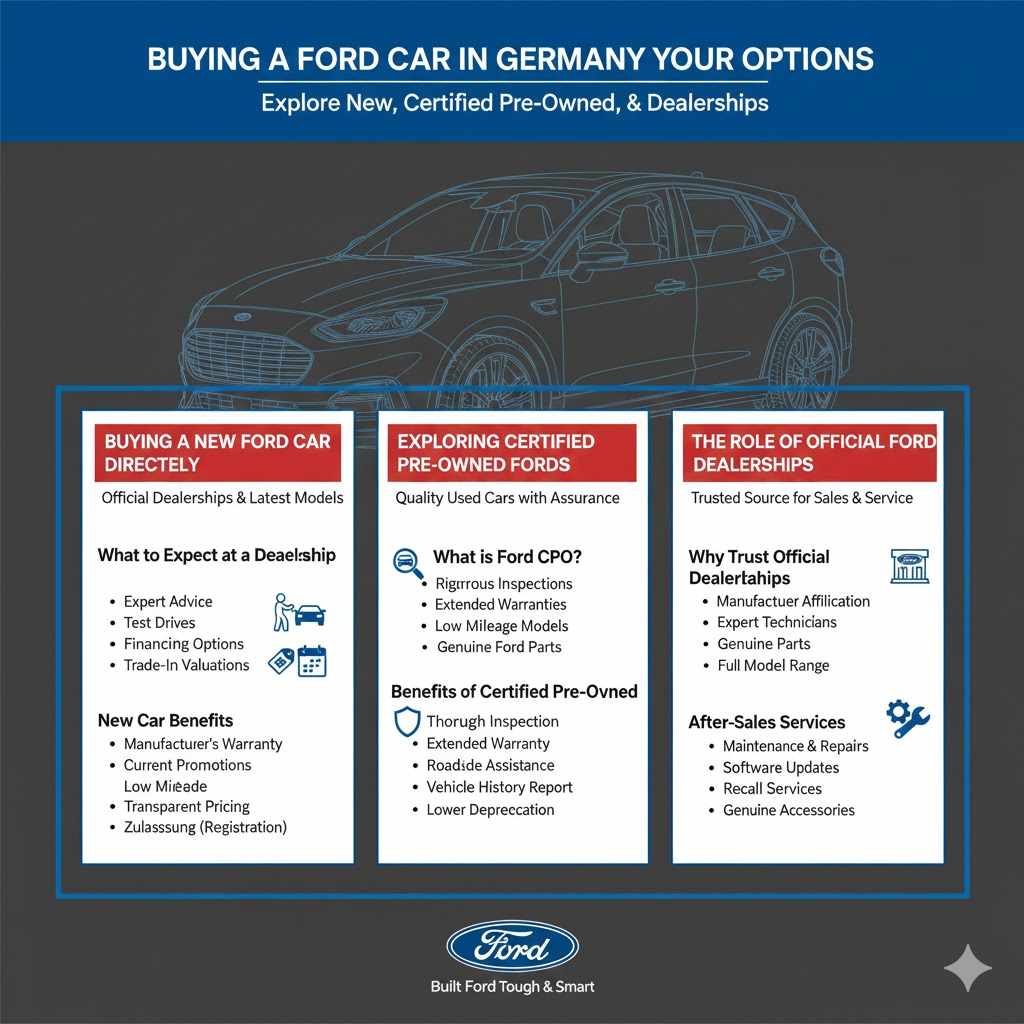
Buying a New Ford Car Directly
Purchasing a new Ford car in Germany is a straightforward process, much like in many other countries. You can visit an official Ford dealership located across Germany. These dealerships are part of Ford’s established network and are equipped to handle all sales, financing, and registration processes.
They offer the latest models, allowing you to choose from a wide range of specifications and optional features.
When you buy a new Ford from a German dealership, you benefit from the manufacturer’s warranty and any current promotional offers. The sales staff are knowledgeable about the entire Ford lineup and can assist you in finding the car that best suits your needs and budget. They will guide you through selecting your desired model, color, and trim level.
The pricing for new Ford vehicles in Germany is generally competitive. You can expect to pay the list price, often referred to as the UVP (Unverbindliche Preisempfehlung or Recommended Retail Price). Negotiation may be possible, especially during sales events or at the end of a model year.
Dealerships can also assist with trade-ins and arrange financing solutions.
After agreeing on a price and specifications, the dealership will handle the order from the factory. Delivery times can vary depending on the model and customization options. Once the car arrives, they will prepare it for handover, ensuring all paperwork is in order, including the vehicle registration (Zulassung) and insurance.
What to Expect at a Dealership
- Expert Advice: Dealership staff are trained to provide detailed information about every Ford model, including performance, safety features, and fuel efficiency. They can help you compare different vehicles and explain the benefits of various trim levels.
- Test Drives: You will have the opportunity to test drive any model you are interested in. This is a crucial step to experience how the car handles and feels on the road before making a purchase.
- Financing Options: Dealerships partner with financial institutions to offer various financing and leasing plans. They can explain interest rates, loan terms, and monthly payment options to fit your financial situation.
- Trade-In Valuations: If you have a current car, the dealership can assess its value and offer it as a trade-in towards your new Ford purchase, simplifying the process of selling your old vehicle.
Exploring Certified Pre-Owned Ford Vehicles
For those seeking a more budget-friendly option, buying a certified pre-owned (CPO) Ford car in Germany is an excellent choice. Ford offers its own CPO program, ensuring that these used vehicles meet high standards. These cars have undergone rigorous inspections and come with extended warranties, providing peace of mind for buyers.
Certified pre-owned Fords are typically only a few years old and have low mileage. They are inspected by Ford-trained technicians who check hundreds of components. Any necessary repairs are performed using genuine Ford parts.
This certification process gives buyers confidence in the quality and reliability of their pre-owned vehicle.
The advantage of buying a CPO Ford is that you often get a vehicle that is almost like new but at a significantly lower price than a brand-new model. The warranty coverage on CPO vehicles usually extends beyond the standard manufacturer’s warranty, offering protection against unexpected mechanical issues.
You can find certified pre-owned Ford vehicles at official Ford dealerships across Germany. They maintain a selection of these vehicles, which are often sourced from trade-ins or lease returns. The availability can vary, so it’s a good idea to check with your local dealer or the Ford Germany website for current inventory.
Benefits of Certified Pre-Owned Fords
- Thorough Inspection: Every CPO Ford is subjected to a comprehensive multi-point inspection by certified mechanics. This ensures that all critical systems are in excellent working order.
- Extended Warranty: CPO vehicles typically come with an extended warranty, often covering at least 12 months, providing protection against major repairs and reducing your risk.
- Roadside Assistance: Many CPO programs include complimentary roadside assistance, offering support for services like towing, flat tire changes, and jump starts.
- Vehicle History Report: A detailed vehicle history report is usually provided, giving you insight into the car’s past ownership and maintenance records.
- Lower Depreciation: Pre-owned vehicles have already experienced their steepest depreciation, meaning your investment holds its value better compared to buying new.
The Role of Official Ford Dealerships
Official Ford dealerships are the primary and most trusted points of sale for Ford vehicles in Germany. They are authorized by Ford to sell new and certified pre-owned cars, along with genuine Ford parts and accessories. These dealerships also provide essential after-sales services, including maintenance, repairs, and warranty work.
When you purchase a car from an official dealership, you are assured of dealing with trained professionals who adhere to Ford’s standards. They have access to the full range of Ford models, the latest specifications, and official pricing structures. The sales process is designed to be transparent and customer-focused.
Furthermore, official dealerships are equipped with specialized tools and diagnostic equipment for Ford vehicles. Their service departments are staffed by technicians who receive ongoing training directly from Ford, ensuring they are up-to-date with the latest technologies and repair procedures. This expertise is vital for maintaining your vehicle’s performance and warranty.
Choosing an official Ford dealer means you are investing in a reliable and supported ownership experience. You gain access to manufacturer-backed warranties, recall services, and the assurance that any work done on your car will be performed to the highest standards, using genuine Ford parts.
Why Trust Official Dealerships
- Manufacturer Affiliation: They are directly linked with Ford, ensuring authenticity in vehicles, parts, and service.
- Expert Technicians: Service staff are Ford-certified and undergo regular training on all Ford models.
- Genuine Parts: Only original Ford parts are used for repairs and maintenance, ensuring optimal performance and longevity.
- Warranty Services: They are authorized to handle all warranty claims and repairs, making the process seamless for owners.
- Full Model Range: Access to the complete lineup of new Ford vehicles, including special editions and custom orders.
Navigating the Purchase Process
This part of our guide delves into the practical steps involved in buying a Ford car in Germany. We will cover everything from initial research and financing to the final paperwork and registration. Making sure you understand each stage will help ensure a smooth and successful purchase.
Researching Ford Models and Specifications
Before visiting a dealership or making a decision, thorough research is key. Ford offers a diverse range of vehicles in Germany, from compact cars and SUVs to commercial vans. Understanding your needs will help you narrow down the options.
Consider factors such as your typical usage, passenger capacity, fuel efficiency requirements, and desired features.
Ford Germany’s official website is an excellent resource for this stage. It provides detailed information on all available models, including technical specifications, fuel consumption figures, CO2 emissions, and pricing. You can also use online configurators to build your desired vehicle and see how different options affect the price.
Reading reviews from automotive publications and consumer reports can also offer valuable insights. These reviews often cover driving dynamics, reliability, and real-world performance. Comparing different models within the Ford lineup, and even against competitors, will help you make an informed choice.
Don’t overlook the importance of understanding different trim levels. Each trim typically offers a different set of features, interior materials, and technological enhancements. For instance, a base model might have essential functions, while a higher trim could include advanced driver-assistance systems, premium sound systems, and luxurious interior appointments.
- Model Selection: Identify which Ford model best suits your lifestyle. Examples include the compact Ford Fiesta, the popular Ford Focus, the versatile Ford Kuga SUV, or the spacious Ford Explorer.
- Trim Levels: Understand the differences between trim levels like Trend, Titanium, ST-Line, and Vignale. Each offers escalating features and comfort.
- Engine Options: Explore the available engine choices, including petrol, diesel, hybrid, and fully electric powertrains. Consider fuel economy and performance needs.
- Optional Equipment: Review available optional packages such as advanced safety features, infotainment upgrades, panoramic sunroofs, or tow hitches.
- Color and Interior: Personalize your car by selecting from available exterior paint colors and interior upholstery options.
Understanding Financing and Payment Options
Once you have an idea of the Ford model you want, it’s time to consider how you will pay for it. Germany offers several common ways to finance a car purchase. The most popular methods include direct payment, financing through a bank loan, or leasing.
Direct Payment: If you have the funds available, paying the full price upfront is the simplest option. This avoids interest charges and you own the car outright from day one.
Bank Loans (Autokredit): Many banks and credit unions offer car loans specifically for purchasing vehicles. You borrow a sum of money and repay it with interest over a set period. Interest rates can vary significantly, so shopping around for the best deal is important.
Dealerships often have partnerships with specific banks, which can sometimes offer competitive rates.
Leasing (Leasing): Leasing is essentially a long-term rental agreement. You pay a monthly fee for a set period (typically 2-4 years) and a mileage limit. At the end of the lease, you can return the car, buy it for a predetermined residual value, or lease a new one.
Leasing often results in lower monthly payments compared to financing but you don’t own the car at the end of the term.
Dealership Financing: Ford dealerships often offer their own financing solutions through Ford Bank. These can sometimes include special promotional interest rates or packages that are attractive to buyers.
It’s crucial to compare the Annual Percentage Rate (APR) when looking at loans and financing deals. This rate reflects the total cost of borrowing, including interest and fees. A good understanding of your creditworthiness can also help you secure better financing terms.
| Payment Method | Pros | Cons | Best For |
|---|---|---|---|
| Direct Payment | No interest, outright ownership. | Requires significant upfront capital. | Buyers with substantial savings. |
| Bank Loan | Own the car, build credit. | Interest charges, monthly payments. | Buyers who want to own the car and can afford monthly payments. |
| Leasing | Lower monthly payments, always drive a new car. | No ownership, mileage restrictions, fees for excess wear. | Drivers who like to change cars frequently and don’t mind not owning. |
The Registration and Insurance Process
Once you have purchased your Ford, the next crucial steps involve registering the vehicle and securing insurance. In Germany, both are mandatory before you can legally drive your car on public roads.
Vehicle Registration (Zulassung): To register your car, you will need to visit your local vehicle registration office (Zulassungsstelle). You will need several documents, including proof of identity (passport or ID card), the vehicle’s purchase contract, the manufacturer’s certificate of conformity (COC document), and proof of valid motor vehicle liability insurance.
If you are buying a new car from a dealership, they can often handle the registration process for you, which simplifies things considerably. For used cars, you will typically need to manage this yourself. The registration process involves assigning a license plate (number plate) to your vehicle.
Motor Vehicle Liability Insurance (Kfz-Haftpflichtversicherung): This is a legal requirement for all vehicle owners in Germany. It covers damages you might cause to other people or their property. Without proof of this insurance, your car cannot be registered.
You can obtain motor vehicle liability insurance from numerous insurance providers. It is advisable to compare quotes from different companies as prices can vary. Factors influencing the premium include your driving history, the type of car, the engine size, and the agreed-upon deductible (Selbstbeteiligung).
Beyond mandatory liability insurance, you can also opt for partial comprehensive (Teilkasko) or fully comprehensive (Vollkasko) insurance. Teilkasko covers damages to your own vehicle caused by events like theft, fire, storms, or glass breakage. Vollkasko includes all of that plus coverage for damage to your car caused by an accident, even if you were at fault, and vandalism.
Here are the typical steps for registration and insurance:
- Obtain a valid motor vehicle liability insurance policy. You will receive an insurance confirmation number (eVB-Nummer) which you will need for registration.
- Gather all necessary documents: ID, purchase contract, COC document (for new cars), existing vehicle documents (for used cars).
- Visit your local Zulassungsstelle.
- Submit your documents and application for registration.
- Receive your vehicle registration certificate (Zulassungsbescheinigung Teil I and Teil II).
- Get your license plates made and affixed to your vehicle.
- The dealership usually handles this for new car purchases.
Buying a Ford in Germany for Export or Personal Use
This section addresses scenarios where individuals might be buying a Ford in Germany for purposes other than immediate, local registration. This could involve purchasing a car to export it to another country or buying one for use that falls outside typical personal registration norms.
Exporting a Ford Car from Germany
Germany is a hub for automotive sales, and many people purchase cars there for export to other countries. Whether you are an individual moving abroad or a business involved in international car sales, understanding the export process is vital.
When buying a Ford car with the intention of exporting it, you will need to be aware of specific procedures that differ from domestic sales. The car will typically be sold without German registration (and potentially without German VAT, depending on the buyer and circumstances). This is often referred to as an export sale or “Nettoverkauf” (net sale).
A key document for exporting is the Certificate of Origin or Certificate of Conformity (COC). This document confirms that the vehicle meets European Union standards and is essential for registering the car in its destination country. You will need to ensure you obtain this document from the seller.
Transportation is another major consideration. You can arrange for the car to be shipped via car transport companies, ferry, or even driven if the distance is manageable and you have appropriate temporary insurance and transit plates. Export plates (Ausfuhrkennzeichen) are available in Germany for vehicles being driven out of the country for export, which come with their own insurance and validity period.
You will also need to consider customs duties and taxes in your destination country. While German VAT (Mehrwertsteuer) might be exempt for a direct export sale, the importing country will have its own import duties and taxes.
Here’s a simplified look at the export process:
- Purchase the Ford car with the intent of export from a dealer or private seller.
- Arrange for appropriate temporary registration or export plates if driving the car out of Germany.
- Secure transport for the vehicle to its destination country.
- Obtain the Certificate of Conformity (COC) and all relevant purchase documents.
- Complete customs procedures and pay import duties/taxes in the destination country.
- Register the car in the destination country according to its local laws.
Special Cases and Used Car Imports
While buying new Fords for export is common, importing used Ford cars into Germany also happens, though the process can be more complex. If you’re looking to buy a used Ford in Germany from a private seller or a dealer who is not a Ford official partner, there are a few extra things to keep in mind.
For used cars, especially those coming from outside the EU, there can be import duties and VAT to consider. The vehicle will need to be inspected to ensure it meets German roadworthiness and emissions standards. This often involves a thorough technical inspection by an authorized inspection body like TÜV or DEKRA.
If a used car from outside the EU does not have a COC document, it may require a single vehicle approval (Einzelzulassung). This is a more detailed and expensive inspection process. If the car is from another EU country, it might be simpler, but still requires inspection.
For those buying within Germany, whether new or used, but perhaps not directly from a large main dealer, ensure you get all the correct paperwork. For used cars, this includes the vehicle registration documents (Zulassungsbescheinigung Teil I and Teil II) from the previous owner. A service history record is also highly recommended.
When purchasing a used Ford from a private seller, remember that consumer protection laws are different compared to buying from a professional dealer. Dealers in Germany are legally obligated to provide a warranty for used cars (Gewährleistung), typically for one year. Private sellers do not have this obligation, so it’s vital to inspect the car thoroughly and consider getting a pre-purchase inspection.
For anyone looking to buy a Ford, regardless of whether it’s new or used, understanding the paperwork and legal requirements is paramount for a smooth transaction.
- Used Car Warranty (Gewährleistung): Dealers are legally required to offer at least a one-year warranty on used cars. Private sales typically have no such warranty.
- Technical Inspection (Hauptuntersuchung HU): All vehicles over three years old require a regular technical inspection to ensure roadworthiness. When buying a used car, check when the next inspection is due.
- Vehicle History: Always ask for the car’s service book (Scheckheft) and maintenance records. This provides insight into how well the car has been cared for.
- Private vs. Dealer: Buying from a dealer offers more consumer protection. Buying privately might offer lower prices but comes with higher risk.
The Ford Brand in Germany
Ford has a significant presence in Germany, with a long history of manufacturing and sales. Understanding the brand’s standing and the types of vehicles typically popular here can provide context for buyers.
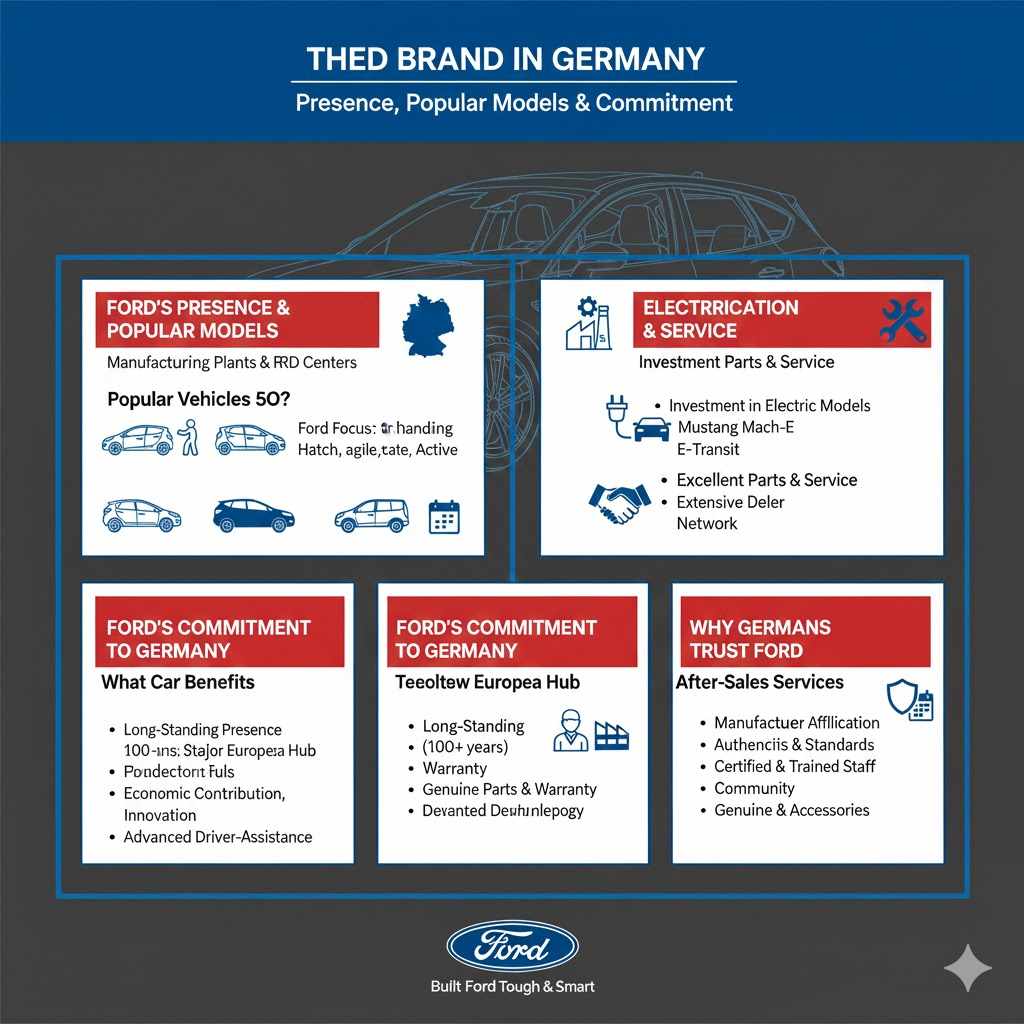
Ford’s Presence and Popular Models
Ford has been active in Germany for over a century. The company operates manufacturing plants, research and development centers, and a widespread dealership network across the country. This strong local presence ensures that Fords are readily available and well-supported.
Several Ford models have achieved considerable popularity in the German market. The Ford Focus has historically been a strong seller, known for its engaging driving dynamics and practical design. The Ford Fiesta, a smaller supermini, is also a favorite, particularly among urban drivers and younger buyers due to its agility and affordability.
In recent years, Ford’s range of SUVs and crossovers has also gained traction. The Ford Kuga, a compact SUV, is a popular choice for families, offering ample space and modern features. The larger Ford Puma, a stylish crossover, has also seen success.
For those needing more utility, Ford also offers popular commercial vehicles like the Ford Transit series.
Ford is also investing heavily in electrification in Germany. Models like the all-electric Mustang Mach-E and the E-Transit are becoming increasingly visible, reflecting the market’s shift towards sustainable mobility. These vehicles are available through the same dealership network, offering a glimpse into the future of Ford’s offerings in the region.
The availability of parts and service for Ford vehicles is excellent throughout Germany, thanks to the extensive dealer and authorized repair shop network. This provides owners with confidence in maintaining their vehicles long-term.
Popular Ford Vehicles in Germany
- Ford Focus: A well-rounded compact car known for its excellent handling and practicality. It comes in hatchback, estate, and active versions.
- Ford Fiesta: A popular choice for city driving and younger drivers, offering a fun driving experience and good fuel economy.
- Ford Kuga: A versatile compact SUV that balances practicality, comfort, and a stylish design. It’s available with various engine options, including hybrid variants.
- Ford Puma: A sporty and stylish crossover with a distinctive design and smart interior features. It offers a more compact SUV experience.
- Ford Transit Series: A comprehensive range of commercial vans and vehicles known for their durability, cargo space, and versatility for businesses.
Ford’s Commitment to the German Market
Ford’s long-standing commitment to the German market is evident in its substantial investments in manufacturing facilities, research and development, and its extensive dealer and service network. Ford-Werke GmbH, based in Cologne, is one of Ford’s major European hubs. This facility is crucial for producing vehicles and components for both the German and wider European markets.
The company actively engages with local communities and contributes to the German economy through employment and innovation. Ford regularly introduces new models and technologies tailored to the preferences and regulatory standards of the German automotive landscape. This includes a focus on advanced driver-assistance systems, safety features, and increasingly, electric and hybrid powertrains.
Ford’s strategy in Germany also involves strong customer support. The widespread network of dealerships and authorized service centers ensures that Ford owners have easy access to maintenance, repairs, and genuine Ford parts. This comprehensive support system builds customer loyalty and reinforces Ford’s reputation as a reliable automotive brand in Germany.
Furthermore, Ford participates in major automotive shows and events in Germany, showcasing its latest innovations and providing opportunities for the public to interact with their vehicles. This direct engagement helps maintain a strong brand presence and allows Ford to gather valuable feedback from German consumers.
The brand’s dedication to quality, performance, and customer satisfaction continues to make Ford a significant player in the German automotive sector.
- Manufacturing Presence: Ford operates significant manufacturing facilities in Germany, contributing to local employment and production.
- Research and Development: The company invests in R&D in Germany, focusing on innovation and adapting vehicles to local needs and regulations.
- Dealer Network: A vast network of dealerships and service centers across Germany ensures widespread availability and support.
- Product Adaptation: Ford introduces models and technologies that cater to the specific demands and preferences of the German market, including a focus on emission standards and electric mobility.
Frequently Asked Questions
Question: Can I buy a Ford car from any dealership in Germany?
Answer: Yes, you can buy a Ford car from any official Ford dealership located in Germany. These dealerships are authorized to sell new and certified pre-owned Ford vehicles.
Question: Is it possible to buy a used Ford car in Germany privately?
Answer: Yes, it is possible to buy a used Ford car from a private seller in Germany. However, be aware that private sales typically do not come with a warranty, unlike purchases from a dealer.
Question: What documents do I need to register a Ford car in Germany?
Answer: You will need proof of identity, the vehicle’s purchase contract, the manufacturer’s certificate of conformity (COC) for new cars, and proof of valid motor vehicle liability insurance.
Question: Can I buy a Ford car in Germany and export it to another country?
Answer: Yes, you can buy a Ford car in Germany for export. You will need to arrange for export documentation, transport, and be aware of customs and taxes in your destination country.
Question: Are Ford vehicles popular in Germany?
Answer: Yes, Ford vehicles are quite popular in Germany, with models like the Focus, Fiesta, and Kuga being strong sellers. Ford has a long history and significant presence in the German market.
Conclusion
Yes, you can absolutely buy a Ford car in Germany. The process is clear, whether you want a brand-new model or a certified pre-owned vehicle. Official dealerships are your primary and most reliable source for new Fords, offering excellent service and warranties.
For budget-conscious buyers, certified pre-owned Fords provide great value with thorough inspections and extended coverage.
The purchase process involves research, understanding financing options, and completing registration and insurance, all of which are manageable with the right information. Germany’s robust Ford network ensures you have access to support throughout your ownership. So, finding and buying your Ford in Germany is well within reach. See also ford car key stopped working here’s the quick fix.
Related pick: Check today's price on Amazon