Common Car Battery Myths Drivers Still Believe
A weak 12V battery often gets blamed for no-starts, but the fix starts with one check: If voltage is below about 12.4 volts after sitting, or falls under about 10 volts while cranking, the battery is often treated as suspect, and the charging system is usually tested too. If you chase the wrong part, you waste money on repairs that do not fix the no-start. This guide covers the myths, the real signs of battery, alternator, terminal, and driving-pattern problems, and a simple checklist to sort them out.
Why battery myths stick around


Many battery myths come from older battery behavior, then get repeated as if every 12V automotive battery acts the same way. Modern lead-acid starting batteries still depend on the alternator for recharge after starting, and modern charging controls are commonly said to reduce overcharge risk more than older systems did.
The trouble is diagnosis. A slow crank, warning light, or repeated jump-start can come from the battery, the alternator, corroded terminals, loose clamps, parasitic draw, or a driving pattern that never lets the battery recover. Replace the wrong part first, and the symptom usually returns.
Common car battery myths and what they hide
| Myth | What it can hide | Likely real cause | Next test to run |
|---|---|---|---|
| The battery died overnight for no reason. | Overnight drain. | Parasitic draw from a module, light, or accessory. | Measure key-off current after the vehicle goes to sleep. |
| Short trips do not affect battery life. | Chronic undercharge and sulfation. | Driving pattern leaves the battery partly charged. | Check state of charge after several short-trip days. |
| If it starts with a jump, the battery is fine. | Weak battery or charging-system fault. | Battery capacity is low, or the alternator is undercharging. | Test cranking voltage and charging voltage after start. |
| Cold weather killed the battery overnight. | Low reserve from age or weak CCA. | Battery was already near failure, then cold exposed it. | Load-test the battery at the ambient temperature. |
| White or green corrosion is harmless. | High resistance at the connection. | Corroded terminal or cable end. | Inspect, clean, and retighten both terminals. |
| Loose terminals only matter if the car will not start. | Intermittent no-starts and charging complaints. | Clamp not gripping the post firmly. | Check for movement by hand and verify clamp torque. |
| Every weak battery is a bad battery. | Alternator failure. | Charging system is not restoring charge after start. | Check charging voltage with engine running. |
| Stop-start cars just need any 12V battery. | Premature wear and repeated failure. | Wrong battery type for the duty cycle. | Confirm AGM fitment if the vehicle calls for it. |
| A bigger battery is always better. | Fitment and system mismatch. | Wrong group size, terminal layout, or charging match. | Match the vehicle’s specified size and chemistry. |
| Old battery age alone proves the alternator is bad. | Battery wear from heat, sulfation, and use pattern. | Battery has aged out or been undercharged for months. | Check age, state of charge, and load-test results. |
Do you need to fully discharge a car battery before charging?
A 12V lead-acid car battery does not need to be fully discharged before charging, and deep discharge is generally hard on this type of battery. The full-discharge myth came from older nickel-cadmium and nickel-metal hydride batteries, not modern automotive starting batteries.
What happens now is simpler: the battery stores energy, then the alternator recharges it after starting. Letting a lead-acid battery sit deeply discharged can reduce capacity and speed up sulfation. A battery at 0% also takes more strain when it is brought back up.
What charging does to a lead-acid battery
Charging restores state of charge, but it cannot always undo damage from long undercharge. Lead-acid starting batteries are sensitive to deep discharge, and chronic low state of charge encourages sulfation on the plates. That is why short trips and long storage are such common causes of weak starts.
When the wrong charger causes trouble
Use the correct charger or maintainer for the battery’s voltage and chemistry. A mismatched charger can still damage a flooded lead-acid or AGM battery, even though modern charging systems reduce overcharge risk. A maintainer is for storage and slow top-off; a jump starter is for emergency roadside recovery.
Can a weak battery cause warning lights?
Yes. Low voltage can trigger warning lights, odd dash behavior, and multiple unrelated fault codes because many vehicle modules need stable voltage to work correctly. That does not prove the battery is the only problem, though. A weak alternator, bad ground, or loose terminal can produce similar symptoms.
Suppose the battery light and traction-control light come on after a cold start, then the car later dies at a stoplight. That could be a charging-system fault, not just a tired battery. If the system is running below target voltage, the battery is often only the first victim.
When the alternator is the real problem
The alternator recharges the battery while driving and supports the electrical system once the engine runs. If it fails or undercharges, the battery may start the car once or twice and then fall short again. Repeated jump-starts after normal driving are a strong reason to test alternator output.
Check charging voltage with the engine running, then compare it with the battery’s resting voltage after the vehicle sits. A battery that never fully recharges can look bad even when the root cause is the charging system.
What the battery can hide
Overnight drain and parasitic draw
A battery that is dead by morning may be reacting to a parasitic draw, not failing on its own. Small current draws are normal, but a module that stays awake, a glovebox lamp, or an aftermarket accessory can flatten a battery during parking. Long storage makes this more obvious.
Short trips and sulfation
Short-trip driving drains car batteries faster in practice because the alternator may not replace the energy used during starting and accessory load. That leaves the battery undercharged, which raises the chance of sulfation. City-only use, cold starts, and repeated short errands are a poor mix for lead-acid batteries.
Common first-timer mistake: replacing a battery after a week of five-minute drives, then repeating the same pattern. The new battery may still end up undercharged unless the vehicle gets enough run time or a maintainer is used during storage.
Corrosion, loose terminals, and bad ground contact
Terminal corrosion and loose clamps can mimic a weak battery because both reduce current flow during cranking. Corrosion adds resistance. Loose terminals can make a battery seem dead one day and fine the next.
- Inspect the posts. Look for white, blue, or green buildup on the battery posts and cable ends. Clean before testing so corrosion does not distort the result.
- Check clamp tightness. The terminal should not rotate by hand. A loose fit can interrupt cranking current and charging feedback.
- Test the ground path. Follow the negative cable to the body or engine block and inspect for damage, rust, or looseness. A bad ground can act like a bad battery.
What changes the diagnosis
Cold-cranking amps and cold starts
Cold-cranking amps, or CCA, measure starting performance in cold conditions. Higher CCA generally improves cold-start ability, which matters because cold oil, slow chemical reactions, and higher starter demand all make starting harder. A battery that seems acceptable in mild weather may fail on a cold morning.
Reserve capacity and accessory load
Reserve capacity tells you how long a battery can power loads without alternator support. That matters if the charging system fails or if the vehicle idles with lights, blower, or defroster on. A battery with weak reserve can still crank once and then fall short quickly.
AGM vs flooded lead-acid
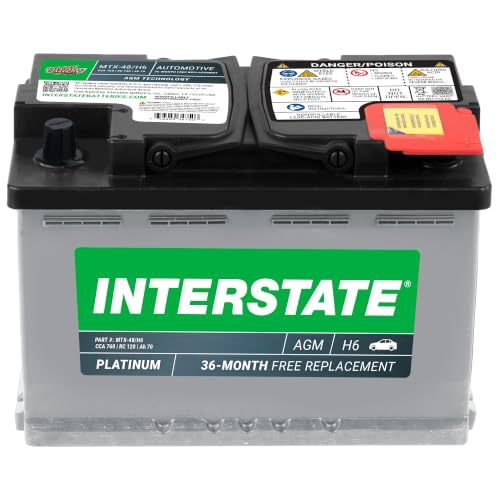
Flooded lead-acid is the common 12-volt automotive starting battery design. It is sensitive to deep discharge and depends on alternator recharge after starting. AGM, or absorbed glass mat, uses a different internal construction, resists vibration better, and is often a better fit for many stop-start vehicles, though it usually costs more than flooded lead-acid.
Is a bigger car battery always better? No. Fit, terminal layout, group size, and chemistry still matter. The battery must match the vehicle’s charging strategy and physical tray. A larger case that does not fit correctly can create its own problems.
Stop-start vehicles and fitment
Stop-start systems cycle the battery more often than traditional driving does, so battery choice matters more. Many of these vehicles are built for AGM batteries because they handle repeated starts better and usually tolerate vibration well. Putting in the wrong chemistry can shorten service life.
Say your SUV uses stop-start and begins to hesitate at every restart after a month of school-run driving. That pattern can point to a battery that is the wrong type for the vehicle or one that never reaches full charge during short trips.
When to charge, test, or replace
A battery charger or maintainer is the right tool for storage, seasonal use, or slow recovery after a partial discharge. A jump starter is the right emergency tool for a 12V vehicle when you need to get moving, but it does not solve the underlying cause. If the battery keeps failing, test the charging system and the battery together.
- Test resting voltage. Let the vehicle sit, then check battery voltage. A reading below about 12.4 volts after sitting may point to a battery that is not fully charged or not holding charge well.
- Check cranking voltage. Watch battery voltage while starting. If it drops to under about 10 volts during cranking, the battery is often treated as suspect.
- Measure charging output. Start the engine and verify the alternator is recharging properly. Low charging voltage points away from the battery and toward the charging system.
- Look for draw or damage. If the battery keeps going flat while parked, check for parasitic draw, bad terminals, and ground problems before replacing parts again.
- Choose the right replacement. Replace the battery when it will not hold charge, fails load testing, or no longer matches the vehicle’s needed CCA, reserve capacity, or chemistry.
Frequently asked questions
What car battery myths are still true?
Some old advice still applies in a narrow way. Heat can make a battery age faster even when charging normally, and poor charging habits still shorten service life. But the full-discharge rule comes from older nickel-cadmium and nickel-metal hydride batteries, not from modern 12V lead-acid car batteries.
Does leaving a car battery on the charger overnight damage it?
Not necessarily, if the charger is designed for the battery type and voltage. The real risk is using the wrong charger or chemistry setting. Modern charging systems and smart chargers reduce overcharge risk, but an older charger without proper control can still be a problem.
Can a weak car battery cause warning lights?
Yes. Low voltage can make warning lights appear, trigger odd electronic behavior, or set false-looking codes. That does not prove the battery is the only fault. A weak alternator, loose terminal, or bad ground can create the same pattern, so charging voltage matters too.
Is a bigger car battery always better?
No. The battery must fit the tray, match the terminal layout, and suit the vehicle’s charging system. Higher CCA or reserve capacity can help if the spec allows it, but the wrong case size or chemistry can create fitment and charging problems.
How long should a car battery last?
Service life depends on heat, charging habits, driving pattern, and battery type. Short trips, long storage, and chronic undercharge shorten life, while stop-start use can be harder on the battery than steady highway driving. Age alone is not proof, but older batteries deserve closer testing.
Can cold weather kill a car battery overnight?
Cold weather can expose a weak battery overnight, but it usually does not create the problem from nothing. A battery with low charge, low CCA margin, or age-related wear may fail when temperatures drop. Cold cranking is harder, so a marginal battery shows its limits fast.
Does short-trip driving drain car batteries faster?
Yes. Short trips often use more starting energy than the alternator has time to put back. That leaves the battery undercharged and raises sulfation risk. Drivers with short commutes, lots of idling, or stop-start traffic may need occasional longer drives or a maintainer during storage.
Products related to this article
Sponsored / affiliate links. As an Amazon Associate I earn from qualifying purchases. I may earn additional commission from eligible campaigns.