Best Ford Car Service Near You: How to Find a Trusted Shop
Finding a reliable Ford car service near you isn’t just about convenience—it’s a crucial part of keeping your vehicle in top shape, protecting your investment, and ensuring safety on the road. Whether you drive a classic Ford Mustang, a versatile F-150, or a high-tech Ford Explorer, choosing the right service shop affects everything from your car’s performance to its resale value.
With the rise of specialized service centers, mobile mechanics, and dealership service options, navigating your choices can feel overwhelming.
Yet, with the right approach, you can confidently find a shop that combines expertise, transparency, and quality. This guide will walk you through proven steps to identify a trusted Ford service near you, compare your options, evaluate credentials, and make informed decisions.
We’ll also explore real-world examples, data-driven comparisons, and actionable tips to empower your search—ensuring your Ford receives the best care possible.
Key Takeaways
- Certified Ford service centers offer specialized expertise and genuine parts, ensuring warranty protection and high-quality repairs.
- Independent shops can provide cost-effective options but require careful vetting for experience and reputation.
- Always check for ASE certification, customer reviews, and transparent pricing before choosing a service provider.
- Leverage online tools, Ford’s official locator, and local referrals to find top-rated shops in your area.
- Regular, quality service extends your Ford’s lifespan, boosts resale value, and enhances safety.
Understanding Your Ford Service Options
Selecting the right service provider starts with understanding the types of shops available and how they differ in expertise, pricing, and convenience. Here’s a breakdown of the main choices when seeking Ford car service.
Ford Dealership Service Centers
Ford-authorized dealerships are often the first choice for many owners, especially those with new or under-warranty vehicles. These centers:
- Employ Ford-trained technicians who use specialized diagnostic equipment
- Offer genuine OEM parts backed by manufacturer warranties
- Maintain access to the latest technical service bulletins (TSBs) and recalls
- Provide amenities like loaner cars, shuttle services, and waiting lounges
The primary advantage of a Ford dealership is their direct connection to the manufacturer, which means they receive continuous training on the newest models and technologies. Dealerships can also assist with manufacturer recalls and have direct access to proprietary Ford diagnostic tools, which are especially crucial for complex electronic systems and newer Ford models, including hybrid and electric vehicles.
However, dealership service can be more expensive due to higher labor rates and overhead costs. For complex repairs, warranty work, or advanced electronics, the dealership often provides unparalleled peace of mind. For example, if your Ford has advanced driver-assistance systems (ADAS), only a dealership may have the latest software updates and recalibration tools required for proper servicing.
Independent Auto Repair Shops
Independent shops range from local garages to regional chains. Many are highly skilled and experienced with Ford vehicles, often offering:
- Lower labor rates and flexible pricing
- Personalized customer service
- Ability to use aftermarket or OEM parts based on your preference
Independent shops may have more flexibility in sourcing parts and can sometimes find cost-effective solutions for out-of-warranty vehicles. Some even specialize in Ford or American vehicles, and a growing number invest in dealer-level diagnostic equipment. A good independent shop will often take the time to explain repairs in detail and may be more accommodating with scheduling and special requests.
The key is to ensure the shop has specific Ford experience, up-to-date diagnostic tools, and positive customer feedback. Some independents even employ former dealership technicians. It’s always worthwhile to ask about the shop’s experience with your particular Ford model or generation.
National Auto Service Chains
Chains like Midas, Firestone, and Pep Boys offer standardized services and nationwide warranties. Their strengths include:
- Transparent pricing and promotions
- Fast turnaround for routine maintenance (oil changes, brakes, tires)
- Wide availability across the US
Because they serve a wide range of makes and models, chain stores may not have Ford-specific expertise for advanced diagnostics or newer technologies. However, their standardized processes and bulk purchasing power often make routine maintenance more affordable. Many chains also offer online appointment scheduling, extended hours, and weekend availability, which adds another layer of convenience for busy owners.
However, these chains may lack Ford-specific training or access to the latest TSBs. They’re best suited for basic maintenance rather than complex diagnostics.
Mobile Mechanics
Mobile mechanics have grown in popularity, providing repairs and maintenance at your home or workplace. This option is ideal for:
- Routine maintenance or minor repairs (oil changes, battery replacement)
- Busy owners seeking convenience
- Competitive pricing due to lower overhead
Mobile mechanics are a great choice for straightforward services such as brake pad changes, battery replacement, or even minor diagnostics. They eliminate the hassle of dropping off your car and waiting for repairs, making them perfect for those with tight schedules or limited transportation options.
Always verify credentials, insurance, and reviews before choosing a mobile mechanic for your Ford. Ask about their experience with Ford vehicles and their access to specialized tools or diagnostic equipment. Well-established mobile services often back their work with warranties and digital invoices.
Comparison Table: Ford Service Options
| Service Type | Expertise Level | Cost | Genuine Parts | Warranty Protection | Convenience |
|---|---|---|---|---|---|
| Ford Dealership | High (Ford-certified) | $$$ | Yes | Full | Moderate |
| Independent Shop | Varies | $$ | Optional | Partial | High |
| National Chain | Moderate | $$ | No/Optional | Limited | Very High |
| Mobile Mechanic | Moderate | $-$$ | No/Optional | Limited | Maximum |

Credit: www.lutherauto.com
How To Evaluate A Ford Service Shop
Not all auto shops are created equal, especially when it comes to servicing Ford vehicles. Here’s a step-by-step guide to vetting potential shops for quality, trustworthiness, and expertise.
Check For Certifications And Credentials
Look for technicians with:
- ASE (Automotive Service Excellence) certification—a gold standard for technical competence
- Ford-specific training or certifications
- Membership in reputable organizations, such as the Automotive Service Association (ASA)
Technicians who pursue ongoing education demonstrate a commitment to keeping up with new vehicle technology. Ford-specific training, such as the Ford Master Technician program, is an excellent indicator that a shop can handle the latest Ford technologies, including hybrid and electric models.
Shops that display credentials openly are usually more transparent and professional. Ask to see certifications if they are not clearly visible in the waiting area.
Assess Reputation And Customer Reviews
- Read Google, Yelp, and Facebook reviews for recent feedback
- Check the Better Business Bureau (BBB) rating and history of complaints
- Look for consistent praise in areas like communication, transparency, and technical skill
Online reviews are a valuable resource, but be sure to look for patterns over time. A reputable shop will have a majority of positive reviews and will respond professionally to any negative feedback. Consider also asking for references from recent customers, especially for major repairs.
A few negative reviews are normal; patterns of unresolved issues are red flags.
Transparency In Pricing And Estimates
Reliable shops provide:
- Detailed, written estimates before work begins
- Clear explanations of recommended repairs and pricing options
- Itemized invoices after service
A trustworthy shop will always be willing to answer questions about labor rates, diagnostic fees, and parts pricing. Beware of vague estimates or shops that pressure you into unnecessary services. Ask for an explanation of any line item you don’t understand.
Avoid shops that refuse to discuss costs or push unnecessary services.
Access To Genuine Ford Parts
Ask if the shop uses:
- Genuine Ford OEM parts (best for warranty and performance)
- High-quality aftermarket parts (may lower costs for out-of-warranty vehicles)
Genuine Ford parts ensure optimal fit, finish, and longevity. For older vehicles, high-quality aftermarket parts can provide significant savings, but they should meet or exceed OEM specifications. Request to see the packaging or part numbers if you want to verify authenticity.
Shops should offer you a choice and explain the pros/cons.
Warranty On Workmanship
A trusted shop stands by its repairs with a warranty on labor and parts—typically ranging from 12 months/12,000 miles to 36 months/36,000 miles.
A longer warranty period is a sign the shop is confident in its work. Ask for the warranty policy in writing and clarify what is covered (parts, labor, or both) and what might void the warranty.
Cleanliness And Professionalism
A tidy, organized shop reflects attention to detail and pride in workmanship. Look for:
- Clean waiting areas
- Organized tools and work bays
- Friendly, knowledgeable staff
First impressions matter—an organized environment often translates into better care for your vehicle. Staff should be courteous, willing to answer questions, and able to explain complex repairs in plain language.
Case Example: Evaluating A Local Ford Service Center
A Ford owner in Dallas, Texas compared three local options: a dealership, an independent shop, and a chain. After checking certifications, reading reviews, and comparing estimates, the owner chose an independent shop with Ford Master Technician credentials, excellent online reviews, and a 24-month warranty—saving 20% compared to the dealership.
Additionally, the owner noted that the independent shop provided a photo inspection report via email, allowing for greater transparency and trust. This case highlights the value of balancing cost with expertise and reputation.

Credit: www.stiversfordsouth.com
Where To Search: Tools And Resources For Finding A Shop
The digital age makes it easier than ever to locate a top-tier Ford service provider near you. Use these resources to streamline your search.
Ford’s Official Service Locator
Visit the Ford Owner website and use their certified service locator tool:
- Enter your ZIP code to view nearby authorized dealers and Quick Lane centers
- Filter by services offered, amenities, and customer ratings
This tool allows you to identify which locations are fully certified and which offer express services for quick jobs like oil changes or tire rotations. You can also see dealership amenities such as free Wi-Fi, shuttle service, and Saturday hours, making it easier to match a shop to your needs.
ford Owner Locator
Google Maps And Review Sites
Searching “Ford car service near me” on Google Maps yields:
- Real-time user ratings and reviews
- Photos, hours of operation, and direct contact information
- Directions and distance from your location
Google Maps also lets you filter results by rating, distance, and business hours, helping you find highly-rated shops that fit your schedule. Review sites like Yelp and Angie’s List add qualitative feedback, such as details about customer service, cleanliness, and repair quality.
Sites like Yelp and Angie’s List provide additional user-generated insight.
National Chain Store Locators
Major chains (e.g., Firestone, Pep Boys) offer online locators to find the nearest shop and see available Ford-related services.
Chain store websites often allow you to view available coupons, see appointment times, and check which locations offer specific services like alignment or brake repairs.
firestone Locations
Community Recommendations And Forums
Tap into local knowledge via:
- Neighborhood Facebook groups
- The Nextdoor app
- Ford enthusiast forums (e.g., Ford Truck Enthusiasts)
Local recommendations can reveal smaller, highly reputable shops that might not have a large online presence. In forums, you’ll find owners sharing their experiences with local mechanics, including details about pricing, turnaround time, and expertise with specific Ford models.
Personal referrals are especially valuable for finding hidden gems.
Mobile Mechanic Apps
Apps like YourMechanic and Wrench let you browse mobile mechanics, see prices upfront, and read verified reviews before booking.
Many of these platforms vet their mechanics, offer service guarantees, and provide digital invoices for your records. They also allow you to select specific services and schedule repairs at your convenience.
yourmechanic Cities
Comparison Table: Search Tools For Ford Service
| Resource | Best For | Key Features | Example Link |
|---|---|---|---|
| Ford Owner Locator | Certified service centers | Filters, ratings, amenities | Visit |
| Google Maps | All local options | User reviews, photos, hours | Visit |
| Nextdoor | Personal recommendations | Local referrals, discussions | Visit |
| YourMechanic | Mobile mechanic services | Upfront pricing, reviews | Visit |
Credit: www.nsford.com
What Makes A Shop “trusted”? Key Qualities To Look For
Identifying a truly trusted Ford service shop involves more than just reading reviews or checking certifications. Here’s what sets the best apart.
Transparent Communication
Top shops:
- Clearly explain diagnoses and repair options
- Provide regular updates during longer repairs
- Welcome questions and offer honest recommendations
A trusted shop will often provide digital inspection reports, including photos or videos, to help you understand what’s wrong and why a repair is necessary. This transparency reduces misunderstandings and builds confidence in their recommendations.
Consistent Quality And Reliability
Reputation is built over time. Trusted shops:
- Deliver consistently high-quality repairs
- Honor estimates and timelines
- Stand by their work with warranties
The best shops maintain relationships with customers for years, tracking service history and providing reminders for upcoming maintenance. Consistency in both quality and communication sets them apart from the competition.
Ask for references or examples of long-term customer relationships.
Investment In Technology And Training
Modern Fords use advanced diagnostics and electronics. Leading shops:
- Invest in the latest scan tools and software
- Require ongoing training for technicians
- Stay up-to-date with evolving Ford platforms (EcoBoost, hybrid, electric)
For instance, the latest Ford F-150s and Explorers feature complex ADAS (Advanced Driver Assistance Systems) that require specialized diagnostic tools. Only shops with current equipment and training can properly diagnose and recalibrate these systems. Ask about the shop’s training schedule or their access to Ford technical resources.
Fair Pricing And Value
Value isn’t always about the lowest price. Trusted shops:
- Offer competitive rates
- Prioritize preventive maintenance to avoid costly breakdowns
- Provide value through expertise, parts quality, and service guarantees
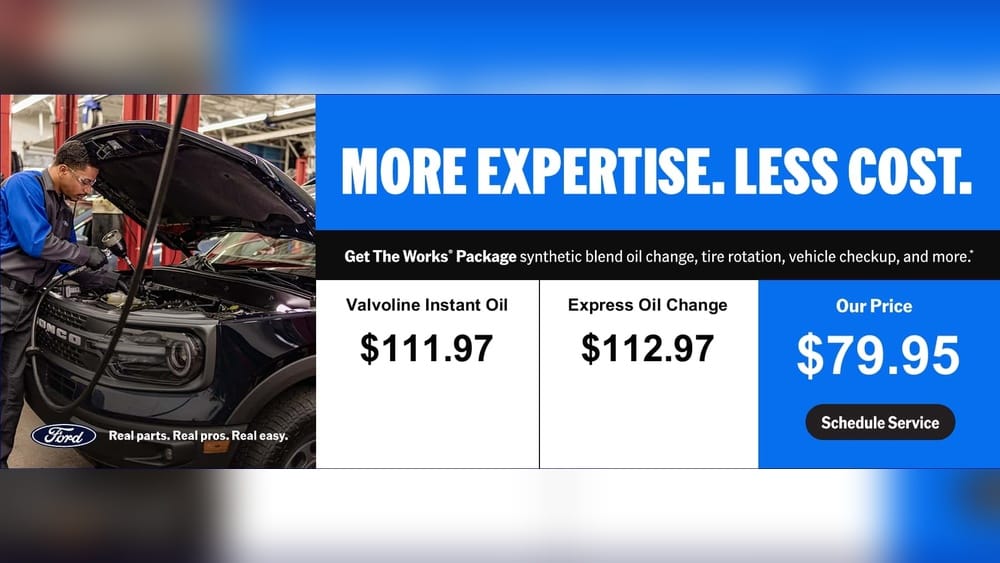
They should be willing to explain how preventative services can save you money in the long run, and may offer bundled maintenance packages or seasonal specials.
Customer-centric Policies
Look for shops with:
- Flexible appointment scheduling (online, phone, walk-in)
- Clear policies on parts returns and satisfaction guarantees
- Amenities like loaner vehicles, shuttle service, or comfortable waiting areas
Some top-rated shops offer after-hours drop-off, text message updates, or even digital payment options, reflecting a commitment to customer convenience.
Real-world Example: A Customer’s Experience
When Sara, a Ford Escape owner in Phoenix, AZ, noticed a transmission issue, she sought quotes from three shops. The dealership quoted $3,200, a local independent shop quoted $2,600 with a two-year warranty, and a national chain quoted $2,100 but could not guarantee a Ford specialist. Sara chose the independent shop, citing superior communication and transparency—her repair was completed on time, and she’s had zero issues since.
Sara also appreciated that the shop provided photos of worn parts, a clear explanation of what caused the issue, and a follow-up call a week after service to ensure her satisfaction.
Cost Factors And Saving Money On Ford Service
Understanding what drives service costs—and how to save—can make a big difference over your Ford’s lifespan.
What Affects Ford Service Costs?
- Type of service: Oil changes cost less than timing belt or transmission repairs.
- Model and year: Newer Fords with advanced features may cost more to service.
- Part selection: OEM parts are pricier but guarantee fit and warranty; aftermarket may save money.
- Location: Labor rates vary by region (urban vs. rural).
- Complexity of the repair: Some repairs, such as hybrid battery replacement or ADAS calibration, require more time and specialized equipment, increasing costs.
- Shop type: Dealerships generally have higher hourly rates, while independents and chains are often more affordable for routine maintenance.
Average Ford Maintenance Costs
According to RepairPal, the average annual maintenance cost for a Ford vehicle in the US is $775—slightly below the industry average. Dealer repairs tend to be 15-25% higher than independents.
For example, the cost to maintain a Ford F-150 over five years is estimated at $4,000 to $4,500, while a Ford Escape might be slightly less, depending on driving habits and maintenance discipline.
Table: Average Ford Service Costs By Common Repairs
| Service Type | Dealer Cost (Avg.) | Independent Shop (Avg.) | National Chain (Avg.) |
|---|---|---|---|
| Oil Change | $85 | $45 | $40 |
| Brake Pad Replacement | $300 | $220 | $200 |
| Battery Replacement | $200 | $140 | $120 |
| Transmission Service | $1,600 | $1,200 | $1,000 |
Ways To Save On Ford Service
- Shop around for quotes and ask for price matching
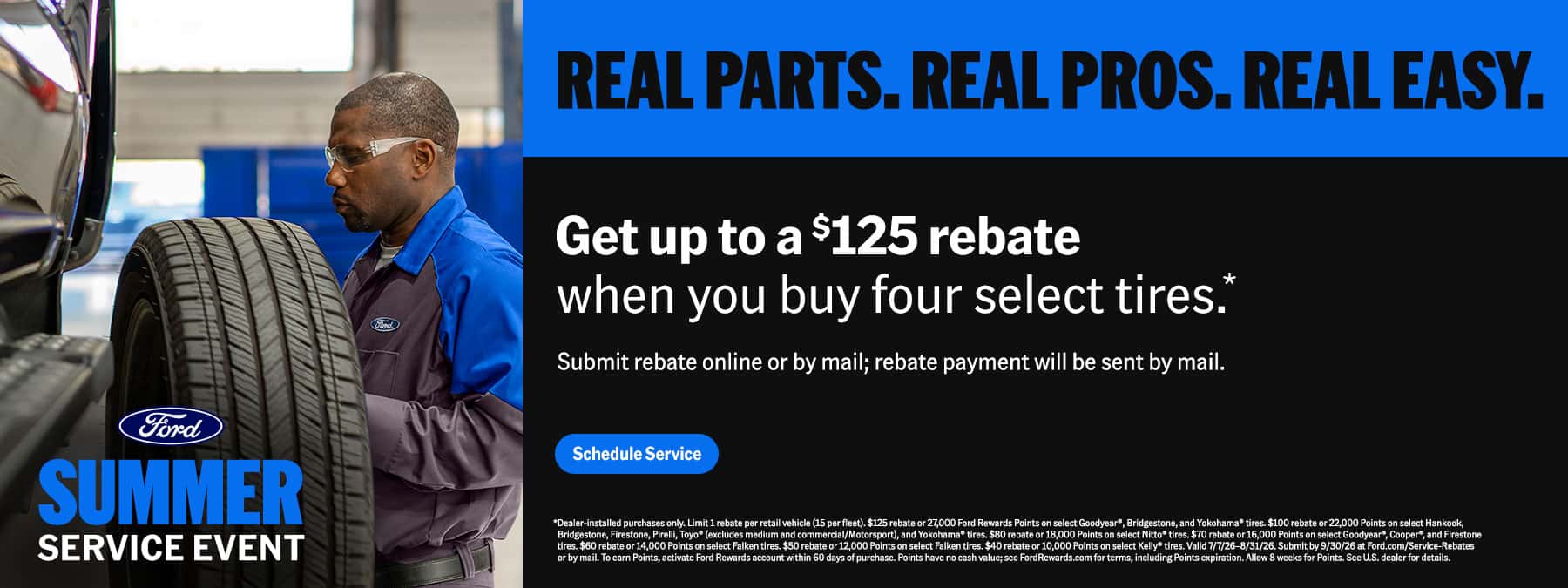
- Use Ford service coupons available on dealer websites or Ford’s official site
- Prioritize preventive maintenance to avoid major repairs
- Ask about customer loyalty programs or referral discounts
- Consider aftermarket parts for out-of-warranty vehicles
- Sign up for shop newsletters to receive alerts on seasonal promotions
- Bundle multiple services (e.g., oil change and tire rotation) for package discounts
Leverage Your Warranty
New Ford vehicles come with a 3-year/36,000-mile bumper-to-bumper warranty and a 5-year/60,000-mile powertrain warranty. Use authorized service centers to protect warranty coverage.
Some extended warranties and service contracts are only honored at Ford dealerships, so review your policy carefully. For certified pre-owned Fords, additional warranty coverage and complimentary maintenance may be available.
ford Motor Company – Wikipedia
Top Tips For A Smooth Ford Service Experience
Preparation and clear communication can ensure your service appointment goes off without a hitch.
Gather Vehicle Information
Have these details ready:
- VIN number
- Mileage
- Service history
- Details of any recent issues (noises, warning lights, symptoms)
- Warranty or extended service contract documents, if applicable
Keeping a log of past services and repairs can help the technician diagnose issues more efficiently and avoid redundant work.
Book Appointments In Advance
- Schedule online or by phone, especially during busy seasons
- Ask about shuttle, loaner, or ride-share options if you need transportation
- Inquire about estimated turnaround times for your specific repair
Early booking gives you the best chance to secure a time slot that fits your schedule, and advance notice helps the shop order any needed parts.
Request A Written Estimate
- Confirm all costs before work begins
- Ask for a breakdown of labor and parts
- Clarify any diagnostic fees, which may or may not be applied to the final bill
Having a written estimate helps prevent misunderstandings and protects you from unexpected charges.
Inspect Work When Done
- Review the invoice and ask questions about any discrepancies
- Test drive your vehicle to confirm repairs were completed as expected
- Save all receipts and warranty paperwork for your records
If you notice any issues after leaving the shop, contact them immediately to address the concern while documentation is fresh.
Build A Relationship
- Return to the same shop for future maintenance to build trust and benefit from loyalty perks
- Provide feedback via reviews to help other Ford owners
- Ask if the shop keeps digital service records, which can simplify future visits
A good relationship with your shop can lead to faster service, personalized advice, and even discounts or priority scheduling.
Case Study: How A Fleet Manager Saved Money
A small business fleet manager in Chicago used Ford’s official locator to identify three top-rated service centers. By negotiating fleet discounts and consolidating service visits, the company saved over $5,000 annually on routine maintenance for its Ford Transit vans.
The manager also implemented a preventive maintenance schedule, which reduced unexpected breakdowns by 40% over two years, further lowering operational costs and minimizing downtime.
The Importance Of Regular, Quality Ford Service
Servicing your Ford at trusted intervals isn’t just about preventing breakdowns—it’s an investment in safety, longevity, and value.
Extending Vehicle Life
- Routine oil changes, fluid checks, and tire rotations help prevent major issues
- Addressing warning lights promptly can stop small problems from escalating
- Scheduled maintenance (timing belts, coolant flushes) can add years to your vehicle’s life
A well-maintained Ford can easily surpass 200,000 miles, saving you thousands in replacement costs over time.
Ensuring Safety
- Brake, suspension, and steering checks reduce accident risk
- Proper service ensures advanced safety features (like lane assist) function correctly
- Tire inspections and rotations help maintain traction and handling
Well-serviced vehicles are less likely to experience roadside breakdowns or dangerous component failures.
Maximizing Resale Value
- A full service history from a trusted shop boosts your car’s market value
- Buyers and dealers prefer vehicles with documented, quality maintenance
- Digital records and stamped service books demonstrate your commitment to upkeep
According to a 2026 Kelley Blue Book study, vehicles with complete service records can command up to 15% higher resale prices compared to those without documentation.
Protecting Warranty And Recall Coverage
- Dealer or certified shop service is often required to maintain warranty eligibility
- Shops with access to Ford’s database can notify you of open recalls or TSBs
- Timely recall repairs are free and critical for safety
Staying proactive with recalls and bulletins protects both your wallet and your safety.
nhtsa Recalls Database
Example: Impact Of Service Records On Resale
A well-maintained 2017 Ford F-150 with complete service records sold for $3,000 more than a similar truck with spotty history, according to Kelley Blue Book data.
In another case, a Ford Explorer owner was able to transfer their extended warranty to a new owner because all required maintenance was documented by a certified shop—making the vehicle more attractive to buyers.
Frequently Asked Questions
What’s The Difference Between Ford Dealership Service And An Independent Shop?
Ford dealerships employ Ford-certified technicians and have access to the latest technical updates, genuine parts, and warranty repairs. Independent shops may offer lower prices and flexible options but require careful vetting to ensure they have Ford expertise and quality standards. For major recalls or software updates, dealerships are usually the best choice.
How Do I Know If A Shop Uses Genuine Ford Parts?
Ask the shop directly if they use OEM Ford parts for repairs. Reputable shops will be transparent about part sourcing and can provide packaging or receipts upon request. For critical repairs or warranty work, always insist on genuine parts. You may also ask to keep replaced parts or see proof of purchase.
Can I Service My Ford At A Non-dealership Without Voiding The Warranty?
Yes. Under the Magnuson-Moss Warranty Act, you can have your Ford serviced at any qualified shop without voiding the warranty, as long as factory maintenance schedules are followed and proper parts are used. Keep all receipts and service records as proof.
ftc Guide To Warranty Law
How Often Should I Service My Ford Vehicle?
Follow the Ford recommended maintenance schedule in your owner’s manual—typically every 5,000 to 7,500 miles for oil changes and inspections. Factors like driving conditions, climate, and vehicle age can affect service intervals. Severe service (towing, extreme temperatures, dusty roads) may require more frequent attention.
What Should I Do If I’m Not Satisfied With A Shop’s Service?
First, address your concerns directly with the shop’s manager. If unresolved, contact your local Better Business Bureau or state consumer protection agency. For Ford dealers, you can also file a complaint with Ford Customer Service.
better Business Bureau
Entrusting your Ford to the right service provider is one of the smartest moves you can make as a car owner. By following the strategies, tips, and resources outlined here, you’ll protect your investment, ensure your vehicle’s reliability, and enjoy peace of mind on every journey.
Start your search today and experience the difference a trusted Ford car service shop can make.
Products related to this article
Sponsored / affiliate links. As an Amazon Associate I earn from qualifying purchases. I may earn additional commission from eligible campaigns.