Do Aftermarket Steering Wheels Affect Can-Am Warranty?
An aftermarket steering wheel can affect a Can-Am warranty only if the modification is tied to the failure or affects related systems such as the steering column or wiring. BRP’s written warranty terms and applicable law control coverage, and bad installs can turn a steering-related complaint into a denied claim. This guide breaks down which wheel parts are usually low-risk and which ones can put a warranty claim at risk.
BRP / Can-Am warranty coverage is usually handled by cause and effect, not by blanket disqualification. Under warranty and Magnuson-Moss-type causation analysis, if the failed part has nothing to do with the wheel swap, the claim may still be covered. If the dealer finds a loose hub, damaged wiring, or another install error tied to the failure, denial risk rises.
Causation is the real test, not the part
What BRP warranty coverage usually depends
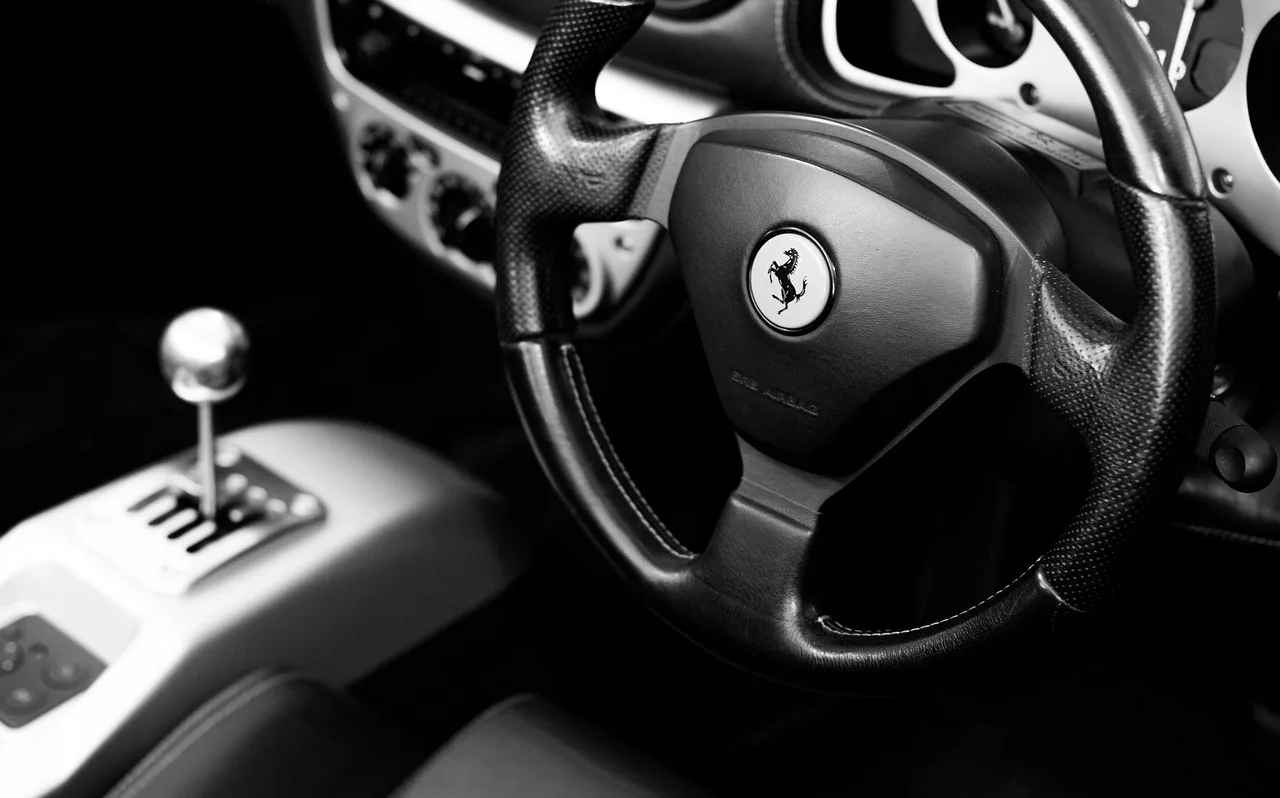
Factory warranty terms typically focus on defects in materials or workmanship, and dealers inspect the failed part plus nearby components. That means the question is not whether the vehicle has an aftermarket wheel. The question is whether the installed parts changed load, fitment, wiring, alignment, or rotation in a way that damaged the steering system.
Can-Am model, trim, and steering layout matter. A wheel swap on a Maverick X3 can present different fitment issues than a Defender because the column geometry, accessory space, and use case may differ.
Why cause and effect matters more than the part itself
A claim usually turns on proof of causation. If the steering rack fails but the wheel, hub, and wiring were installed correctly and do not connect to the fault, the mod may be irrelevant. If the claim is for a sticky horn or loose steering feel, the added parts sit closer to the failure path and get more scrutiny.
When a steering-related denial is more likely
Denial risk climbs when the failure matches the modified area. Examples include a snapped horn wire after a steering wheel swap, damaged wiring from over-rotation, or hub wobble that creates vibration and center drift. Those are the kinds of issues a dealer can point to when they argue the install caused the problem.
What dealers check on a warranty claim
Dealers usually compare the failed part with the installed parts around it. They look for broken connectors, tool marks, loose fasteners, mismatched hardware, and evidence that the steering wheel or adapter was not centered correctly. Documentation can help, but it does not force coverage if the parts show install damage.
Failed part versus modified part
If the concern is a power-steering fault, a dealer may inspect the column, shaft, and nearby wiring even if the wheel itself looks fine. If the concern is a horn or steering-position issue, the focus shifts to the hub and connector routing. The closer the accessory sits to the failed system, the more likely it gets examined.
Signs of improper install
- Off-center wheel alignment after installation.
- Visible play at the hub or quick-release.
- Pinched, stretched, or rubbed horn wiring.
- Missing thread locker or loose center hardware.
- Wiring damage from turning past its limit.
What proof can help your case
Keep the part numbers, install receipt, and photos of the completed assembly. If the wheel uses a model-specific adapter, keep the adapter box label and any fitment note that identifies the Can-Am model. That gives the dealer a clearer path to separate a bad part from a bad install.
Warranty-risk matrix
The table below scores common steering wheel upgrade choices by claim risk, install complexity, and the records worth keeping. The point is simple: wheel-only swaps are usually easier to defend than setups that add spacing, moving joints, or new wiring.
| Upgrade choice | Claim risk | Install complexity | Evidence to keep |
|---|---|---|---|
| Wheel only | Low | Low | Wheel part number, bolt pattern, torque note, photos |
| Wheel + hub adapter | Moderate | Moderate | Adapter part number, model fitment note, spline match, center mark photo |
| Quick-release hub | Moderate to high | High | Latch type, lock check, play check, install photos, service notes |
| Heated wheel or horn wiring | High | High | Wiring diagram, connector type, fuse note, continuity check, waterproofing photos |
Which steering wheel changes are low-risk?
Low-risk changes usually keep the steering column untouched and preserve horn function. A wheel with the correct bolt pattern, the right hub, and no wiring changes is easier to defend than a setup that adds moving parts or electrical work. Diameter and grip material matter for comfort and control, but they are usually less important to warranty review than hub fit and wire integrity.
Wheel diameter and grip material
A slightly smaller or larger diameter changes steering feel and steering effort, but it does not usually create a warranty problem by itself. Grip material is similar. A suede or leather wrap may change heat and grip, yet it rarely matters unless it affects button access, visibility, or how the wheel fits around the existing controls.
Correct bolt pattern and hub match
The wheel must match the bolt circle pattern on the hub adapter. If the wheel and hub do not match, owners sometimes force hardware, which can damage threads or create runout. The hub must match the Can-Am steering column spline count and depth so the wheel sits in the correct position.
Keeping horn function intact
Preserving the horn circuit matters because it shows the steering system was not hacked apart. If the horn works through the original path or a clean adapter harness, the claim trail is easier to defend. Cutting the harness or leaving exposed pins creates an easy link between the modification and any later electrical fault.
Which parts can trigger a denied claim?
The parts most likely to draw a denial are the ones that can damage the steering column or electrical path. The wheel itself is often not the issue. The hub, spacer, quick-release, and wiring are where dealers usually look for loose fitment, over-rotation, and broken continuity.
Clock spring or spiral cable damage
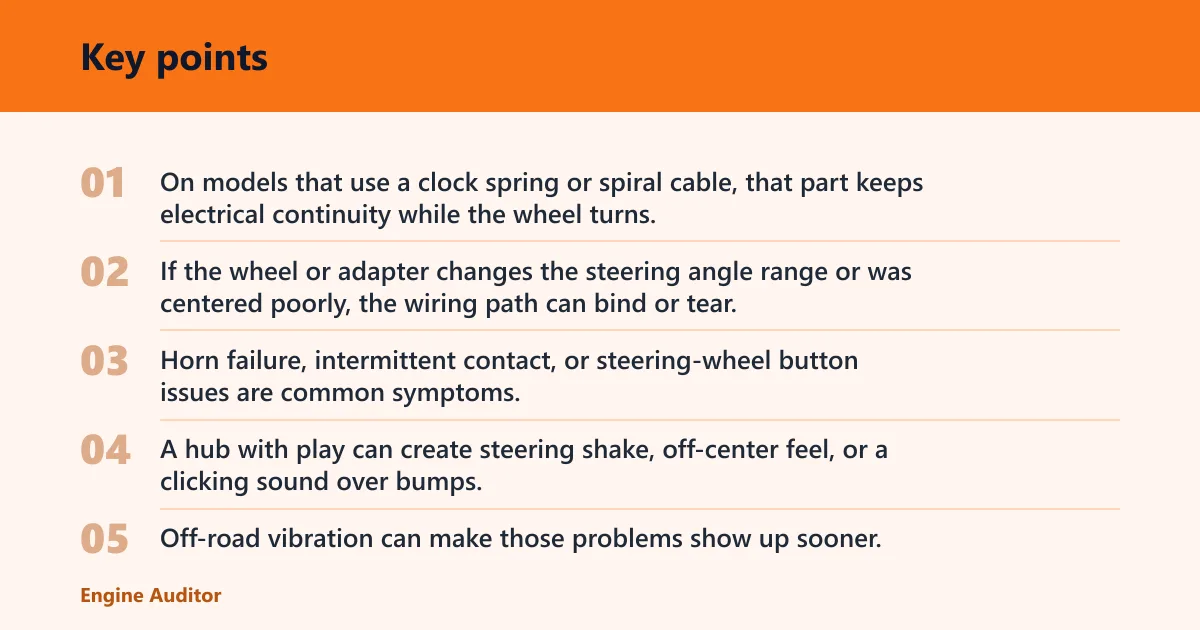
On models that use a clock spring or spiral cable, that part keeps electrical continuity while the wheel turns. If the wheel or adapter changes the steering angle range or was centered poorly, the wiring path can bind or tear. Horn failure, intermittent contact, or steering-wheel button issues are common symptoms.
Loose hub, play, or vibration
A hub with play can create steering shake, off-center feel, or a clicking sound over bumps. Off-road vibration can make those problems show up sooner. If the adapter is not seated fully on the spline or the nut is not tightened correctly, the dealer may connect the failure to the install.
Cut or pinned horn wiring
Horn switch wiring should use the correct connector type and a clean routing path with enough slack for full steering travel. Pin damage, rubbed insulation, or poor waterproofing can cause intermittent horn operation. That kind of defect is easy to trace back to the modification.
Centering and torque errors
The steering wheel should sit centered on the column, and the center nut should be tightened to the specified value in the service information for that model. If the wheel is clocked wrong, the driver may over-correct, and the steering system can see extra load. That can complicate a later claim.
Suppose a Maverick X3 owner installs a wheel with a 70 mm dish and a hub that spaces the wheel farther back. If the wheel rubs the dash at full lock or the horn wire pulls tight, the problem is no longer just a cosmetic swap. The dealer can argue the fitment caused the fault.
Can I install an aftermarket wheel without cutting the harness or clock spring?
Yes, in many cases you can install an aftermarket wheel without cutting either one, but only if the adapter and connector path are built for that Can-Am model. That is the safer route. Cutting the harness or forcing the wiring path beyond its normal travel range can create avoidable warranty risk.
-
Verify model fitment.
Confirm the steering column spline count, the hub depth, and the wheel bolt pattern for your exact Can-Am model and trim. A Maverick X3 and a Defender can need different spacing and adapter choices.
-
Use a matched hub.
Choose an adapter made for the Can-Am column, not a generic wheel boss. The hub should seat fully and leave the wheel centered without forcing the spline nut or the wheel face.
-
Route wiring cleanly.
Keep horn wires clear of pinch points and sharp edges. Use proper terminals and weather protection where needed so steering movement does not tug on the connector during full lock.
-
Check full rotation.
Turn lock to lock before driving. Make sure the wheel does not hit the dash, the horn does not trigger, and no wire tightens at either stop. This check helps prevent wiring damage.
Is a steering wheel adapter safe on a Can-Am Maverick X3 or Defender?
A steering wheel adapter can be safe on either model if the fitment is correct and the install is clean, but the two machines favor different priorities. The X3 often sees sport use and more aftermarket steering wheel swaps. The Defender usually puts more weight on durability, steering feel, and work-use reliability.
Maverick X3 adapter and sport-use priorities
The Maverick X3 is a common aftermarket wheel platform, so parts support is broader. That does not mean every adapter fits every trim. Spacer depth, wheel dish, and button clearance matter because the cockpit is tighter and the steering may see harder impacts and higher vibration at speed.
Defender geometry and work-use priorities
The Defender’s utility layout can make a slightly different wheel size or depth more useful, especially if the machine is used for chores, trail work, or slow technical driving. In that setting, a secure hub and durable horn path matter more than aggressive styling. Model-specific spacing also matters because the wheel should not crowd the operator’s hands or dash controls.
Picture a Defender owner choosing a deep-dish wheel because it looks sporty. If that extra depth pushes the grip too close to the dash and the wheel no longer clears at full lock, the issue becomes fitment, not style. That is the kind of mistake that can lead to a claim dispute later.
What documentation should I keep after installing an aftermarket wheel?
Keep enough records to show what was installed, how it was fitted, and what stayed intact. Photos and part numbers help if a steering claim comes up later. The goal is to show that the wheel swap did not alter the failed component or damage nearby parts.
-
Save all part numbers.
Keep the wheel, hub, quick-release, and wiring part numbers together. If the hub is model-specific, keep the packaging label or product sheet that names the exact Can-Am fitment.
-
Photograph the install.
Take clear photos of the wheel face, hub seating, connector routing, and finished center position. These photos can help show that the parts were installed without obvious damage or misalignment.
-
Record torque values.
Write down the center nut torque and any fastener torque used on the hub or quick-release. If the service manual specifies a value, use that value. Torque records matter when looseness becomes part of a claim.
-
Keep wiring notes.
Note the connector type, whether the horn circuit was preserved, and any waterproofing used on exposed terminals. That helps if the dealer later questions an electrical fault.
Frequently asked questions
Do aftermarket steering wheels void a Can-Am warranty?
No, not by themselves. The usual rule is that a modification only affects warranty coverage if it causes the failure or damages related parts. A wheel swap that keeps the correct hub, preserves horn function, and avoids wiring damage is less likely to threaten unrelated coverage.
Will a steering wheel replacement affect my dealer warranty claim?
It can, depending on what failed. Dealers generally inspect the failed part and the modified area around it. If the steering wheel replacement introduced loose hardware, wiring damage, or center alignment problems, the claim is more likely to be questioned or denied.
Does a quick-release hub change Can-Am warranty coverage?
A quick-release hub can raise claim risk because it adds another moving connection, another lock point, and another place for play or slop. It does not automatically void coverage, but it gives a dealer more to inspect if the complaint involves steering looseness, vibration, or horn problems.
What parts of the steering system are most likely to be denied under warranty?
The most likely denial points are the wiring path, the hub adapter, the quick-release latch, and the horn wiring. Those are the parts most directly touched by a steering wheel swap, so failures there are easier to connect to installation error or altered fitment.
Will heated wheel wiring or horn issues complicate warranty claims?
Yes, if your setup includes heated-wheel wiring. That adds current draw, connectors, and more points for chafing or moisture entry. Horn issues are also common because they involve routing and pin condition. If the wiring is altered poorly, the dealer can link the fault directly to the modification rather than to a factory defect.
Products related to this article
Sponsored / affiliate links. As an Amazon Associate I earn from qualifying purchases. I may earn additional commission from eligible campaigns.