Do Pedal Exercisers Help You Lose Weight? Honest Verdict
Understanding Pedal Exercisers and Weight Loss
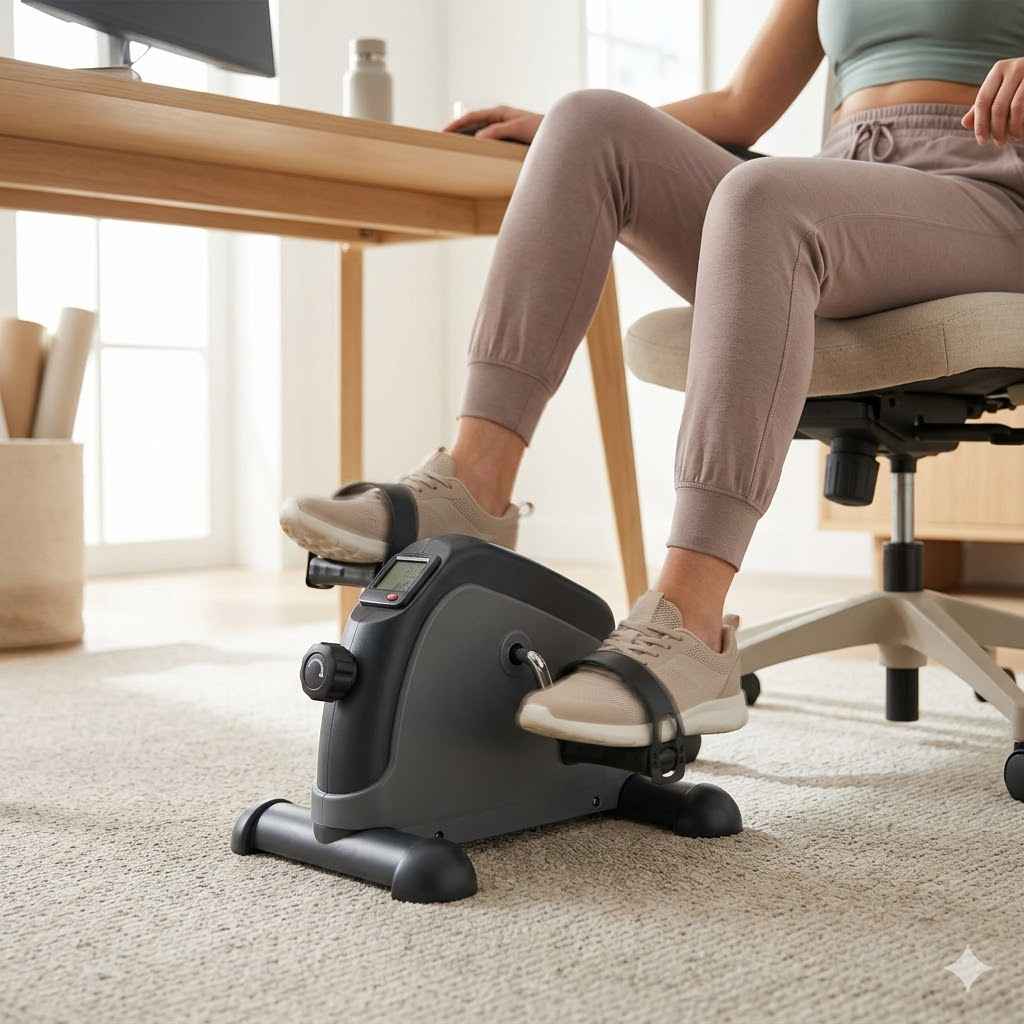
Pedal exercisers are essentially stationary bikes that are small enough to place under a desk or table. You sit in your regular chair and pedal. They target your legs and can get your heart rate up a bit.
The main idea is to burn calories. Burning more calories than you consume is key to losing weight. These machines make it easier to add some movement, even when you’re busy.
The amount of weight you lose depends on a few things. How often do you use the exerciser? How long are your sessions?
And, most importantly, what else are you doing for your health? Eating habits play a huge role. Exercise alone is often not enough for significant weight loss.
It needs to be part of a bigger plan.
Think of a pedal exerciser as a helper. It’s not a complete solution. It can boost your daily activity level.
This little boost can add up over time. It’s a good tool for people who sit a lot. This includes office workers or those with limited mobility.
They offer a way to stay active. This activity burns some calories.
My Own Experience with a Desk Pedal Exerciser
I remember buying one of those under-desk pedal exercisers a few years back. My job keeps me glued to my chair for hours. I’d feel stiff and sluggish by the end of the day.
I saw ads showing people working at their desks, smiling, and pedaling away. I thought, “This has to be the answer!” So, I got one. It looked sleek and promised easy fitness.
Setting it up was simple. I placed it under my desk and started pedaling while answering emails. At first, it felt strange.
My legs were moving, but my mind was still focused on my work. I could feel a slight warmth in my legs. My heart rate probably went up a tiny bit.
I used it for maybe 30 minutes that first day. I didn’t feel like I’d run a marathon, but it was something.
The first week was a bit of a struggle. I’d forget to use it. Or I’d get tired of the repetitive motion.
I also worried it might look odd to colleagues if I was in a video call. I noticed my calf muscles felt a little more engaged. But the number on the scale didn’t budge.
Not one bit. I was a little disappointed. I’d hoped for a noticeable change quickly.
Then, I spoke with a friend who’s a physical therapist. She explained that while it’s good for circulation and light activity, it’s not a high-intensity workout. To lose weight, you need to burn a lot of calories.
This little pedaler just wasn’t doing enough on its own. She suggested using it more consistently and for longer periods. She also stressed that diet was the main factor.
So, I adjusted my approach. I started using it for at least an hour each day. I tried different resistance levels.
I found that focusing on my breathing and trying to pedal with a bit more force did help. I also started paying closer attention to my meals. Cutting out sugary drinks and eating more vegetables made a bigger difference than I expected.
The pedal exerciser became a way to keep my legs moving. It helped my energy levels. But it wasn’t the magic key to weight loss I had imagined.
How Pedal Exercisers Work for Activity
Pedal exercisers are designed to mimic the motion of cycling. They engage your leg muscles. These include your hamstrings, quadriceps, and calves.
When you pedal, your body uses energy. This energy comes from calories. The more you pedal, and the harder you pedal, the more calories you burn.
These devices are very accessible. You can use them while doing many other activities. This includes working at a desk, watching TV, or reading.
This passive approach to exercise is appealing. It fits into busy schedules. It can also be beneficial for people recovering from injuries.
Or for those with health conditions that limit traditional exercise.
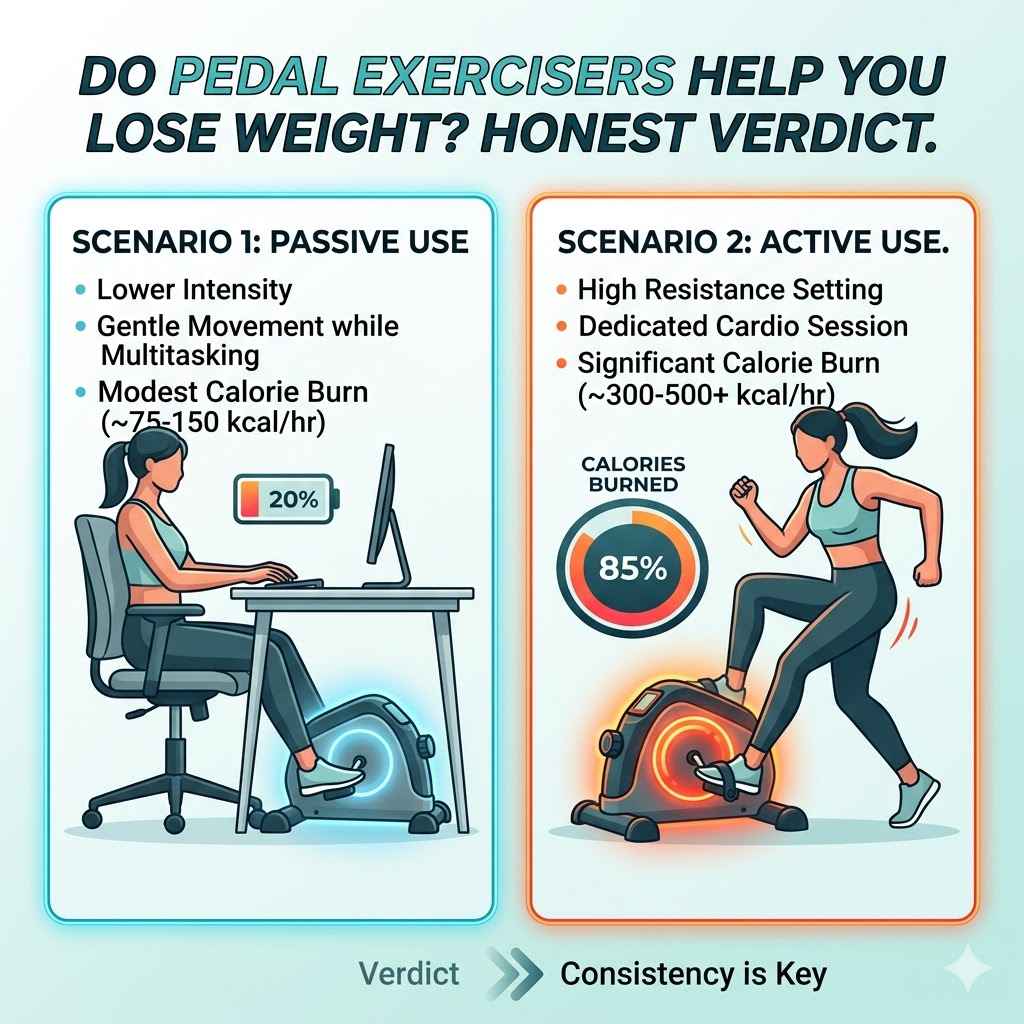
The intensity of the workout is usually low to moderate. This depends on the machine’s settings. Most have adjustable resistance.
Higher resistance means you work harder. This burns more calories. However, even at the highest setting, it’s generally not as intense as jogging or cycling outdoors.
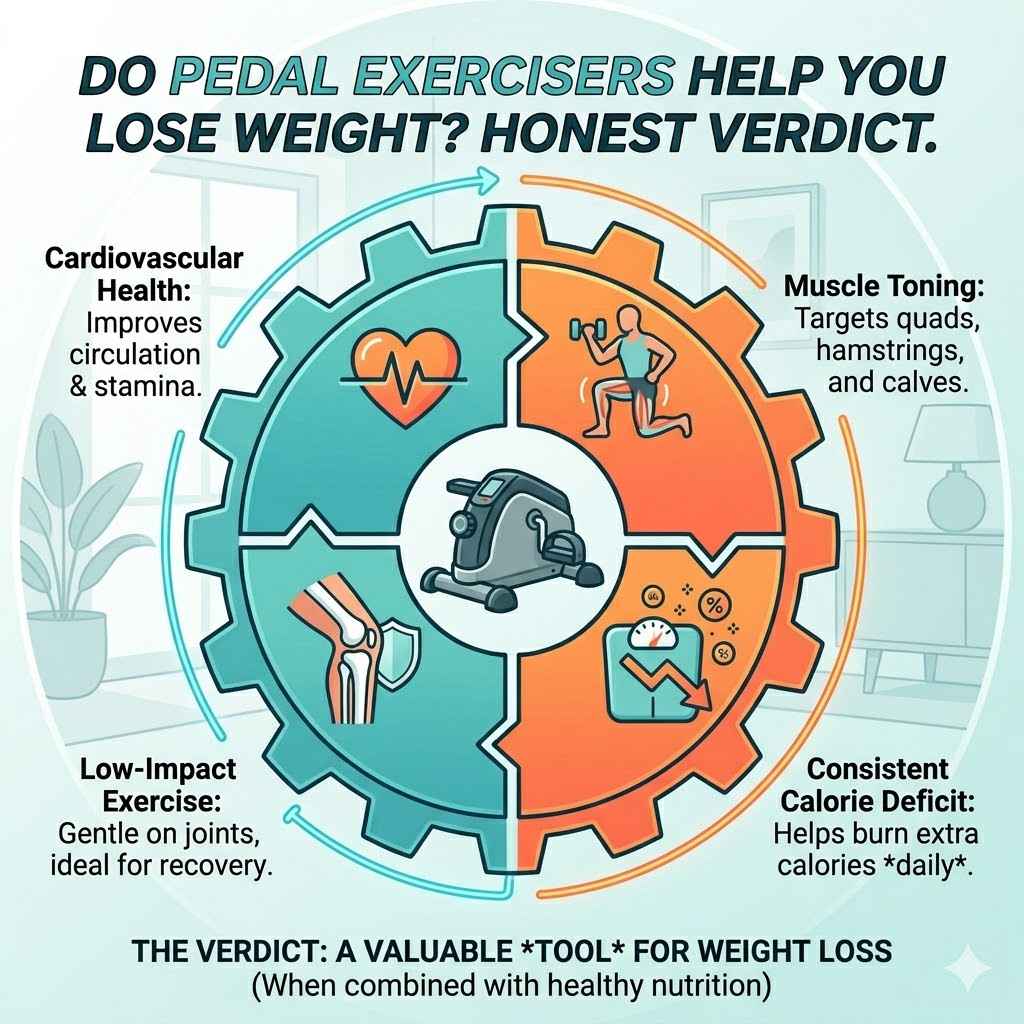
One of the biggest benefits is improved circulation. Pedaling helps pump blood through your legs. This can reduce swelling and discomfort.
It’s also good for your heart health over time. A stronger heart can help with overall fitness. This indirectly supports weight management.
For weight loss, consistency is vital. Using a pedal exerciser for 15-20 minutes a day might burn around 50-100 calories. This sounds small.
But if you do this every day, it adds up. Over a month, this could be 1500-3000 extra calories burned. This is like burning off about half a pound of fat.
However, this calorie burn is a small part of the total calories your body needs. To lose one pound of fat, you need to burn about 3500 calories more than you eat. So, relying only on a pedal exerciser for significant weight loss is unlikely to work.
You’d need to be pedaling for hours every day. That’s often not realistic.
Calorie Burn Comparison
What it is: Understanding how many calories different activities burn helps set realistic goals.
Quick-scan table:
| Activity | Approx. Calories Burned (per hour) |
| Pedal Exerciser (light intensity) | 80-150 |
| Walking (moderate pace) | 200-300 |
| Jogging (moderate pace) | 400-600 |
| Cycling (moderate pace) | 400-500 |
Note: These are estimates and vary by individual weight, speed, and effort.
The Role of Diet in Weight Loss
It’s impossible to talk about weight loss without talking about food. Experts agree that diet is usually the most important factor. Even if you’re pedaling diligently every day, eating too many calories will prevent weight loss.
This is a hard truth for many.
Think of your daily calorie needs. A typical woman might need around 2000 calories a day. A man might need about 2500.
If your pedal exerciser burns 100 calories, that’s a small dent. But if you then eat an extra 300 calories in snacks or desserts, you’ve negated the exercise. You’ve actually gained calories.
Making simple changes to your diet can have a big impact. Cutting out sugary drinks is a good start. These offer lots of calories with little nutritional value.
Swapping them for water or unsweetened tea is helpful. Eating more fruits and vegetables adds volume and nutrients without many calories.
Lean protein sources like chicken, fish, and beans are also important. They help you feel full. This can reduce overall calorie intake.
Portion control is another key element. Using smaller plates can trick your brain into thinking you’re eating more. Paying attention to serving sizes on food labels is also crucial.
A balanced diet is not about deprivation. It’s about making healthier choices consistently. It’s about fueling your body well.
When combined with regular exercise, like using a pedal exerciser, it creates a powerful effect. The exercise helps burn some calories and builds muscle. The diet ensures you’re in a calorie deficit.
This is what leads to weight loss.
Dietary Wins for Weight Loss
Focus on Whole Foods: Fruits, vegetables, lean proteins, and whole grains are nutrient-dense and filling.
Hydration is Key: Drink plenty of water throughout the day. Sometimes thirst feels like hunger.
Mindful Eating: Pay attention to your body’s hunger and fullness cues. Eat slowly.
Limit Processed Foods: These often contain hidden sugars, unhealthy fats, and excess sodium.
Smart Swaps: Choose grilled chicken over fried, or Greek yogurt over ice cream.
Who Benefits Most from Pedal Exercisers?
Pedal exercisers are fantastic for specific groups of people. They are not a one-size-fits-all solution, but they excel in certain areas.
Sedentary Office Workers: If you spend most of your day at a desk, this is a game-changer. It helps break up long periods of sitting. This improves circulation and can reduce fatigue.
Even short bursts of pedaling can make a difference in how you feel. It makes your workday more active.
Seniors or Those with Limited Mobility: For individuals who find it hard to exercise due to age or physical limitations, pedal exercisers offer a safe and effective way to stay active. They can help maintain muscle strength and joint flexibility in the legs. This is crucial for independence.
People Recovering from Injury: Under the guidance of a doctor or physical therapist, pedal exercisers can be part of a rehabilitation program. They allow for controlled movement without putting too much stress on injured areas. This helps rebuild strength gradually.
Anyone Wanting to Increase NEAT: NEAT stands for Non-Exercise Activity Thermogenesis. It’s the energy expended for everything we do that is not sleeping, eating, or planned exercise. Fidgeting, walking to the printer, or using a pedal exerciser all add to NEAT.
Increasing NEAT can contribute to a higher daily calorie burn.
People Who Dislike Traditional Exercise: If the gym isn’t your thing, or you find other forms of exercise boring, a pedal exerciser might be more enjoyable. Its low-impact nature and ability to be used while multitasking make it less intimidating. It’s an easy entry point into a more active lifestyle.
When Pedalers Shine
Scenario: Desk job with long sitting hours.
Benefit: Improved circulation, reduced stiffness, slight calorie burn.
Scenario: Difficulty with standing or walking for long periods.
Benefit: Leg muscle engagement, joint mobility maintenance, increased daily activity.
Scenario: Wanting to supplement a workout routine.
Benefit: Additional calorie burn, active recovery, cardio boost.
Limitations of Pedal Exercisers for Weight Loss
While pedal exercisers have benefits, it’s important to be realistic about their limitations. They are not a magic cure for obesity.
Low Calorie Burn: As mentioned, the calories burned are relatively low compared to more vigorous activities. You won’t see significant weight loss by just pedaling for 30 minutes a day while watching TV.
Limited Muscle Engagement: Primarily, pedal exercisers work the leg muscles. They do not engage the core muscles or upper body as much as full-body workouts. This means less overall muscle activation and calorie expenditure.
Potential for Boredom: The repetitive motion can become boring for some users. If you don’t find it engaging, you’re less likely to use it consistently. Consistency is crucial for any fitness goal.
Doesn’t Build Significant Muscle Mass: While they engage muscles, they don’t typically build significant muscle mass. Building muscle is important for boosting metabolism, which helps with long-term weight management. Resistance training is better for this.
Risk of Overuse Injuries (Minor): While low-impact, improper posture or excessive use without breaks could lead to minor discomfort in knees or ankles for some individuals. Listening to your body is important.
Not a Replacement for a Balanced Lifestyle: The biggest limitation is that they are often seen as a standalone solution. True weight loss and health improvement come from a combination of diet, consistent exercise, and healthy lifestyle habits.
Myth vs. Reality: Pedal Exercisers
Myth: Using a pedal exerciser alone will make me lose a lot of weight quickly.
Reality: Pedal exercisers contribute to calorie burn but are most effective when combined with a healthy diet and other forms of exercise. Significant weight loss requires a calorie deficit.
Myth: They are only for people who can’t do other types of exercise.
Reality: While great for those with limitations, they are also useful for office workers, students, and anyone looking to increase daily activity and NEAT.
Myth: The resistance levels are so low they don’t do anything.
Reality: While typically lower intensity than outdoor cycling, higher resistance levels can still provide a decent workout and burn calories. Consistency and duration matter greatly.
Maximizing Your Results with a Pedal Exerciser
If you own a pedal exerciser or are thinking of getting one, here’s how to get the most out of it, especially if weight loss is a goal:
1. Be Consistent: Aim for daily use. Even 15-20 minutes regularly is better than sporadic long sessions.
Schedule it like any other important task.
2. Increase Duration: Gradually extend your pedaling time. Try to reach 30-60 minutes per session.
Breaking this into shorter intervals throughout the day also works.
3. Adjust Resistance: Don’t keep the resistance on the lowest setting. Increase it gradually as you get stronger.
You should feel your muscles working. You should still be able to hold a conversation.
4. Focus on Form: Sit up straight. Keep your feet flat on the pedals.
Avoid tensing your shoulders or neck. Good posture helps engage the right muscles and prevents strain.
5. Combine with Other Activities: This is crucial for weight loss. Use the pedal exerciser during sedentary times.
But also incorporate walking, jogging, swimming, or strength training. These activities burn more calories and build muscle.
6. Pair with a Healthy Diet: As discussed, this is non-negotiable for weight loss. Focus on whole foods, portion control, and limiting sugary drinks and processed snacks.
The pedal exerciser helps create a calorie deficit, but diet makes it substantial.
7. Track Your Progress: Keep a log of how long you pedal, the resistance level, and how you feel. Also, track your food intake and weight.
Seeing progress, however small, is motivating.
8. Listen to Your Body: If you feel pain, stop. Don’t push through sharp discomfort.
Rest and recovery are just as important as the exercise itself.
9. Make it Enjoyable: Listen to podcasts, audiobooks, or music while you pedal. Watch your favorite shows.
Finding ways to make it pleasant will help you stick with it.
Quick Tips for Better Results
Goal: Daily use for 30+ minutes.
Goal: Moderate resistance to feel the burn.
Goal: Combine with brisk walking 3-4 times a week.
Goal: Reduce daily sugar intake by half.
Goal: Hydrate well throughout the day.
What This Means for Your Weight Loss Journey
So, do pedal exercisers help you lose weight? The honest answer is: yes, they can contribute, but they are rarely enough on their own.
Think of a pedal exerciser as an excellent tool for increasing your daily activity. It’s great for improving circulation. It’s wonderful for building a habit of movement.
It can burn a modest number of calories.
For meaningful weight loss, you need to create a consistent calorie deficit. This is achieved by burning more calories than you consume. A pedal exerciser can help with the “burning more calories” part.
But it’s usually a smaller piece of the puzzle.
The biggest impact comes when you combine pedaling with dietary changes. If you sit for long periods, adding a pedal exerciser is a smart move. It’s a step in the right direction for a healthier lifestyle.
It might be the easiest step for some people.
If your goal is significant weight loss, you will likely need to incorporate more intense forms of exercise. This could include jogging, swimming, or strength training. You will also need to focus heavily on your diet.
The pedal exerciser can be a fantastic supplement to these efforts.
Ultimately, the success of a pedal exerciser for weight loss depends on how you use it. It depends on your overall lifestyle. It’s a piece of the puzzle, not the whole picture.
But it’s a valuable piece for many people looking to get more active.
Frequently Asked Questions
Can a pedal exerciser help me lose belly fat?
Pedal exercisers, like all forms of exercise, can contribute to overall fat loss when part of a calorie deficit. However, you cannot target fat loss in a specific area like the belly. Weight loss happens throughout the body.
How many calories can I expect to burn using a pedal exerciser?
The number of calories burned varies greatly. It depends on your weight, the resistance level, and how long you pedal. Generally, a 30-minute session might burn between 50 and 150 calories.
This is a moderate amount.
How often should I use a pedal exerciser for weight loss?
For weight loss benefits, aim to use it consistently. Daily use, or at least 5 days a week, is recommended. Try to pedal for at least 30 minutes per session.
Longer sessions will burn more calories.
Is a pedal exerciser good for people with knee pain?
Pedal exercisers are often recommended for people with knee pain because they are low-impact. They allow for smooth, controlled movement. However, if you experience any pain while using it, stop immediately and consult a doctor or physical therapist.
Can I use a pedal exerciser while on a weight loss diet?
Yes, absolutely. Using a pedal exerciser is an excellent way to supplement a weight loss diet. It helps increase your daily calorie expenditure, supporting the calorie deficit needed for weight loss.
Remember, diet is key, but exercise helps significantly.
What kind of results can I realistically expect from a pedal exerciser alone?
Using a pedal exerciser alone will likely result in modest improvements in leg strength and endurance, and a small increase in calorie burn. For significant weight loss, it needs to be combined with dietary changes and potentially other forms of exercise.
The Final Word on Pedal Exercisers and Weight Loss
In closing, pedal exercisers are valuable tools. They make it easier to add movement to your day. They are particularly helpful for those who sit a lot.
They can help boost your metabolism slightly and improve circulation. However, they are not a magic solution for rapid weight loss. To see significant results, you must combine them with a healthy diet and other forms of exercise.
They are a great supporting player, but not the star of the weight loss show. Use them wisely as part of a larger health plan.
See also how to fix a pedal position sensor step-by-step guide . See also which pedal is which in a car beginner’s simple guide.