What’S the Cheapest Time of Day to Use Electricity for Big Savings
Every month, when the electricity bill arrives, many people wonder how they can lower the cost. You may have heard that using electricity at certain times of day is cheaper, but is that really true? The answer is yes, but it depends on how your utility company charges for energy.
Understanding when electricity is cheapest to use can help you save money without sacrificing comfort. In this guide, you’ll learn how energy pricing works, when is the cheapest time of day to use electricity, and how to take full advantage of these hours.
We’ll also look at real examples, special cases for different regions, and practical tips to get the most from your energy use.
How Electricity Pricing Works
Most people think of electricity as a simple service: you flip a switch, the lights come on, and you pay for what you use. In reality, electricity pricing is much more complex. Utility companies have to balance supply and demand, and the cost to generate electricity changes throughout the day.

Diane
Diane 100% Pure Cotton Balls for Face,…
- 100% PURE COTTON BALLS: Made from 100% pure cotton, these bulk cotton balls are hypoallergenic, free from chlorine and fragrance,…
- SOFT, GENTLE & ABSORBENT: The soft texture makes these white cotton balls perfect for sensitive skin, ideal for face, baby care, a…
- EVERYDAY USES: Our cotton balls are an absolute bathroom essential and can be used for pedicures, nail polish removal, makeup remo…
As an Amazon Associate I earn from qualifying purchases.
Flat Rate Vs. Time-of-use Pricing
Some customers pay a flat rate for every kilowatt-hour (kWh) they use, no matter the hour. Others are charged based on time-of-use (TOU) rates. With TOU pricing, the cost per kWh changes depending on the time of day, the day of the week, and sometimes even the season.
Flat rate plans are simple: if you use 100 kWh in a month, you pay 100 times the rate. But with TOU, using electricity at night might cost half as much as using it during the day. More and more utilities are moving to TOU plans because they help spread out demand and reduce stress on the grid.
Peak, Off-peak, And Shoulder Periods
TOU pricing divides the day into periods:
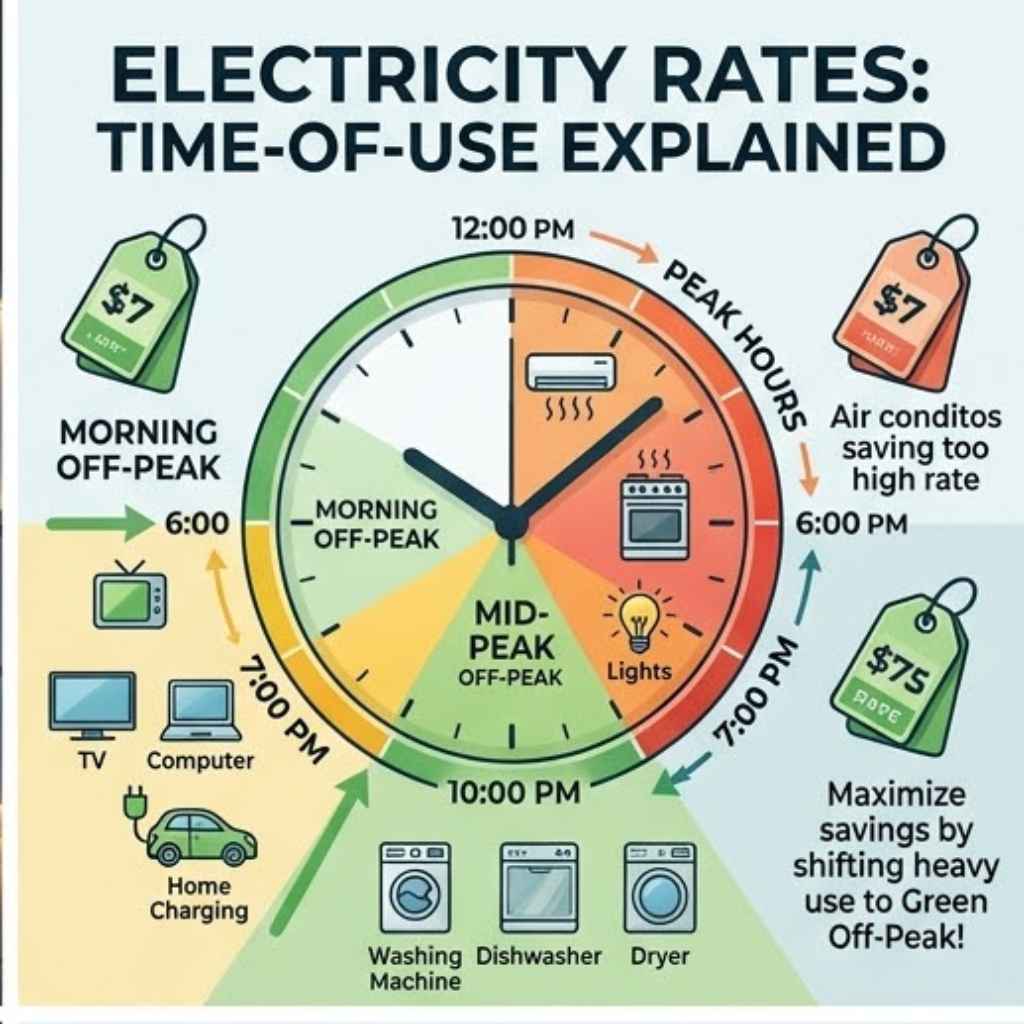
- Peak periods: When demand is highest, usually in the late afternoon and early evening. Prices are highest.
- Off-peak periods: When demand is lowest, often overnight. Prices are lowest.
- Shoulder periods: Middle times, such as late morning or early evening, with medium prices.
Understanding these periods is key to saving money.
Why Prices Change
Electricity can’t be stored easily, so supply must always meet demand. During peak hours, utilities may run more expensive power plants, raising costs. At night, when fewer people use electricity, prices drop. This is why shifting your usage to off-peak times can lead to big savings.
When Is The Cheapest Time Of Day To Use Electricity?
The cheapest time of day to use electricity is almost always during off-peak hours. But the exact times depend on your location, your utility provider, and the season.
Common Off-peak Hours
While schedules vary, off-peak periods often fall between:
- 10: 00 PM and 6:00 AM
- Weekdays vs. weekends: Some utilities offer off-peak rates all weekend.
- Seasonal changes: Summer and winter schedules may differ.
Here’s a sample of what a typical weekday might look like for a TOU customer:
| Time Period | Rate | Notes |
|---|---|---|
| 6:00 AM – 2:00 PM | Shoulder | Medium price |
| 2:00 PM – 8:00 PM | Peak | Most expensive |
| 8:00 PM – 10:00 PM | Shoulder | Medium price |
| 10:00 PM – 6:00 AM | Off-peak | Cheapest |
Regional Differences
Not all areas follow the same schedule. For example, in some places, off-peak might start at 9:00 PM; in others, it could be midnight. Some parts of the world have much flatter prices due to abundant renewable energy.
Why Nighttime Is Cheapest
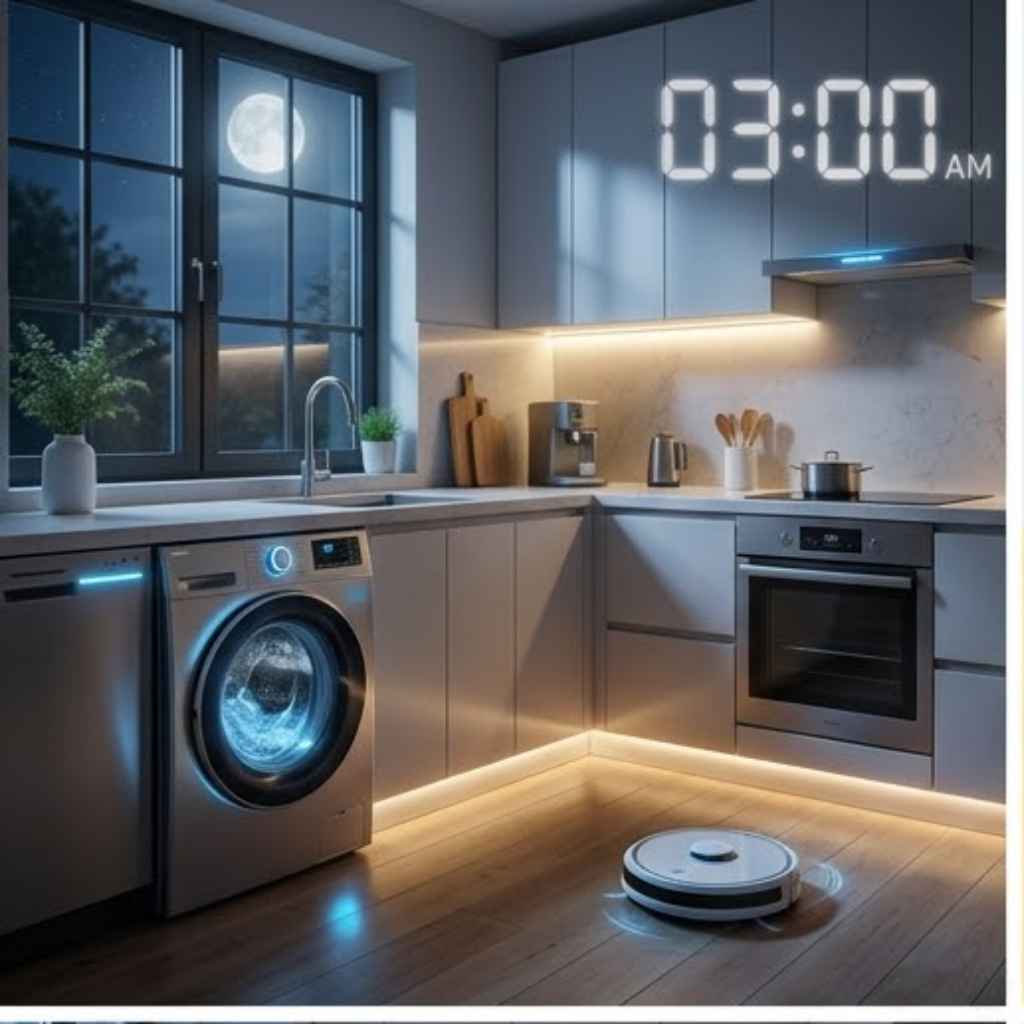
At night, most businesses are closed, factories slow down, and people are sleeping. This lowers demand. Power plants that run continuously, like nuclear or hydroelectric, often produce more than needed overnight. Utilities encourage customers to use more electricity during these hours to balance the system.
How To Find Out Your Cheapest Hours
Many people don’t know what plan they have or what hours are cheapest. Here’s how you can find out:
- Check your bill: Look for any mention of TOU or peak/off-peak rates.
- Visit your utility’s website: They usually post rate schedules online.
- Call customer service: Ask directly about your plan and the cheapest hours.
- Look for a smart meter: If you have one, you may be on a TOU plan.
Some utilities even have apps that show real-time rates or suggest when to run large appliances.
Real-world Examples Of Off-peak Pricing
Let’s look at some real rate schedules from around the world.
Example: California, Usa (pg&e)
- Peak: 4:00 PM – 9:00 PM ($0.48/kWh)
- Off-peak: 12:00 AM – 3:00 PM, 9:00 PM – 12:00 AM ($0.34/kWh)
Example: United Kingdom (economy 7 Tariff)
- Night (off-peak): 12:00 AM – 7:00 AM (about £0.12/kWh)
- Day (peak): 7:00 AM – 12:00 AM (about £0.27/kWh)
Example: Australia (sydney)
- Peak: 2:00 PM – 8:00 PM weekdays ($0.60 AUD/kWh)
- Shoulder: 7:00 AM – 2:00 PM, 8:00 PM – 10:00 PM ($0.28 AUD/kWh)
- Off-peak: 10:00 PM – 7:00 AM ($0.17 AUD/kWh)
These schedules show that using electricity at night can be half the price, or even less, compared to peak hours.
Appliances And Energy Use By Time Of Day
Not all appliances use the same amount of electricity, and not all can be shifted to off-peak hours. Here’s a look at common household items and how to optimize their use.
High-usage Appliances
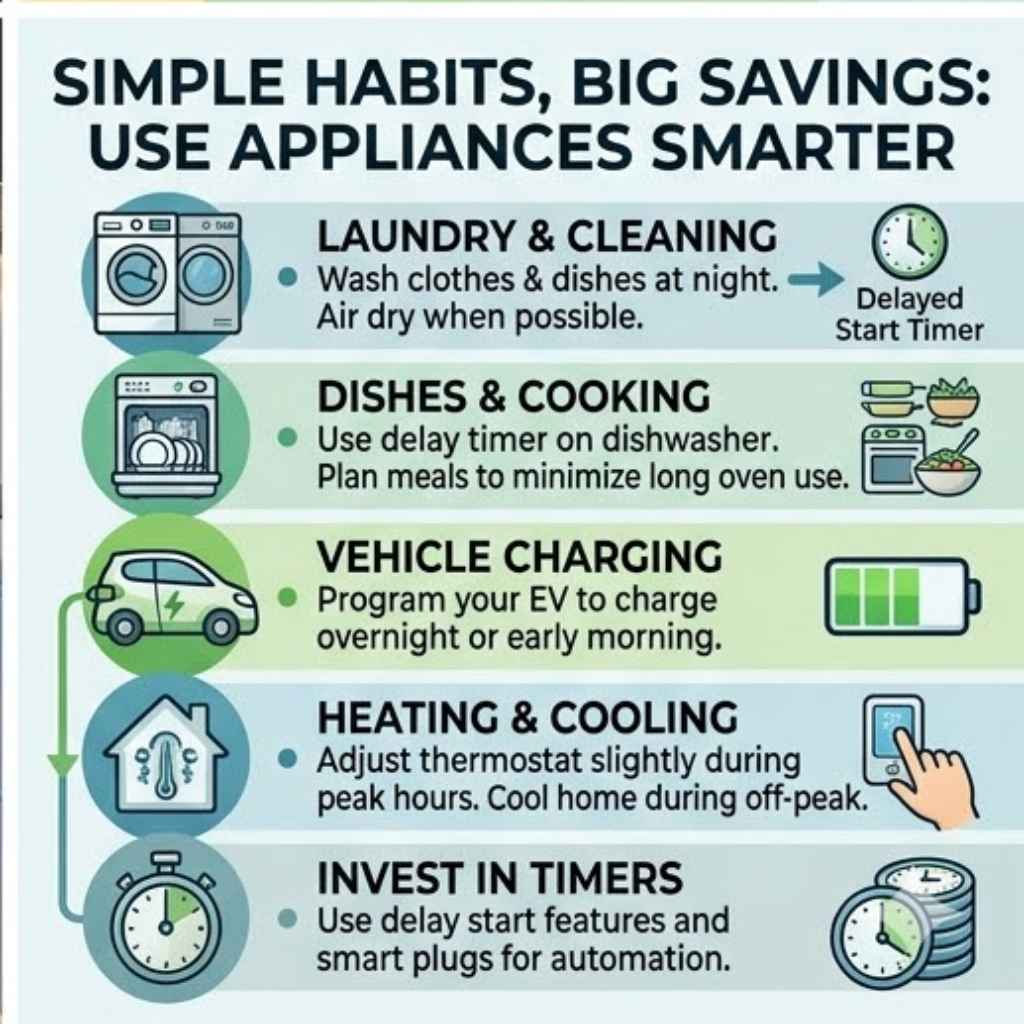
- Electric heaters and air conditioners: Try to pre-cool or pre-heat your home during off-peak hours.
- Washing machines and dryers: Set them to run late at night or early morning.
- Dishwashers: Use delay-start to run overnight.
- Water heaters: If you have a timer, set it for off-peak.
Appliances Harder To Shift
- Ovens and microwaves: Often used for meal times, which are usually peak hours.
- Lighting: Can’t avoid at night, but use energy-efficient bulbs.
Smart Appliance Scheduling
Many modern appliances have a delay-start feature. Some smart home systems can automatically shift use to off-peak times. For example, you can program your dishwasher to start at 1:00 AM when rates are lowest.
How Much Can You Save?
The savings from using electricity during off-peak hours can be significant, especially if you use a lot of power-hungry devices.
Example Savings Calculation
Suppose you use 400 kWh per month. If you shift 30% of your usage from peak ($0.48/kWh) to off-peak ($0.34/kWh), here’s what happens:
- 120 kWh moved to off-peak saves $0.14 per kWh = $16.80 per month
- Over a year: $16.80 x 12 = $201.60 saved
This is a simple example, but actual savings depend on your rates, how much you can shift, and your appliances.
Real-world Data
A study by the U.S. Energy Information Administration found that households on TOU plans can save between 5% and 15% on their bills just by shifting major appliances to off-peak times.
Common Mistakes When Trying To Save
Many people try to save, but make errors that reduce or eliminate their benefits.
- Running all appliances at once: If everyone switches to off-peak, demand rises and prices could change.
- Missing the exact off-peak window: Running appliances just before or after can cost more.
- Ignoring weekends or holidays: Some utilities have different rules.
- Not checking for new rate plans: Your utility may offer better options.
- Assuming all plans are TOU: Some people try to shift use but are on a flat rate, so there’s no savings.
Special Cases: Solar Panels And Electric Vehicles
Solar Customers
If you have solar panels, your cheapest time to use electricity is when your panels are producing the most—usually midday. But if you’re on TOU, using stored solar power during peak hours can save more.
Electric Vehicles (evs)
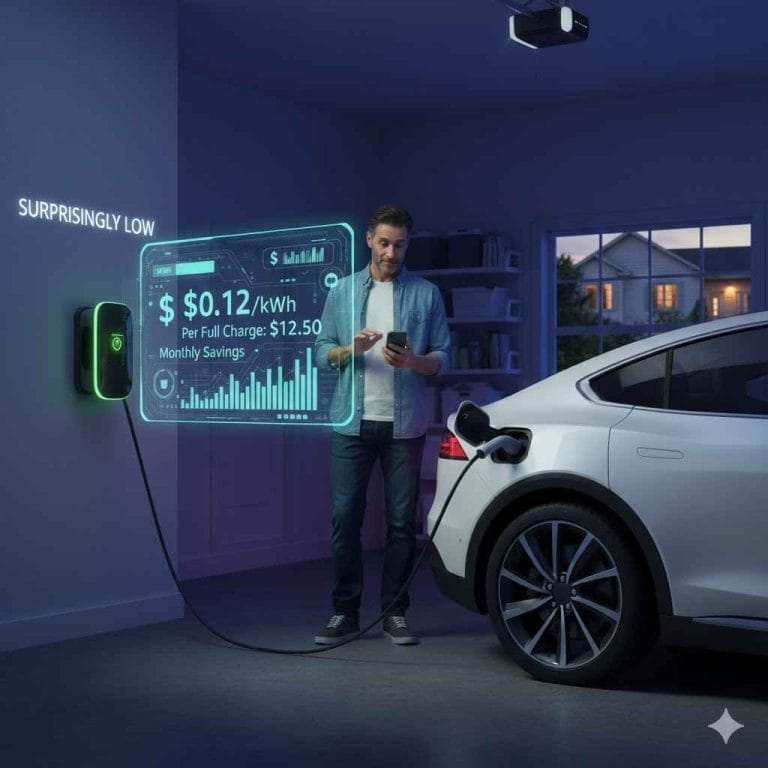
Charging an electric vehicle can double your home’s electricity use. Most utilities offer special EV rates, with the lowest prices overnight. Smart chargers can automatically start charging during off-peak hours.
How Utilities Encourage Off-peak Use
Utilities want you to use more electricity during off-peak times. Here’s how they help:
- Lower prices overnight
- Discounts for smart thermostats that shift cooling/heating
- Rebates for smart appliances
- Alerts and apps that notify you of upcoming peak periods
Some regions even have programs that pay you to reduce usage during high-demand times.
Comparing Flat Rate And Tou Plans
How do you know if a TOU plan is right for you? Here’s a comparison:
| Plan Type | Best For | Pros | Cons |
|---|---|---|---|
| Flat Rate | People who can’t shift usage | Simple, predictable bills | No savings for using off-peak |
| Time-of-Use | People who can shift usage | Lower costs if you use off-peak | Can be expensive if you use power during peak |
Understanding Demand Charges
In some regions, especially for businesses, there’s a separate demand charge. This is a fee based on your highest energy use in a short period. Even if you use most energy at night, a short spike during peak can increase your bill. Residential customers usually don’t have this, but it’s growing in some areas.
The Role Of Smart Meters
Smart meters record your usage in real-time and send data to your utility. This allows for flexible pricing and helps you see exactly when you use the most electricity. Some meters provide online dashboards with easy-to-read graphs.
Practical Insight: Not All Smart Meters Mean Tou
Many people think having a smart meter means they’re on a TOU plan, but you may still be on a flat rate unless you ask to switch.
How To Shift Your Usage To Off-peak
If you want to take advantage of off-peak rates, here are practical steps:
- Identify major appliances: Find out which use the most energy (washer, dryer, dishwasher, EV charger).
- Check off-peak hours: Mark them on your calendar.
- Use delay-start: Set appliances to run during cheap hours.
- Pre-heat or pre-cool: Adjust your thermostat before peak times.
- Charge devices overnight: Phones, laptops, and especially EVs.
- Avoid using multiple big appliances at once: Spread them out if possible.
Real-life Example
If your off-peak window is 10:00 PM to 6:00 AM:
- Set the dishwasher to start at 10: 30 PM.
- Wash and dry clothes after 11: 00 PM.
- Charge your EV from midnight to 5: 00 AM.
Seasonal And Weekend Variations
Some utilities have seasonal rates. For example, summer peaks may be longer due to air conditioning. Many also offer lower rates all weekend long.
Sample Winter Vs. Summer Schedules
| Season | Peak Hours | Off-Peak Hours |
|---|---|---|
| Summer | 3:00 PM – 9:00 PM | 10:00 PM – 7:00 AM |
| Winter | 7:00 AM – 11:00 AM, 5:00 PM – 9:00 PM | 9:00 PM – 7:00 AM |
Always check your utility’s latest schedule, as these can change.
Advanced Tip: Load Shifting Vs. Load Shedding
Many articles talk about “load shifting” (moving usage to off-peak), but there’s also “load shedding” (reducing use altogether). Load shedding is especially important during emergencies or blackouts.
- Load shifting: Move use to cheaper times.
- Load shedding: Use less overall, especially during peaks.
Combining both can maximize savings.
Is It Worth The Effort?
Switching to off-peak hours takes planning, but for most families, the savings add up. Even if you can’t move all usage, shifting just a few big appliances can make a real difference. And as more utilities move to TOU pricing, understanding these systems will help you stay ahead.
Non-obvious Insights Most People Miss
- Not all off-peak hours are equally cheap: Some utilities have “super off-peak” periods, often in the middle of the night, with even lower rates.
- Energy-efficient appliances magnify savings: Running an old dryer at night costs less per kWh, but upgrading to a high-efficiency model and using it off-peak saves even more.
- Batteries and home storage can help: With a home battery, you can store cheap off-peak energy and use it during expensive peak hours.
The Future Of Electricity Pricing
As more homes add solar panels, batteries, and electric vehicles, pricing will continue to change. Some regions may even pay customers to use electricity when there’s too much supply, such as during strong winds or sunny days.
Staying informed and flexible is the best way to keep your bills low.
Frequently Asked Questions
What Is The Cheapest Time Of Day To Use Electricity?
The cheapest time is usually during off-peak hours, often overnight (such as 10:00 PM to 6:00 AM), but this varies by utility and location. Always check your provider’s rate schedule.
Does Using Electricity At Night Really Save Money?
Yes, if you’re on a time-of-use or similar variable rate plan. Using power during off-peak hours can cost half as much as during peak times.
How Do I Know If I’m On A Time-of-use Rate?
Check your electricity bill, your utility’s website, or call customer service. Look for any mention of “peak,” “off-peak,” or different rates by time.
Can I Switch To A Plan With Cheaper Night Rates?
In many places, yes. Contact your utility to see if you can change to a TOU or similar plan that offers cheaper off-peak rates.
Where Can I Find More Information About My Local Rates?
Your utility’s website is the best source. For broader information, you can visit the U.S. Department of Energy for national resources.
Using electricity wisely means more than just turning off lights. By understanding your rate plan and the cheapest times to use power, you can save money and help the environment. Take a few minutes to check your local rates and start planning today—your wallet and the planet will thank you.
Related pick: Check today's price on Amazon
Products related to this article
Sponsored / affiliate links. As an Amazon Associate I earn from qualifying purchases. I may earn additional commission from eligible campaigns.
 4G GPS Tracker Car Anti-Theft Long Battery Life 20000mAh Real Time GPS Tracking Device Magnet No Geographic Restriction Car Tracker with Alerts, Geo Fence, History Playback TK905C
![Tack GPS [Lowest Monthly fee| 30 Days Battery Life| FCC Certified] -Child, Kids, Pet, Dog, Cat, Elderly, Alzheimer, Car, Vehicle, Bike, Personal Tracking Device. GPS +WiFi +Cellular](https://m.media-amazon.com/images/I/416OvJhFmeL._SL500_.jpg) Tack GPS [Lowest Monthly fee| 30 Days Battery Life| FCC Certified] -Child, Kids, Pet, Dog, Cat, Elderly, Alzheimer, Car, Vehicle, Bike, Personal Tracking Device. GPS +WiFi +Cellular
Tack GPS [Lowest Monthly fee| 30 Days Battery Life| FCC Certified] -Child, Kids, Pet, Dog, Cat, Elderly, Alzheimer, Car, Vehicle, Bike, Personal Tracking Device. GPS +WiFi +Cellular Solar Powered Car Window Fan - Universal Solar Car Front/Rear Window Exhaust Fan Car Window Cooler Fan Air Ventilator Exhaust Radiator, Eliminate Smell (Black)