What Cars Does Ford Manufacture Today? Complete Lineup
Ford has been a central figure in the automotive world for over a century, renowned for its innovation, reliability, and wide-ranging models. As consumer preferences shift and technology evolves, Ford continues to adapt its lineup to meet the demands of modern drivers.
Whether you’re looking for a rugged truck, a family-friendly SUV, a fuel-efficient crossover, or a high-performance sports car, Ford’s current offerings reflect a blend of tradition and forward-thinking design.
This comprehensive guide explores the complete Ford lineup as of 2026, covering every model available in North America—from powerful pickups and versatile SUVs to cutting-edge electric vehicles. We’ll highlight key features, compare specifications, and provide actionable insights to help you choose the right Ford for your needs. With data-driven analysis, real-world examples, and authoritative sources, this article delivers everything you need to know about Ford’s present-day manufacturing portfolio.
Key Takeaways
- Ford’s 2026 lineup features trucks, SUVs, crossovers, electric vehicles, and commercial vans.
- The brand is advancing rapidly in the EV segment with models like the Mustang Mach-E and F-150 Lightning.
- Ford maintains its reputation for durable trucks and versatile SUVs, offering models for every lifestyle and budget.
- Real-world examples demonstrate Ford’s adaptability—from fleet solutions to family travel.
- Data-driven comparison tables help clarify differences between models.
- FAQs address common questions about Ford’s current manufacturing and future directions.
Ford Trucks: The Backbone Of The Lineup
Ford’s reputation for building tough, reliable trucks endures in 2026, with a lineup that caters to a range of drivers—from contractors and farmers to urban commuters seeking versatility. Trucks remain an essential segment for Ford, supporting both personal and commercial applications. Their innovation in towing, payload, and technology keeps them at the forefront of the market.
F-series: America’s Best-selling Trucks
The Ford F-Series has been America’s top-selling vehicle for over four decades. The current lineup includes:
- F-150: The flagship model, renowned for its combination of power, efficiency, and technology. Available in multiple trims (XL, XLT, Lariat, King Ranch, Platinum, Limited, Tremor, and Raptor), the F-150 offers engines ranging from a 3.3L V6 to a high-output 3.5L EcoBoost V6 and a 5.0L V8. The hybrid PowerBoost and all-electric Lightning variants expand its appeal. The F-150’s versatility is evident in its ability to serve as a comfortable commuter, a weekend adventure vehicle, or a heavy-duty work truck. Ford has also introduced advanced towing features like Pro Trailer Backup Assist, making it easier for drivers of all skill levels to manage large trailers.
- F-150 Lightning: Ford’s first all-electric pickup, boasting up to 320 miles of range, dual-motor AWD, and advanced tech like BlueCruise hands-free driving. The Lightning’s innovative features include a frunk (front trunk) for secure storage, and its Intelligent Backup Power can provide home energy during outages—a significant draw for customers seeking reliability in emergencies.
- F-250 and F-350 Super Duty: Designed for heavy-duty towing and payload, these models feature powerful diesel and gas engines and advanced trailering tech. The Super Duty lineup excels in commercial applications, offering options like the Tremor off-road package for those who need rugged capability in challenging environments.
| Model | Max Towing Capacity | Powertrain Options | Starting MSRP |
|---|---|---|---|
| F-150 | 14,000 lbs | Gas, Hybrid, Electric | $33,835 |
| F-150 Lightning | 10,000 lbs | Electric | $49,995 |
| F-250 Super Duty | 22,000 lbs | Gas, Diesel | $44,765 |
| F-350 Super Duty | 32,500 lbs | Gas, Diesel | $52,380 |
The F-Series trucks are recognized for their durability, with real-world testing in harsh conditions to ensure longevity. Ford’s use of military-grade aluminum alloy in truck bodies further improves strength while reducing weight, boosting fuel efficiency and handling.
Ford Ranger: Midsize Versatility
The Ford Ranger appeals to those seeking a midsize truck with advanced safety features, strong towing capacity, and efficient turbocharged power. The 2.3L EcoBoost engine delivers 270 hp and 310 lb-ft of torque, with towing up to 7,500 lbs. Ford has designed the Ranger with both recreation and work in mind. Its compact size makes it more maneuverable in urban settings, while available packages like the FX4 Off-Road enhance its capability on trails. The Ranger’s bed offers flexibility for cargo management, and its integrated tailgate solutions make it a favorite for outdoor enthusiasts.
Ford Maverick: Compact And Innovative
Launched in 2026, the Ford Maverick is a compact pickup with a standard hybrid powertrain, making it the only pickup in the US market to offer a hybrid as standard. Its versatility and affordability (starting under $25,000) have made it a hit with urban drivers. The Maverick’s FLEXBED system allows owners to customize their cargo area with dividers, bike racks, and even DIY solutions. The hybrid engine achieves up to 42 MPG city, appealing to cost-conscious buyers and those interested in reducing their environmental footprint. With available all-wheel drive and a turbocharged 2.0L engine, it also caters to drivers needing more power or capability.
Real-world Example: Fleet Solutions
Case Study: A construction company in Texas transitioned its fleet to the F-150 PowerBoost hybrid, reducing annual fuel costs by 15% and benefiting from Ford’s Pro Power Onboard generator feature, which powers tools directly at job sites. This flexibility has led to increased productivity and operational efficiency, as crews can charge batteries, run saws, and operate lighting without the need for separate generators.
Credit: www.baxterforddealerpapillion.com
Ford Suvs: Versatility For Every Lifestyle
SUVs dominate Ford’s lineup, responding to consumer demand for spacious interiors, advanced safety, and flexible performance. Ford’s SUV segment is tailored to meet various needs, from daily commuting to adventure travel, and the company continues to enhance these models with new technology and comfort features.
Escape: Compact Utility
The Ford Escape is a compact SUV available with three powertrains: 1.5L EcoBoost, 2.0L EcoBoost, and hybrid. It seats five comfortably and includes Ford Co-Pilot360 driver-assist technologies. The Escape is popular among young families for its blend of efficiency and cargo space. Its split-fold rear seats expand storage to over 65 cubic feet, accommodating everything from sports equipment to luggage. With available AWD and a responsive suspension, the Escape delivers both safety and agility.
Edge: Midsize Comfort
The Ford Edge offers a larger cabin and robust engine choices, including a 2.0L EcoBoost and 2.7L V6 twin-turbo in the Edge ST. Its sporty handling and advanced infotainment make it ideal for commuters and long-distance travelers. The Edge’s interior includes a 12-inch touchscreen and premium materials, while its available driver assistance features—such as adaptive cruise control and evasive steering assist—support safer highway driving. The Edge ST trim appeals to those wanting performance in a family SUV, boasting up to 335 hp.
Explorer: Family-focused Capability
The Ford Explorer is a staple of the midsize SUV segment, offering seating for up to seven, multiple engines (including hybrid), and trims ranging from base to luxury Platinum. Its towing capacity reaches 5,600 lbs. The Explorer’s terrain management system allows drivers to select modes for snow, sand, or mud, enhancing confidence in varied conditions. Its available PowerFold third row makes configuring passenger and cargo space easy, and the Platinum trim offers luxury touches like leather upholstery and a premium sound system.
Expedition: Full-size Power
The Ford Expedition is the brand’s largest SUV, with three-row seating for eight, a 3.5L EcoBoost V6 producing up to 440 hp, and impressive towing (up to 9,300 lbs). The Expedition MAX variant increases cargo capacity for large families and group travel. The Expedition’s advanced safety features include blind spot monitoring, automatic emergency braking, and trailer sway control. The available panoramic roof and rear-seat entertainment system elevate comfort, making it a top choice for extended road trips or large-group outings.
| Model | Seating Capacity | Engine Options | Fuel Economy (MPG) | Starting MSRP |
|---|---|---|---|---|
| Escape | 5 | Gas, Hybrid, Plug-in Hybrid | 28 city / 34 hwy | $28,000 |
| Edge | 5 | Gas | 21 city / 28 hwy | $38,905 |
| Explorer | 7 | Gas, Hybrid | 20 city / 27 hwy | $36,760 |
| Expedition | 8 | Gas | 17 city / 23 hwy | $55,125 |
Bronco Family: Adventure-ready
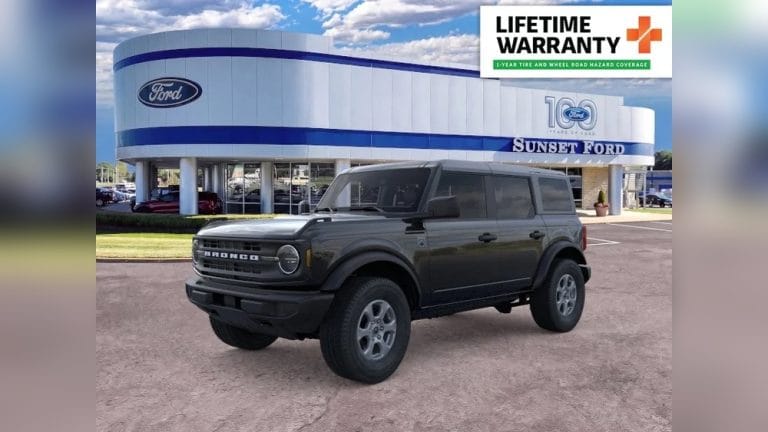
Bronco and Bronco Sport revive Ford’s legacy of off-road performance. The Bronco offers removable doors and roof, multiple 4×4 systems, and a range of engines from a 2.3L turbo to a 2.7L V6. The Bronco Sport, a compact crossover, prioritizes urban comfort but retains rugged capability. Bronco models feature G.O.A.T. Modes (“Goes Over Any Terrain”), advanced suspension, and water-fording ability, catering to outdoor enthusiasts and those who seek adventure. The Bronco’s customizable accessories, such as roof racks and winches, make it a favorite among overlanding communities.
Real-world Example: Family Travel
Case Study: A family in Colorado chose the Explorer Hybrid for road trips, benefiting from 500+ mile range and advanced safety features, while the third-row seating ensured comfort for children and grandparents alike. The Explorer’s connectivity features, including Wi-Fi hotspot and multiple USB ports, kept everyone entertained and connected during long drives, while its adaptive cruise control eased highway travel.
Credit: www.intercontinentalgtchallenge.com
Ford Crossovers And Electric Vehicles: Future-focused Designs
Ford is investing heavily in electric vehicles (EVs) and crossover SUVs, targeting sustainability and advanced technology. This segment reflects Ford’s commitment to reducing emissions and delivering innovative features that appeal to modern drivers.
Mustang Mach-e: Electric Performance
The Mustang Mach-E is Ford’s answer to the surge in EV demand. With up to 312 miles of range, AWD options, and performance trims like the GT, the Mach-E blends Mustang-inspired design with zero-emission driving. Its rapid acceleration (0-60 mph in 3.5 seconds for GT) and advanced tech, including Ford’s SYNC 4A system, appeal to performance enthusiasts and eco-conscious drivers. The Mach-E offers a spacious interior with a panoramic glass roof, a digital instrument cluster, and a large vertical touchscreen, merging style with function. Ford’s integration of over-the-air updates ensures the Mach-E remains current with the latest features.
F-150 Lightning: Electrifying The Truck Market
The F-150 Lightning brings the best-selling F-150 into the electric age, offering a dual-motor setup, up to 320 miles range, and the ability to power a home during outages. Its advanced features, including over-the-air updates and BlueCruise hands-free driving, set it apart in the EV truck segment. The Lightning’s payload and towing capabilities rival traditional trucks, and its instant torque delivery provides a unique driving experience. Owners praise its quiet ride and innovative storage solutions, like the lockable frunk.
E-transit: Commercial Electric Van
The Ford E-Transit is an all-electric commercial van designed for urban delivery and fleet operations. With a range of up to 126 miles, customizable cargo space, and integration with Ford Pro fleet management, E-Transit is helping businesses transition to sustainable operations. E-Transit’s telematics allow fleet managers to monitor vehicle health, schedule maintenance, and optimize routes, enhancing efficiency and lowering operational costs.
Escape Plug-in Hybrid: Flexible Efficiency
The Escape Plug-in Hybrid offers up to 37 miles of electric-only range, making it a practical option for those not ready to commit to a full EV. It combines the flexibility of a gas engine with the efficiency of electric driving. Owners can charge at home or public stations, and the transition between electric and gas is seamless, delivering worry-free operation for longer trips.
Real-world Example: Urban Delivery
Case Study: A logistics provider in New York City adopted the E-Transit, reducing CO2 emissions by 30% and saving on operational costs with simplified charging and lower maintenance. The company found that electric vans were quieter, leading to less noise pollution and improved driver satisfaction.

Credit: www.hellerford.com
Ford Sedans And Sports Cars: Legacy And Performance
While Ford has phased out most sedans in North America, its sports cars remain iconic. The company continues to innovate in performance, blending racing heritage with modern technology.
Mustang: Legendary Sports Car
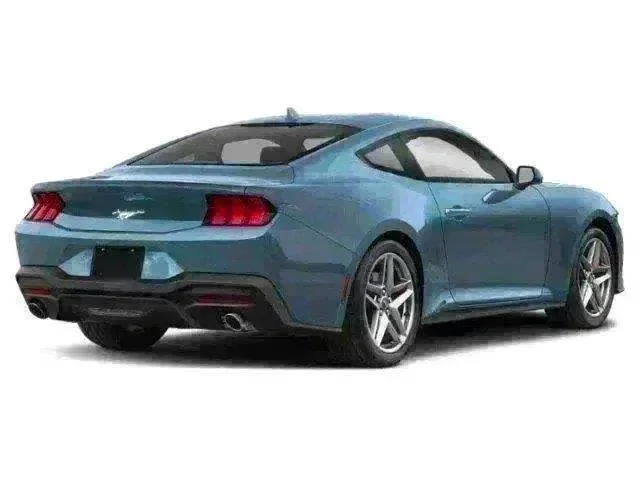
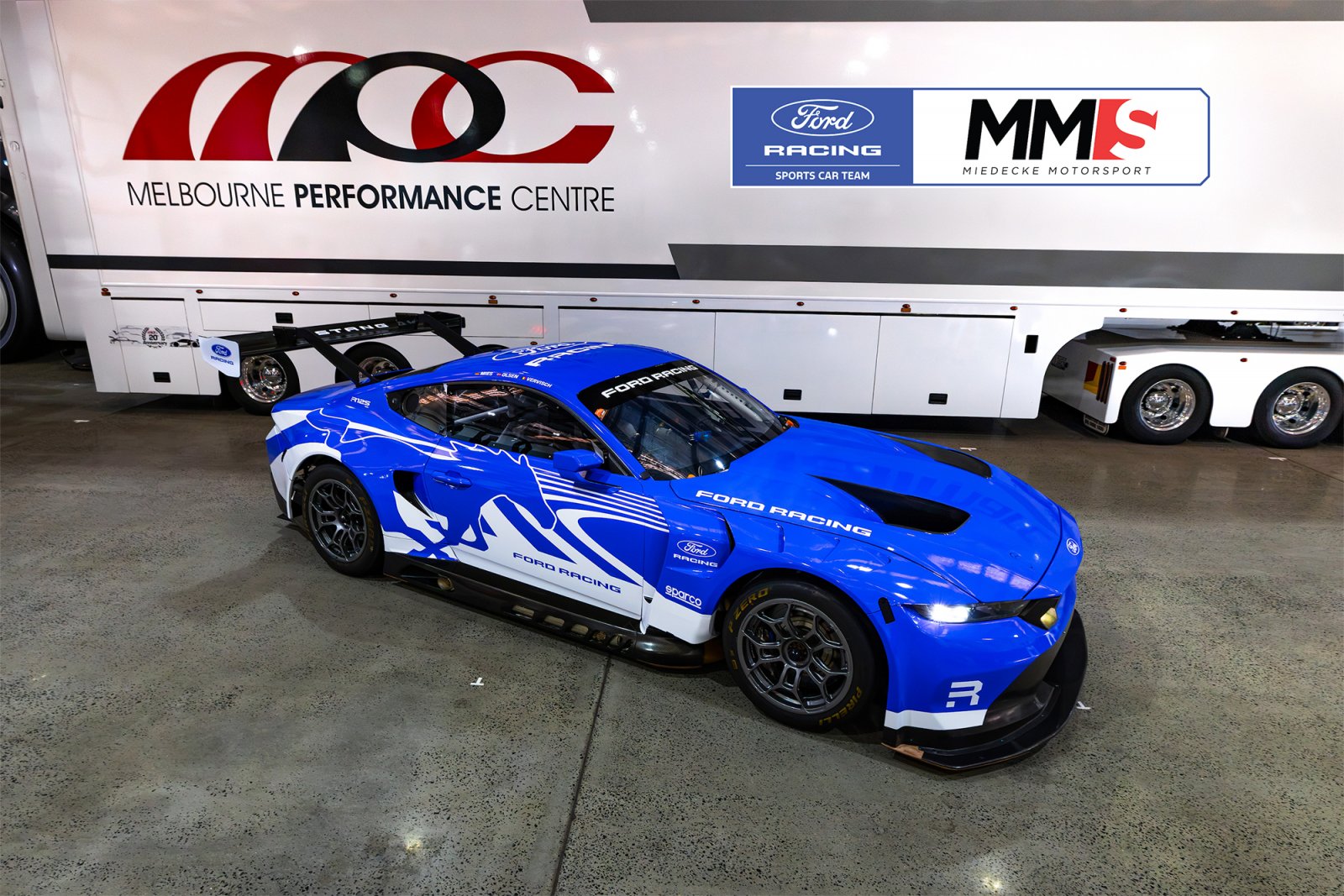
The Ford Mustang is the last remaining traditional sports car in Ford’s lineup, available as a coupe or convertible. Engine choices include a 2.3L EcoBoost and a 5.0L V8 in the GT and Dark Horse trims. Mustang continues to attract enthusiasts with its blend of retro styling and modern performance. The 2026 Mustang introduces advanced features like an all-digital cockpit, track apps, and MagneRide suspension, allowing drivers to customize their driving experience.
Mustang Mach-e: Expanding The Brand
While the Mach-E is technically an SUV, its Mustang branding and performance features bridge the gap between sports car heritage and electric innovation. The Mach-E GT’s performance rivals many traditional sports cars, and its distinctive design cues—such as tri-bar taillights and aggressive front fascia—pay homage to Mustang’s legacy.
Gt Supercar: Limited Production
The Ford GT supercar, produced in limited numbers, showcases Ford’s engineering prowess with a 3.5L EcoBoost V6 delivering over 660 hp. Though production is ending in 2026, its legacy continues to inspire Ford’s performance lineup. The GT’s carbon fiber construction, active aerodynamics, and racing technology influence Ford’s design philosophy across other models.
Real-world Example: Track Day Enthusiasts
Case Study: The Mustang GT is a favorite at American track days, offering a 450 hp V8 and customizable drive modes, making it accessible for amateur racers and experienced drivers alike. Owners benefit from factory support for performance upgrades and the availability of Ford Performance parts, fostering a vibrant enthusiast community.
Ford Commercial Vehicles: Business Solutions
Ford’s commercial lineup is a backbone for fleets, small businesses, and delivery services. Commercial vehicles are engineered for reliability, adaptability, and cost-effective operation, serving a wide range of industries.
Transit Van Family
The Ford Transit series includes:
- Transit Cargo Van: Customizable for delivery, trades, and fleet applications. The cargo van offers multiple roof heights, wheelbases, and upfit options, making it ideal for custom builds.
- Transit Passenger Van: Seats up to 15, ideal for shuttle services and group travel. Enhanced safety features and climate control ensure passenger comfort.
- Transit Connect: Compact and nimble, perfect for urban businesses. Its small footprint makes it easy to park and navigate city streets, while offering surprising cargo volume for its size.
Transit vans offer gas, diesel, and now electric powertrains, with advanced connectivity for fleet management. These vehicles are favored by companies for their low ownership costs, ease of maintenance, and strong resale value.
Chassis Cab And Cutaway Models
Ford provides Chassis Cab and Cutaway variants for specialized applications like ambulances, RVs, and box trucks. These models are built for durability and high customizability. The modular design allows upfitters to create vehicles tailored to unique industry requirements, from food trucks to mobile workshops.
Super Duty Commercial Trucks
The F-Series Super Duty commercial variants support heavy industry with upfitted bodies and advanced towing/payload capabilities. With options for dual rear wheels and advanced driver aids like Trailer Reverse Guidance, these trucks are indispensable for construction, agriculture, and logistics.
Real-world Example: Mobility Services
Case Study: A mobility company in California utilizes Transit Passenger Vans for accessible transport, leveraging Ford’s adaptive seating and safety features to meet ADA requirements. Their fleet benefits from Ford’s telematics, ensuring timely maintenance and optimizing route planning for customer satisfaction.
Ford’s Approach To Technology And Safety
Ford integrates cutting-edge technology and advanced safety features across its lineup, positioning itself as a leader in automotive innovation. Technology is not only about entertainment and connectivity—Ford’s focus is equally on safety, efficiency, and ease of use.
Sync Infotainment System
The latest SYNC 4 and SYNC 4A systems deliver:
- 12-inch touchscreen displays
- Wireless Apple CarPlay/Android Auto
- Cloud-based navigation
- Over-the-air software updates
SYNC’s voice-activated controls reduce driver distraction, and its integration with FordPass enables seamless connectivity between car and smartphone.
Ford Co-pilot360
Standard on most models, Ford Co-Pilot360 includes:
- Pre-Collision Assist with Automatic Emergency Braking
- Lane-Keeping System
- Blind Spot Information System (BLIS)
- Adaptive Cruise Control
Co-Pilot360’s suite of features has contributed to improved safety ratings across the Ford lineup, providing peace of mind for families and fleet operators alike.
Bluecruise Hands-free Driving
Available on select models like the F-150 Lightning and Mustang Mach-E, BlueCruise enables hands-free driving on pre-mapped highways, utilizing cameras and radar for safety. The system monitors driver attention and provides alerts, ensuring responsible use of autonomous functions.
Connected Services
FordPass Connect offers:
- Remote start and lock/unlock
- Vehicle location tracking
- Real-time diagnostics
FordPass also allows owners to schedule maintenance and access roadside assistance, streamlining ownership and support.
Data-driven Comparison: Safety Feature Availability
| Model | Co-Pilot360 Standard | BlueCruise Available | SYNC System |
|---|---|---|---|
| F-150 Lightning | Yes | Yes | SYNC 4A |
| Mustang Mach-E | Yes | Yes | SYNC 4A |
| Escape | Yes | No | SYNC 4 |
| Expedition | Yes | No | SYNC 4 |
Sustainability And Ford’s Future Direction
Ford is committed to sustainability and reducing its environmental impact through electrification, recycling, and renewable energy. The company’s environmental strategy is multifaceted, addressing both manufacturing and vehicle emissions.
Electrification Strategy
Ford has pledged to invest $50 billion in EV development by 2026, targeting carbon neutrality by 2050. The introduction of the Mustang Mach-E, F-150 Lightning, and E-Transit exemplifies this shift. Ford plans to launch additional EVs, including electric versions of popular SUVs and commercial vehicles, expanding consumer options.
Green Manufacturing
Ford’s Rouge Electric Vehicle Center utilizes renewable energy, recycled materials, and efficient water use. The company aims to use 100% renewable energy in its manufacturing facilities by 2035. Ford has reduced water consumption by millions of gallons annually and implemented solar panels at key facilities. The use of closed-loop recycling systems ensures that excess materials are reused or repurposed, minimizing waste.
Recyclable Materials
Models like the F-150 incorporate recycled plastics and soy-based foam, reducing landfill waste and supporting the circular economy. Ford’s research into bio-based materials is ongoing, with innovations including wheat straw-reinforced plastics and natural fiber components.
Real-world Example: Environmental Impact
Case Study: Ford’s partnership with McDonald’s uses recycled coffee chaff to produce headlight housings, lowering carbon footprint and supporting innovative material science. Ford’s collaboration with other industries demonstrates a holistic approach to sustainability, promoting cross-sector solutions.
External Resources
For more on Ford’s sustainability initiatives, visit Ford Corporate, Wikipedia: Ford Motor Company, and EPA Green Vehicles.
Ford’s Global Lineup: North America And Beyond
While this article focuses on North American models, Ford manufactures vehicles tailored to global markets, reflecting regional preferences and regulations. The brand’s adaptability ensures it remains competitive worldwide.
Europe And Asia
Ford’s European lineup includes models like the Fiesta, Focus, and Puma, not available in the US. In Asia, Ford offers the Territory and Everest, SUVs designed for local needs. These models are engineered for fuel efficiency, compact design, and compliance with stricter emissions standards. Ford’s global strategy includes offering hybrid and electric versions of popular models to meet growing demand for eco-friendly vehicles.
Global Manufacturing Footprint
Ford operates manufacturing facilities in:
- United States
- Canada
- Mexico
- Germany
- China
- India
- South Africa
This global reach ensures Ford vehicles meet diverse demands and adhere to varying emissions standards. Ford’s investment in international markets includes partnerships with local suppliers and adaptation of vehicle designs to meet cultural and regulatory needs.
Export And Import Models
Some models, like the Ford Ranger, are produced in overseas plants and imported to North America, while others are exclusive to certain markets. Ford’s global logistics network enables efficient production and delivery, balancing cost and quality.
External Resources
Explore Ford’s global offerings at Ford Official Site and Wikipedia: List of Ford Vehicles.
Buying A Ford Today: How To Choose The Right Model
Selecting the right Ford depends on budget, lifestyle, and performance needs. Here’s a step-by-step guide:
- Identify Your Needs
- Towing/Hauling: Consider F-Series or Super Duty.
- Family Travel: Explorer, Expedition, Escape.
- Urban Commuting: Maverick, Escape Hybrid, Transit Connect.
- Off-Roading: Bronco, Bronco Sport.
- Sustainability: Mustang Mach-E, F-150 Lightning, Escape Plug-in Hybrid.
- Compare Features and Pricing
- Use Ford’s Build & Price Tool for customization.
- Consider trim levels, tech packages, and safety features.
- Evaluate cost of ownership, including insurance, fuel, and maintenance.
- Test Drive and Dealer Support
- Schedule test drives at local Ford dealerships.
- Evaluate after-sales support and warranty options.
- Review dealer ratings and customer service feedback.
- Explore Incentives
- Ford frequently offers cash rebates, low APR financing, and EV tax credits.
- Check for regional promotions and special lease deals.
- Check Reviews and Reliability
- Reference third-party ratings from Consumer Reports and IIHS for safety and reliability.
- Consult owner forums for real-world feedback and tips.
Data Table: Popular Ford Models By Segment
| Segment | Top Model | Key Feature | Starting MSRP |
|---|---|---|---|
| Truck | F-150 | Best-in-class towing | $33,835 |
| SUV | Explorer | Family comfort | $36,760 |
| Crossover/EV | Mustang Mach-E | Performance EV | $42,995 |
| Commercial | Transit | Customizable cargo | $43,025 |
Frequently Asked Questions
What Are The Most Popular Ford Models In 2026?
The F-150, Explorer, Escape, and Mustang Mach-E are among Ford’s top sellers. The F-150 remains America’s best-selling vehicle, while the Explorer and Escape lead in SUV sales. The Mustang Mach-E is rapidly gaining popularity in the electric segment, thanks to its blend of performance and technology.
Does Ford Still Manufacture Sedans In North America?
No, Ford has discontinued most traditional sedans in North America, including the Fusion and Taurus. The current lineup focuses on trucks, SUVs, and electric vehicles. The Mustang remains as a coupe and convertible sports car. Ford’s strategic shift reflects consumer demand for larger vehicles and efficiency-driven models.
Are Ford Electric Vehicles Eligible For Tax Credits?
Yes, models like the Mustang Mach-E and F-150 Lightning qualify for federal EV tax credits, subject to battery sourcing and assembly requirements. Check the latest eligibility at IRS Electric Vehicle Credit. State and local incentives may also apply, further reducing purchase costs.
How Does Ford’s Hybrid Technology Compare To Competitors?
Ford’s PowerBoost Hybrid (in the F-150) and Escape Hybrid/Plug-in Hybrid offer competitive fuel efficiency and performance. PowerBoost combines towing capability with improved MPG, while the Escape Plug-in Hybrid provides up to 37 miles of electric range—comparable with rivals like Toyota RAV4 Hybrid. Ford’s hybrid systems are praised for their smooth transitions and robust power delivery.
Where Can I Find More Information About Ford’s Safety Ratings?
For comprehensive safety ratings, visit IIHS Ford Safety Ratings and NHTSA Vehicle Ratings. These sites provide crash test results and safety feature evaluations for the current Ford lineup.
Ford’s current manufacturing lineup is vast and diverse, reflecting the brand’s commitment to innovation, reliability, and sustainability. Whether you’re searching for a workhorse truck, a family SUV, an electric vehicle, or a commercial van, Ford offers models tailored to nearly every need.
As the automotive industry evolves, Ford remains at the forefront, blending tradition with technology to deliver vehicles that meet the demands of today’s drivers. For more information, explore Ford’s official resources and trusted automotive publications.
Products related to this article
Sponsored / affiliate links. As an Amazon Associate I earn from qualifying purchases. I may earn additional commission from eligible campaigns.
 Car Key Battery for Ford Mustang (1998-2002 Mustang Remote Batteries CR2025 3V Pack of 2)
 Advanced Tool Design Model ATD-5650 Master Global Fuel Injection Test Kit
 Roadside Assistance Emergency Kit,Vehicle Truck Car Safety Roadside Emergency Kit with Reflective Warning Triangle Tow Strap Reflective Vest etc