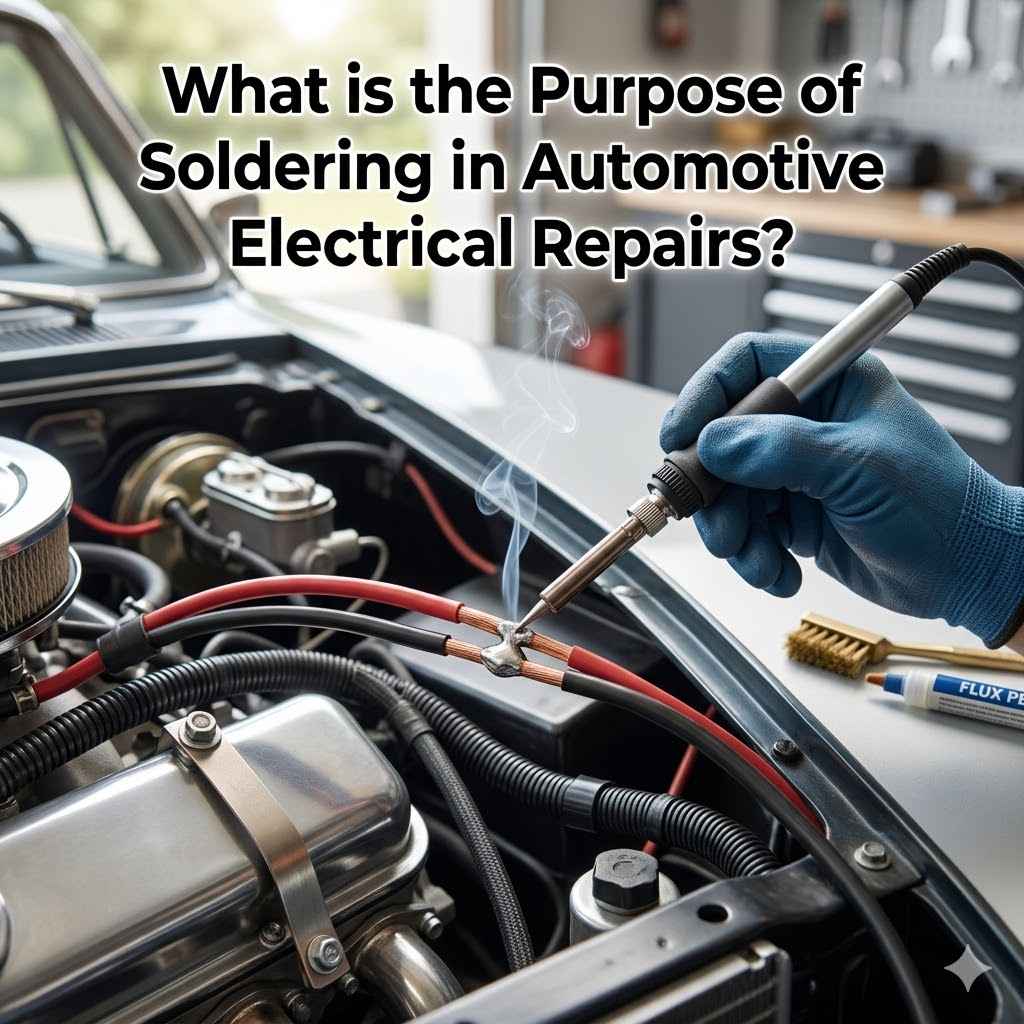
What is the Purpose of Soldering in Automotive Electrical Repairs?
Every modern car relies on complex electrical systems. From headlights to fuel injectors, almost every function depends on wires, connections, and electronic components working together. Yet, as cars age or as repairs are needed, these connections can break, corrode, or become unreliable. This is where soldering comes in—a skill that separates quick fixes from professional, long-lasting repairs.
Soldering is not just about melting metal. It’s an essential process for connecting wires, securing components, and ensuring that every electrical part in your vehicle does its job—day after day, mile after mile. Many people underestimate the importance of soldering in automotive electrical repairs, only to face repeated failures, flickering lights, or even total system shutdowns.
If you want to understand why soldering is so important, what it actually achieves, and how it compares to other methods like crimping or twisting wires, this article will walk you through everything you need to know.
Understanding Soldering In Automotive Context
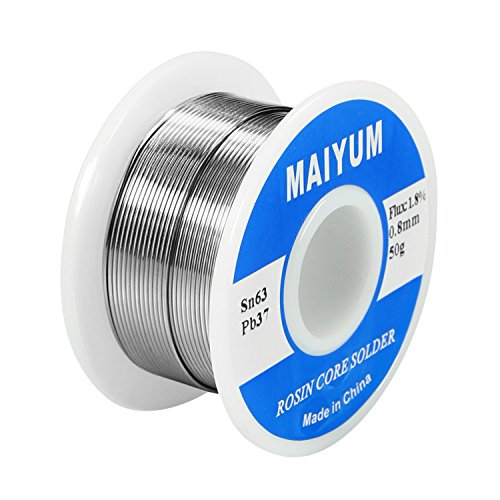
MAIYUM
MAIYUM 63-37 Rosin Core Solder Wire 0.8mm…
- Tin Lead Solder Wire: With Rosin Core Solder Wire
- Parameters: solder wire Tin 63 37
- Flux content 1.8 %,electrical soldering wire dia is 0.8 mm (0.0315 inch),gross weight 50 gram (0.11 lbs), good size for pocket
As an Amazon Associate I earn from qualifying purchases.
At its core, soldering is the process of joining two or more metal items by melting and flowing a filler metal (solder) into the joint. The filler metal has a lower melting point than the workpieces, so it bonds them without melting the actual wires.
In automotive electrical repairs, soldering is mostly used to:
- Connect wires securely
- Attach wires to terminals or connectors
- Repair broken traces on printed circuit boards (PCBs)
- Add new components, like sensors or aftermarket accessories
But why is this process so vital? Unlike home electronics, automotive environments are harsh. Wires face vibration, moisture, temperature swings, and even exposure to chemicals. Ordinary connections often fail under these conditions, but soldered joints—when done right—can last for years.
One key point many beginners miss is that soldering does more than hold wires together. It creates an electrical path with very low resistance, which is essential for sensors, relays, and computer systems that depend on precise signals.
Key Purposes Of Soldering In Automotive Electrical Repairs
Understanding the specific reasons for soldering in automotive work can help you appreciate its value and apply it correctly.
1. Creating Strong, Reliable Connections
A soldered joint is both mechanically strong and electrically solid. Unlike a twist-on connection, solder actually bonds the wires together at a molecular level. This means less chance of wires pulling apart, even when the harness is shaken or the car hits a pothole.
Consider the difference:
- A twisted wire connection might hold for a few weeks.
- A soldered connection, properly insulated, can last the lifetime of the vehicle.
This strength is especially important in high-vibration areas like engine bays or near suspension components.
2. Ensuring Low Electrical Resistance
Electrical resistance is the enemy of any automotive circuit. High resistance causes voltage drops, weak signals, and heat buildup. Soldering helps keep resistance as low as possible.
For example, a poor connection at a fuel injector can cause the engine to misfire. Soldered joints offer a consistent path for electrons, minimizing the risk of signal errors.
3. Preventing Corrosion And Failures
Moisture and road salt are common in cars, especially in colder climates. Over time, these elements can creep into wire joints and cause corrosion. Soldering, when paired with heat-shrink tubing or proper insulation, seals the connection. This barrier helps prevent corrosion, which is a leading cause of intermittent electrical faults.
4. Repairing And Splicing Wires
Wires in cars often need to be spliced—either to repair damage or to add accessories like alarms, GPS trackers, or audio systems. Soldering is the best way to make these splices reliable.
Think of a scenario where you add a backup camera. If you use solder, you can be confident the connection won’t fail due to vibration or humidity.
5. Connecting Components To Printed Circuit Boards
Modern vehicles use dozens of small circuit boards. When a component on a PCB fails, soldering is often the only way to replace it. This level of repair is more advanced, but it shows how critical soldering is to every level of automotive electronics.
Comparing Soldering To Other Connection Methods
Many repair shops and DIYers use alternatives like crimping or twisting wires. Each method has its place, but soldering is often the gold standard for reliability. Here’s a simple comparison:
| Method | Strength | Resistance | Corrosion Protection | Vibration Resistance | Skill Required |
|---|---|---|---|---|---|
| Soldering | High | Low | Good (with insulation) | Excellent | Medium-High |
| Crimping | Medium-High | Medium | Good (with proper sleeve) | Good | Medium |
| Wire Twisting | Low | High | Poor | Poor | Low |
As you can see, soldering outperforms other methods in most categories, especially for long-term reliability.
When Soldering Is Essential (and When It’s Not)
Soldering isn’t always the best choice. In some cases, a crimped connection with a quality connector is preferred, especially if the joint may need to be disconnected in the future. But in many automotive repairs, soldering is the only way to achieve a permanent, reliable joint.
You should solder when:
- The wire will not need to be disconnected
- The joint is exposed to vibration or moisture
- Low electrical resistance is critical
- The repair area is hard to access later
However, avoid soldering in places where the wire needs to flex a lot, as solder can make the joint rigid and prone to breaking if constantly moved.
The Soldering Process In Automotive Repairs
Many people think soldering is just about heating and joining wires, but the process is more involved if you want professional results.
Step 1: Preparing The Wires
Strip about 1/2 inch (12 mm) of insulation from each wire. Make sure not to nick or cut the wire strands, as this weakens the joint.
Step 2: Twisting The Wires Together
Twist the wires firmly so all strands are interlocked. This provides mechanical strength before soldering.
Step 3: Applying Heat
Use a soldering iron with at least 40–60 watts of power. Place the tip under the wires and let the wires heat up—not just the soldering iron.
Step 4: Adding Solder
Feed rosin-core solder into the joint, not directly onto the iron. The solder should flow smoothly and cover all strands.
Step 5: Inspecting The Joint
A good soldered joint looks shiny and smooth. If it’s dull, cracked, or has blobs, it could fail later.
Step 6: Insulating The Joint
Cover the joint with heat-shrink tubing or high-quality electrical tape. Heat-shrink tubing gives better protection and looks more professional.
Choosing The Right Solder And Tools
Not all solder is created equal. For automotive work:
- Use rosin-core solder, not acid-core (acid can cause corrosion)
- The most common type is 60/40 (60% tin, 40% lead), but lead-free options are available
- Solder diameter between 0.8–1.2 mm is easiest for wire splicing
For tools:
- A soldering iron with temperature control is ideal
- Use a clean, tinned tip for best results
- A heat gun or lighter for shrinking tubing
Here’s a simple comparison of common solder types for automotive use:
| Solder Type | Main Use | Melting Point (°C) | Corrosion Risk |
|---|---|---|---|
| Rosin-core 60/40 (Sn/Pb) | General automotive wiring | 188 | Low |
| Lead-free (Sn/Ag/Cu) | Environmentally friendly repairs | 217 | Low |
| Acid-core | Plumbing only | Varies | High |
Common Mistakes In Automotive Soldering
Even experienced technicians make errors that can lead to future problems. Here are the most frequent mistakes—and how to avoid them:
- Cold joints: This happens when the solder doesn’t fully melt into the wires. The joint may look okay but will fail quickly. Always heat the wires, not just the solder.
- Using acid-core solder: This solder is meant for plumbing, not electrical work. The acid can corrode wires and connections over time.
- Poor insulation: Leaving a soldered joint exposed allows moisture in, leading to corrosion and failures. Always use heat-shrink tubing.
- Overheating wires: Too much heat can melt insulation further down the wire, making it brittle.
- Not supporting the joint: Soldered wires should be anchored so they don’t move, especially in high-vibration zones. Use cable ties or harness tape.
One insight many beginners miss is that even a perfect solder joint can fail if the wire is under stress or flexes constantly. Plan your repairs to minimize movement.
The Role Of Soldering In Modern Automotive Electronics
Today’s cars are more like computers on wheels. Many safety and comfort systems—like airbags, anti-lock brakes, and climate control—depend on reliable wiring. A single poor connection can trigger warning lights or cause a system to shut down.
For example, a 2020 study found that over 60% of intermittent electrical issues in cars are traced back to faulty connections, many of which could have been prevented by proper soldering.
With more electric vehicles (EVs) on the road, the importance of secure, low-resistance connections is only growing. EVs use high-voltage circuits and sensitive electronics, so even minor faults can lead to big problems.
Soldering And Automotive Safety
Soldering does not just improve reliability—it also impacts safety.
- Airbag systems: A weak connection can prevent airbags from deploying in a crash.
- Anti-lock braking systems (ABS): Faulty wiring can lead to brake failure or false warnings.
- Lighting circuits: Inconsistent connections can cause headlights or brake lights to flicker or fail, increasing accident risk.
Proper soldering reduces these risks. That’s why manufacturers and repair standards (like those from the Society of Automotive Engineers) recommend soldering for critical circuits.
Soldering Vs. Crimping: Which Is Better For Automotive Repairs?
Both methods have strong supporters. Crimping uses a metal sleeve and tool to join wires. If done with the right tool, a crimp can be almost as reliable as soldering, but only under perfect conditions.
Here are a few differences:
- Soldering is better for permanent, sealed, and low-resistance connections.
- Crimping is faster and easier for connectors that may need to be disconnected.
Some professionals use both: first crimping, then soldering, then sealing with heat-shrink tubing for maximum reliability.
Real-world Examples: Soldering Success And Failure
It’s easy to overlook the impact of soldering until you see the results. Here are two examples:
- Success: A mechanic soldered all connections when installing a new stereo and backup camera. Five years later, every system still works perfectly, even after several harsh winters.
- Failure: Another car owner twisted wires and taped them. Within months, the radio cut out, the backup lights failed, and the car’s computer started showing random error codes. The root cause: corroded, loose wire joints.
These examples show that soldering isn’t just about “doing it right”—it’s about preventing future headaches and costs.
Practical Tips For Better Soldering In Cars
Here are some tips that make a difference, especially for beginners:
- Always disconnect the battery before soldering to prevent shorts.
- Pre-fit heat-shrink tubing on the wire before soldering (many forget this, causing frustration later).
- Use a third-hand tool or clamps to hold wires steady.
- Let joints cool naturally—don’t blow on them, as this can cause cracks.
- Practice on scrap wires before working on your car.
A less obvious tip: In very cold environments, warm your soldering tools and wires first. Cold wires can cause solder to freeze too quickly, leading to weak joints.
Soldering And Environmental Concerns
Lead-based solder is still common, but many repair shops are switching to lead-free options. Lead-free solder melts at a higher temperature and can be a bit harder to work with, but it’s better for health and the environment.
If you handle a lot of solder, work in a well-ventilated area and wash your hands afterwards. Never let solder or wires fall into the engine bay, as they could cause shorts or damage.
How Soldering Improves Diagnostic Accuracy
Imagine chasing an electrical problem in a car. If you know all connections are properly soldered, you can rule out poor joints as a cause. This saves time, reduces costs, and improves repair accuracy.
Dealers and professional shops prefer soldered connections for this reason—it’s easier to troubleshoot a system with reliable wiring.
Soldering And Future Technologies
As cars become smarter, with more sensors and advanced driver assistance systems (ADAS), the need for perfect connections grows. A single bad joint can send the wrong data to the car’s computer, affecting everything from cruise control to collision avoidance.
Manufacturers are even building soldered harnesses in factories, a sign of how important this technique has become.
Training And Skill Development
Soldering is a skill that improves with practice. If you’re new to automotive repairs, consider watching videos or reading detailed guides from reputable sources like the Wikipedia Soldering page. Practice on old wires before tackling a real repair.
Many vocational schools now include soldering as a core part of their automotive programs. It’s a skill that pays off, both in reliability and safety.
Frequently Asked Questions
What Type Of Solder Is Best For Automotive Electrical Repairs?
The best solder is rosin-core 60/40 tin-lead solder. It melts easily and does not corrode wires. Lead-free options are also good, but they require higher temperatures.
Is Soldering Better Than Crimping For Car Wires?
Soldering is generally better for permanent, sealed connections and areas exposed to vibration or moisture. Crimping is good for connectors that may need to be unplugged.
Can I Use A Regular Soldering Iron For Automotive Work?
Yes, but choose a soldering iron with 40–60 watts of power. This ensures you can heat larger wires quickly and make strong joints.
Why Do Some Car Repairs Fail After Soldering?
Common reasons include cold joints, using the wrong type of solder, poor insulation, or soldering wires that will flex a lot. Proper technique and insulation are essential.
Is Lead-free Solder Safe For Car Repairs?
Yes, lead-free solder is safe and used in many modern cars. It requires a bit more heat, but works well for most automotive electrical repairs.
Soldering, done right, is the foundation of reliable automotive electrical repairs. It ensures your car’s wiring stands up to time, weather, and tough road conditions. Whether you’re a pro or a weekend DIYer, mastering soldering is a step toward safer, smarter, and more dependable vehicles.
Related pick: Check today's price on Amazon