Is It Safe to Charge Electric Car in Garage? Essential Safety Tips
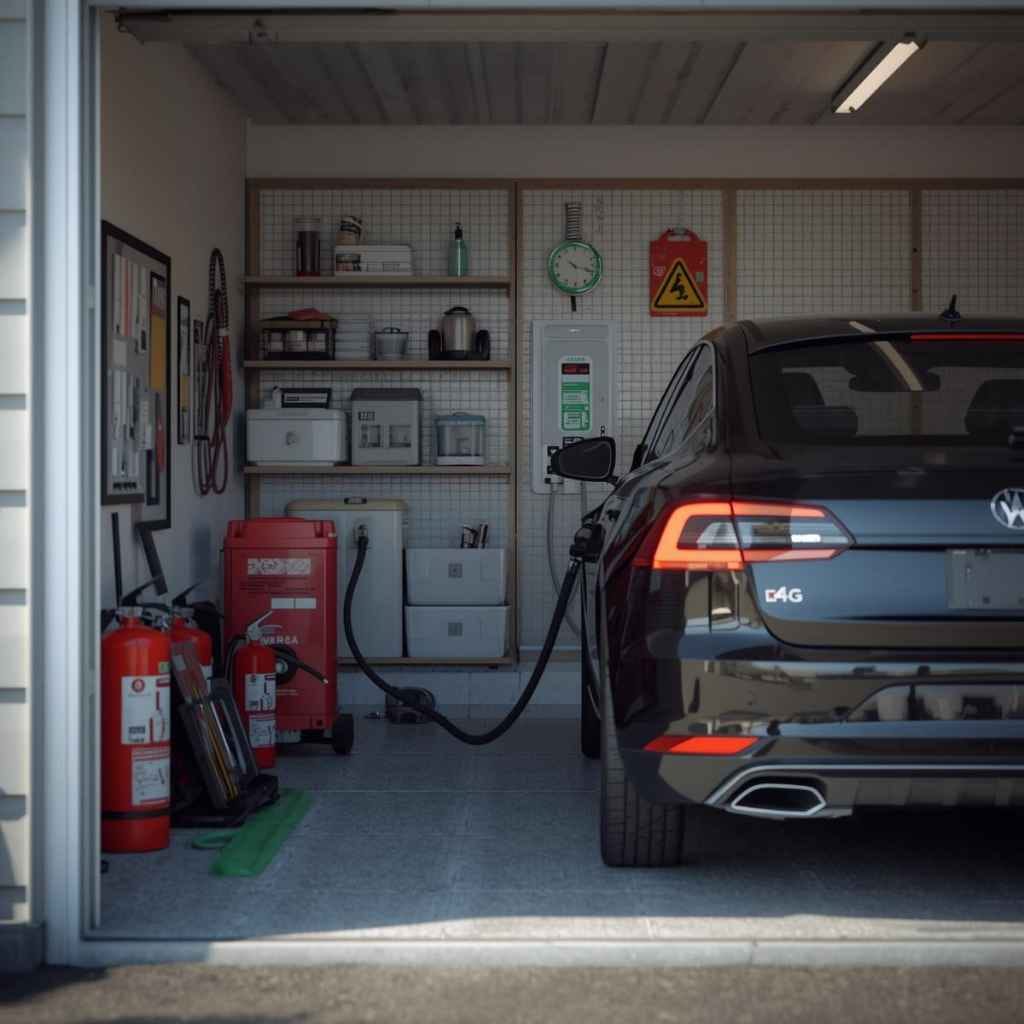
Charging your electric car at home is one of the most attractive features of owning an EV. The idea of refueling your car overnight, just like charging your phone, sounds convenient and futuristic. But many people worry about safety—especially when charging inside a garage. Is it safe to charge an electric car in a garage? What do you need to know to do it safely? Let’s dive into every aspect, from technology and installation to common risks, fire hazards, and expert tips, so you can feel confident about home charging.
How Electric Car Charging Works
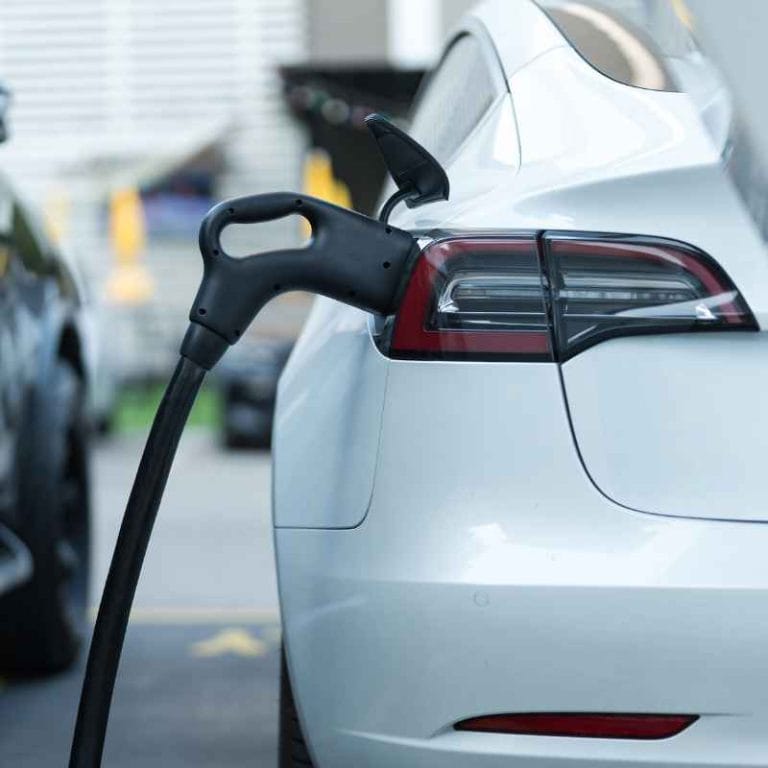
Understanding how electric car charging works helps you judge safety. Electric vehicles (EVs) store energy in large batteries. When you plug your car into a charger, electricity flows from your home’s supply into the battery. There are three main levels of charging:
- Level 1 Charging: Uses a standard 120V outlet. This is slow and adds about 2-5 miles of range per hour. Most EVs come with a portable Level 1 charger.
- Level 2 Charging: Uses a 240V outlet, like those for clothes dryers. Adds about 10-30 miles of range per hour. Requires a dedicated charging unit.
- DC Fast Charging: Mainly for public stations. Very quick but usually not installed at home.
Most home charging happens at Level 1 or Level 2. Charging in a garage is common, but the setup and safety measures can vary.
Main Safety Concerns For Home Charging
When people ask about safety, they’re usually thinking about:
- Fire risk
- Electric shock
- Battery overheating
- Carbon monoxide
- Structural damage
- Impact on home wiring
Let’s look at each concern in detail.
Fire Risk
The fear of fire is common with any high-powered electrical device, especially in a closed space like a garage. EV batteries are big and store a lot of energy. However, studies show that EVs are no more likely to catch fire than gasoline cars. In fact, modern EVs include many safety features:
- Thermal management systems keep batteries at safe temperatures.
- Built-in circuit breakers cut off power if something goes wrong.
- Charging units are tested and certified.
Most EV fires happen after serious accidents, not during charging. Home charging fires are rare, and almost always caused by poor wiring or faulty equipment—not the car or battery.
Electric Shock
Charging an EV involves high voltage. But when installed correctly, the risk of electric shock is very low. Certified charging stations have:
- Ground-fault protection
- Automatic shut-off
- Water-resistant design
Still, never use damaged cables, and always keep plugs and outlets dry.
Battery Overheating
Batteries can get warm when charging, but EVs have built-in systems to manage heat. Charging units monitor battery temperature and slow or stop charging if overheating is detected. Placing your charger in a well-ventilated garage helps, but overheating at home is extremely rare.
Carbon Monoxide
Unlike gasoline vehicles, EVs produce zero exhaust. So, charging an electric car in a garage will not create carbon monoxide or any fumes. This is a big safety advantage over traditional cars.
Impact On Home Wiring
Level 2 chargers draw a lot of power. If your home’s wiring is old or not designed for high loads, there’s a risk of overheating or electrical fires. That’s why professional installation is essential.
Comparing Charging In Garage Vs. Outdoors
Is charging in a garage safer than outdoors, or vice versa? Here’s a side-by-side look:
| Feature | Garage Charging | Outdoor Charging |
|---|---|---|
| Weather Protection | Excellent (protected from rain, snow, sun) | Exposed (needs weatherproof charger) |
| Security | High (locked indoors) | Medium (potential for theft or vandalism) |
| Fire Risk | Contained (less likely to spread outside) | Lower (open air dissipates heat/smoke) |
| Convenience | Very convenient (charge overnight, out of sight) | Less convenient (may need to move car) |
| Installation Cost | May be higher (wiring through walls) | Sometimes lower (shorter wiring run) |
Many people prefer garage charging for convenience and security. But with the right equipment, outdoor charging is also safe.
Essential Safety Features Of Modern Ev Charging
Today’s EV charging systems include several advanced safety features. Here are the most important:
- Ground Fault Circuit Interrupter (GFCI): Cuts off power if a ground fault is detected, protecting you from shocks.
- Overcurrent Protection: Prevents the flow of too much electricity, which can cause overheating.
- Temperature Sensors: Monitor the charger and battery temperature. If too hot, charging slows or stops.
- Automatic Shut-Off: Charging stops when the battery is full or if a problem is detected.
- UL Certification: Chargers and cables are tested to meet safety standards.
If your charger does not have these features, it’s time for an upgrade.
Professional Installation Vs. DIY
Should you install a home charger yourself? For Level 1 chargers (plugged into a standard outlet), DIY is possible. But for Level 2, professional installation is strongly recommended.
Why Professional Installation Matters
- Safety: Electricians check your home’s wiring and upgrade if needed.
- Code Compliance: Meets local electrical codes and insurance requirements.
- Correct Sizing: Ensures your charger matches your car and home capacity.
- Warranty Protection: Many manufacturers require professional install for warranty.
A common beginner mistake is using an old dryer outlet or extension cord. This creates a fire risk. Always use a dedicated circuit for your EV charger.
Fire Statistics: How Common Are Garage Charging Fires?
It’s natural to worry about rare but serious events. Let’s look at the numbers.
- The National Fire Protection Association (NFPA) reports that home fires caused by EV charging are extremely rare—less than 1% of all home electrical fires.
- A study by the National Transportation Safety Board found that EVs are no more likely to catch fire than gas cars. In some cases, they’re less likely.
- Most reported EV charging fires were linked to improper installation or damaged wiring, not the car or charger itself.
For context: clothes dryers, space heaters, and kitchen appliances cause far more home fires than EV chargers.
Common Installation Mistakes To Avoid
Many charging safety problems start with installation errors. Watch for these:
- Using undersized wiring: If the wires are too thin, they overheat. Always use the wire gauge recommended for your charger.
- Skipping permits: Local rules may require a permit and inspection.
- No dedicated circuit: Sharing with other appliances can overload the system.
- Improper outlet location: Outlets too close to water or in hard-to-reach areas are dangerous.
- Ignoring ventilation: While EVs don’t make fumes, the charger itself should not be blocked, to prevent overheating.
- Homemade adapters: Never use unapproved adapters or extension cords.
Hiring a licensed electrician helps you avoid these risks.
What To Do Before Charging In Your Garage
Before you start charging, take these steps:
- Inspect your garage wiring: Look for signs of wear, corrosion, or damage.
- Get a professional assessment: Ask an electrician if your panel can handle a Level 2 charger.
- Choose a certified charger: Look for UL or ETL listing.
- Install smoke detectors: Place one near the charging spot for extra safety.
- Read your car’s manual: Each EV may have special requirements.
- Check for recalls: Make sure your EV and charger are not under any safety recall.
A careful setup at the start can prevent future problems.
Charging In Attached Vs. Detached Garages
Does the type of garage matter? Yes, a little.
| Feature | Attached Garage | Detached Garage |
|---|---|---|
| Proximity to House | Very close | Separate structure |
| Fire Containment | More risk to house if fire occurs | Fire less likely to spread to home |
| Wiring Complexity | Usually simpler, shorter run | May need longer wire run |
| Security | High (inside main home area) | Medium (may be less secure) |
| Ventilation | Usually less natural airflow | Often more airflow |
Attached garages are more common, but you must pay special attention to fire containment—make sure walls and doors are up to code. Detached garages may need extra wiring, but fire risk to the main home is lower.
Real-world Examples And Lessons
Stories from EV owners and experts show common pitfalls and best practices.
- A family in California experienced a garage fire after using an old outlet for their Level 2 charger. The wires overheated, causing damage. A professional later found the house wiring was only rated for 15 amps, but the charger pulled 30 amps. Lesson: Always check wiring capacity.
- In Norway, an EV owner noticed a burning smell during charging. He found that his extension cord was melting. The manufacturer had clearly warned never to use extension cords. Lesson: Follow all instructions carefully.
- A couple in Florida installed a UL-listed charger with a licensed electrician. They added a smoke detector above the charger and checked the wiring every few months. They’ve had zero issues in five years. Lesson: Careful setup pays off.
Insurance And Local Regulations
Before installing a charger, check with:
- Your home insurance provider: Some policies require notification or inspection. Charging without telling your insurer can affect coverage if a fire occurs.
- Local building codes: Many cities have rules about charger installation, wiring, and permits.
- Homeowners’ associations (HOA): Some HOAs have special rules for garage charging.
Ignoring these steps can create problems later, including denial of insurance claims.
Special Precautions For Old Garages
If your garage is more than 30-40 years old, take extra care:
- Upgrade old wiring: Many older homes are not designed for high loads.
- Check for aluminum wiring: Common in 1960s-70s homes, which can be a fire risk.
- Inspect outlets and panels: Corroded or loose outlets are dangerous.
A small investment in upgrades can prevent costly repairs (or worse) later.
How To Charge Safely In A Multi-car Garage
If you have more than one car in the garage, space and safety become even more important.
- Keep charging cables off the floor: Use cable management hooks or retractors.
- Leave space around the charger: Avoid blocking airflow.
- Label the circuit breaker: So everyone knows which switch controls the charger.
- Don’t daisy-chain chargers: Each EV charger needs its own dedicated circuit.
If charging two EVs at once, ask your electrician about load management systems that balance power to avoid overloading your panel.
Monitoring And Maintenance
Charging safely doesn’t end after installation. Regular checks keep your system in top shape:
- Inspect cables and plugs monthly for signs of wear or damage.
- Test GFCI protection twice a year.
- Clean the charger and area around it to prevent dust buildup.
- Update firmware if your charger supports it (many smart chargers do).
If you notice any problems—strange smells, warm outlets, tripped breakers—stop charging and call an electrician immediately.
Special Cases: Charging In Underground Or Enclosed Garages
Some people live in apartments or condos with underground garages. Is it still safe?
- Ventilation: Even though EVs don’t produce fumes, chargers and batteries need airflow to keep cool.
- Fire suppression: Modern underground garages often include sprinklers and alarms.
- Shared wiring: Multi-unit buildings may have complex electrical systems. Always get permission and use building-approved installers.
- Access control: Make sure only authorized users can access your charger.
If you’re unsure, talk to your building manager or an EV charging specialist.
The Environmental Advantage
Charging in your garage is not just convenient—it’s also better for the environment. No exhaust, no fumes, and if you use renewable energy (like solar panels), your driving can be nearly carbon-free. This is a big reason many cities encourage home EV charging.
Non-obvious Insights For Safe Home Charging
- Check charger recall lists: Even after installation, check for new recalls on your charger model. This is often missed by new EV owners.
- Update insurance records: Many people forget to add their charger or EV to their home insurance file. In the event of a fire, missing paperwork can slow claims.
- Monitor charging speeds: If charging suddenly gets slower, it may indicate a wiring problem—not just a car or charger issue.
Future Trends: Smarter, Safer Charging
The next generation of home chargers will include even more safety features:
- WiFi monitoring: Get alerts if there’s a problem.
- Automatic diagnostics: Chargers that test themselves and report faults.
- Power sharing: Safely balance charging between multiple EVs.
Manufacturers are working with national safety groups to make home charging even safer.
Summary: Is It Safe To Charge Electric Car In Garage?
With the right setup, charging your electric car in a garage is very safe—and often safer than other options. The main risks come from improper installation, old wiring, or ignoring safety instructions. Most EV charging fires are rare, and usually preventable with certified equipment and professional installation. Modern chargers include advanced protection, and the risk of carbon monoxide is zero. For most people, garage charging is a smart, secure, and environmentally friendly choice.
Frequently Asked Questions
Is It Safe To Leave My Electric Car Charging Overnight In The Garage?
Yes, it is safe to leave your EV charging overnight, as long as you use a certified charger and your wiring is up to code. Modern chargers automatically stop when the battery is full. Many EV owners do this every night without issues.
Can An Electric Car Charger Cause A Fire In My Garage?
While possible, it is very rare. Most garage fires linked to EV charging come from improper installation, damaged wiring, or using unapproved equipment. Professional installation and certified chargers reduce the risk to almost zero.
Do I Need To Upgrade My Home’s Electrical Panel To Install A Level 2 Charger?
Sometimes. Level 2 chargers require more power than standard outlets. An electrician can check if your panel has enough capacity. Older homes often need an upgrade for safe Level 2 charging.
Is It Better To Charge My Electric Car Outside Instead Of In The Garage?
Both options are safe with the right equipment, but garage charging is usually more convenient and secure. Outdoor charging requires weatherproof chargers and may be less secure against theft or vandalism.
Where Can I Find Official Safety Standards For Ev Chargers?
You can read official safety standards and certifications for EV chargers on the UL website, which lists requirements for safe home charging equipment.
Charging your electric car in the garage is not just safe—it’s the future of home energy. Take the right steps, and you’ll enjoy years of safe, trouble-free charging.
Products related to this article
Sponsored / affiliate links. As an Amazon Associate I earn from qualifying purchases. I may earn additional commission from eligible campaigns.