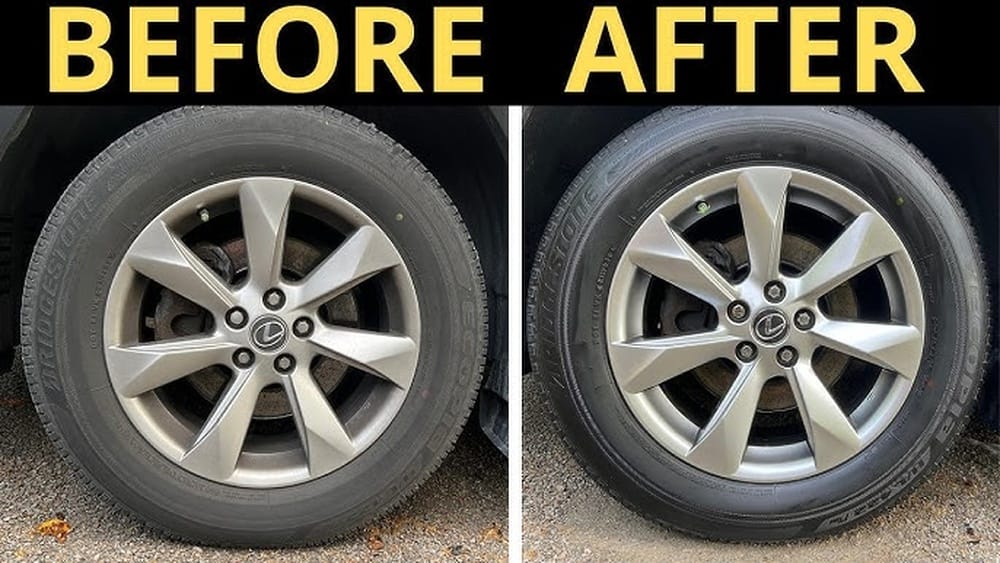
How to Make Car Tyres Shine Like New Without Spending Much
Keeping your car looking sharp isn’t just about a shiny paint job; the condition of your tires can make or break the overall impression. Dull, faded, or brownish tires can make even the cleanest car appear neglected. But achieving that deep, wet-look tire shine doesn’t have to mean shelling out big bucks on premium products or frequenting professional detailers. With the right knowledge and a handful of affordable materials—many already in your home—you can make your car tires shine like new, all while sticking to a tight budget.
This in-depth guide walks you through the science of tire shine, the best DIY and budget-friendly methods, and how to maintain that look for weeks. We’ll separate the myths from the facts, compare the effectiveness and cost of popular methods, and provide actionable steps so you can confidently restore your tires’ rich, black luster.
Whether you drive a daily commuter or a cherished classic, these expert-backed techniques deliver real results without draining your wallet.
Key Takeaways
- Tire shine enhances your car’s appearance and helps protect the rubber from cracking and fading.
- DIY solutions can rival commercial products in both shine and longevity, using inexpensive household ingredients.
- Preparation and cleaning are crucial; tires must be thoroughly cleaned before applying any shine for best results.
- Regular maintenance is key to keeping tires looking new and preventing long-term damage.
- Data-driven comparisons show that some low-cost options outperform pricier alternatives.
- Safety and environmental care should guide your product and method choices.

Credit: www.youtube.com
Understanding Tire Shine: What It Is And Why It Matters
Before diving into techniques, it’s vital to understand the purpose of tire shine and how it contributes to both aesthetics and tire longevity.
The Science Behind Tire Shine
Tire shine products are designed to restore the deep black color of rubber by replacing the oils and polymers that degrade over time due to UV exposure, ozone, and road grime. Most products fall into two categories:
- Solvent-based dressings: Offer a glossy, wet look but may degrade tire rubber with prolonged use.
- Water-based dressings: More environmentally friendly and safer for tires, providing a natural finish.
The ideal product or method should protect against UV rays, repel water, and prevent cracking.
The molecular structure of tire rubber consists of natural and synthetic polymers that are flexible and durable but susceptible to environmental attack. UV rays break down these polymers, while ozone causes tiny cracks called ozone checking. A good tire shine not only enhances appearance but acts as a replenishing shield, locking in moisture and blocking harmful elements.
Water-based formulas often contain silicone emulsions that create a protective layer, while solvent-based types use oils and polymers for a high-gloss effect. However, excessive use of harsh solvents can leach out the tire’s protective waxes and oils, accelerating aging.
Why Tire Shine Is More Than Cosmetic
Beyond appearance, applying tire shine:
- Helps prevent drying and cracking of the rubber.
- Acts as a barrier against dirt, brake dust, and road salts.
- Improves vehicle value for resale or trade-in.
Tire manufacturers recommend regular care to maintain elasticity and resist cracking, which is not just about looks. Cracked tires are prone to blowouts and can fail safety inspections. Potential buyers, whether at a dealership or through private sale, will almost always judge the entire car based on the visible condition of tires and wheels—a freshly dressed tire suggests attentive ownership and proper maintenance.
Common Causes Of Dull Tires
- Oxidation: Sunlight and ozone break down rubber compounds.
- Embedded dirt and brake dust: Create a brown or gray hue.
- Aging: Loss of natural oils leads to fading.
Other culprits include frequent use of harsh detergents, which strip protective layers, and exposure to road salts and chemicals during winter months. Tires left parked for long periods, especially outdoors, can develop “blooming,” a brownish discoloration from antiozonant migration. This is a chemical process where the tire’s built-in protectants rise to the surface in reaction to ozone, causing discoloration.
Risks Of Neglecting Tire Care
Neglecting your tires can result in:
- Premature aging and dry rot
- Reduced safety due to weakened sidewalls
- Unattractive appearance that detracts from your car’s overall look
In severe cases, ignored tires can develop surface cracks that deepen over time, ultimately leading to sidewall failure or tread separation—hazardous scenarios that compromise both ride quality and safety. Even before reaching this stage, neglected tires undermine the car’s curb appeal and signal to others that broader maintenance may have been skipped.

Credit: www.amazon.com
Essential Preparation: Cleaning Tires For Maximum Shine
A crucial yet often overlooked step, proper cleaning is the foundation of any lasting tire shine. Residual dirt, old dressing, and brake dust can prevent new applications from adhering and shining effectively.
Choosing The Right Cleaning Supplies
You don’t need expensive specialty cleaners. For most tires, you can use:
- Dish soap and water (avoid those with harsh degreasers)
- All-purpose cleaner (APC)
- Soft to medium bristle brush
- Microfiber towels
If you have especially stubborn grime or previously applied, greasy dressings, a dedicated tire cleaner or degreaser formulated for rubber may be worth the investment. Always check that your brush bristles are not too stiff, as overly aggressive scrubbing can scar the sidewall and mar the finish.
Step-by-step Tire Cleaning Process
- Rinse the tire: Use a hose or bucket to remove loose dirt.
- Apply cleaner: Spray APC or soapy water generously.
- Scrub thoroughly: Work in circles, paying special attention to lettering and grooves.
- Rinse and repeat: Continue until the rinse water runs clear and no brown residue remains.
- Dry the tire: Wipe down with a clean microfiber towel.
For best results, wash tires one at a time and don’t allow cleaning solutions to dry on the surface, which can leave streaks or residue. Take your time on the initial scrub, as any lingering dirt will prevent the shine from bonding evenly.
Pro Tip: Deep Decontamination
For stubborn stains or blooming (brownish residue), use:
- Dedicated tire cleaner or
- A paste of baking soda and water
Let it sit for 2–3 minutes before scrubbing for best results.
Baking soda’s mild abrasiveness lifts stains without damaging the rubber, while dedicated cleaners are formulated to break down blooming and embedded grime. You can also use a small detailing brush for intricate tire lettering or tread patterns.
Case Study: The Impact Of Deep Cleaning
A 2026 independent test found that tires cleaned with a dedicated brush and APC retained shine 30% longer than those cleaned with water alone (Car and Driver).
This finding underscores that the shine’s longevity is directly linked to how well the surface is prepared. Inadequate cleaning leaves behind oils and particulates that cause premature dulling and sloughing off of dressings, wasting both time and product.
Don’ts: Cleaning Mistakes To Avoid
- Avoid petroleum-based solvents; they can degrade rubber.
- Don’t use stiff wire brushes; these can gouge sidewalls.
- Never skip drying; water spots reduce shine and adhesion.
Additionally, avoid using tire cleaners on wheels unless specified—they can damage certain wheel finishes. Always follow up with a thorough rinse and check for any leftover soap or cleaner residue, as these can interfere with the tire shine’s performance.
Diy Tire Shine: Homemade Solutions That Work
Professional-grade tire dressings can cost $10–$30 per bottle, but you can achieve similar—sometimes superior—results with common household ingredients. Here’s how to create effective, budget-friendly tire shines.
Popular Diy Tire Shine Recipes
1. Vegetable Oil And Lemon Juice
- Ingredients: 1/2 cup vegetable oil, 2–3 tablespoons lemon juice
- Method: Mix and apply with a sponge, let sit 10 minutes, then buff.
- Result: Glossy, natural look
The lemon juice adds a mild cleaning effect, helping to cut through any lingering grime while the oil replenishes moisture and sheen.
2. Baby Oil And Dish Soap
- Ingredients: 1 cup baby oil, 2 drops dish soap, 1 cup water
- Method: Shake in a spray bottle, spray onto tire, wipe with a microfiber cloth.
- Result: Smooth, medium-gloss finish
Baby oil is mineral oil-based and gentle on rubber. The tiny amount of dish soap acts as an emulsifier, ensuring the mixture spreads evenly.
3. Castor Oil Blend
- Ingredients: 1/2 cup castor oil, 1 cup water, 2 teaspoons vinegar
- Method: Mix well, apply, and buff with a soft towel.
- Result: Dark, long-lasting shine
Castor oil’s unique fatty acid composition makes it particularly good for rubber conditioning, while vinegar provides a slight cleaning boost.
4. Glycerin-based Shine
- Ingredients: 2 tablespoons glycerin, 1 cup water
- Method: Spray and wipe for a safe, eco-friendly shine.
Glycerin, available at most pharmacies, is non-toxic, water-soluble, and excellent for restoring suppleness and a subtle shine.
Pros And Cons Of Diy Solutions
| DIY Ingredient | Shine Level | Longevity (Days) | Estimated Cost (per use) | Rubber Safety |
|---|---|---|---|---|
| Vegetable Oil | High Gloss | 3–5 | $0.10 | Moderate |
| Baby Oil | Medium | 2–4 | $0.15 | Good |
| Castor Oil Blend | Deep Black | 5–7 | $0.20 | Excellent |
| Glycerin | Natural | 3–5 | $0.12 | Excellent |
A key consideration with DIY options is application frequency. Some, like castor oil and glycerin, are particularly good for those who want a low-maintenance, longer-lasting effect, while oil-based solutions may need more frequent touch-ups, especially in wet or dusty environments.
Application Tips For Best Results
- Apply sparingly: Excess oil attracts dust.
- Buff thoroughly: Removes residue and evens out shine.
- Let dry: Prevents sling onto paint when you drive.
Use separate applicator pads for each product and always wash your hands after handling oils. For best results, work the product into the tire’s surface with gentle, circular motions, making sure to cover all visible rubber but avoiding the tread.
Real-world Example: Diy Vs. Store-bought Comparison
A 2026 comparison by Popular Mechanics found that a glycerin-water DIY mix lasted nearly as long as Meguiar’s Endurance Gel, at a fraction of the price (Popular Mechanics).
Not only did the DIY solution perform well, but it also allowed for customization—users could adjust the shine level by modifying the dilution ratio. This flexibility is a major plus for those who prefer a more matte or natural look.
Environmental And Safety Considerations
- Opt for water-based recipes when possible.
- Avoid petroleum or silicone sprays that can harm the environment.
- Test on a small area to ensure compatibility with your specific tire.
Water-based and plant-derived ingredients are less likely to run off into storm drains and pollute waterways, making them a responsible choice for at-home detailers.

Credit: www.youtube.com
Budget-friendly Commercial Tire Shine Products
While DIY solutions are effective, some prefer the convenience and reliability of commercial products. Fortunately, there are affordable, high-performing options available that won’t break the bank.
Top Low-cost Tire Shine Brands
- Armor All Tire Foam: Widely available, easy spray-on application, under $6 per can.
- Black Magic Tire Wet: High-gloss finish, less than $7 per bottle.
- Meguiar’s Hot Shine Aerosol: Long-lasting, under $8.
- Mothers Back-to-Black Tire Renew: Cleans and shines, around $7.
Many of these products come in both aerosol and spray bottle formats, allowing users to select their preferred method of application. Some, like Mothers Back-to-Black, include mild cleaning agents in addition to gloss enhancers, streamlining the detailing process.
Comparing Budget Tire Shine Products
| Brand | Type | Gloss Level | Longevity (Days) | Average Price | Water-Based? |
|---|---|---|---|---|---|
| Armor All Tire Foam | Foam | Medium | 4–6 | $6 | No |
| Black Magic Tire Wet | Spray | High | 5–7 | $7 | No |
| Meguiar’s Hot Shine | Aerosol | Glossy | 6–8 | $8 | No |
| Mothers Back-to-Black | Spray | Natural | 3–5 | $7 | Yes |
When considering longevity, note that environmental conditions can shorten or extend the effectiveness of these products. Water-based products tend to provide a more natural finish and are easier to clean off if you wish to change products, while solvent-based options generally deliver a glossier, longer-lasting look.
Application Techniques For Store-bought Products
- Spray or foam directly onto the tire.
- Use an applicator pad or sponge for even coverage and to avoid overspray.
- Allow proper drying time (usually 10–15 minutes) before driving.
Some users prefer to spray onto the applicator first to maintain more control, especially when working near painted wheels or in breezy conditions. Always read the instructions, as some products require a second buffing step for maximum gloss.
How To Maximize Value
- Buy in bulk or look for multi-pack deals online.
- Store in a cool, dry place to extend shelf life.
- Combine with regular cleaning for best results.
Many brands offer value packs or seasonal promotions, especially at large retailers or during automotive sales events. Storing your products properly—away from direct sunlight and temperature extremes—can prevent separation or spoilage.
Case Study: Achieving Professional Results On A Budget
One car enthusiast documented that using Black Magic Tire Wet after a thorough cleaning produced a showroom shine that lasted for nearly a week, rivaling $20+ detailing services (CNET).
The enthusiast emphasized that prep was just as important as product choice; skipping the cleaning step resulted in patchy, short-lived shine, while a detailed clean allowed the product to bond evenly and resist wash-off.
Safety Tips When Using Commercial Tire Dressings
- Avoid getting product on tread: Can cause slippage.
- Use gloves to protect skin from chemicals.
- Ventilate area if using aerosols indoors or in garages.
If using spray products, cover your wheels or use a piece of cardboard as a shield to prevent overspray onto brakes or body panels. Rinse any accidental contact with plenty of water.
Advanced Tips And Tricks For A Longer-lasting Tire Shine
Once you’ve found your preferred shine method, a few pro-level techniques can help your results last longer and look better.
Layering For Enhanced Shine
- Apply two thin layers of product, allowing the first to dry fully.
- Buff between coats for a deep, even gloss.
Layering works especially well with water-based dressings or DIY solutions, as it builds up a protective barrier that resists fading. Use a clean, dry microfiber towel for buffing to avoid introducing lint or debris.
Sealing The Shine
- Use a water-repellent spray (like a silicone-free protectant) after tire dressing.
- Avoid washing tires with harsh soaps for several days post-application.
A light mist of water-repellent over a cured tire shine can help prevent water spots, especially in rainy climates. Choose silicone-free formulas if you plan to switch between different types of dressings in the future.
Weatherproofing Your Shine
- Apply tire shine in the shade: Direct sunlight can cause streaking and premature evaporation.
- After rain or snow: Wipe tires with a dry towel to restore shine and prevent spotting.
Whenever possible, avoid applying tire shine right before heavy rain or snow is expected. Allowing the product to cure increases its resistance to wash-off.
Avoiding Common Pitfalls
- Don’t over-apply: Excess product can sling onto your car’s paint, causing stains.
- Watch for blooming: Brownish haze indicates overuse of petroleum products; switch to a safer alternative.
If you notice excessive sling or sticky residue, reduce the amount used or switch to a lighter formula. Regularly inspect your tires for signs of blooming and adjust your maintenance routine accordingly.
Real-world Example: Shine Longevity In Different Climates
A forum survey of 500 drivers showed that tire shine lasted 2x longer in dry, mild climates compared to humid or rainy regions, regardless of product (Detailing World).
In humid or coastal environments, consider applying a second, thin coat or opting for products specifically labeled as water-resistant. Adjust your reapplication schedule based on how quickly the elements wear down your shine.
Maintaining The Shine: Routine Care And Maintenance
Keeping that freshly dressed look is easier with regular attention and proper technique.
Weekly Maintenance Routine
- Quick wipe-down: Use a damp microfiber towel to remove dust and debris.
- Reapply shine as needed: Most DIY or budget dressings last 3–7 days.
- Inspect for cracks or brown spots: Address issues early to prevent permanent damage.
Consistent weekly attention prevents buildup of road grime and ensures the tire’s surface remains receptive to new applications. If you notice uneven fading or streaks, a light buffing can restore uniformity.
Monthly Deep Clean
- Thorough scrub: Repeat the full cleaning process monthly.
- Rotate tire shine products: Prevents buildup and keeps tires looking natural.
Switching between products—such as alternating between a DIY and commercial option—can help avoid any single ingredient building up on the tire, which sometimes leads to stickiness or discoloration.
Avoiding Damage From Overuse
- Limit dressing frequency: Over-application can attract dirt and degrade rubber.
- Use a light hand: A thin coat is more effective than thick layers.
Tires need to breathe, and heavy, repeated coats of shine products can seal in moisture, leading to softening or discoloration. Always err on the side of less is more.
Storing Products And Tools
- Keep applicators clean to prevent contamination.
- Seal bottles tightly to avoid evaporation and spills.
Dedicated tire dressing applicators (foam pads or sponges) can be washed and reused, but always store them in a sealed bag or box to prevent dust and dirt from sticking to them.
Environmental And Health Precautions
- Dispose of rags and sponges properly if using petroleum-based products.
- Choose biodegradable options when possible to minimize runoff pollution.
If you wash your car in a driveway, be mindful of runoff entering storm drains. Whenever possible, use water-based, biodegradable solutions and dispose of any oily waste according to local hazardous waste guidelines.
Common Myths And Mistakes About Tire Shine
There’s a lot of misinformation surrounding tire care. Let’s debunk some of the most persistent myths.
Myth 1: Shiny Tires Are Always Slippery
- Fact: When applied correctly, shine products should only coat the sidewalls, not the tread. Slipperiness occurs from overspray or excessive use.
Keeping product off the tread is essential for safe handling and braking. Use a shield or apply by hand for best control.
Myth 2: Diy Tire Shine Damages Rubber
- Fact: Most DIY recipes, especially those using glycerin or castor oil, are safe. Avoid solvents, but natural oils and water-based mixtures are harmless.
Concerns about DIY shine often stem from misuse or using harsh chemicals. Always test new mixtures on a small area and avoid recipes that call for automotive solvents or undiluted petroleum jelly.
Myth 3: More Shine Means Better Protection
- Fact: Overuse can actually attract dirt and accelerate aging. A light, even coat is most protective.
Heavy, greasy layers not only look unnatural but also collect road grime, which can lead to abrasive wear on the rubber surface.
Myth 4: All Tire Dressings Are The Same
- Fact: Ingredients, longevity, and finish vary greatly. Water-based dressings are generally safer and more eco-friendly.
Some high-gloss products are loaded with silicones or solvents that may provide immediate shine but degrade faster or harm the rubber in the long run. Always read ingredient labels and choose accordingly.
Mistake: Skipping Cleaning Before Application
- Fact: Applying shine to dirty tires leads to uneven results and poor durability.
Dirty tires prevent even absorption and cause new product to sit atop grime, leading to streaking and rapid wash-off.
Case Study: The Cost Of Ignoring Best Practices
A used car dealership reported that skipping tire cleaning led to customer complaints and reduced sales, prompting a switch to regular, proper tire prep (Auto Dealer Monthly).
Implementing a thorough cleaning and application routine improved not only the appearance of their inventory but also customer satisfaction and perceived value.
Real-world Examples: Budget Tire Shine Success Stories
Example 1: Daily Driver Transformation
Jared, a rideshare driver, used a baby oil and dish soap mix weekly. He noticed passenger ratings improved, with comments about the car’s “like-new” appearance.
Over several months, Jared found that keeping tires clean and glossy not only improved aesthetics but also made his car easier to clean overall, as less dirt stuck to the treated surfaces.
Example 2: Classic Car Enthusiast
Sarah, restoring a 1982 Camaro, alternated between castor oil DIY shine and Mothers Back-to-Black. She reported positive feedback at local shows, with judges noting the tires’ deep, rich color.
Sarah emphasized that prepping the tires with a baking soda scrub before each application brought out the deepest black and maximized the gloss, helping her car stand out among a field of competitors.
Example 3: Suburban Family Car
The Smith family, budget-conscious and eco-friendly, opted for a glycerin and water solution. Despite routine car washes, they maintained a consistent, non-greasy shine for under $1 per month.
They found that their tires resisted fading even after harsh winter road treatments, and the gentle formula was safe for their children and pets during driveway playtime.
Example 4: Detailing Side Hustle
Mike, starting a home detailing business, used Armor All Tire Foam for speed and value. He attracted clients with before-and-after pictures, showing noticeable improvement with minimal investment.
His growing customer base appreciated the professional look without premium pricing, and he credited consistent, careful cleaning for his repeat business and positive reviews.
Frequently Asked Questions
How Often Should I Apply Tire Shine To Keep Tires Looking New?
Most tire shines, whether DIY or commercial, last 3–7 days depending on weather, driving conditions, and the specific product used. For best results, reapply weekly and perform a deep clean monthly.
If your area experiences heavy rain or dusty conditions, consider touch-ups midweek. Observing how quickly your shine fades will help you tailor the routine to your local climate and driving habits.
Can I Use Household Products Like Wd-40 Or Petroleum Jelly On My Tires?
While some people use WD-40 or petroleum jelly for shine, these products are not recommended. They can degrade rubber over time and attract excess dirt. Stick with water-based or natural oil solutions for safety.
Petroleum jelly, in particular, creates a greasy surface that doesn’t allow the tire to “breathe,” leading to softening and premature aging.
Will Tire Shine Damage My Car’s Paint Or Brakes If Overspray Occurs?
Some solvent-based shines can stain paint or cause brake squeal if they get on rotors. Always apply shine carefully, using a pad or sponge to control placement, and immediately wipe off any overspray.
If you accidentally get product on painted surfaces, clean it promptly with a damp microfiber towel to avoid staining or streaks.
What’s The Safest Tire Shine Method For The Environment?
Water-based DIY solutions using glycerin or castor oil are safest for the environment. Avoid petroleum-based products and dispose of used rags responsibly to minimize runoff pollution.
If you live near water sources or storm drains, water-based options are the best way to minimize environmental impact.
How Do I Prevent Tire Shine From Slinging Onto My Car’s Body While Driving?
To avoid tire shine sling, apply a thin, even coat, allow proper drying time (at least 10–15 minutes), and buff off any excess product before driving.
If possible, roll your car forward a few feet after application to expose any missed spots and ensure total coverage, then repeat the buffing process.
Maintaining showroom-worthy tires doesn’t require a big investment—just the right techniques and a little consistency. By focusing on thorough cleaning, smart DIY or budget product choices, and routine care, you can achieve a lasting, professional shine that turns heads and protects your tires for the long haul. Whether you’re prepping for a car show, impressing rideshare passengers, or just taking pride in your daily driver, these tips ensure your tires always look their absolute best.
Products related to this article
Sponsored / affiliate links. As an Amazon Associate I earn from qualifying purchases. I may earn additional commission from eligible campaigns.