
Every year, more people in the United States are choosing electric cars. It’s a big shift from gasoline-powered vehicles. You might see more charging stations in your city, or hear friends talking about their new electric car. But how many people actually use electric cars in the US?
What do the numbers show? And what do they mean for the future of driving? This article explores the facts, numbers, and real-life trends behind electric car usage in America. We’ll also break down the reasons why some people are making the switch, what challenges they face, and what experts expect in the next few years.
Understanding Electric Cars In The Us
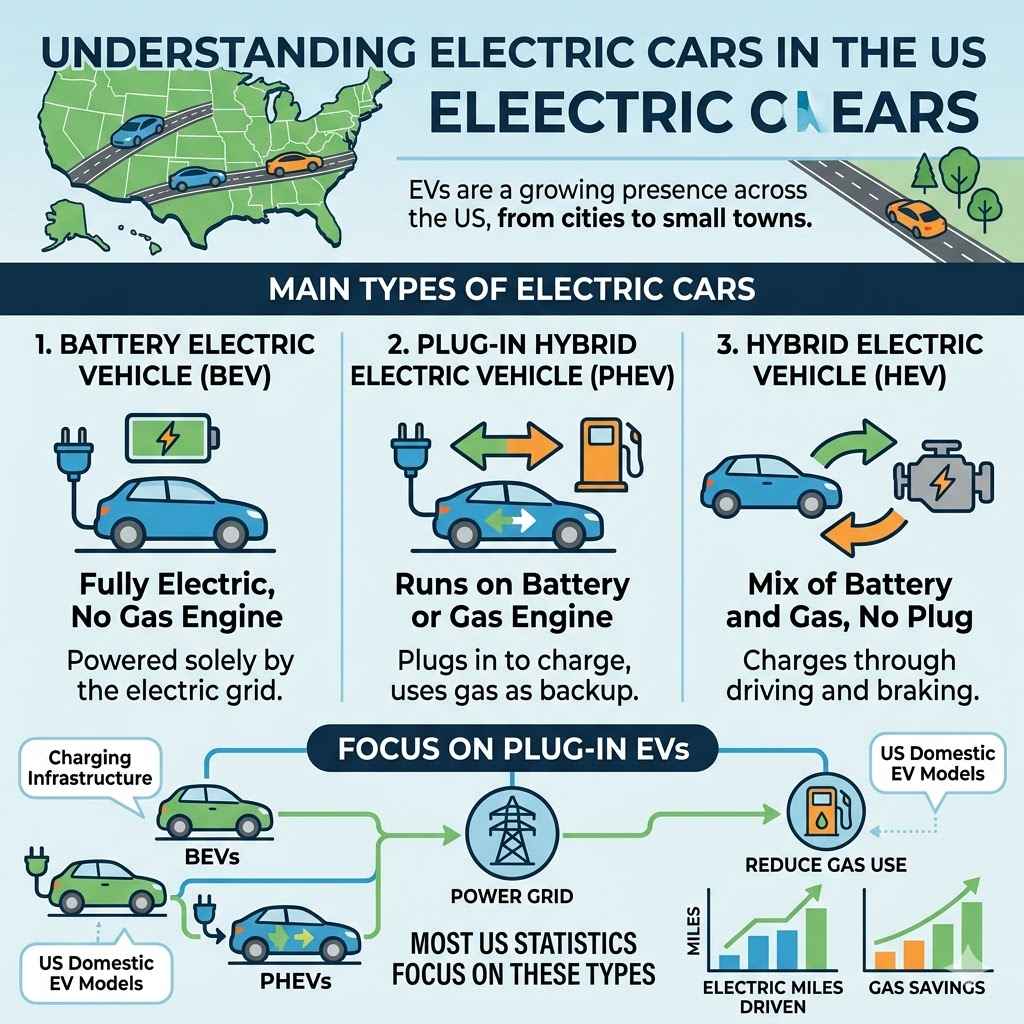
Electric cars, or electric vehicles (EVs), run on batteries instead of gasoline. Some are fully electric, while others are plug-in hybrids. In the US, electric cars are no longer a rare sight. From city centers to small towns, more drivers are parking EVs in their driveways.
There are three main types of electric cars in the US:
- Battery Electric Vehicles (BEVs): Fully electric, no gas engine at all.
- Plug-in Hybrid Electric Vehicles (PHEVs): Can run on battery power or switch to a gas engine if needed.
- Hybrid Electric Vehicles (HEVs): Use a mix of battery and gas but do not plug in.
Most statistics focus on BEVs and PHEVs since they use the power grid and reduce gas use the most.
How Many People Use Electric Cars In The Us?
You may wonder, “What is the actual number? ” The answer depends on the year, how you count, and the type of electric car. Let’s look at the most recent and reliable numbers.
Total Number Of Electric Cars
As of early 2024, there are about 3.5 million electric vehicles on the roads in the United States. This number includes both BEVs and PHEVs. The growth is fast—just a few years ago, this number was much lower.
In 2018, there were about 1 million electric cars in use. By 2020, the number reached about 1.6 million. The number doubled again by 2022, and experts expect it to keep growing quickly.
Percentage Of All Cars
The US has over 280 million registered vehicles in total. This means that electric cars are still a small part of all cars—just over 1%. However, when you look at new car sales, the numbers tell a bigger story.
Share Of New Car Sales
In 2023, about 7.6% of all new cars sold in the US were electric. This is a big jump from just a few years ago. In 2018, the share was below 2%. The trend shows that more people are choosing electric cars when they buy a new vehicle.
Year-by-year Growth
The growth of electric cars in the US is not steady—it’s speeding up. Here’s a look at recent years:
| Year | Total EVs on Road | % of New Car Sales |
|---|---|---|
| 2018 | 1,000,000 | 1.8% |
| 2020 | 1,600,000 | 2.2% |
| 2022 | 2,700,000 | 5.8% |
| 2023 | 3,300,000 | 7.6% |
The numbers show a sharp increase, especially after 2020.
How Many People Drive Electric Cars?
If there are about 3.5 million electric cars and most are used by their owners, then about 3 to 3.5 million people in the US drive electric cars regularly. Some families own more than one, and some people share cars, but this gives a good estimate.
Who Is Driving Electric Cars?
Not everyone buys an electric car for the same reason. The “typical” electric car driver is changing as the cars get cheaper and more models become available.
Early Adopters
In the early years, most electric car owners were tech-savvy, interested in new technology, and lived in big cities or states with strong climate policies like California.
Broader Appeal
Now, electric car owners are becoming more diverse. Many families, retirees, and young professionals are switching. The main reasons include:
- Saving money on fuel and maintenance
- Environmental concerns
- Desire for the latest technology
- State and federal tax credits
Regional Differences
Electric car use is not equal across the country. Some states have many more electric cars than others. For example, California alone has over 40% of all electric cars in the US.
Other states with high numbers of electric cars include:
- Florida
- Texas
- New York
- Washington
In some rural areas, electric cars are less common because charging stations are harder to find.
What Drives The Growth Of Electric Cars?
Several factors are pushing more Americans to buy electric cars.
Government Incentives
Federal tax credits can reduce the cost of a new electric car by up to $7,500. Many states add extra rebates, making EVs more affordable.
More Choices
In 2015, only a handful of electric models were for sale. In 2024, there are over 50 models, from small cars to SUVs and trucks.
Better Charging Networks
Charging used to be a big worry. Now, the US has more than 150,000 public charging outlets. Fast chargers are growing quickly, especially along highways.
Lower Costs
Battery prices have dropped by more than 85% since 2010. This means electric cars cost less to make and buy.
Rising Gas Prices
When gas prices rise, more people look at EVs to save money.
Challenges For Electric Car Adoption
Even with fast growth, electric cars face real challenges. Many people are still unsure if an EV is right for them.
Range Anxiety
One big worry is “range anxiety”—the fear that the battery will run out before reaching a charger. Most new EVs can drive 250–350 miles on a single charge, but some people want more.
Charging Access
Home charging is easy if you have a garage. For apartment renters or city dwellers, finding a charger can be tough.
Upfront Cost
Even with tax credits, electric cars can cost more to buy than similar gas cars. Over time, lower running costs can balance this, but not everyone can pay more at first.
Cold Weather
Batteries work less efficiently in cold climates, lowering driving range. This matters in northern states.
Used Ev Market
The used electric car market is still small, and buyers worry about battery life and repair costs.
How Electric Cars Compare To Gas Cars
It helps to see how electric cars stack up against gasoline cars in real life.
| Factor | Electric Cars | Gasoline Cars |
|---|---|---|
| Fuel Cost (per year) | $400–$600 | $1,200–$2,000 |
| Maintenance | Lower (fewer parts) | Higher (oil changes, etc.) |
| Emissions | Zero at tailpipe | CO2 and pollutants |
| Refueling Time | 30 min (fast charge) to overnight | 5 min at gas station |
| Purchase Price | Higher (but dropping) | Lower (on average) |
Electric cars are cheaper to run and maintain. Gas cars are still faster to refuel and cheaper to buy up front.
Regional Trends In Electric Car Use
Where you live makes a big difference in electric car ownership.
State-by-state Breakdown
Some states have strong policies to support EVs. California leads by far. Other states, like Wyoming or North Dakota, have few electric cars and less charging infrastructure.
Urban Vs. Rural
Electric cars are more common in big cities and suburbs, where charging is easier. In rural areas, long distances and fewer chargers slow adoption.
Example: California Vs. The Midwest
| Region | % of EVs (of all vehicles) | Number of Public Chargers |
|---|---|---|
| California | 3.5% | 40,000+ |
| Midwest (average) | 0.8% | 8,000 |
This shows how some regions are far ahead in making EVs practical.
Common Misconceptions About Electric Cars
As the number of electric cars grows, so do myths and misunderstandings.
Myth 1: Electric Cars Are Only For The Rich
While early EVs were expensive, many new models cost under $35,000. Used EVs are even more affordable. Incentives can lower the price further.
Myth 2: The Grid Can’t Handle Electric Cars
Experts say the US power grid can support millions more EVs, especially if most charging happens at night when demand is low.
Myth 3: Batteries Don’t Last
Most electric car batteries are guaranteed for 8–10 years or more. Many last longer, and battery recycling is improving.
Myth 4: Electric Cars Are Boring
Many EVs are fast, quiet, and fun to drive. Some models go from 0–60 mph in under 4 seconds.
The Future Of Electric Cars In The Us
What’s next for electric cars in America? Most experts agree that the numbers will keep rising.
Predictions For 2025 And Beyond
- By 2025, electric cars could be 15–20% of new car sales.
- By 2030, there may be 20–30 million electric cars on US roads.
- Some automakers plan to make only electric cars by 2035.
Why Growth Will Continue
- Battery prices are still dropping.
- More models, including trucks and SUVs, are coming.
- Charging stations are being built faster.
- Climate rules are getting stronger.
Possible Roadblocks
Growth could slow if:
- Battery shortages happen.
- Charging infrastructure does not keep up.
- Government incentives end.
- People stay worried about range.
Non-obvious Insights About Electric Car Use
Most news stories talk about price, range, and charging. But two important details often get missed:
1. Home Charging Is The Secret Advantage
Most electric car owners charge at home more than 80% of the time. This means they start each day with a “full tank.” People who can install a home charger have a much easier time switching to EVs. Renters or people without a garage face more barriers.
2. Workplace And Public Charging Are Growing Quickly
While road trips get attention, daily commutes are the main use for most drivers. More employers now offer workplace charging, which is making EVs easier for city workers. Public charging networks are also spreading fast, but their reliability and speed are just as important as the number of stations.
Real-world Examples Of Electric Car Use
Family In Texas
The Smith family in Dallas switched to a used electric car for their daily commute. With two kids and a 30-mile round trip, they save about $1,500 a year on gas and maintenance. They use a basic home outlet to charge overnight.
Delivery Company In New York
A small delivery company in New York City moved half its fleet to electric vans. Drivers can complete their daily routes on a single charge. The company saves on fuel and wins new clients who care about emissions.
College Student In Oregon
A student at the University of Oregon chose a used electric hatchback. The car’s 150-mile range easily covers classes, shopping, and weekend trips. Charging is free at campus parking lots.
How To Join The Electric Car Movement
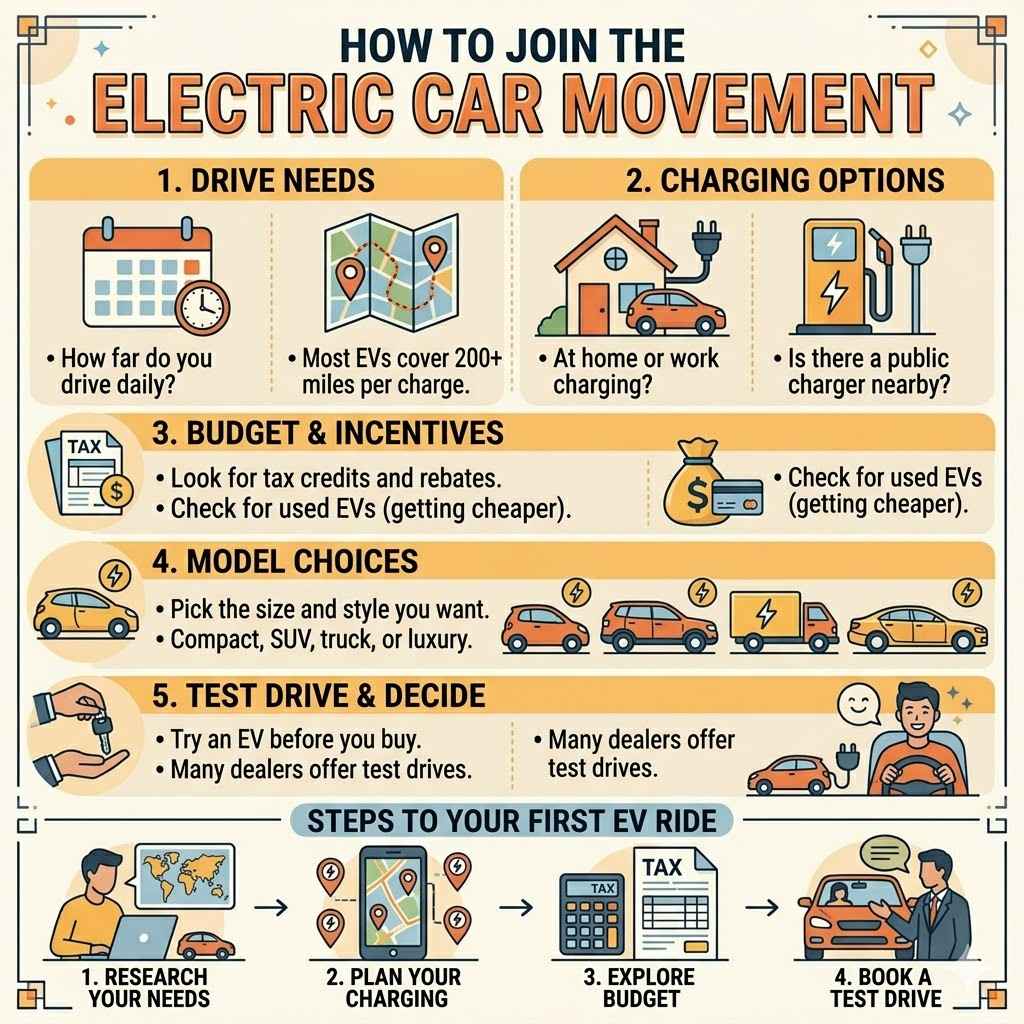
Thinking about making the switch? Here’s what to consider:
- Driving Needs: How far do you drive daily? Most EVs cover 200+ miles per charge.
- Charging Options: Can you charge at home or work? Is there a public charger nearby?
- Budget: Look for tax credits and rebates. Check for used EVs, which are getting cheaper.
- Model Choices: Pick the size and style you want—compact, SUV, truck, or luxury.
- Test Drive: Try an EV before you buy. Many dealers offer test drives.
Frequently Asked Questions
How Many People Use Electric Cars In The Us Right Now?
About 3 to 3.5 million people in the United States drive electric cars. This number is based on the latest registration data for battery electric and plug-in hybrid vehicles. The number is growing quickly as more new EVs are sold each year.
Are Electric Cars Popular In All Parts Of The Us?
No, electric cars are more popular in some states and cities than others. California leads the country, with over 40% of all EVs. Urban and suburban areas have more charging options, making EVs easier to use. Rural states and regions with fewer chargers see slower growth.
What Is The Main Reason People Buy Electric Cars?
Most people buy electric cars to save money on fuel and maintenance. Others want to help the environment by reducing emissions. New technology features, quieter rides, and government incentives also play a role.
How Much Does It Cost To Own An Electric Car Compared To A Gasoline Car?
Electric cars usually cost more to buy, but they are cheaper to run and maintain. Most drivers save hundreds to thousands of dollars per year on fuel and repairs. Tax credits and rebates can lower the purchase price, especially for new models.
Where Can I Learn More About Electric Car Growth And Data?
A good place to find up-to-date information is the US Department of Energy’s Alternative Fuels Data Center. You can visit their site at US Department of Energy for current statistics, maps, and research.
Electric cars are quickly becoming part of daily life in the US. While they still make up a small share of all vehicles, their numbers are rising fast. With more models, better prices, and a growing charging network, more Americans are making the switch.
Whether you’re curious, planning to buy, or just want to follow the trend, understanding these numbers will help you see where driving in America is heading next.