Car Lights Not Working After Hitting a Pothole
If one or more lights failed right after a pothole, inspect the wheel well, bumper, and nearby connectors first; a hard impact often breaks a bulb, socket, ground, or fuse before you replace anything. Ignoring it can leave you with hidden wiring damage, repeated blown fuses, or a light that fails again after a brief fix. This guide shows how to trace the fault by impact zone and failure mode, from headlights to brake, turn, and marker lights.
Why potholes can stop car lights

A pothole does more than jar the suspension. The shock can tug on a wire loom, shake a connector loose, crack a bulb filament, or disturb a ground point, so the failure may appear in a light cluster even when the lamp itself still looks intact.
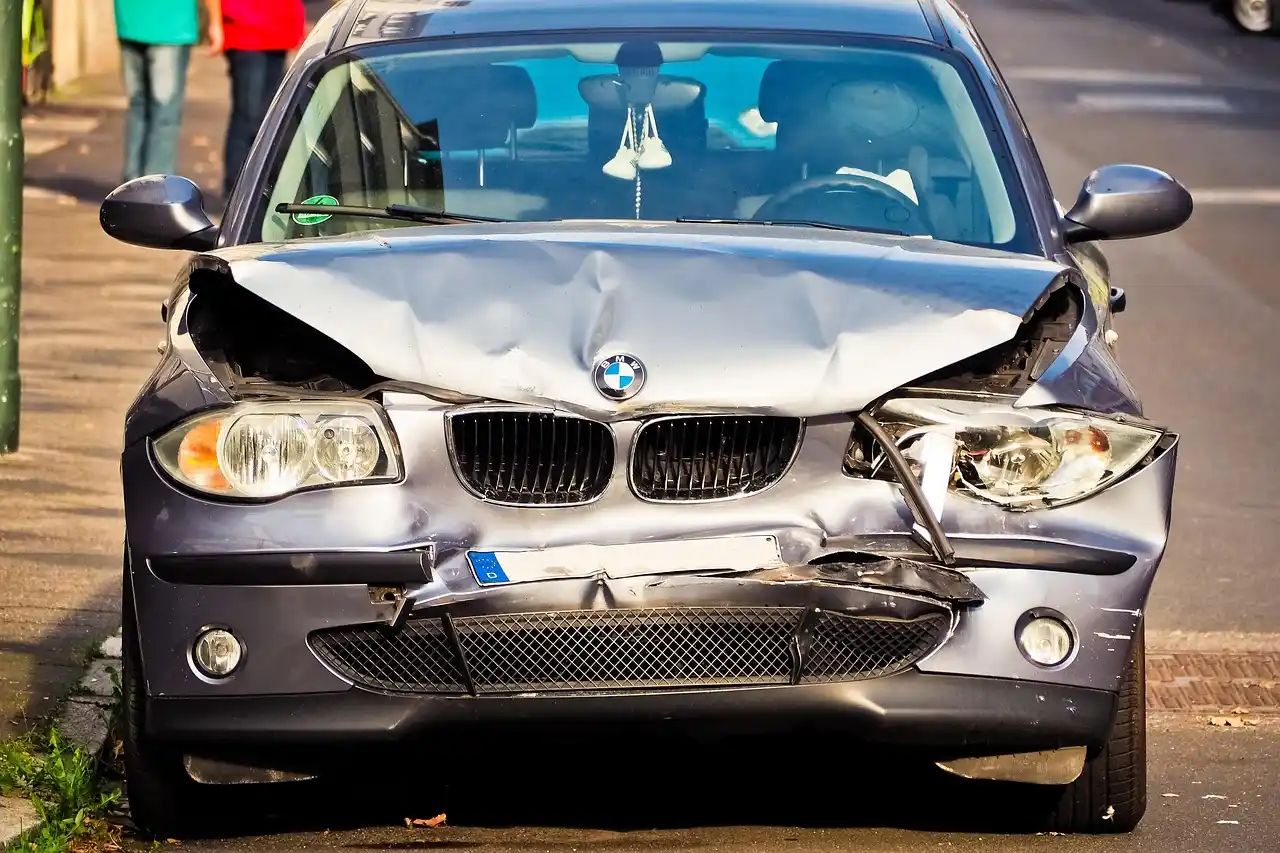
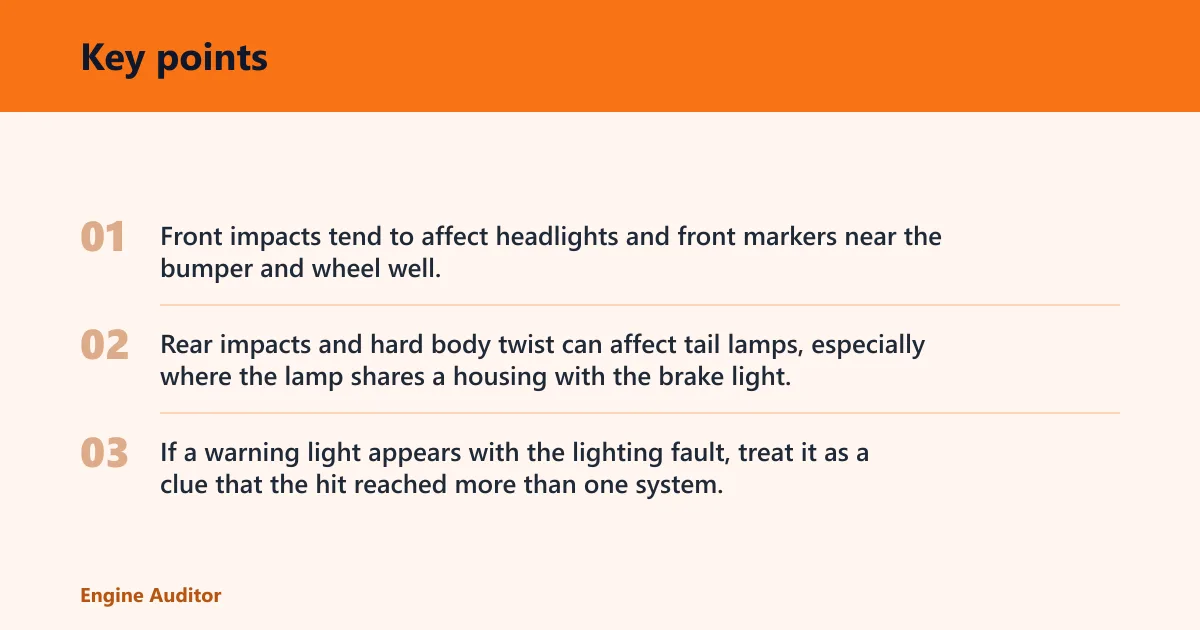
Front impacts tend to affect headlights and front markers near the bumper and wheel well. Rear impacts and hard body twist can affect tail lamps, especially where the lamp shares a housing with the brake light. If a warning light appears with the lighting fault, treat it as a clue that the hit reached more than one system.
What you’ll need
- Flashlight
- Gloves
- Trim tool or small flat tool for clips
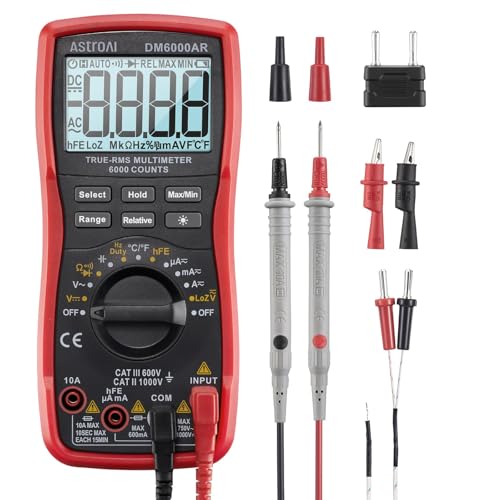
- Digital multimeter
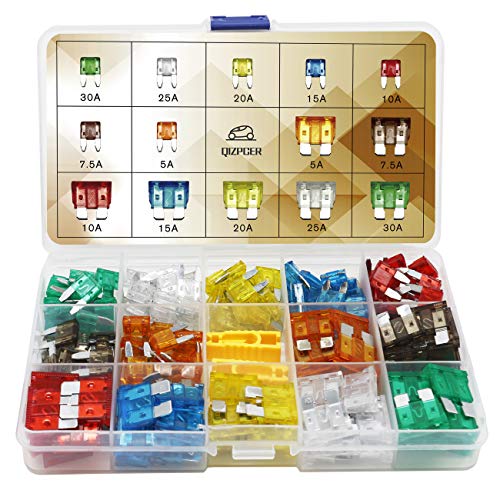
- Replacement fuse that matches the OEM amperage rating
- Replacement bulb with the correct base and wattage
- Electrical contact cleaner
- Dielectric grease for clean, dry connector terminals
Can a pothole knock out car lights?
Yes. A pothole can interrupt a lighting circuit by breaking a filament, shaking a socket loose, pulling a connector apart, or damaging a wire run near the impact zone. If the failure is intermittent, vibration is often the clue, not a steady dead bulb.
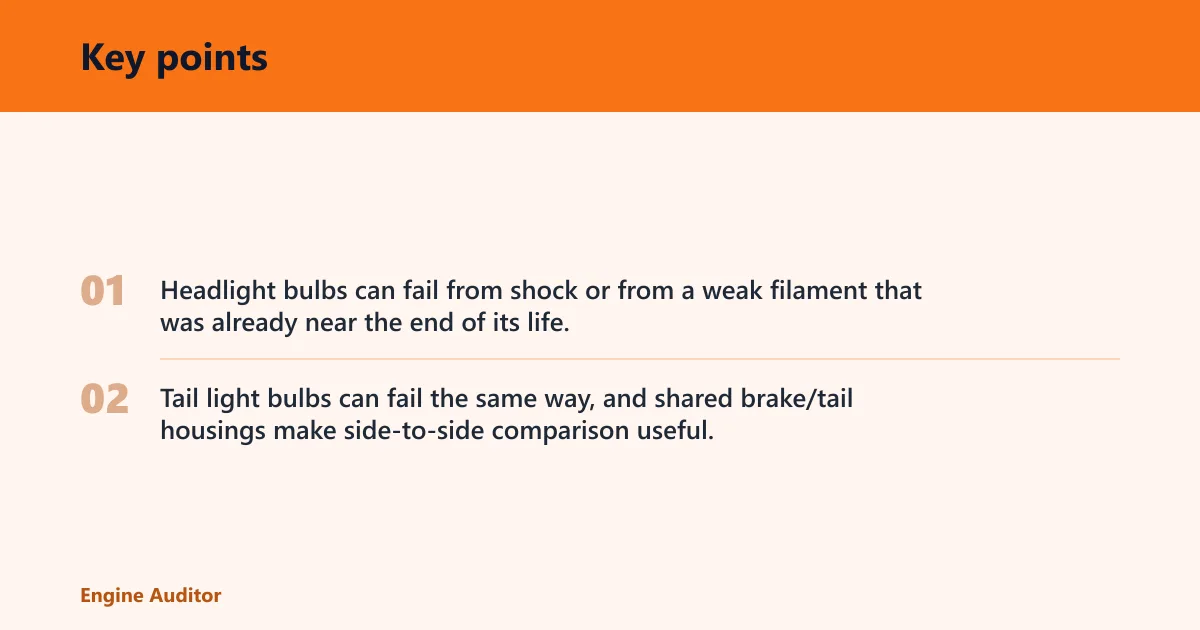
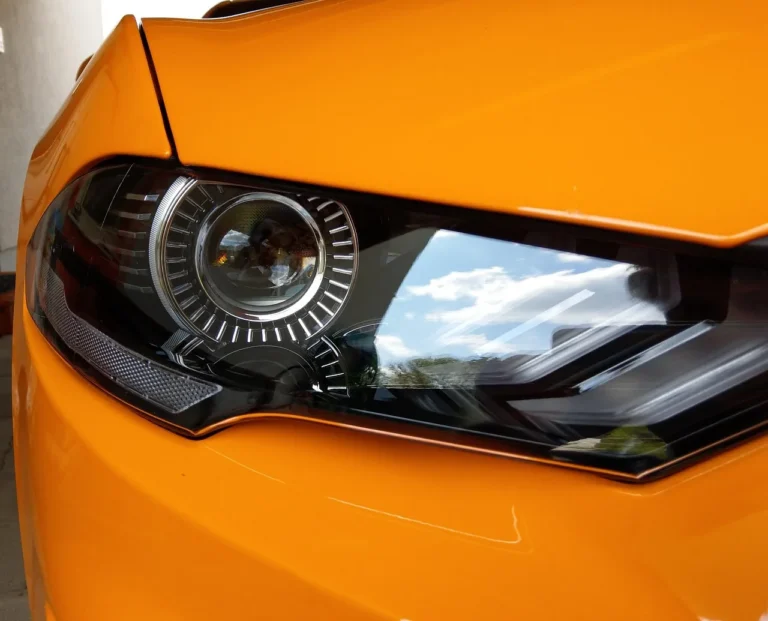
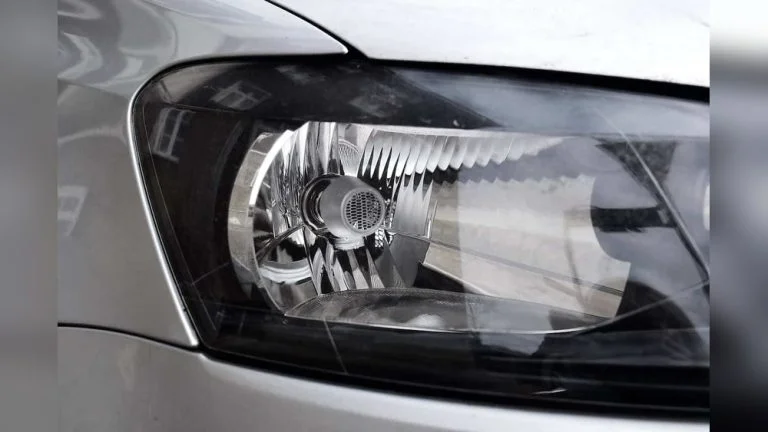
Headlight bulbs can fail from shock or from a weak filament that was already near the end of its life. Some vehicles use one bulb for low and high beam; others use separate bulbs, so check both functions before you assume the whole lamp is gone. Tail light bulbs can fail the same way, and shared brake/tail housings make side-to-side comparison useful.
Car light triage table
| Symptom | Likely failed component | Quick driveway check | Safe to drive? |
|---|---|---|---|
| One light dead | Bulb, socket, fuse, or connector | Compare left and right lamps; check the bulb filament and the fuse rating | Usually only for short, daylight driving if legal visibility remains |
| One light flickering | Loose connector, wiring, or ground | Gently wiggle the loom with the lights on and watch for a change | Not ideal; repair soon because the fault can spread |
| Both lights out | Fuse, shared ground, or shared power feed | Check the fuse first, then the common ground and shared connector | No, if forward or rear visibility is compromised |
| Dash warning light present | Related sensor or wider impact damage | Read codes with a scan tool and inspect the hit area for damaged wiring | Use caution until the fault is identified |
| Intermittent failure after turning the wheel or hitting bumps | Wiring damage, wheel well liner issue, or loose socket | Look near the wheel well and front bumper for rubbing, broken clips, or a loose plug | Not recommended; the circuit may fail again without warning |
What should you check first?
Start with the impact zone, then move through the circuit in order: fuse, connector, wiring, ground, bulb. That order catches the most common pothole-related failures before you spend time on a bulb that was never the problem.
-
Inspect the hit zone. Open the hood or access panel and look at the front bumper, wheel well, or rear lamp area that lines up with the pothole strike. Check for torn liners, broken clips, rubbed insulation, and any connector hanging loose.
-
Check the fuse first. Pull the lighting fuse and verify that its amperage matches the OEM spec printed on the fuse box cover or owner’s manual. A blown fuse can follow a short created by impact damage, so do not install a higher-rated fuse.
-
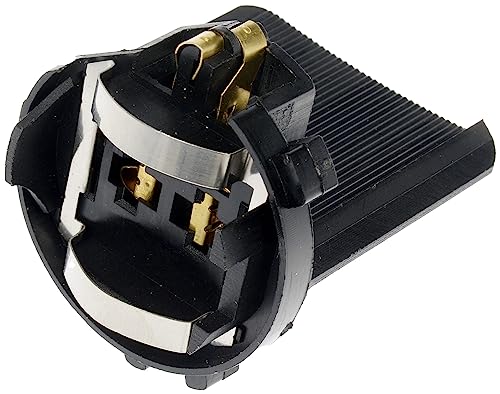
Test the connector. Unplug the bulb socket or lamp connector and look for corrosion, bent pins, or melted plastic. A loose fit often causes intermittent failure when the body flexes or the wheel turns.
-
Trace the wiring. Follow the wiring loom near the front bumper and wheel well. Look for rubbing, pinching, or a wire pulled partly free from a clip, especially where the wheel well liner may have shifted.
-
Verify the ground. Make sure the ground point is clean and tight. A wiggle check can reveal a loose connection, and a voltage-drop diagnosis can confirm whether current is returning through the ground path as it should.
-
Check the bulb last. Remove the bulb and inspect the filament for breakage. On a single-bulb headlight, check both low-beam and high-beam operation; on separate-beam layouts, test each bulb independently. Compare tail lamps side to side if one rear lamp is dim or out.
Say your right headlight works on low beam but cuts out when you hit a speed bump. That pattern points more toward a loose socket, connector, or ground than a fully burned-out bulb, because the fault appears only when vibration changes the circuit path.
Suppose the left rear lamp is out, the brake light still works, and the turn signal is normal. On a shared housing, that split symptom often points to the tail bulb itself or its socket, not the whole lamp assembly.
Is it safe to drive with one light out?
If one light is out, short and careful driving may be possible in daylight, but the car is not fully safe in low light or poor weather. If the missing lamp is a headlight, tail light, brake light, turn signal, or marker light, the safer choice is to repair it before regular driving.
If the problem is flickering, get it fixed sooner. Flicker often means a loose connector, damaged wiring, or weak ground, and those faults can worsen after one more bump. If multiple lights fail, stop treating it as a simple bulb job.
If that didn’t work, try this next
-
Scan for related codes. Use a scan tool at the OBD-II port and read any stored codes for TPMS, ABS, or traction control. Those warnings are not direct lighting faults, but they often appear after a wheel-area impact that also disturbed wiring.
-
Inspect the wheel well liner. Check for torn plastic, missing fasteners, or a liner pushed against the wiring. A displaced liner can expose wiring to road debris and let the tire or suspension rub the loom.
-
Confirm the bulb type. Replace only the failed bulb with the correct one for the socket and beam layout. A separate low-beam and high-beam setup needs the right bulb in the right place, and a shared housing may hide one bad filament beside a working one.
Common mistakes
Many drivers replace the bulb first and miss the real fault. That wastes time when the socket is loose, the ground is dirty, or the wiring is pinched behind the bumper.
Another common miss is ignoring intermittent operation. A light that comes back on when the car is parked can still fail again on the next bump, which is why the wiggle check matters.
Do not use a higher-rated fuse just to keep it from blowing. The correct fix is to find the short or damaged wire, because a larger fuse can let the harness overheat.
Do not skip the tire-and-wheel check either. Pothole damage can include bent rims, a crooked steering wheel, steering-wheel vibration, and shock or strut damage, and those clues help confirm the hit was strong enough to disturb more than one system.
When should you stop driving and get the car inspected after a pothole?
Stop driving and get a professional inspection if the lights flicker, if multiple lamps fail, or if you see visible damage near the wheel well, bumper, or lamp housing. A severe hit can damage wiring, alignment, and suspension at the same time, so the lighting fault may be only one part of the problem.
If warning lights appear with the lighting issue, do not assume they are unrelated. TPMS, ABS, and traction control warnings can point to wheel-area damage that needs a scan tool, a visual wiring check, and an alignment or suspension review.
Fluid leaks mean do not continue driving. Even when the car still moves, the cost can climb if a damaged wiring run or connector keeps arcing or shorting while you drive.
Frequently asked questions
Why did my car lights stop working after hitting a pothole?
The impact can break a bulb filament, loosen a socket, disturb a ground, or damage a fuse or wiring run. The fastest check is the impact zone itself: wheel well, bumper, lamp housing, and nearby connectors. That path finds pothole-related faults faster than swapping parts at random.
Can a pothole knock out headlights or taillights?
Yes. Headlights and taillights sit close to body panels and wiring that can shift during a hard hit. Front lamps are vulnerable near the bumper and wheel well; rear lamps can fail from vibration or a cracked socket. Compare both sides to narrow the fault.
What should I check first if my lights stopped working after a pothole?
Check the fuse, connector, wiring, and ground before replacing the bulb. Then inspect the lamp for filament breakage. If the problem appears only after bumps or steering input, focus on loose wiring or a damaged wheel well liner near the affected corner.
Is it safe to drive if one car light is out after a pothole?
Only for very short, careful trips in good daylight, and only if local law still allows it. A failed headlight or tail light reduces visibility and can hide a bigger wiring fault. If the light flickers, do not count it as safe.
Could a pothole damage a fuse, bulb, or wiring connector?
Yes. A jolt can sometimes blow a fuse if a short develops, crack a bulb filament, or loosen the connector enough to interrupt power. If the fuse is replaced, match the OEM amperage rating exactly and look for the cause of the short first.
Can hitting a pothole trigger dashboard warning lights too?
Yes. TPMS, ABS, and traction control warnings may appear after wheel-area damage, especially if a sensor wire or nearby wiring was disturbed. Those lights do not prove a lighting-circuit fault, but they are a strong clue that the impact reached wiring or suspension components.
Products related to this article
Sponsored / affiliate links. As an Amazon Associate I earn from qualifying purchases. I may earn additional commission from eligible campaigns.